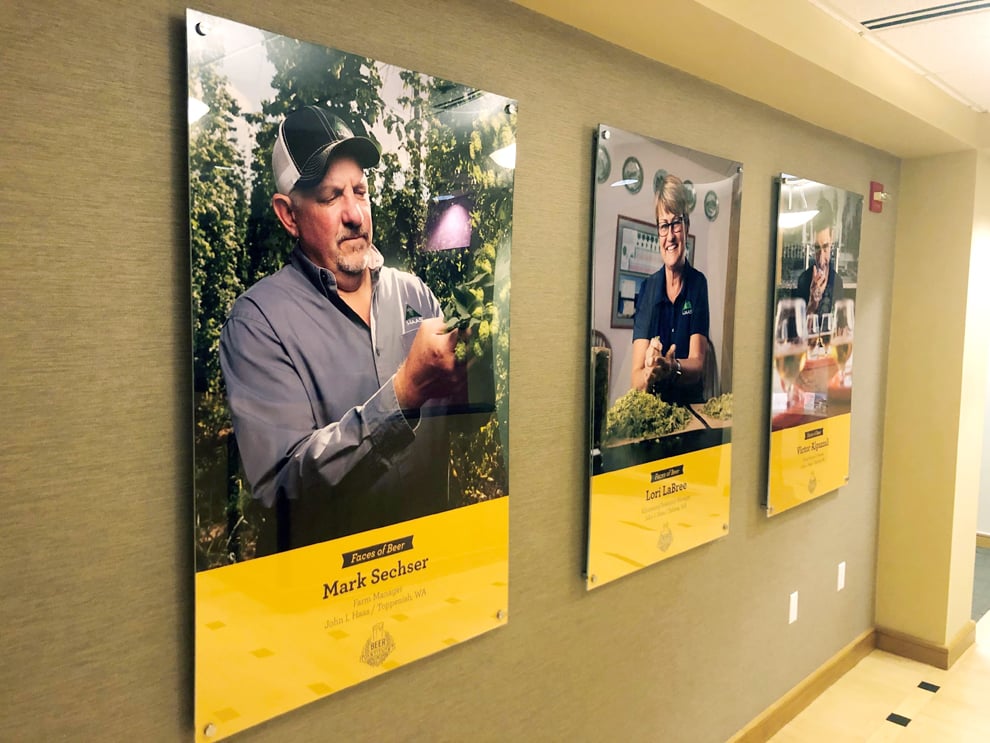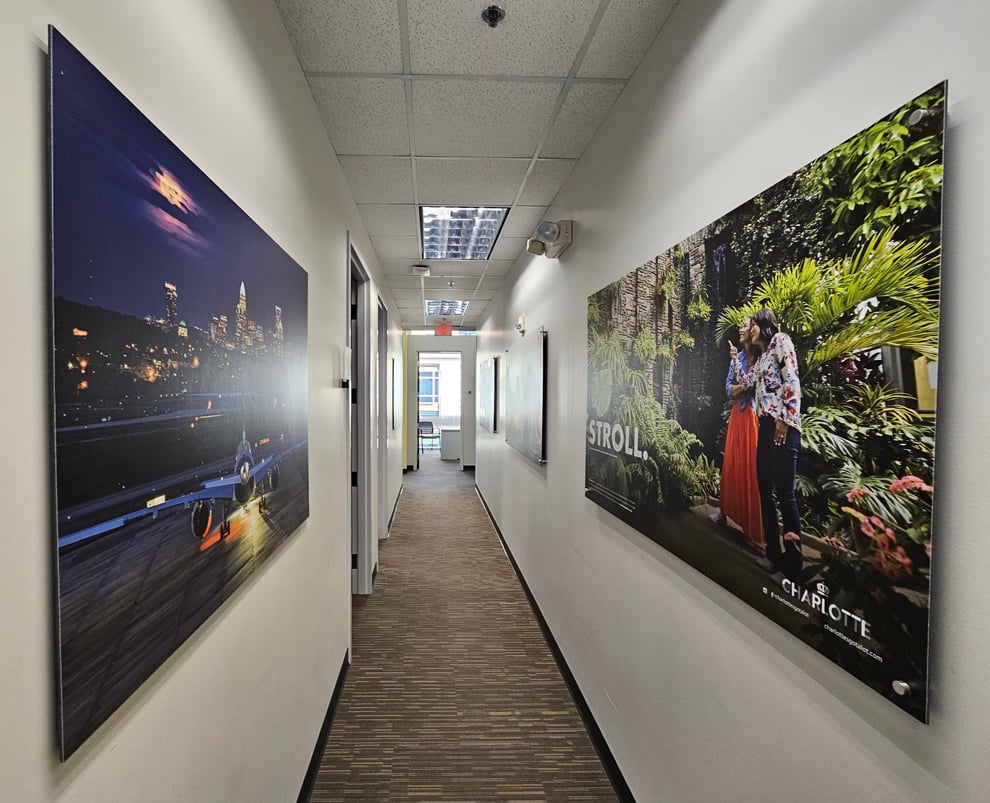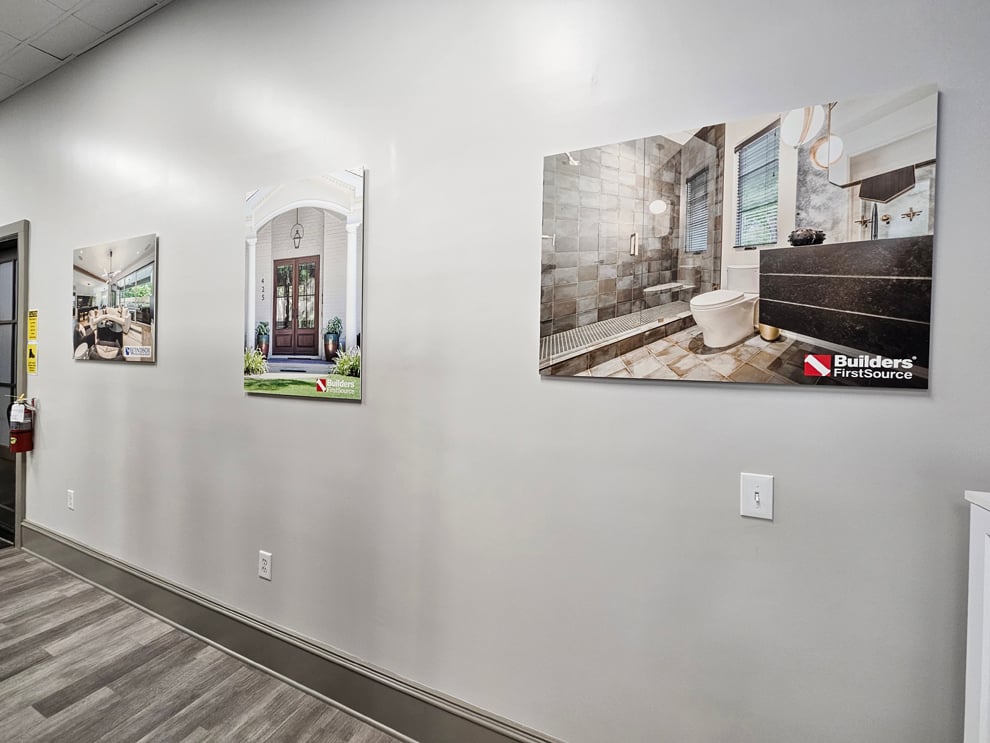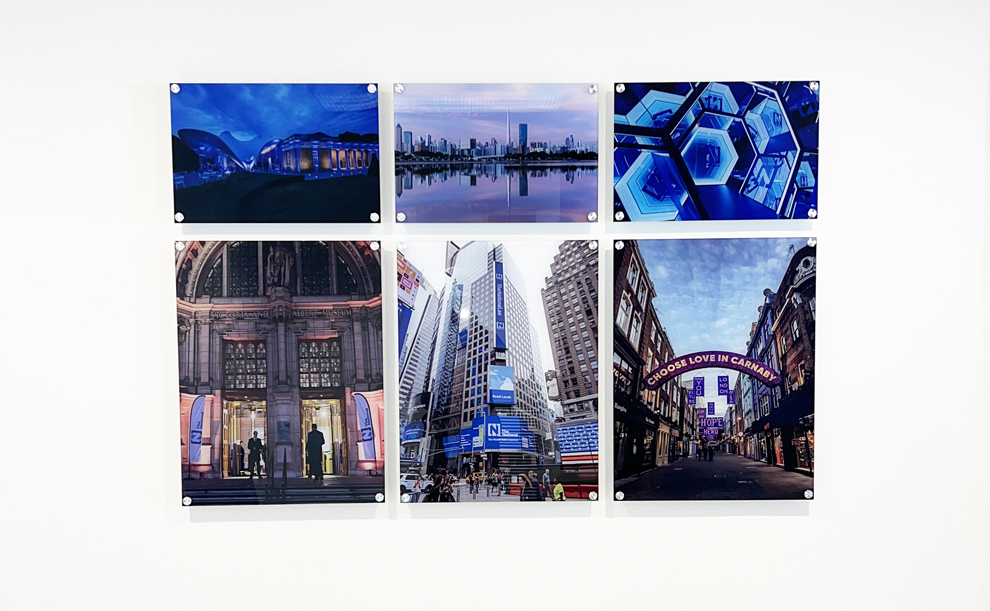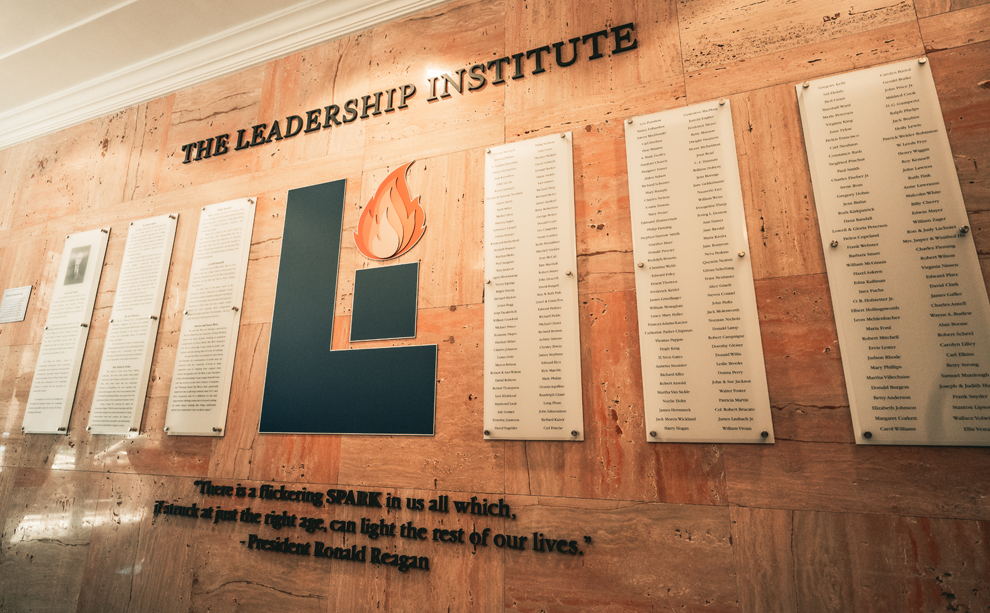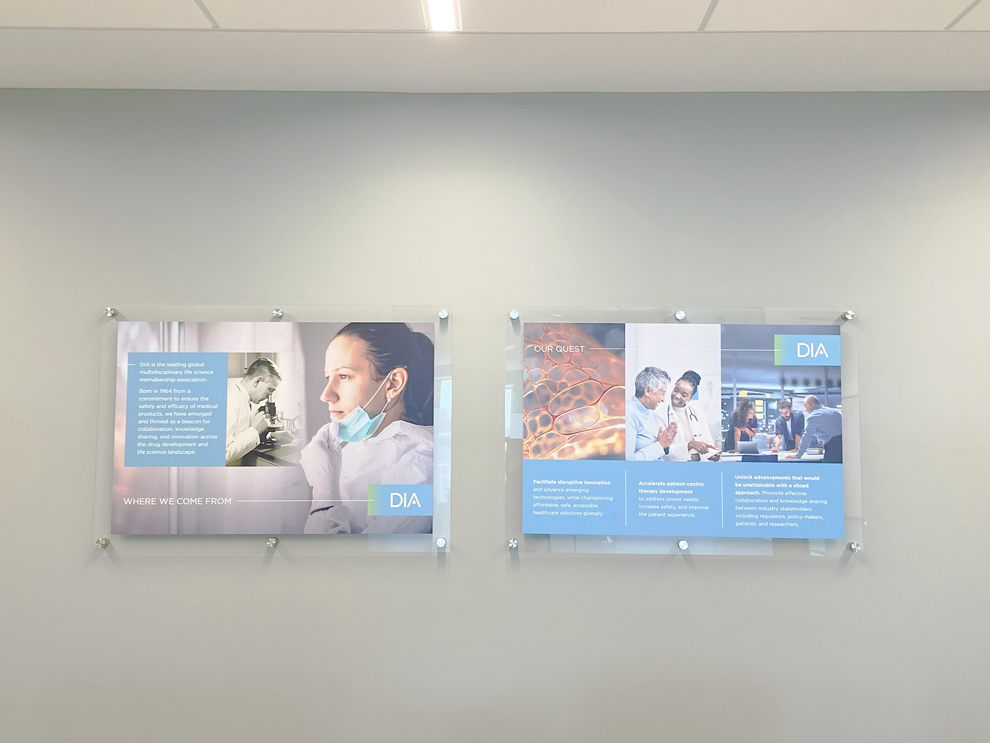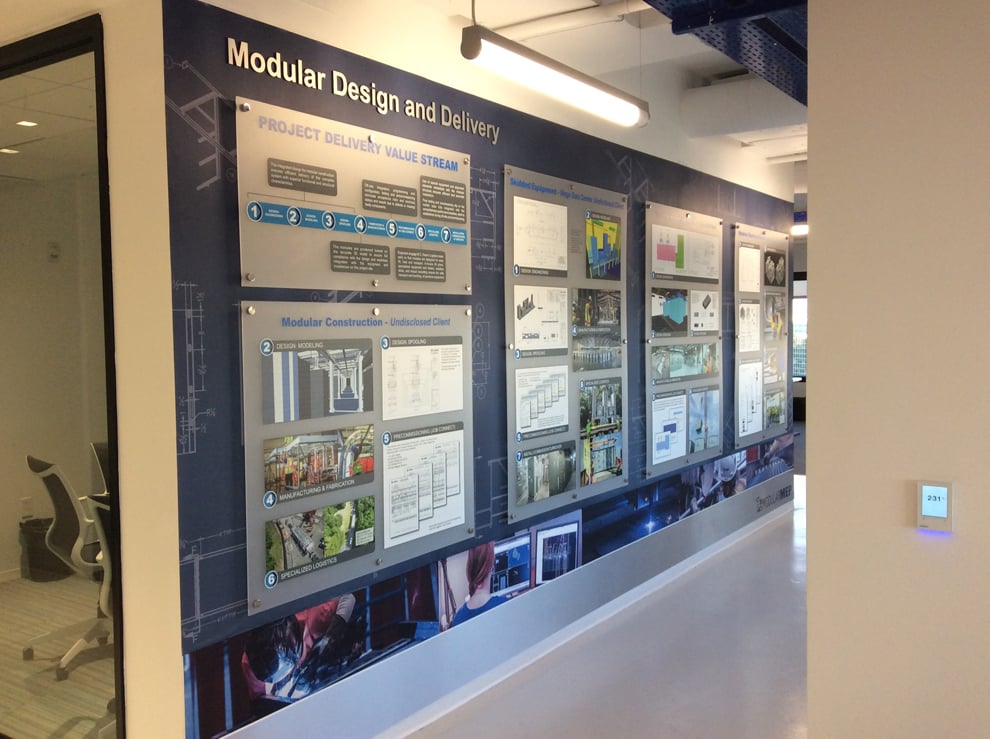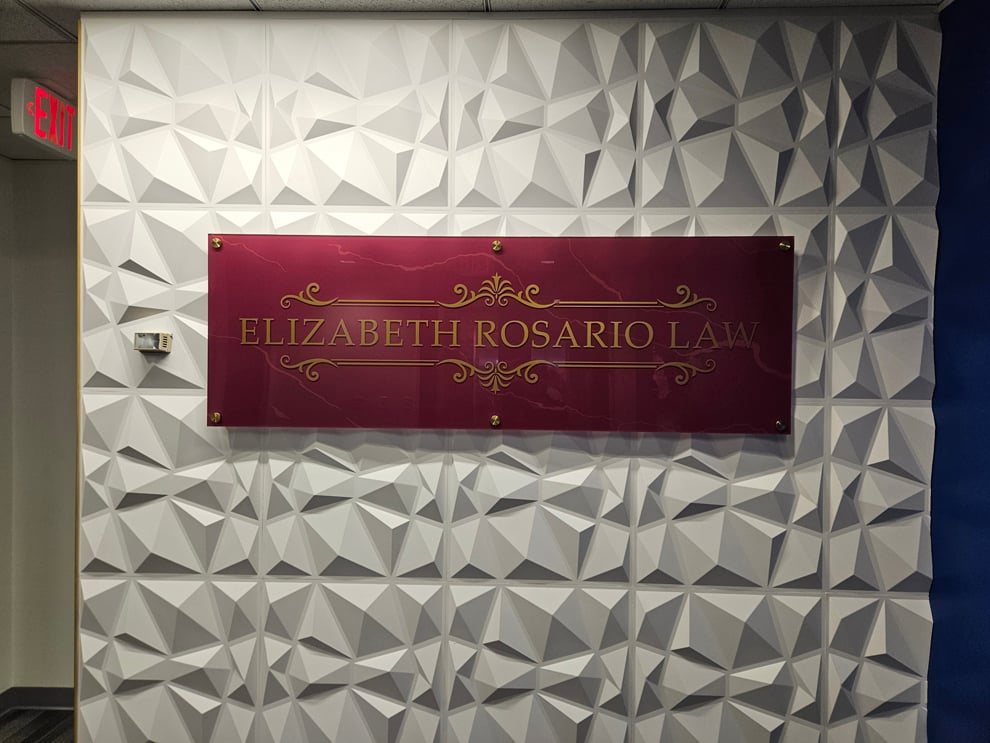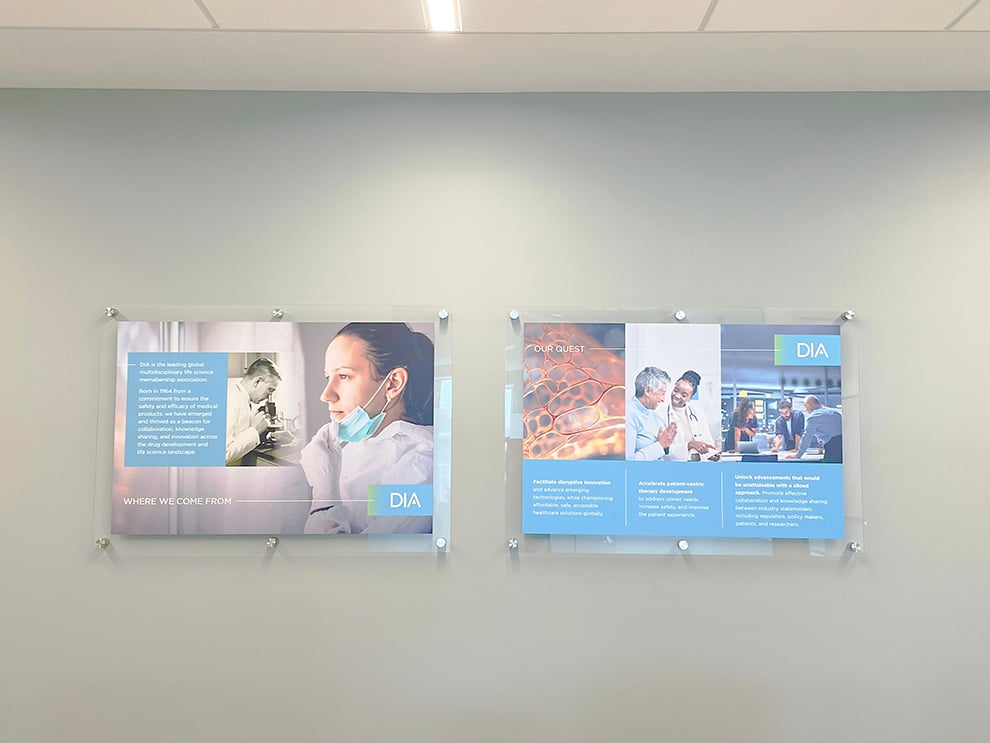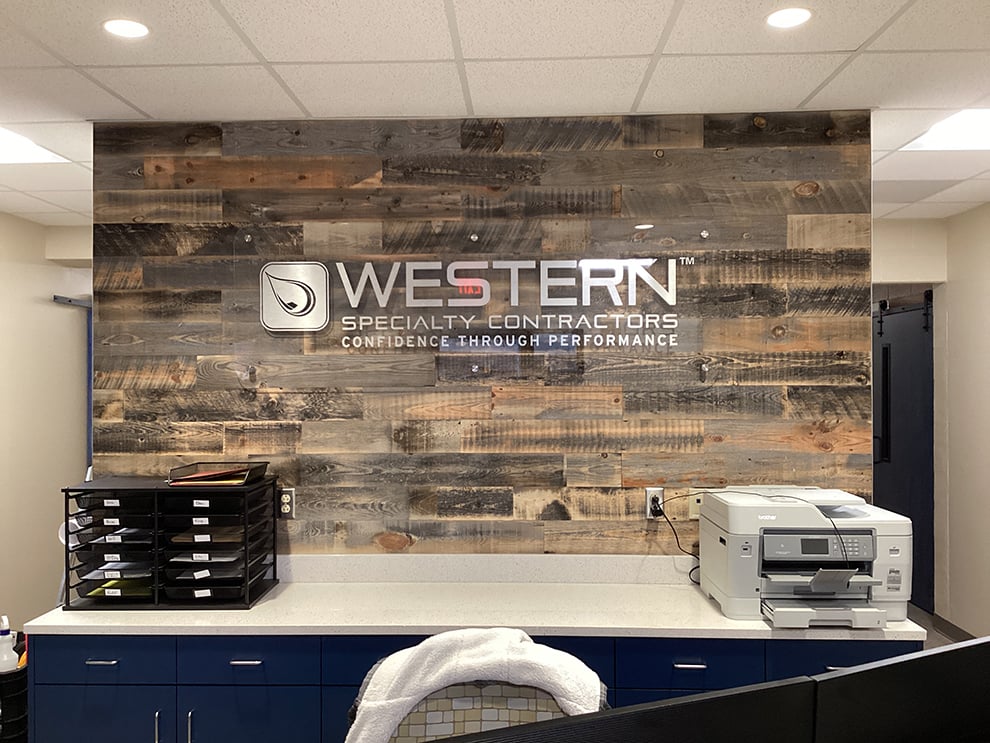
When a message deserves a permanent place inside a workplace, standoff mounted signs can give it architectural depth without making the wall feel heavy. The face panel sits forward from the surface on visible hardware, creating a deliberate shadow line and a dimensional presentation. That construction can turn a company identity, mission statement, recognition program, timeline, directory, or cultural message into a built feature that employees and visitors encounter as part of the interior.
Charlotte organizations often make these investments while opening headquarters, renovating offices, consolidating teams, welcoming clients, recruiting employees, or giving an established facility a clearer sense of identity. Heritage Signs & Displays is a veteran-owned, family-led company founded in 1977. Our Charlotte team helps businesses, healthcare providers, universities, manufacturers, nonprofits, ministries, sports organizations, and professional firms translate important messages into standoff displays suited to their brand, building, and audience.
This market perspective helps the display respond to Charlotte’s mix of established headquarters, expanding enterprises, public-serving institutions, and regional organizations.
The strongest projects begin by deciding what the wall needs to accomplish. A reception feature may need to establish confidence at arrival. A history installation can connect growth and milestones across decades. Donor panels may require a respectful hierarchy and a practical method for adding names. Department markers and directories need clarity from expected viewing distances. Values displays should reinforce culture without becoming visual wallpaper. Defining that purpose early guides the size, content, materials, hardware, and placement.
Heritage connects environmental graphic design, project management, production, fabrication, and installation within one Heritage-managed process. A dedicated project manager coordinates discovery, field information, design reviews, client approvals, production requirements, scheduling, and installation access. Our Charlotte-based production capabilities allow creative decisions and fabrication realities to remain closely connected, while regional coordination supports organizations with facilities elsewhere in the Carolinas.
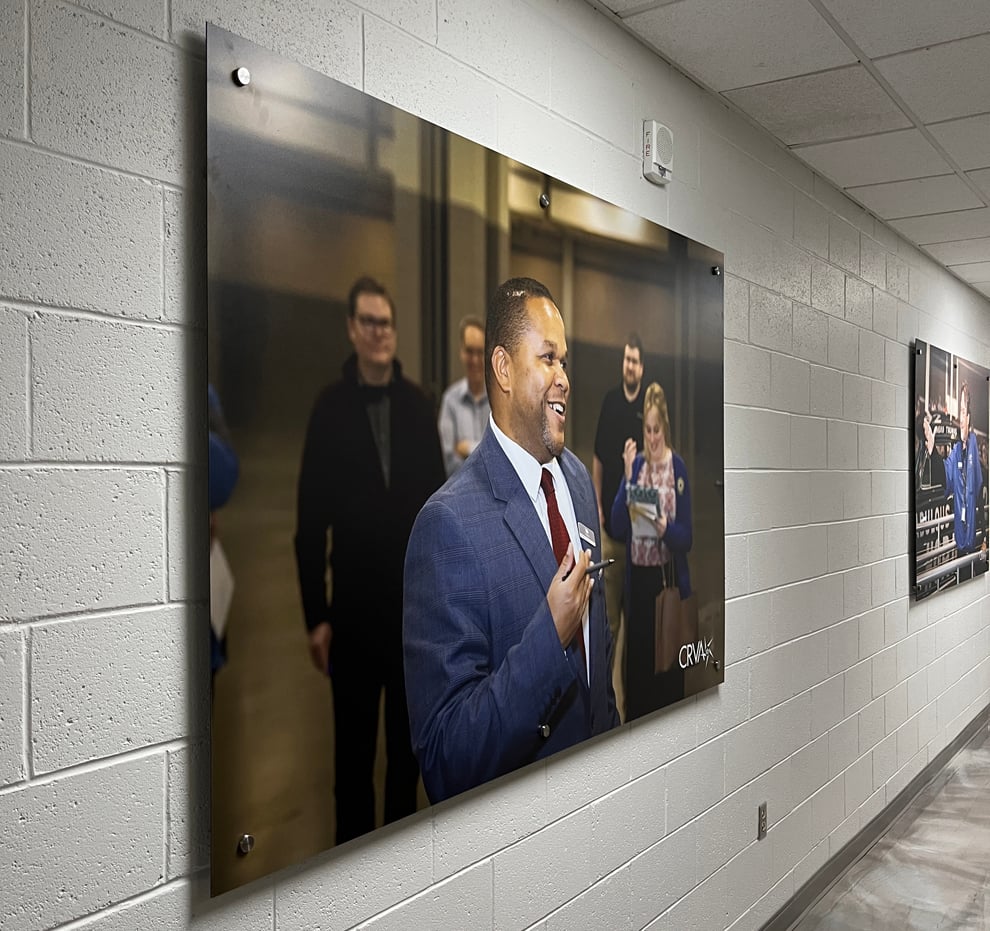
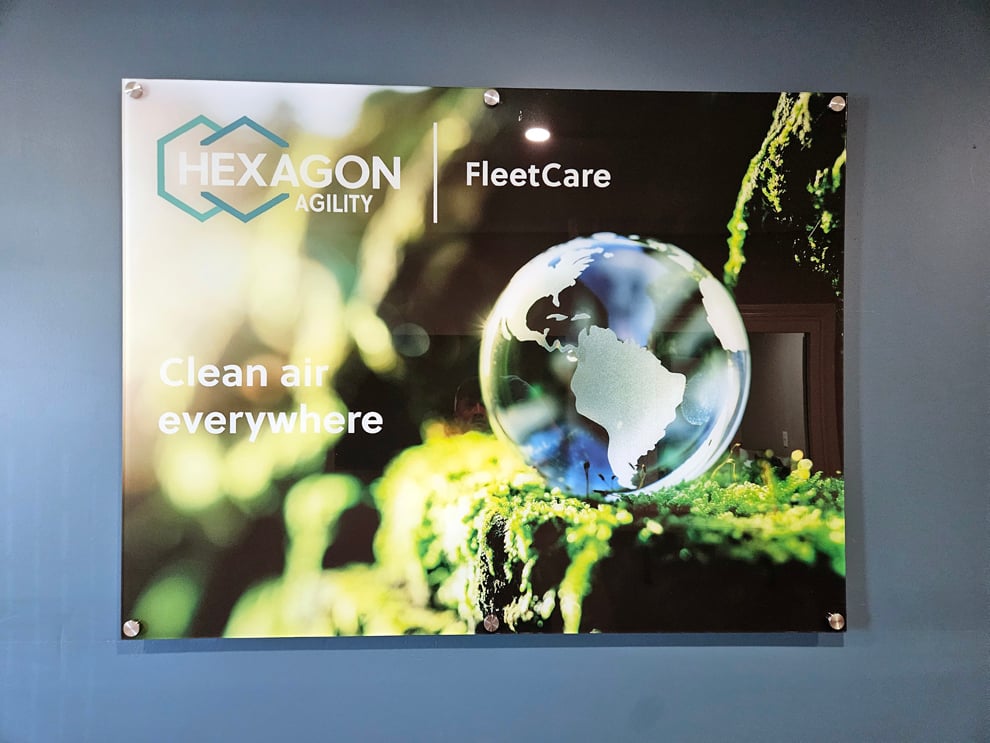
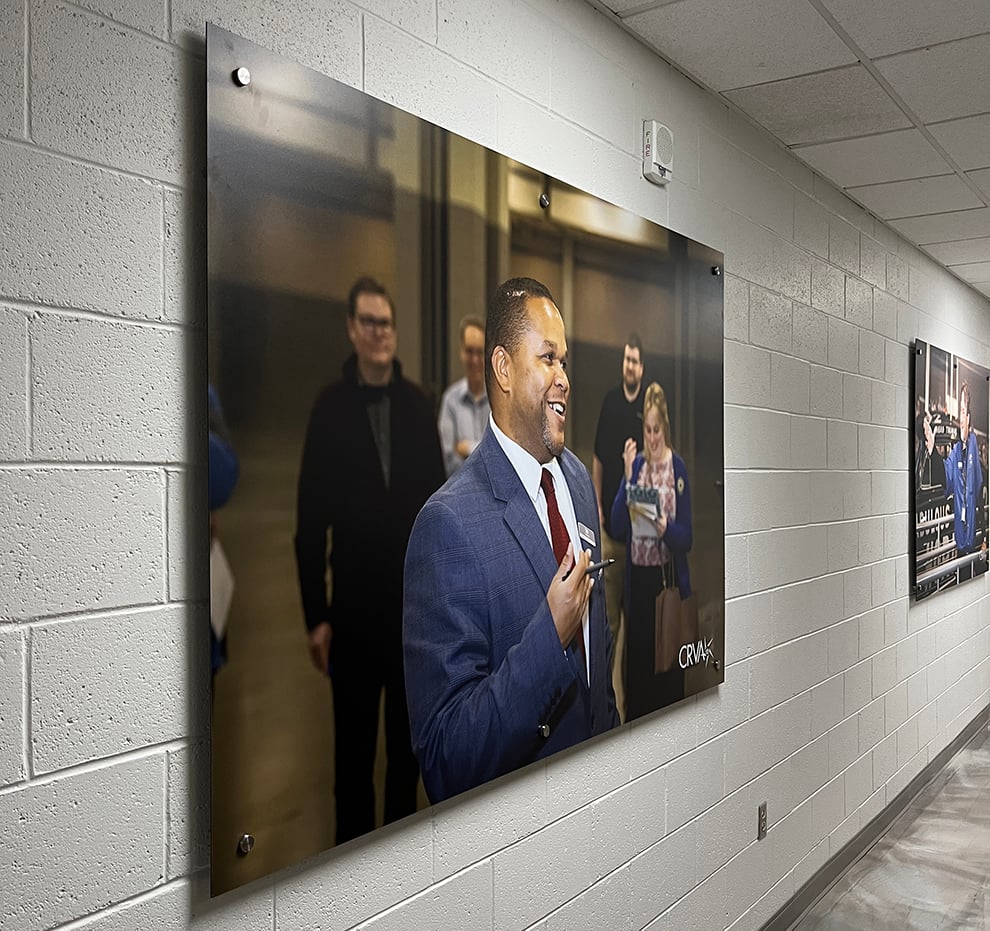
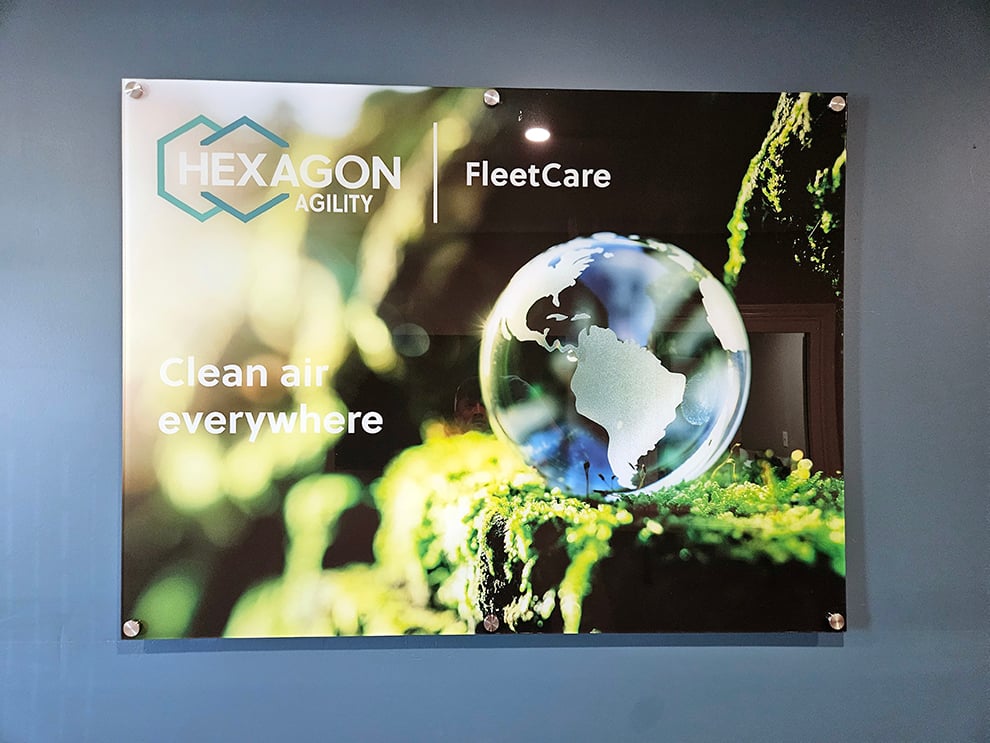
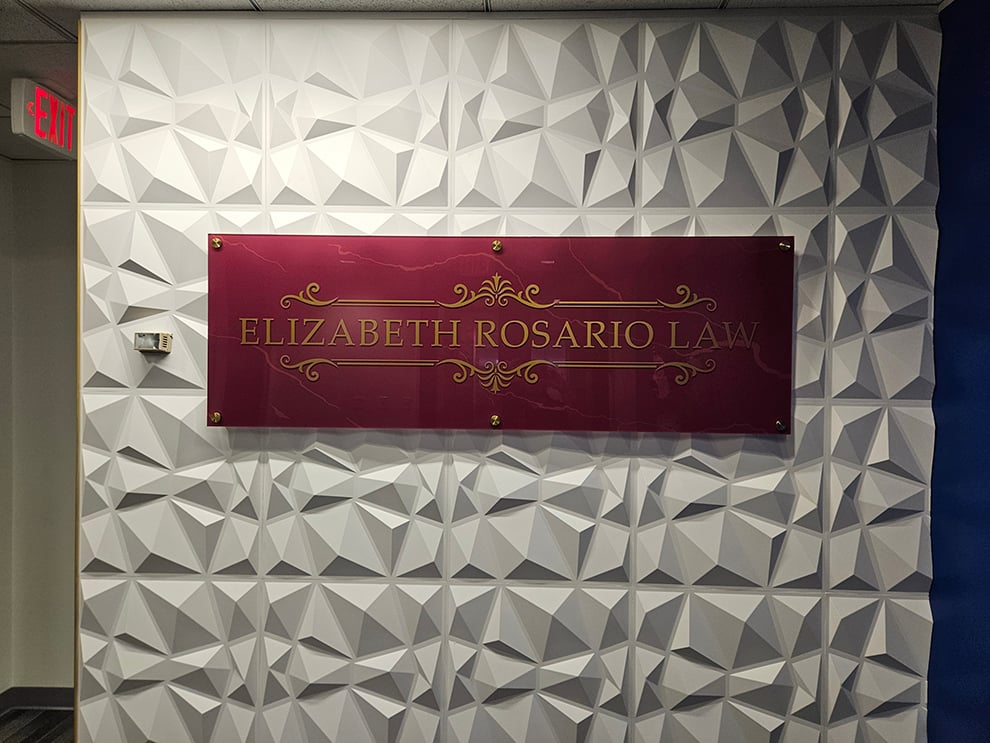
Although acrylic frequently appears in these displays, standoff mounted signs are a construction and mounting category, not a single-material product. Face elements may include clear or opaque acrylic, aluminum composite material (ACM), printed graphics, dimensional lettering, layered components, or information designed for future replacement. The visible barrels and caps, their spacing, and the panel’s measured distance from the wall contribute to the finished composition.
That mounting method requires precision. Every properly installed wall-mounted standoff sign needs drilled mounting points and anchors or fasteners chosen for the wall substrate and total load. Relocation or removal will normally leave penetrations that must be patched and refinished. For that reason, standoff construction is most appropriate for permanent or semi-permanent wall-mounted features rather than seasonal promotions or portable event displays.
As a veteran owned business, Heritage strives to be a valued resource that honors God by serving our clients and communities with excellence. We express that purpose by listening carefully, recommending responsibly, producing accurately, respecting the client’s facility, and remaining accountable through installation. The goal is a finished Charlotte interior feature that serves its message and its people well.
The floating appearance of a standoff sign comes from a coordinated assembly. Barrels create separation from the wall, caps secure the face, and concealed or visible fasteners transfer the load into anchors selected for the substrate. Hardware diameter, finish, spacing, and projection depth should relate to the panel size and surrounding architecture rather than functioning as decoration added after the design is complete.
Drywall, masonry, wood blocking, tile, glass-adjacent surfaces, and specialty finishes present different planning requirements. Panel weight, edge distance, accessible mounting locations, hidden utilities, cleaning clearance, and expected contact also influence the system. A paper template or digital layout must translate accurately to the wall because even small drilling or alignment errors become visible across a row of polished caps.
Heritage's environmental graphic design, fabrication, and installation teams evaluate these conditions before production is released. We plan the mounting pattern, panel divisions, visual balance, service access, and update strategy as parts of the display itself. This technical ownership separates standoff construction from flush-mounted panels, adhesive graphics, direct-mounted lettering, and temporary display systems while protecting the intended result inside the Charlotte workplace.
Charlotte organizations choose Heritage when a standoff display must do more than place a polished panel on a wall. The project may need to express a company identity, strengthen a headquarters arrival, recognize supporters, reinforce culture, preserve history, or organize information across a workplace. Heritage begins by understanding that objective and the people who will encounter the finished feature.
Heritage Signs & Displays is a veteran-owned, family-led company serving clients since 1977. Our Charlotte team connects environmental graphic design, one dedicated project manager, production, fabrication, and professional installation through one Heritage-managed process. Charlotte-based production keeps creative decisions close to material, printing, fabrication, and scheduling realities, while full-time Heritage installers arrive with context about the approved design and mounting requirements.
That continuity matters when panel tolerances, printed color, hardware placement, wall conditions, seams, access, and installation timing can affect the result. It reduces unnecessary handoffs, gives clients one accountable point of coordination, and helps protect the message from discovery through installation. Heritage strives to honor God by serving clients and communities with excellence, reflected through listening, responsible recommendations, accurate production, respect for client facilities, and dependable follow-through.
Four product categories help Charlotte buyers compare the closest options while keeping the standoff system central. Each connects through material, workplace application, dimensional construction, or a broader display objective.
Wall wraps turn blank walls into branded visual statements that reinforce company identity throughout workplace interiors and event spaces.
Window graphics add brand messaging, color, and privacy while making offices and event environments feel more polished and cohesive.
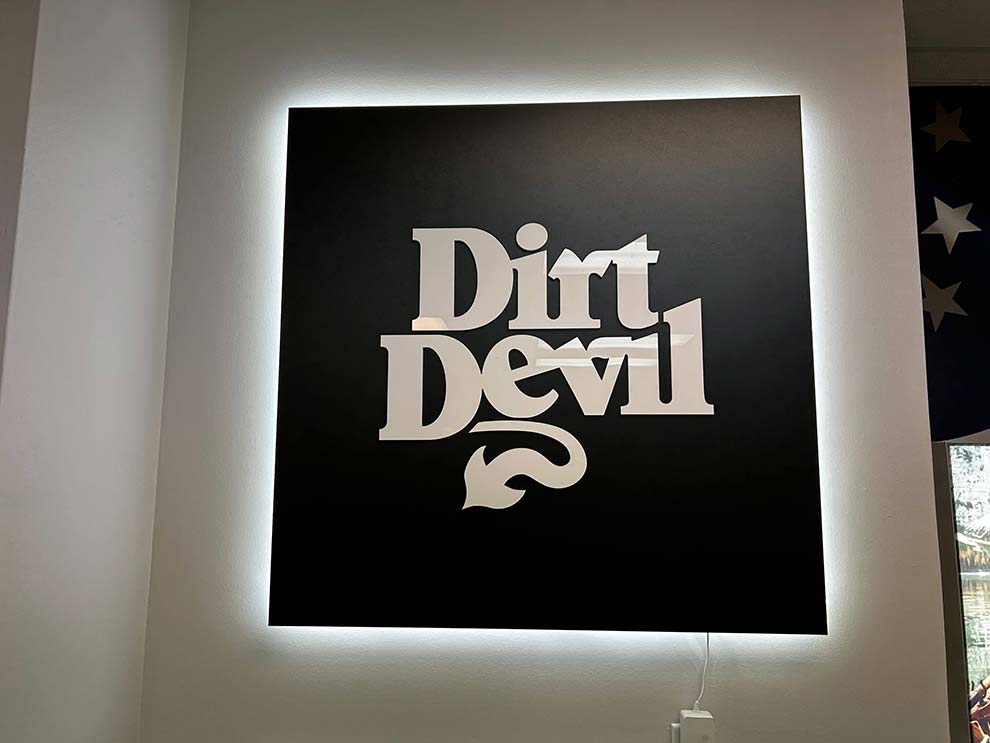
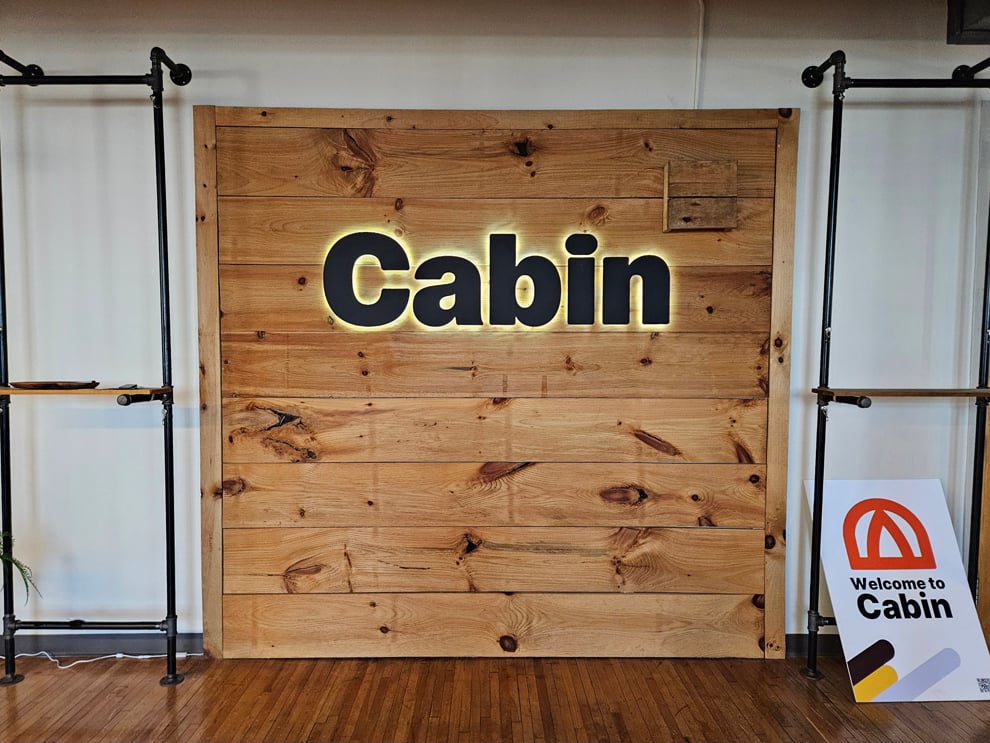
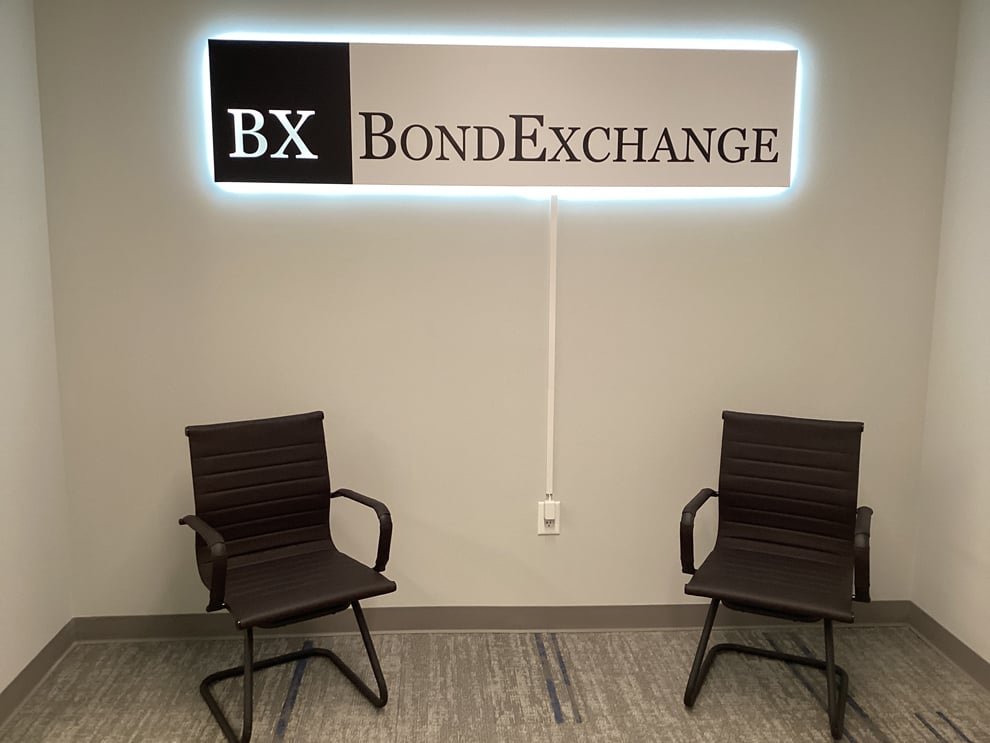
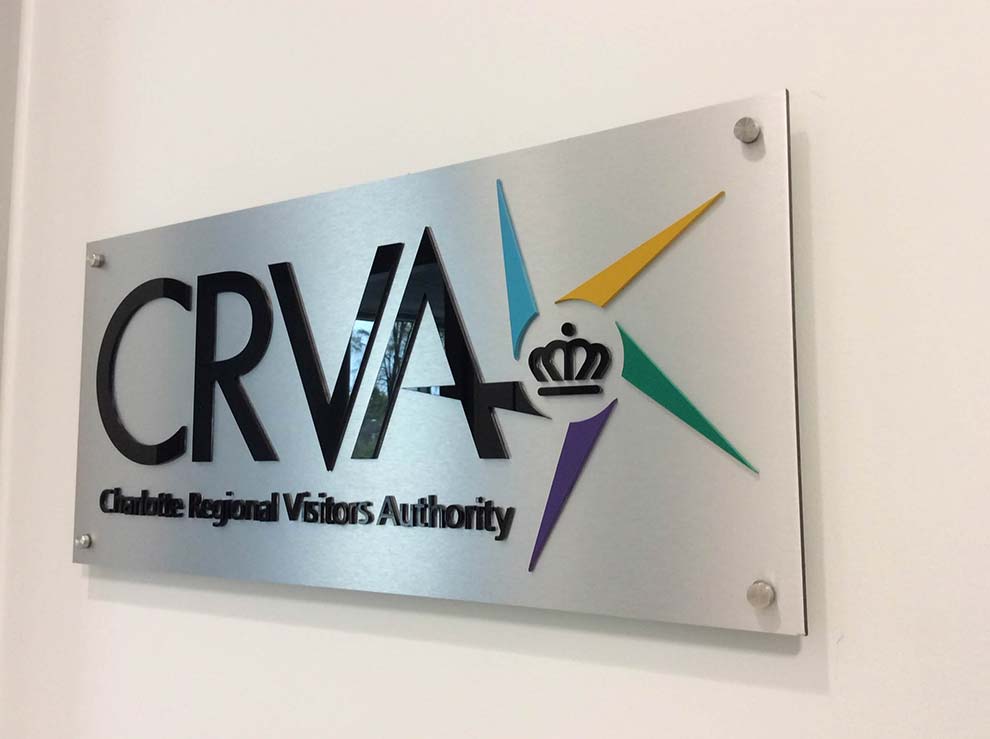
Lobby signs establish identity when employees, clients, and recruits arrive. A standoff-mounted panel is one construction option when visible hardware and projection fit the reception space.
Frosted vinyl adds privacy and a clean branded look to glass surfaces in offices, meeting rooms, and event venues.
Elevator wraps extend branding into high-traffic areas and turn overlooked surfaces into engaging visual touchpoints.
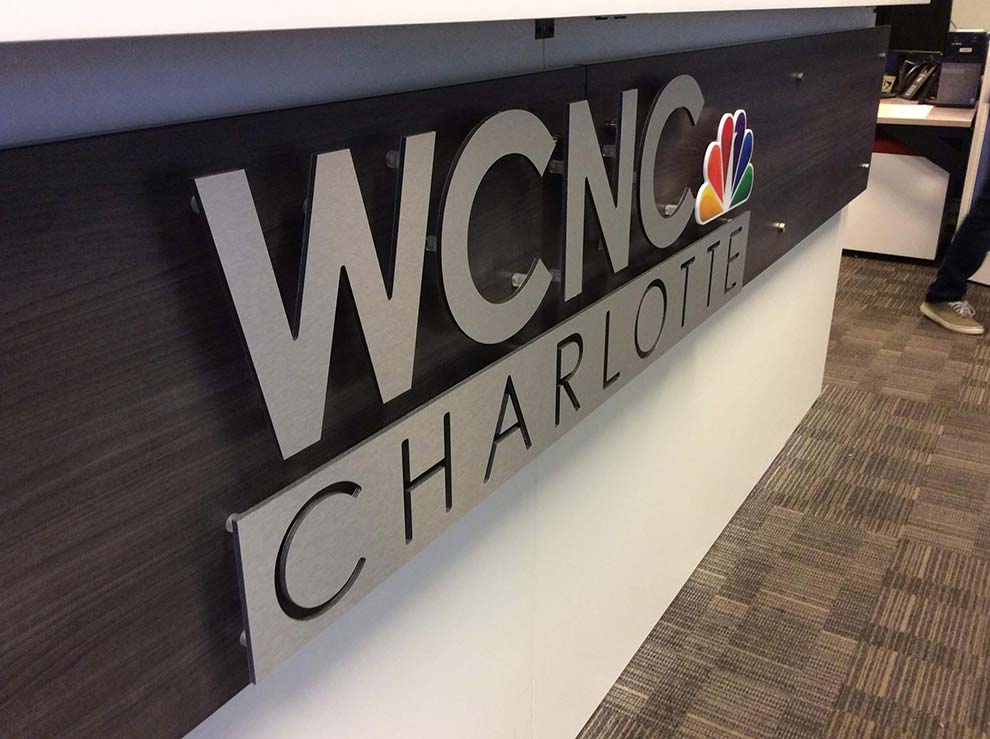
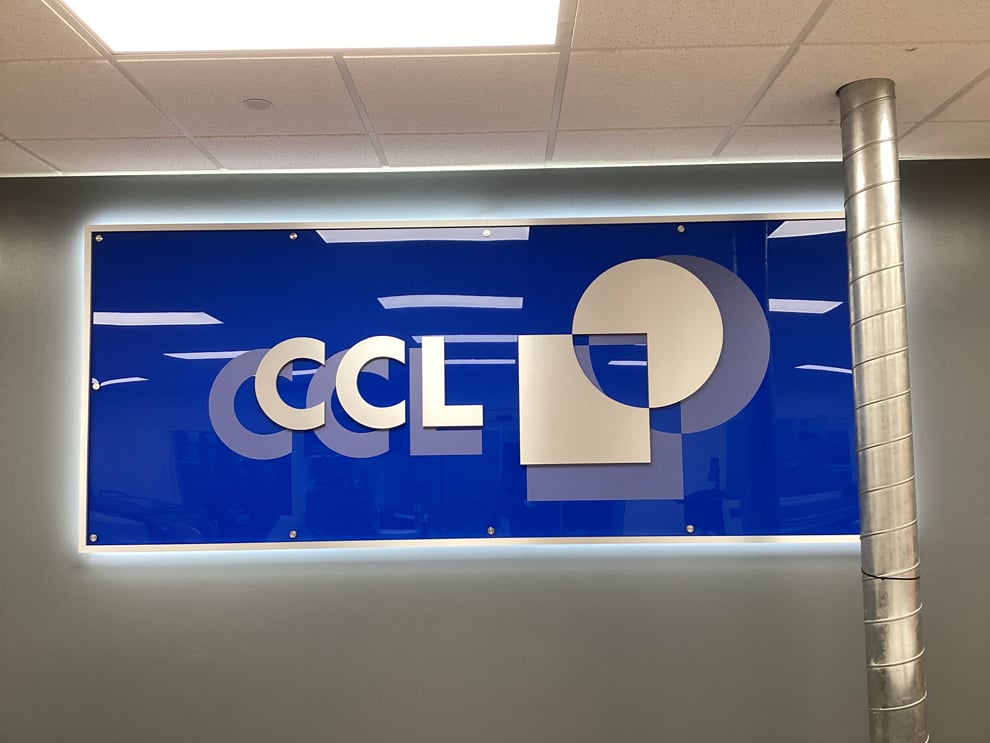
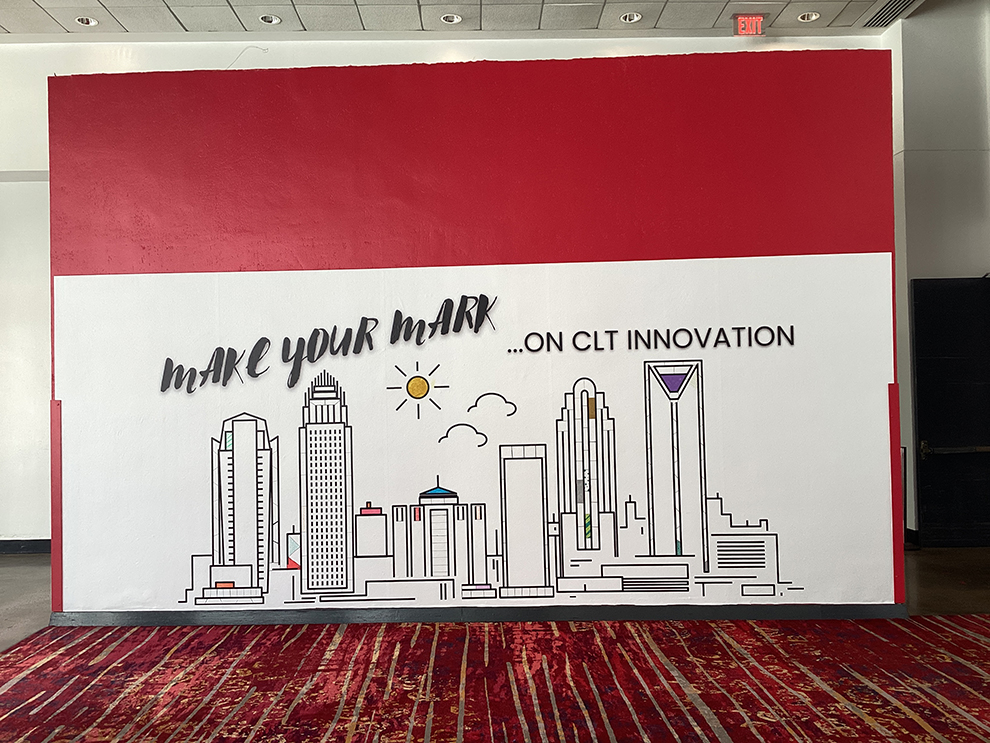
Dimensional letters create depth through individual characters and logo shapes. They may be mounted directly to the wall or combined with a coordinated standoff face.
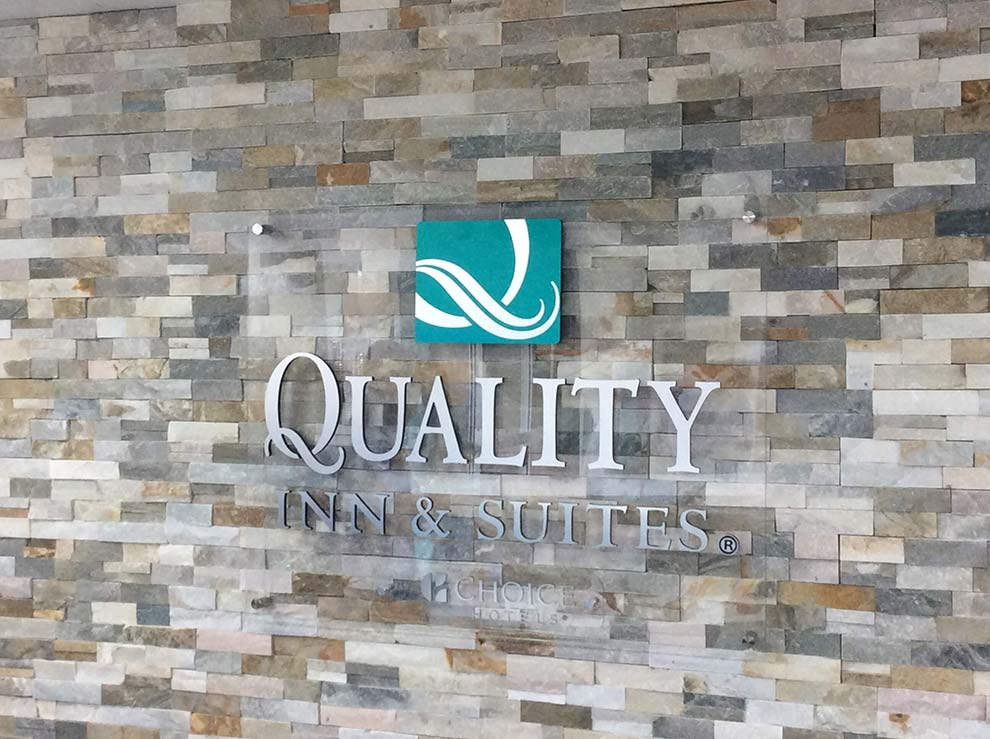
Acrylic provides clear, frosted, printed, or layered faces. It can be installed with standoffs or another mounting method suited to the design and site.
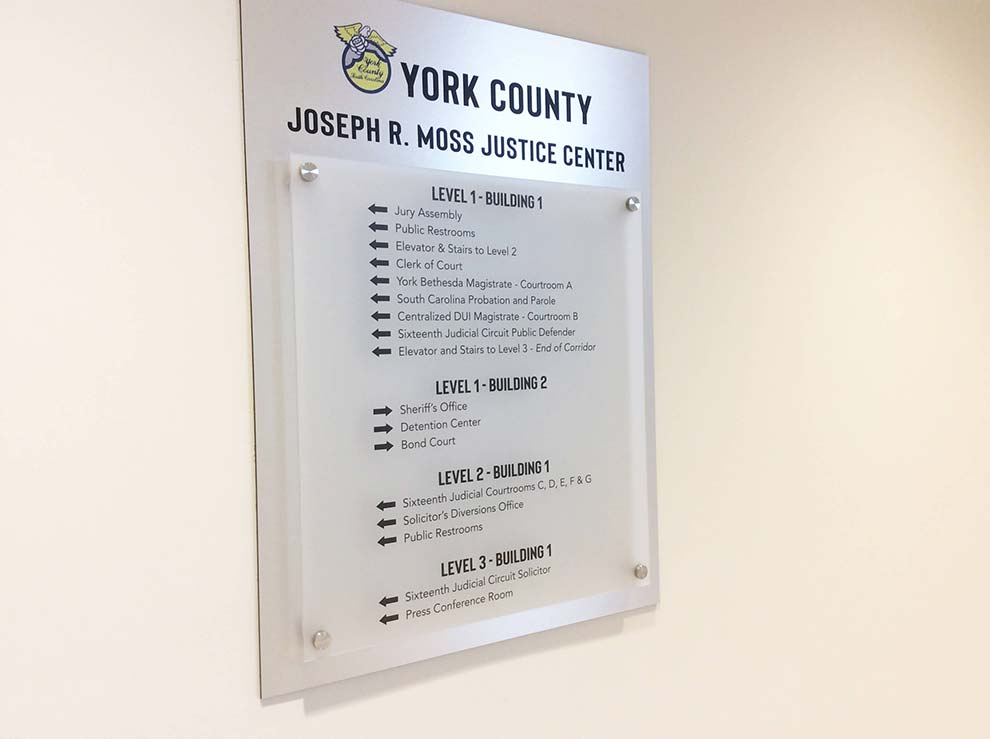
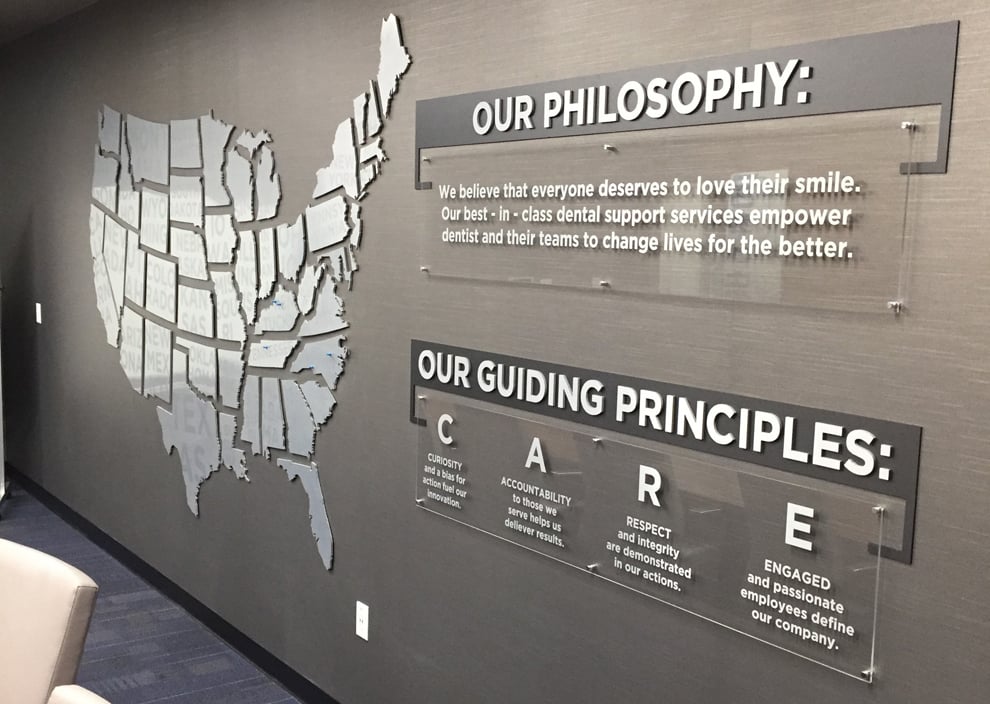
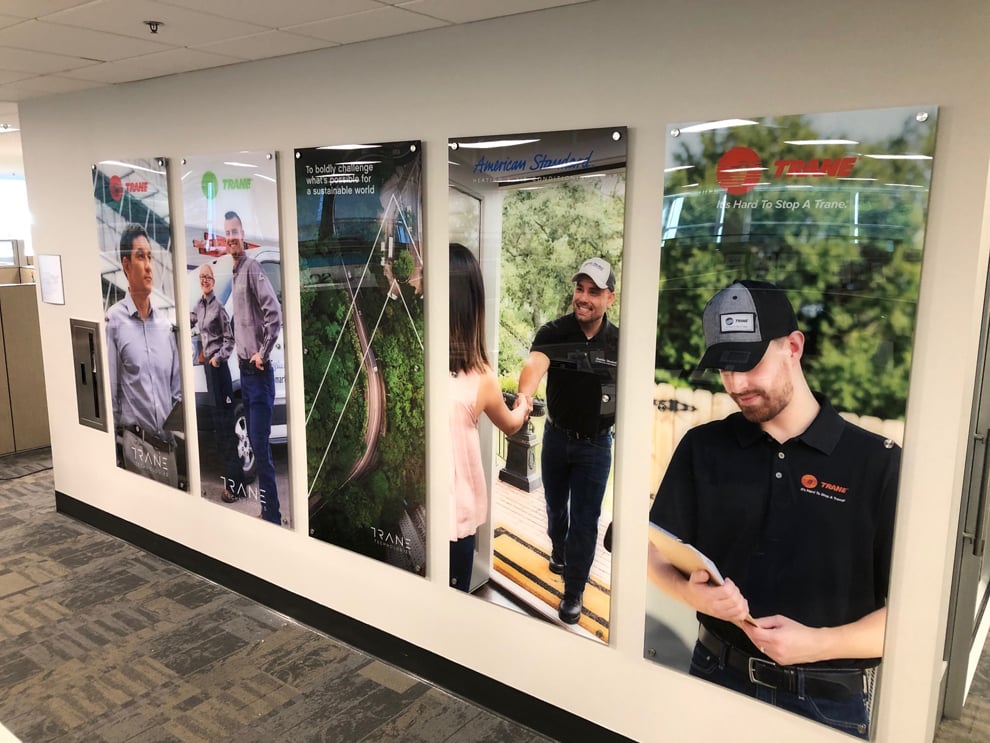
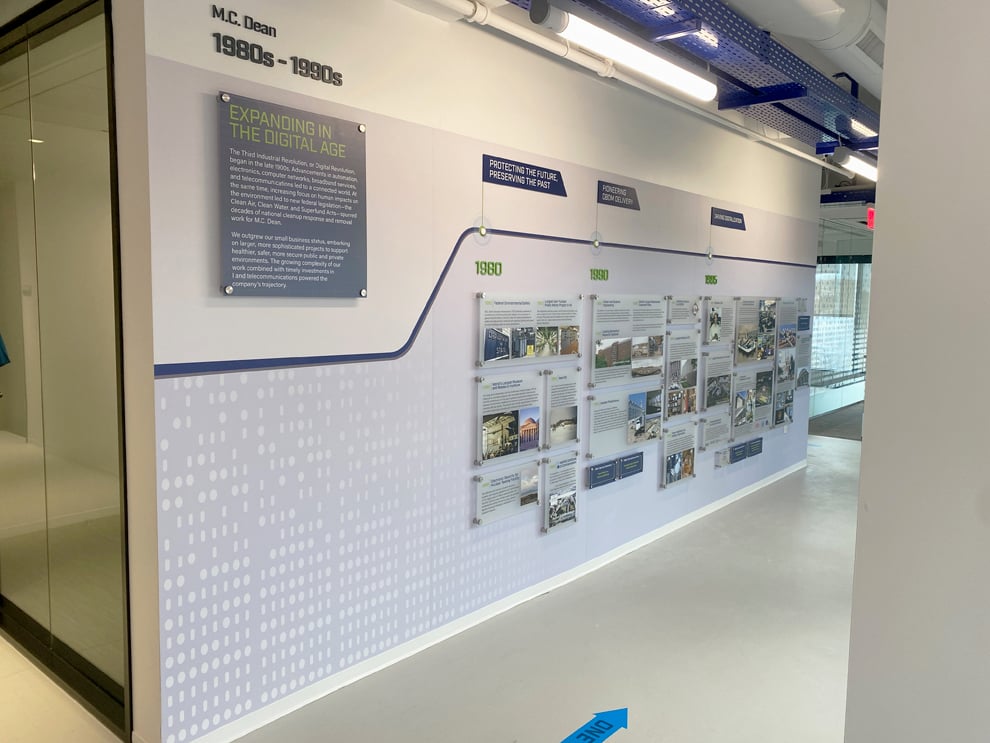
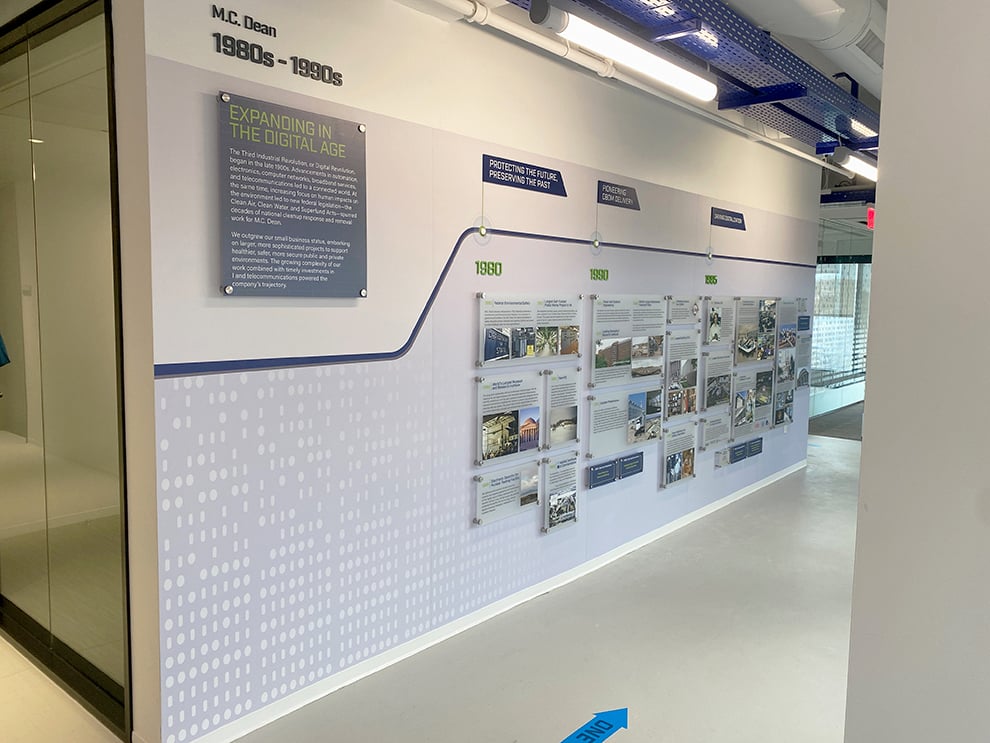
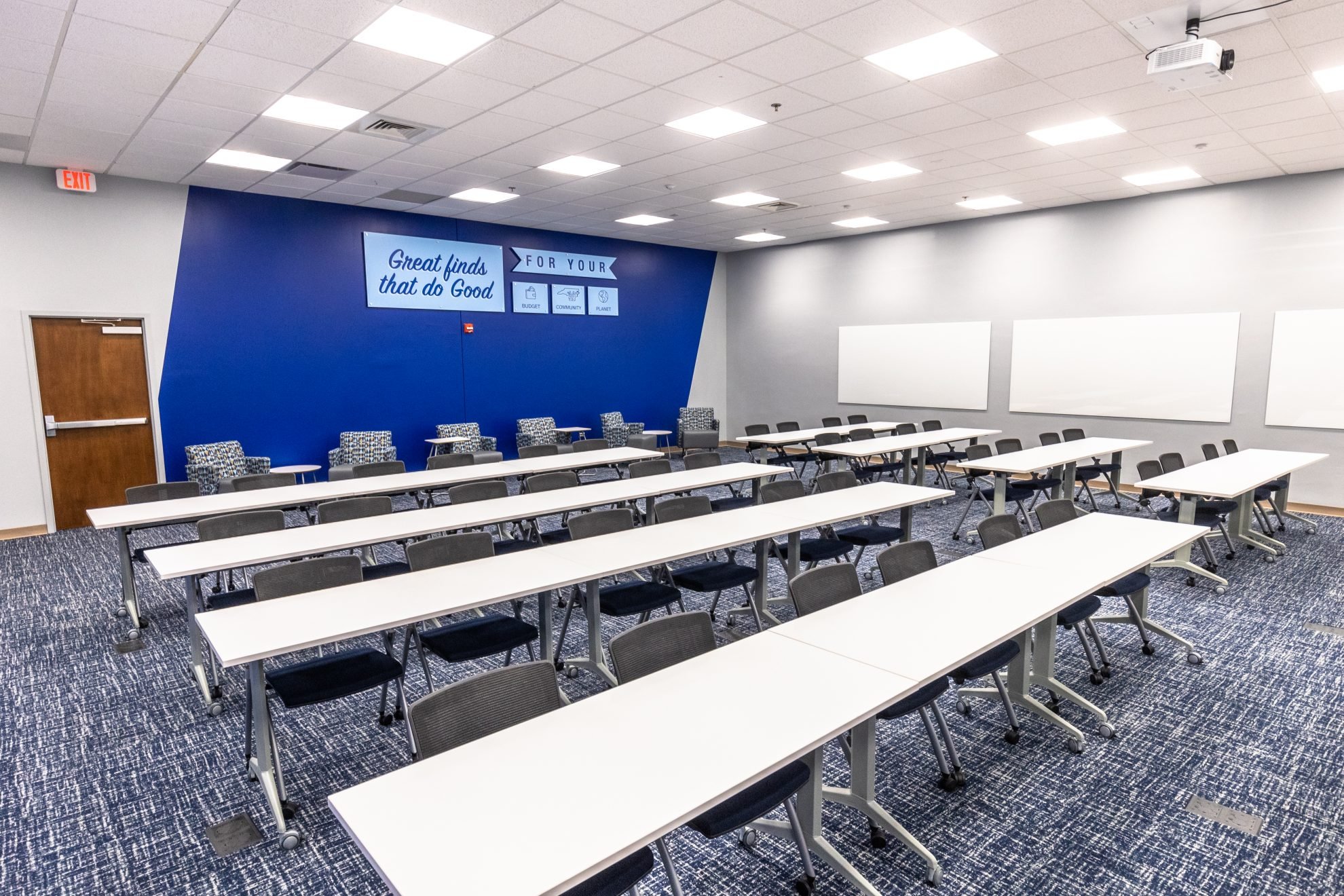
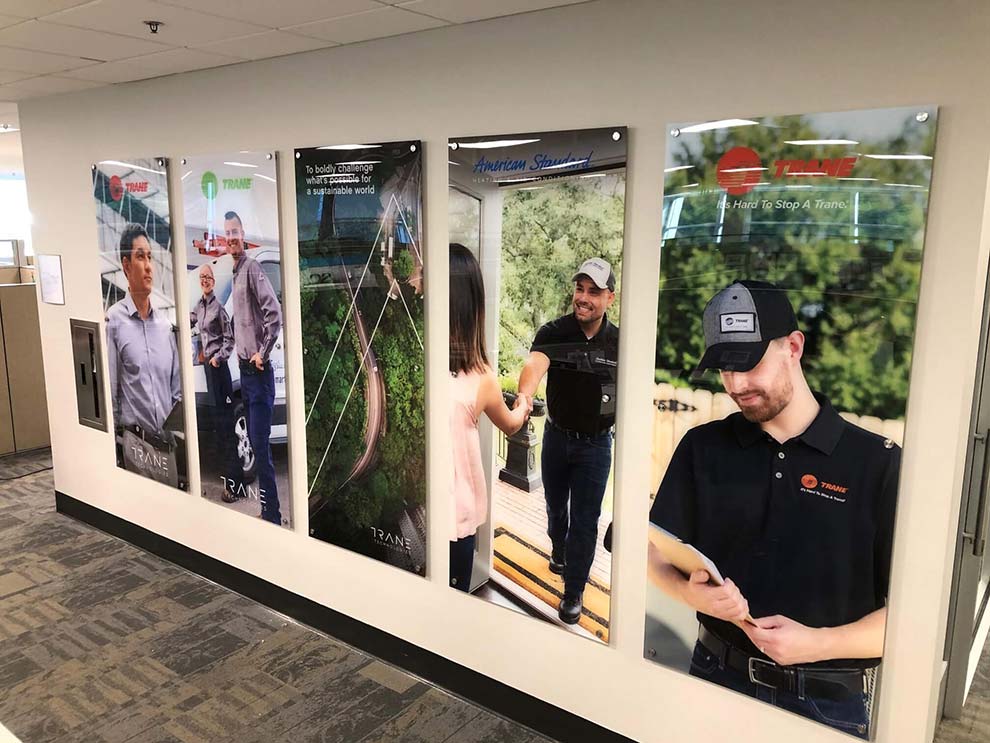
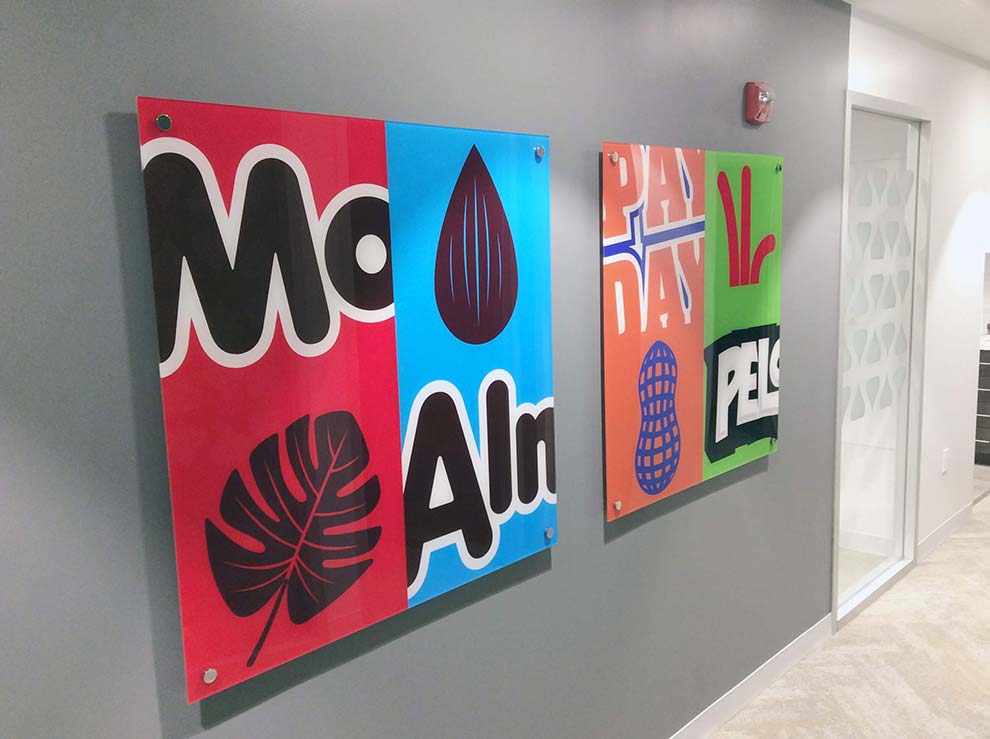
Wall displays combine organizational purpose, mission statements, guiding values, inspiration, history, recognition, photography, and storytelling across a larger surface. Modular standoff-mounted panels may provide hierarchy or support future changes.
Planning a new Charlotte workplace, headquarters refresh, recognition feature, or culture wall? Heritage Signs & Displays can transform the objective into a standoff mounted presentation designed for the building and produced with installation in mind. Submit the Get Started Now form with the installation address, target date, audience, message, brand standards, photographs or drawings, approximate measurements, and anticipated overall investment. Our Charlotte team will evaluate the project, clarify wall and access conditions, and determine whether Heritage's connected environmental graphic design, project management, production, fabrication, and professional installation capabilities are the right fit.
Heritage’s Charlotte headquarters and production capabilities support organizations across the Charlotte region and the Carolinas. Projects may serve Uptown, South End, Ballantyne, University City, the airport corridor, I-485 business communities, Matthews, Pineville, Concord, Huntersville, Gastonia, Fort Mill, and Rock Hill, along with coordinated locations elsewhere in North Carolina and South Carolina.
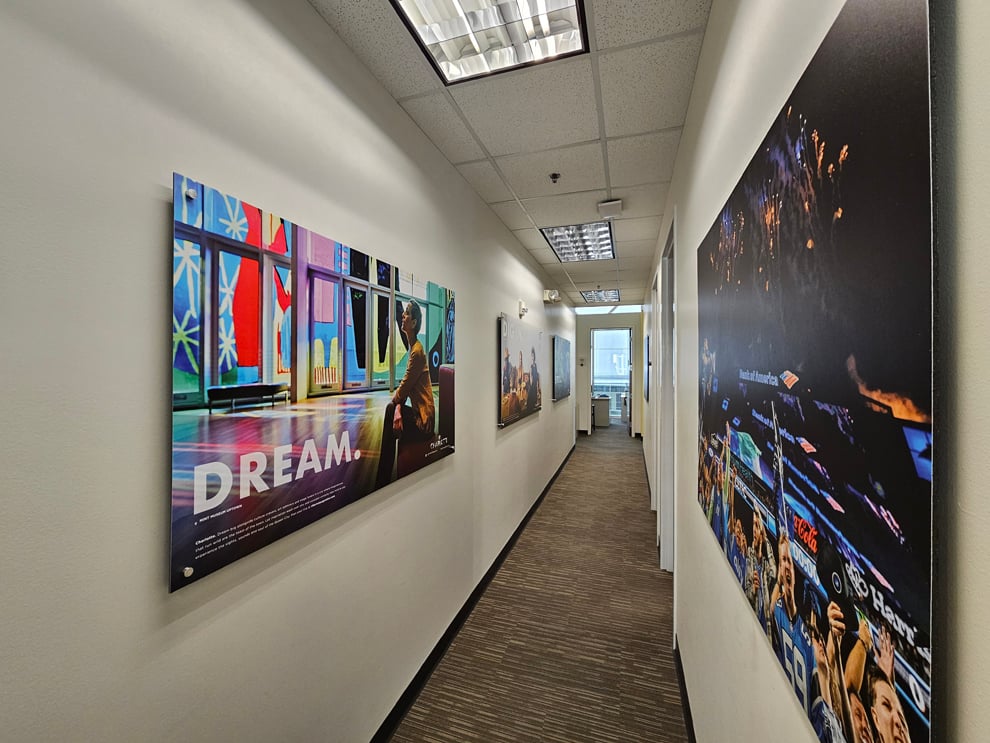
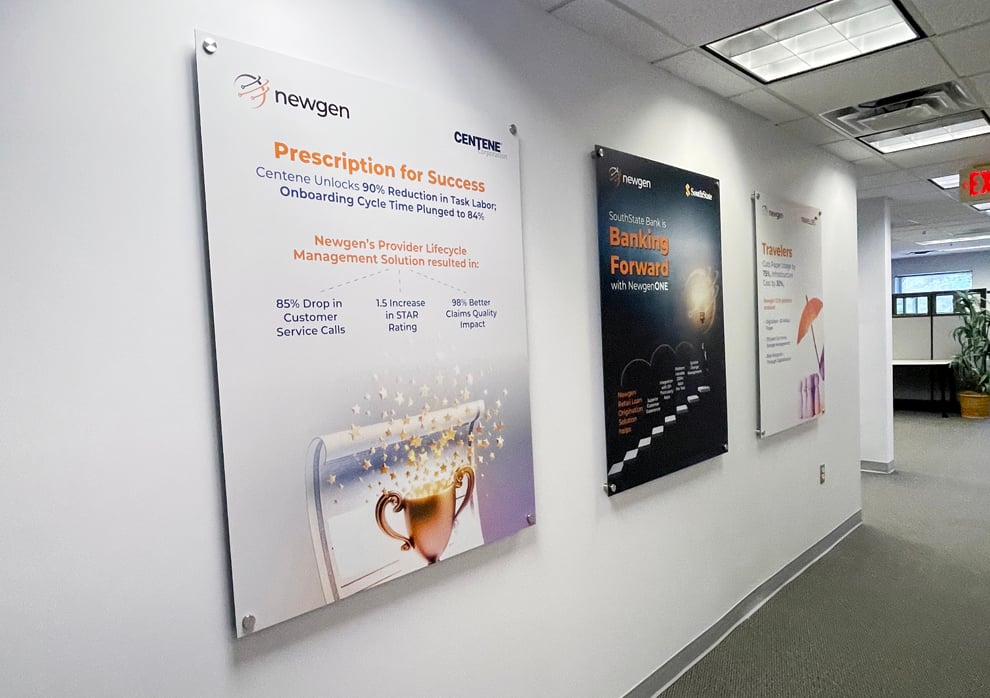
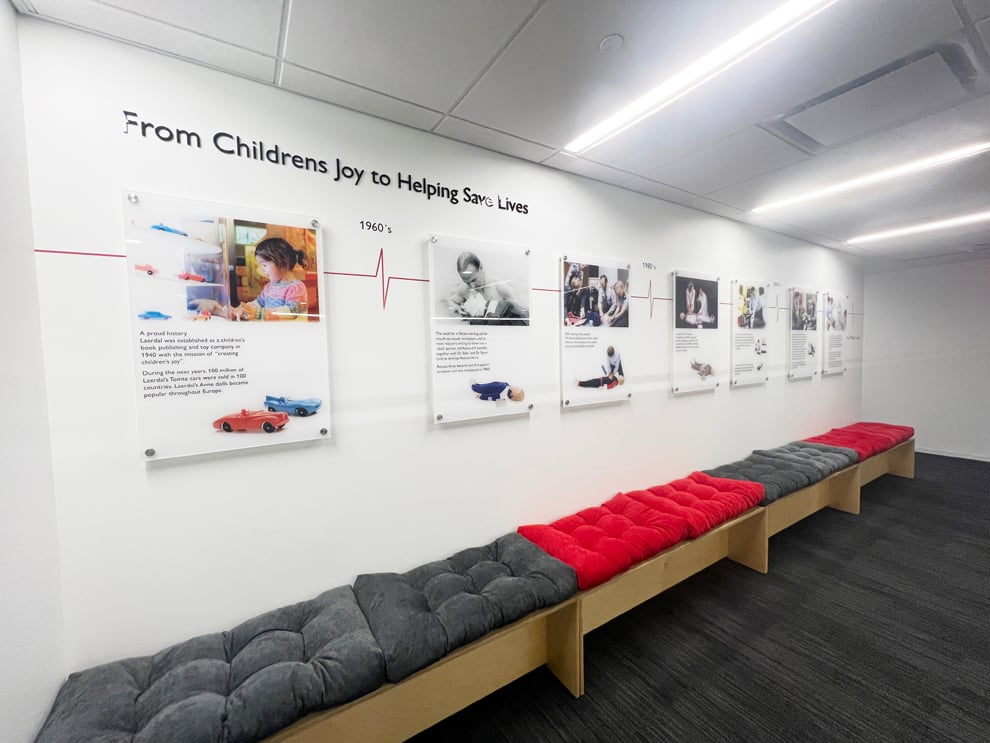
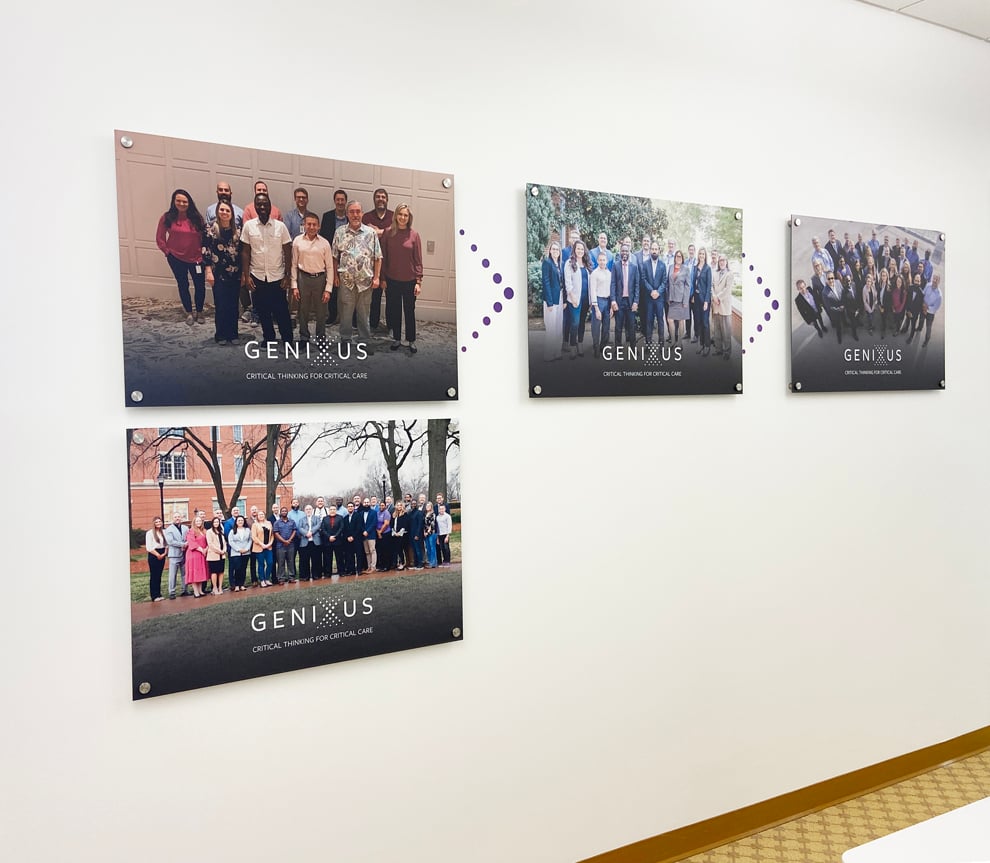
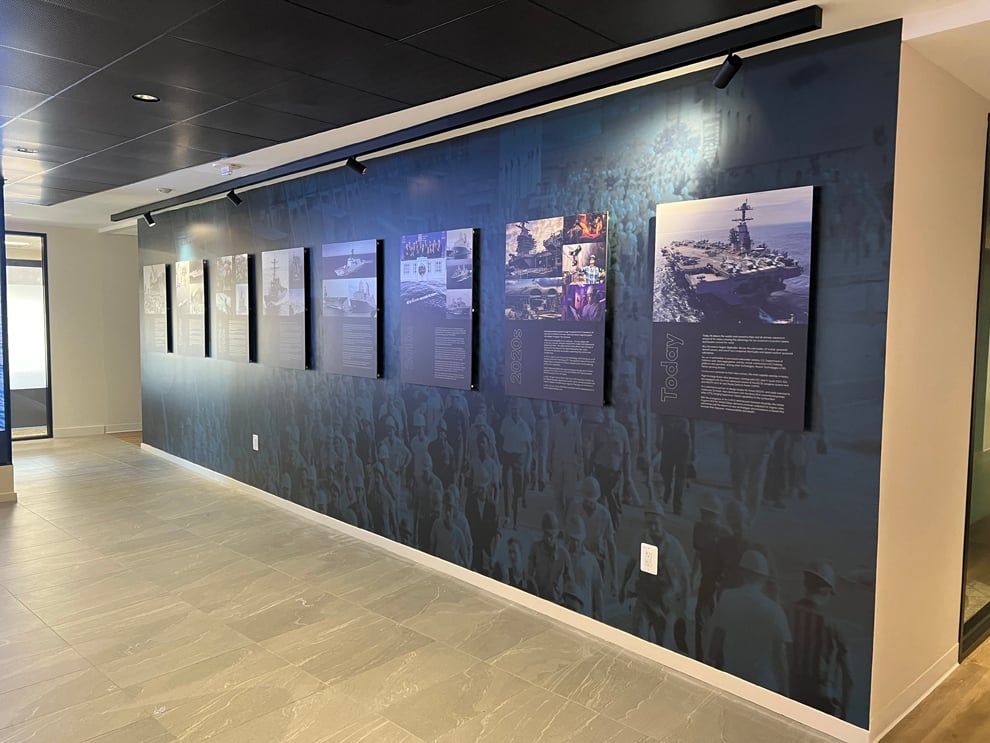
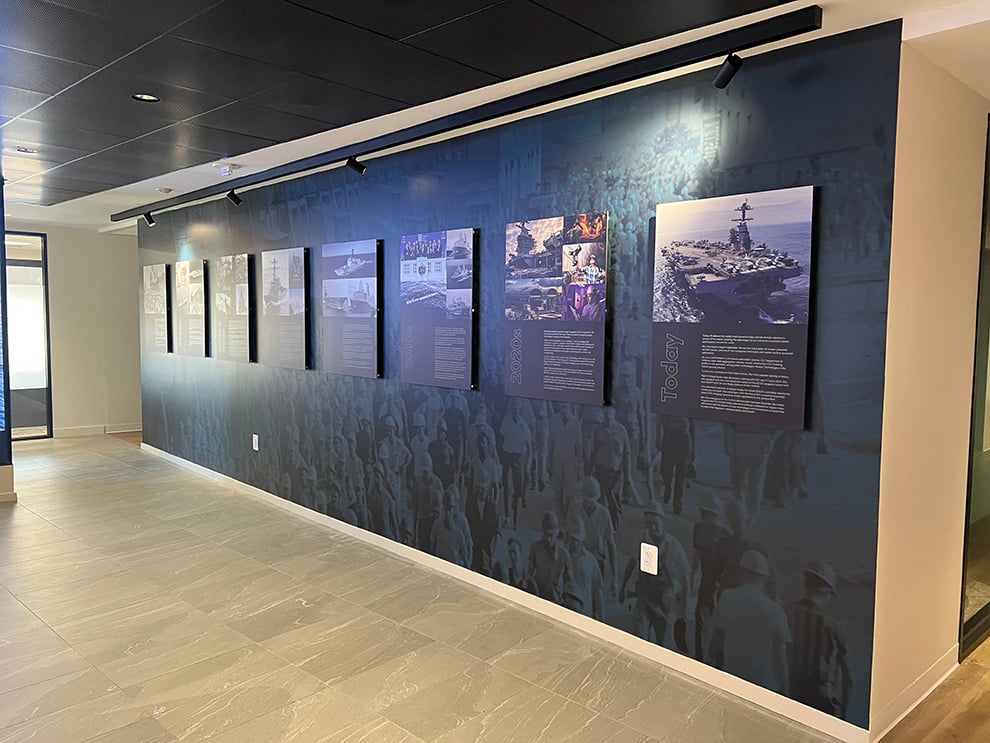
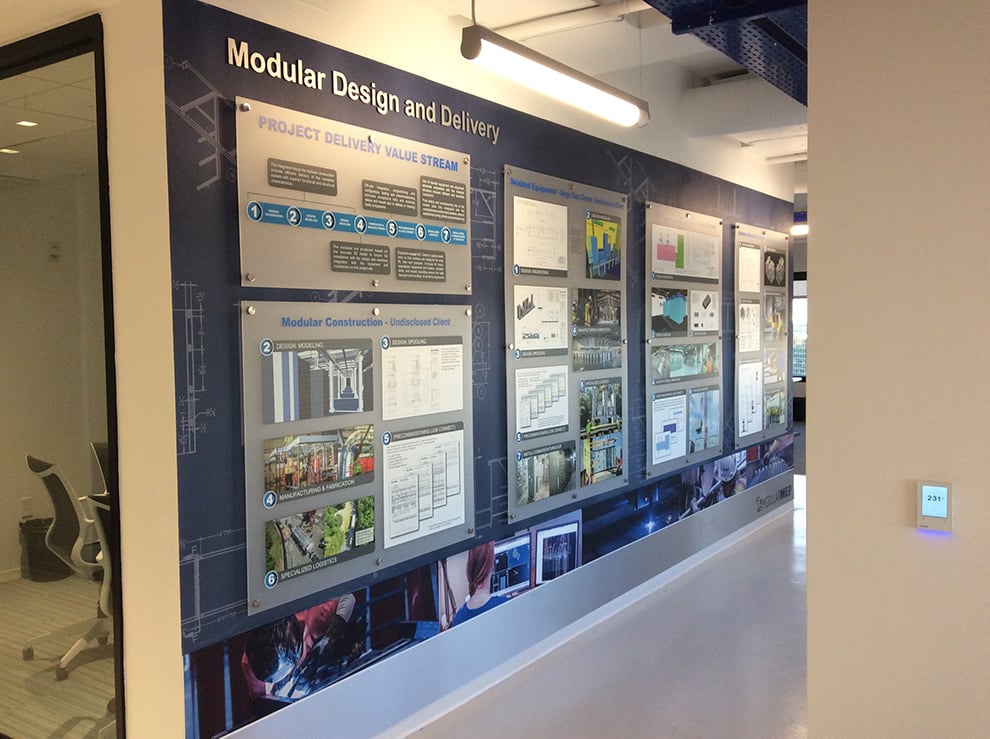
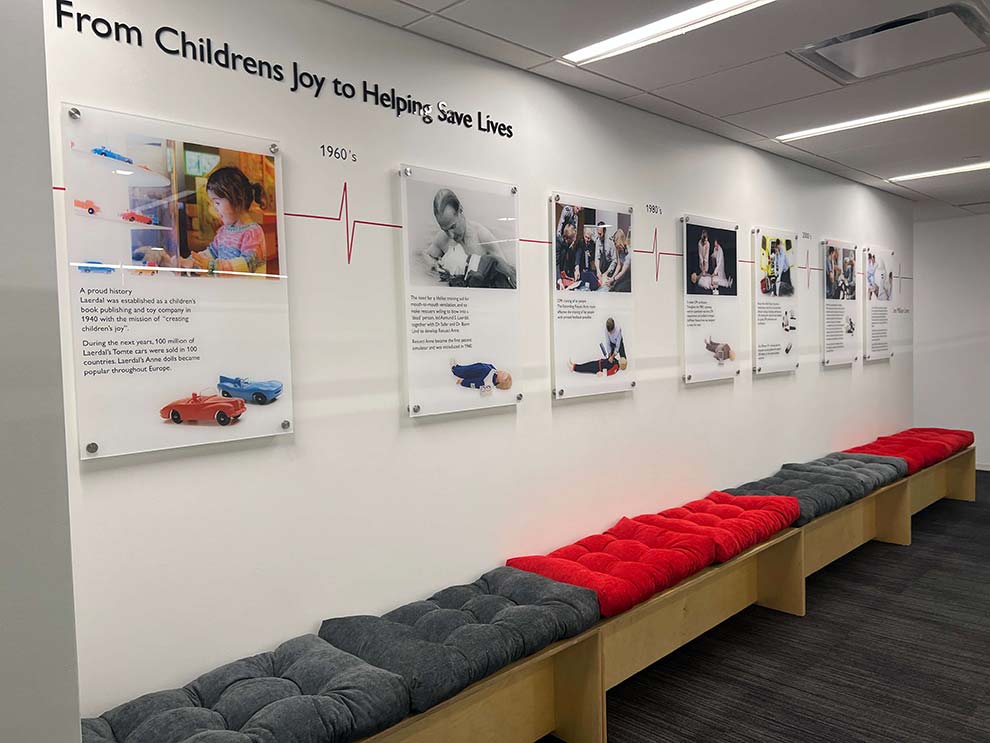
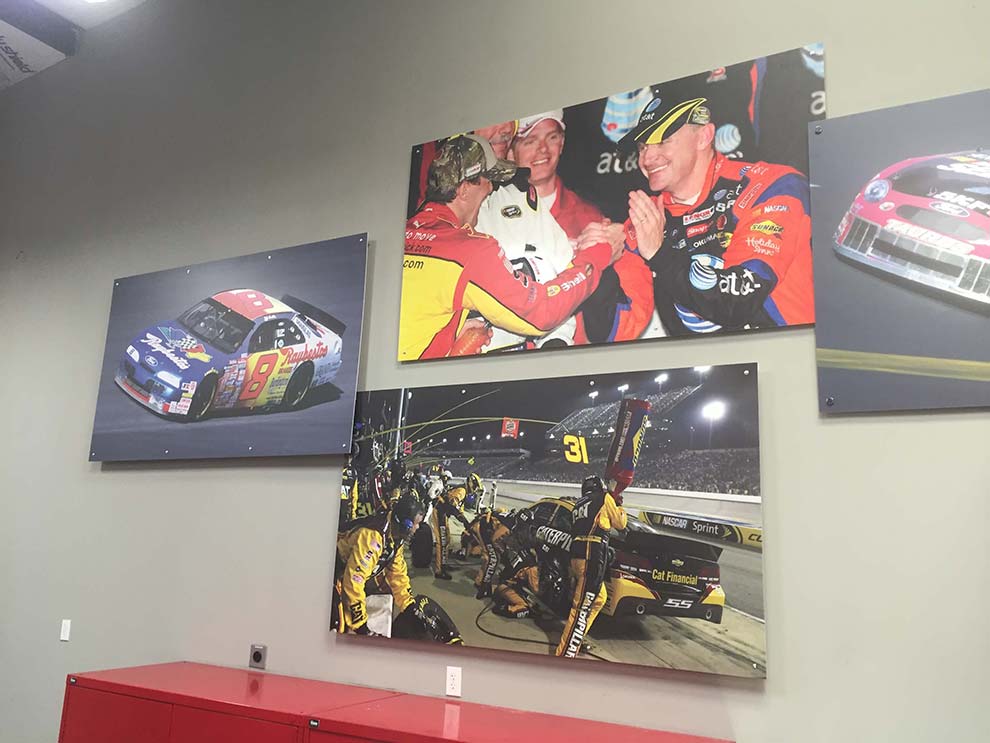
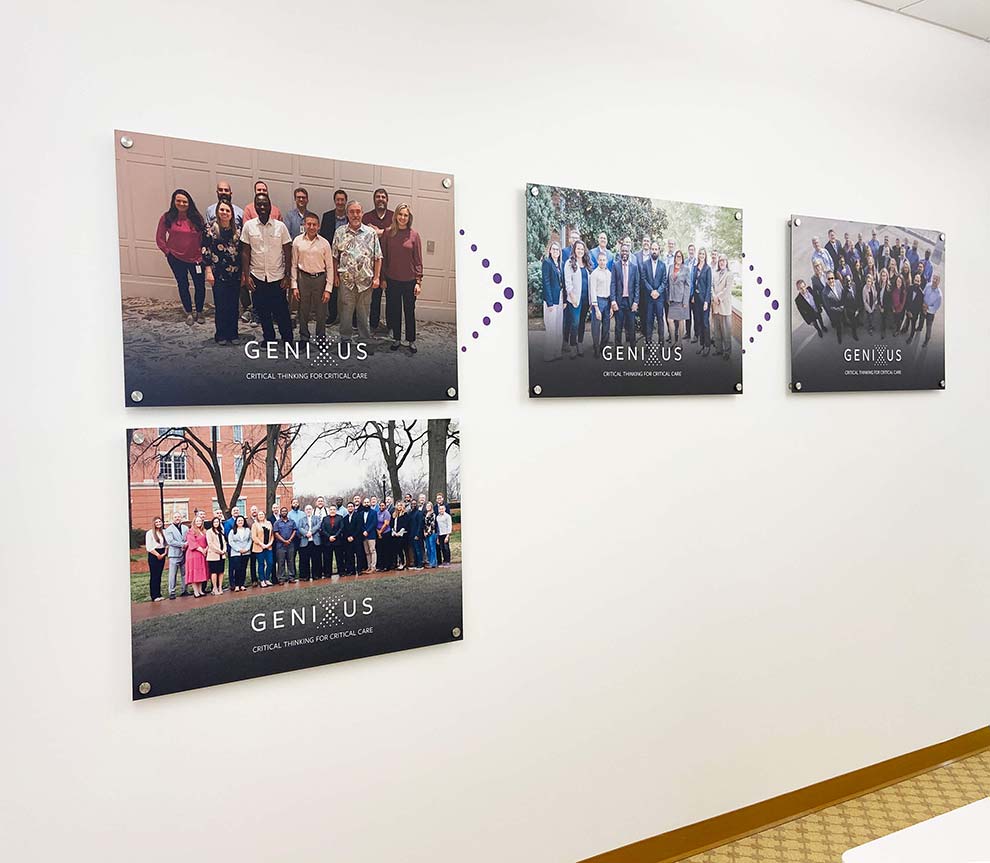
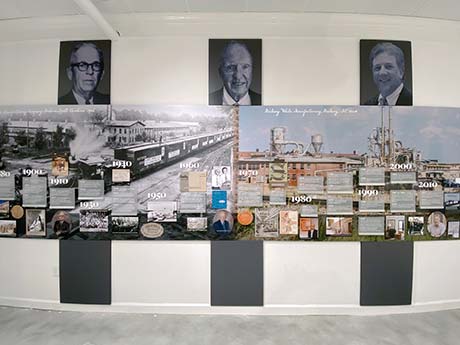
Inside our Charlotte facility, grouped standoff mounted displays present Heritage’s company history, brand evolution, military service, team-member recognition, and inspirational storytelling. These installations show how multiple projected panels can function as one standoff wall display rather than a collection of unrelated signs. Photographs, dimensional lettering, wall graphics, historical logos, and recognition content work together across hallways and common areas while the visible hardware establishes rhythm, depth, and organization.
For multi-location work, one Heritage project manager can coordinate approved materials, hardware finishes, typography, color expectations, production details, and installation standards. Each location still receives its own dimensional, substrate, access, and audience review. This combination of verified Charlotte experience and regional coordination helps organizations maintain a recognizable presentation without assuming every facility is physically identical.
Environmental graphic design helps turn a standoff sign from an attractive object into a useful part of the workplace. Heritage begins by clarifying what the organization wants employees, clients, recruits, donors, or visitors to notice, understand, and remember. A proposed logo panel may need stronger arrival visibility. A recognition wall may require room for future names. A mission statement or core values display may need readable hierarchy rather than one oversized block of text.
Heritage's environmental graphic designers evaluate scale in relation to the wall and viewing path. Typography, contrast, content order, panel divisions, photography, dimensional elements, materials, hardware finish, projection, and lighting are considered in the context of the architecture. Replaceable sections are incorporated when they support update needs rather than being added without a plan.
Because design remains connected to Charlotte-based production, fabrication, and professional installation, feasibility questions can be addressed early. Panel tolerances, printed color, seams, mounting templates, hardware locations, wall conditions, cleaning access, and installation logistics can inform the approved solution before production begins. That practical design process helps protect brand standards while producing a feature that belongs in the space.
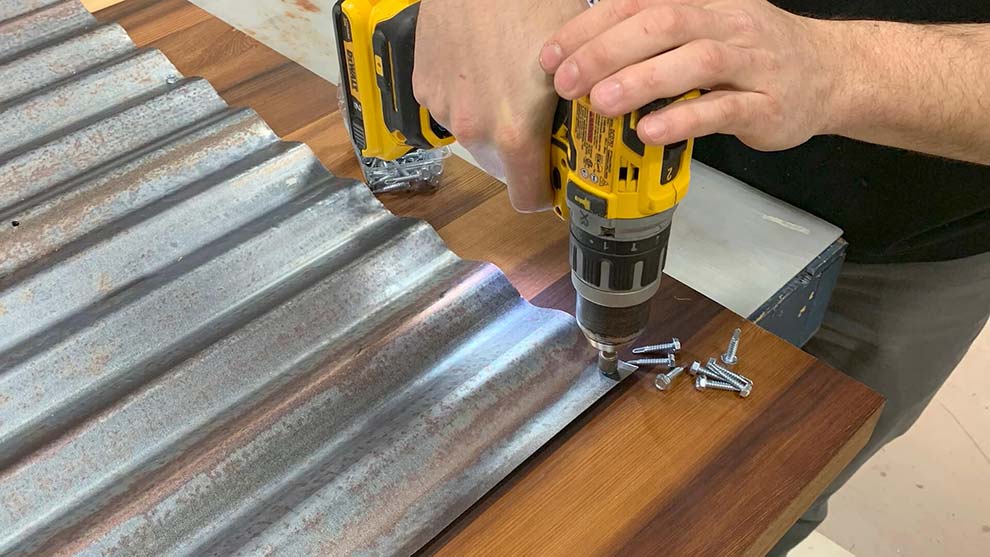
Accurate installation begins before the first mounting hole is drilled. Heritage reviews available drawings, photographs, field dimensions, wall construction, finish conditions, viewing angles, lighting, nearby doors or fixtures, and the path installers will use to reach the work area. Larger or more complex displays may require a site survey to verify conditions that cannot be established reliably from plans or client-supplied measurements.
Fabrication planning addresses panel thickness, weight, edge quality, printed or applied graphics, hardware spacing, anchor selection, templates, and tolerances between components. Installation planning also considers building hours, security requirements, occupied-space protection, lift or ladder access, electrical conflicts, and coordination with contractors or facility teams. These details are especially important when a display spans multiple panels or must align precisely with architectural features.
Heritage professionally installs the standoff mounted signs and displays we produce, fabricate, or procure within a Heritage-managed project. We do not offer installation-only service for products made by other providers. Maintaining responsibility for the approved design, materials, hardware, fabrication, and placement allows our team to protect the finished quality and respond to project conditions with full context.
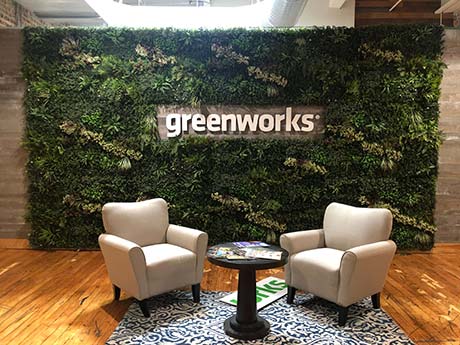
Heritage is a strong fit when a Charlotte organization wants a standoff mounted feature planned as part of a professionally managed workplace, recognition, culture, storytelling, or wayfinding objective. The work may center on one substantial display or combine several related interior elements, but it should benefit from coordinated consultation, design, production, fabrication, and professional installation.
Heritage-managed projects begin with an anticipated overall project investment of $3,000. This starting point applies to the complete scope rather than to every panel, letter, or hardware component. Final investment depends on dimensions, materials, design development, content preparation, site conditions, hardware, fabrication complexity, access, installation requirements, and whether the project includes additional interior signs or graphics.
Standoff signs are not temporary displays because drilling and mechanical anchoring alter the mounting surface. Heritage does not provide installation-only work for signs supplied by another company or traditional exterior programs such as channel letters, monument signs, and pylons. Exterior wall-mounted standoff signs can be appropriate when substrates, graphics, hardware, anchors, wall construction, weather exposure, and local requirements support the application. Clear boundaries help clients evaluate fit while preserving connected responsibility.
Standoff barrels hold the face panel a measured distance away from the wall. Caps secure the panel to those barrels, creating a visible gap and shadow line. The panel does not actually float; it is mechanically attached through a planned arrangement of hardware, fasteners, and wall anchors. Projection depth, hardware spacing, panel thickness, and lighting determine how pronounced the dimensional effect appears.
No. Standoff mounting describes how a sign is attached and projected from the wall. Acrylic is one material that may form the sign face. Acrylic can also be flush mounted, suspended, adhered, or attached with concealed hardware. Standoff systems may hold acrylic, ACM, printed, layered, or modular panels, depending on the design and physical requirements.
Yes. A properly installed wall-mounted standoff sign requires drilled mounting points and suitable mechanical fasteners or anchors. The exact hardware depends on the substrate, panel load, standoff arrangement, and site conditions. Adhesive alone does not create a proper wall-mounted standoff installation. Heritage plans the hole pattern and anchoring method before the display reaches the installation stage.
Removing a standoff display normally leaves holes from its fasteners and anchors. The wall may need patching, sanding, priming, painting, or specialty-finish repair after removal. Standoff signs should therefore be treated as permanent or semi-permanent wall-mounted features. Clients expecting short-term use or frequent relocation should consider a system designed specifically for temporary or portable display needs.
Many interior substrates can support standoff hardware when their condition, construction, and load capacity are understood. Drywall, masonry, wood, blocking, tile, and specialty surfaces may require different anchors, drilling methods, or advance coordination. Heritage reviews the wall, panel weight, hardware locations, hidden conditions, and access before confirming the appropriate installation approach. Fragile or unknown surfaces may require additional investigation.
Possible face constructions include acrylic, aluminum composite material (ACM), other approved rigid panels, printed graphics, dimensional lettering, layered materials, and modular inserts. ACM creates a polished metal-look face with far less weight than solid metal while remaining durable for many interior applications. Material selection should account for size, weight, edge appearance, color, transparency, lighting, cleaning, update needs, and the desired relationship to the architecture. Not every material is appropriate for every panel size or mounting condition.
Heritage's Charlotte production and installation teams help evaluate whether a proposed combination can be fabricated, transported, mounted, and maintained as intended.
Projection is selected in relation to panel size, barrel diameter, cap proportions, hardware finish, viewing angle, shadow, lighting, stability, cleaning access, and nearby architectural features. A shallow projection can appear restrained, while a deeper separation may increase dimensional emphasis. The hardware pattern and finish should complement the panel and interior rather than be selected independently from the content, wall, and surrounding space.
The appropriate size depends on the available wall area, amount of content, expected viewing distance, traffic path, surrounding furniture or architectural elements, and the visual priority of the message. The display should be noticeable and readable without overwhelming the interior. Field information and design layouts help relate panel dimensions, typography, margins, and hardware placement to the actual setting.
Yes. They can create a polished focal point for a company name, logo, purpose, history, or other arrival message. Charlotte headquarters may also use coordinated standoff panels in executive areas, conference spaces, customer experience centers, and employee zones. The design should fit the organization’s identity and the degree of emphasis appropriate for each location.
Standoff displays can organize names by giving level, campaign, date, program, or another hierarchy. Modular panels or replaceable inserts can accommodate additions when future updates are anticipated. Planning should address the number of names, readability, expansion capacity, update process, material consistency, and the dignity of the recognition experience before fabrication begins.
Yes. Multiple standoff mounted displays can work together as one coordinated wall presentation for a hallway, lobby, conference area, breakroom, employee common area, or permanent venue space. Heritage uses this approach inside our Charlotte facility for company history, brand evolution, veteran recognition, team-member recognition, and inspirational storytelling. Panels can separate photographs, milestones, logos, names, and longer messages into readable sections while dimensional lettering and wall graphics connect the composition. Content hierarchy and pacing keep the finished feature informative without becoming an overloaded wall.
It can when updateability is built into the original design. Replaceable face panels, inserts, modular sections, or reserved expansion areas may support future donor names, milestones, departments, leadership, or program information. The update strategy affects hardware placement, panel divisions, templates, file management, and production consistency, so it should be discussed before the first version is fabricated.
They can be practical for permanent directories, department identification, floor information, and selected decision points where an architectural presentation is appropriate. Effective wayfinding requires more than attractive hardware. Placement, sightlines, terminology, type size, contrast, accessibility, circulation patterns, and future changes must also be considered. Frequently changing destinations may be better served by a more easily updated system.
Accessibility depends on what the display is expected to do. A decorative history wall, recognition feature, room identification sign, and directional panel may have different requirements for placement, mounting height, projection, contrast, typography, tactile information, and clear circulation space. Heritage considers the display’s function during planning so visual storytelling is not confused with regulated identification or wayfinding. Applicable requirements should be confirmed for the project and facility before fabrication.
Environmental graphic design connects the message to the space and the people using it. Heritage's environmental graphic designers help determine what belongs on the display, how content should be organized, where it should be placed, and how scale, materials, color, typography, hardware, lighting, and movement affect comprehension. This process turns a requested sign into a more intentional interior communication feature while connecting creative intent to production and installation requirements.
A survey is valuable when measurements, substrate construction, mounting access, lighting, electrical conditions, architectural alignment, security procedures, or installation logistics cannot be confirmed reliably another way. Large, layered, illuminated, multi-panel, or high-visibility displays especially benefit from field verification. A dedicated Heritage project manager uses the findings to coordinate design, fabrication templates, anchoring plans, access requirements, and installation scheduling around actual conditions.
Charlotte-based production helps keep design decisions, fabrication requirements, material handling, scheduling, and installation preparation connected. The value is not simply proximity. It is the ability to coordinate the approved concept with practical production details and respond with fuller project context. Multi-location programs can also use that Charlotte base while coordinating consistent standards across other Carolinas facilities.
Heritage Signs & Displays is a veteran-owned, family-led company founded in 1977. Charlotte clients benefit from environmental graphic design, one dedicated project manager, Charlotte-based production, fabrication, and professional installation working as one coordinated process. That structure helps the team address brand standards, materials, wall conditions, hardware, scheduling, and field execution before they become disconnected problems. Heritage also supports organizations with locations across the Carolinas while adapting each installation to its actual site. Our purpose is to honor God by serving clients and communities with excellence, which is reflected through responsible recommendations, careful production, respectful installation, and accountable follow-through.
Yes, provided the standard allows for site-specific conditions. One dedicated Heritage project manager can coordinate core materials, hardware finishes, typography, color references, panel logic, production expectations, and installation requirements across multiple locations. Each site still needs accurate dimensions, wall information, access planning, and review of local audience needs. A controlled system should create consistency without assuming every facility is physically identical.
Yes. Phasing may help align the work with renovations, departmental moves, donor campaigns, budget cycles, approvals, or openings at different facilities. A Heritage project manager can help establish materials, hardware, typography, panel proportions, production records, and update rules before individual phases are produced. This protects continuity while allowing later installations to respond to new content and verified site conditions.
No. Heritage does not provide installation-only service for signs or displays manufactured by another provider. Installation quality depends on design assumptions, panel tolerances, hardware, anchors, templates, material condition, and fabrication accuracy. Heritage installs products we produce, fabricate, or procure within a Heritage-managed project so responsibility remains connected from planning through placement.
Yes. Heritage can produce and install standoff mounted signs for appropriate exterior wall applications in Charlotte and the Carolinas. The project team selects substrates, graphics, hardware, fasteners, anchors, finishes, and fabrication methods for the wall construction, weather exposure, wind loads, code requirements, and intended service life. Each site must be evaluated before the system is approved. Heritage does not provide traditional exterior sign programs such as channel letters, monument signs, or pylons.
Heritage-managed projects begin with an anticipated overall project investment of $3,000. This is a starting point for the complete project, not the price of every sign, panel, or standoff. Scope, dimensions, design needs, materials, fabrication, wall conditions, access, installation, and related interior elements influence the final investment. The Get Started Now form allows clients to identify the range that best reflects their anticipated complete project.
Care depends on the face material, graphics, hardware finish, and conditions in the building. Gentle dusting and a soft, nonabrasive cloth are often appropriate. Cleaners should be compatible with the approved surface, and liquid should not be allowed to collect around edges or hardware. Abrasive tools, strong solvents, and unnecessary pressure can damage finishes, printed graphics, or alignment. Care guidance should reflect the approved construction.
Useful life is influenced by material quality, fabrication, hardware, wall stability, sunlight, moisture, temperature changes, contact, cleaning, and whether the displayed information becomes outdated. Well-planned systems are intended for long-term use. Modular or replaceable content can extend the display’s relevance, while unsuitable materials, damaged walls, improper cleaning, or unplanned alterations may shorten its service life or appearance.
Some designs can combine standoff panels with halo lighting, backlighting, illuminated letters, or adjacent lighting. Heritage's design, production, and installation teams evaluate electrical supply, mounting depth, ventilation, wire routing, service access, wall construction, and code considerations before fabrication. If illumination is the dominant feature, Heritage may recommend a dedicated Backlit Signs solution rather than treating lighting as a minor addition.
Project duration varies with content readiness, site verification, design development, approvals, materials, fabrication complexity, hardware, building access, and installer scheduling. One approved logo panel will follow a different path from a multi-panel history wall or illuminated recognition feature. Clients should share target dates and immovable facility milestones early so a dedicated Heritage project manager can identify required decisions, approval deadlines, and realistic scheduling considerations.
Useful starting information includes the installation address, desired completion date, wall photographs, approximate dimensions, available drawings, brand standards, vector logo files, intended message, material preferences, update expectations, known wall construction, access limitations, and the anticipated complete scope. This allows Heritage to identify missing site details, ask focused questions, and determine whether the project aligns with our process and capabilities.
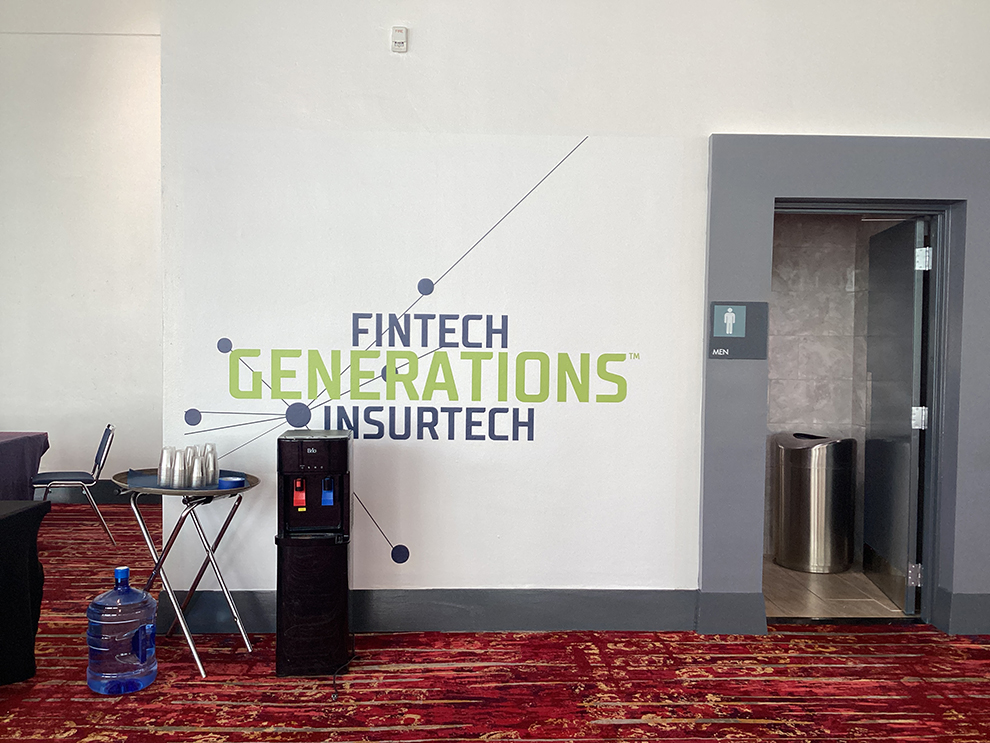
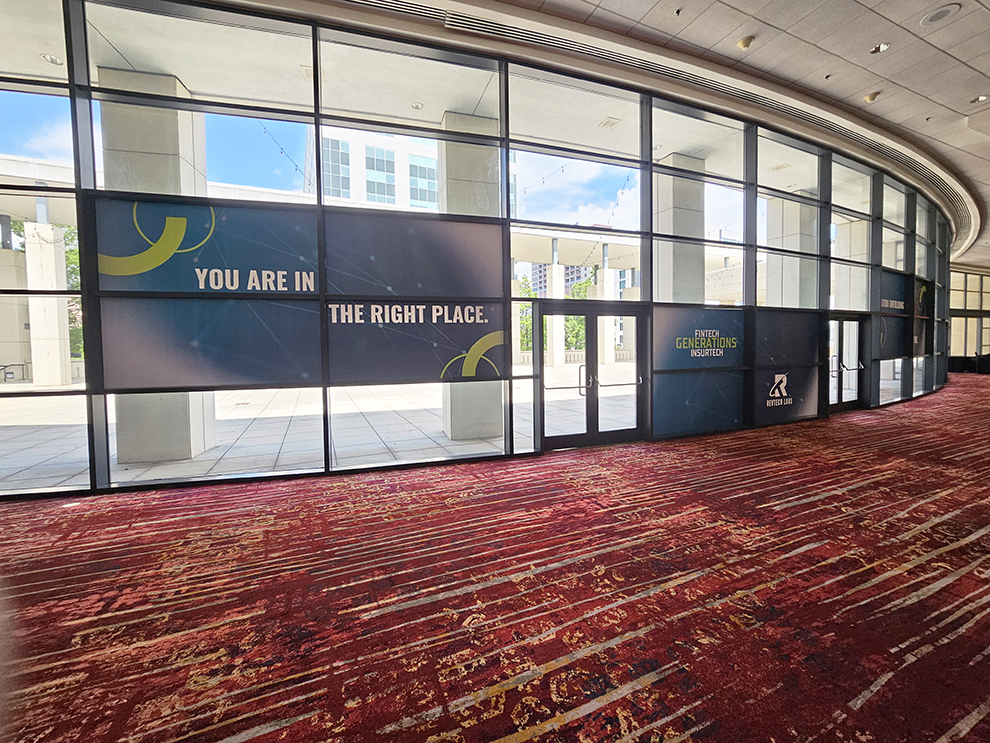
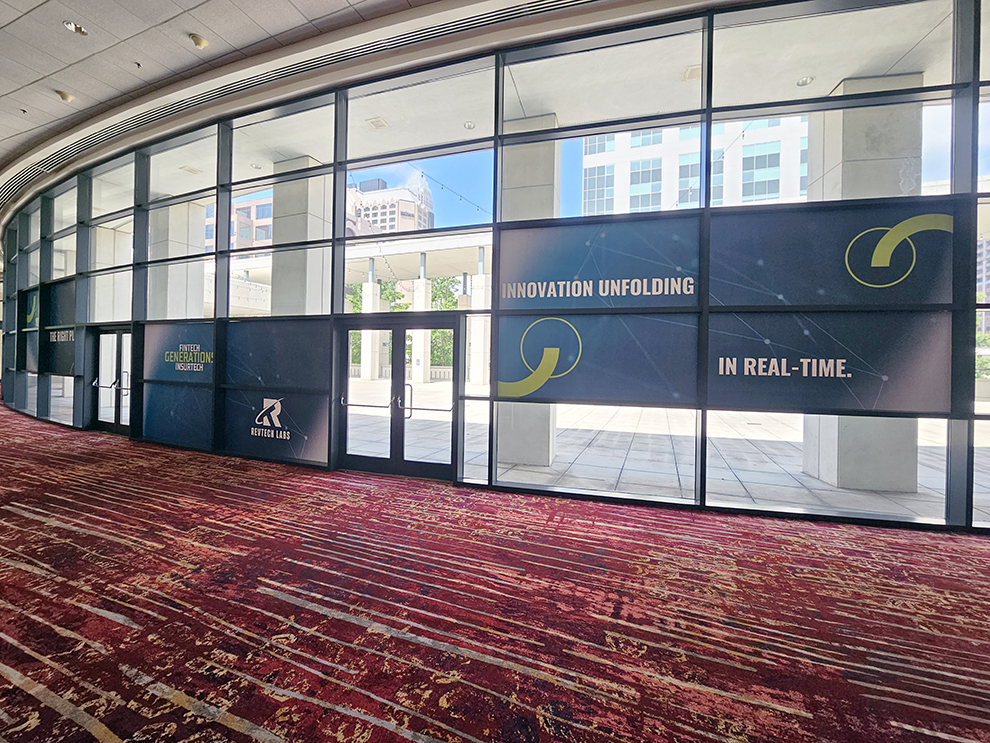
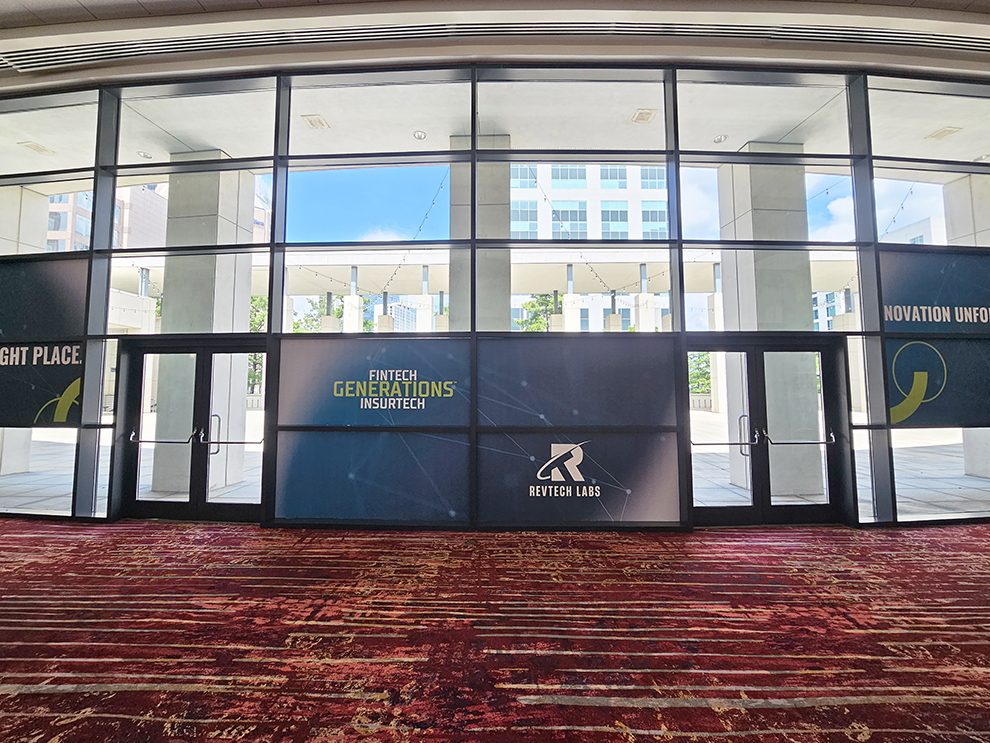
Heritage Signs & Displays collaborated with the Fintech + Insurtech Generations 2023 conference at the Charlotte Convention Center. Heritage worked closely with the client to create an interactive and branded event environment for attendees to network and discuss key topics impacting the financial and insurance sectors. The project enhanced the premier annual conference's atmosphere and engagement.
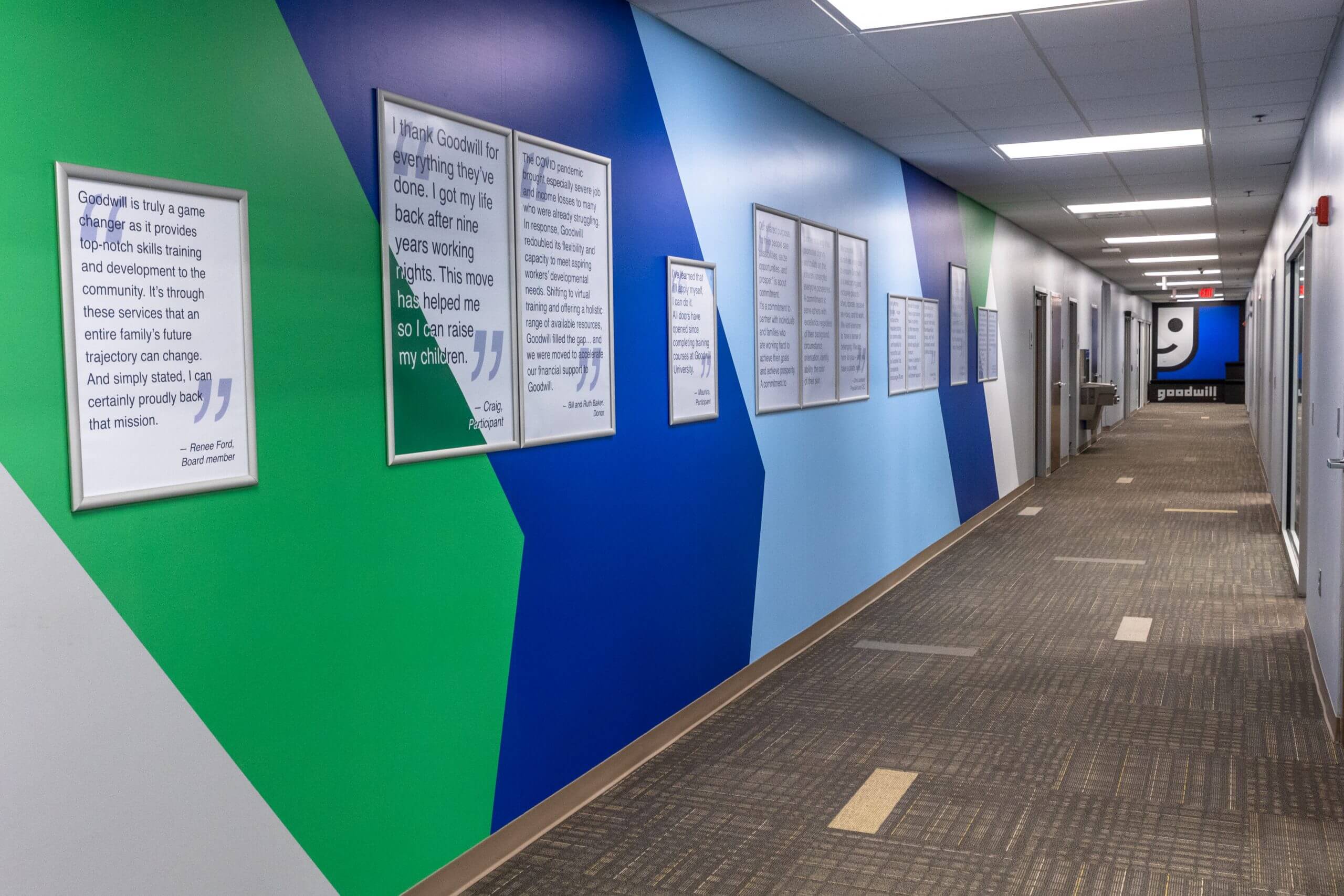
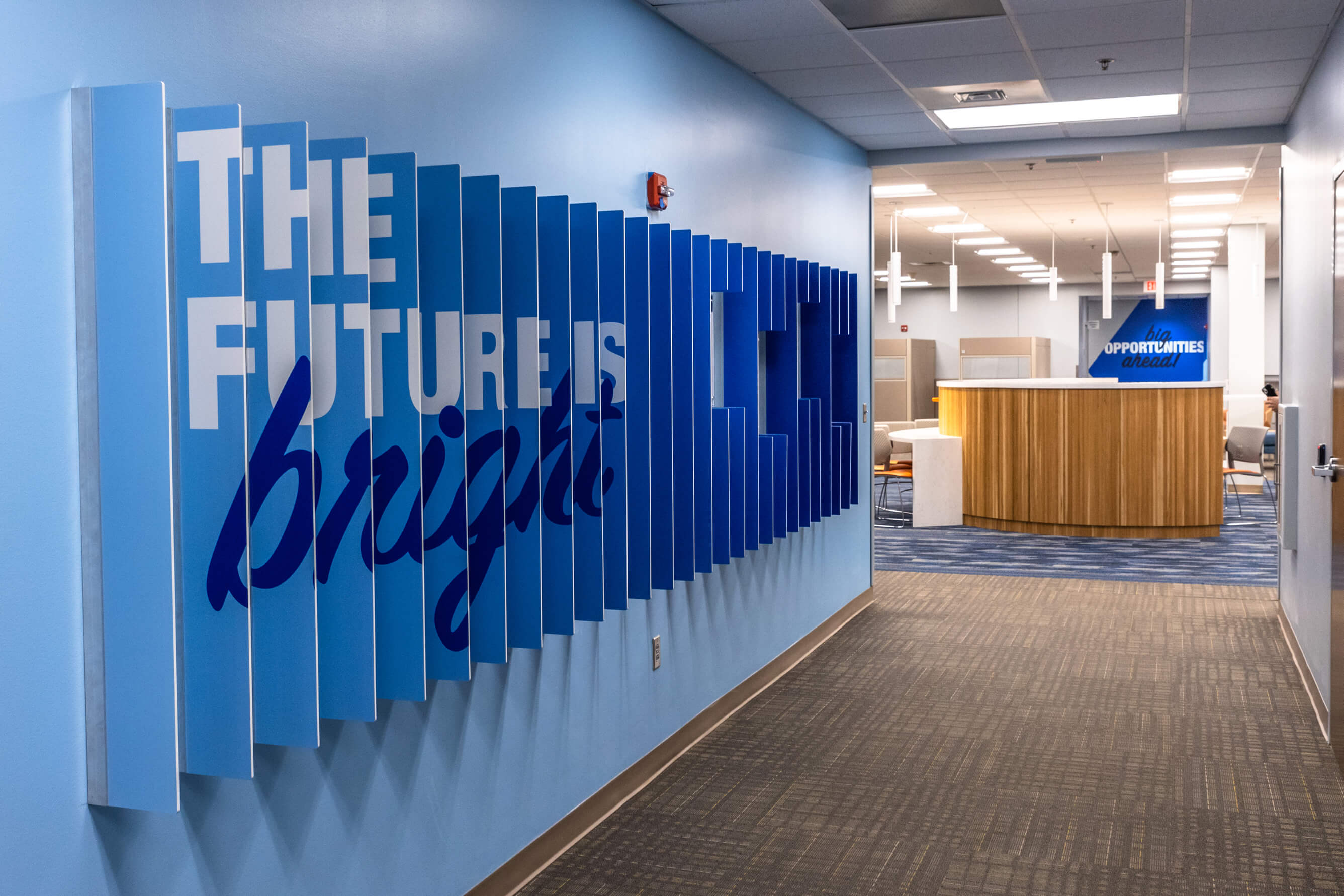
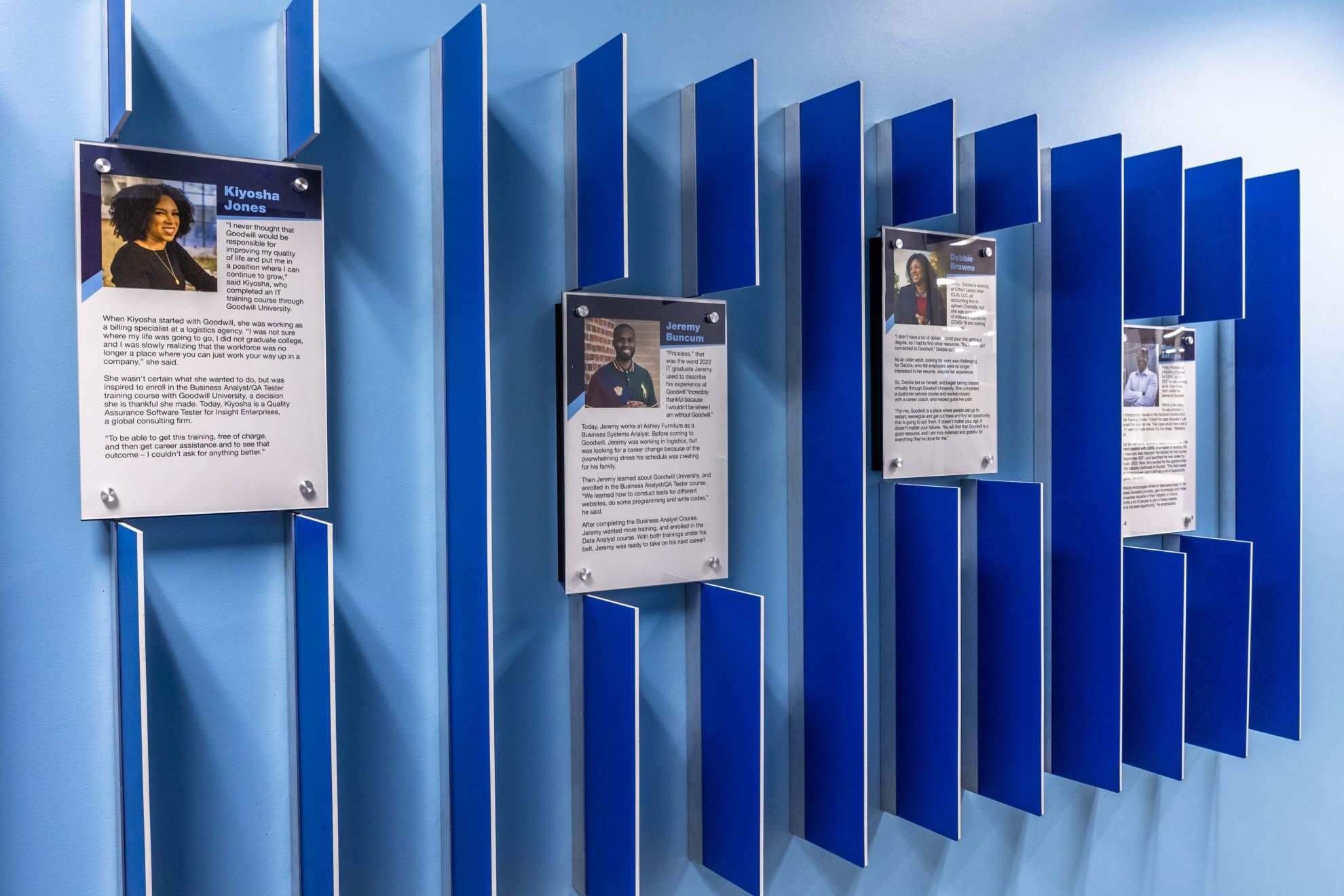
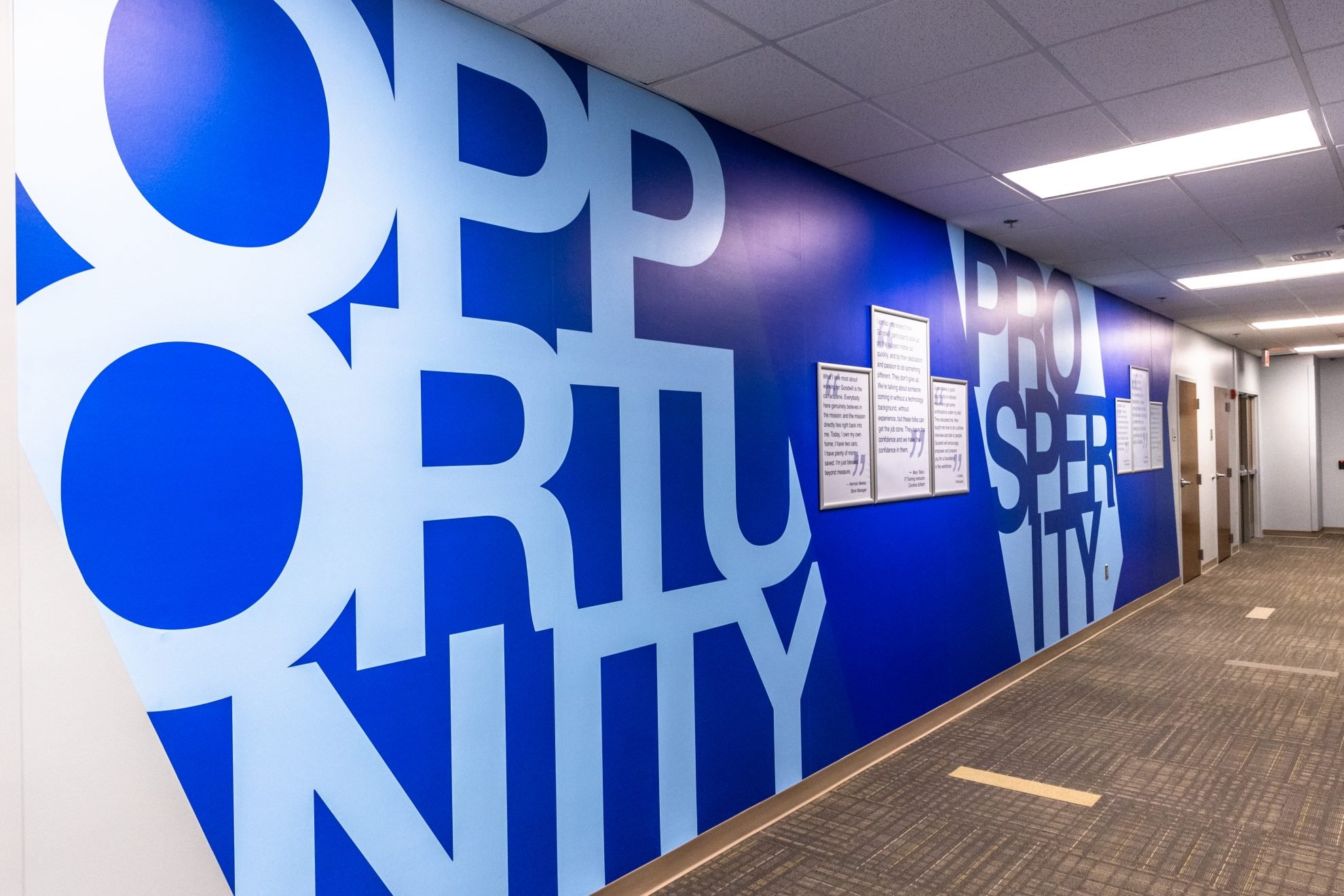
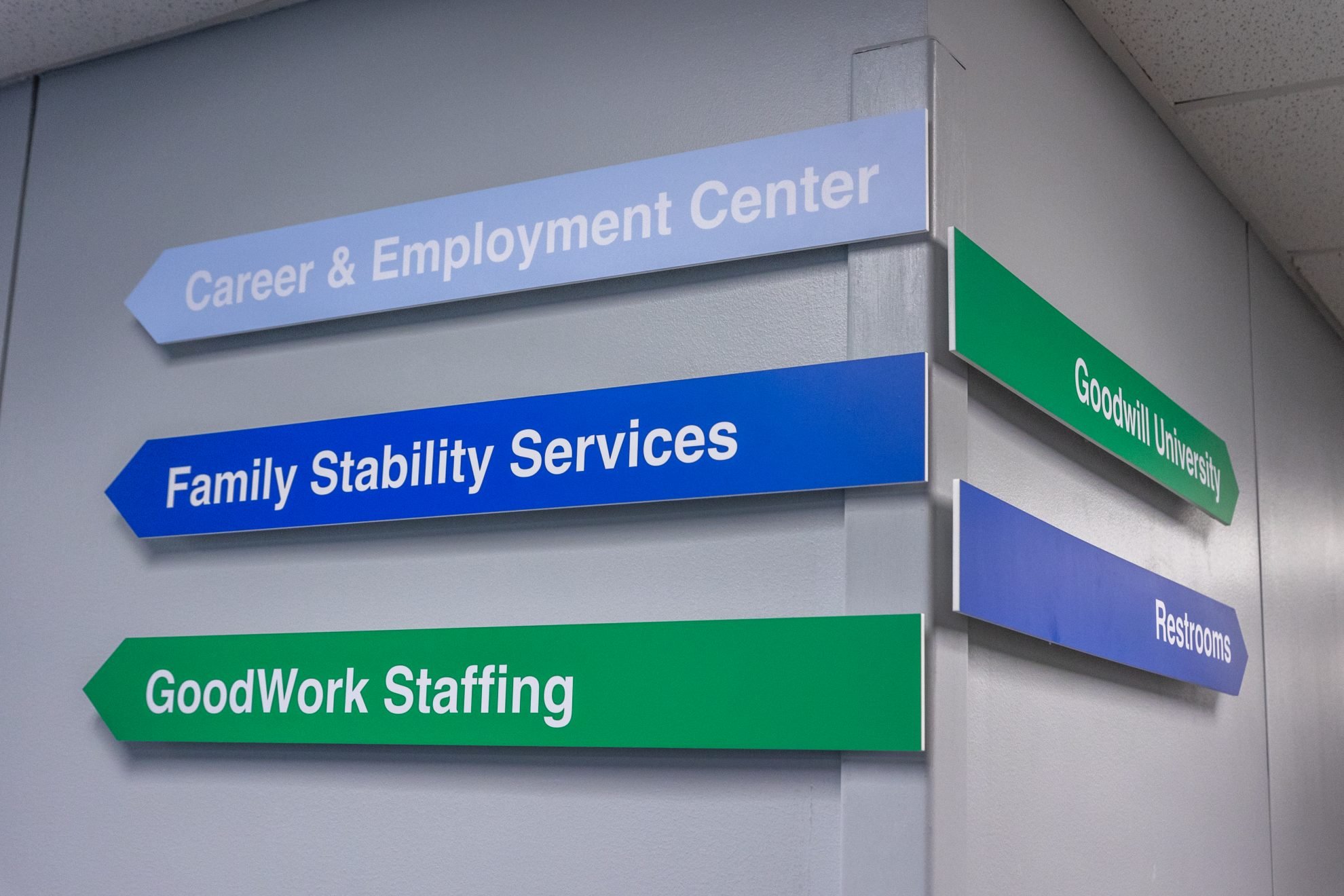
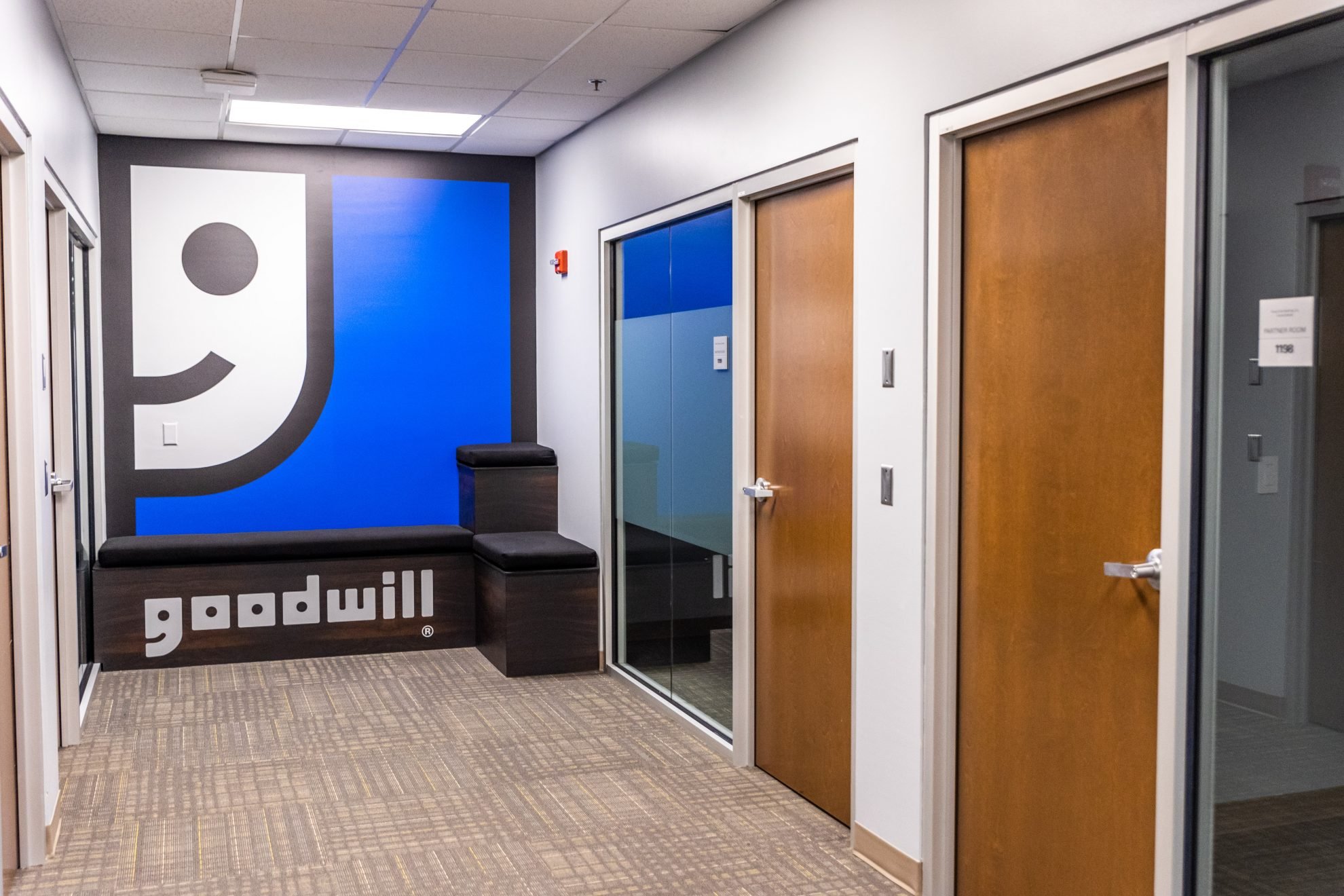
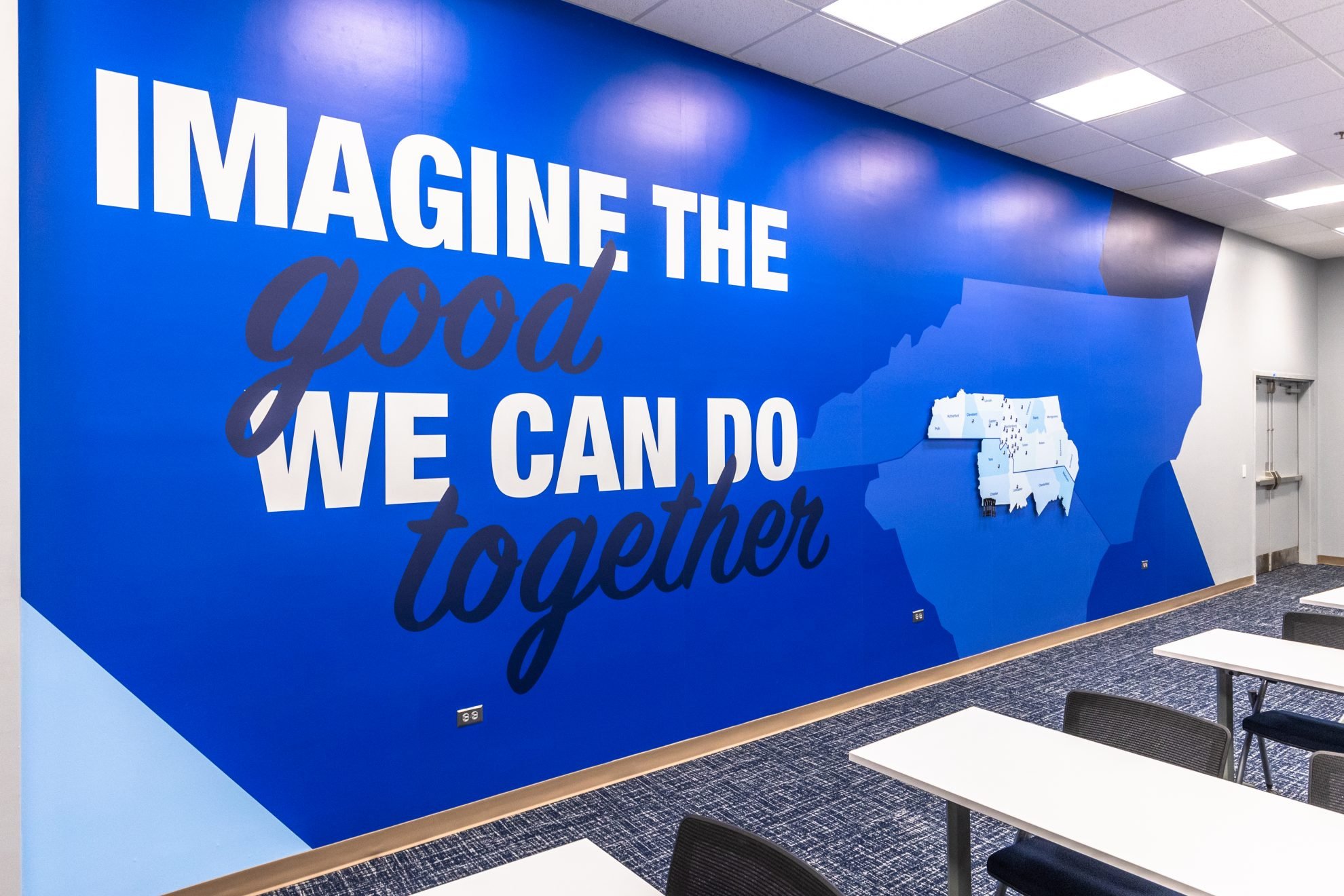
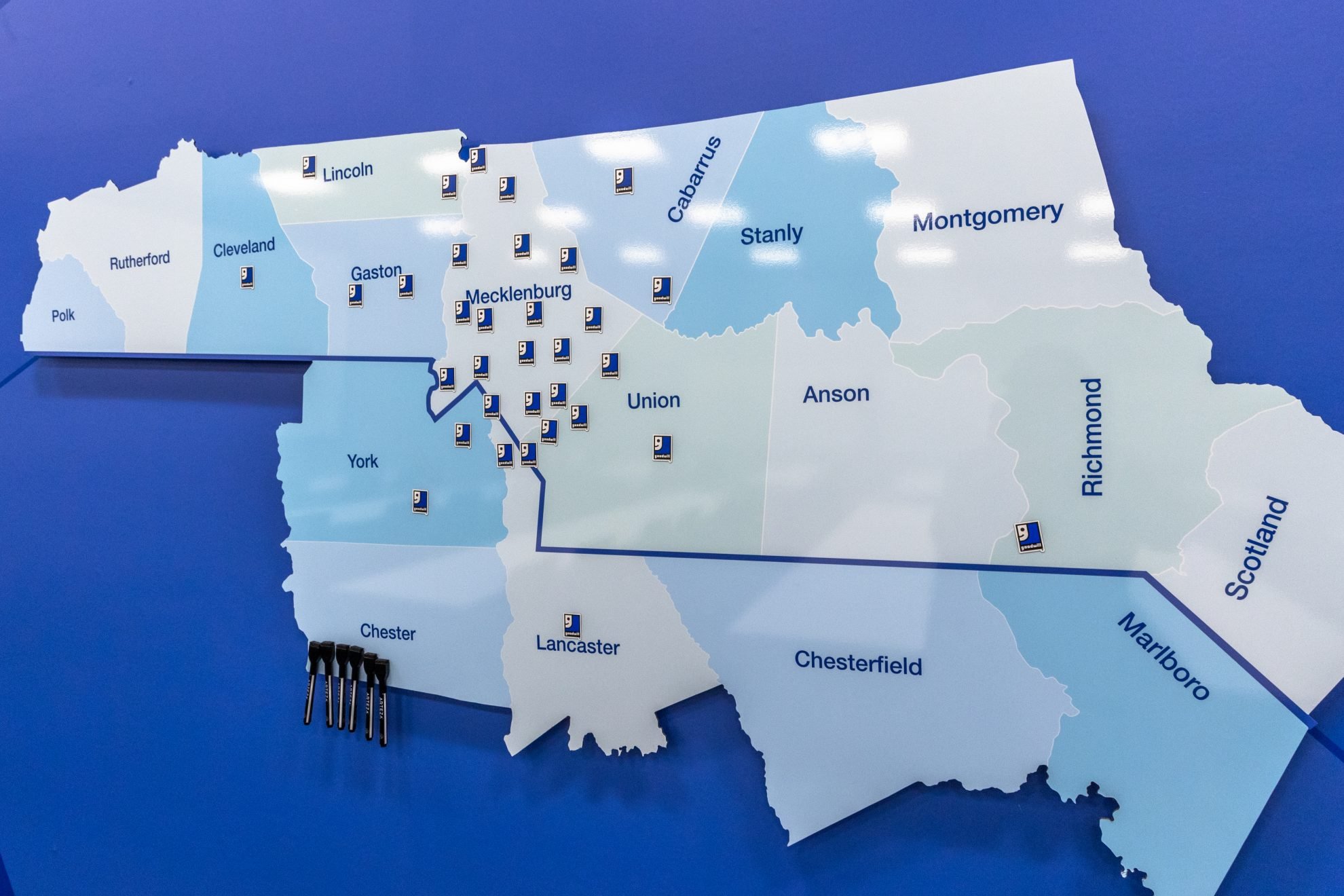
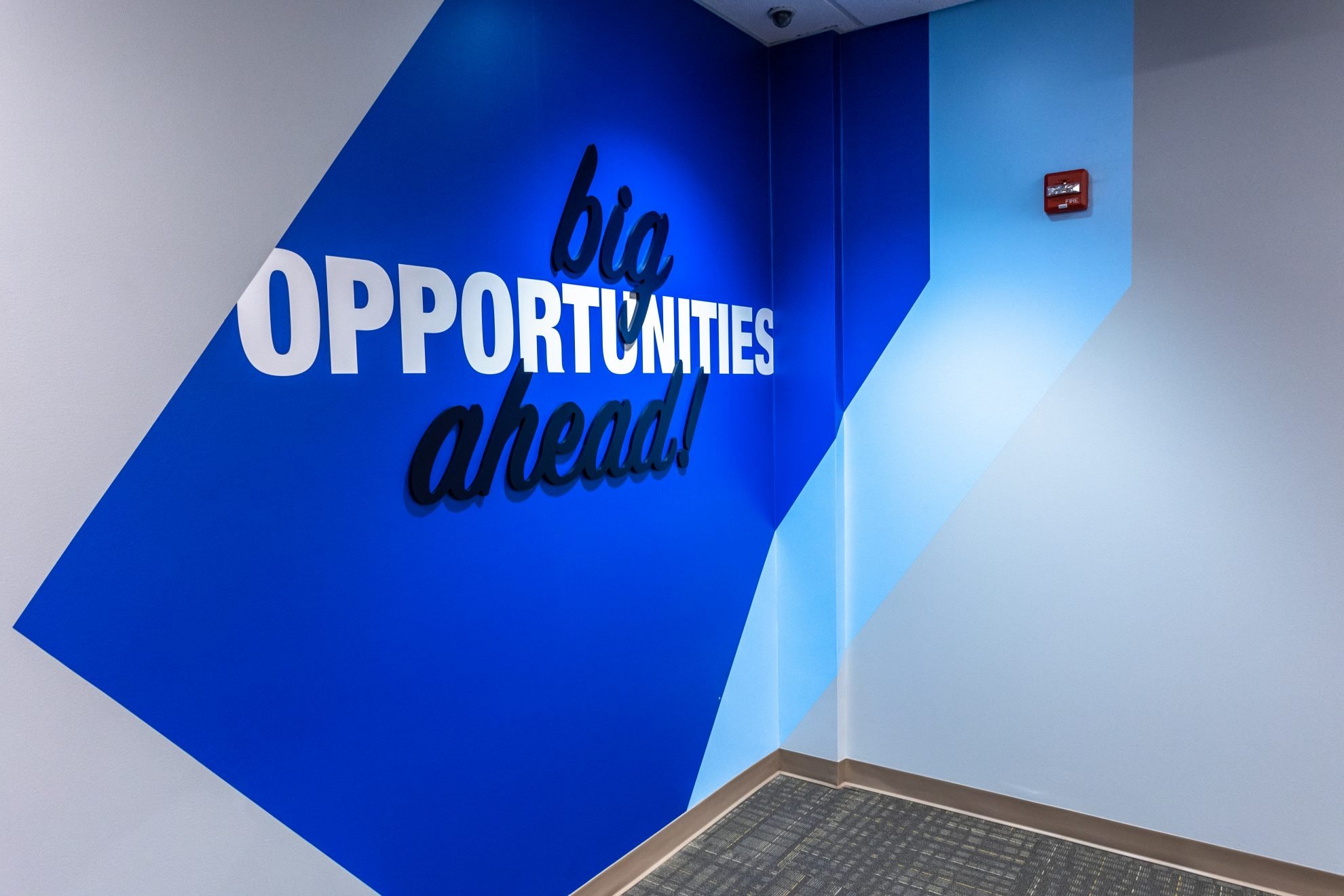
Heritage Signs & Displays collaborated with Goodwill Industries of the Southern Piedmont to transform the Opportunity Campus in Statesville, NC. The project included lenticular wall displays, wall wraps, frosted vinyl, wayfinding signs, and custom wall displays. These elements enhanced the Career & Employment Center, creating an engaging and branded environment that reflects Goodwill's values and mission to support workforce development.