






Blog
January 7, 2026
In the fast-paced world of business, creating a strong brand identity is essential for success. One of [...]
Read More
Charlotte headquarters, project management, environmental graphic design, production, fabrication, and installation.
A growing organization needs a workplace or event space that can keep pace with change without losing the character of the brand. Heritage Signs & Displays helps Charlotte organizations shape that physical experience through coordinated signs, graphics, displays, dimensional features, and environmental graphic design.
Charlotte gives clients unusually close access to the people and production resources responsible for turning an approved concept into a finished installation. Heritage's headquarters and primary specialty production facility are here, supported by Charlotte-region project, field, and installation resources. That proximity helps material questions, fabrication decisions, scale, access, and installation planning reach the right people before they become late-project surprises. One dedicated Project Manager keeps the objectives, site information, approvals, production expectations, and schedule connected. Heritage remains veteran-owned and family-led, while the practical advantage here is execution: one organization can move an important communication goal through design, production, fabrication, management, and installation with accountability. The finished branded experience should support the organization as it grows, recruits, welcomes, and gathers people.

Charlotte clients work in the market where Heritage maintains its headquarters and primary specialty production facility. That matters because questions about materials, fabrication, scale, mounting, production feasibility, schedule, access, and installation can often be resolved with the same organization managing the client relationship. Heritage's One Dedicated Project Manager System keeps one client relationship tied to the execution record while environmental graphic design, site information, production, fabrication, and professional installation contribute their specialized work.
The advantage is not that every component must be produced in Charlotte. Heritage can assign production to the facility, equipment, expertise, capacity, and workflow best suited to the project. The Charlotte advantage is the depth of resources available close to clients and the site. When a project changes, the Project Manager can preserve what has already been decided and bring the right Heritage people into the conversation without making the client coordinate separate providers. That continuity supports better decisions earlier and helps protect the approved result through installation. Clients can use Charlotte's proximity as a real operating advantage without assuming that proximity replaces the need for disciplined planning, approvals, or site verification.
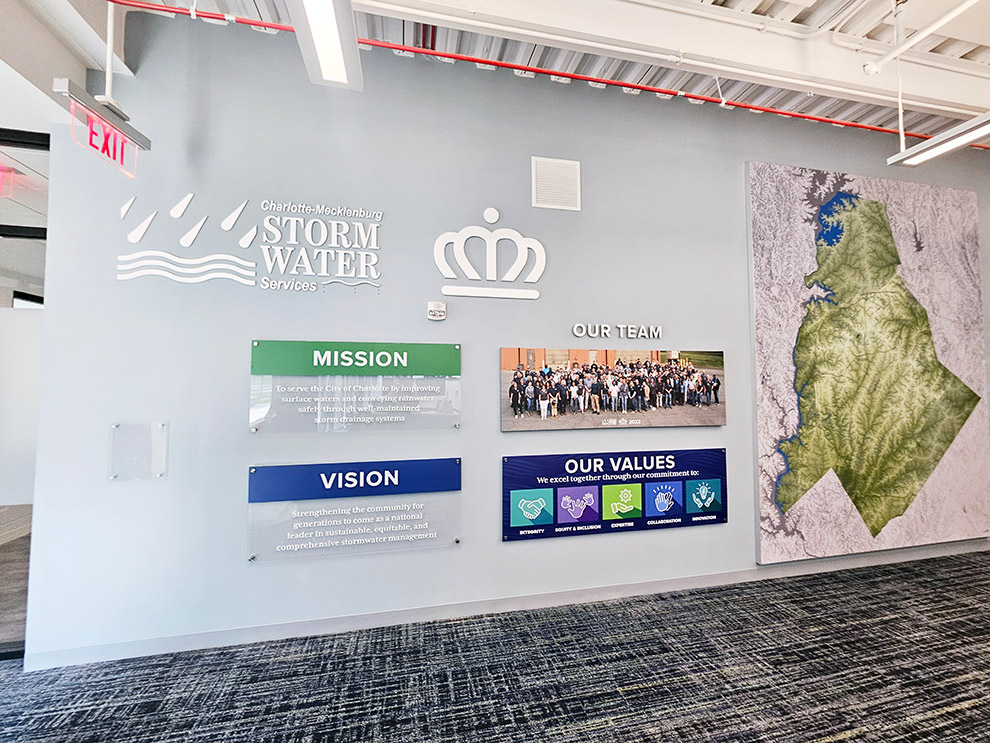
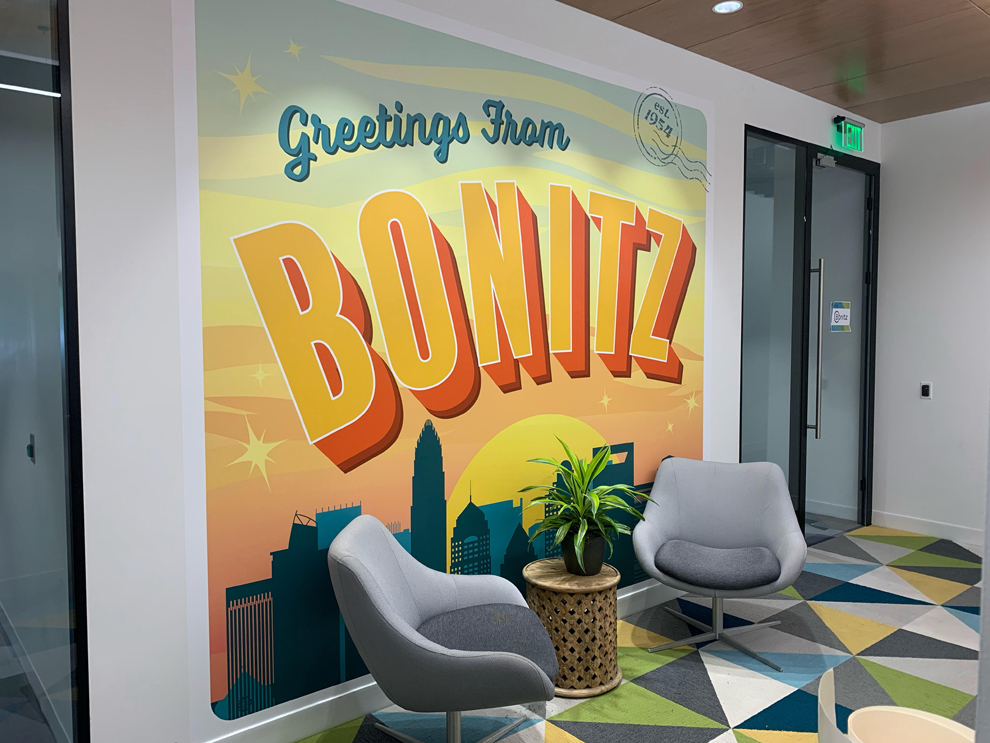
Charlotte organizations are often growing, relocating, consolidating teams, renovating workplaces, opening new facilities, recruiting talent, or preparing for important public-facing moments. Those changes create more than a need for signs. They create a need to decide what the physical environment should communicate as the organization moves forward. A reception area may need stronger identity. Employee spaces may need visible culture and recognition. Glass may need privacy without closing the space. A headquarters may need history, values, or leadership messages to feel permanent while some information remains easy to update.
Heritage helps clients organize those priorities before individual products begin driving the project. Environmental graphic design can establish hierarchy and visual direction while site information, production, fabrication, and installation knowledge test whether the approved idea can be built and installed successfully. The result is a more intentional workplace or event environment, with physical elements selected because they perform a clear communication job rather than simply because they are available. That gives decision-makers a clearer basis for approvals and helps keep future additions connected to the same visual direction.
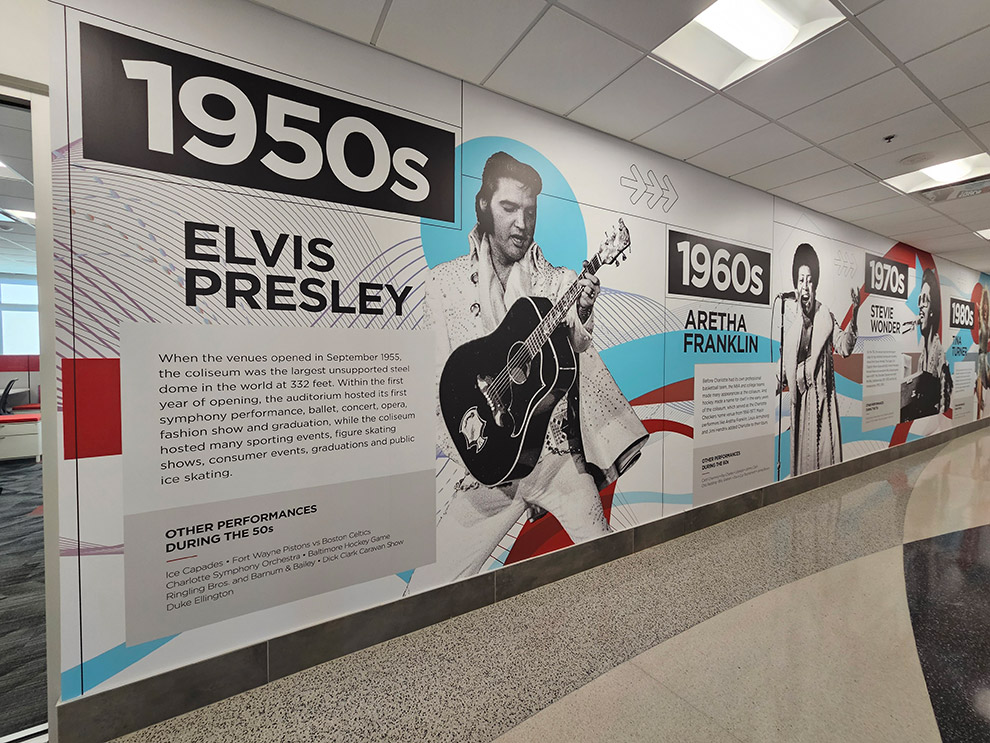
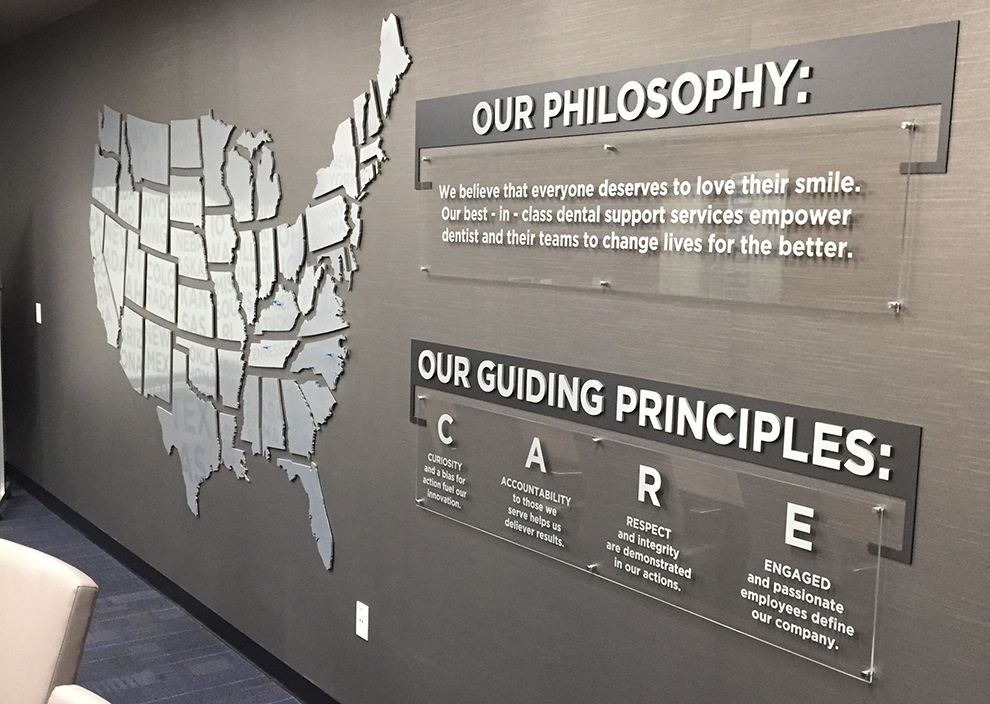
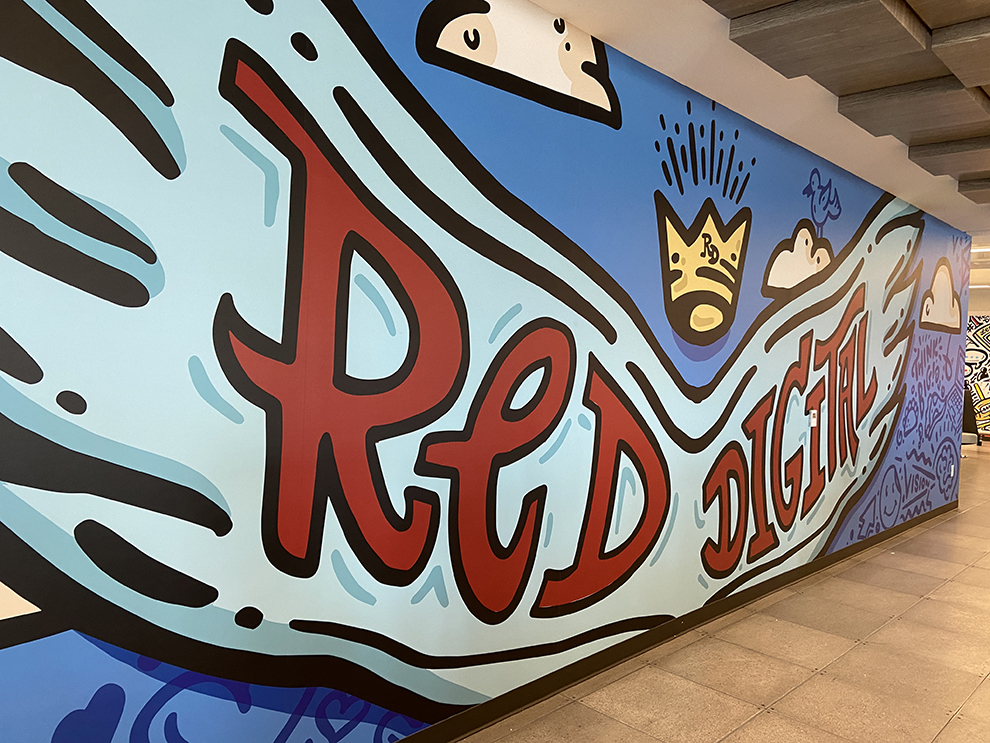
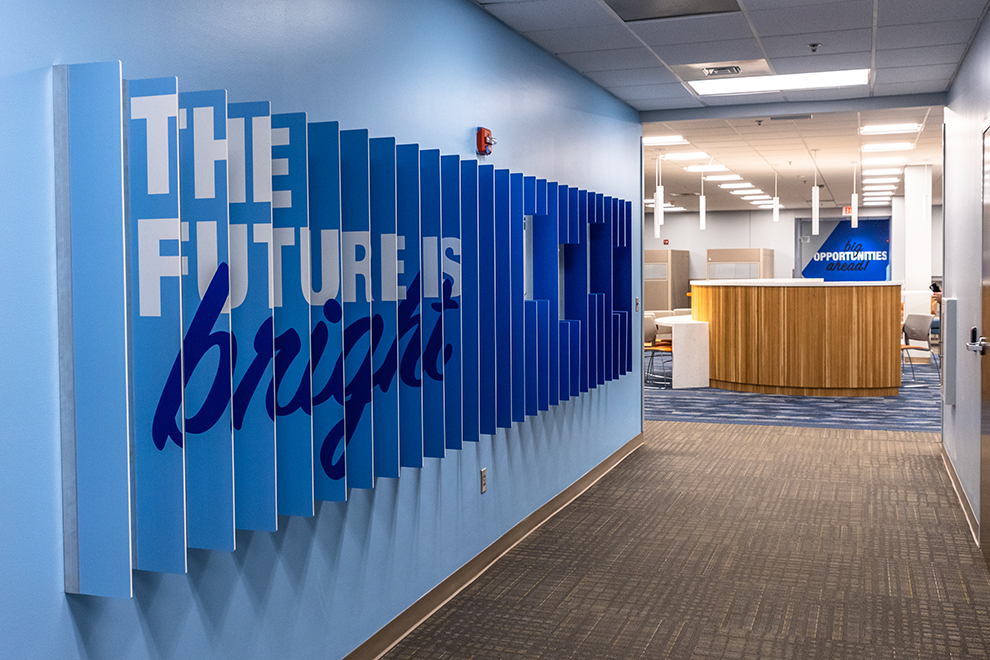
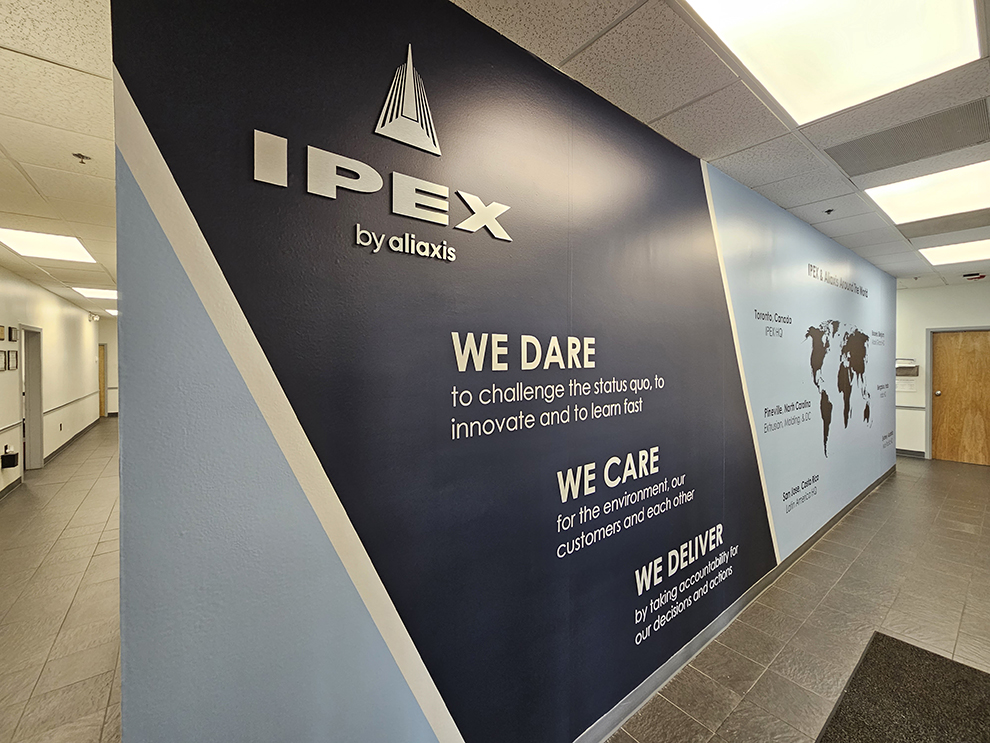
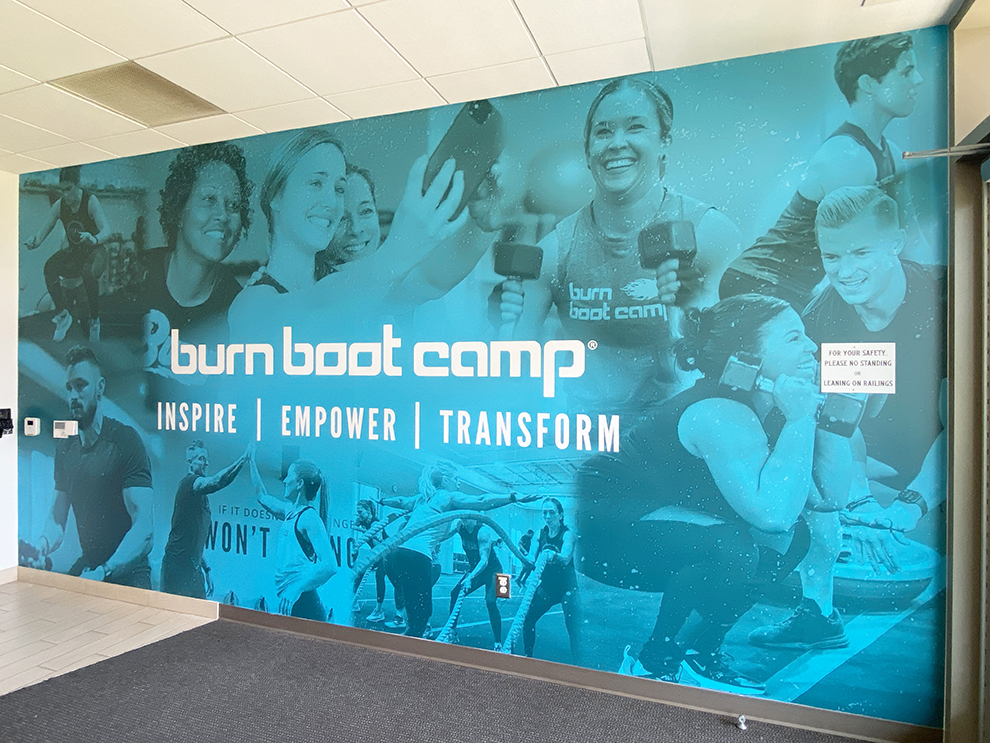
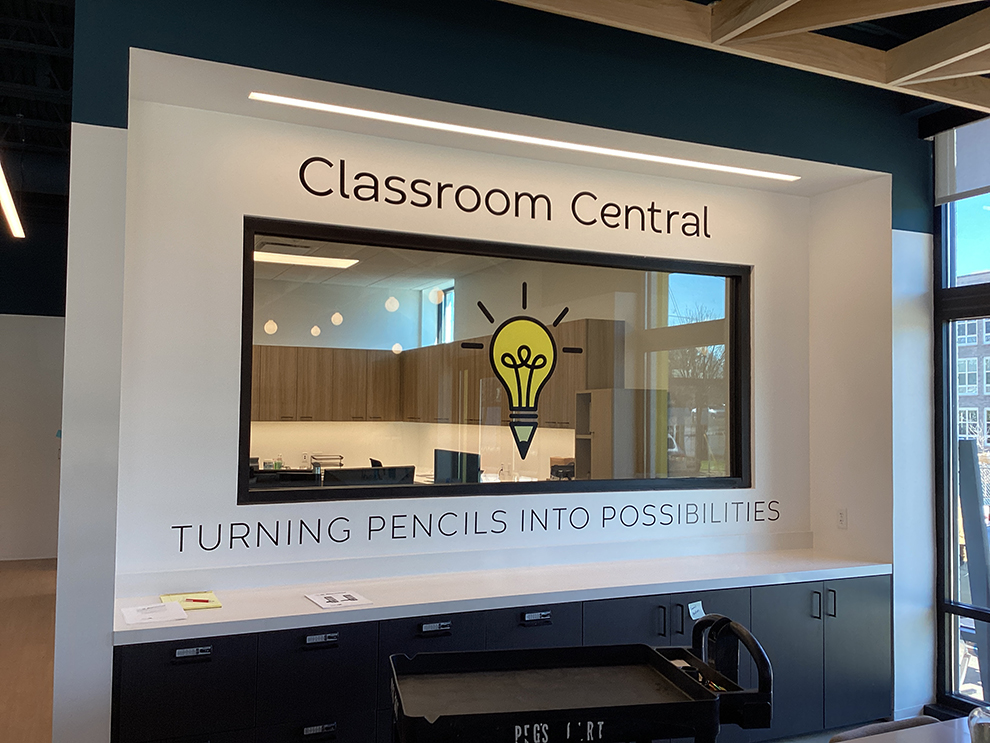
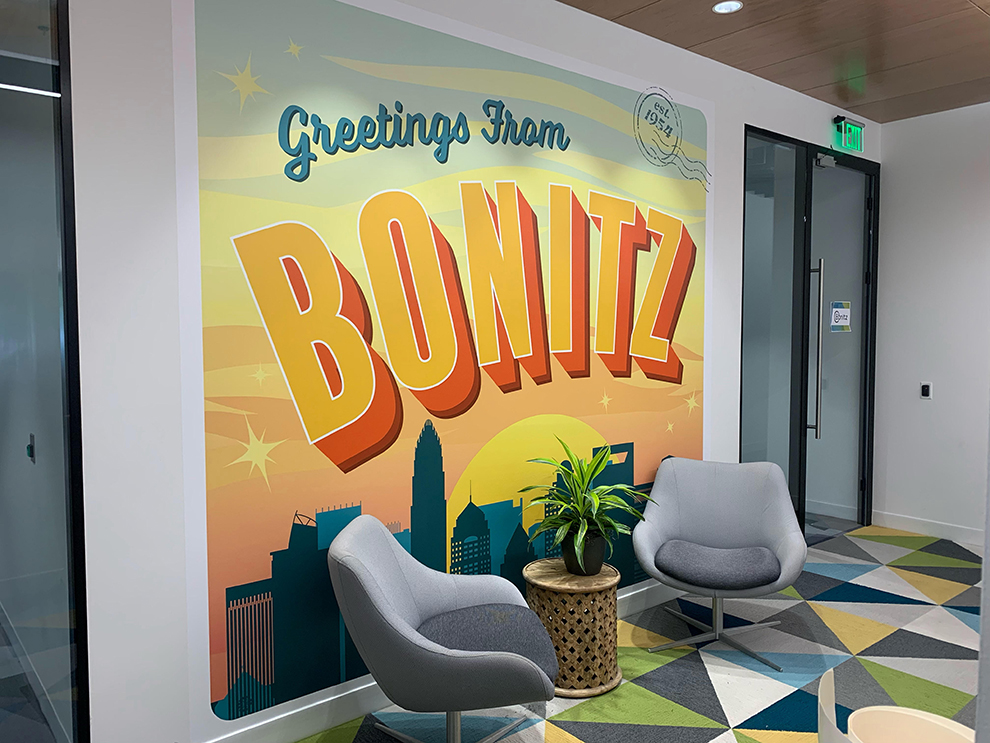
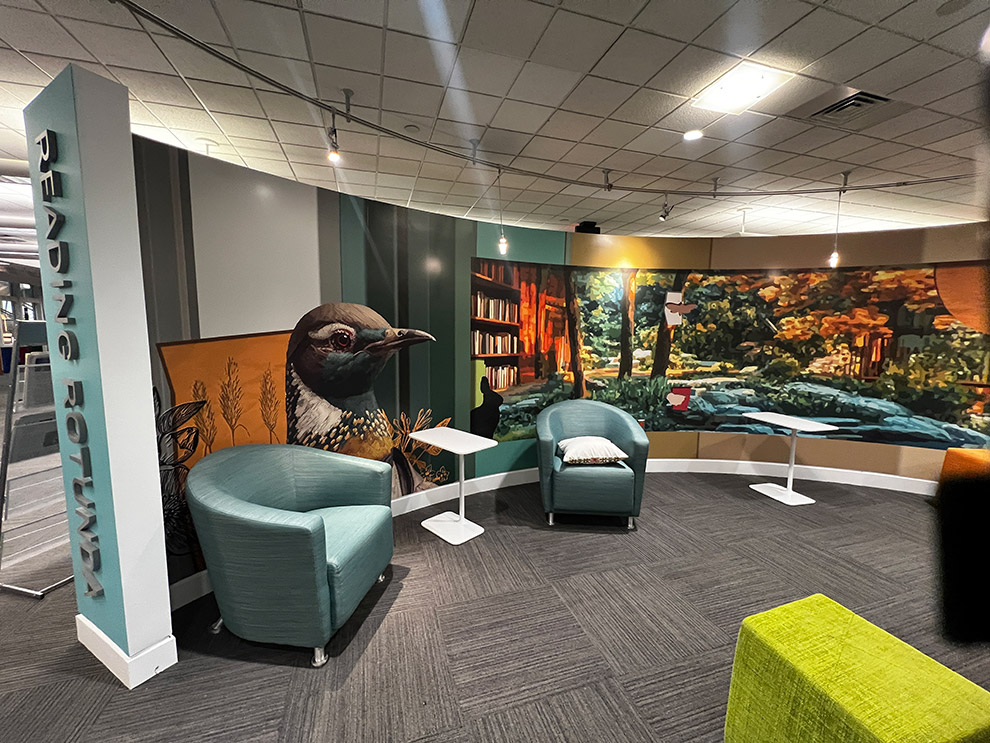
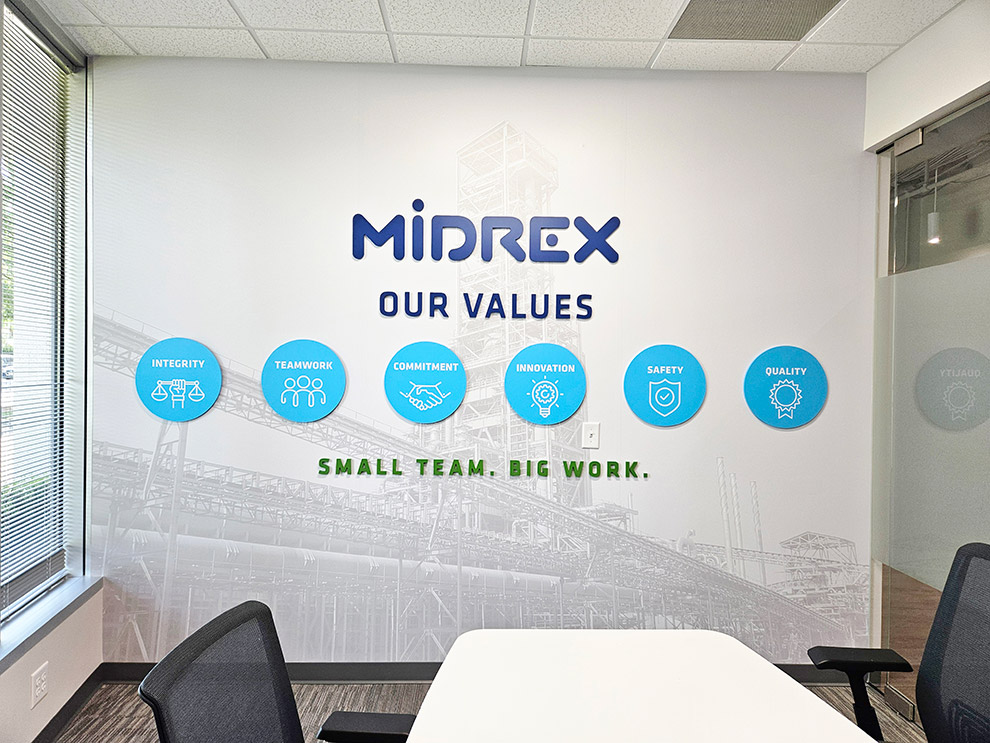
A workplace becomes more useful when people can understand the organization before someone has to explain it. Heritage helps Charlotte companies, healthcare organizations, universities, manufacturers, financial institutions, nonprofits, professional firms, sports organizations, and other employers create interiors that communicate identity, culture, history, recognition, privacy, and direction. The best solution is rarely to make every surface louder. It is to give the most important messages the right place and level of emphasis.
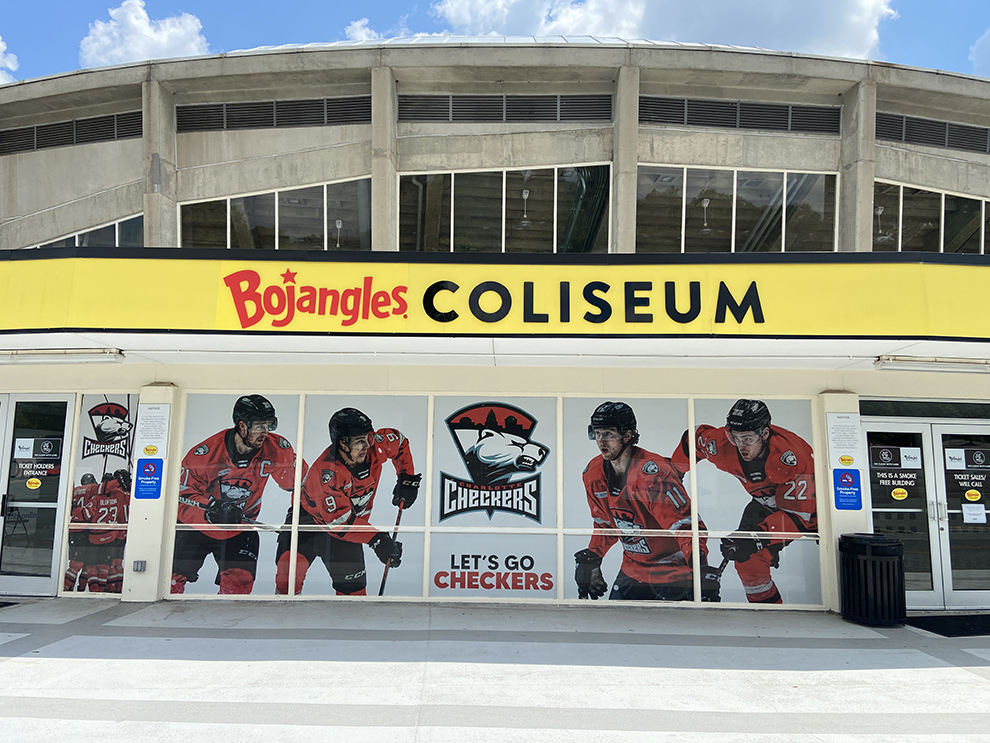
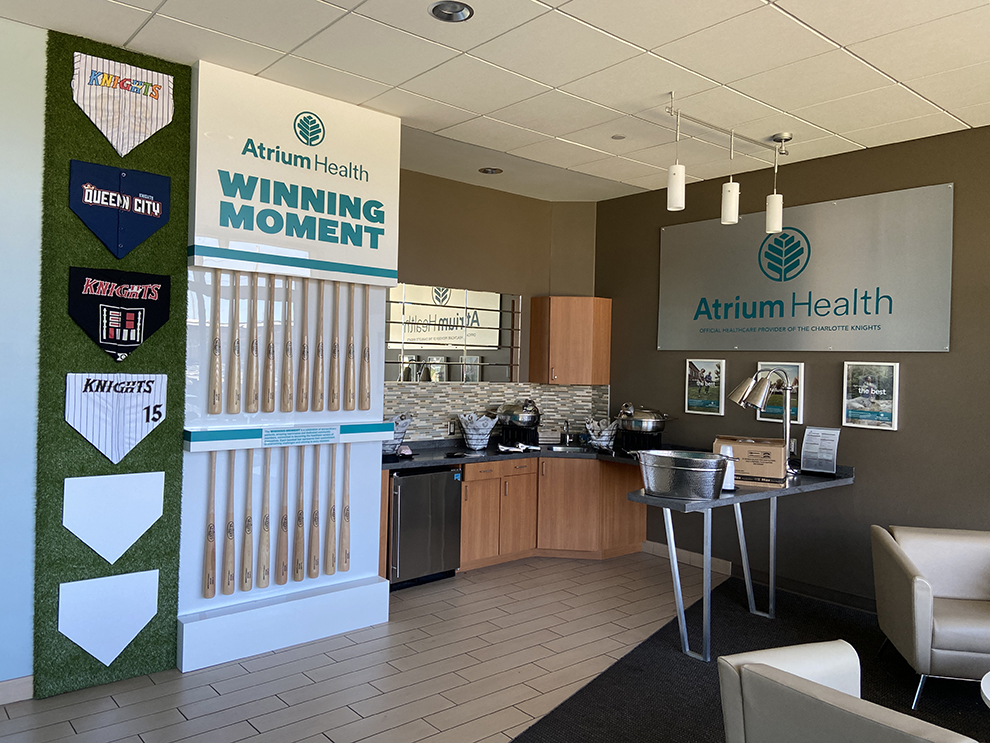
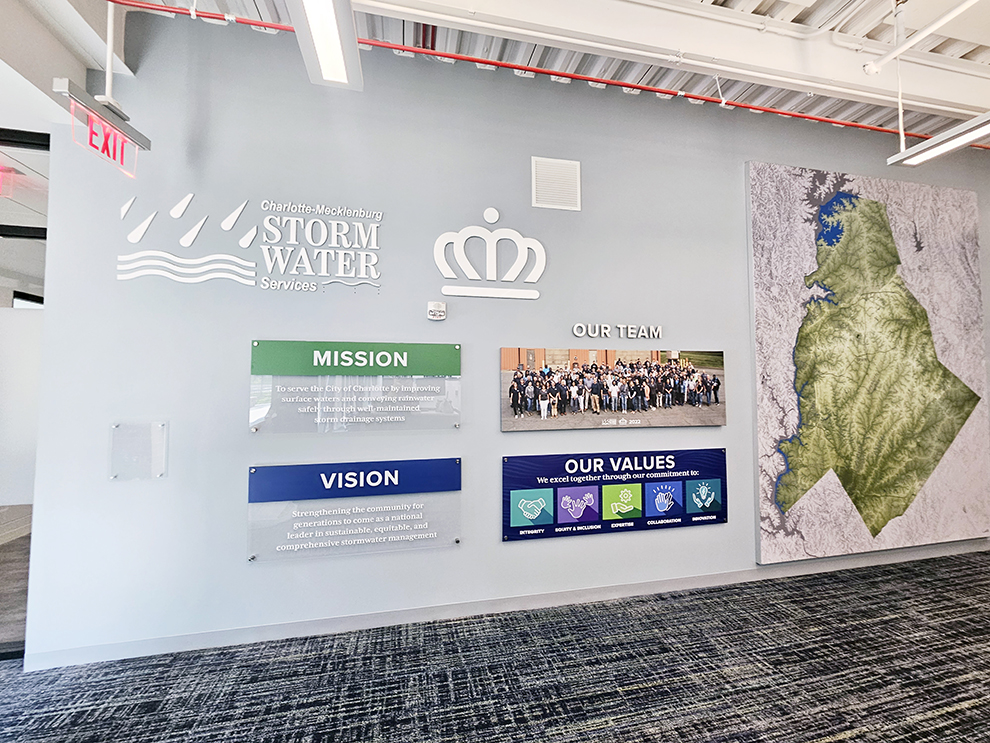
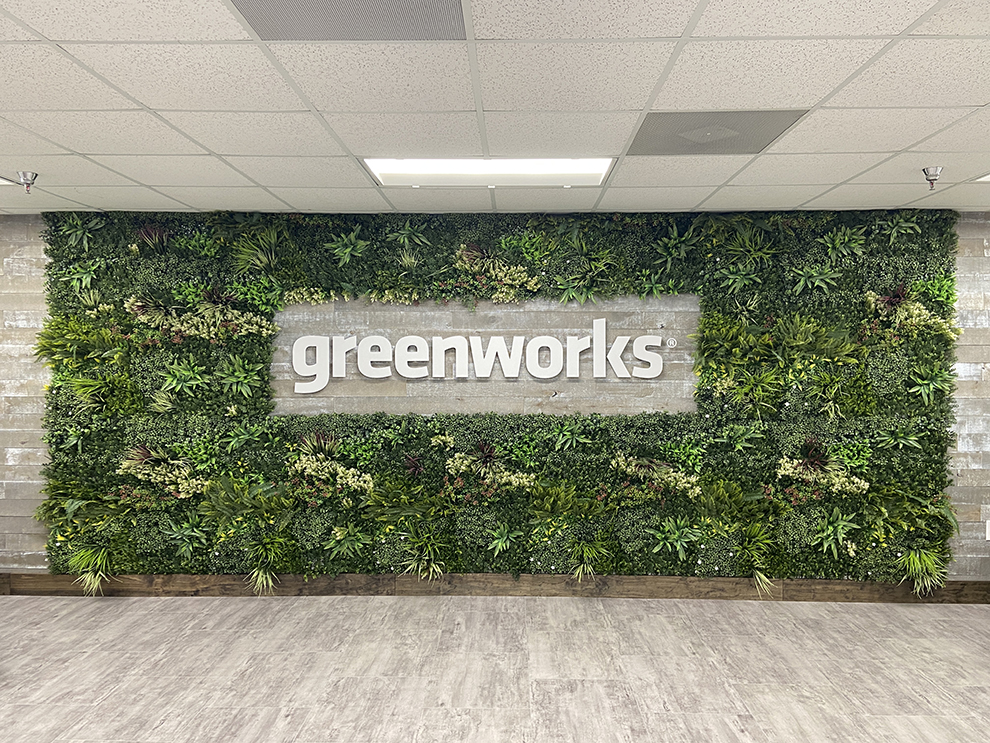
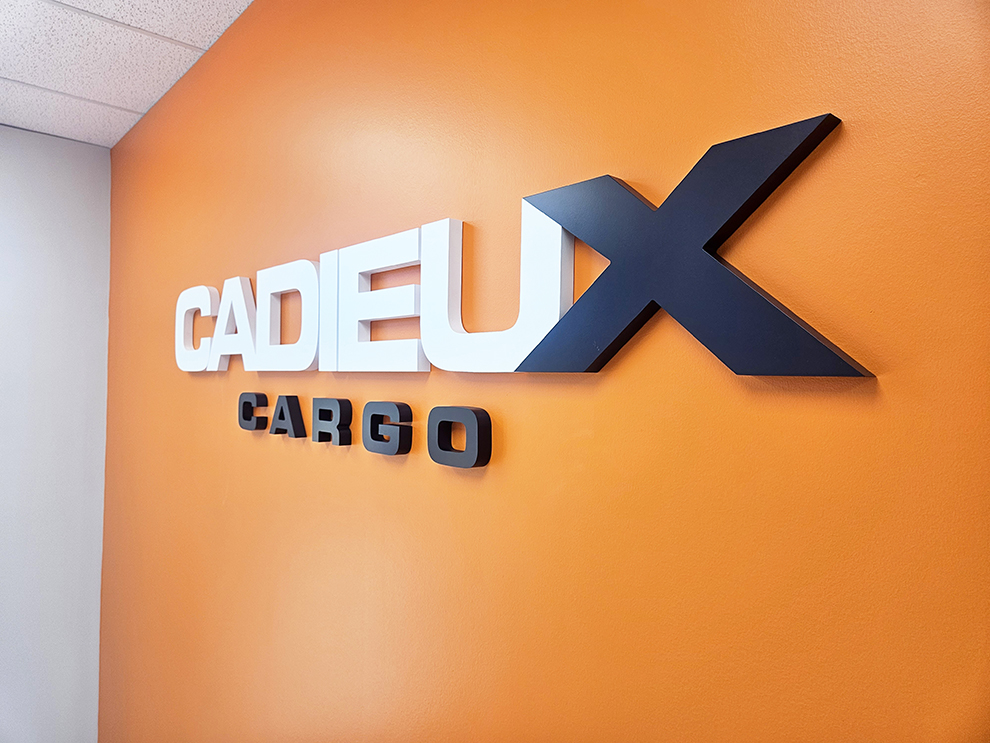
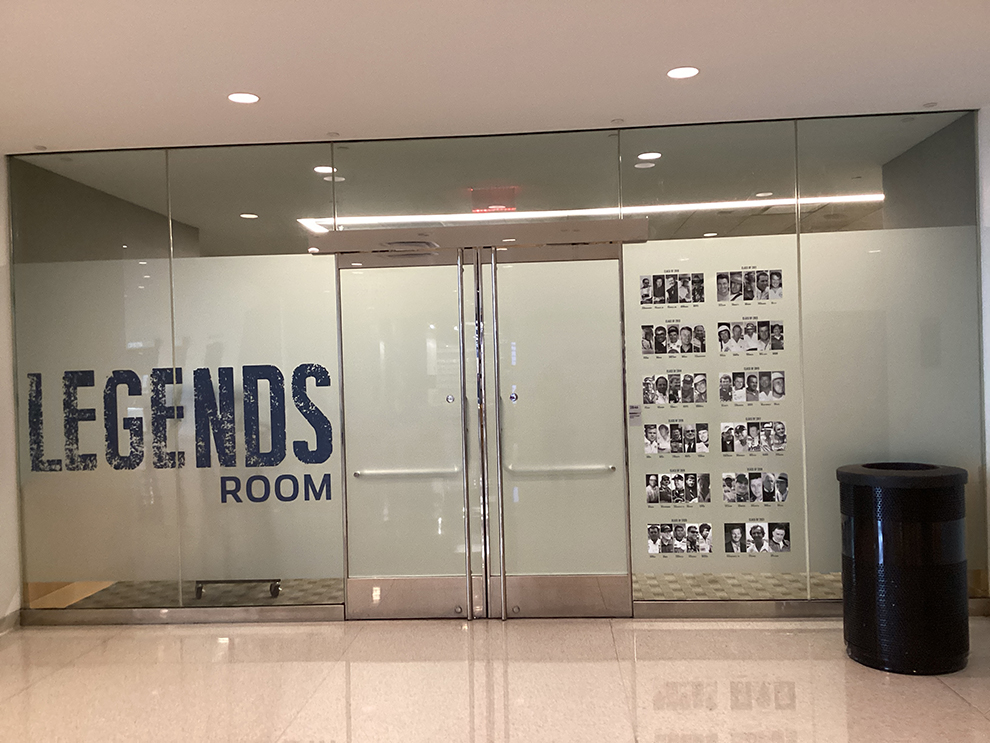
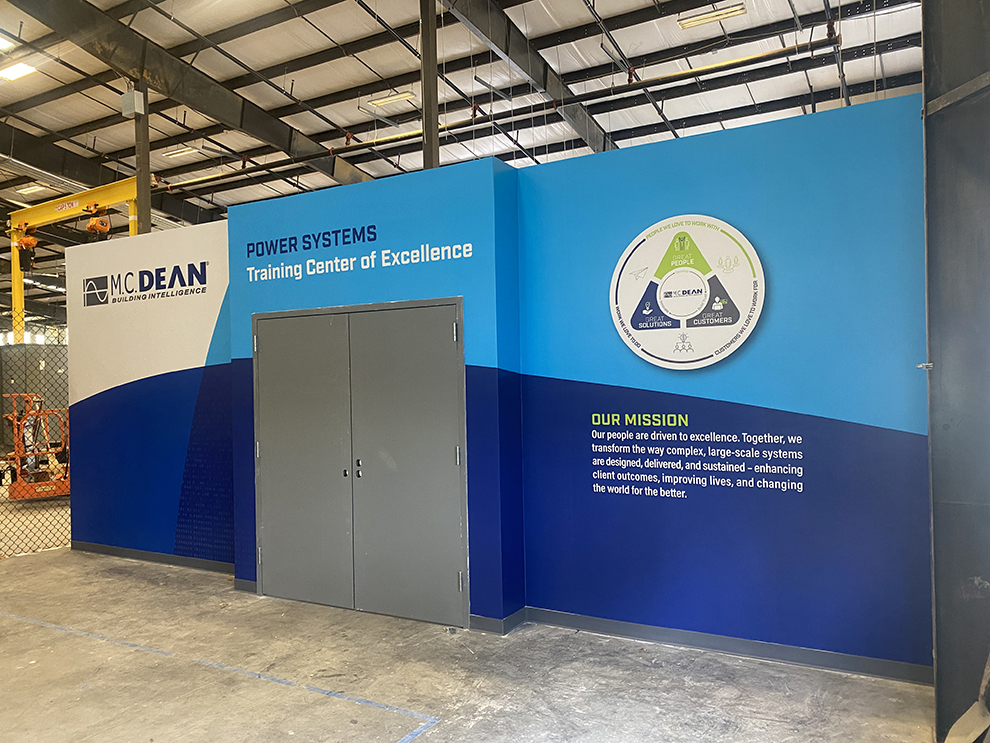
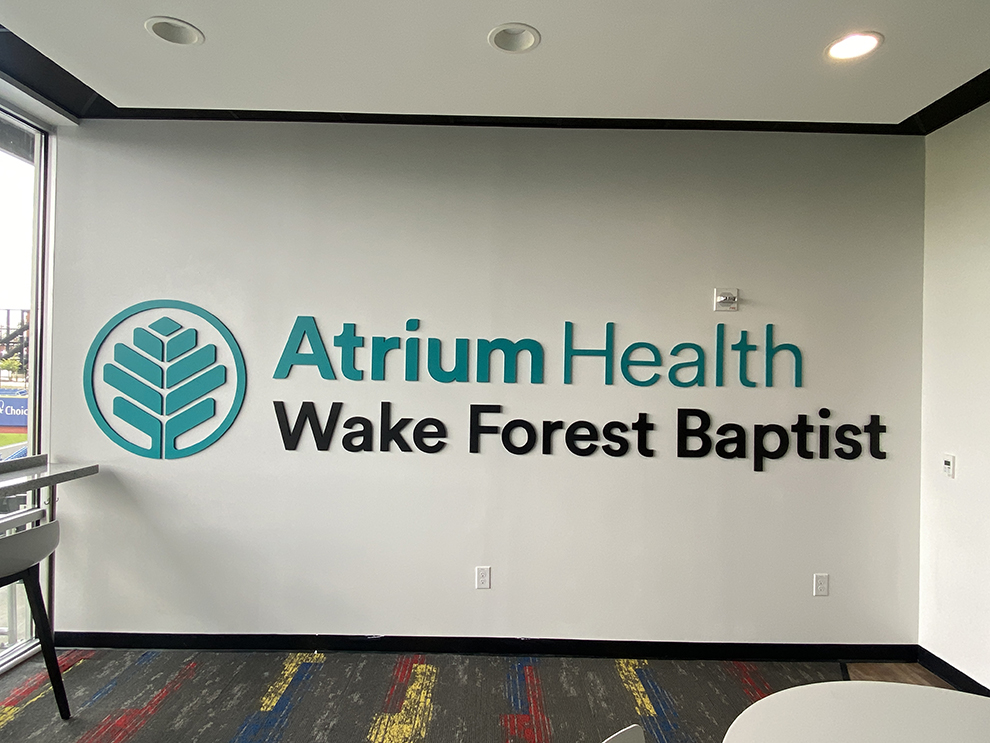
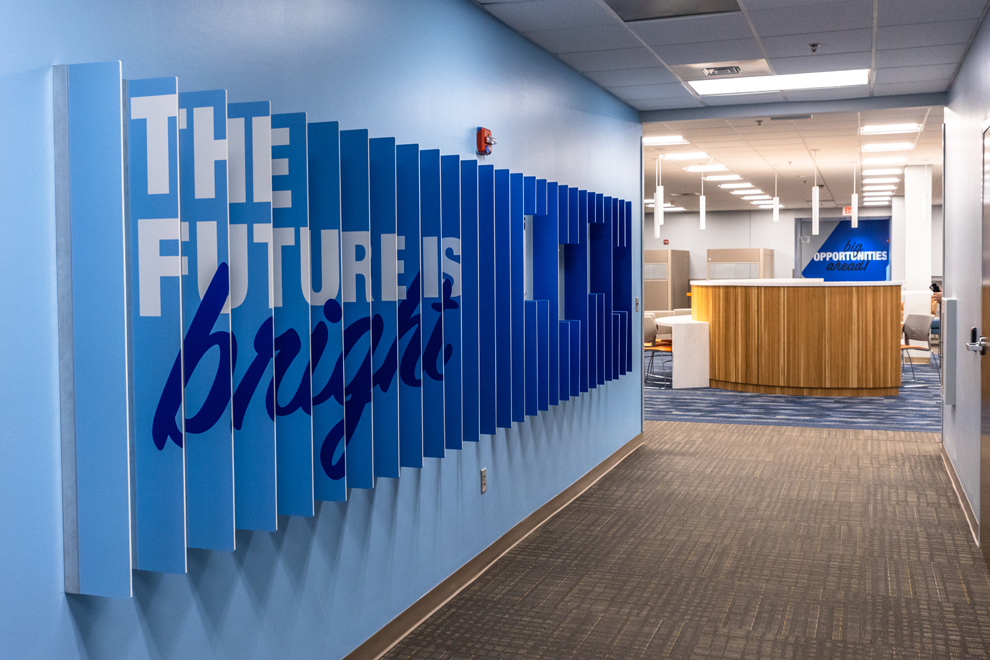
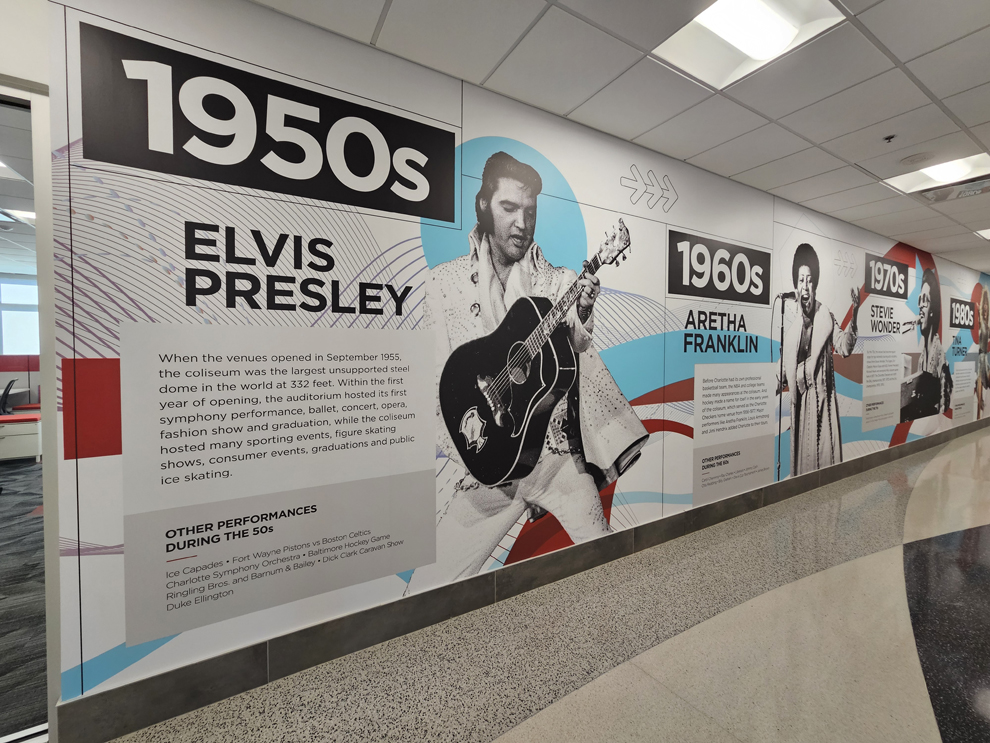
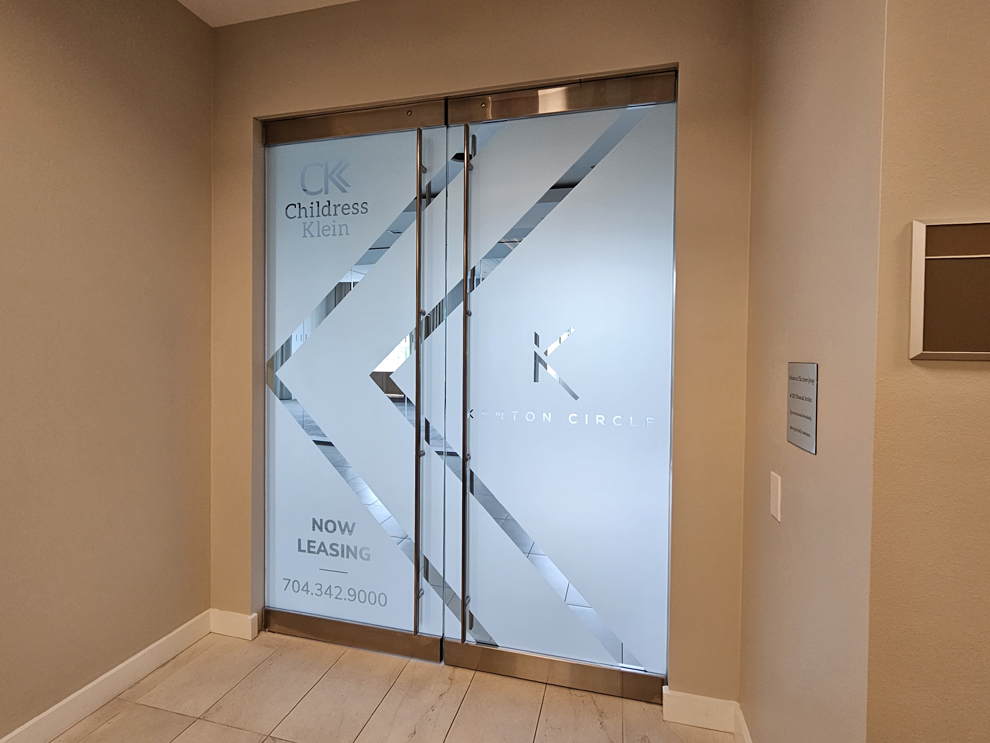
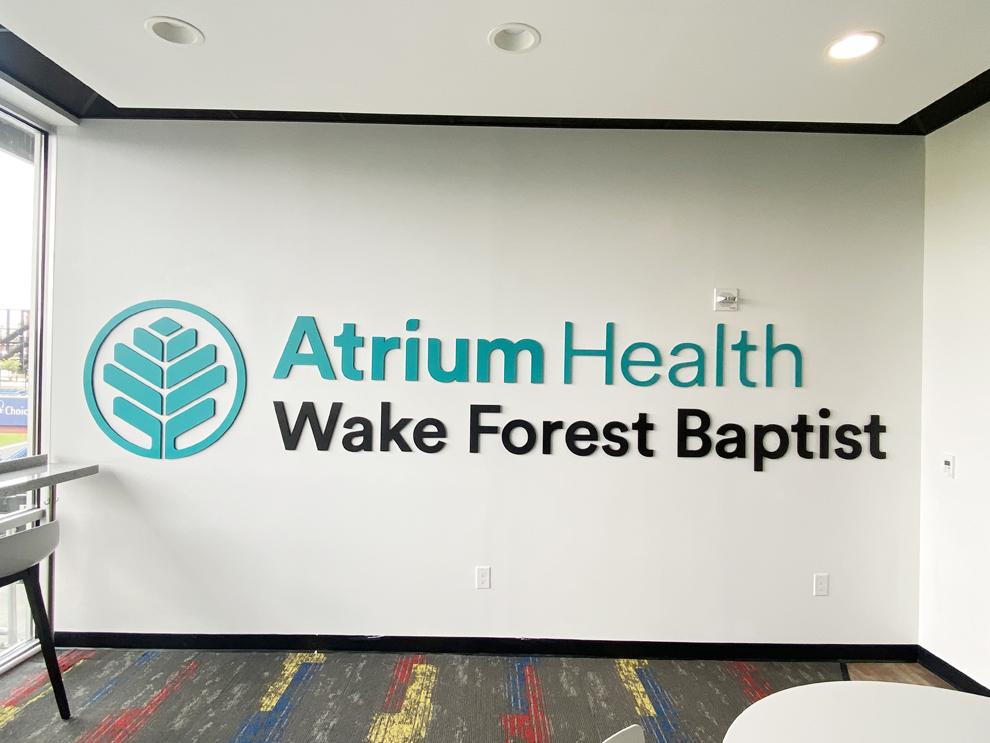
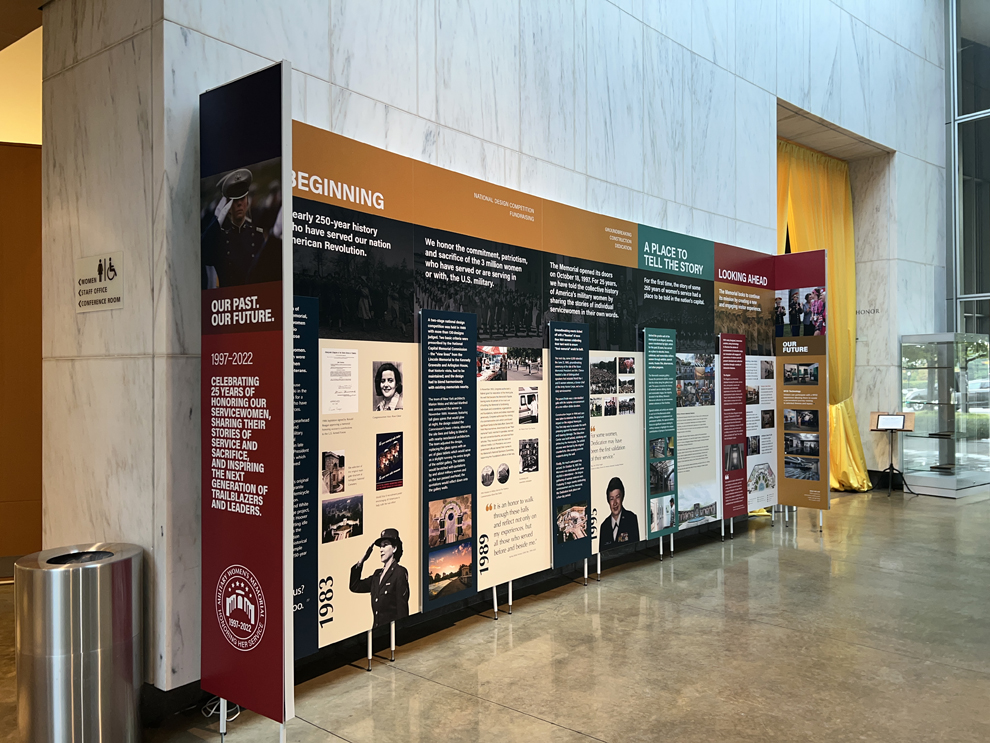
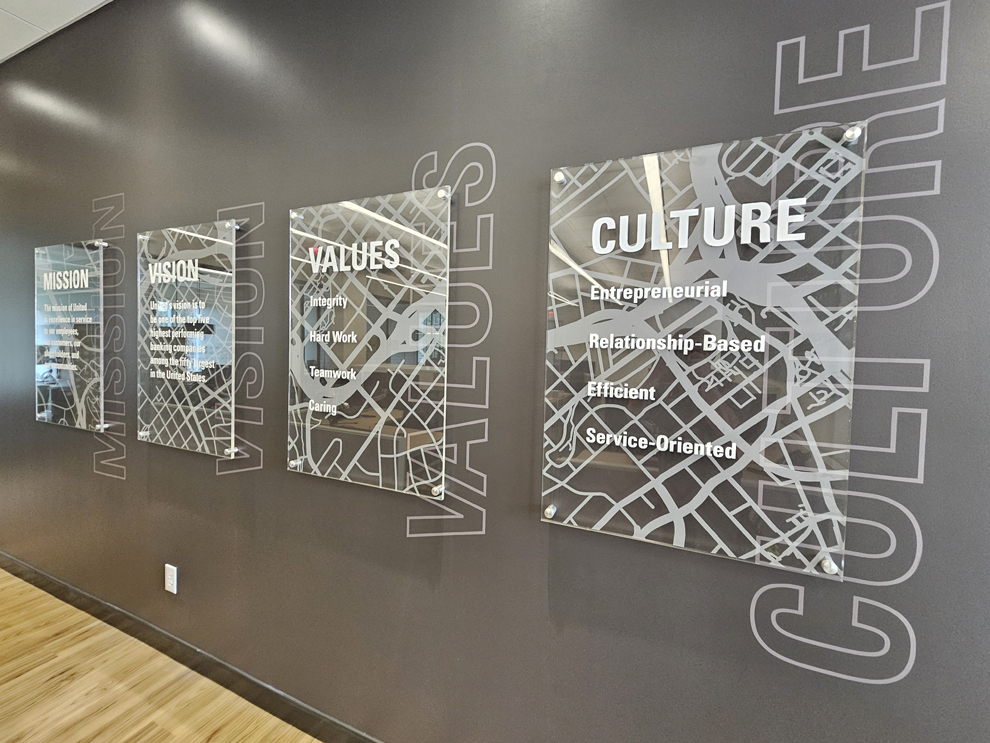
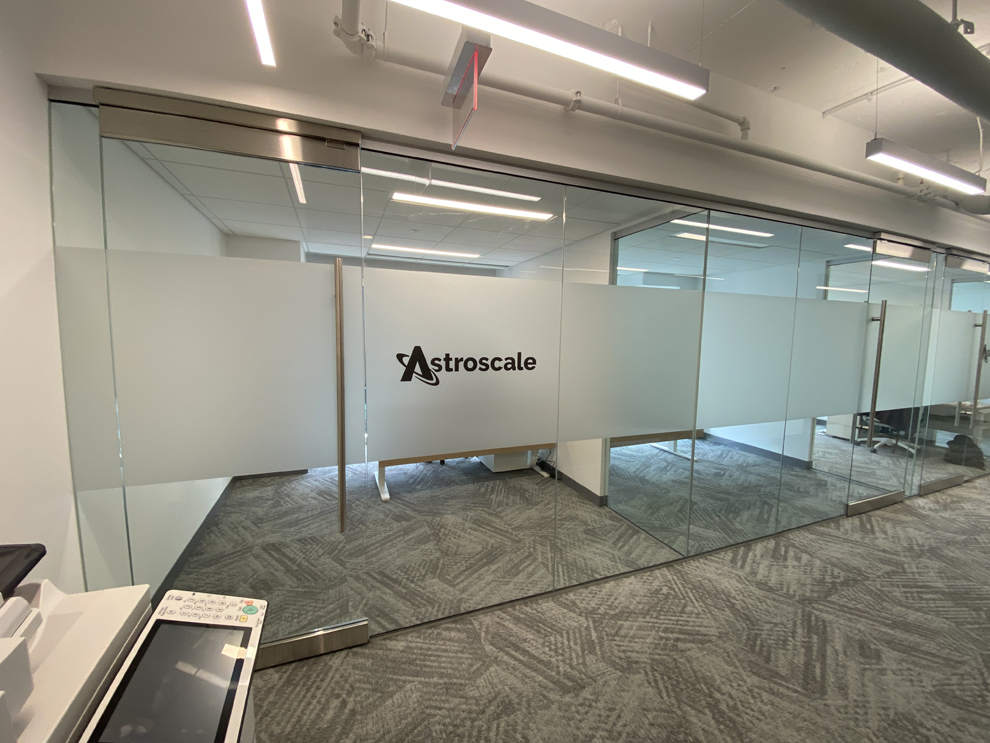
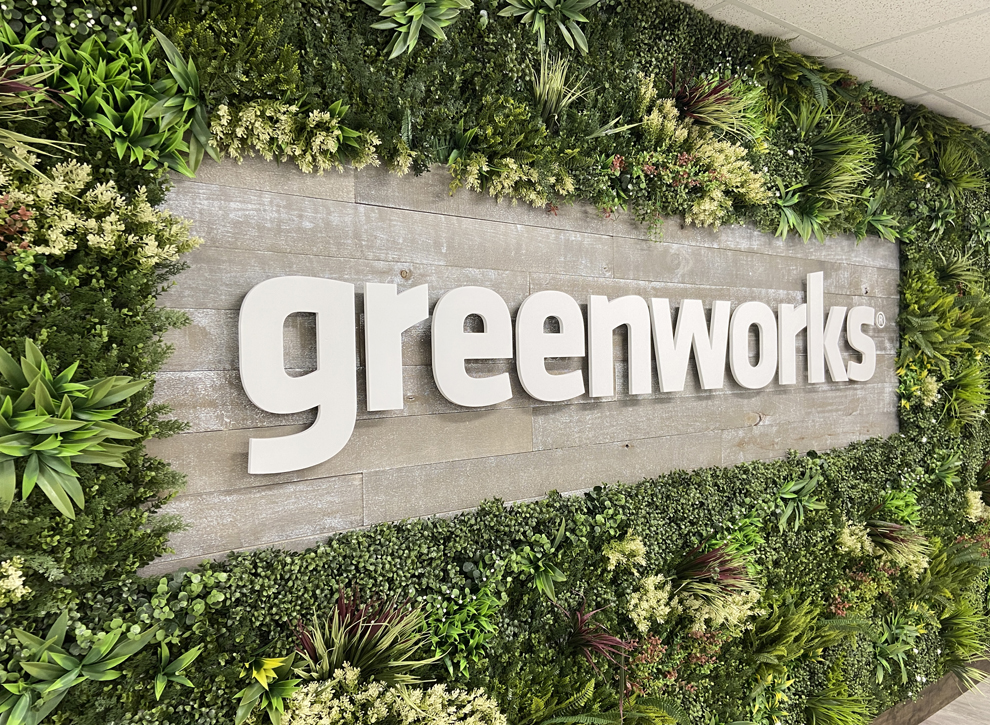
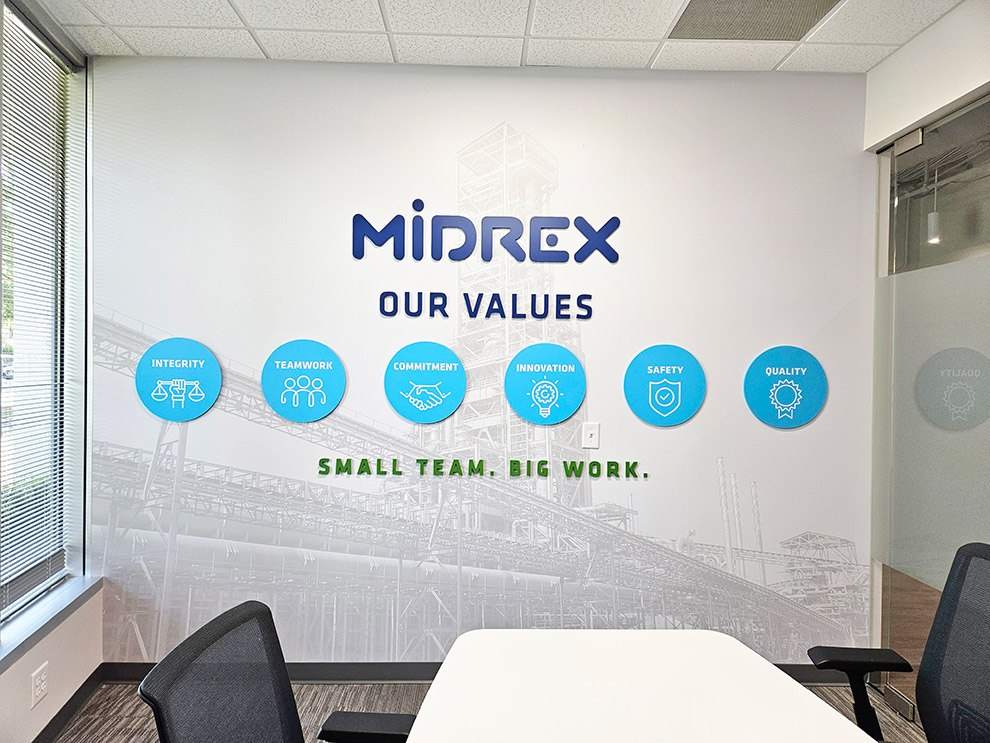
A headquarters lobby can establish confidence for clients and recruits. A history display can connect new employees with the organization that came before them. Core values and mission statement features can reinforce culture where teams gather. Recognition displays can celebrate achievement or contribution. Glass graphics can add privacy and brand character without giving up daylight. Directional signs can make a growing facility easier to use. Heritage brings those decisions together so the workplace feels coherent while individual elements remain appropriate to the architecture, audience, and long-term needs of the organization. The same discipline makes future additions easier by clarifying which elements are permanent, changeable, or location-specific.
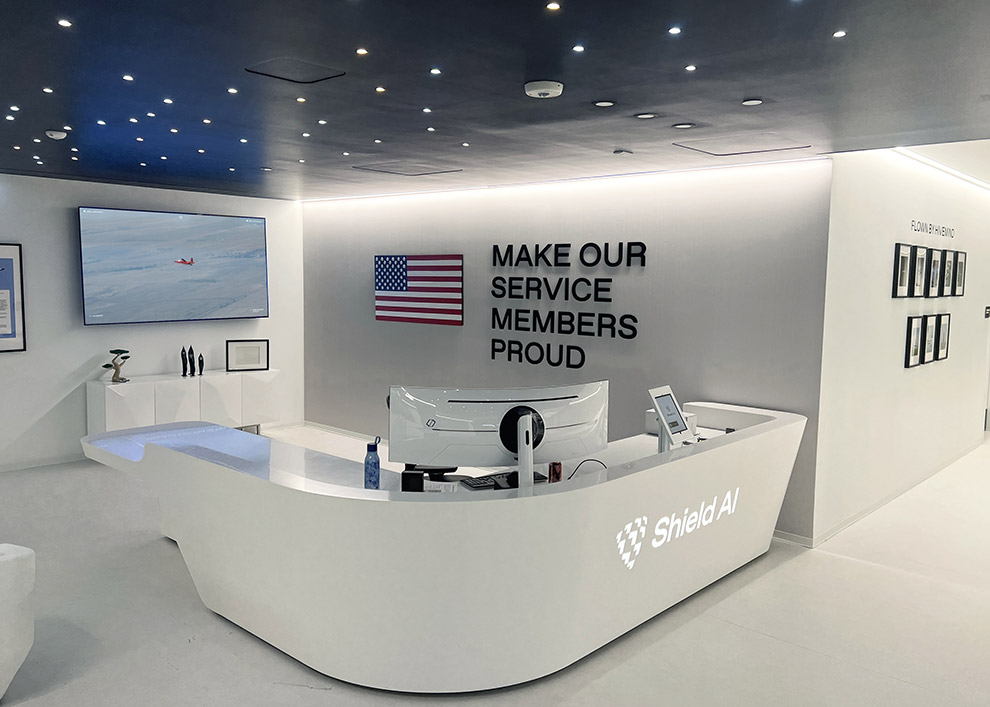
Create arrival, culture, recognition, privacy, direction, and storytelling features that help a growing organization communicate clearly to employees, recruits, clients, and visitors.
Read More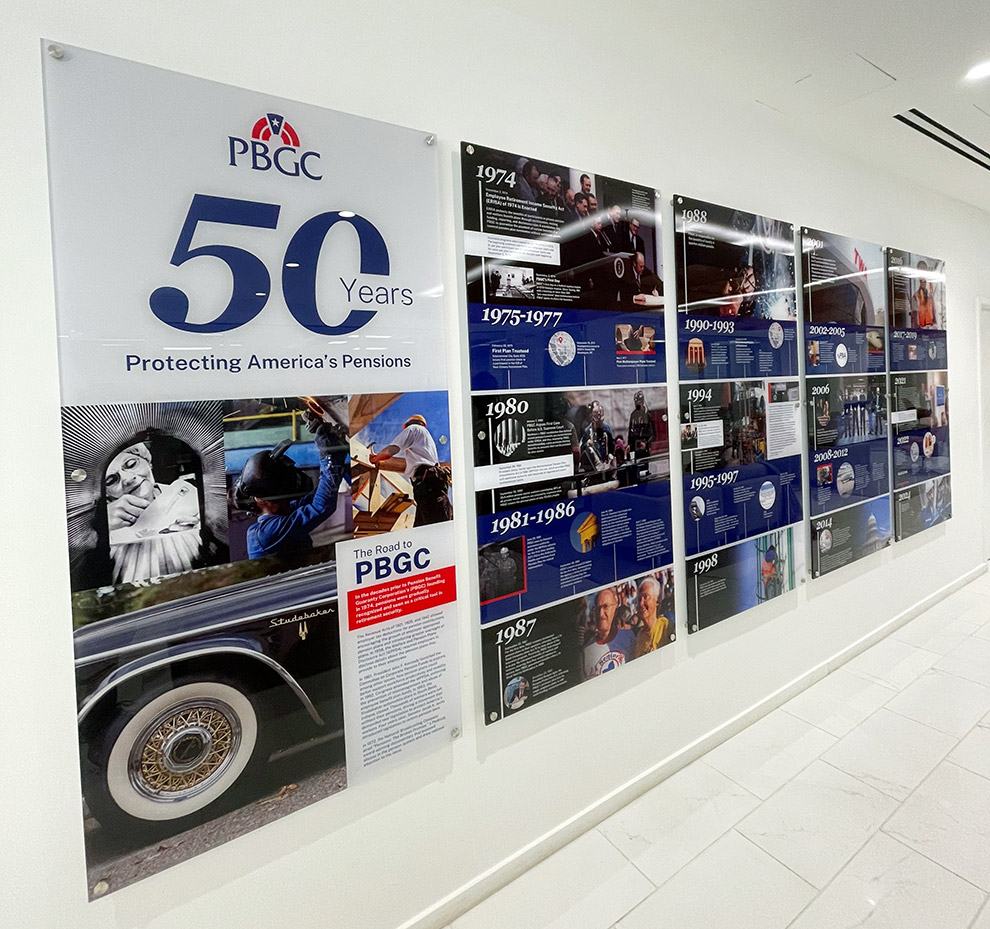
Support professional, easy-to-understand spaces through identity, navigation, staff culture, privacy, donor recognition, and communication planned around patients, visitors, and employees.
Read More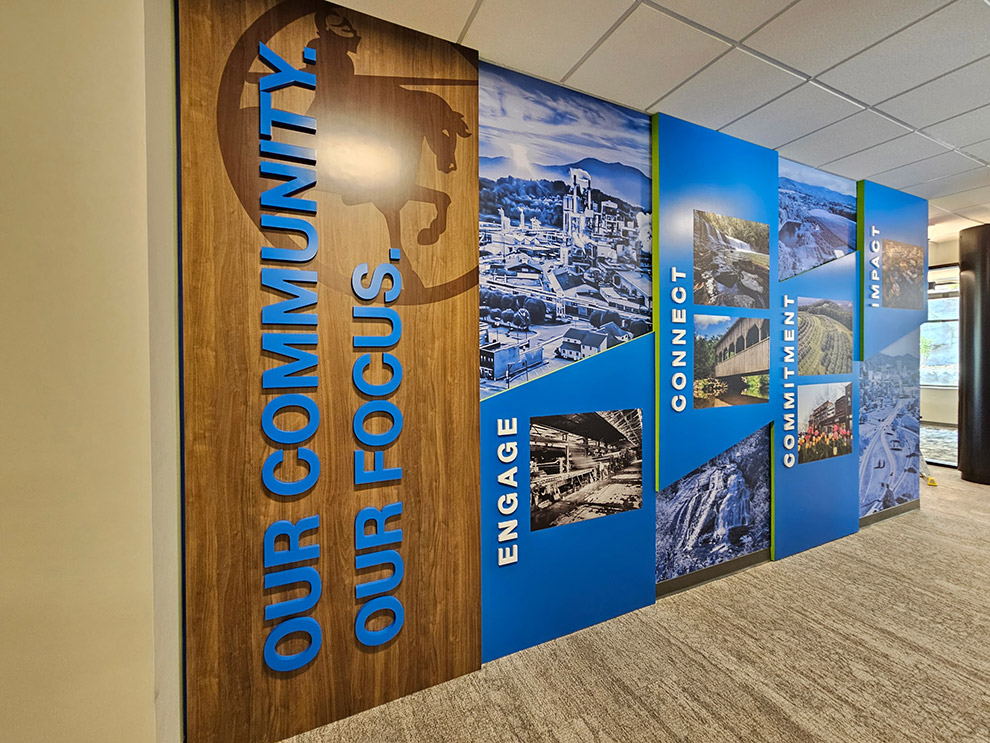
Strengthen institutional identity, recruiting, achievement, donor recognition, history, wayfinding, and campus pride across schools, universities, training centers, and learning spaces.
Read More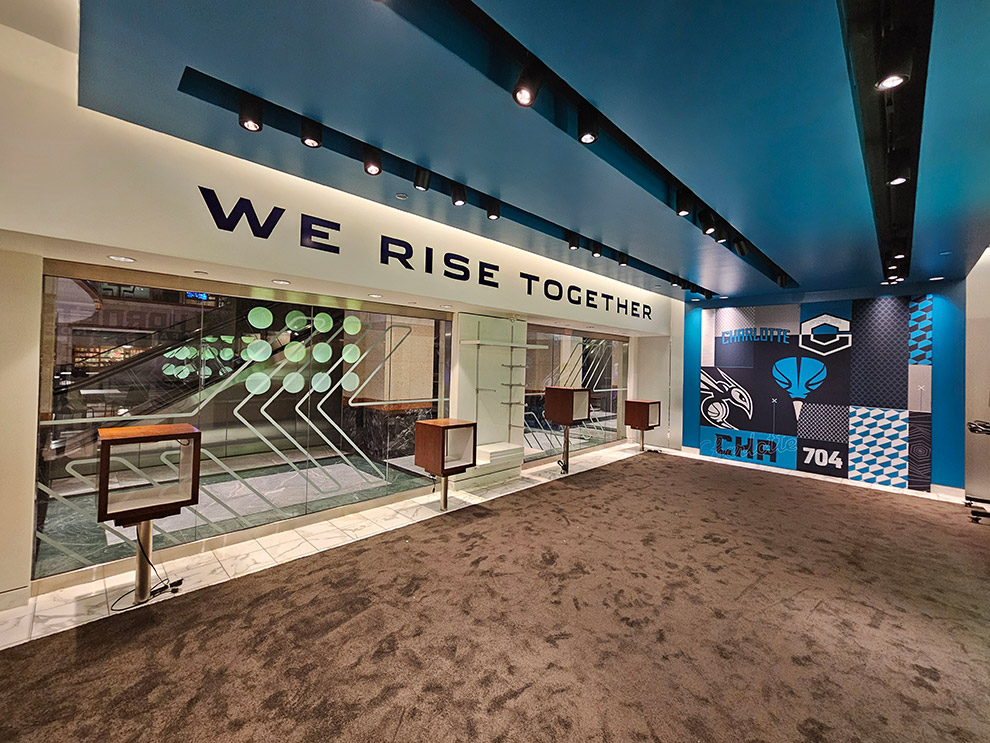
Help production, logistics, and operational organizations communicate culture, identity, recognition, training, direction, and professionalism across offices and employee-facing spaces.
Read More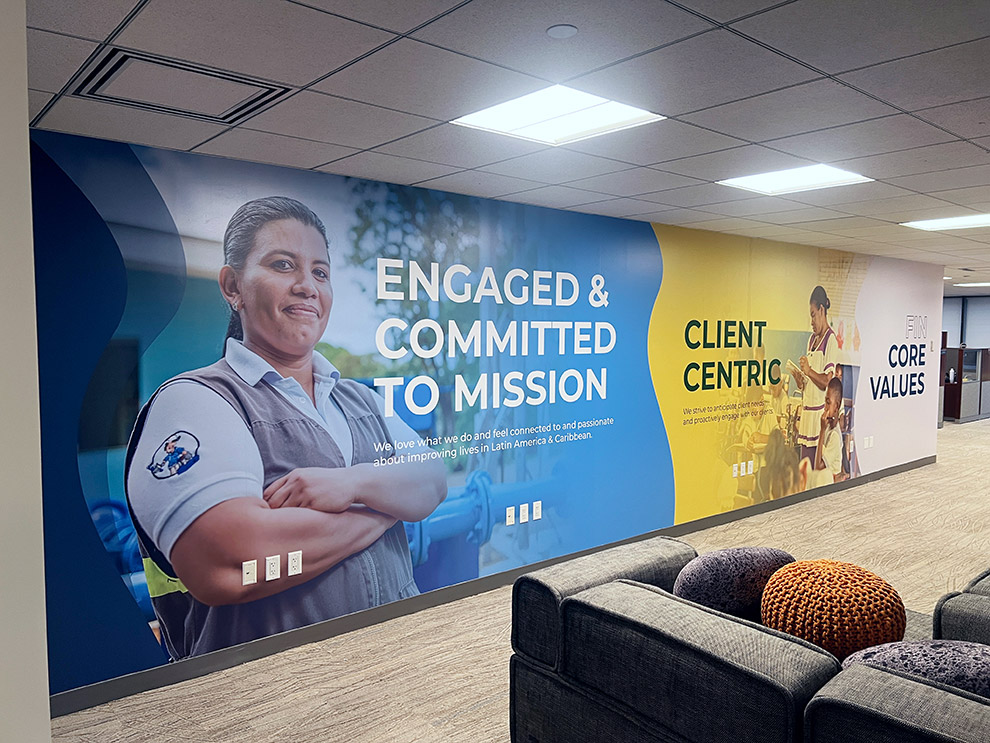
Make mission, stewardship, service, generosity, history, and community impact visible in spaces where people gather, work, give, volunteer, and lead.
Read More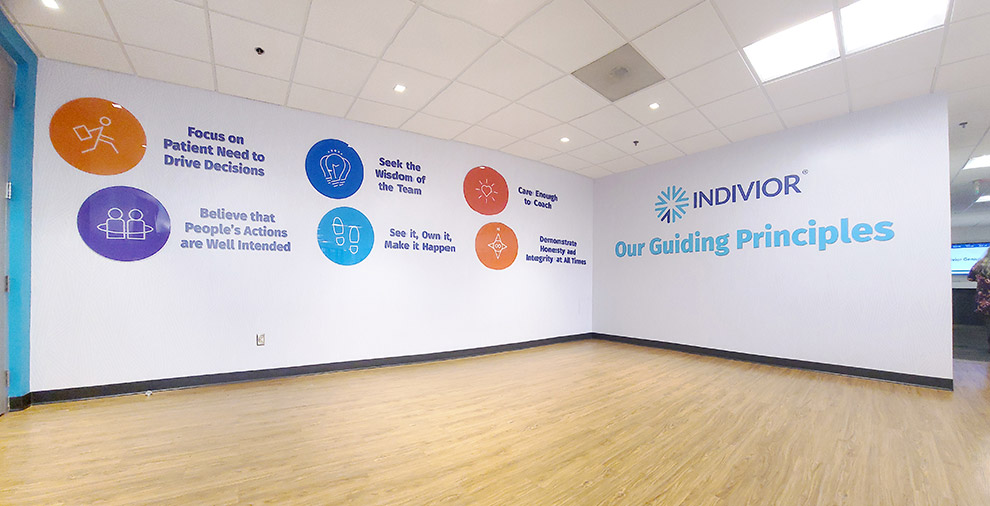
Support recruiting, pride, sponsorship, recognition, history, team identity, and fan experience through coordinated visual features in athletic and event facilities.
Read More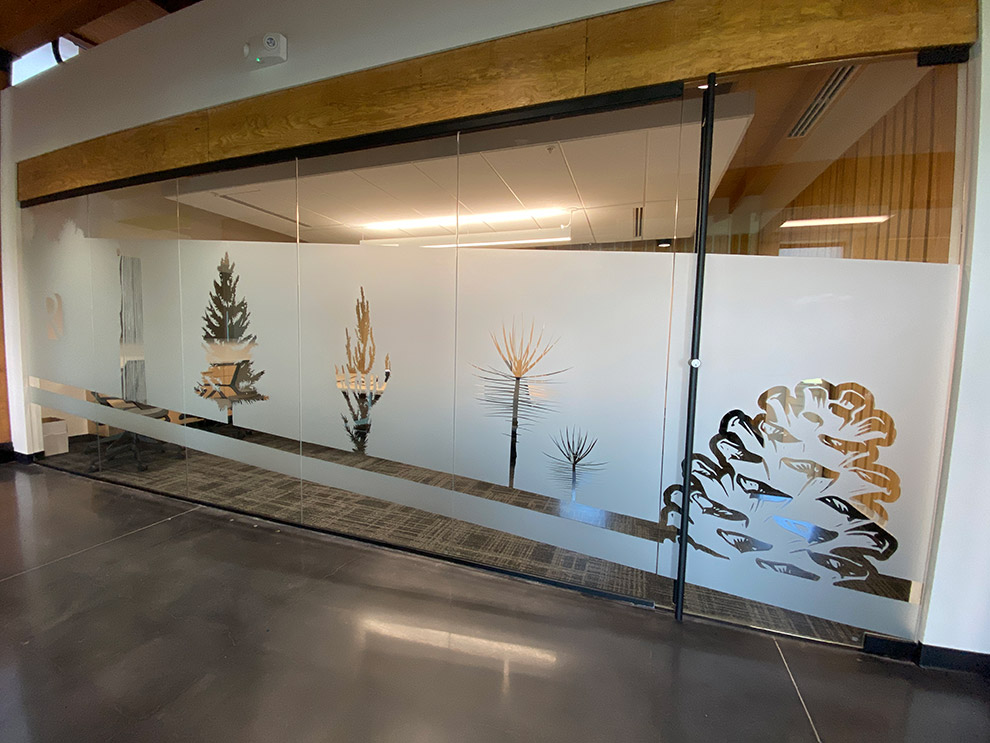
Use interpretive graphics, displays, donor recognition, timelines, dimensional elements, and wayfinding to connect visitors with stories, collections, history, and institutional identity.
Read More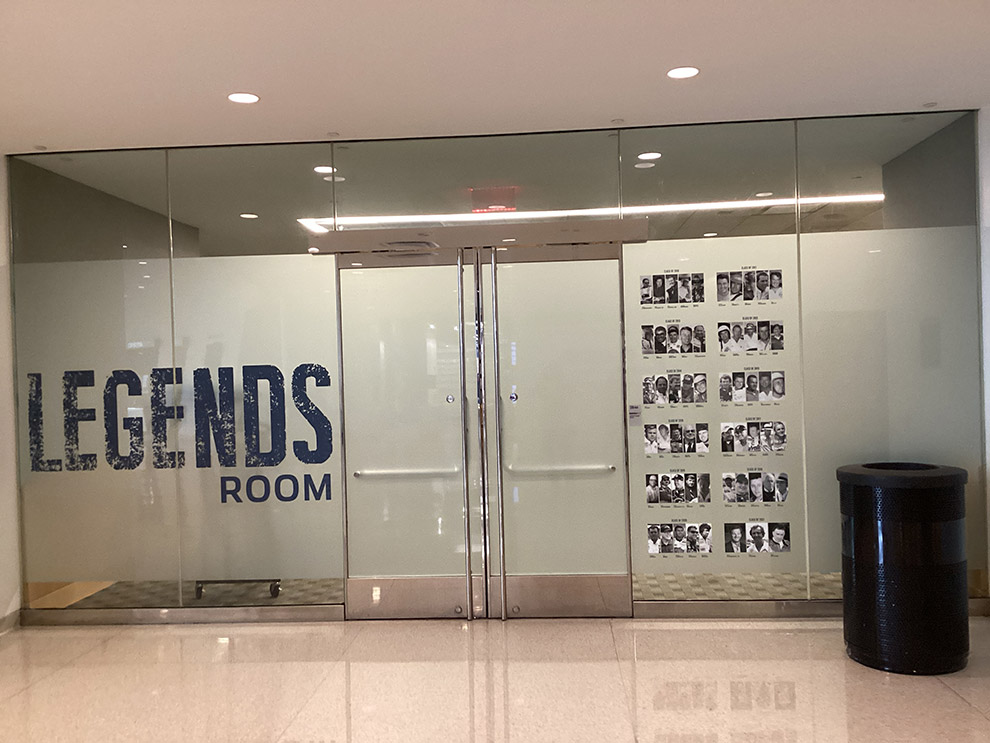
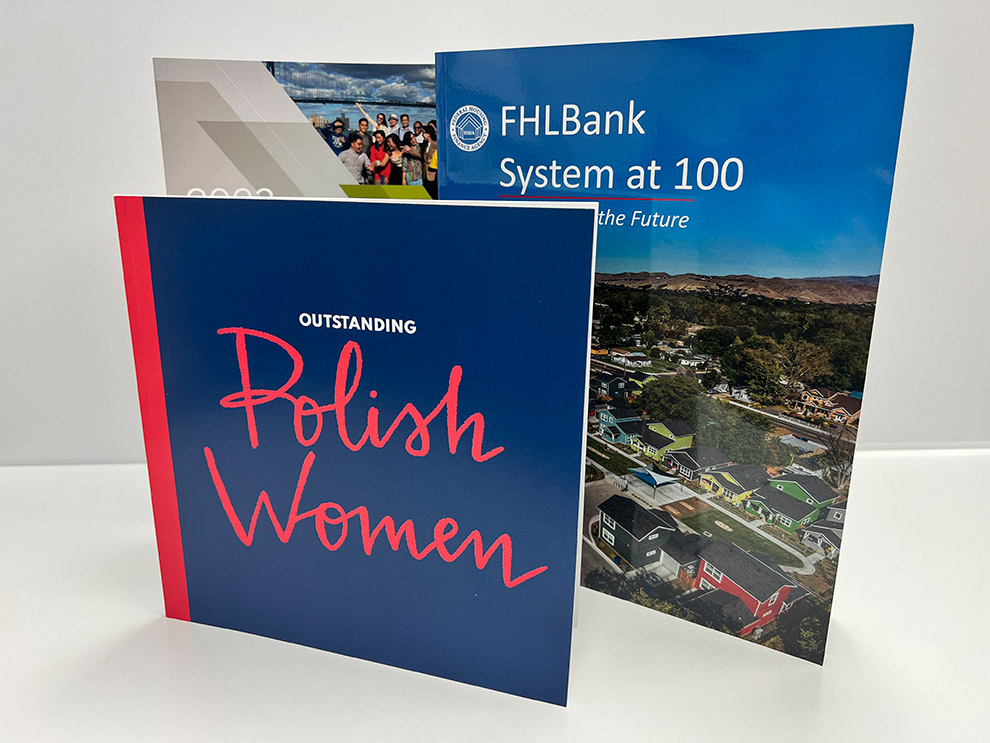
Create organized physical experiences for registration, sponsors, stages, photo areas, directions, presentations, exhibits, and gathering spaces when timing and presentation both matter.
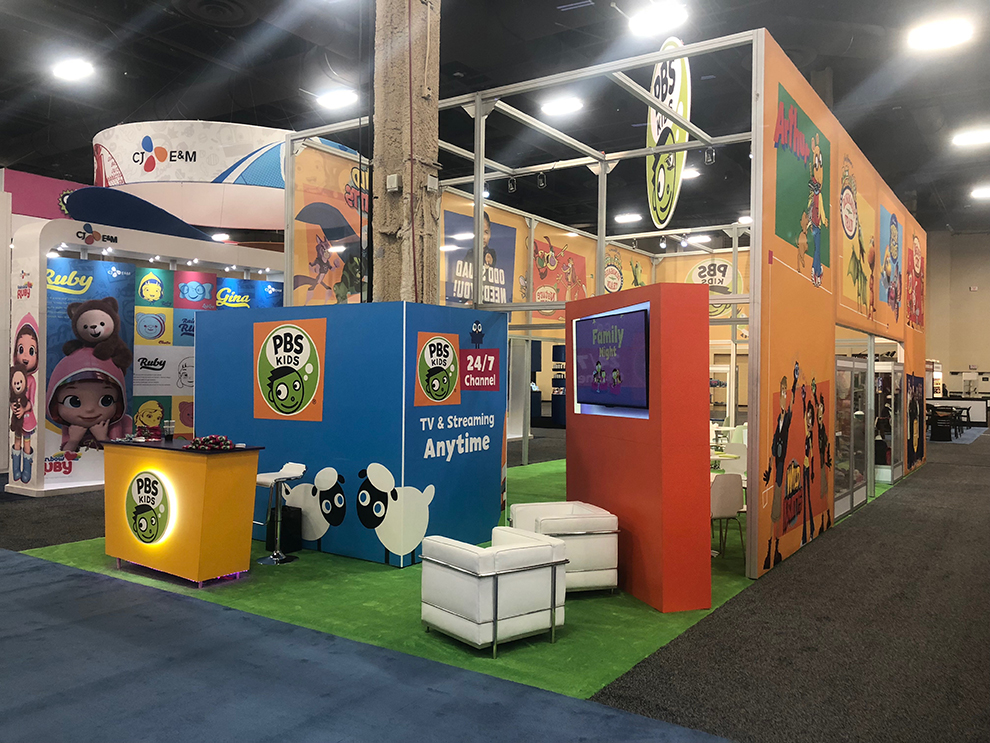
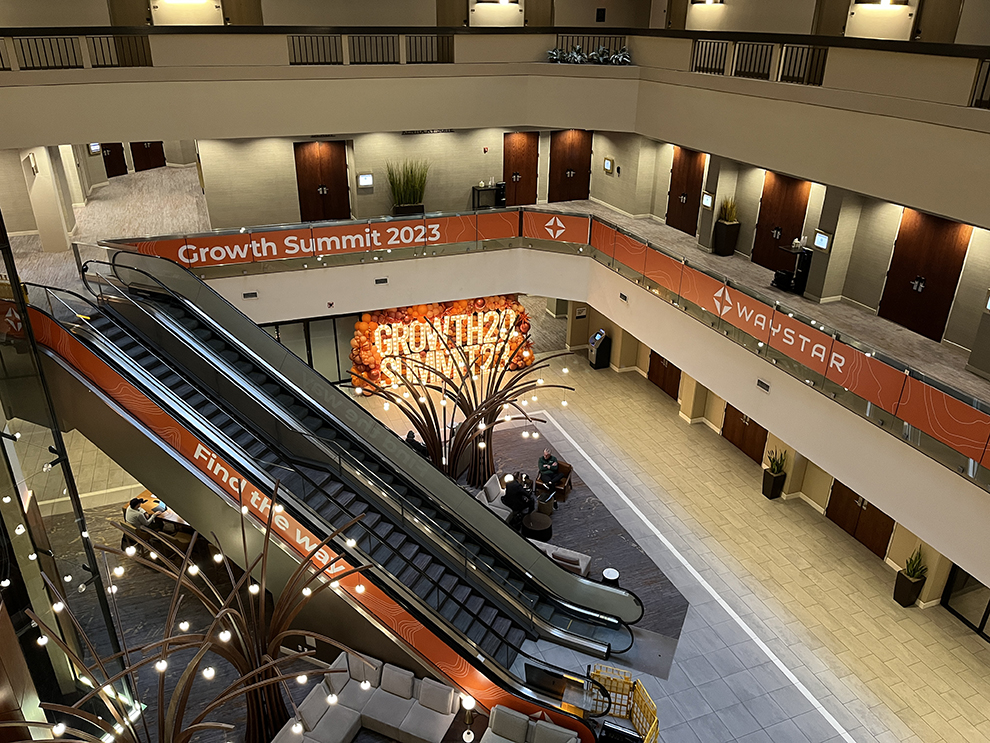
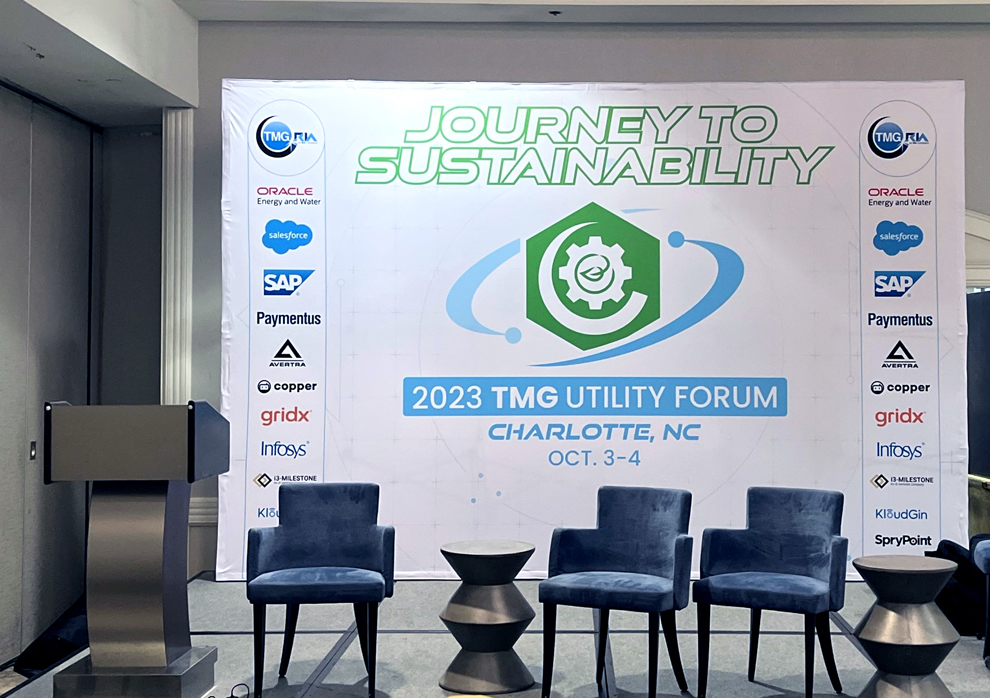
Read MoreCharlotte hosts corporate meetings, association programs, university events, fundraising events, sports-related gatherings, conferences, trade shows, recruiting events, and brand activations where the physical presentation needs to work from the moment guests arrive. Heritage creates and installs the signs, graphics, displays, and branded features that support arrival, registration, sponsorship, stages, photo areas, presentations, exhibits, breakout rooms, and attendee movement.
Event branding has a short window to succeed, so the project must balance visibility with practical execution. Heritage considers the venue, audience, access, delivery, installation, removal, sponsor approvals, and the schedule before production is committed. The project may use backdrops, meter boards, retractable displays, SEG fabric graphics, directional signs, sponsor displays, wall or window graphics, and other physical elements selected around the event. When the requested date is achievable, Heritage works proactively toward it. When the full scope cannot fit the available time, we communicate early and help the client prioritize the strongest workable alternative. That may mean prioritizing arrival and sponsor visibility first, phasing secondary elements, changing an application, or resequencing installation so the most important event goals remain protected.
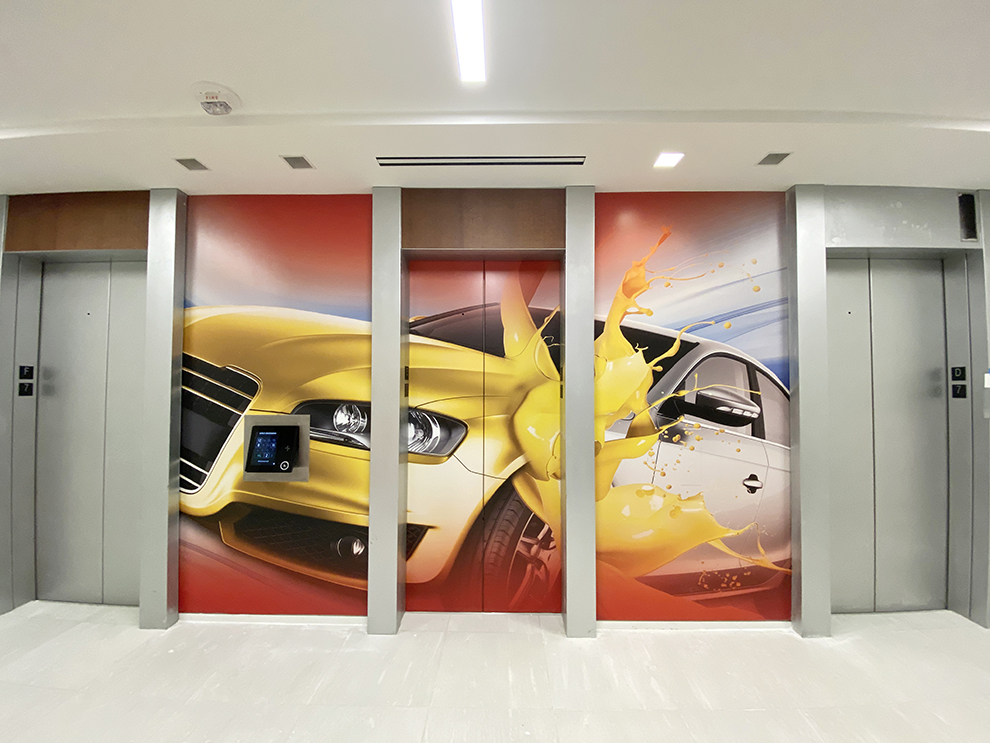
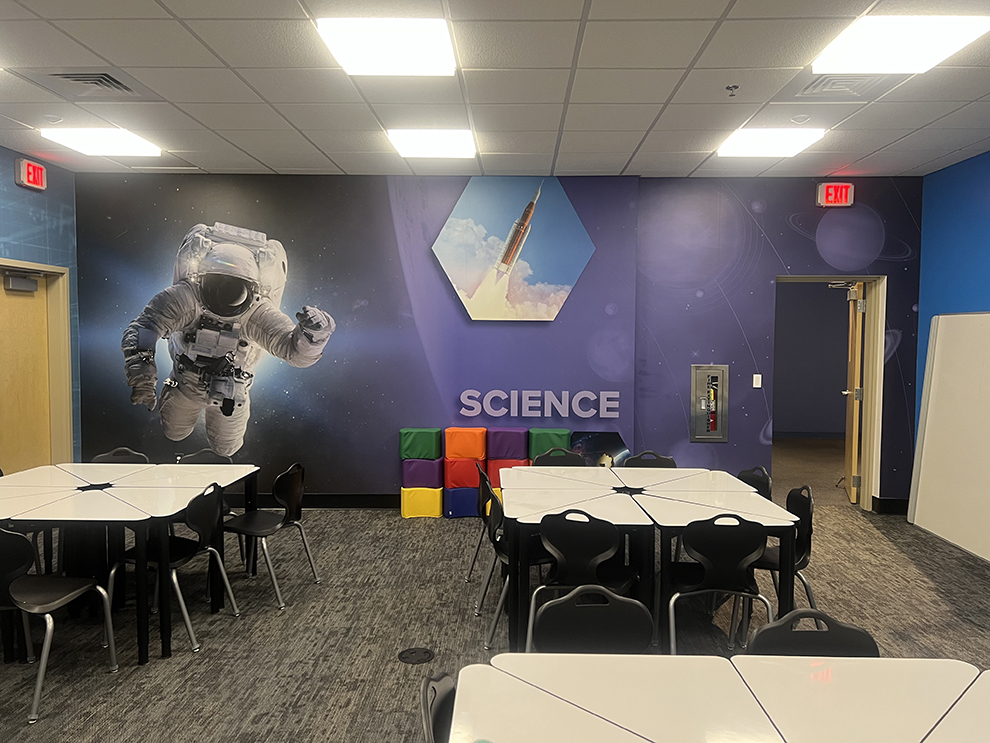
A branded environment has to work in the real building, not only in a rendering. Heritage's environmental graphic design process helps establish hierarchy, scale, placement, imagery, color, privacy, recognition, and direction, then connects those decisions to materials, fabrication, production, access, and installation. Before Heritage installs the work, the required site survey brings the client's objectives together with field verification of reasonably observable dimensions, surfaces, existing conditions, mounting needs, access, and installation requirements.
That shared site record gives the Project Manager, designers, production team, fabricators, and installers a common understanding before the work reaches the field. Heritage's full-time professional installers receive the approved direction and project information before arriving onsite. They protect surrounding finishes, work carefully in active workplaces and venues, and communicate when actual conditions differ materially from the record. Heritage installs signs, graphics, displays, and branded elements Heritage produces, fabricates, procures, or manages, rather than providing installation-only service for customer-provided products whose specifications and production history Heritage did not control. That approach helps the installation team make better decisions and gives the client clearer accountability for fit, finish, property protection, and schedule.
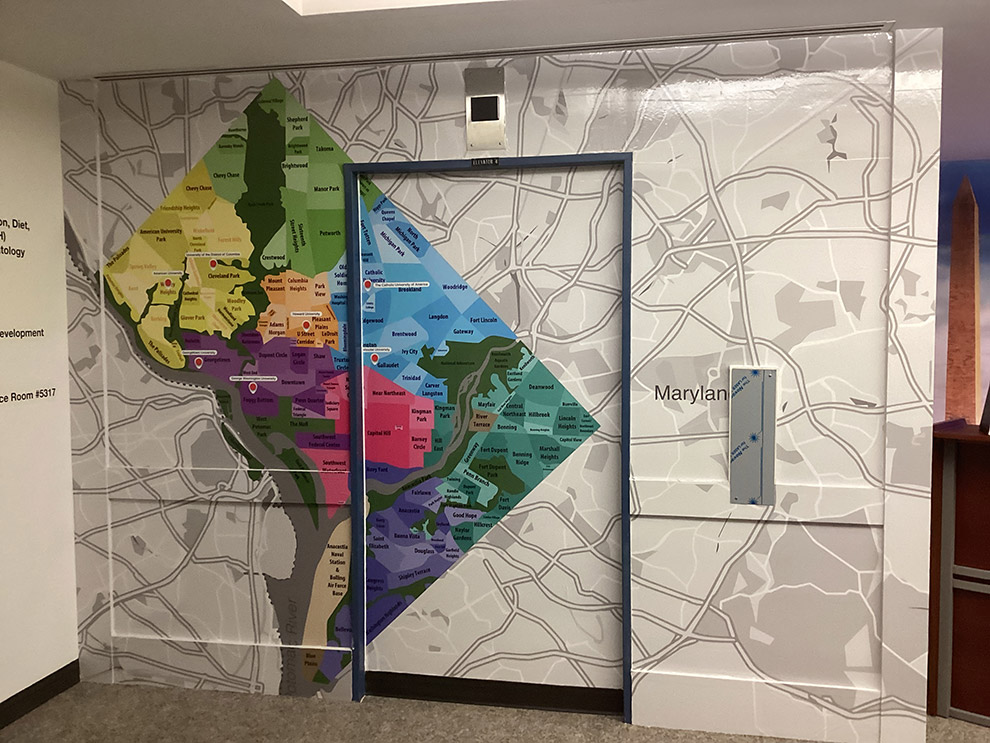
Heritage is best suited to Charlotte projects where thoughtful planning, environmental graphic design, production, fabrication, site understanding, project management, and professional installation create meaningful value. That may be one substantial branded feature, a coordinated workplace interior, an event package, a recognition display, or a multi-location program. For workplace interior and event environment opportunities generated through this website, clients should plan for an anticipated overall project investment of at least $4,000.
Many Heritage projects involving production and professional installation range from $10,000 to more than $200,000, depending on scope, materials, fabrication, locations, site conditions, schedule, access, and installation requirements. Heritage specializes in workplace interiors and event environments. Appropriate storefront projects can also include non-illuminated exterior window graphics, exterior wall graphics, dimensional lettering, sign panels, and related elements. Heritage does not produce or install monument signs, pylon signs, channel letters, or illuminated exterior signs, and does not provide vehicle wraps or fleet graphics. Required sign permits and property approvals remain the responsibility of the client, property owner or property manager, or general contractor; Heritage does not determine or obtain those approvals for the client.
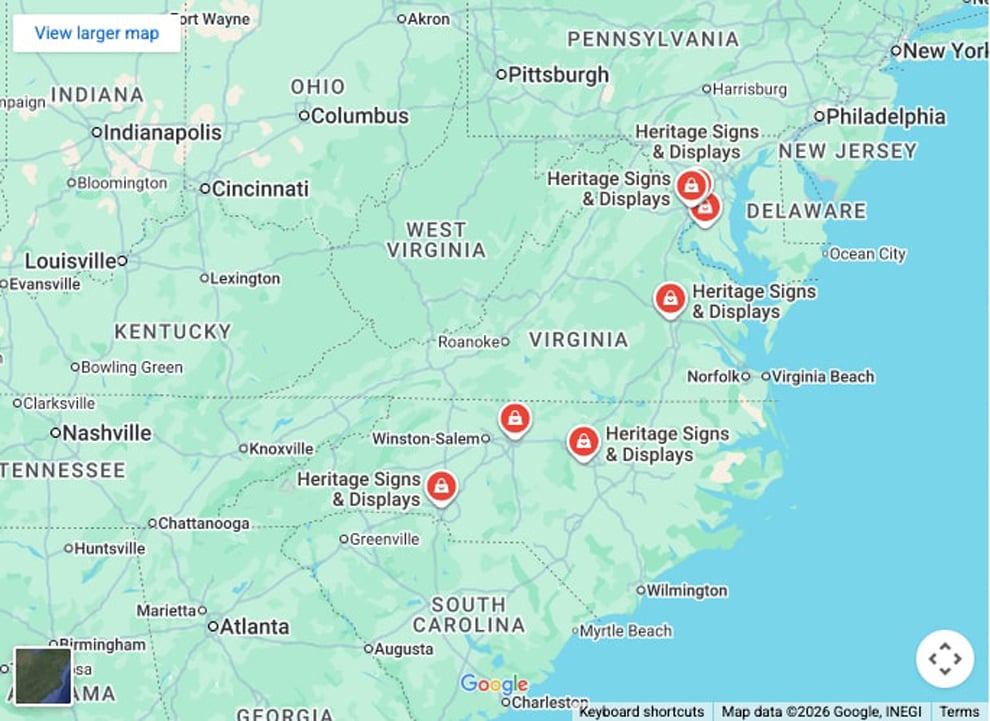
Heritage's Charlotte headquarters anchors client, project, field, installation, and production capability for the immediate Charlotte region. Charlotte-region projects can draw on local discovery, site surveys, field verification, installation planning, professional installation, and follow-through while remaining closely connected to Heritage's primary specialty production facility. That combination is especially useful when project questions need quick access to people who understand both the site and the realities of building the work.
HeritagePrintingCharlotte.com is focused on Charlotte and close-in Charlotte-market communities such as Statesville, Salisbury, Concord, Gastonia, Rock Hill, and comparable locations that clearly participate in the Charlotte marketplace. It is not the default website for every Carolinas market. For organizations with additional locations, Heritage can coordinate work across the Carolinas and Mid-Atlantic and use the broader Heritage network when added production capability or geographic reach is useful. One dedicated Project Manager can preserve approved brand standards and project knowledge while the physical execution adapts to each property's dimensions, architecture, access, audience, and schedule. Charlotte remains the local starting point; broader resources are added because they improve the project, not because they replace local support.
Heritage Signs & Displays began as a family-owned printing business in 1977. Since 2009, signs, graphics, displays, workplace branding, and event environments have become a defining focus of the company. Today, Charlotte is home to Heritage's headquarters and primary specialty production facility, but the basic expectation remains the same: serve clients well, take responsibility for the work within our control, and keep learning how to become more useful.
Heritage is veteran-owned and family-led. Our purpose is to honor God by serving our clients and communities with excellence. We try to express that purpose through careful listening, honest communication, responsible recommendations, craftsmanship, respect for the client's property, and follow-through. Charlotte's headquarters and production depth give Heritage substantial physical capability, but equipment alone does not create trust. We want clients to experience people who understand the goal, preserve the details, communicate when conditions change, and stay accountable for getting the managed work completed the right way. We also want each project to strengthen the next one by preserving lessons about materials, communication, site conditions, and installation.
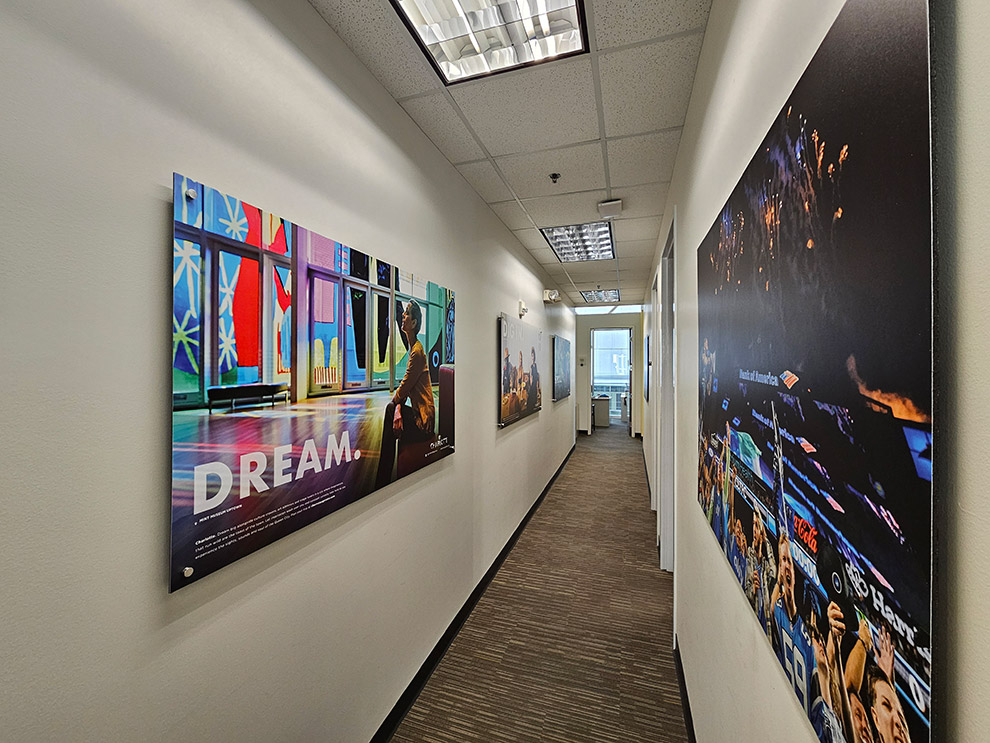
Completed projects show how Heritage combines communication goals, design decisions, production, fabrication, site understanding, and installation in real Charlotte-region settings. Use the homepage Project Spotlight and Latest News areas to feature current workplace, event, recognition, environmental graphic, and dimensional work that helps visitors understand what Heritage can accomplish. Implementation should verify that selected projects, imagery, alt text, dates, and links support the Charlotte-region page role rather than repeating generic sign-company keywords.
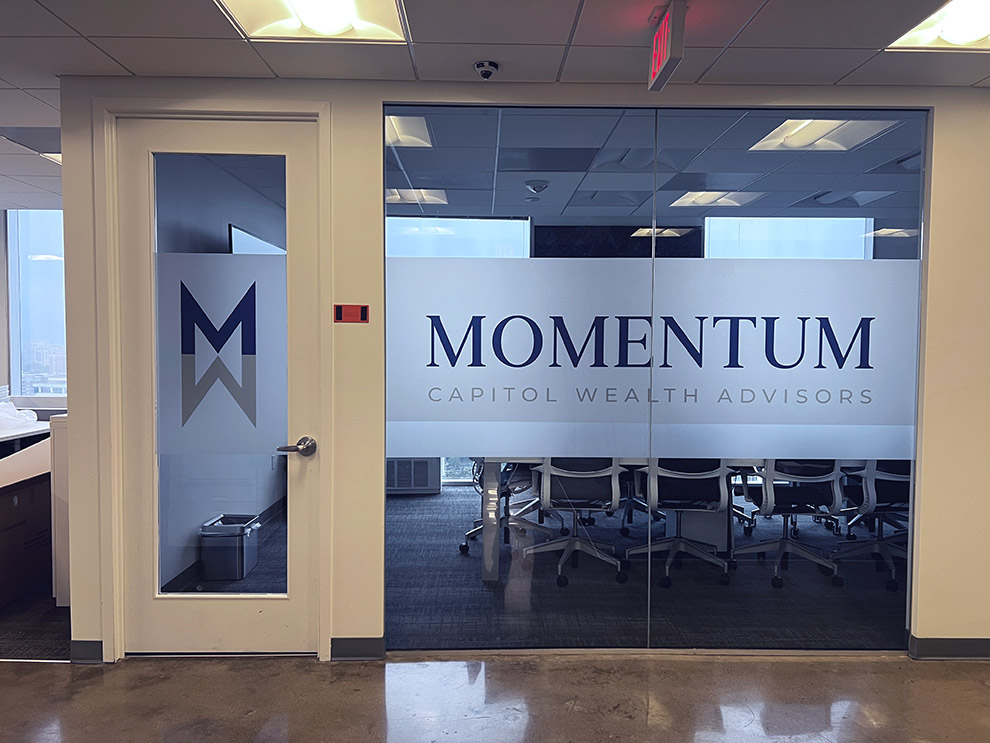
You do not need to choose every sign, graphic, display, or material before contacting Heritage. Start with what the workplace or event needs to accomplish, the location, the date that matters, the anticipated investment, and whatever useful photographs, plans, brand standards, or reference files are already available. Complete the Get Started Now form and a Heritage team member can review the opportunity, identify what still needs to be confirmed, and explain the most practical next step toward environmental graphic design, production, fabrication, project management, and professional installation.
In the fast-paced world of business, creating a strong brand identity is essential for success. One of [...]
Read More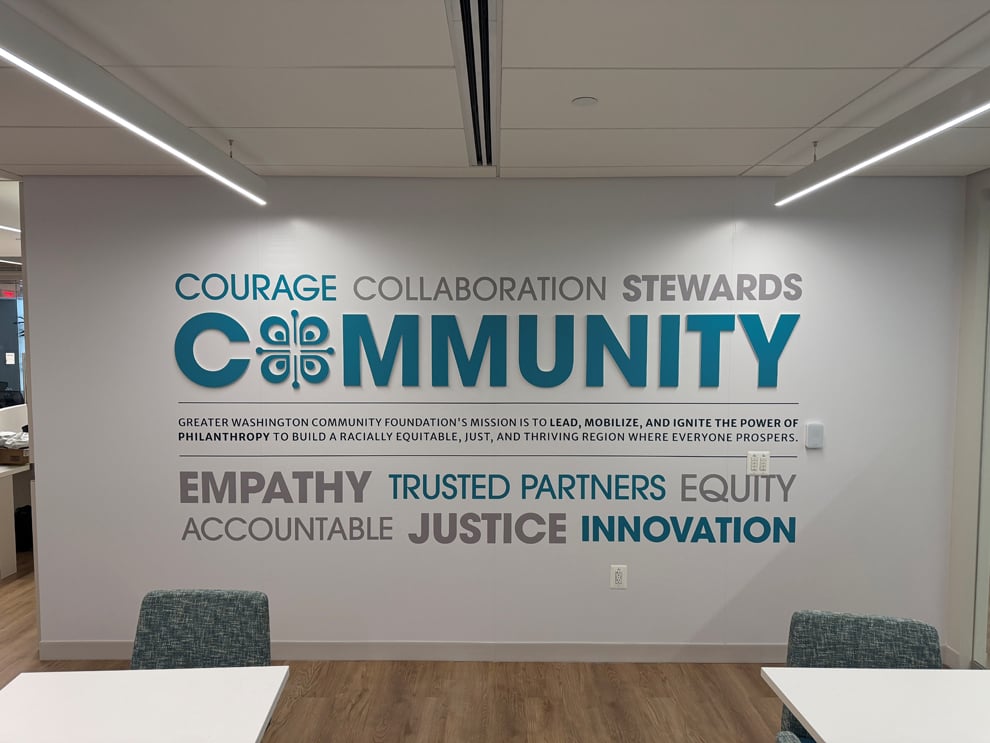
Heritage Signs & Displays produced and installed workplace graphics for the Greater Washington [...]
Read More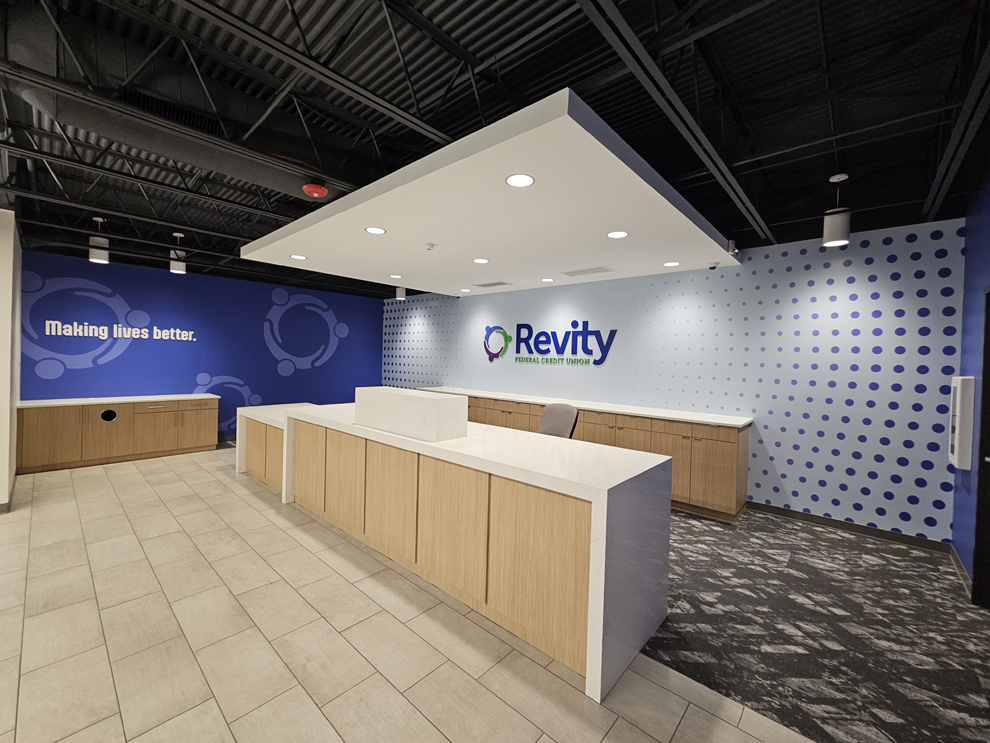
Greensboro, NC — April 29, 2026 — Heritage Signs & Displays continues to grow across the Triad, building [...]
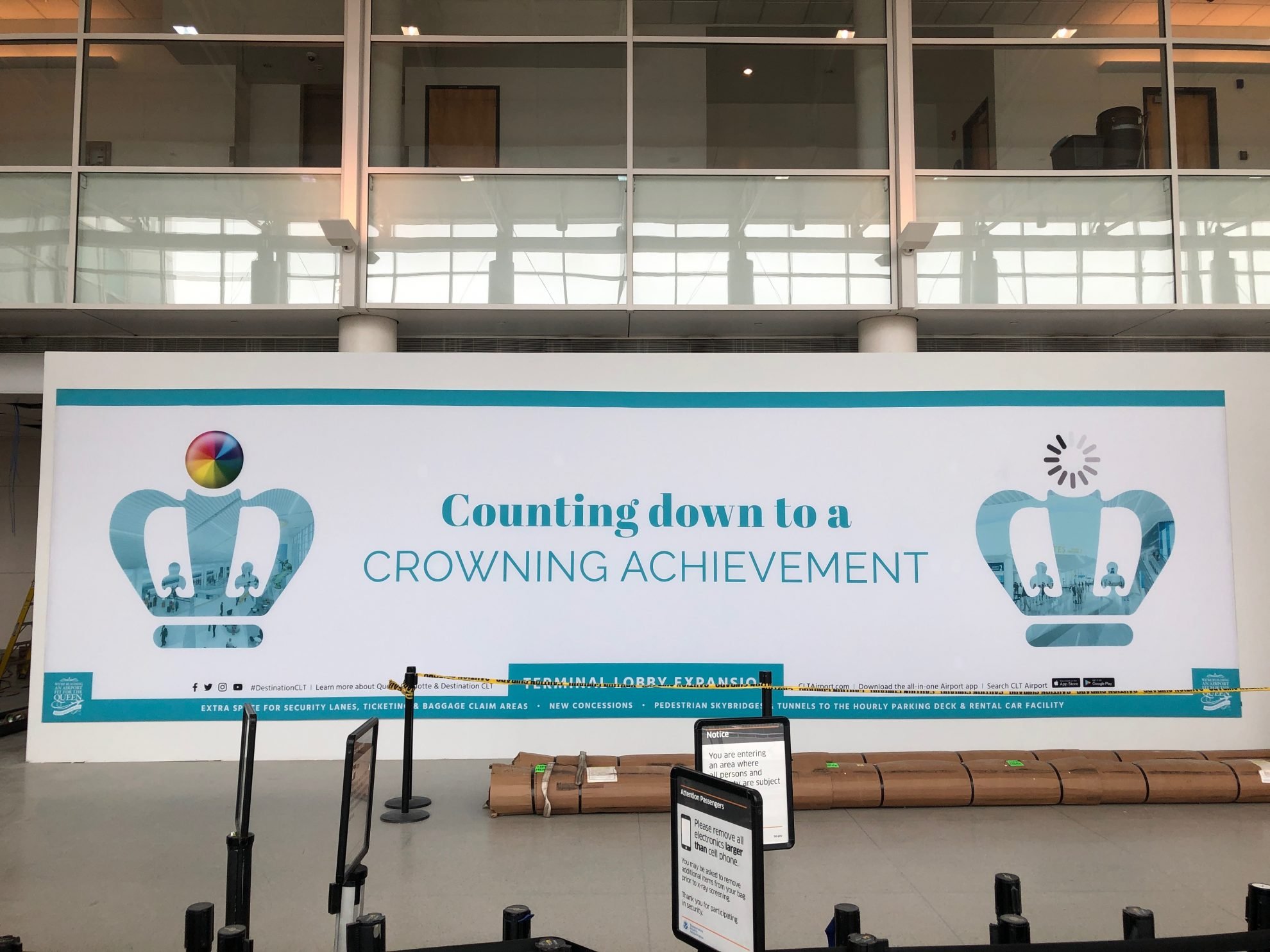
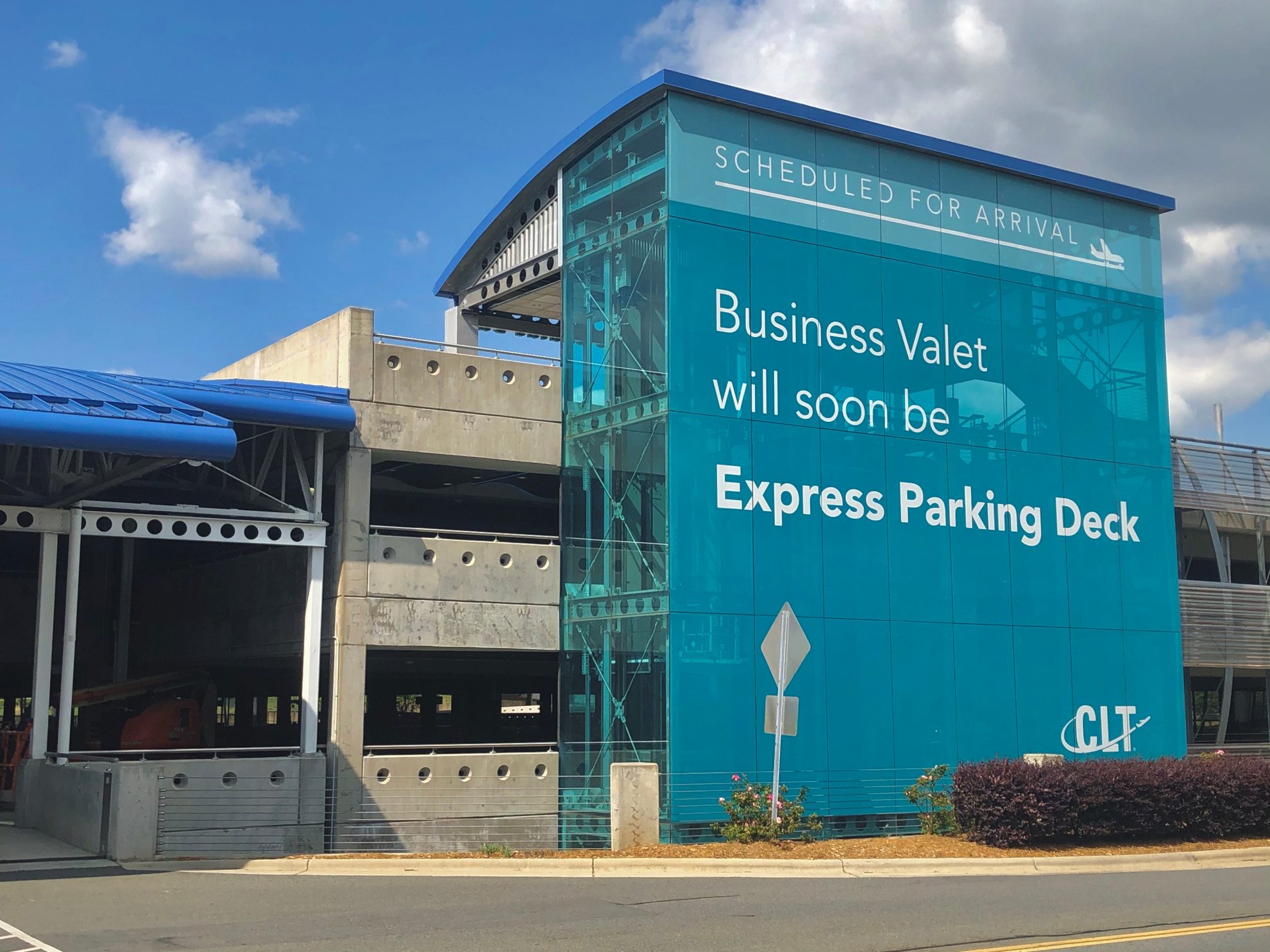
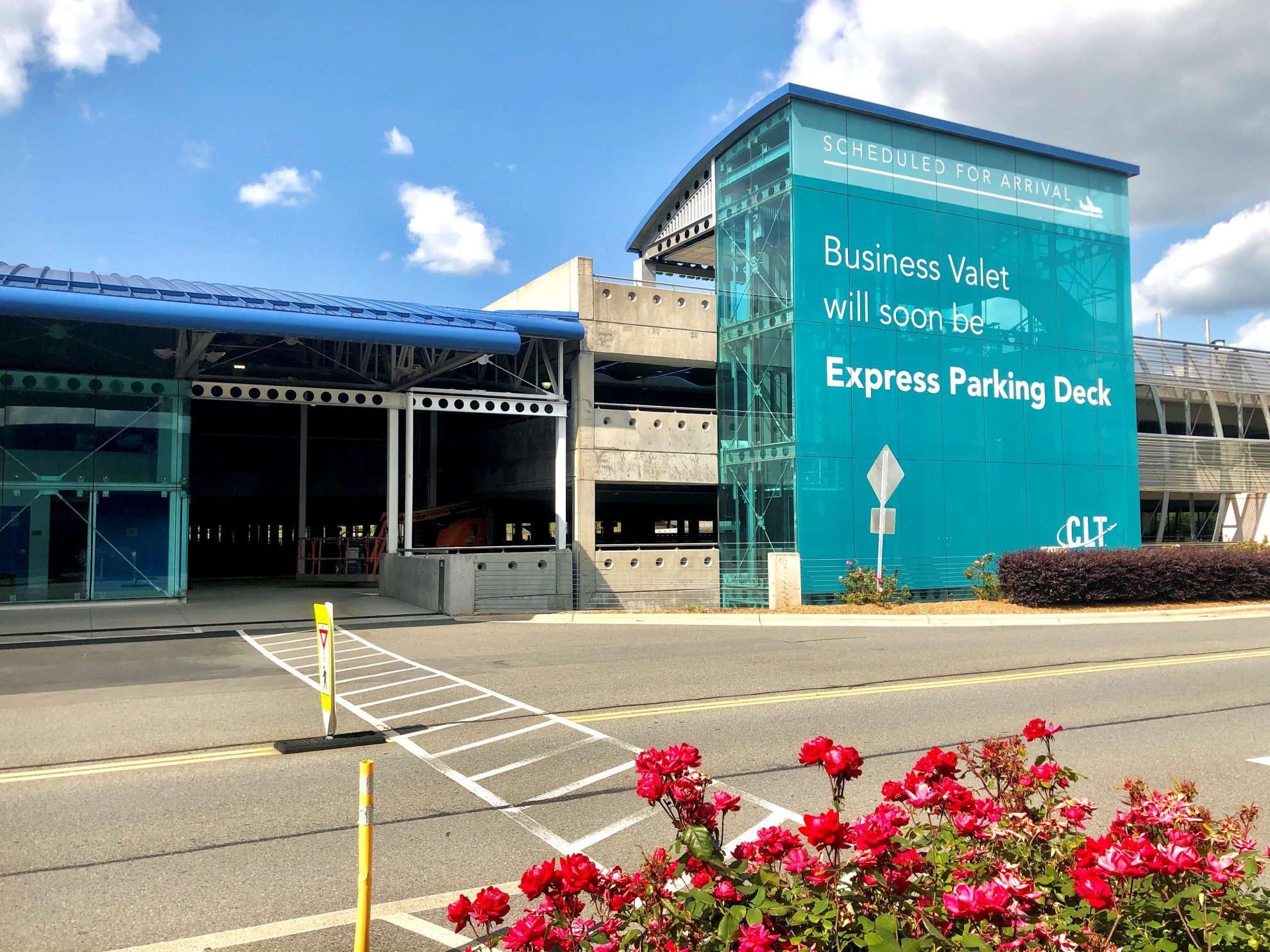
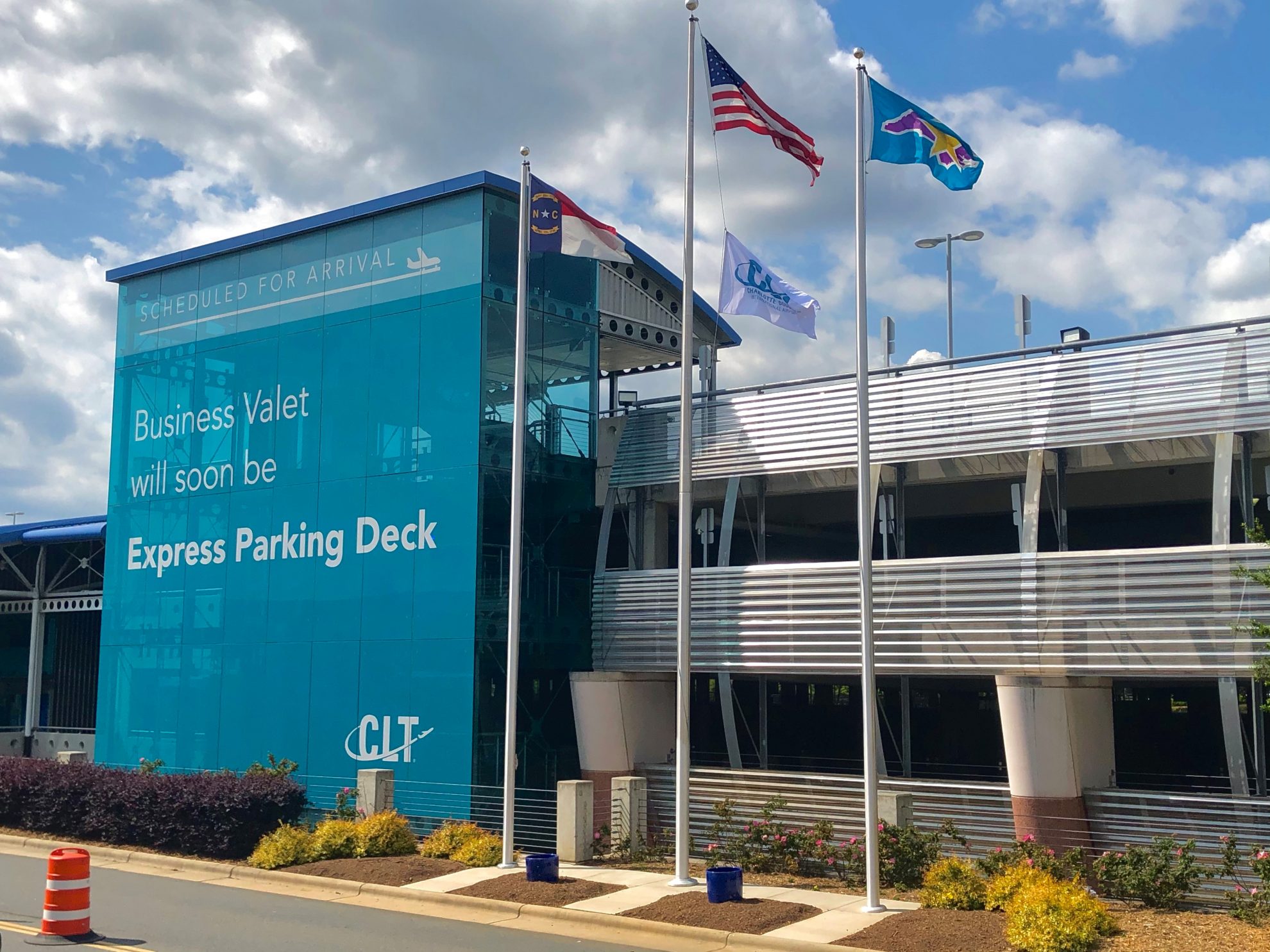
Read MoreHeritage Signs & Displays created and installed new window graphics and other indoor signage for the Charlotte Douglas International Airport for their Destination CLT initiative. Representatives at Charlotte Douglas International Airport reached out to our talented sign installation team to complete the rebranding of their space.
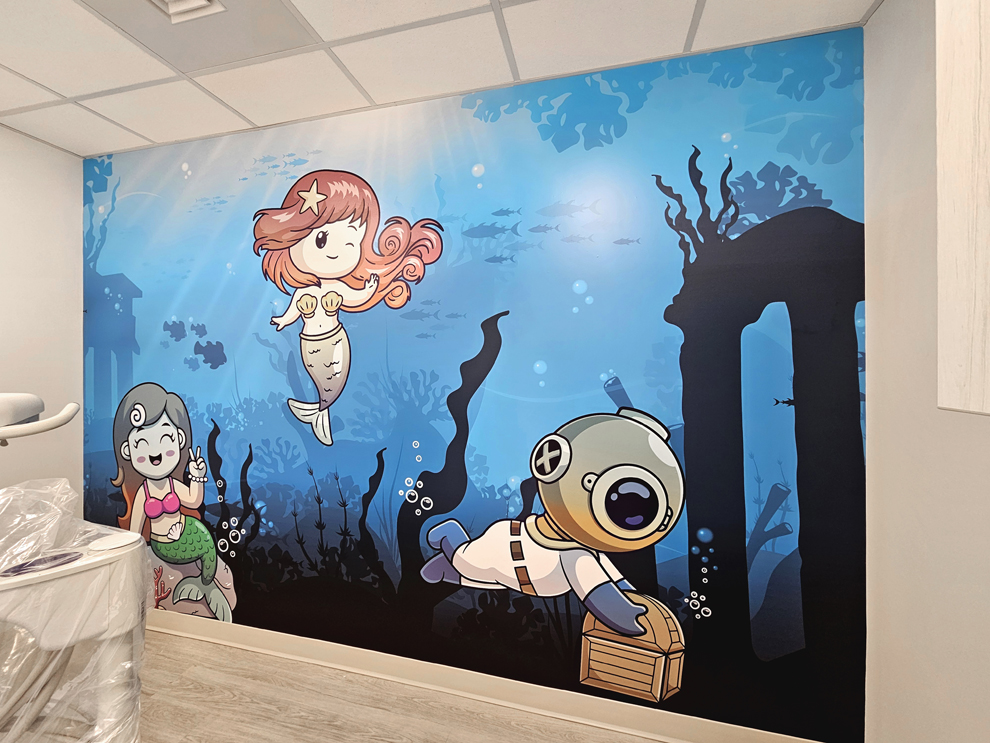
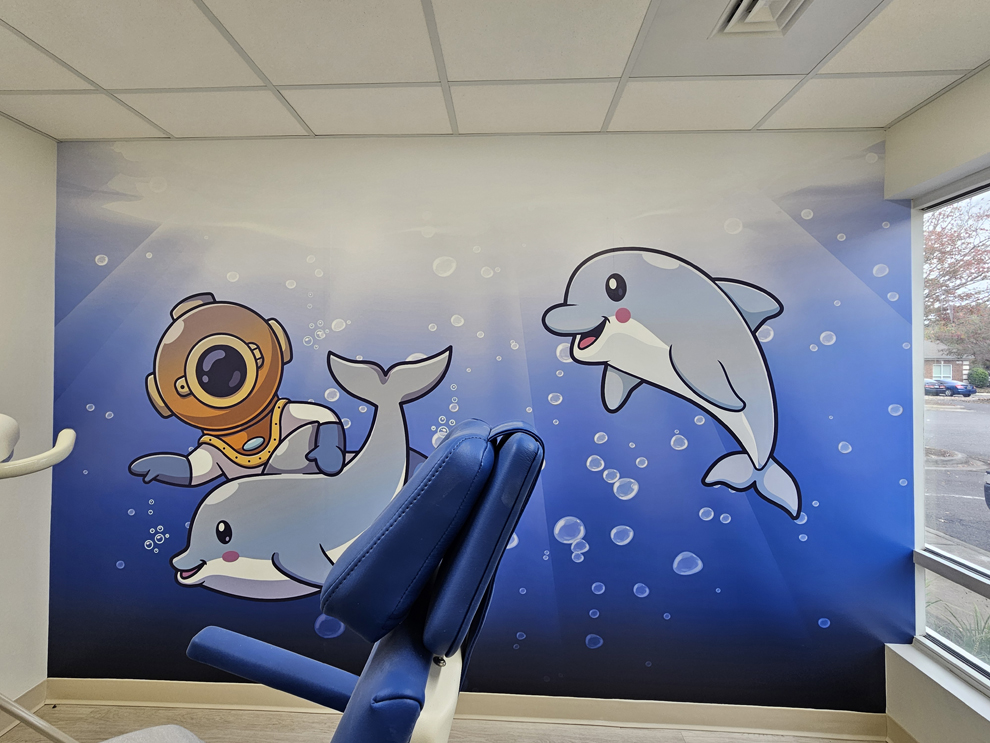
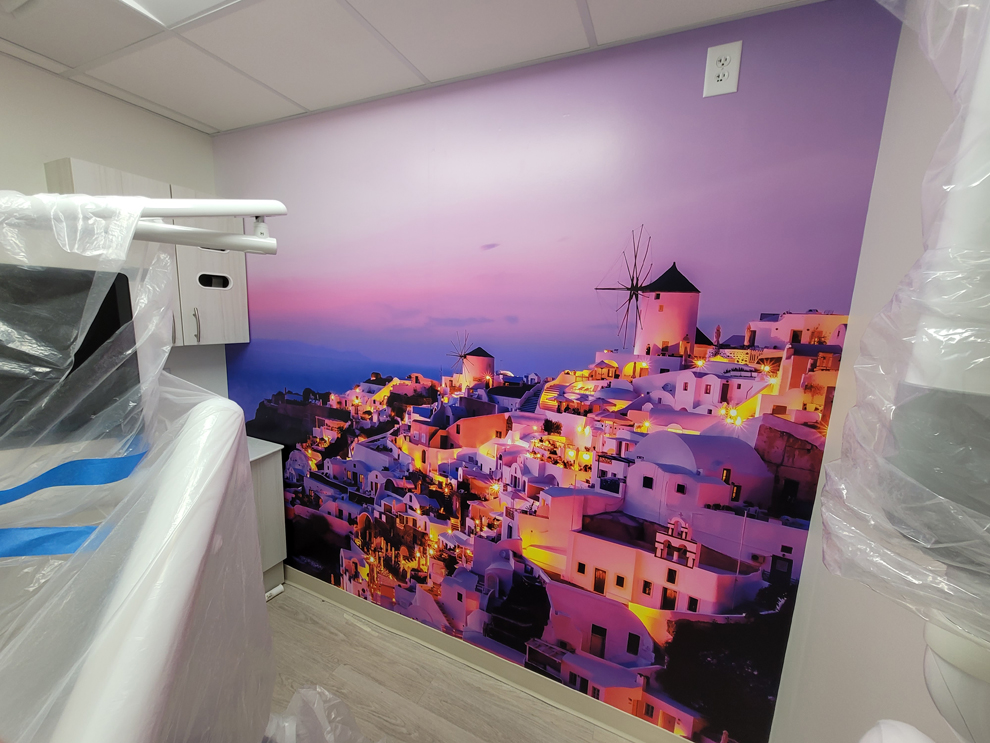
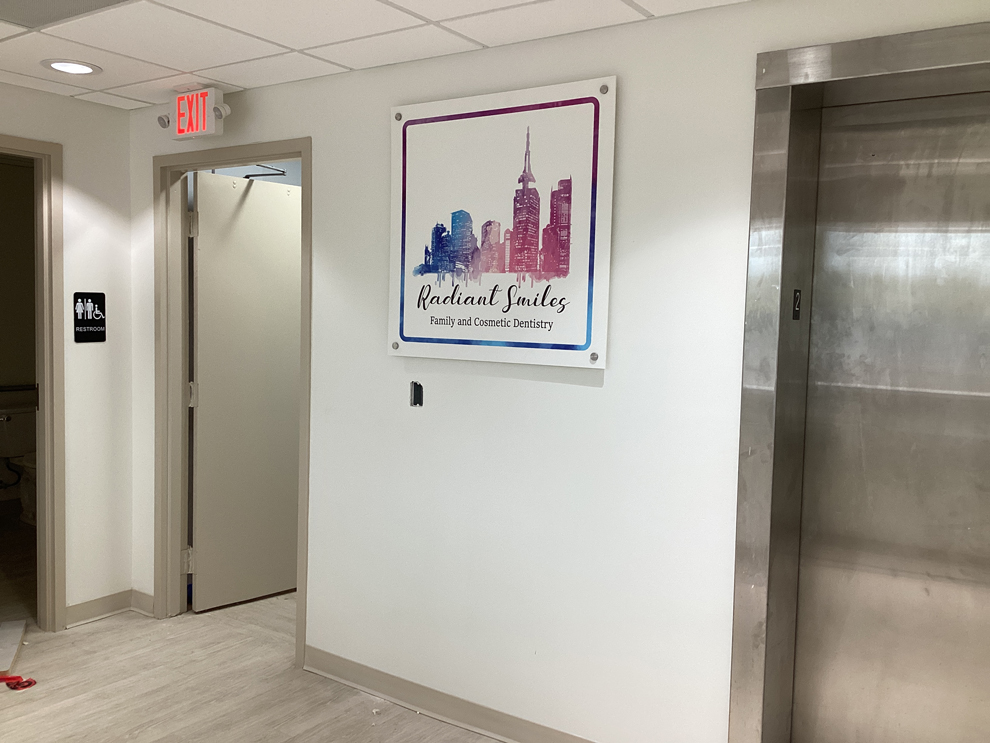
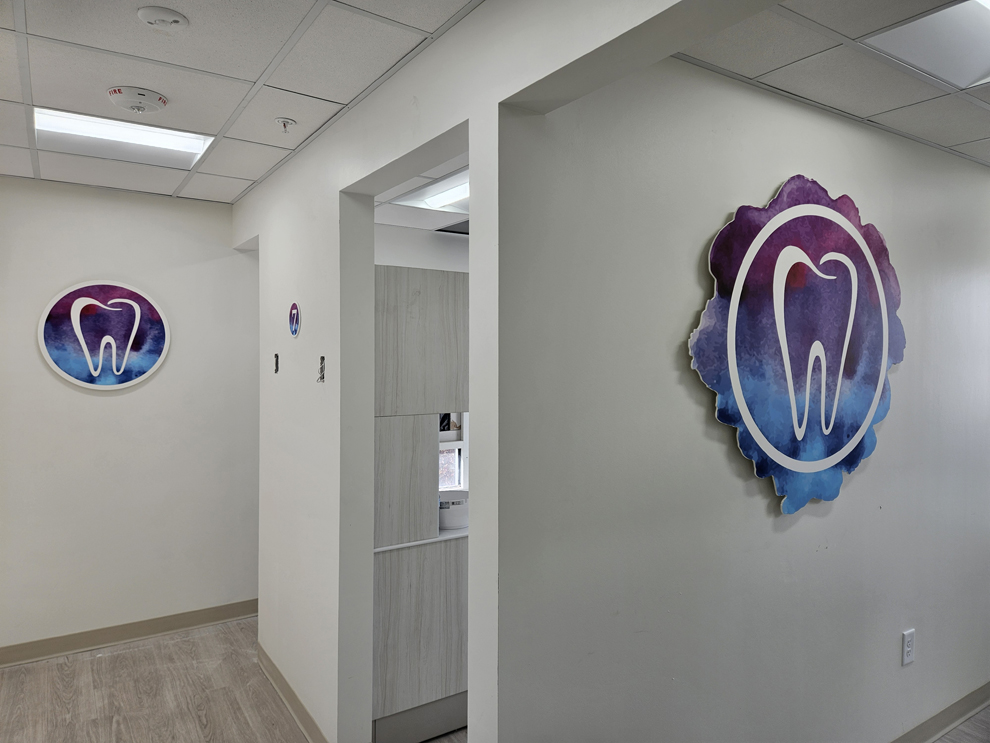
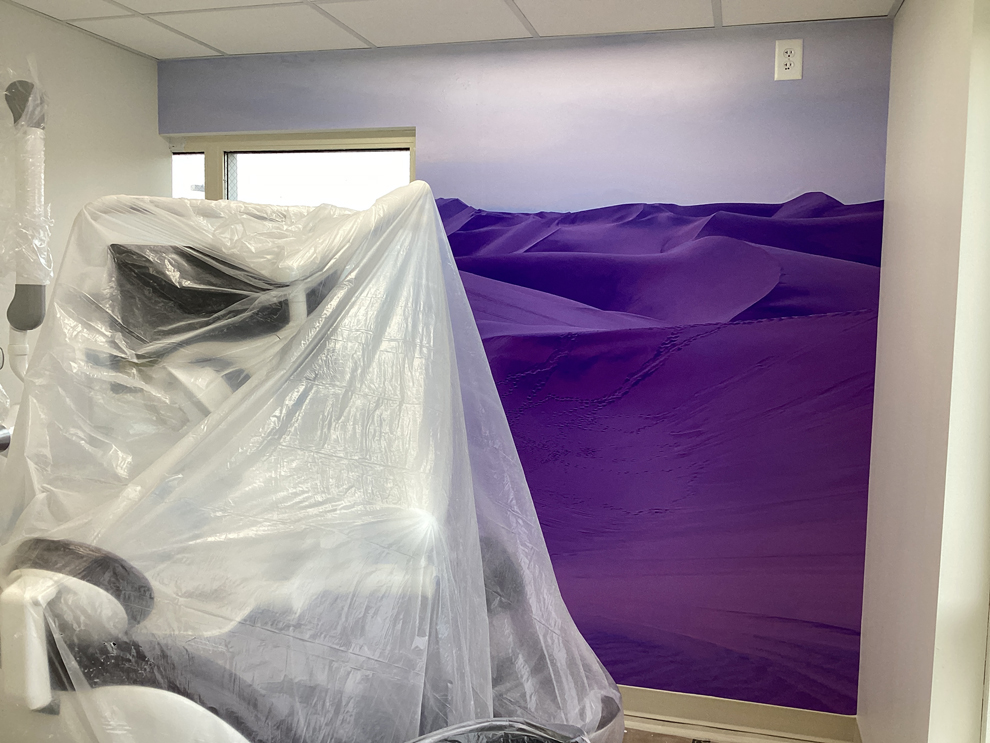
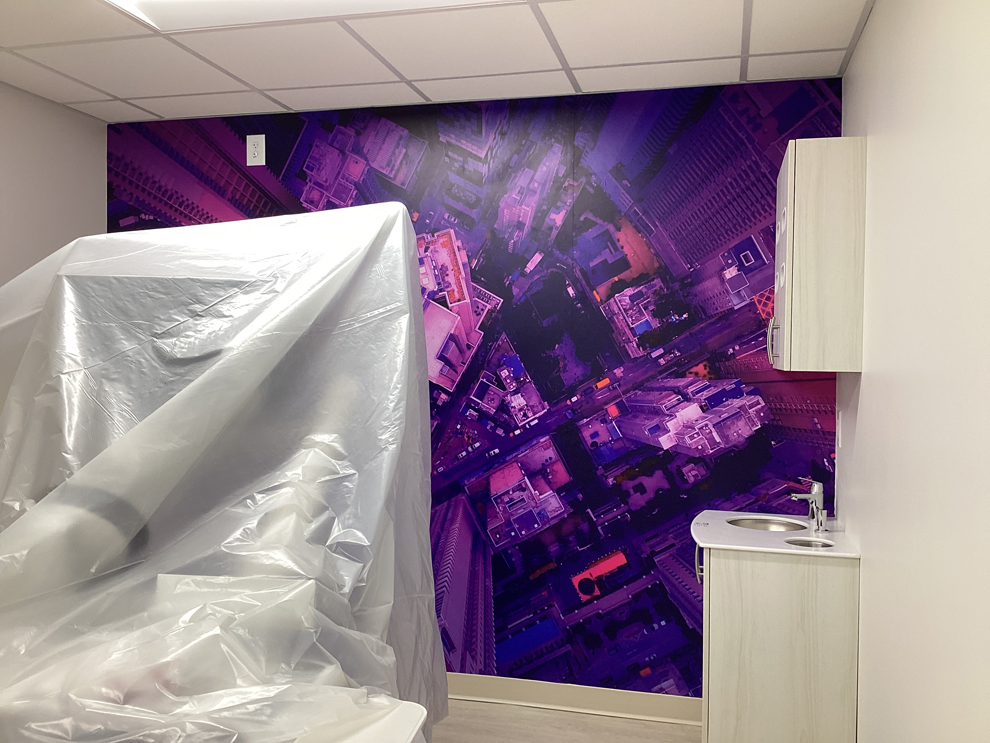
Heritage is proud to help Radiant Smiles deliver a space that’s imaginative, engaging, and reflective of their brand’s heart. This comprehensive interior transformation redefined the way patients experience the dental office. From the moment they walk in, families are greeted with colorful visuals, intuitive navigation, and a sense of thoughtful care. The project captures what makes Radiant Smiles special: a joyful, professional, and welcoming atmosphere designed with every visitor in mind.
Charlotte clients are close to Heritage's headquarters, primary specialty production facility, and Charlotte-region project, field, and installation resources.
That operating depth helps project questions reach the right people earlier. Material choices, fabrication, scale, mounting, production feasibility, access, and installation planning can be evaluated within the same Heritage organization managing the client relationship. Production may still use another Heritage resource when it is the better fit, but Charlotte proximity creates a meaningful advantage for collaboration and execution.
Heritage starts with what people should notice, understand, feel, or do in the space, then develops the physical solution around that objective.
Environmental graphic design helps establish hierarchy, scale, placement, imagery, privacy, recognition, and direction before individual products take over the conversation. Site information and production knowledge test how the idea will function in the real property. The result can then move through production, fabrication, project management, and professional installation as one connected Heritage engagement.
A workplace project can strengthen arrival, identity, culture, history, recognition, privacy, recruiting, and direction without making every surface compete for attention.
Heritage helps clients decide where a message deserves emphasis and which elements should remain quieter. A lobby, history display, core values feature, recognition program, glass treatment, dimensional brand element, or directional system can each perform a different job. The value comes from making those decisions as one workplace experience rather than treating every element as a separate purchase.
Yes, when the scope, approvals, venue, materials, production capacity, access, and installation plan create a workable path to the date.
Heritage evaluates those conditions early because event branding has little room for late surprises. If the requested schedule is realistic, the team works proactively toward it. If the full scope will not fit, Heritage communicates that early and helps protect the most important event goals through prioritization, phasing, resequencing, or another suitable physical solution rather than promising an unworkable timeline.
The Project Manager gives the client one consistent coordination point while keeping earlier decisions available to the people executing the work.
Objectives, approvals, stakeholder input, site findings, production requirements, fabrication decisions, schedule, and installation planning stay connected in one project history. That continuity becomes especially useful when a design choice affects production or when a site condition changes the installation plan. The client does not have to rebuild the same project story with a different provider at every stage.
A Heritage site survey is required when the project will ultimately include Heritage professional installation.
The visit is both discovery and field verification. Heritage confirms the desired result while documenting reasonably observable dimensions, surfaces, existing conditions, placement, access, mounting needs, and installation requirements. That record gives the design, production, fabrication, project management, and installation teams a shared understanding of the site instead of relying only on drawings, photographs, or assumptions.
Heritage plans installation as part of the same managed project that carries the approved work through production and fabrication.
Installers receive the relevant design direction, site findings, production details, access information, sequence, and schedule before arriving onsite. That connection helps with fit, placement, mounting, finish, property protection, and field decisions. It also gives the client clearer accountability because the team installing the work has access to the project history that shaped what was produced.
Heritage does not provide installation-only service for customer-provided signs or graphics because installation quality depends on decisions Heritage would not control.
Measurements, material selection, fabrication, production accuracy, fit, mounting details, packaging, and replacement responsiveness can all affect the field result. Heritage installs elements it produces, fabricates, procures, or manages within a Heritage engagement so it can stand behind the installation process, schedule, and completed work with a clearer chain of responsibility.
Heritage can develop environmental graphic design directly with client stakeholders or implement approved direction created with the client's professional team.
Architects, interior designers, branding firms, environmental graphic designers, workplace consultants, marketing teams, facility leaders, and other partners may guide the wider project. Heritage focuses on translating the approved visual direction into materials, production, fabrication, project management, and installation within Heritage's scope. Heritage does not replace architecture, engineering, commercial interior design, code consulting, or other regulated professional responsibilities.
Yes. A multi-location client can keep one dedicated Project Manager while Heritage adapts execution to the realities of each property.
The Project Manager can preserve approved brand standards, communication history, project decisions, and production expectations while local Heritage resources address dimensions, architecture, access, audience, and installation conditions at each site. Consistency means protecting the brand and approved intent, not forcing every office to use an identical physical solution.
No. Charlotte is Heritage's headquarters and primary specialty production facility, but production is assigned to the resource best suited to the work.
Charlotte supports Carolinas projects and specialized work across the broader Heritage network. Another Heritage production resource may participate when its equipment, expertise, capacity, workflow, or schedule better serves the project. The client can therefore benefit from Charlotte's nearby operating depth without turning production geography into an artificial constraint.
New workplace interior and event environment opportunities generated through this website should plan for an anticipated overall project investment of at least $4,000.
That amount qualifies the complete Heritage-managed opportunity, not the price of one particular sign or graphic. Many Heritage projects that include production and professional installation range from $10,000 to more than $200,000. Scope, design development, materials, fabrication, quantities, site conditions, installation requirements, schedule, and number of locations all influence the final investment.
Heritage can include selected non-illuminated exterior-facing elements when the storefront, entrance, product, and site make them appropriate.
Examples can include exterior window graphics, exterior wall graphics, dimensional lettering, sign panels, and related branded elements that connect arrival with the interior experience. Heritage does not produce or install monument signs, pylon signs, channel letters, or illuminated exterior signs. The client, property owner or property manager, or general contractor remains responsible for required sign permits and property approvals.
Heritage does not provide monument signs, pylon signs, channel letters, illuminated exterior signs, vehicle wraps, or fleet graphics.
Heritage concentrates its sign, graphic, display, design, production, fabrication, project management, and installation resources on workplace interiors, event environments, storefront-to-interior branding, recognition, storytelling, privacy, direction, and related professionally managed physical branding projects. Clear specialization helps protect team capacity and client expectations.
Bring the business objective, project location, target date, anticipated investment, and whatever useful information is already available.
Photographs, plans, brand standards, logos, content, reference images, venue requirements, and known decision-makers can accelerate discovery, but every material or product does not need to be selected before contacting Heritage. The first conversation should identify what the space needs to accomplish and what information still has to be verified before the project moves forward.
Heritage is veteran-owned, family-led, and has served clients since 1977, with signs, graphics, displays, workplace branding, and event environments becoming a defining company focus beginning in 2009.
Those facts matter because they help explain the operating posture behind the work. Heritage emphasizes stewardship, honest communication, responsible recommendations, follow-through, and accountability for the decisions within its control. The standard is not longevity for its own sake; it is using experience and resources to serve the client well and deliver the finished work responsibly.