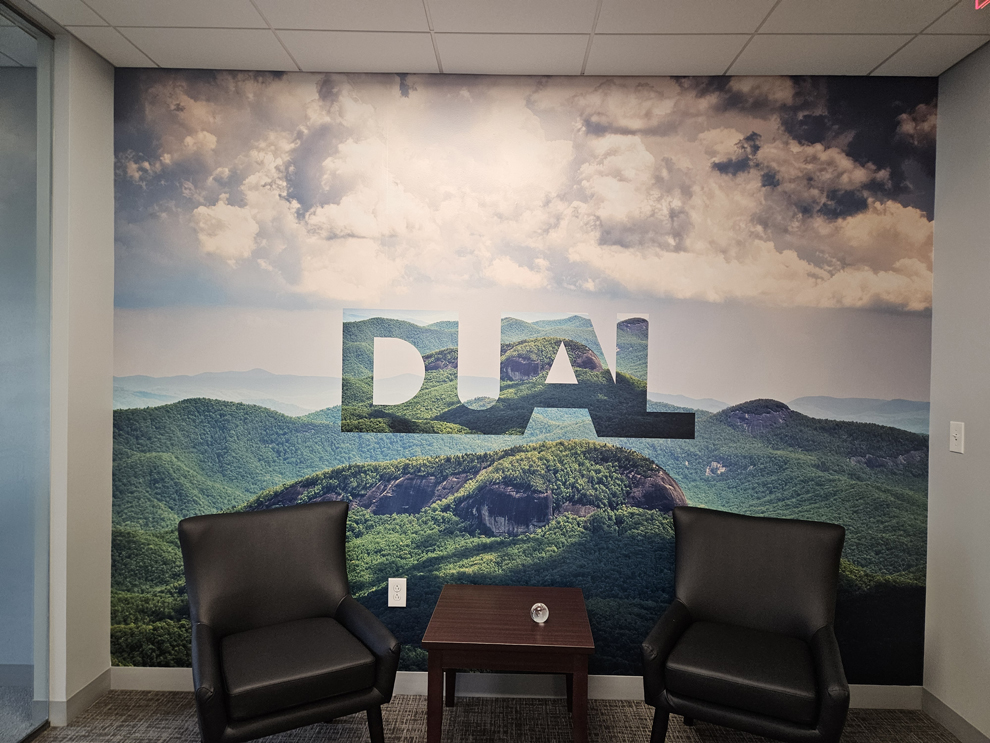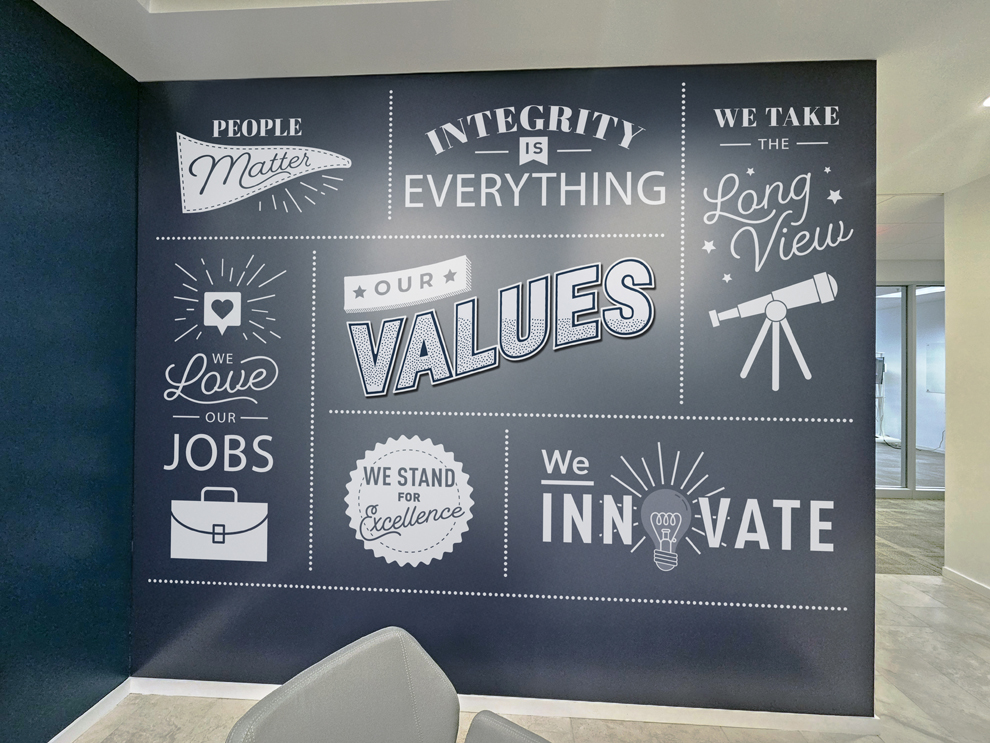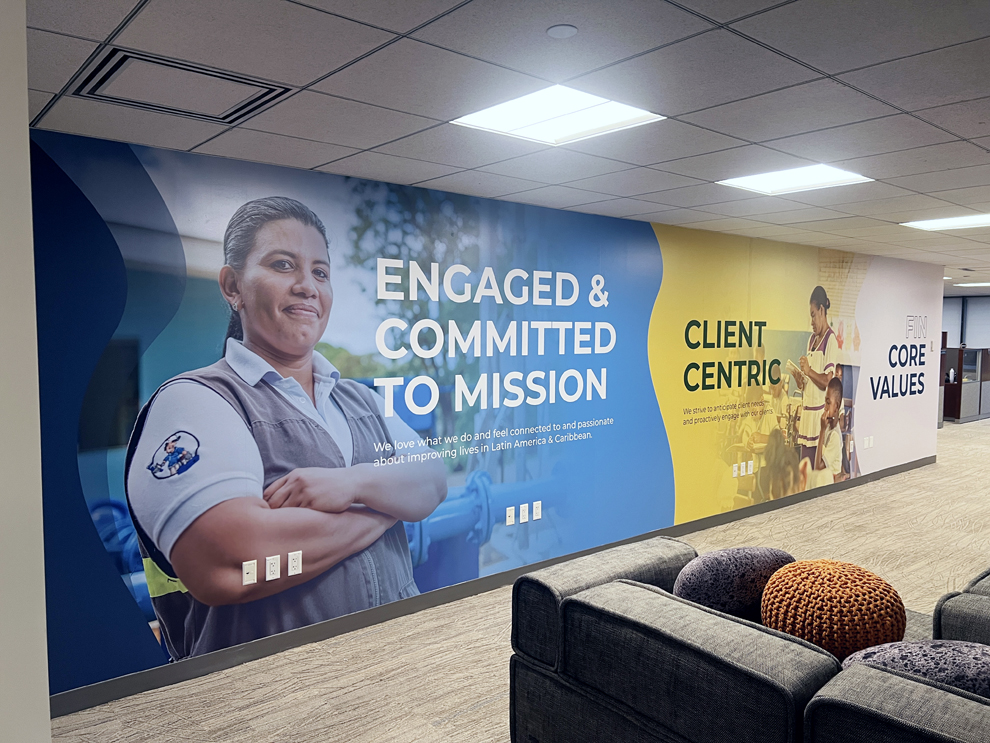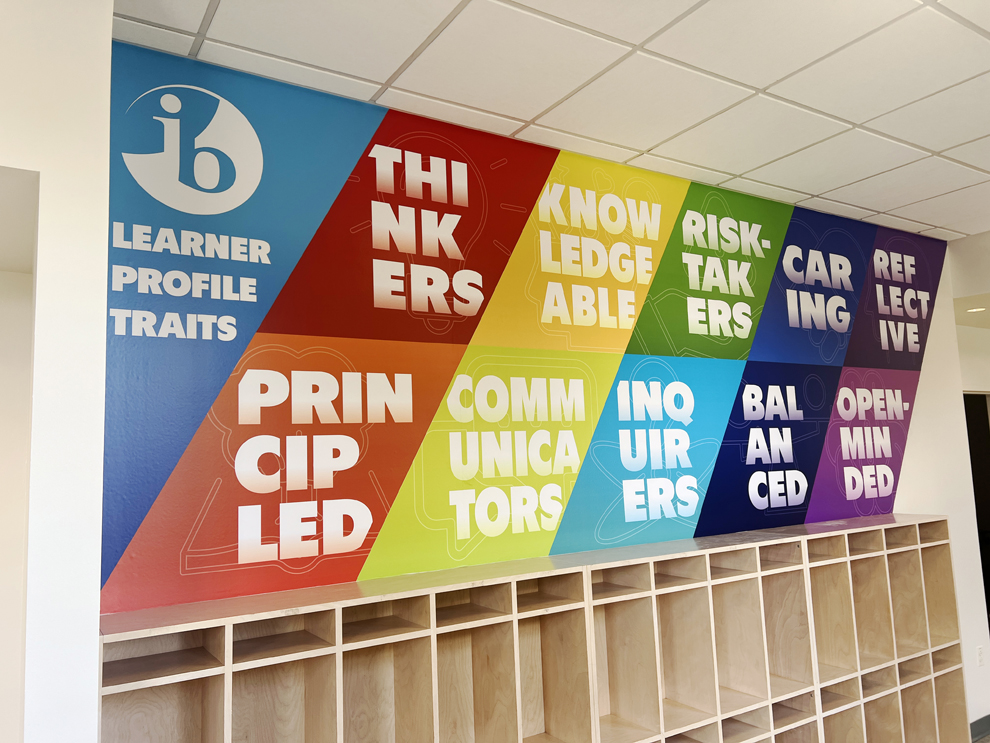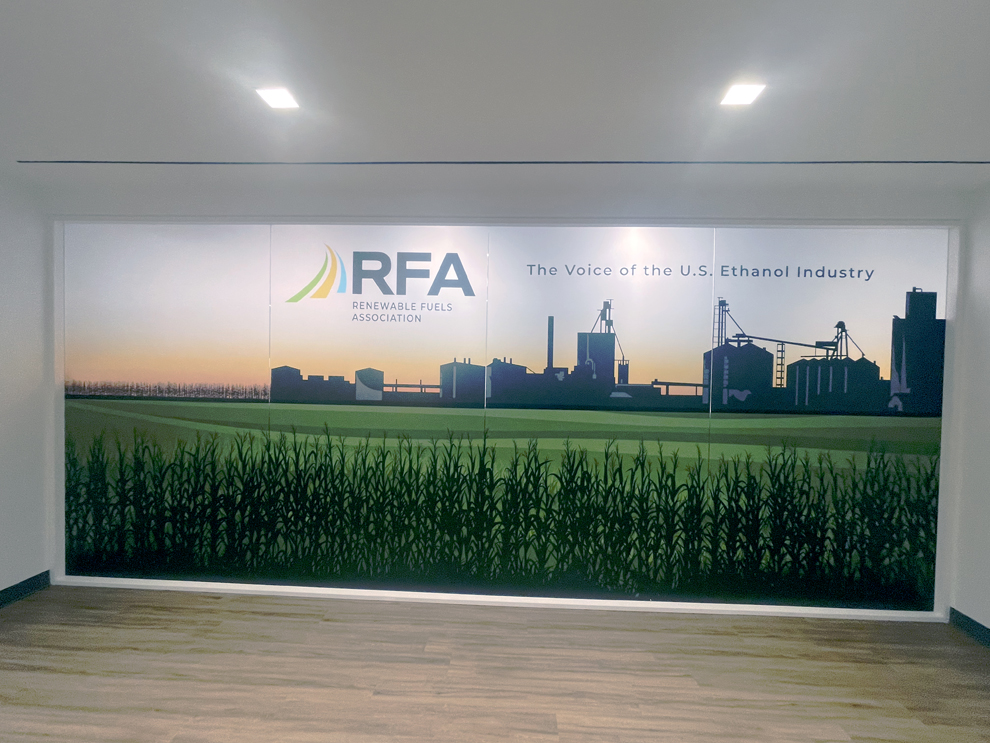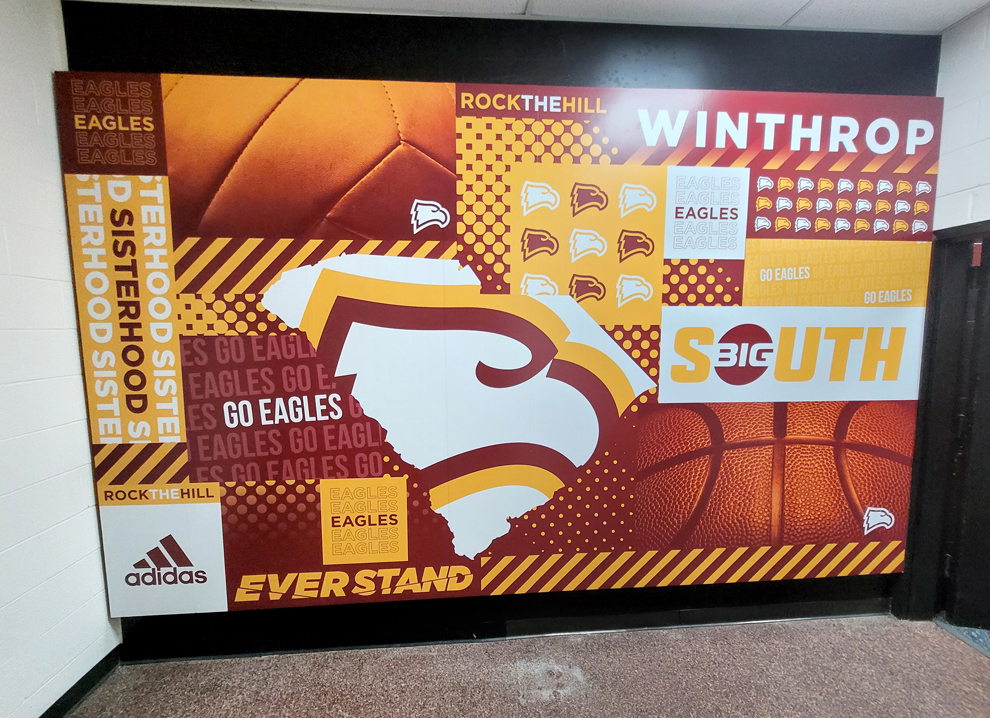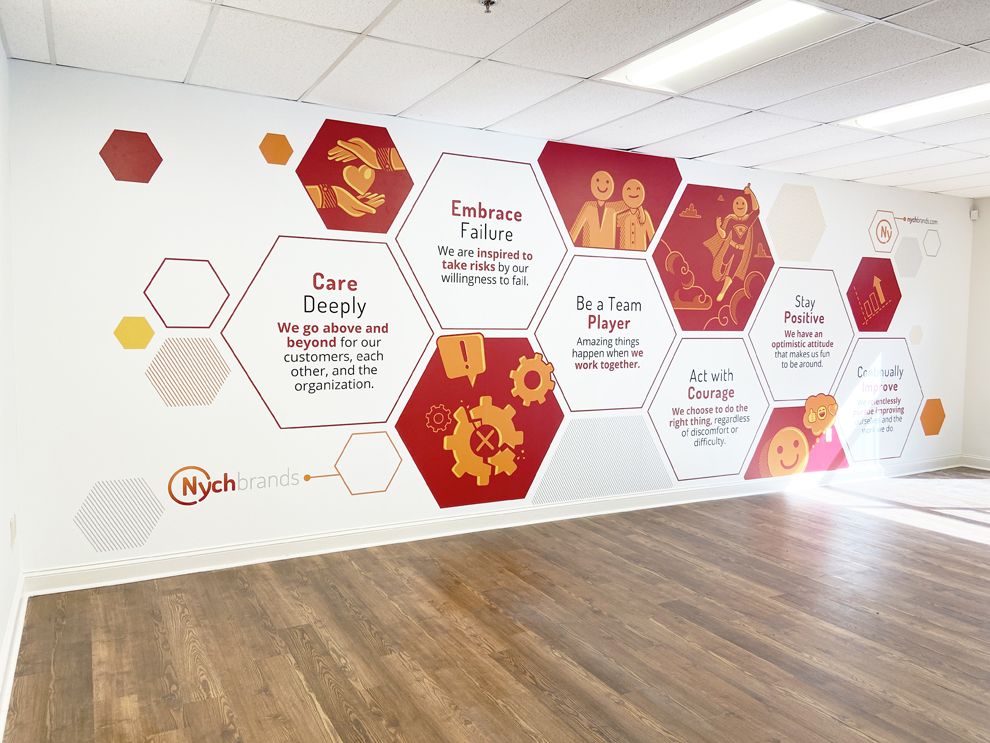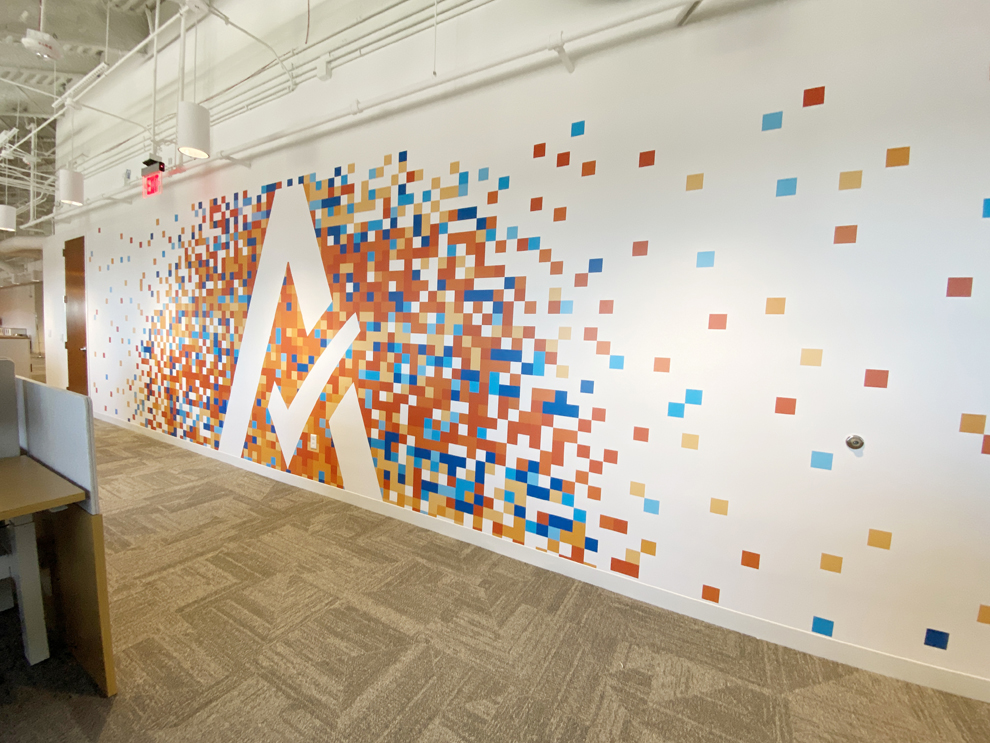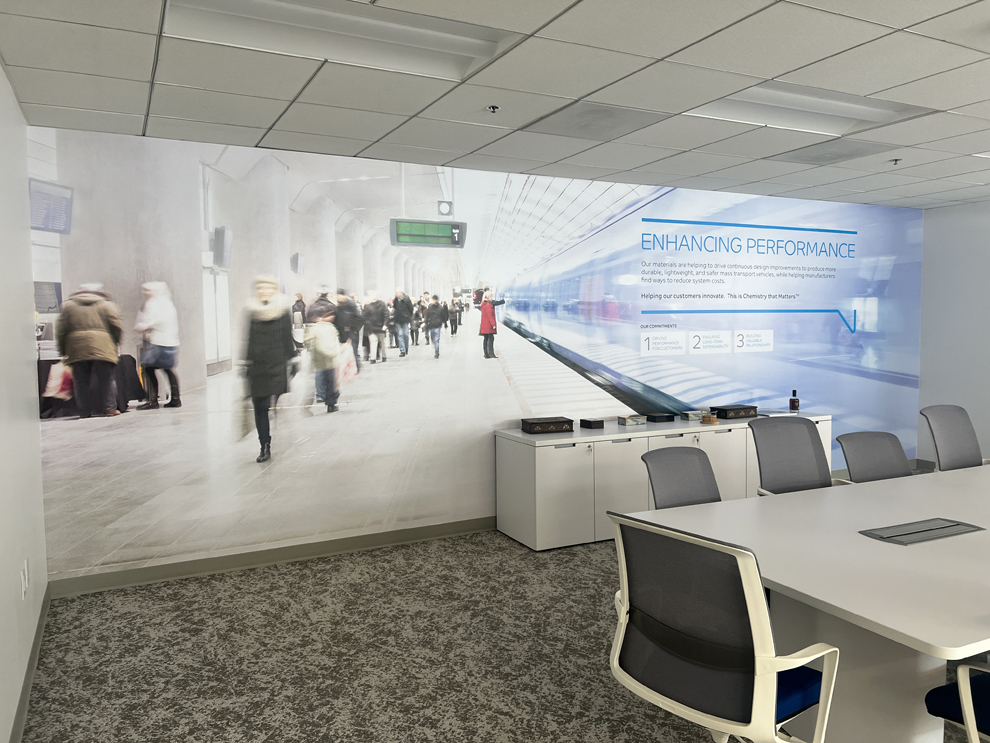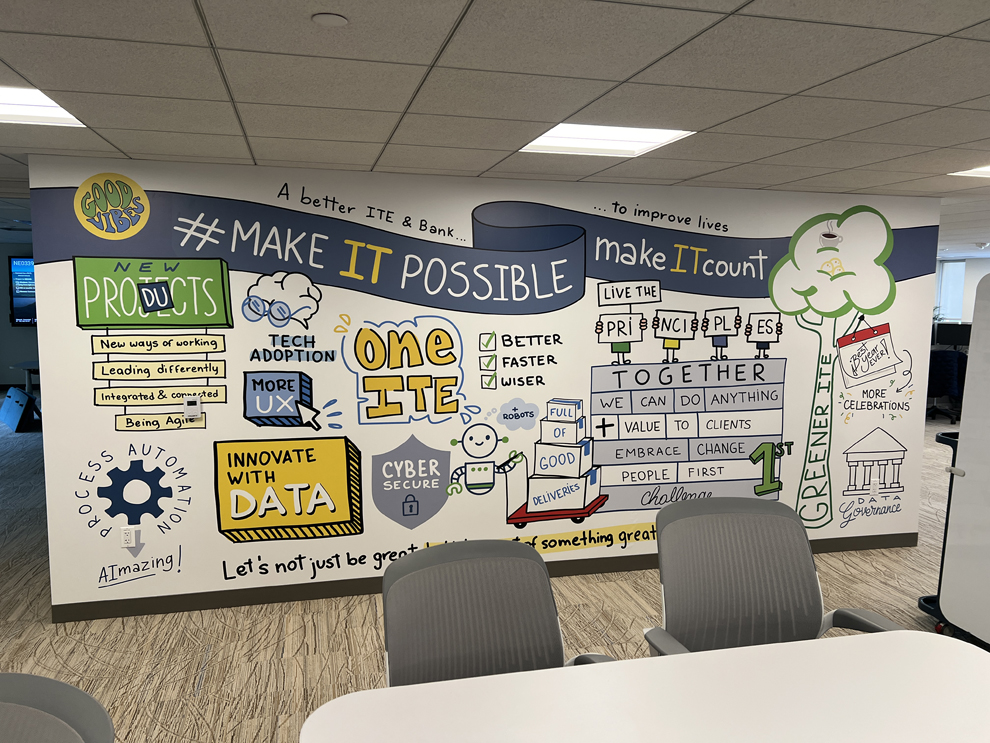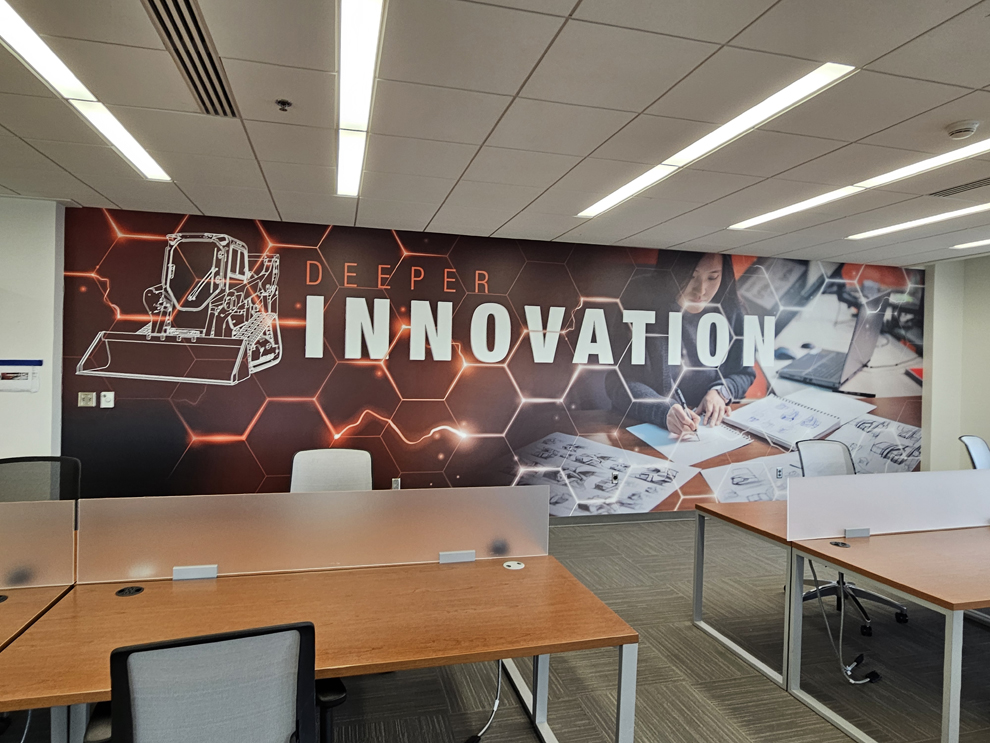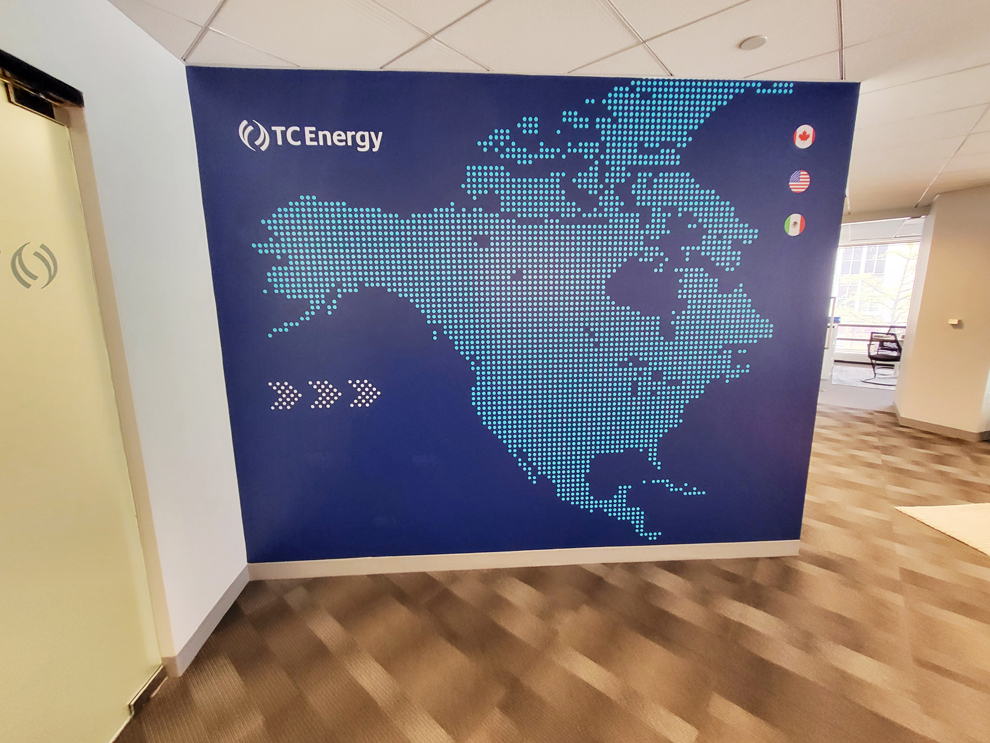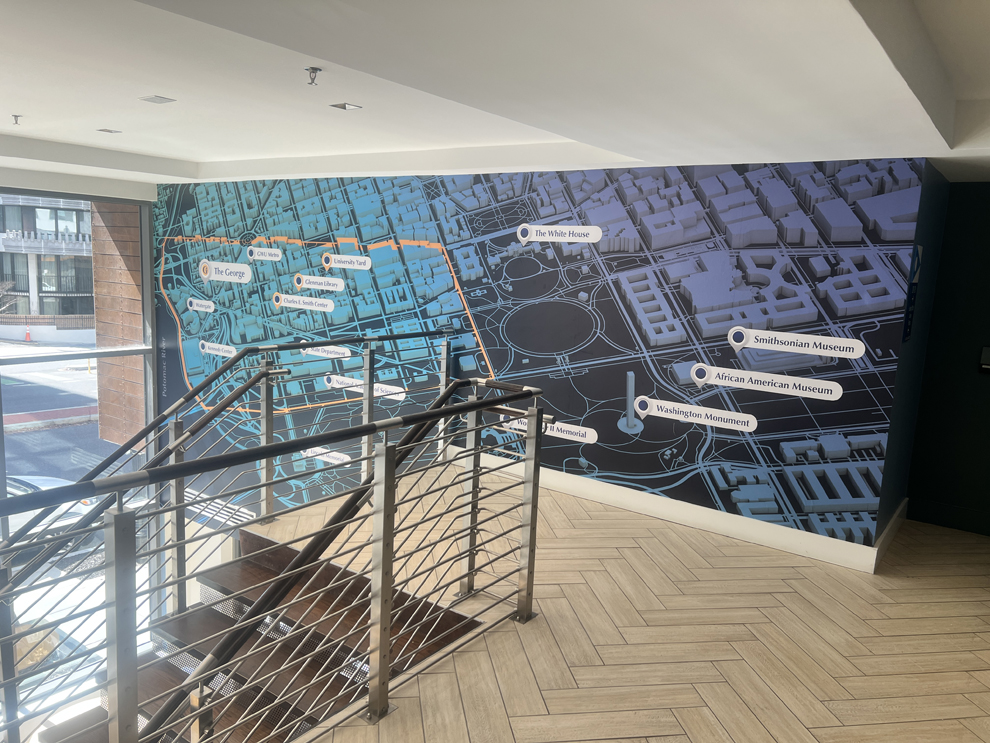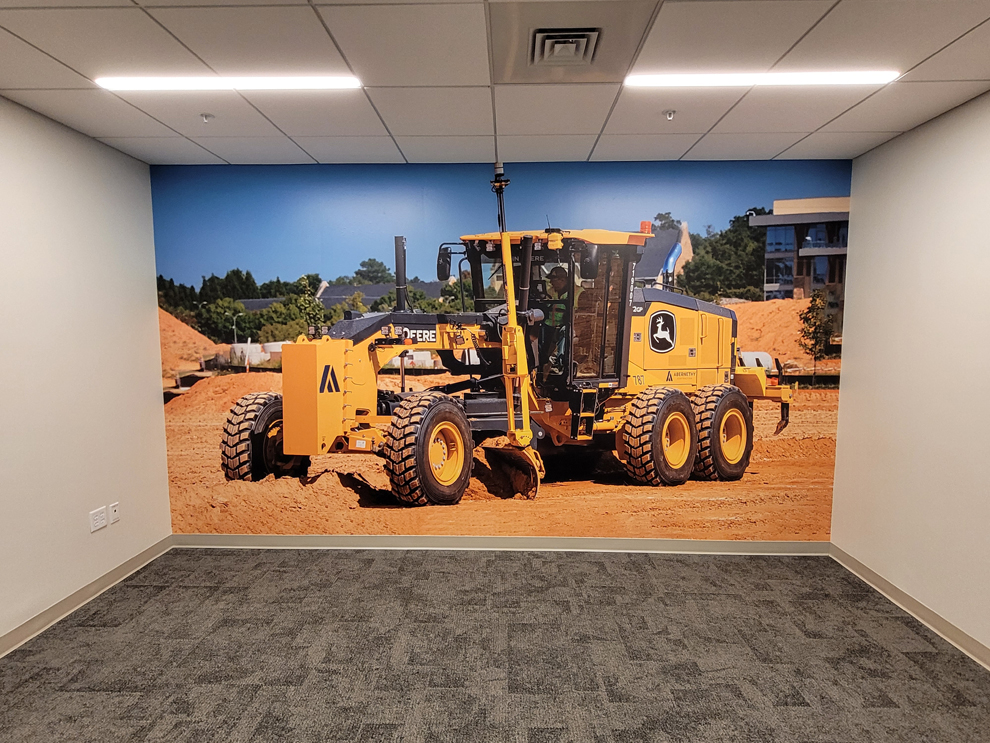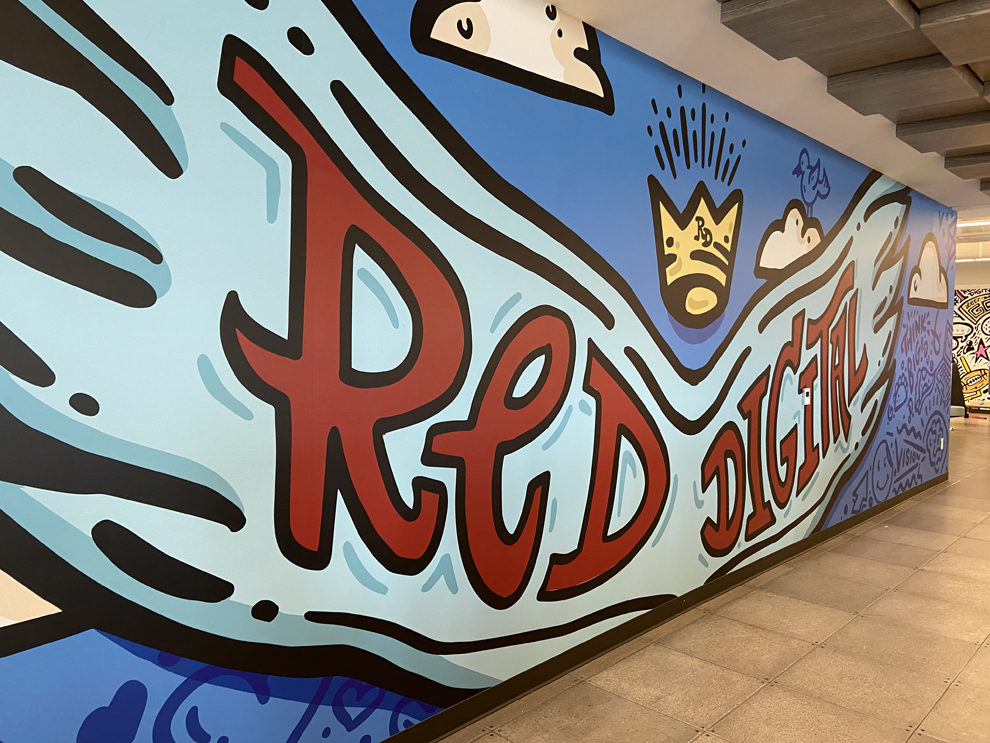
A substantial wall can become a meaningful part of the experience people have inside a Gastonia, NC workplace. Wall Wraps give organizations a practical way to make arrival spaces, corridors, meeting areas, learning environments, employee spaces, and event settings communicate more than blank architecture can convey. A well-planned mural can establish a first impression, carry a story across a long surface, reinforce a culture message, or give a dimensional feature a visual setting that feels intentional rather than added after the fact.
Heritage Signs & Displays works with Gastonia clients on custom Wall Wraps, wall murals, and large-format wall graphics that respond to the actual environment. Environmental graphic design begins with the desired audience experience and then considers scale, sightlines, image quality, message hierarchy, architecture, wall conditions, traffic patterns, furnishings, lighting, and nearby signs and displays. Those decisions affect whether a wall should use photography, illustration, typography, branded color, archival material, pattern, or a carefully balanced combination of visual elements.
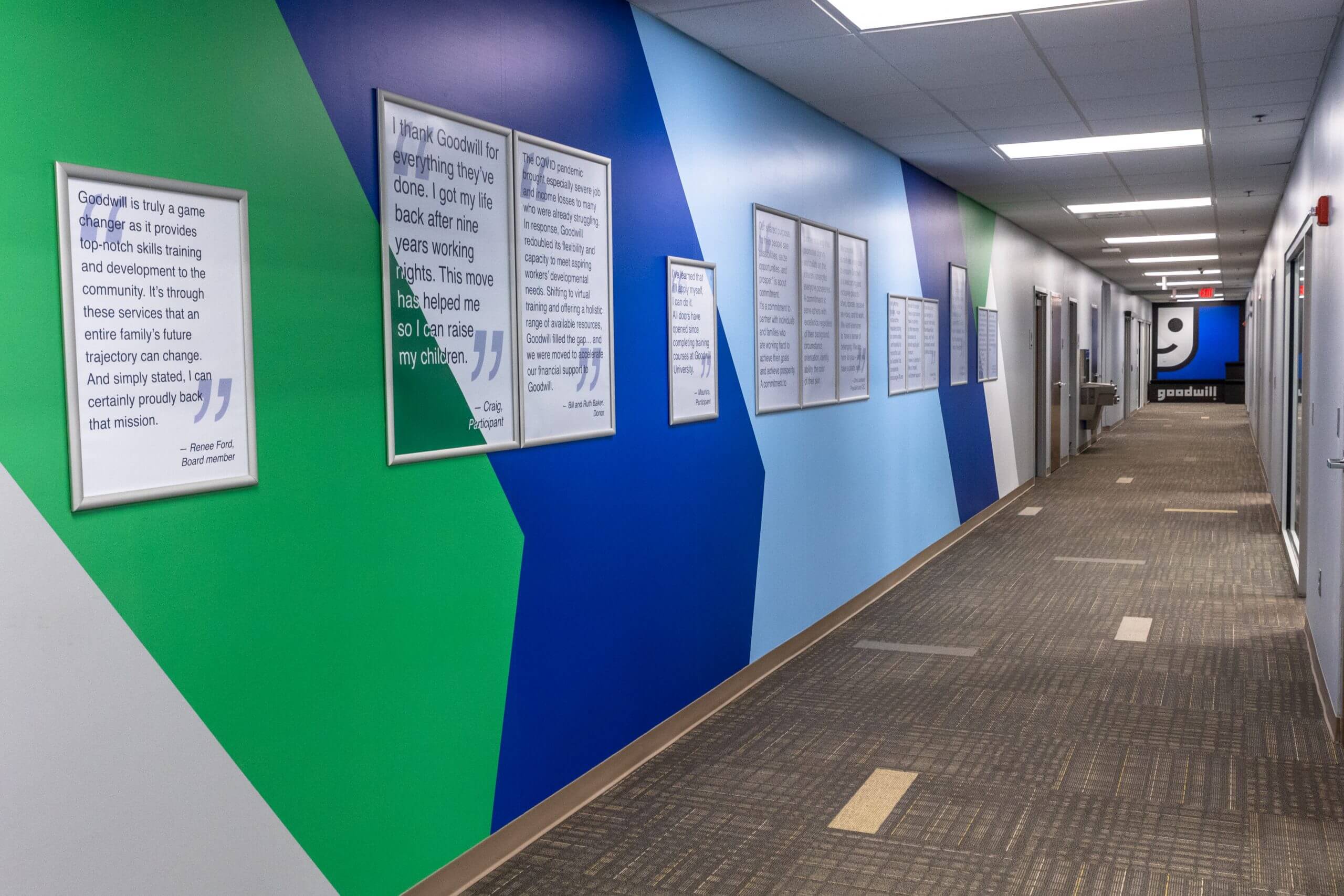
Wall graphics can support culture features, core values, mission statement displays, history walls, recognition programs, research storytelling, educational content, branded corridors, and realistic event environments. In some locations, the printed wall becomes the visual foundation for dimensional letters, standoff mounted panels, acrylic components, photographs, or backlit elements. The supporting pieces add emphasis and depth, while the Wall Wrap remains responsible for the large-scale composition. Appropriate exterior walls may also receive printed graphics when the surface, exposure, access, material system, and intended service life support the application.
Gastonia organizations benefit from Heritage’s Charlotte headquarters and primary specialty production facility, along with coordinated local field and installation resources serving the Charlotte marketplace. One dedicated Project Manager connects discovery, the required site survey for installed projects, field verification, environmental graphic design, production, fabrication, scheduling, and professional installation. That continuity helps approved design intent move through panel planning, material selection, finishing, and installation without requiring the client to coordinate separate design, print, and field vendors.
Founded in 1977, Heritage is an award-winning, veteran-owned, family-led company approaching its 50th anniversary. Heritage seeks to honor God by serving clients and communities with excellence through care, accountability, craftsmanship, and dependable follow-through. For Gastonia Wall Wraps projects, that posture means treating the wall as a site-specific communication investment, not simply a large printed surface.
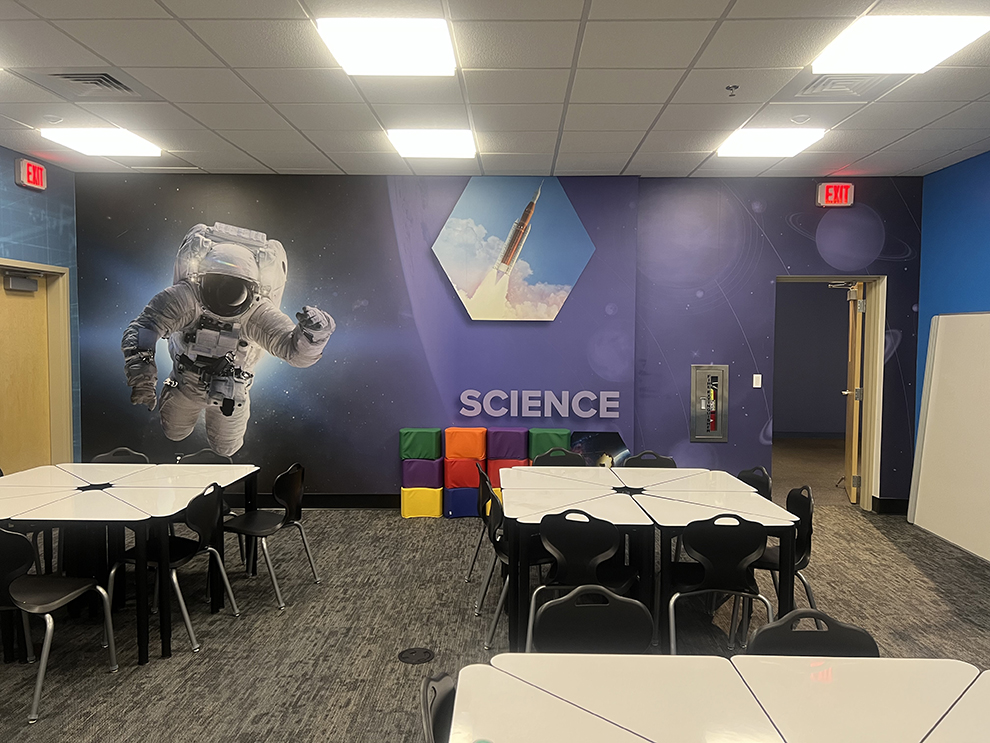
Large Wall Wraps work differently from conventional signs because they influence how people move through and understand a space. A smaller sign may identify a room or highlight one message. A mural can establish pacing across a corridor, create a visual pause in a reception area, or organize information so that people understand the principal idea immediately and discover supporting detail as they move closer.
Heritage helps Gastonia clients determine whether full coverage, partial coverage, a mural composition, or a graphic field behind fabricated elements best serves the location. Doors, corners, outlets, fixtures, wall transitions, ceiling heights, viewing distance, and furniture placement all affect the composition. A long history wall may need a clear reading sequence, while a culture feature may need concise statements and stronger imagery.
The goal is not to enlarge an existing brochure, logo, or campaign graphic until it fills a wall. The goal is to use the available architecture as a communication surface with appropriate hierarchy, scale, and visual restraint.
A Wall Wrap project depends on more than attractive artwork. Accurate field information, usable image files, compatible materials and adhesives, panel sequencing, seam placement, finishing, and professional installation all influence the finished result. Heritage keeps those decisions connected so creative intent is evaluated alongside production reality and site conditions before work reaches installation day.
Heritage’s One Dedicated Project Manager System gives the client a continuous point of coordination from discovery through completion. The Project Manager carries information among client stakeholders, environmental graphic designers, production and fabrication teams, and professional installers. This approach reduces the risk that important details about access, wall readiness, approved artwork, timing, or panel placement are lost between separate providers.
Charlotte headquarters resources also provide Gastonia clients with access to Heritage’s primary specialty production facility. That relationship is useful when projects involve multiple walls, layered fabricated elements, phased schedules, demanding installation windows, or changing field conditions. The client is not simply purchasing printed vinyl. The client is relying on Heritage to manage the decisions that determine how the graphic fits, reads, and performs on the wall.
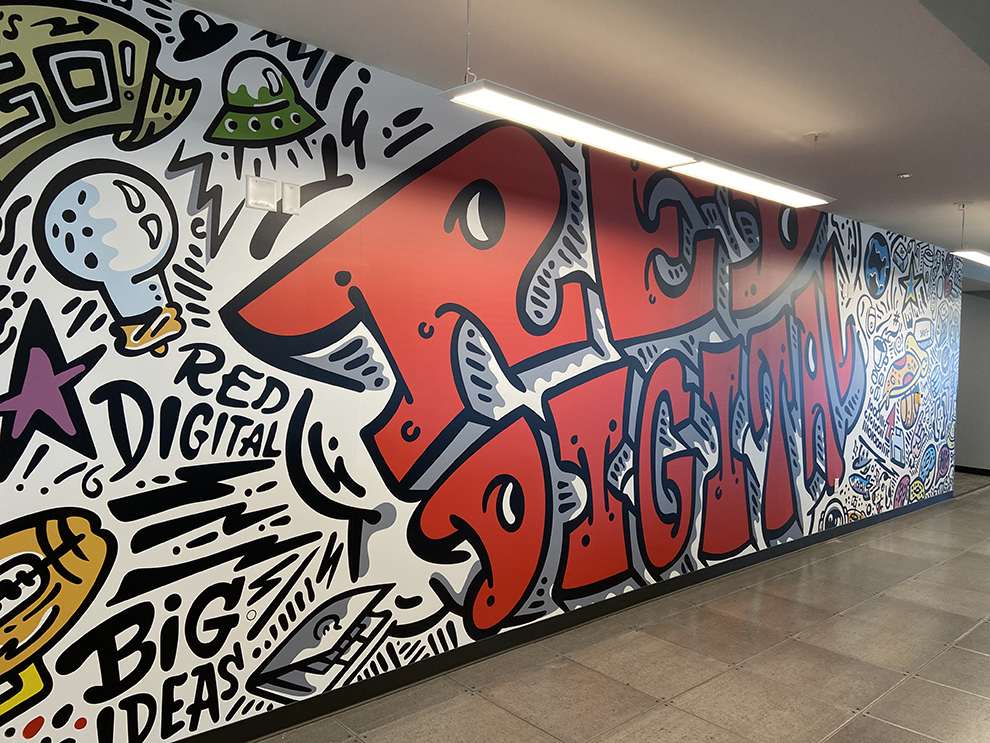
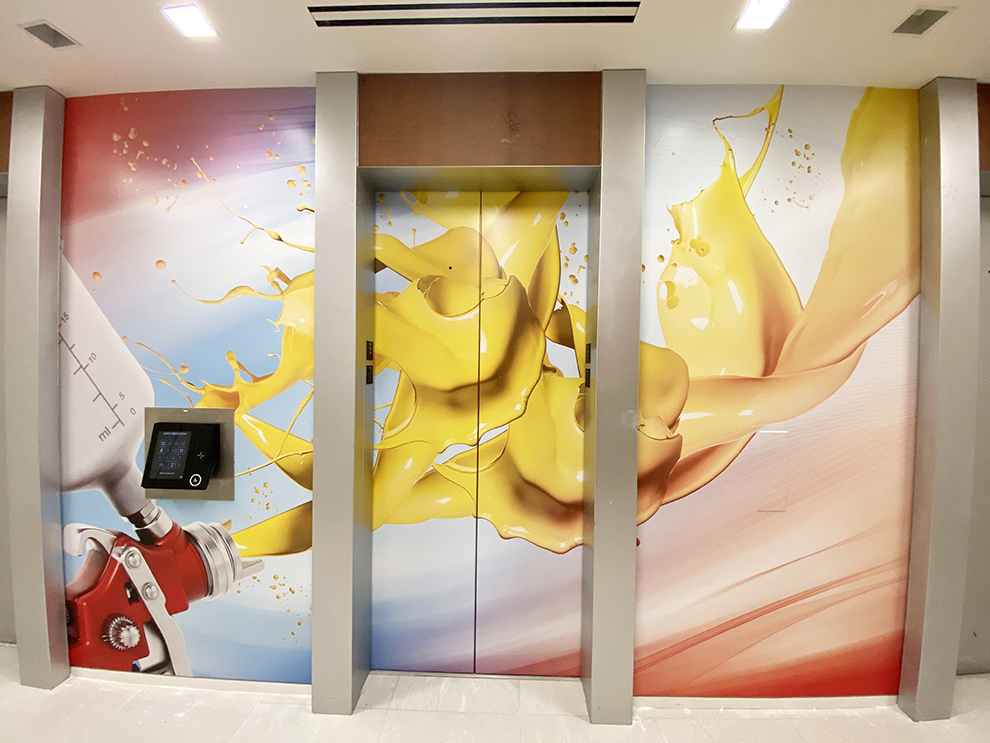
Wall Displays can add mounted photographs, recognition components, history panels, or changeable content over a printed wall. The Wall Wrap establishes the large-scale visual field while the display elements create focal points and bring selected information closer to the viewer.
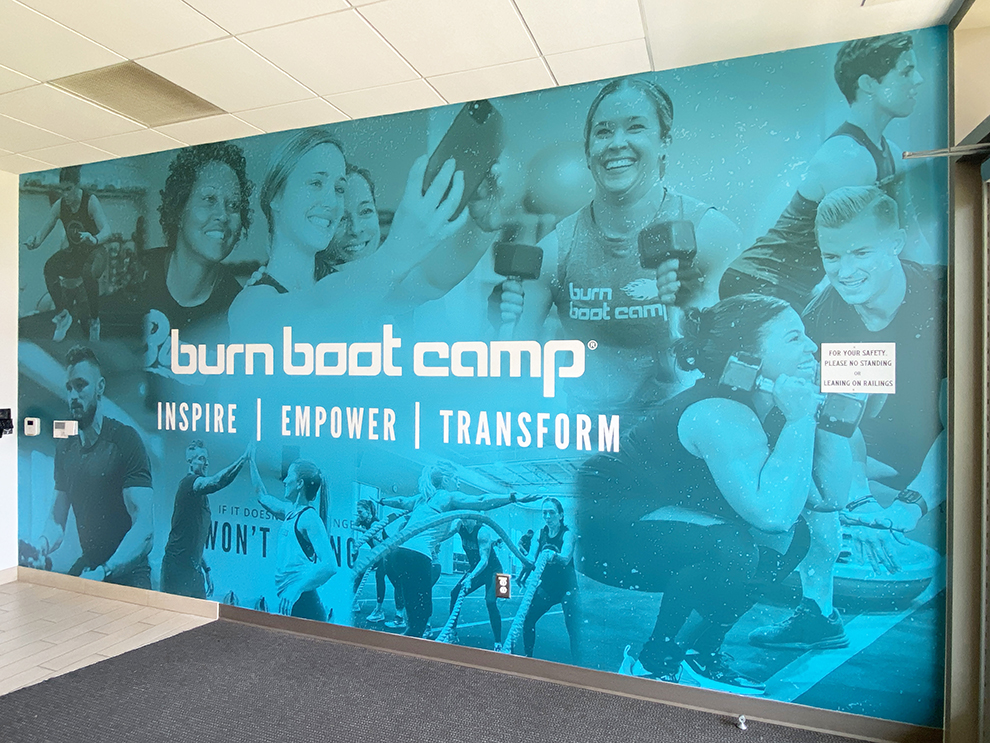
Lobby Signs gain context when they are placed against a Wall Wrap that uses color, imagery, pattern, or storytelling to frame the arrival experience. The wall graphic can support a dimensional logo without competing with the organization’s primary identification.
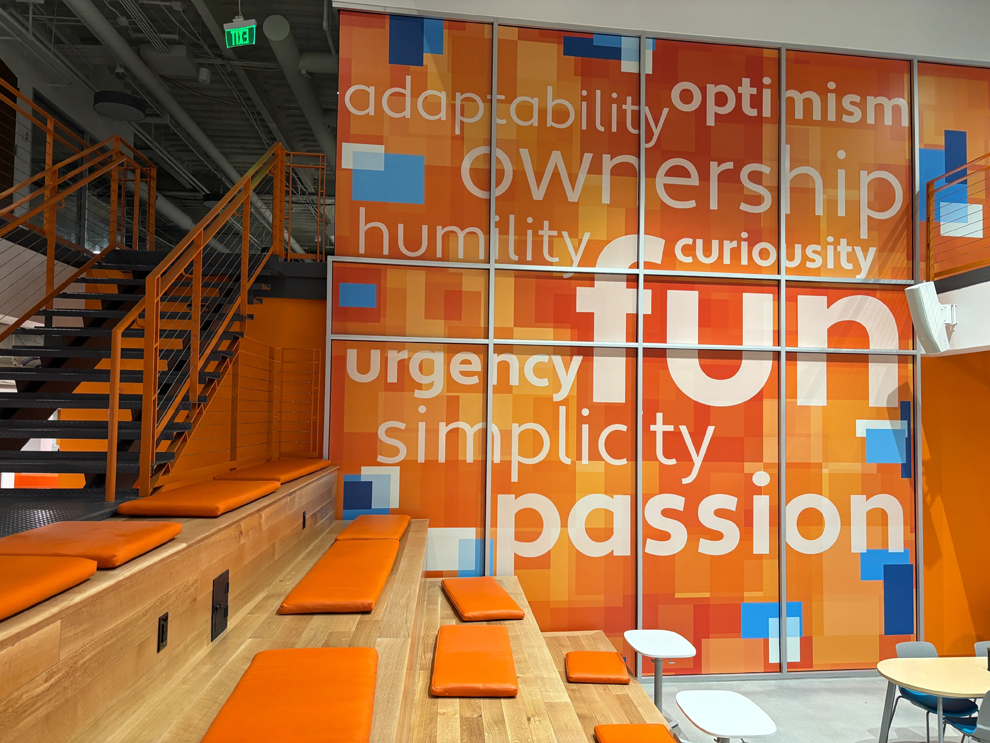
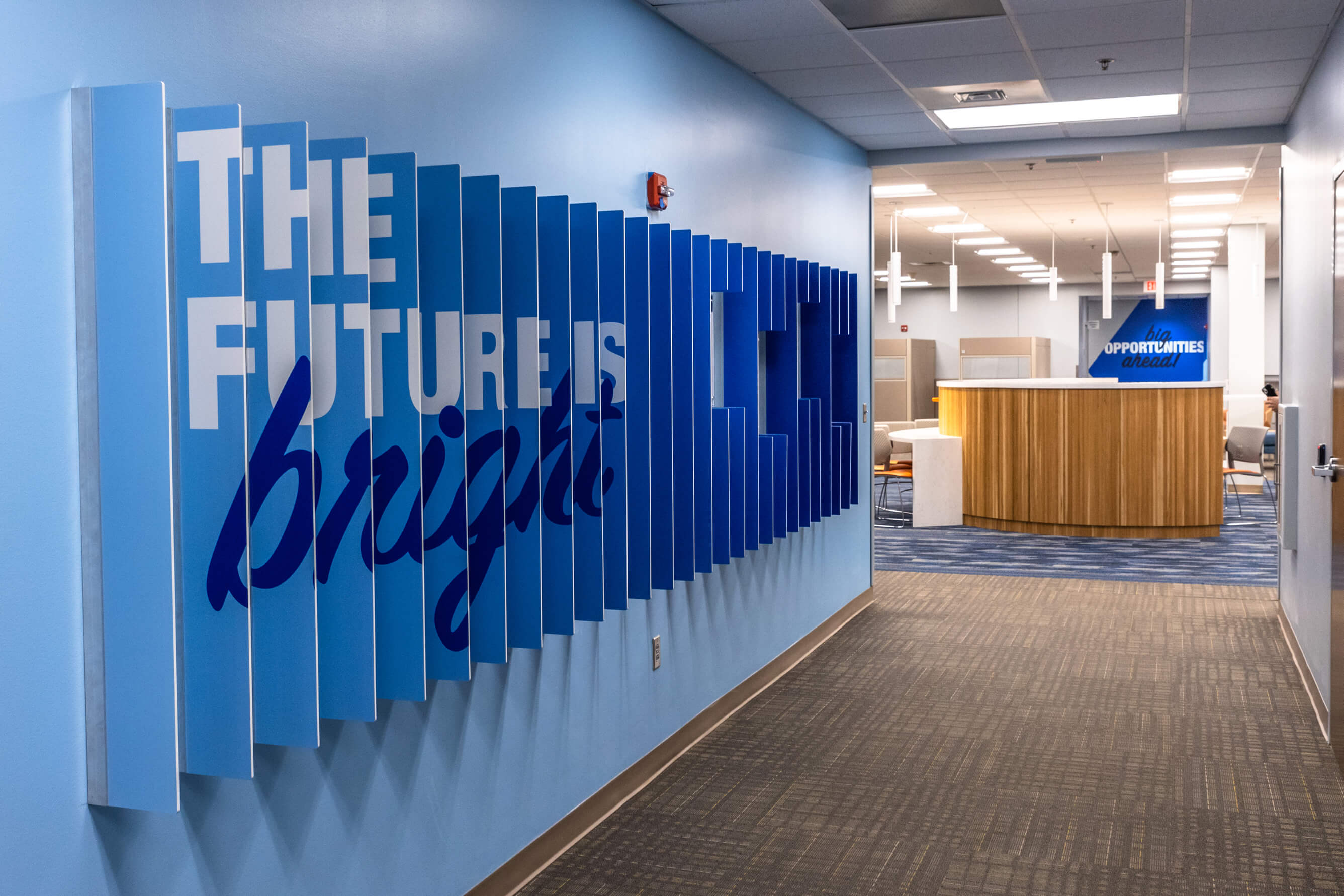
Dimensional Letters can create contrast and depth over a Wall Wrap when scale, placement, mounting, and surrounding imagery are planned together. The graphic supports the dimensional feature as the visual foundation rather than functioning as an unrelated background.
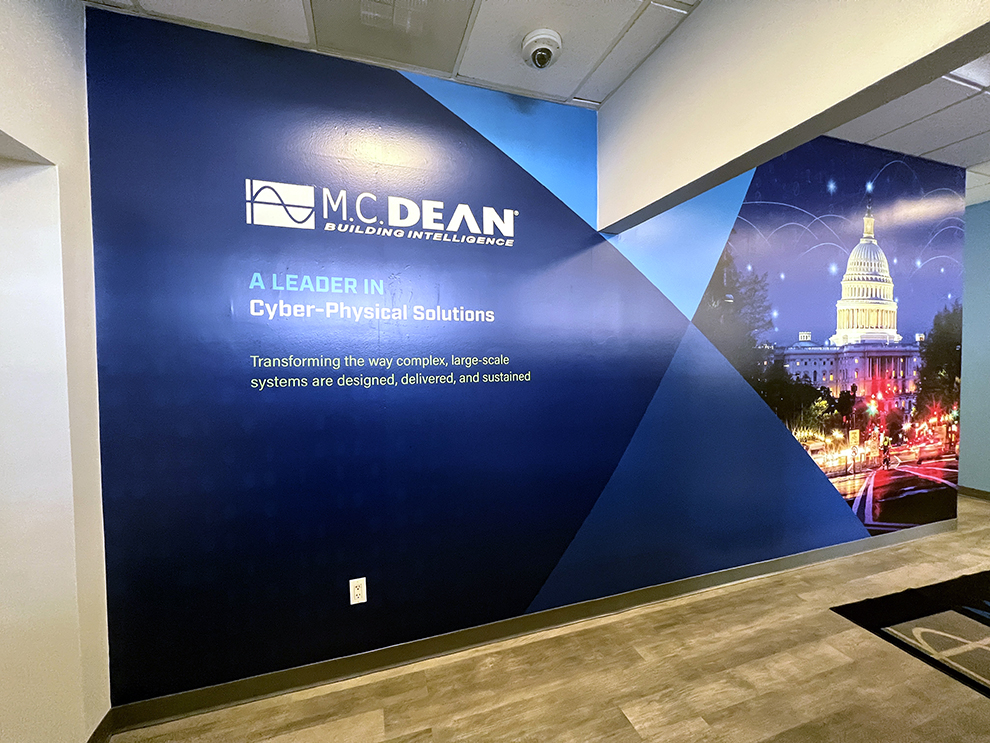
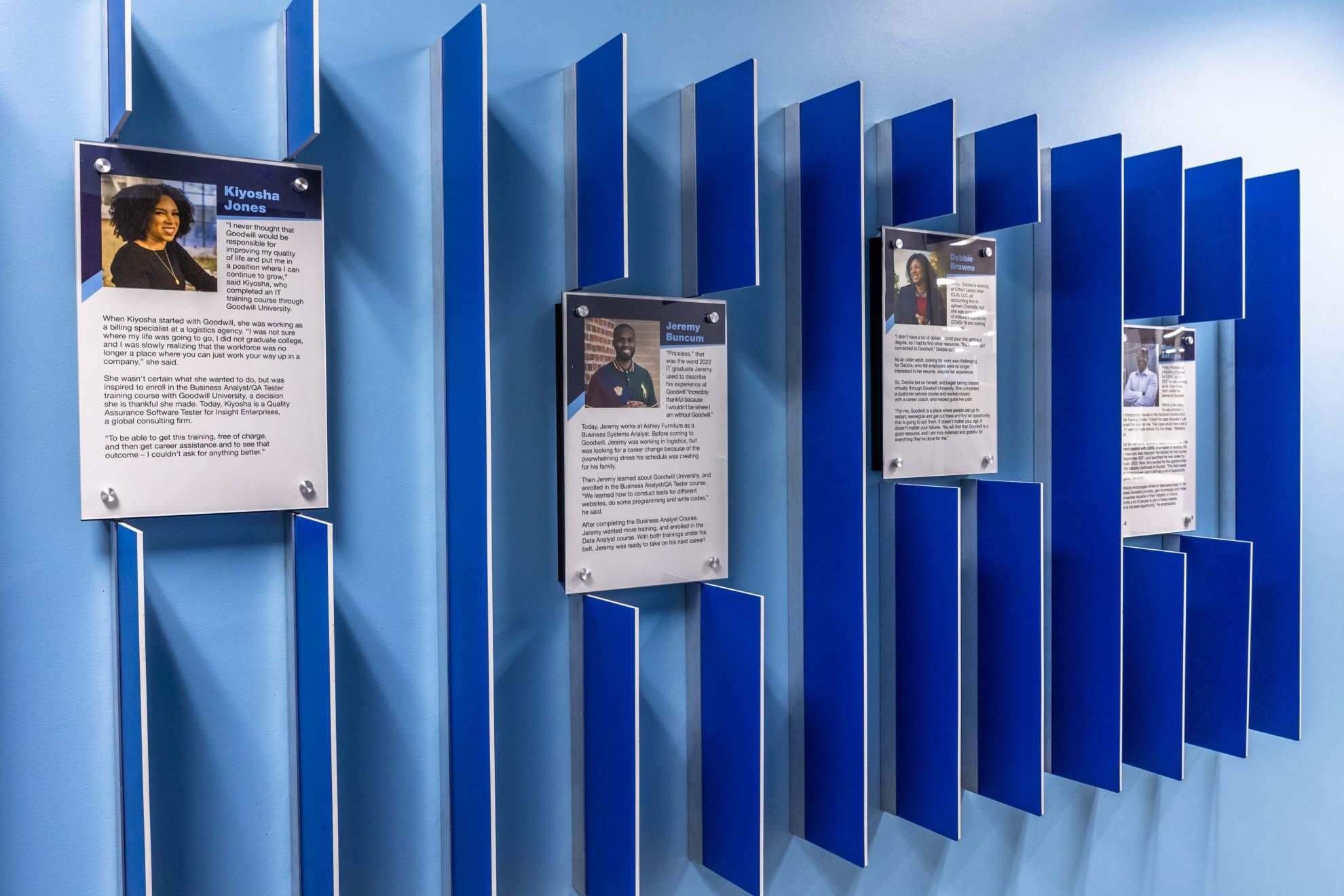
Standoff Mounted Signs can layer recognition content, photography, donor information, or changing messages over a printed wall. The projected panels add hierarchy while the Wall Wrap keeps the complete presentation connected across the wall surface.
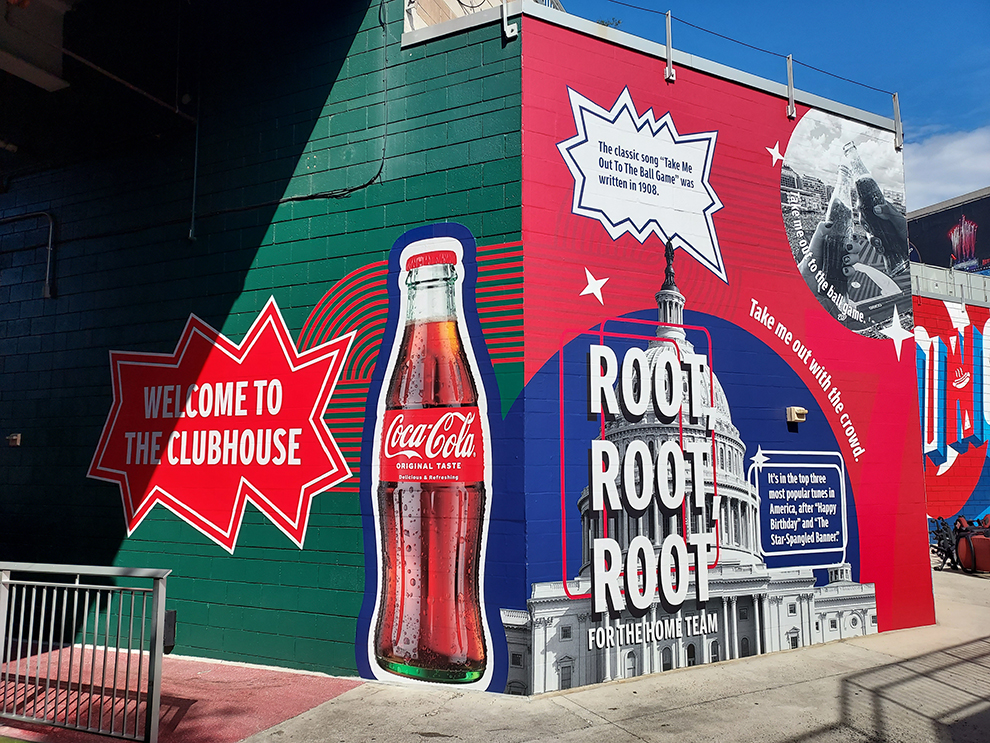
Backlit Signs can become a focused visual moment within a larger wall composition. Heritage coordinates brightness, content, placement, and contrast so the illuminated feature supports the Wall Wrap and remains appropriate to the surrounding environment.
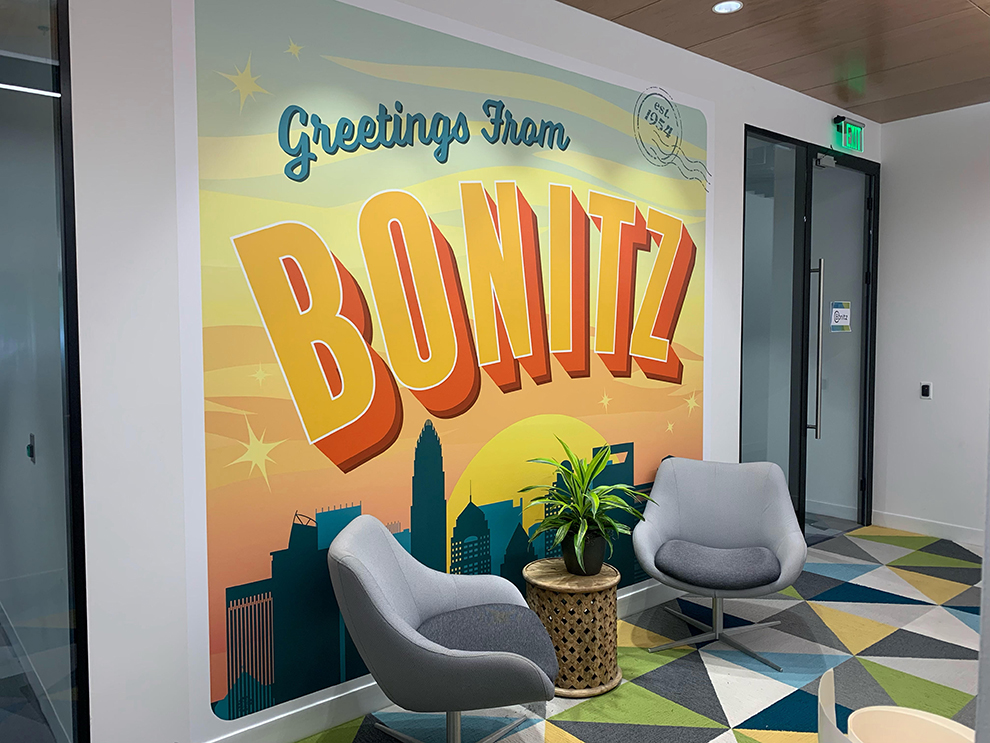
Elevator wraps can extend a wall graphics program into circulation areas where employees, tenants, guests, or event attendees pass repeatedly. Heritage coordinates artwork, surface suitability, panel placement, door movement, and nearby wall wraps so the circulation experience feels connected.
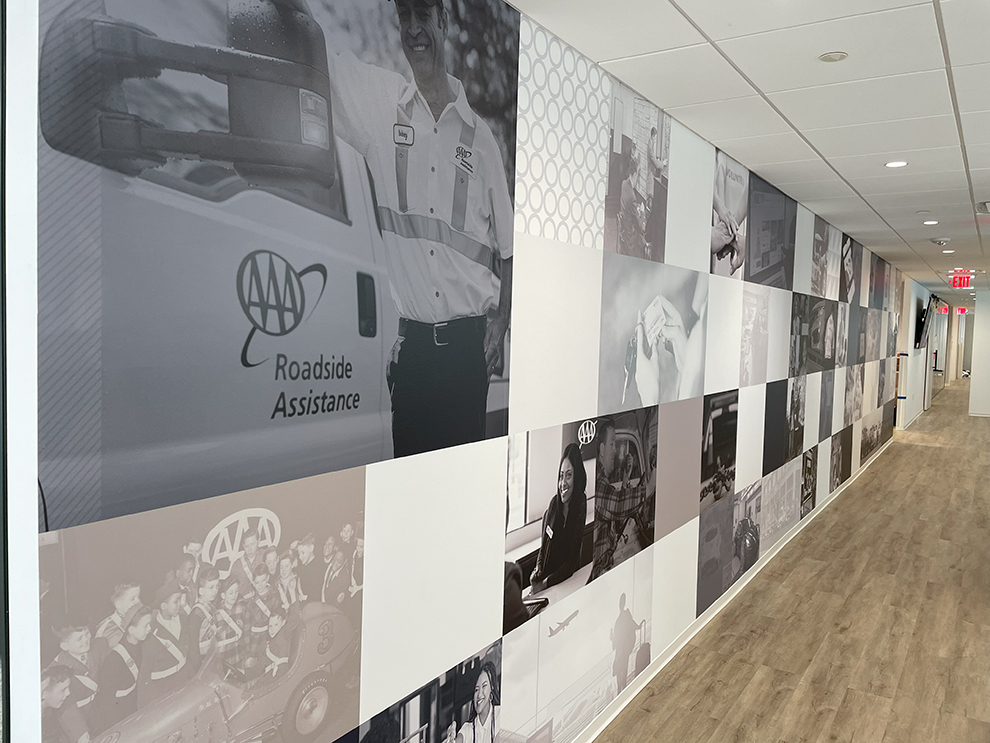
Window Graphics can continue approved color, imagery, and messaging from a wrapped wall onto nearby glass. This relationship helps a reception area, conference zone, or interior corridor feel coordinated while allowing each surface to serve a different practical purpose.
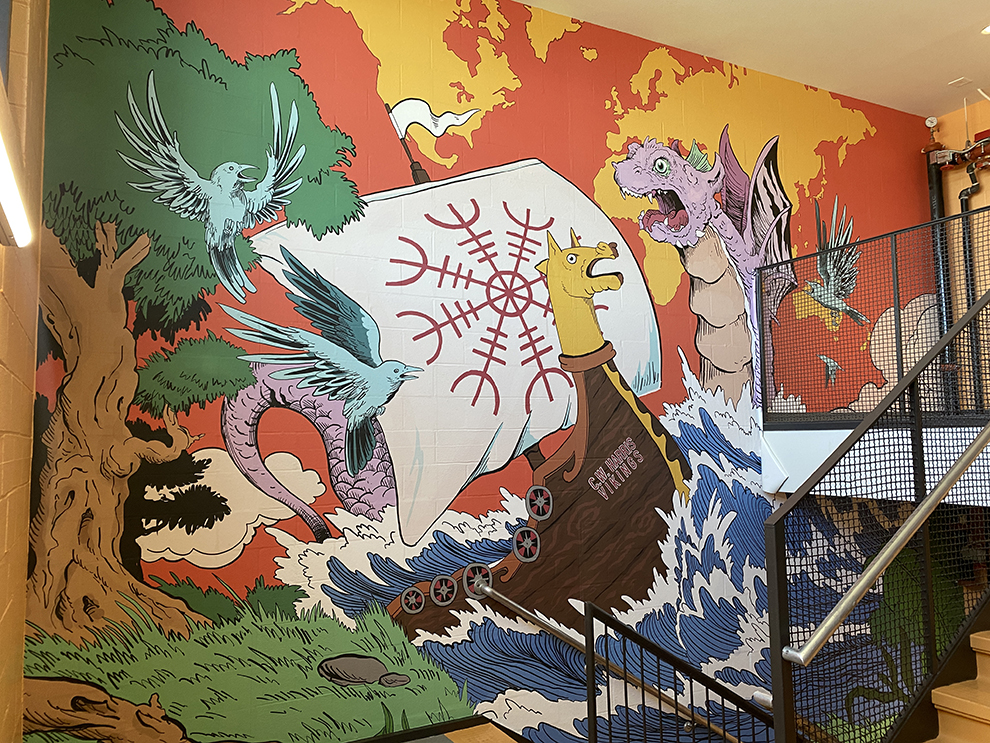
Frosted Vinyl can provide privacy and restrained branding on conference room glass adjacent to a mural or branded corridor. It helps connect transparent surfaces to the larger environmental graphic design without making the glass feel visually heavy.
Does a Gastonia wall need to communicate more clearly with employees, visitors, customers, students, or event attendees? Share the project through Get Started Now. Provide the address, desired outcome, audience, target completion date, anticipated overall investment, photographs, approximate dimensions, artwork or messaging, brand standards, surface information, and any access constraints already known.
Incomplete information does not prevent a productive first conversation. One dedicated Project Manager can organize the next decisions, identify what should be verified during the required site survey, and connect the appropriate Heritage resources for environmental graphic design, production, fabrication, and professional installation.
Heritage supports Gastonia clients through coordinated Charlotte-market project, field, installation, and production resources. For installed Wall Wraps, Heritage can meet at the client facility, conduct the required site survey, verify dimensions and wall conditions, review access, and identify installation considerations before graphics are produced. That field knowledge helps the team plan around the actual property rather than assumptions based on photographs or preliminary measurements.
Gastonia projects may involve workplaces, healthcare facilities, schools, manufacturers, professional firms, associations, nonprofits, hospitality properties, and event venues. Heritage also supports nearby Charlotte-market communities including Kannapolis, Harrisburg, Charlotte, Huntersville, Mooresville, Gastonia, Rock Hill, Statesville, and Salisbury. Local coordination provides a practical advantage when field conditions, access requirements, or timing need timely communication with the people producing and installing the work.
For multi-location programs, Heritage can maintain approved brand standards, shared project information, and one Project Manager while evaluating each location individually. Dimensions, architecture, access, audience, wall condition, and installation requirements may vary by property. Heritage adapts the physical execution to each site rather than assuming every wall should receive an identical solution.
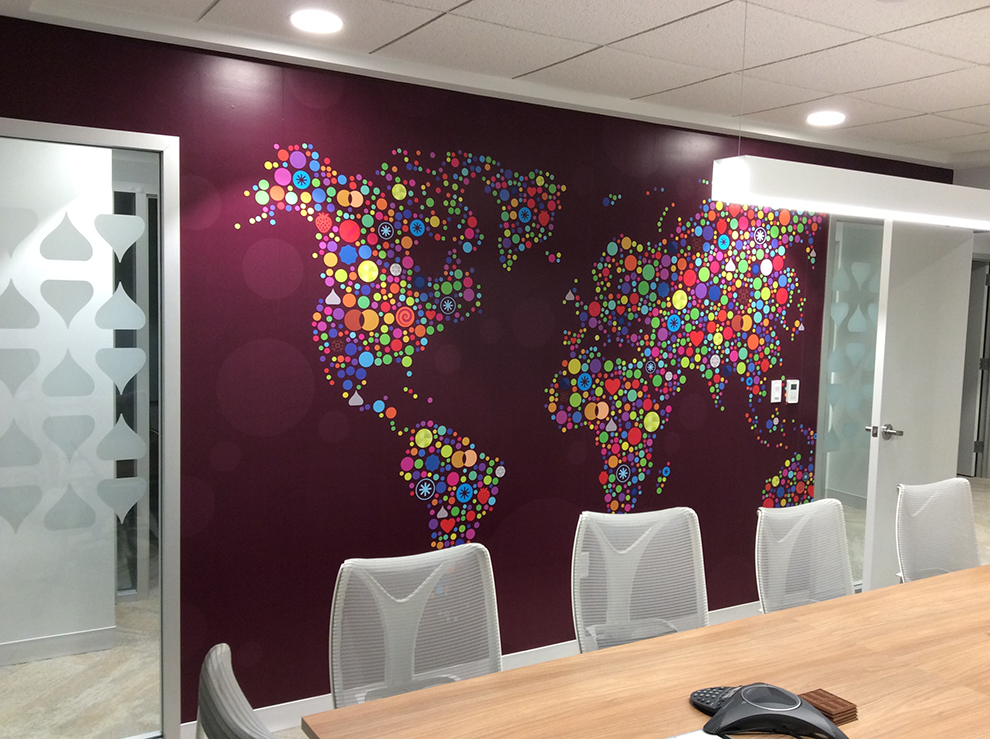
Environmental graphic design allows a Gastonia organization to decide what people should understand, notice, or remember when they encounter a large wall. A reception feature can establish a branded arrival. A corridor can carry a timeline, mission statement display, culture story, research narrative, educational feature, or recognition program. The intended outcome guides the visual direction before materials are selected or panels are planned.
Heritage develops or implements environmental graphic design through hierarchy, imagery, typography, color, scale, placement, and visual pacing. The design also accounts for how the wall relates to fabricated elements, nearby displays, entrances, furnishings, and viewing distances. A long wall may require a sequence that unfolds over time, while a smaller feature wall may need a stronger primary message and limited supporting detail.
Clients may provide complete brand standards and approved artwork, or Heritage may help develop the environmental graphic concept with client stakeholders. Heritage also collaborates with architects, interior designers, branding agencies, environmental graphic designers, and other partners who own the broader design direction. Heritage’s role is to protect and implement approved design intent through project management, production, fabrication, and installation.
Professional installation is most effective when the project is planned before installers arrive at the property. The required site survey gives Heritage verified dimensions, wall observations, access information, and installation-window requirements. That information follows the project through environmental graphic design, production, fabrication, scheduling, and panel planning so the installation team understands the intended result and site context.
During installation, Heritage manages panel sequencing, alignment, seams, edges, corners, transitions, doors, outlets, fixtures, and other architectural interruptions. Installers protect surrounding property, work within the agreed installation window, and communicate through the Project Manager if a field condition requires a decision. The work should read as one integrated composition rather than as separate panels placed on a wall.
That preparation also helps reduce unnecessary disruption in active workplaces, schools, healthcare environments, and event locations. Heritage coordinates installation around access, occupancy, site rules, and schedule requirements that are identified before production whenever possible. Accountability continues through completion, not only until the graphics leave the production facility.
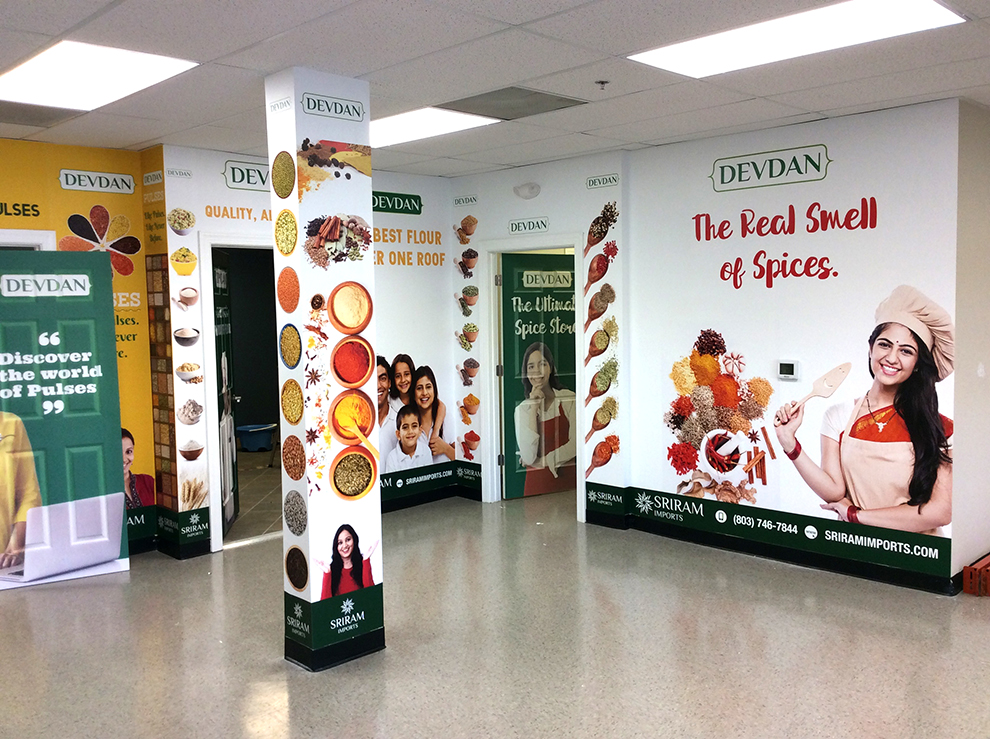
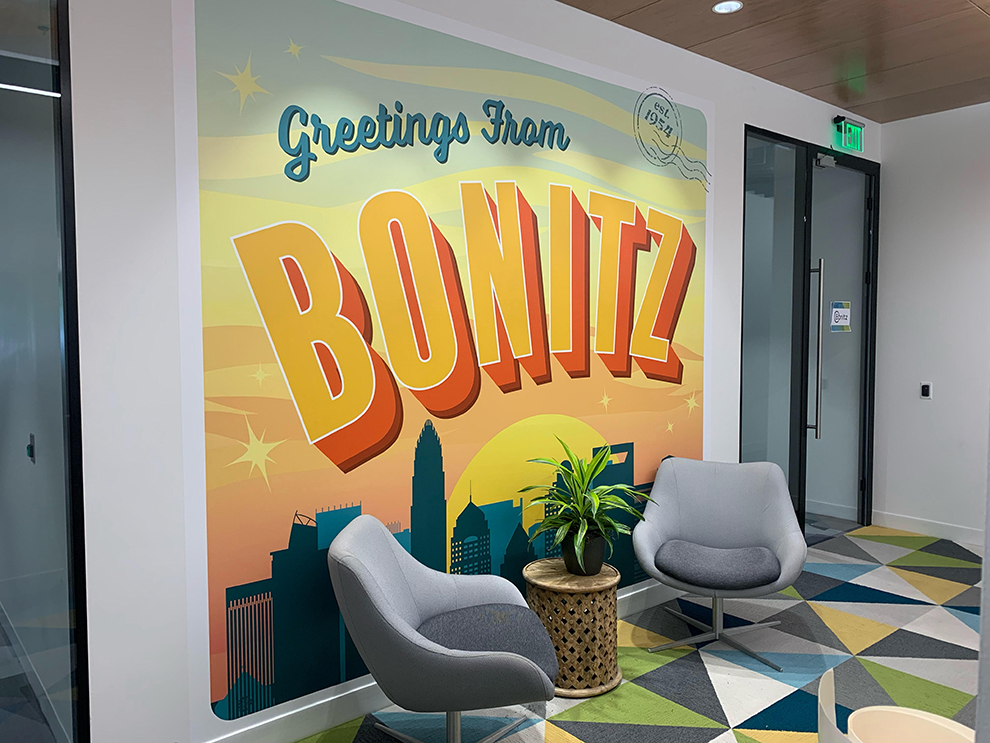
Wall wraps perform best when the supporting wall system is in suitable condition before installation begins. Drywall should be sound, smooth, clean, dry, and repaired where required. Primer and paint should be applied properly, and the finished coating needs to be fully cured.
A newly painted surface can feel dry while the coating continues to cure. During this period, gases or vapors may still be released. Applying adhesive vinyl before the curing process is complete can trap those emissions underneath the graphic and potentially contribute to bubbles, blistering, lifting, or premature adhesion failure. About four weeks provides useful planning guidance for many paints, but actual readiness is determined by manufacturer requirements and site conditions.
Testing can show how well vinyl interacts with the painted surface. It cannot reveal whether the paint and primer have a secure bond with the drywall below. If the finish starts peeling or pulling loose during testing or ordinary repositioning, Heritage stops the installation rather than risk causing further damage. The client or property owner arranges and pays for repair, proper priming, repainting, and full curing before Heritage returns.
Future graphic removal is considered separately. Heritage works carefully to reduce avoidable damage, but it cannot guarantee that the underlying surface will remain completely unaffected. Paint, primer, or drywall facing may release. Restoration is arranged and paid for by the client or property owner. Wall wraps continue to be proven and effective branding solutions.
Wall Wrap planning should begin with the decisions that shape the project: the desired result, audience, coverage area, schedule, phasing, stakeholders, approvals, wall readiness, and anticipated investment. Supporting information such as photographs, approximate measurements, brand standards, artwork, messaging, paint information, installation address, and access constraints allows Heritage to understand the opportunity before the required site survey confirms field conditions.
Many Heritage projects involving production and professional installation range from $10,000 to more than $200,000. That range describes capacity, not a minimum. Actual investment depends on design development, wall coverage, material and adhesive selection, fabrication, access, installation complexity, wall preparation, schedule, and whether the work includes layered signs and displays.
Gastonia-region signs and displays projects currently carry an anticipated overall investment of at least $3,000. Heritage uses the planning conversation to determine whether the requested scope is appropriate and what information remains unresolved. For replacement graphics, old-graphic removal should be scheduled early enough to identify repair, repainting, and cure-time needs before the new installation date.
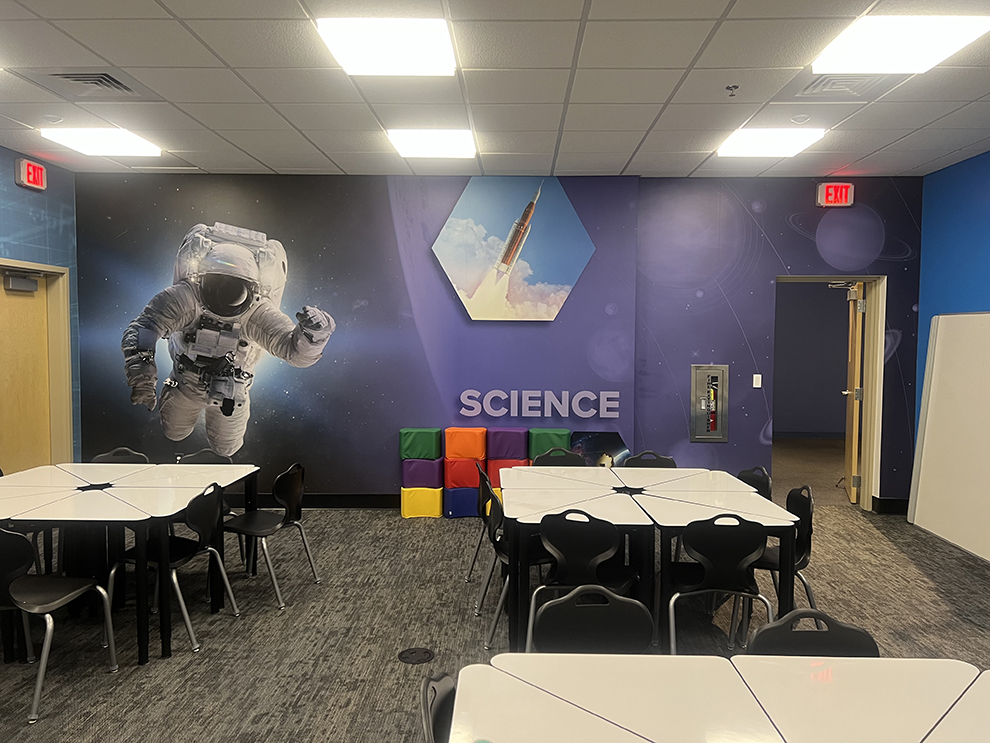
Wall Wraps can turn a large wall into a branded communication surface for culture, history, recognition, education, wayfinding, or arrival experiences. They are especially useful where a smaller sign would not provide enough scale or visual continuity. Heritage considers the wall’s location, audience, sightlines, and surrounding architecture before recommending how content should be organized. The strongest projects begin with the intended experience rather than a predetermined graphic format.
Wall Wraps generally describe substantial adhesive wall applications that use the wall as a primary visual surface. A wall mural often emphasizes imagery, while Wall Graphics can include both full-scale murals and smaller adhesive elements. The distinction is less important than the desired result, actual substrate, and intended service life. Heritage helps clients select the approach that fits the wall and the communication objective.
The wall should be sound, smooth, clean, dry, properly repaired, and finished with correctly applied primer and paint. The finish paint must also be fully cured, not merely dry to the touch. Heritage reviews texture, repair areas, paint information, moisture concerns, and other visible conditions during the site survey. That review helps determine whether the wall is a suitable candidate and what material approach may be appropriate.
The finish coating must reach full cure according to the paint manufacturer's specifications. Dry to the touch is not sufficient. Paint can continue outgassing during curing, releasing gases or vapors that vinyl may trap beneath the adhesive. Possible results include bubbling, blistering, lifting, or premature adhesion failure.
About four weeks is useful planning guidance for many paints. The actual timeline depends on the paint system, temperature, humidity, wall preparation, and site conditions. Because outgassing is only one possible contributor to adhesion issues, manufacturer requirements and actual wall conditions determine when installation can proceed.
For new Gastonia wall wrap and interior branding opportunities generated through the website, Heritage currently plans around an anticipated overall project investment of at least $4,000. That threshold is used for planning new opportunities and is separate from Heritage's broader project scale.
Many Heritage projects involving production and professional installation range from $10,000 to more than $200,000. The overall investment depends on scope, artwork development, materials, fabrication, wall conditions, schedule, access, and installation requirements. Use Get Started Now to provide details about your Gastonia project and confirm the current regional investment level.
Yes, certain washable, scrubbable, stain-resistant, low-VOC, and zero-VOC paints can affect adhesive planning. These finishes do not all perform the same way, so Heritage may recommend cleaning, testing, or a different compatible vinyl and adhesive system. Heritage does not assume that every low-VOC or zero-VOC paint requires high-tack vinyl. The decision should be based on the actual visible surface and project conditions.
An adhesion test shows how a proposed vinyl and adhesive perform against the painted surface that Heritage can inspect. It can help with material selection, installation planning, and early identification of visible concerns. It cannot reveal whether the paint and primer are securely bonded to the drywall beneath. A successful test is useful field information, not a guarantee of future performance or damage-free removal.
Heritage stops the work if paint peels or pulls away during testing or normal panel repositioning. That response avoids making a weak paint or primer condition worse. The client or property owner is responsible for arranging and paying for repair, proper priming, repainting, restoration, and any required cure time. Heritage resumes only after the wall is appropriately prepared for the graphic installation.
The client or property owner arranges and pays for needed wall repair, priming, repainting, cure time, restoration, and related surface costs. Heritage does not perform or pay for drywall or paint restoration. This responsibility applies because Heritage can assess visible conditions and adhesion behavior but cannot control the original paint, primer, drywall, or repair work. Clear responsibility helps prevent uncertainty when a surface requires correction.
Removal should be planned with the possibility of paint loss or drywall-facing damage in mind. Heritage removes graphics slowly and carefully to reduce avoidable damage, but removable graphics do not promise an unchanged wall. The condition of the paint, primer, drywall, age of the graphic, adhesive system, and environmental exposure all influence the outcome. Any restoration after removal remains the client or property owner’s responsibility.
Old graphics should be removed early enough to identify any repair, repainting, and cure-time needs before the replacement installation date. Removing existing vinyl can reveal paint loss, drywall damage, residue, or other conditions requiring attention. Once repairs and repainting are complete, the new finish must cure fully according to manufacturer instructions and actual site conditions. Early scheduling protects the new installation from avoidable delays.
No. Heritage does not accept installation-only assignments for wall graphics supplied by a client or outside producer. Accurate measurements, image quality, material selection, panel planning, finishing, and replacement capability all affect the finished result. By producing, fabricating, procuring, or managing the graphics it installs, Heritage can remain accountable for quality, coordination, and installation performance.
It depends on the surface and the visual expectation. Mild texture can sometimes be evaluated with specialty materials and installation methods, while deep texture, porous block, rough masonry, irregular concrete, or unstable paint may make a wrap unsuitable. Heritage considers the surface, viewing distance, design, exposure, material options, and intended service life before recommending an approach. In some cases, a fabricated panel or another display solution may better serve the objective.
Yes, Heritage can evaluate appropriate exterior wall graphics for Gastonia properties. The review considers surface condition, exposure, installation access, material system, weather conditions, and expected service period. Printed exterior wall graphics receive protective film laminate as standard practice for UV and weather protection. Heritage does not determine permit requirements or secure approvals; the client, property owner, property manager, or general contractor confirms and obtains required sign permits and property approvals.
Yes, Heritage can coordinate Wall Wraps across multiple offices, campuses, or properties through one dedicated Project Manager. Brand standards, approved messaging, and project history can remain consistent while each location receives its own site survey and execution plan. Dimensions, architecture, access, wall condition, audience, and installation windows may differ significantly by property. Heritage maintains the program’s intent while adapting physical details to each site.
Gastonia-region signs and displays work currently carries an anticipated overall investment of at least $3,000. Final Wall Wrap investment depends on coverage, design development, materials, fabrication, wall readiness, access, schedule, installation complexity, and related signs or displays. Many Heritage projects involving production and professional installation range from $10,000 to more than $200,000, which describes broader project capacity rather than a minimum. Get Started Now provides the appropriate path for confirming current fit and scope.
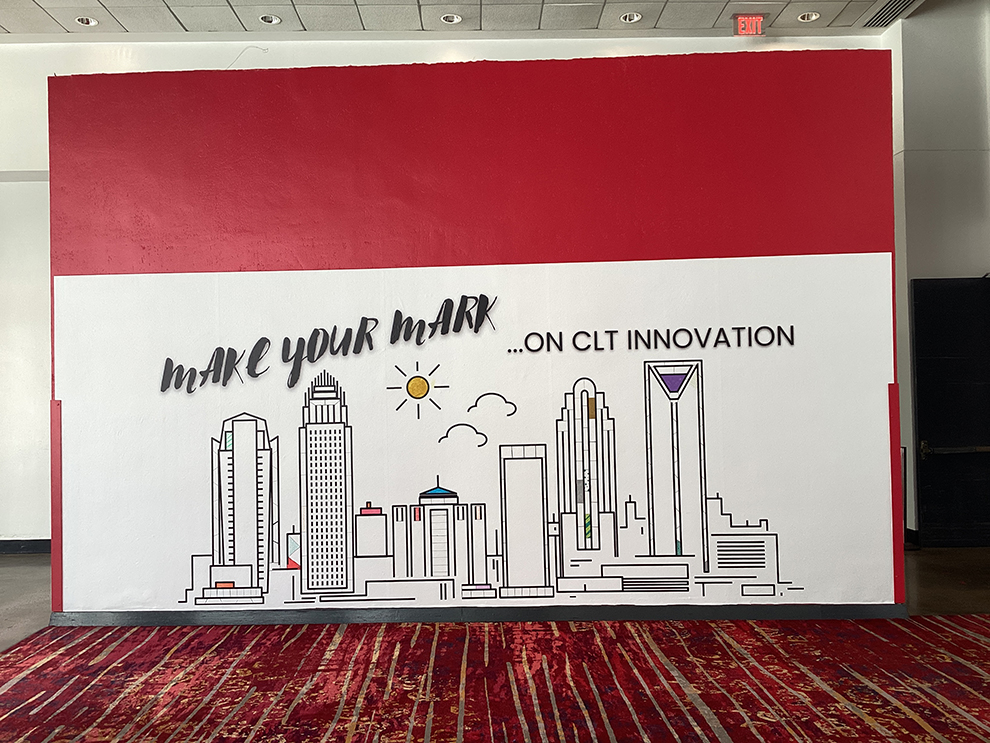
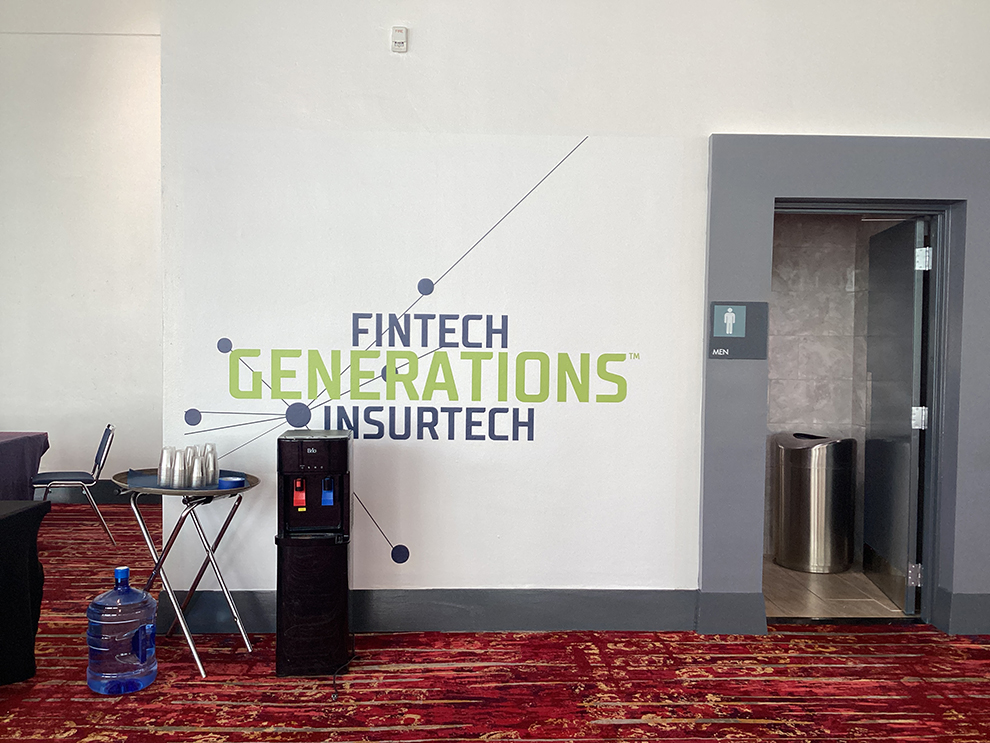
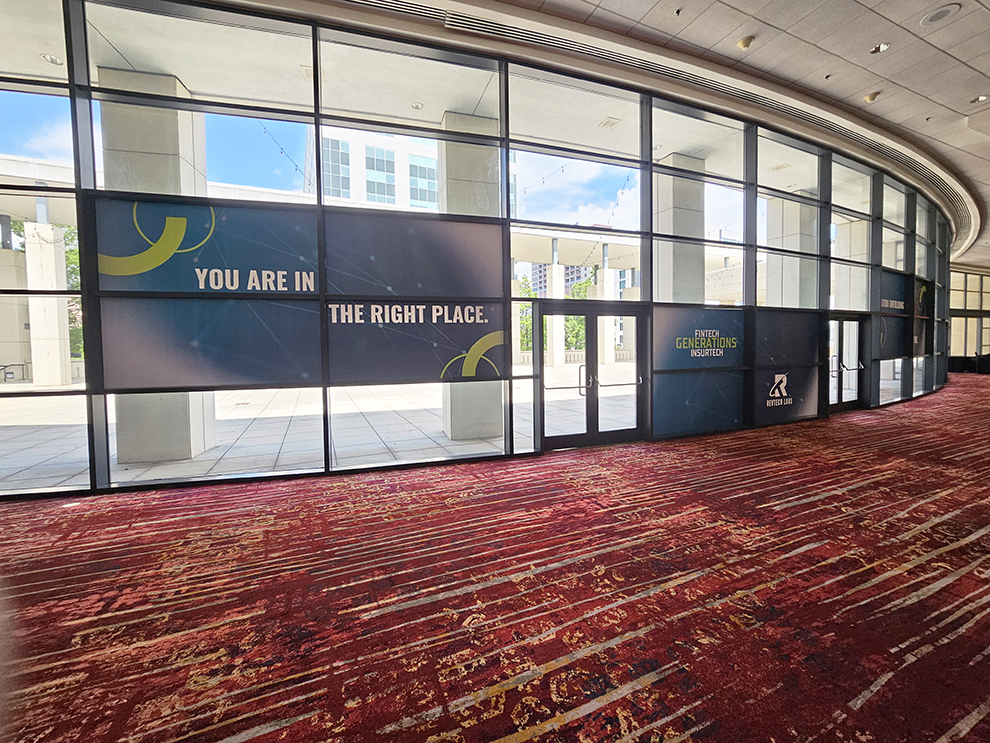
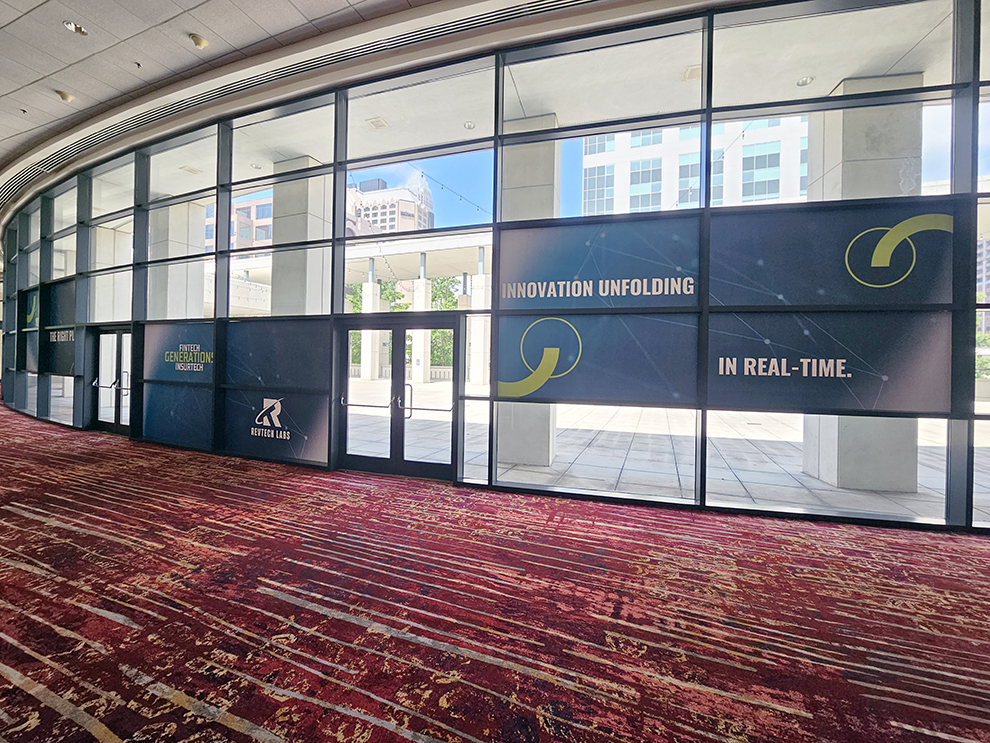
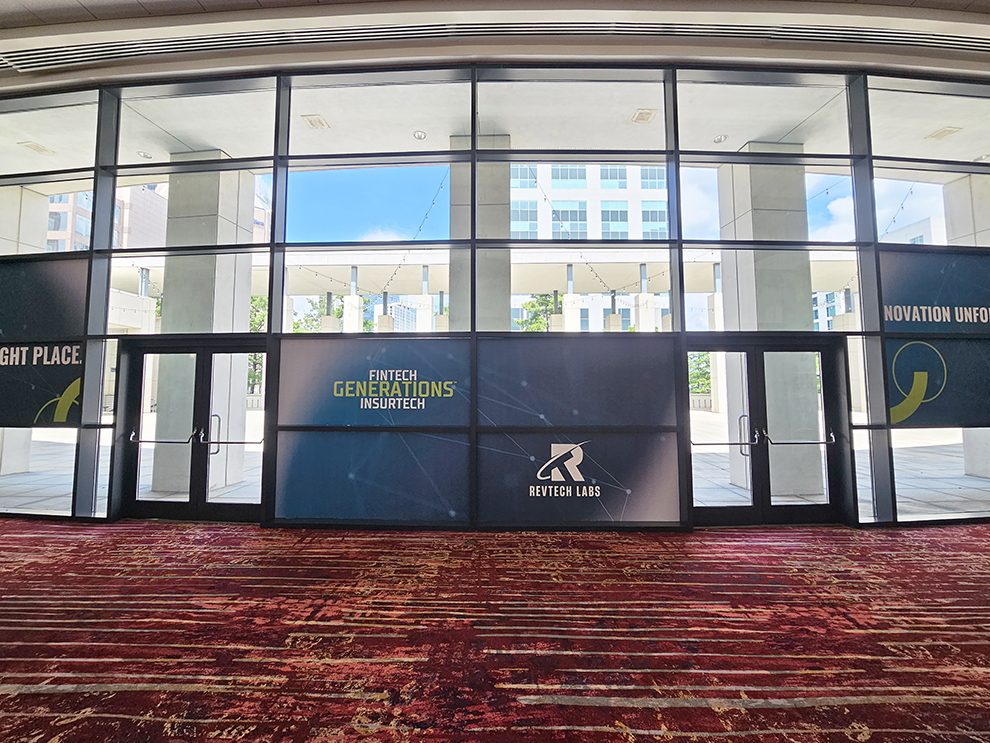
Heritage Signs & Displays collaborated with the Fintech + Insurtech Generations 2023 conference at the Charlotte Convention Center. Heritage worked closely with the client to create an interactive and branded event environment for attendees to network and discuss key topics impacting the financial and insurance sectors. The project enhanced the premier annual conference's atmosphere and engagement.
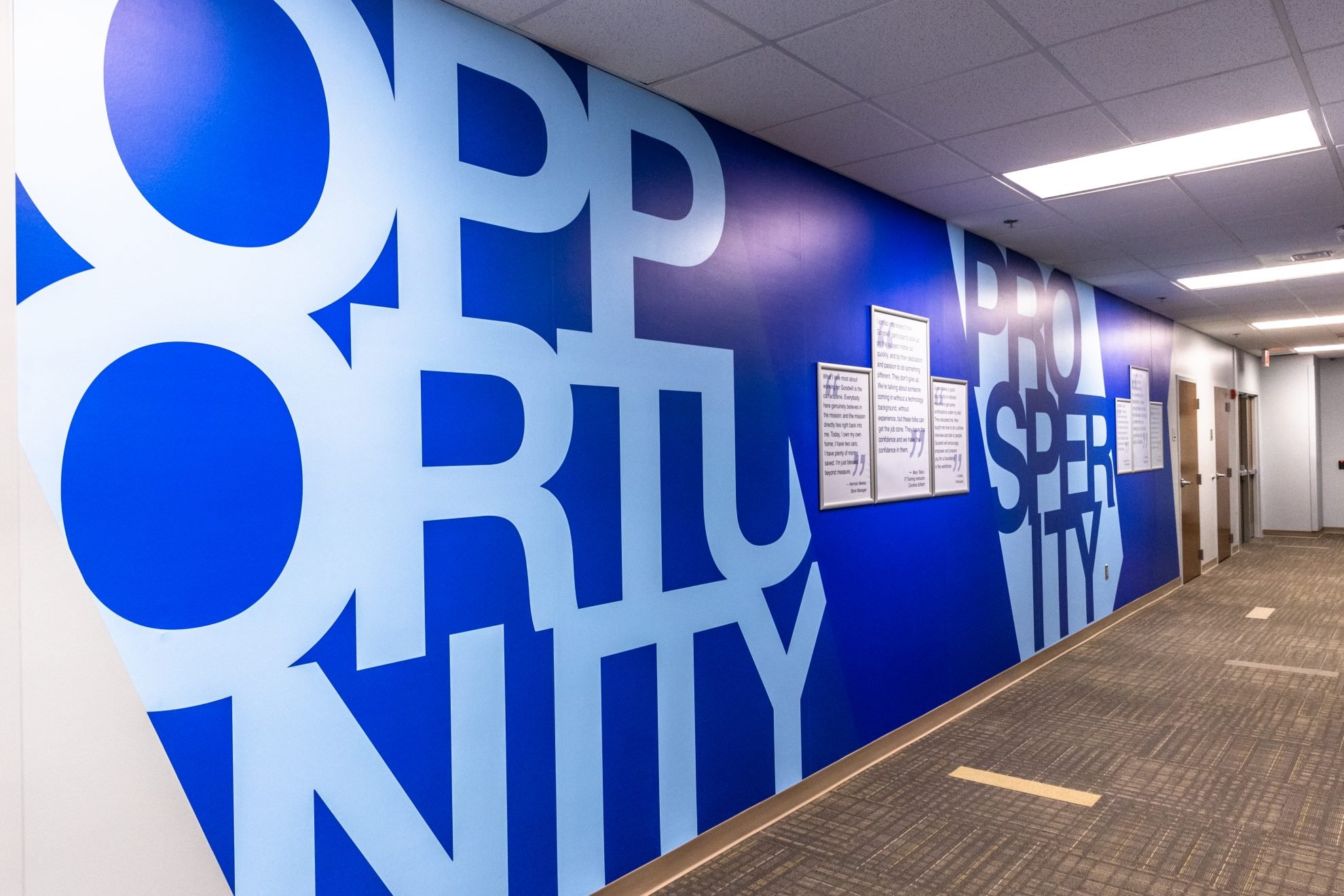
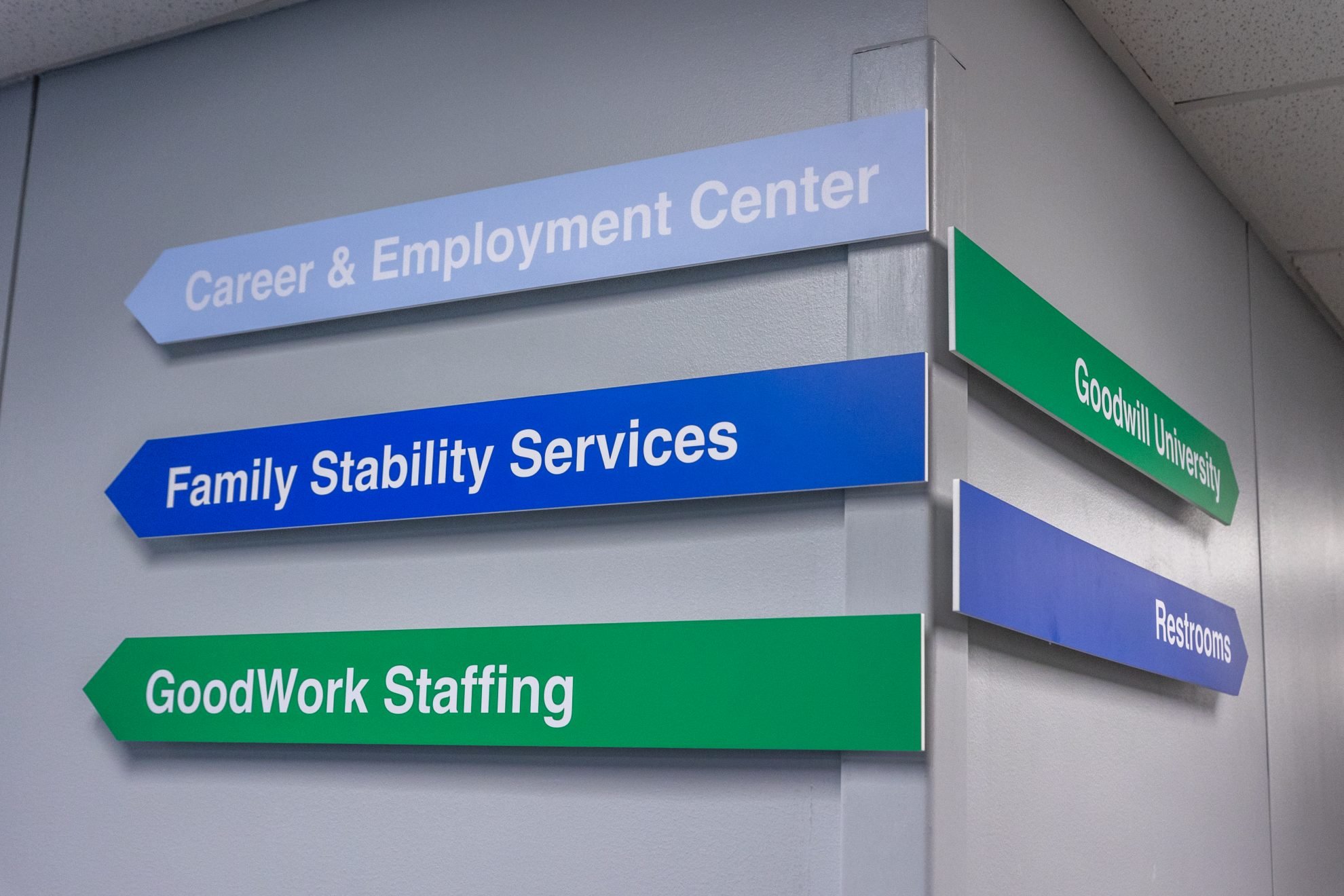
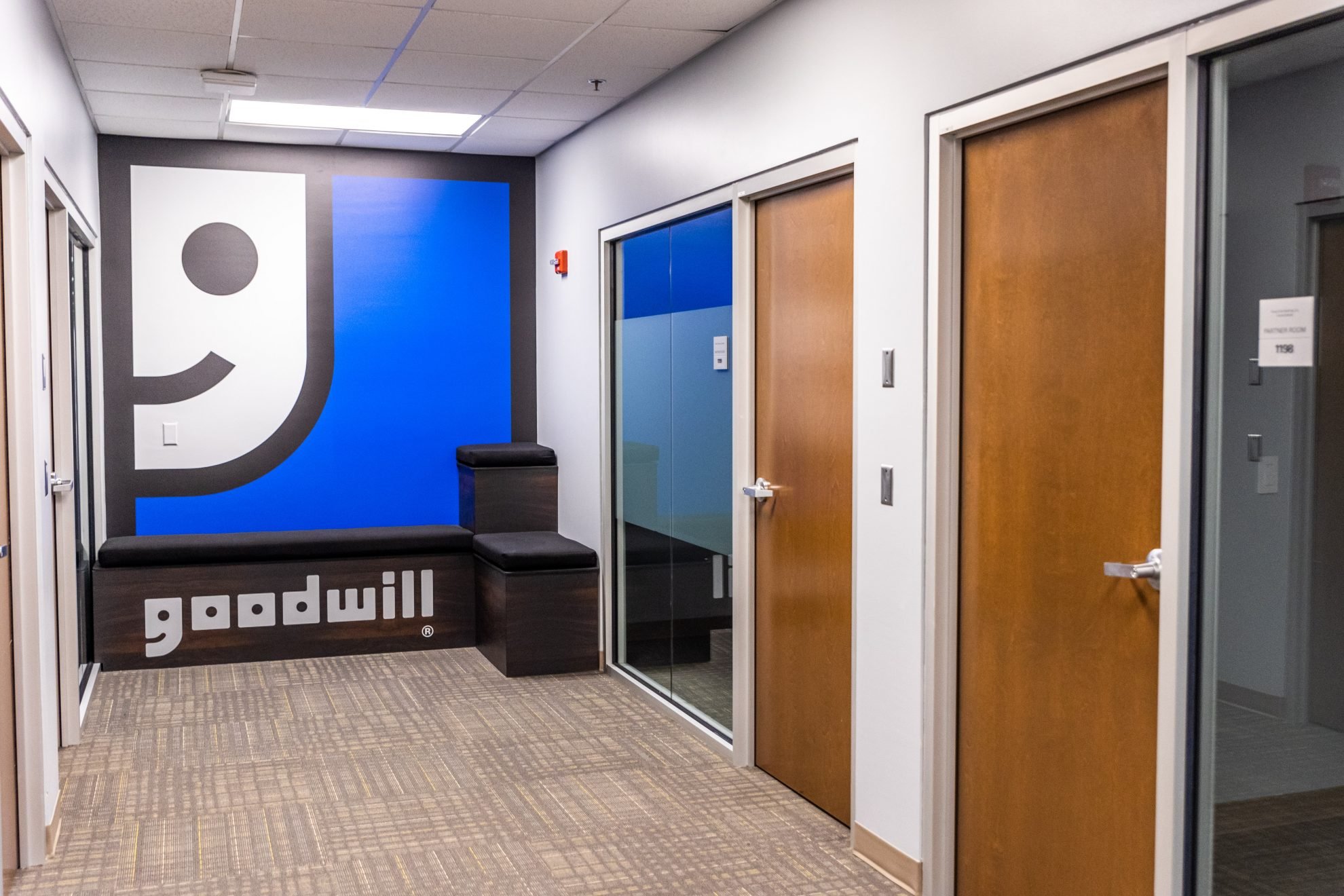
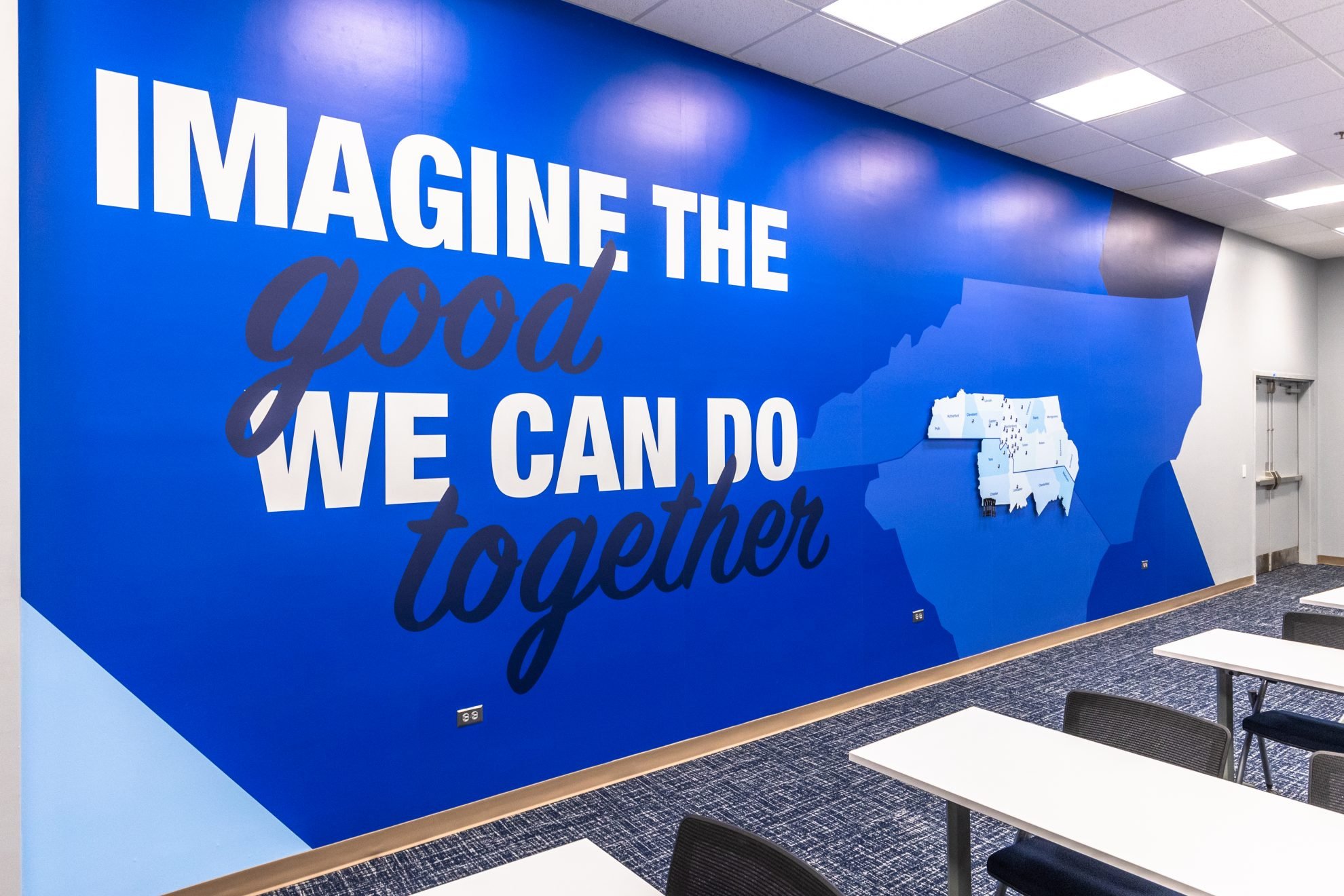
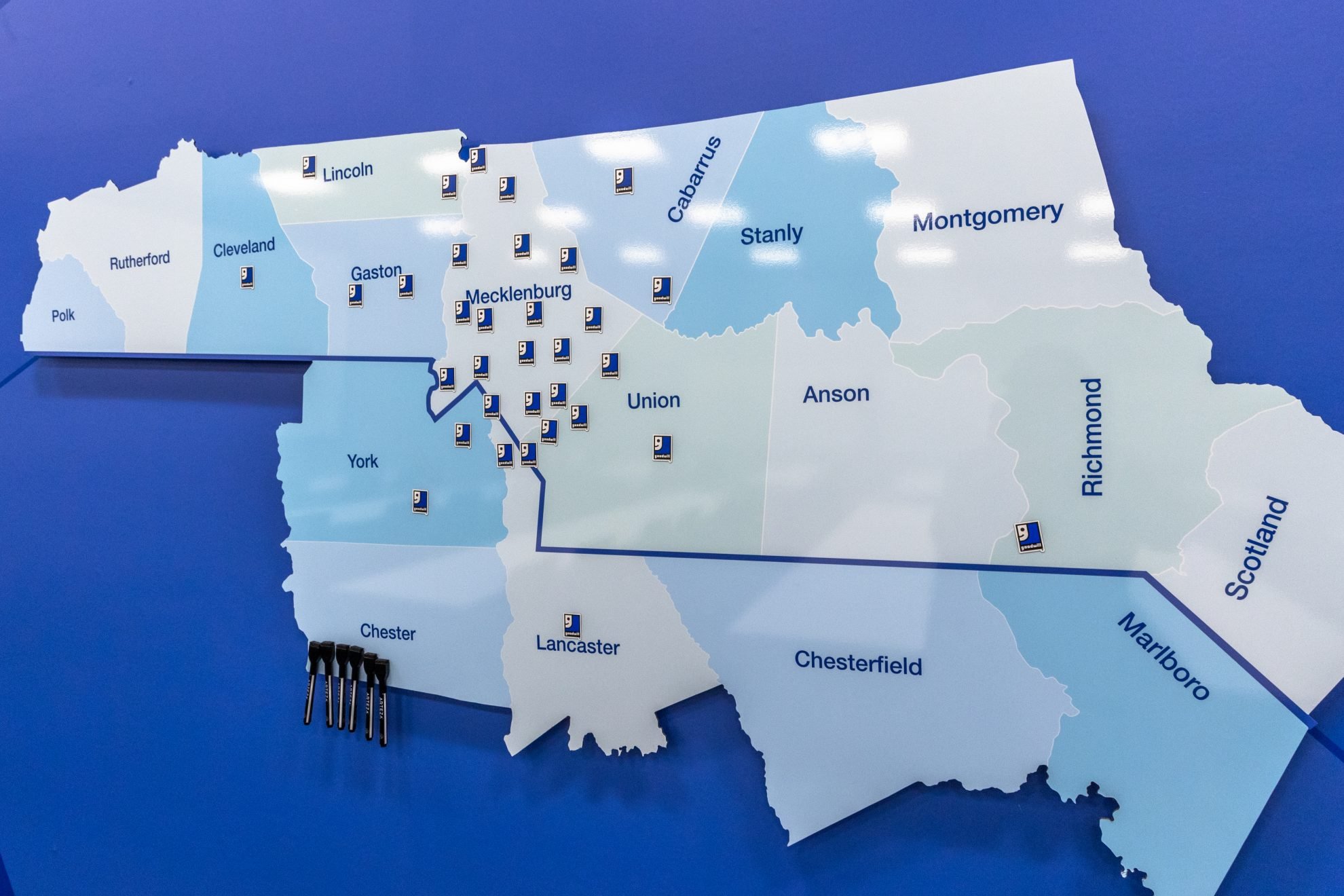
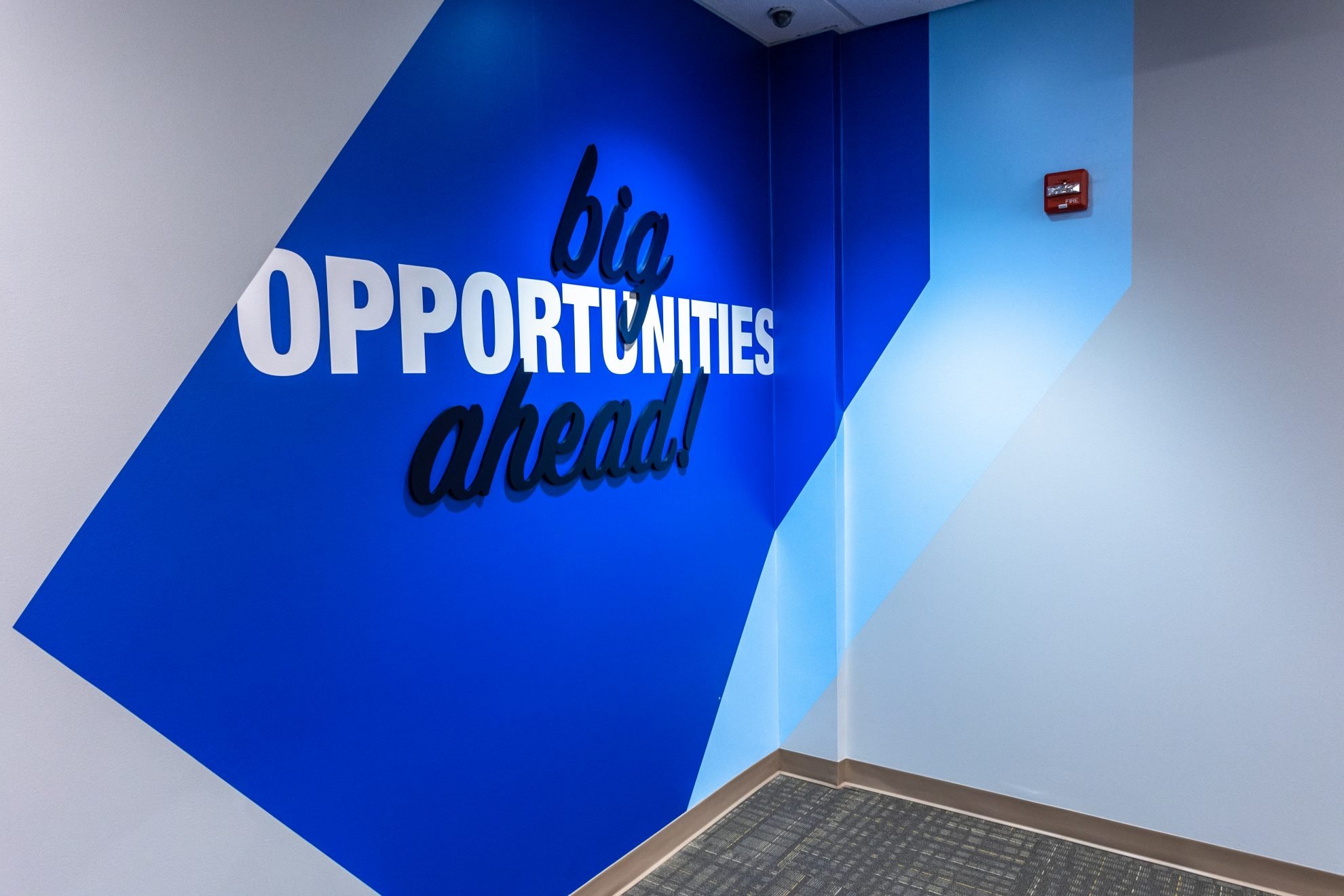
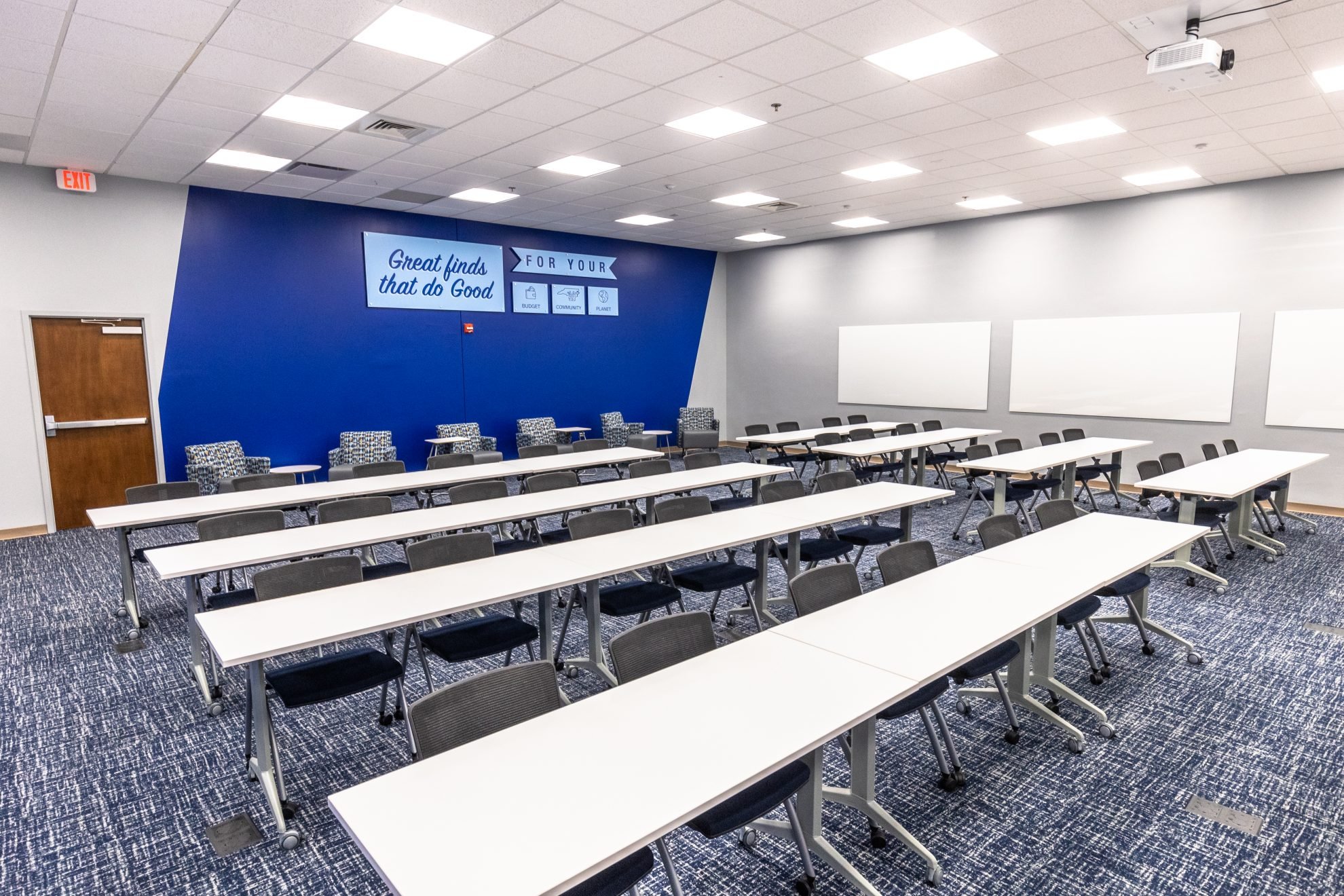
Heritage Signs & Displays collaborated with Goodwill Industries of the Southern Piedmont to transform the Opportunity Campus in Gastonia, NC. The project included lenticular wall displays, wall wraps, frosted vinyl, wayfinding signs, and custom wall displays. These elements enhanced the Career & Employment Center, creating an engaging and branded environment that reflects Goodwill's values and mission to support workforce development.