
We meet with clients by scheduled appointment during our regular business hours of 7:30 AM to 5:00 PM, Monday through Friday. Appointments may take place by phone, by video, or through a site survey at the workplace, headquarters environment, campus, healthcare facility, venue, manufacturing facility, logistics office, nonprofit space, or event location being branded. This helps our team better understand the space, project goals, timeline, site conditions, access needs, and installation requirements before recommending the best next step.
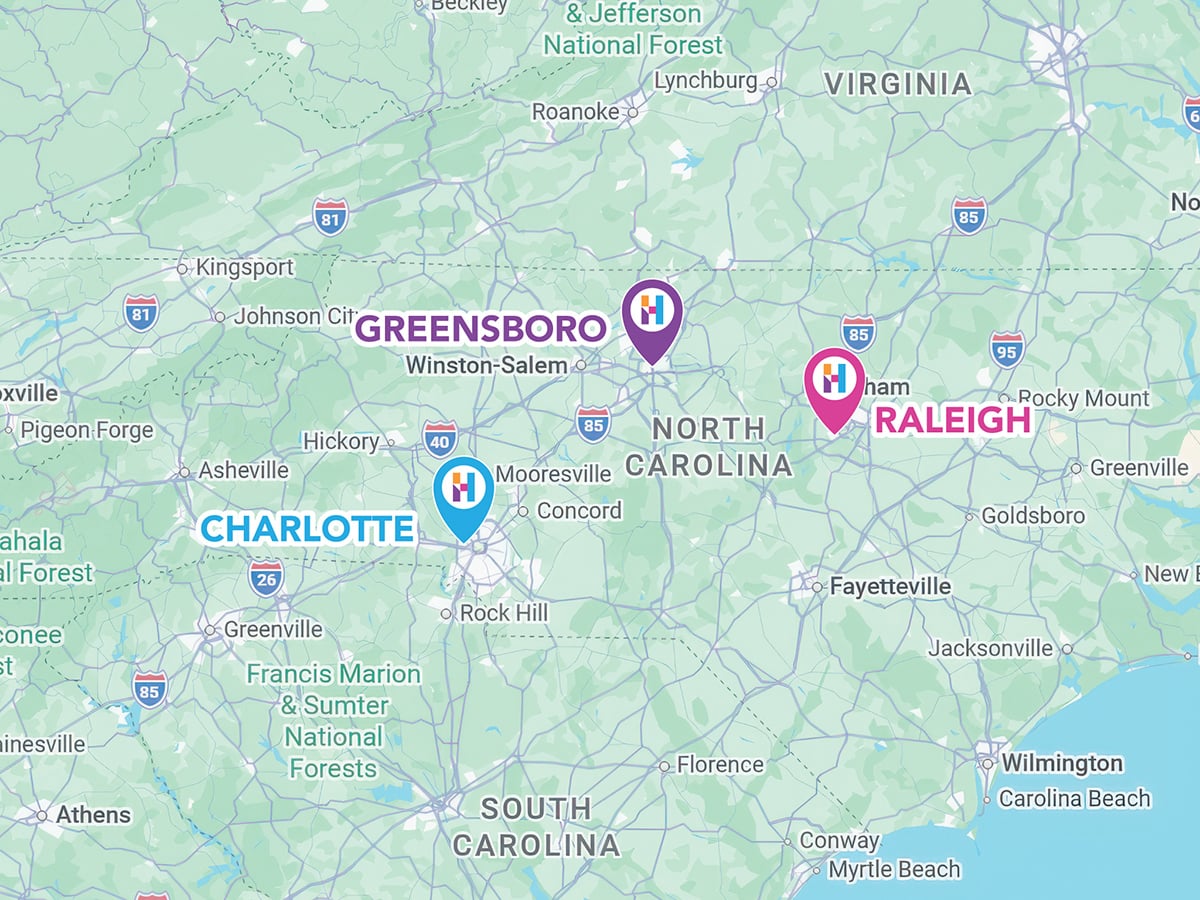
Your project does not need to arrive with every detail solved. A new headquarters, workplace refresh, recognition display, branded interior, event environment, or multi-location program often begins with a business goal and a space that needs to communicate more effectively. Use the Get Started Now form to show us what you are trying to change, what matters to the people using the environment, where the work will take place, and when the result needs to be ready.
Helpful information may include photographs, floor plans, brand standards, sketches, measurements, drawings, event layouts, or examples of what you like. If you only have a concept and a deadline, that is still a useful place to start. Heritage can help turn the early information into a clear project path that connects environmental graphic design, one dedicated Project Manager, production, fabrication, and professional installation. The goal is not to make you specify the solution before we understand the problem. It is to give our Charlotte team enough context to recommend the right next move.
Tell us about your project: Give the Charlotte team the business goal behind the project, the type of environment involved, who will experience it, what you think the scope may include, and any important opening, event, construction, access, or approval dates.
Anticipated Project Investment: Select the range that most closely represents the complete scope you are considering. This gives Heritage useful planning context before recommendations are developed. For new website-generated workplace interior and event environment opportunities in the Charlotte region, please plan for an anticipated overall project investment of at least $4,000.
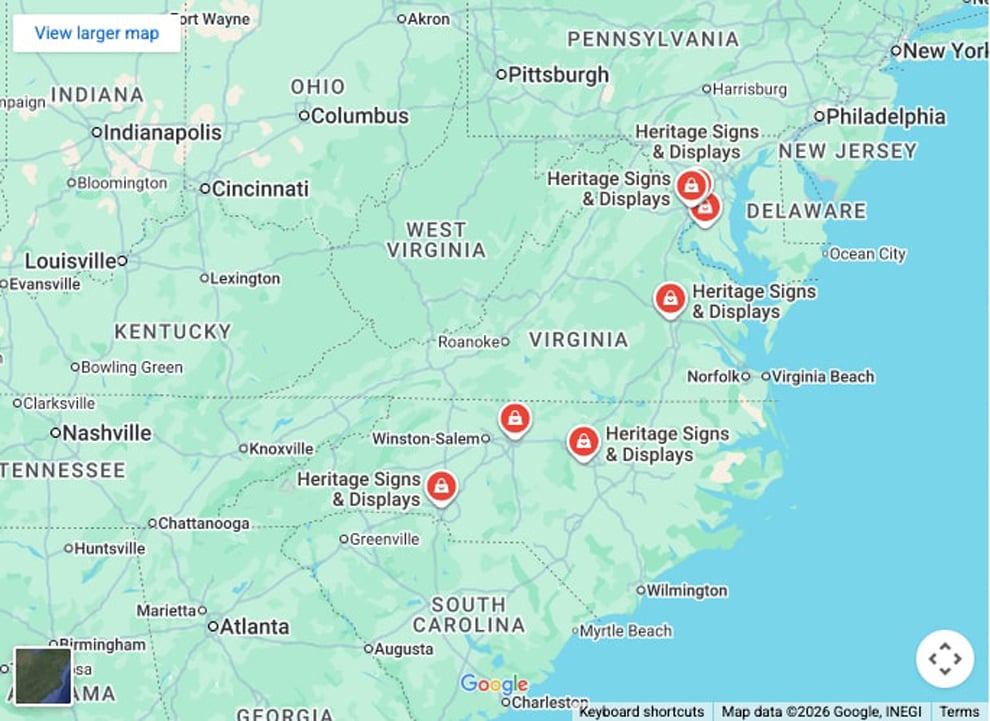
Your Get Started Now submission receives an email confirmation and a personal review by an experienced Heritage Project Manager in Charlotte. We read the details you shared about your workplace or event, including its purpose, location, schedule, anticipated investment, artwork, and site conditions. We contact you promptly during normal business hours so our first conversation can begin with your objectives instead of repeating the information in your form.
Together we clarify the result you want, the people responsible for approval, and any opening, event, or construction date that shapes the plan. Charlotte's headquarters and specialty production resources help our project and field teams evaluate practical options with production and fabrication realities in view. We explain what can be accomplished responsibly and agree on a clear next action.
Once Heritage accepts and assigns the managed project, you receive your dedicated Project Manager's direct contact information. That person maintains your project knowledge and coordinates environmental graphic design, production, fabrication, and professional installation. If a tight deadline makes the complete scope impractical, we raise the issue early and develop the strongest workable alternative rather than leave you guessing.
Charlotte clients benefit from direct access to Heritage’s headquarters and primary specialty production facility. That proximity can tighten communication among project management, environmental graphic design, production, fabrication, field planning, and professional installation because the teams responsible for turning an approved concept into physical work are closely connected.
The advantage is not simply that equipment is nearby. It is that project information can move through one accountable system. The dedicated Project Manager carries the client’s goals, approved design direction, site findings, material decisions, schedule, and installation requirements into the next stage instead of asking the client to re-explain the project to separate vendors. When a project is better served by another Heritage resource, production can be coordinated through the facility best suited to the requirements.
For Charlotte-region organizations, that combination of local support and production depth is especially valuable when a project includes several branded elements, tight sequencing, or a workplace or event date that cannot be treated casually. It also gives the client one clearer line of accountability from planning through execution.
Projects that ultimately include Heritage professional installation require a Heritage site survey. The survey connects what you want to accomplish with the physical conditions that will determine how the work can be produced and installed. It is not an optional measurement visit added at the end of the process.
Heritage may verify dimensions, surfaces, mounting locations, access, visibility, surrounding finishes, existing conditions, work areas, and other installation factors that matter to the approved scope. At the same time, the team confirms the intended audience, project priorities, and practical requirements that may affect scale, placement, materials, or sequencing. If the property changes after the survey, the Project Manager may schedule additional verification before custom production or installation proceeds.
Bringing that information into the project record reduces avoidable assumptions and helps Heritage protect design intent, production accuracy, installation readiness, and the finished result. It also gives the installation team a practical record of what was observed and what the client approved, reducing unnecessary handoffs before the work reaches the site.
Share your project through Get Started Now, whether you have a detailed package or an early idea. You'll receive a confirmation email, followed by a personal contact from an experienced Heritage Project Manager during normal business hours. Because the Charlotte team has reviewed your information first, the conversation can focus on the result you need and a practical path to accomplish it.
You do not need a finished specification. Start with the business goal, project location, target date, approximate scope, anticipated investment, and any files that explain the space or brand. Photographs, plans, brand standards, sketches, measurements, renderings, drawings, and reference images can make the first review more productive, but Heritage can identify what is still missing.
Yes. Heritage can develop environmental graphic design with client stakeholders or work from approved concepts created by another professional team. Early coordination helps connect visual intent with materials, scale, production methods, fabrication, site conditions, and professional installation before late-stage compromises are built into the project.
Charlotte is Heritage’s headquarters and primary specialty production facility. For Charlotte-region projects, project management, environmental graphic design, production, fabrication, field planning, and installation resources can work in close coordination. The value is faster access to production knowledge and a clearer line of accountability as an approved concept becomes physical work.
Heritage-installed work requires a Heritage site survey because the team needs verified information from the actual property. Discovery is combined with field review of dimensions, surfaces, placement, access, existing conditions, and installation requirements. That record helps protect design intent, production accuracy, scheduling, and field execution.
New website-generated workplace interior and event environment opportunities in the Charlotte region should plan for an anticipated overall project investment of at least $4,000. Many Heritage projects involving production and professional installation range from $10,000 to more than $200,000. Scope, design, fabrication, materials, site conditions, schedule, locations, and phasing influence the final level.
Yes. One dedicated Project Manager can carry approved standards, site findings, production expectations, communication history, and scheduling across multiple locations. Heritage can then adapt dimensions, materials, access planning, and installation to each property while preserving the intended brand experience.
No. Heritage professionally installs signs, graphics, displays, and branded elements that Heritage produces, fabricates, procures, or manages within a Heritage engagement. Heritage does not provide installation-only service for customer-provided signs or graphics because accountability depends on controlling the information and production factors that affect fit and installation quality.
Heritage does not produce or install monument signs, pylon signs, channel letters, illuminated exterior signs, vehicle wraps, or fleet graphics. Certain non-illuminated storefront elements can be part of an appropriate Heritage-managed project. Required sign permits and property approvals remain with the client, property owner or property manager, or general contractor. The Get Started Now review can confirm whether the requested scope fits Heritage’s specialized workplace interior and event environment model.

