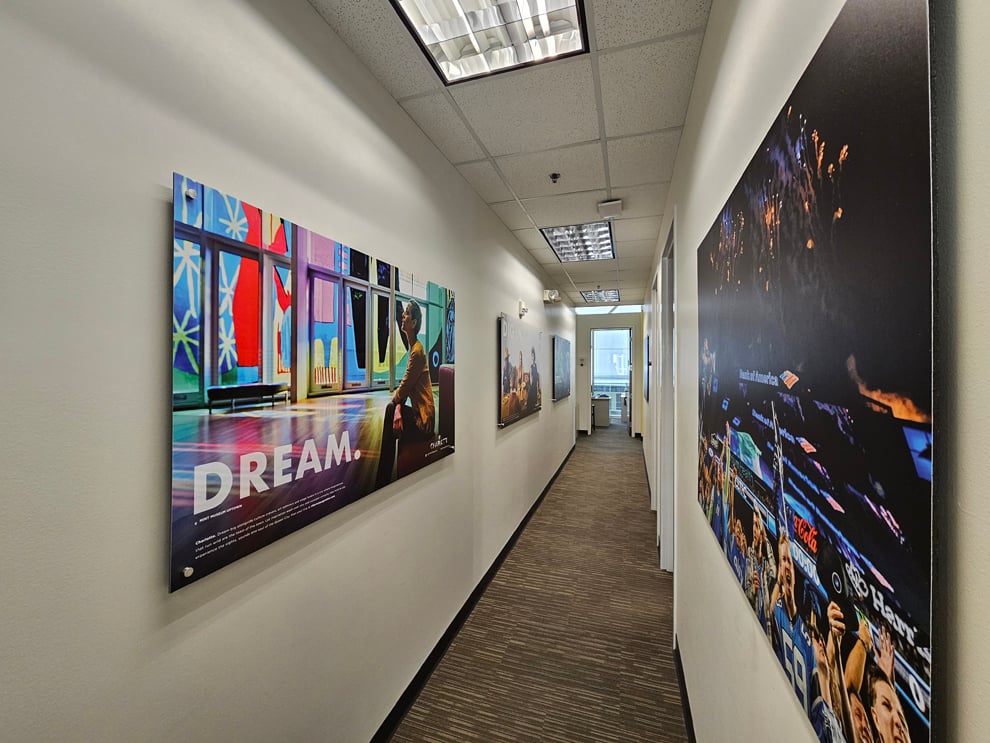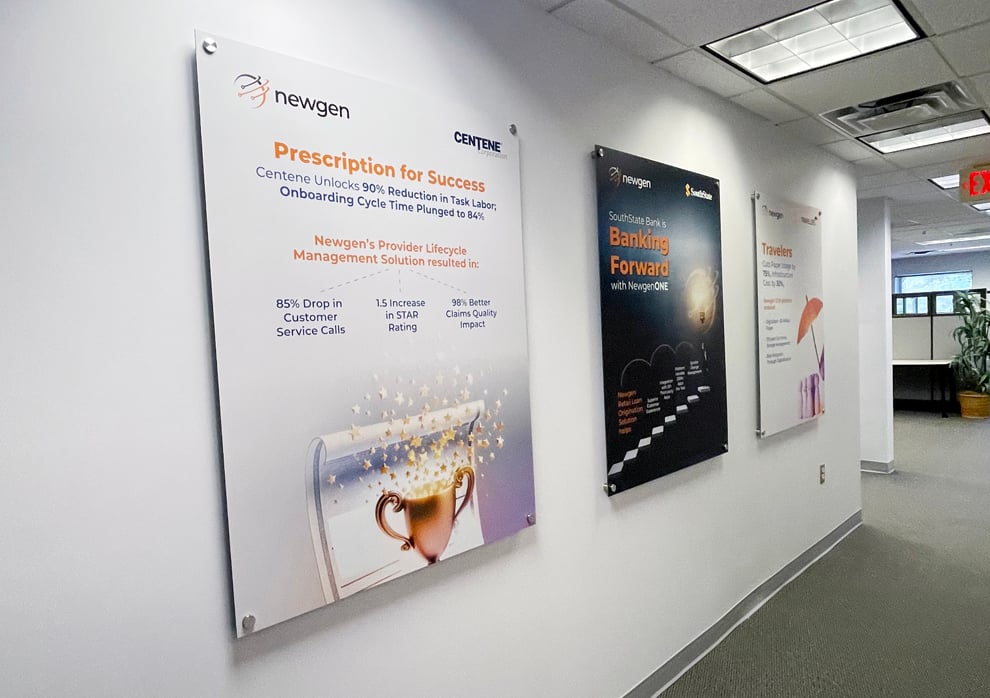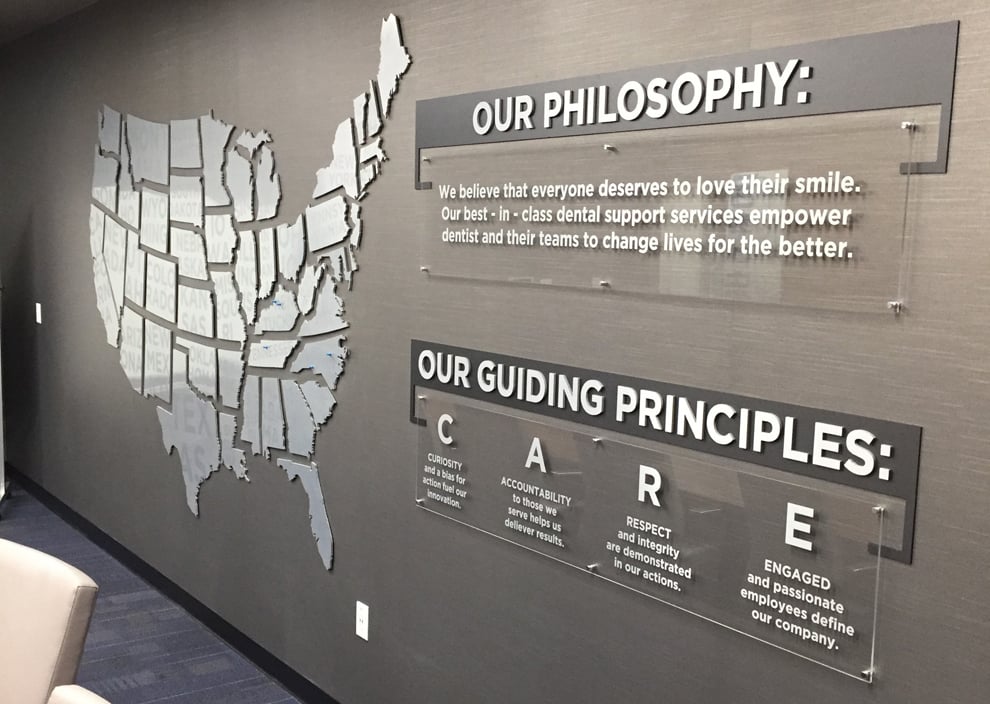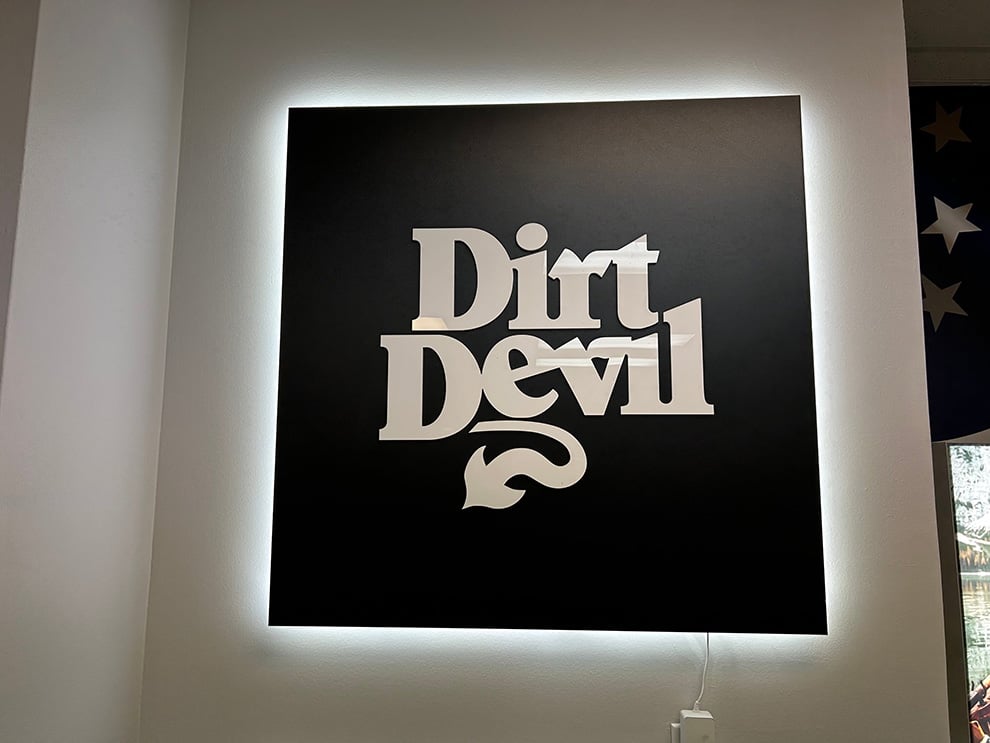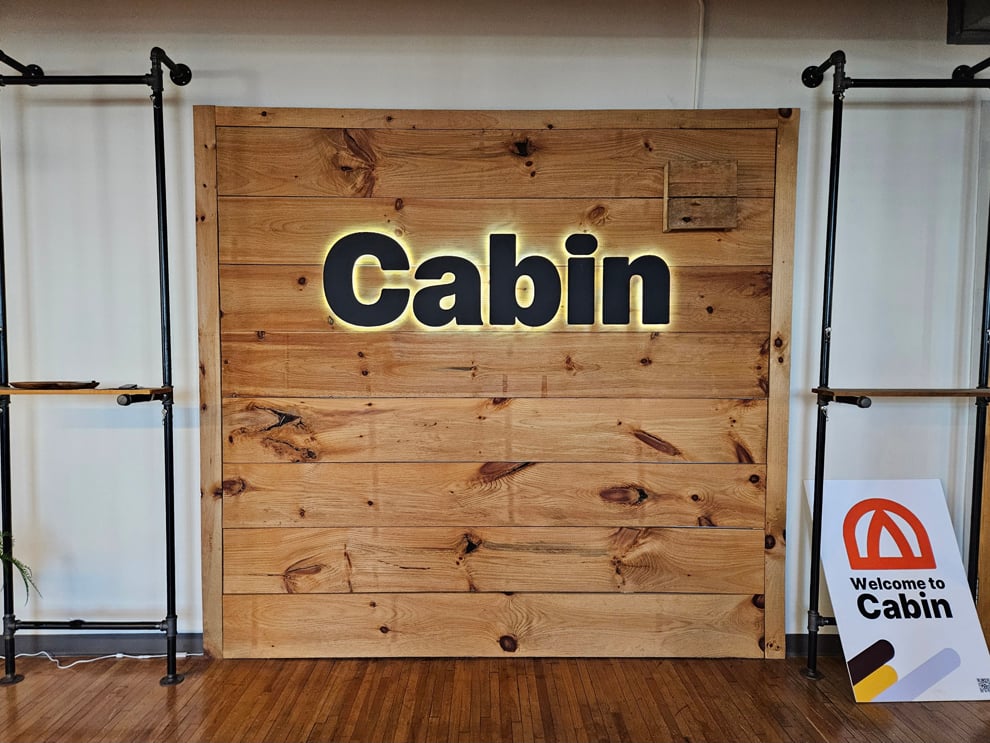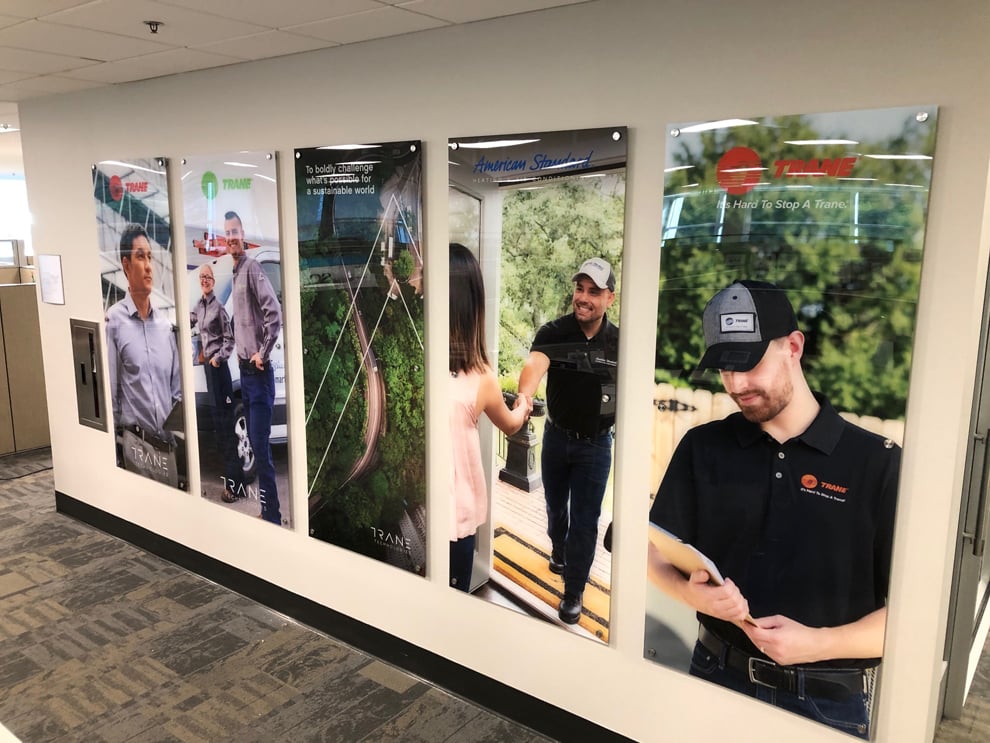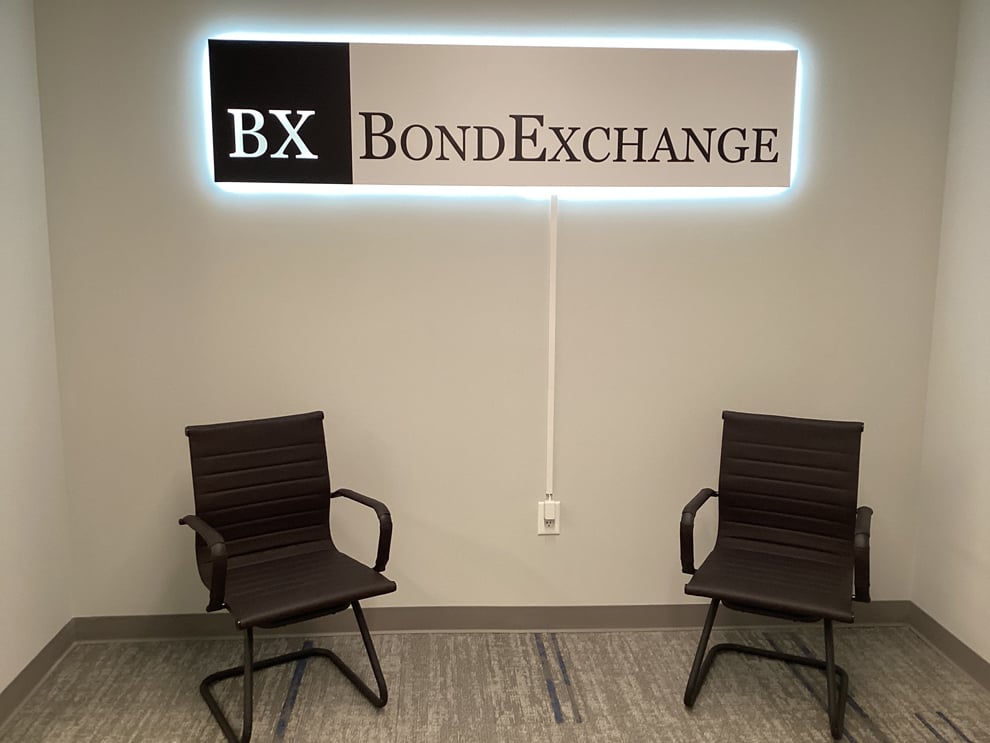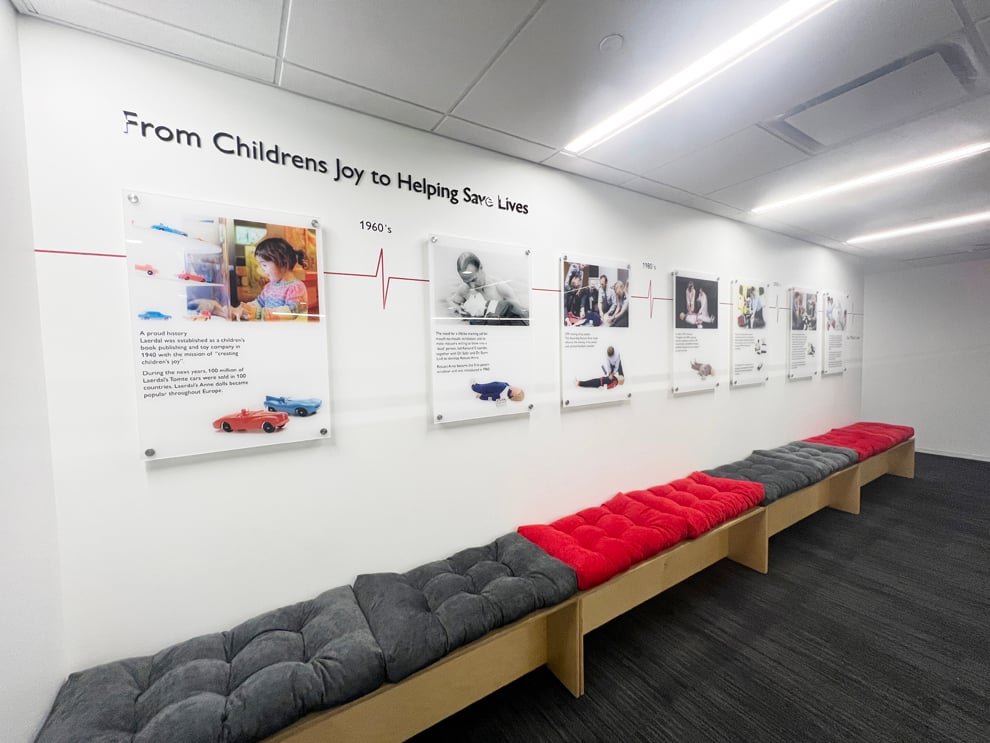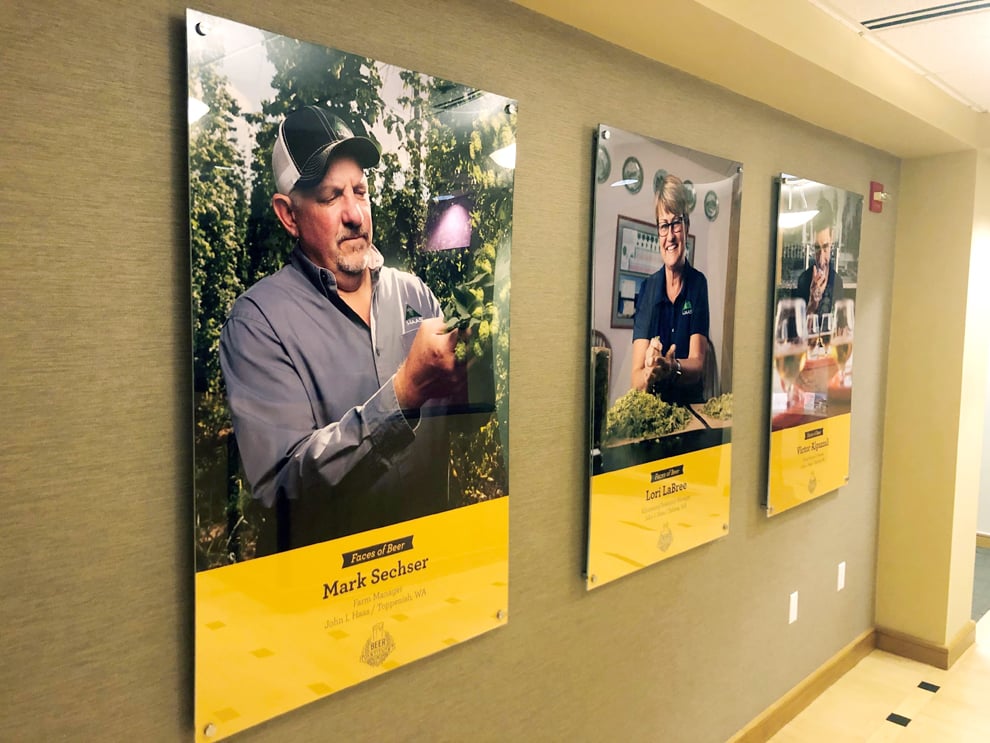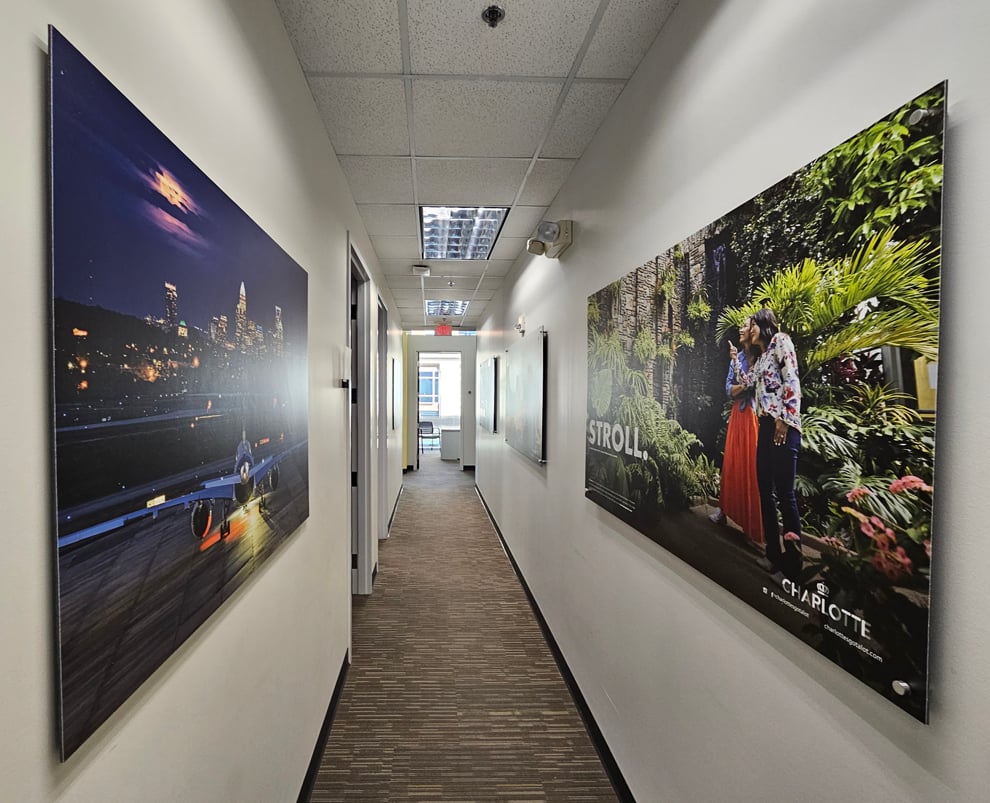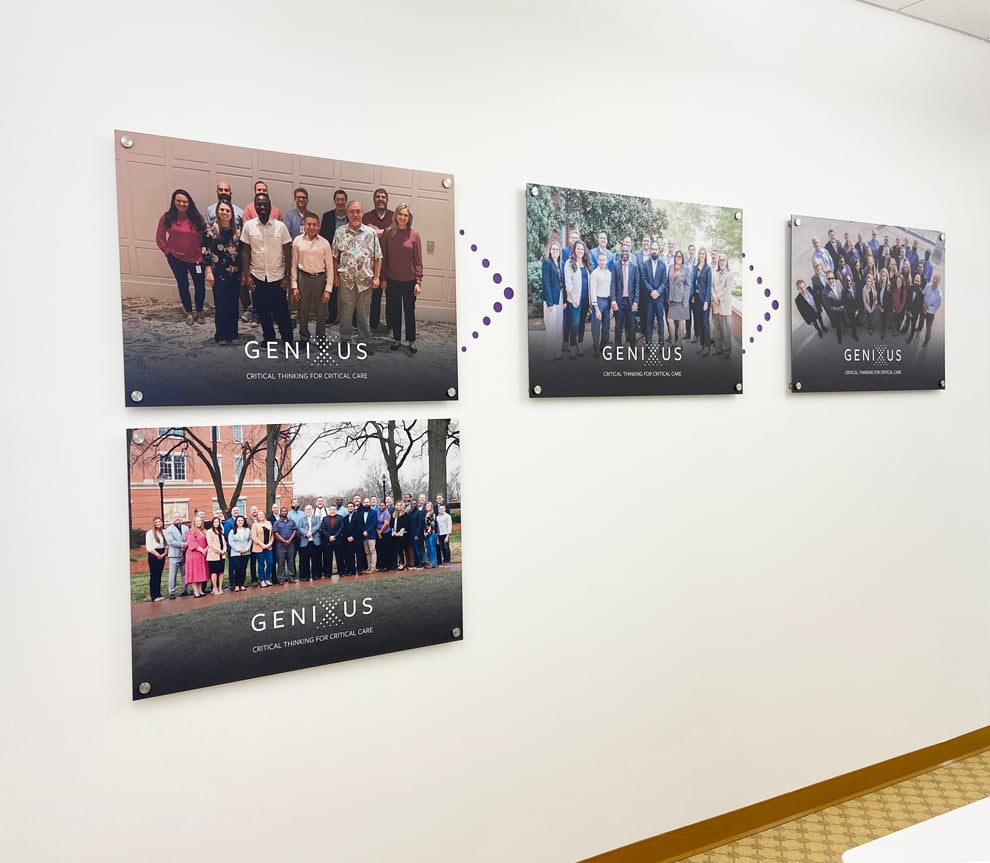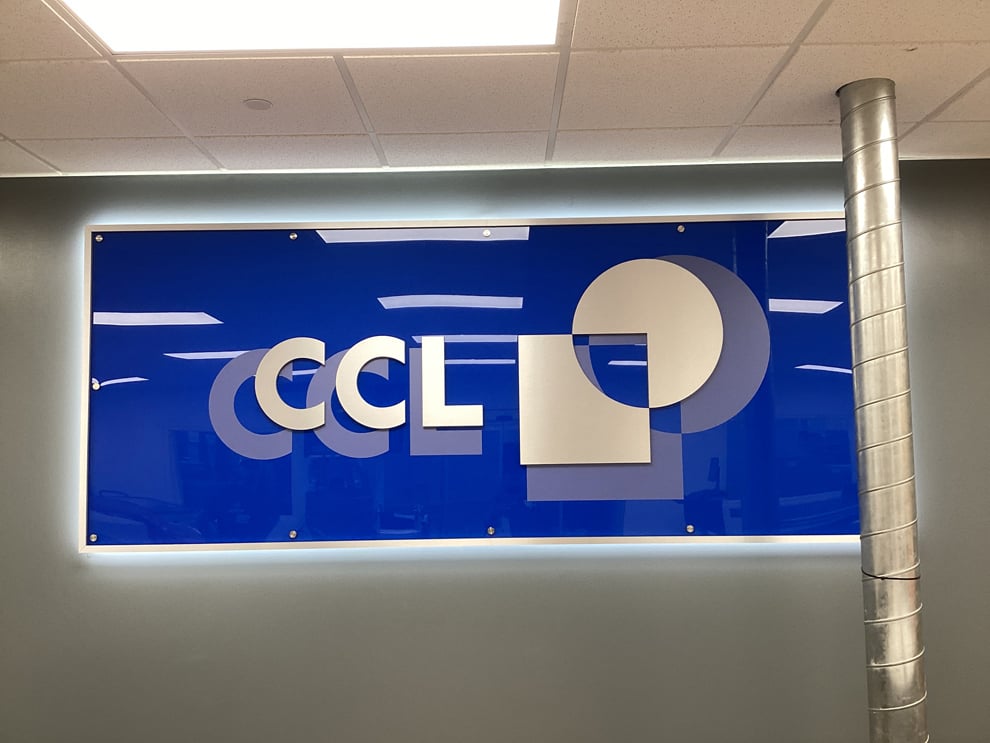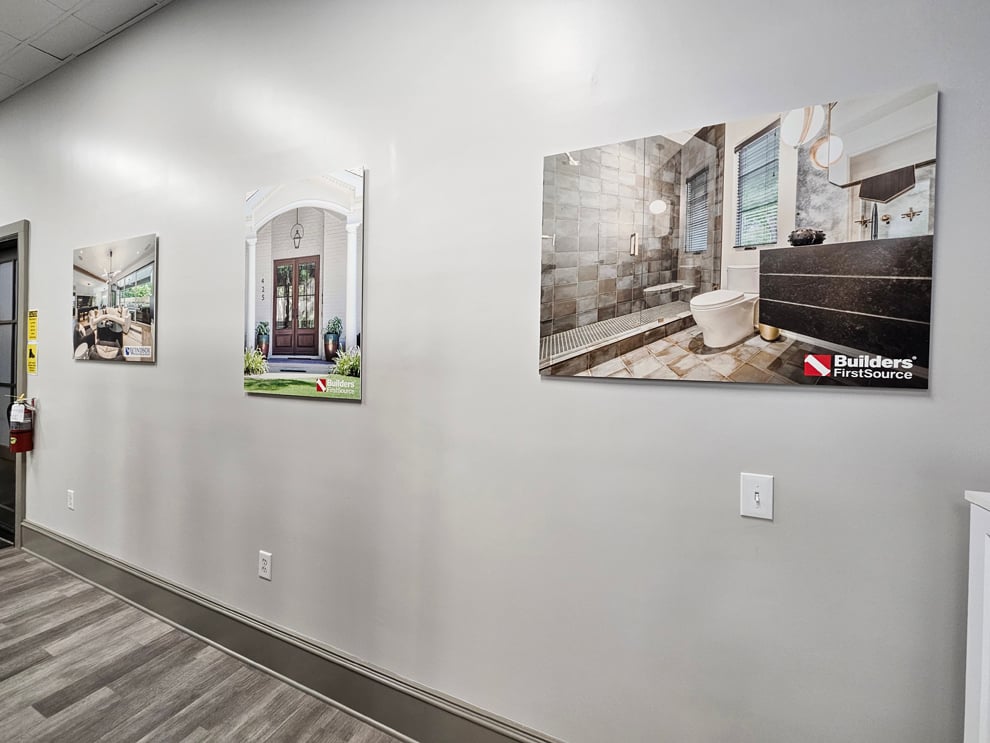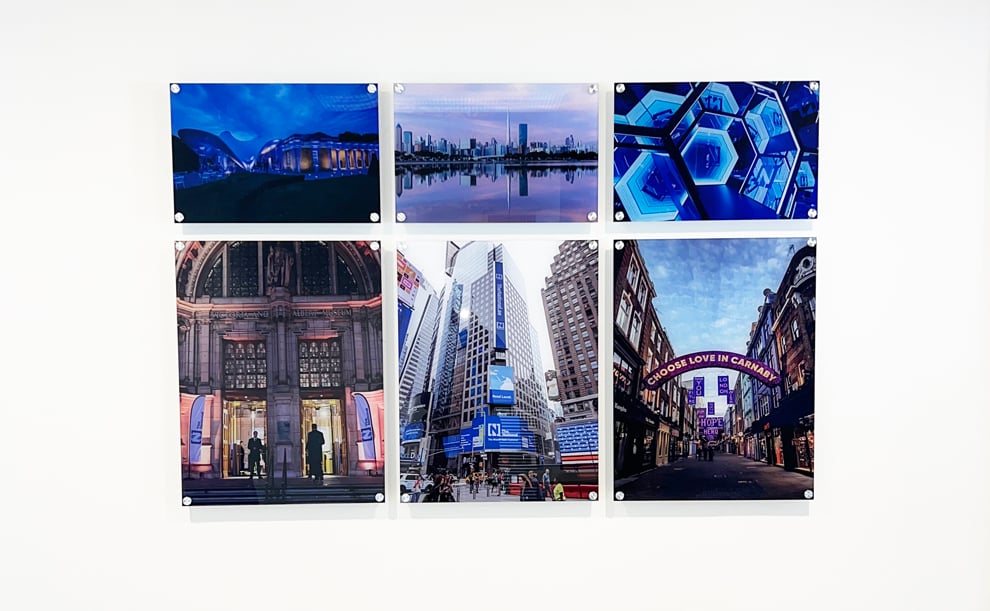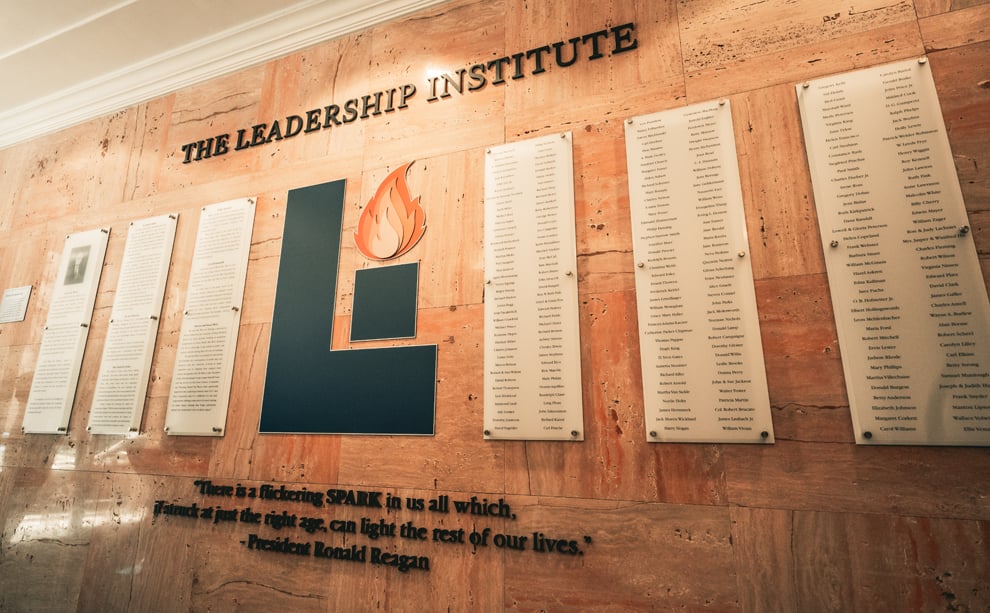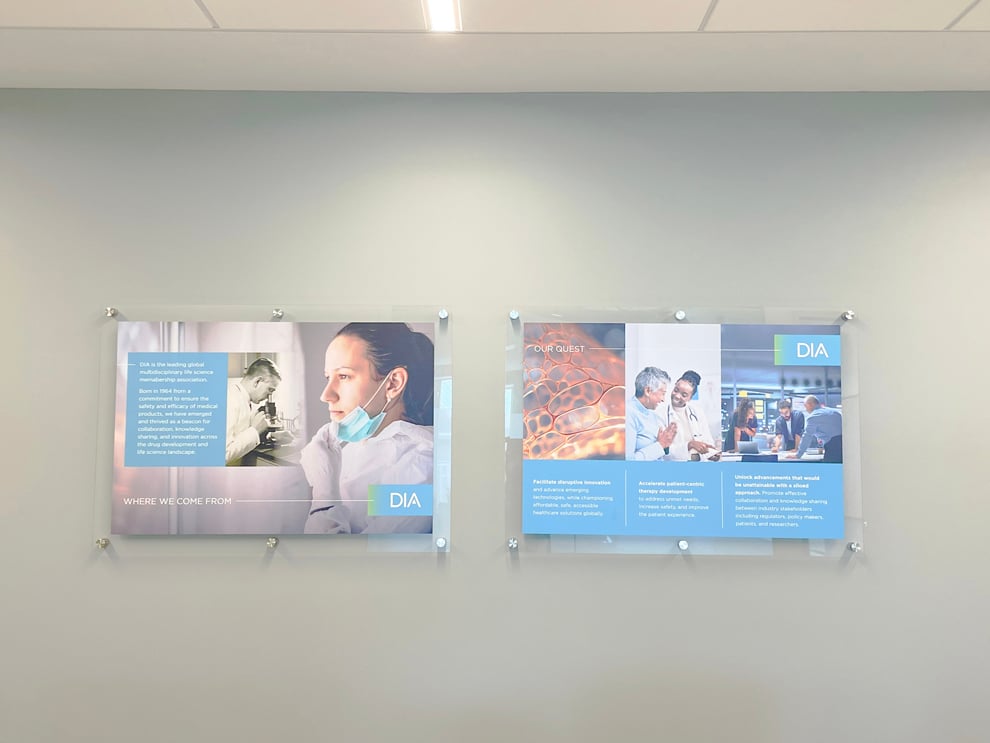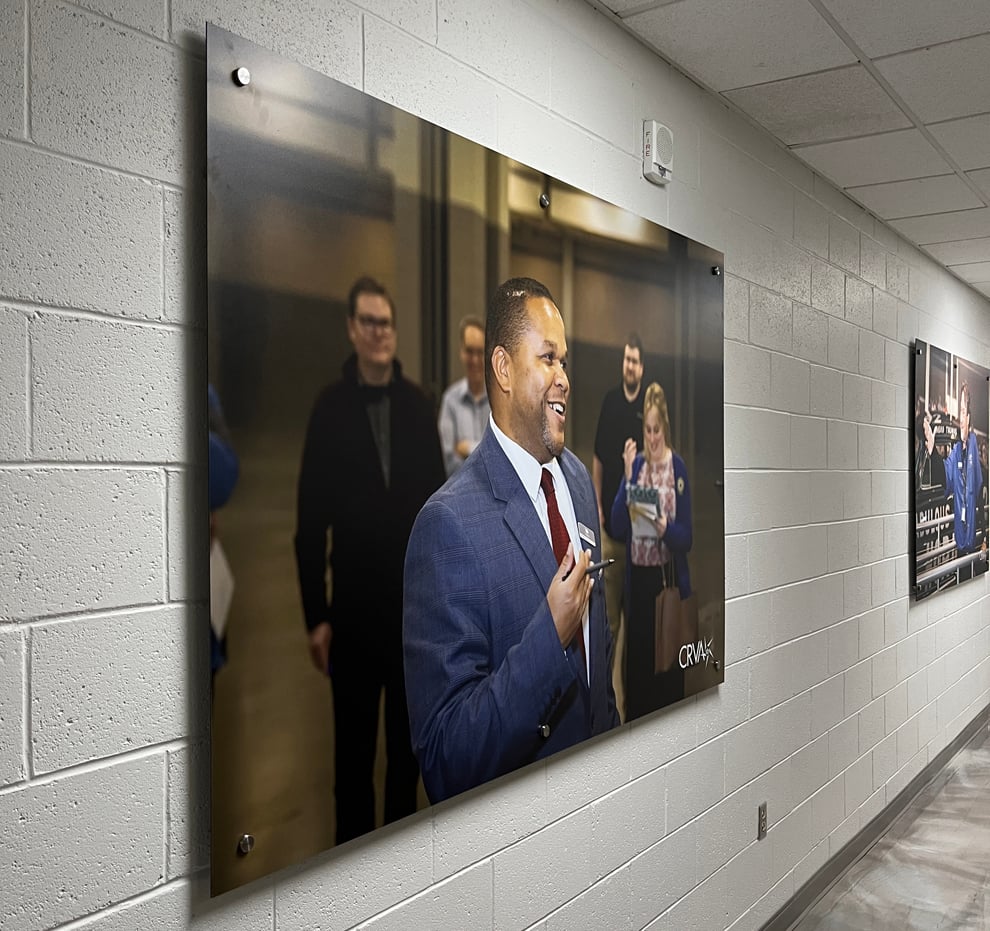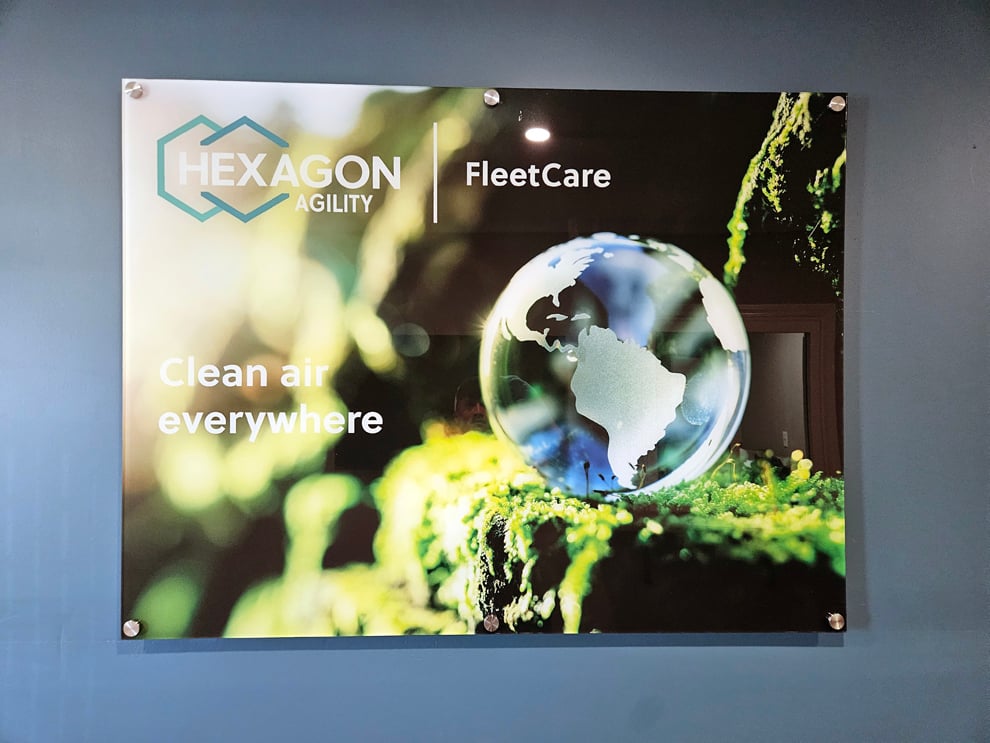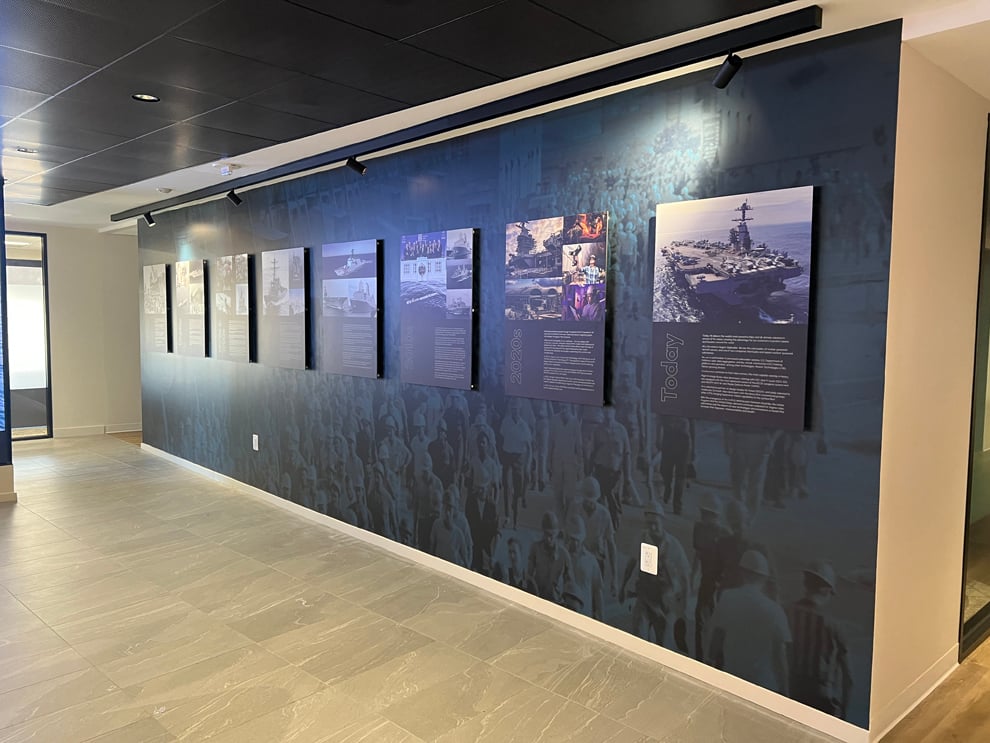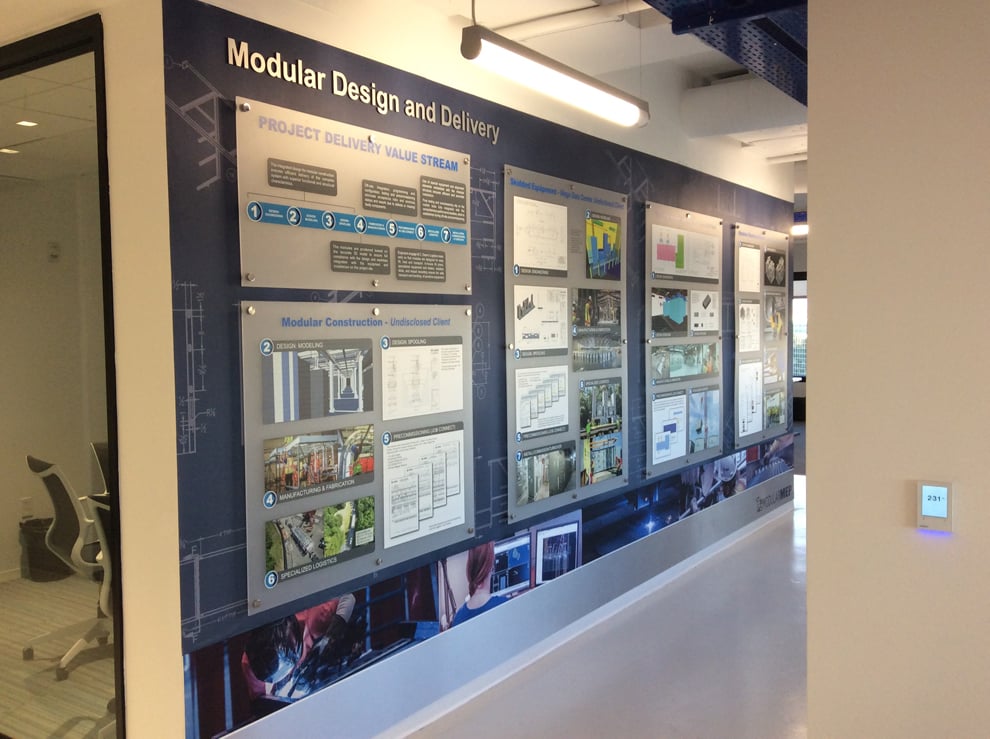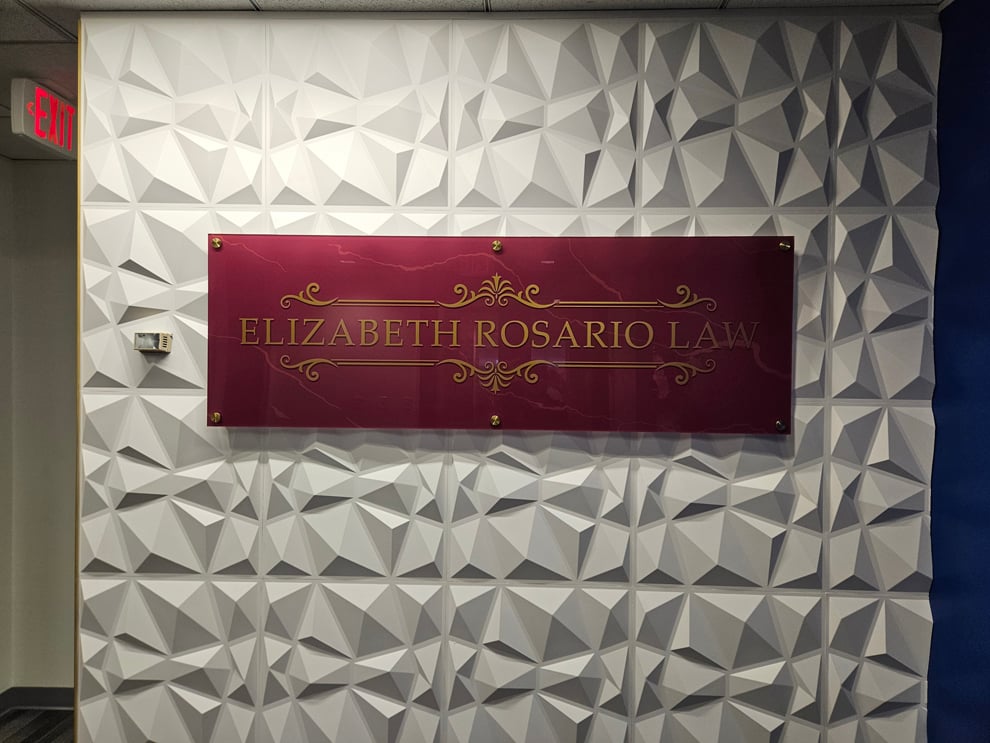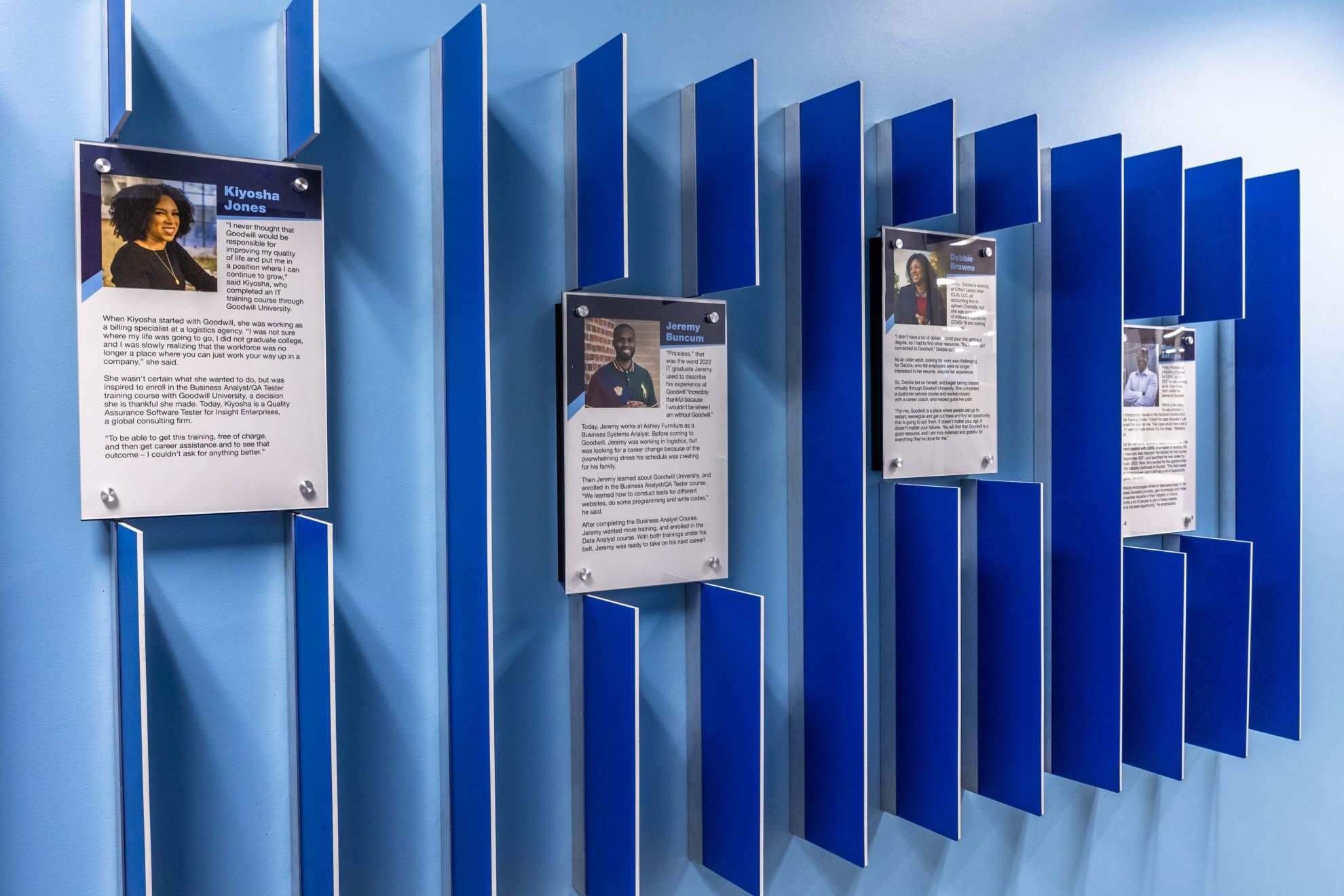
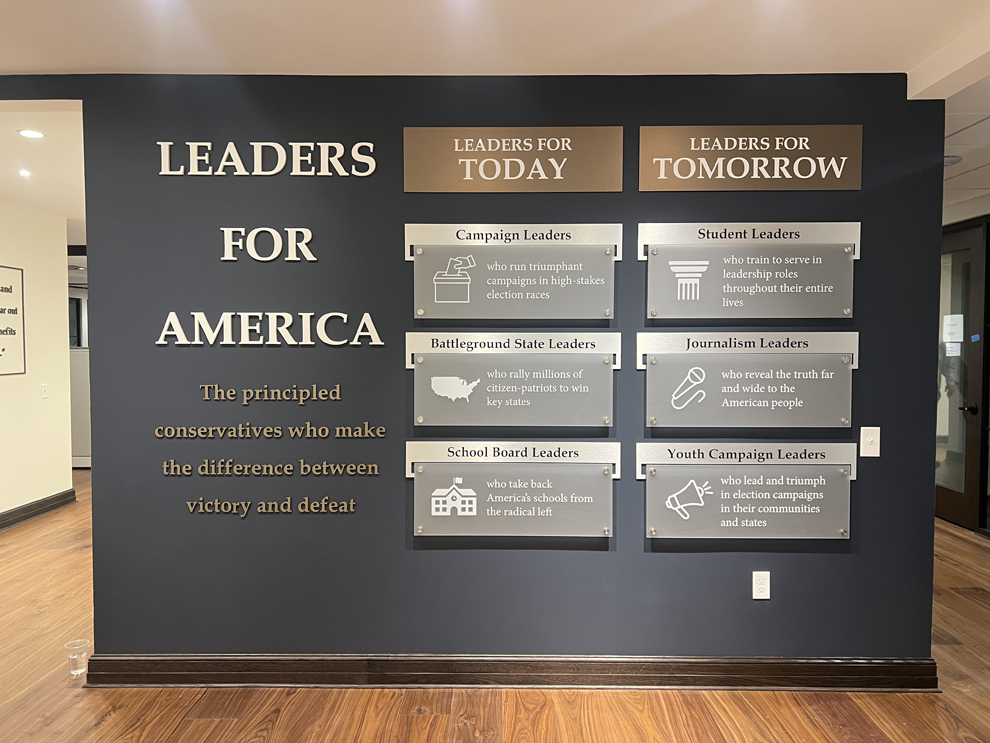
A standoff mounted sign positions a finished panel away from the wall using visible metal supports. That controlled separation adds dimension, creates a subtle shadow, and gives the display an architectural quality. Barrels determine how far the panel projects, while decorative caps secure the face. Together, these components help logos, values, donor names, and company stories feel permanent rather than applied as an afterthought.
Organizations in Salisbury, NC often select standoff construction when an interior message needs to make a lasting impression. Heritage Signs & Displays is a veteran-owned, family-operated company established in 1977. We serve corporate offices, healthcare facilities, schools, manufacturers, churches, nonprofits, professional firms, and other organizations throughout Salisbury and Rowan County. Each project is designed to communicate clearly with employees, customers, patients, students, members, and first-time visitors.
The need for new signage usually begins with an organizational change. A company may move into a new office near downtown Salisbury, renovate a facility along Jake Alexander Boulevard, update its identity after a merger, complete a fundraising campaign, or recognize that an outdated lobby no longer reflects its brand. Defining the reason for the project helps guide decisions about messaging, dimensions, materials, and placement.
Heritage coordinates consultation, environmental graphic design, production, fabrication, and professional installation through one managed process. A dedicated project manager oversees site details, design revisions, approvals, production specifications, scheduling, building access, and installation. Clients receive one consistent point of contact instead of managing multiple vendors with overlapping responsibilities.
Standoff mounting refers to the installation method, not the panel material. Acrylic is a common option, but standoffs can also support aluminum composite material (ACM), printed rigid panels, layered graphics, dimensional letters, and replaceable inserts. Hardware size, finish, position, and projection all contribute to the final appearance and should be selected with the same care as the artwork.
Because standoff signs are mechanically anchored, they are best suited to permanent or semi-permanent applications. Installation requires drilled mounting points and anchors appropriate for the wall construction and panel weight. Removing the display later will generally leave holes that must be patched and refinished. Organizations expecting frequent moves or short-term campaigns may benefit more from portable displays, wall graphics, or tension fabric systems.
As a veteran-owned business, Heritage seeks to honor God by serving our clients and communities with excellence. That commitment includes listening carefully, recommending solutions that fit the project, following approved specifications, protecting occupied Salisbury facilities during installation, and remaining responsible until the display is secure and the work area is clean.
A successful standoff sign relies on several components working together. Metal barrels establish the space between the wall and panel. Caps hold the panel in place, while fasteners and anchors transfer its weight into the supporting wall. The diameter, finish, quantity, and arrangement of the hardware must correspond with the panel’s dimensions, weight, and surrounding architecture.
These construction details create practical limitations. Heavy panels require stronger anchors. Hardware cannot be positioned too close to panel edges, corners, or seams. Electrical lines, plumbing, ductwork, masonry, and missing wall blocking can also affect placement. Since the hardware remains visible, even a small drilling or template error can disrupt the alignment of the entire display.
Heritage addresses these factors before fabrication begins. Our team plans the hole pattern, panel sections, projection distance, cleaning clearance, and potential update method as part of the design. This coordinated approach separates standoff signage from flush-mounted panels, adhesive graphics, direct-mounted dimensional letters, and portable displays. Each system serves a different purpose within a Salisbury interior.
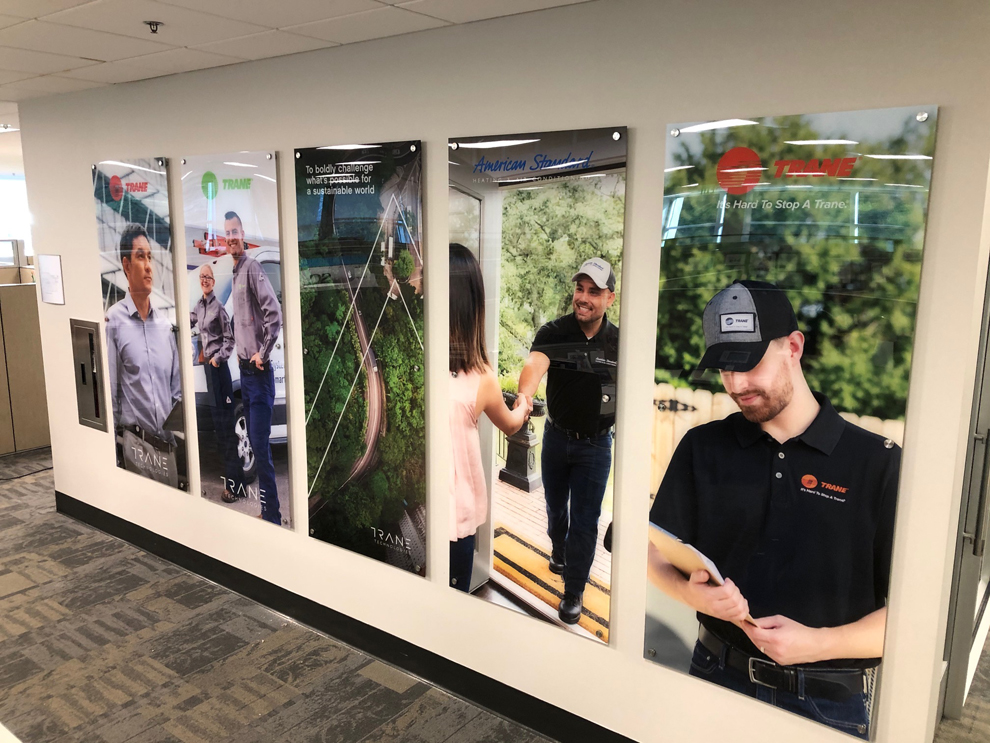
Most clients are not purchasing a standoff sign simply for the hardware or material. They are investing in a better visitor experience, stronger brand consistency, meaningful donor recognition, clearer company values, or an organized way to present important information. Businesses, medical providers, manufacturers, educational institutions, ministries, and nonprofits in Salisbury usually begin with one of these broader objectives.
Developing the right specification involves connected decisions. Longer messages require more space. Larger panels affect hardware and anchor selection. Viewing distance determines type size. Glossy finishes may create glare under existing lights. Recognition programs that will grow need modular sections or replaceable components. Heritage explains these relationships so clients understand both the immediate result and its long-term implications.
Clients also benefit from continuity. Consultation, site evaluation, design, production, fabrication, and installation remain connected within a Heritage-managed process. If wall conditions, access restrictions, or fabrication requirements change, the same team can adjust the plan using the full project history. Salisbury clients maintain one source of coordination and accountability from the initial conversation through installation.
Standoff panels are often one part of a larger interior graphics program. Salisbury project teams may compare the following options based on materials, dimensional effects, privacy needs, mounting methods, and the overall purpose of the space.
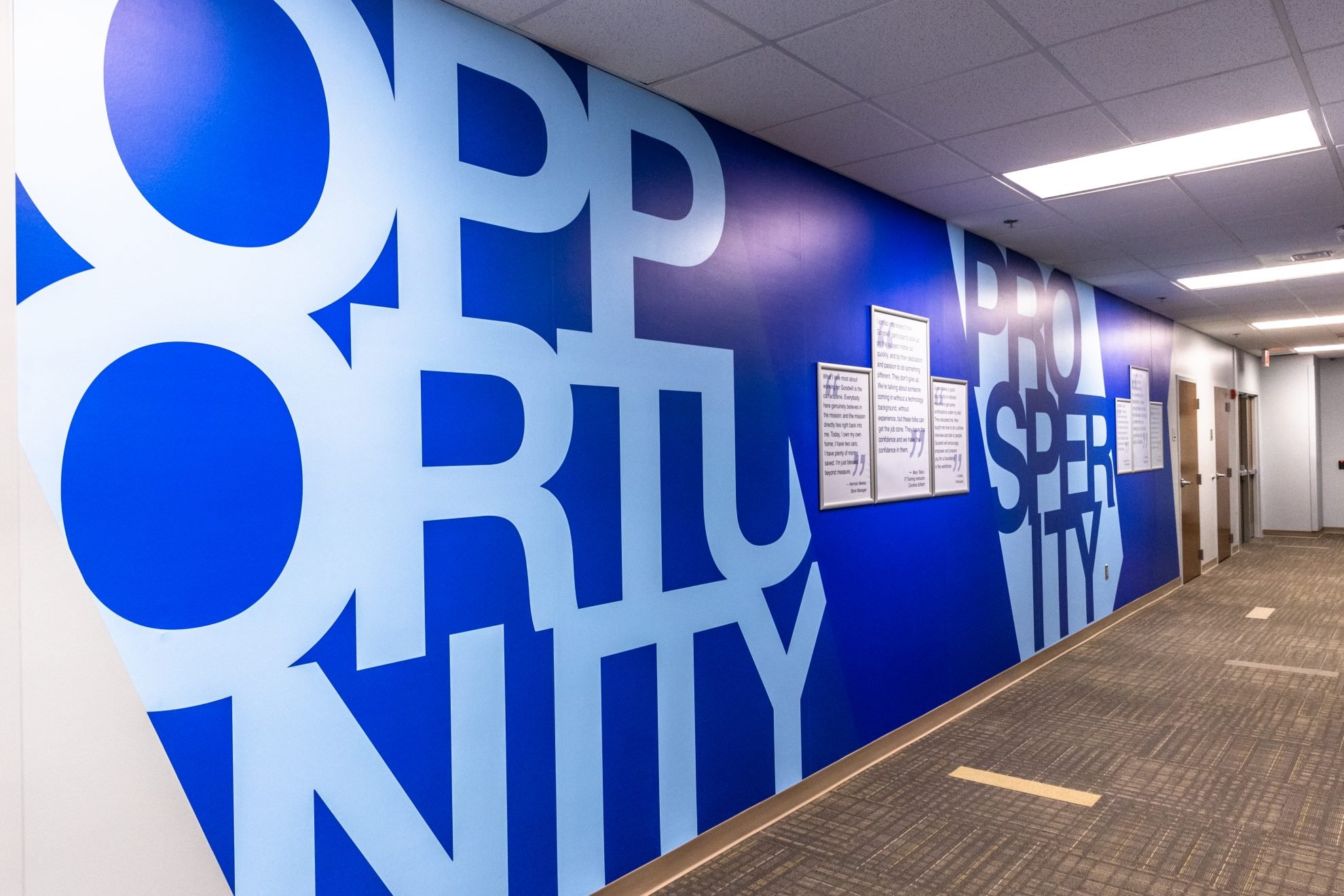
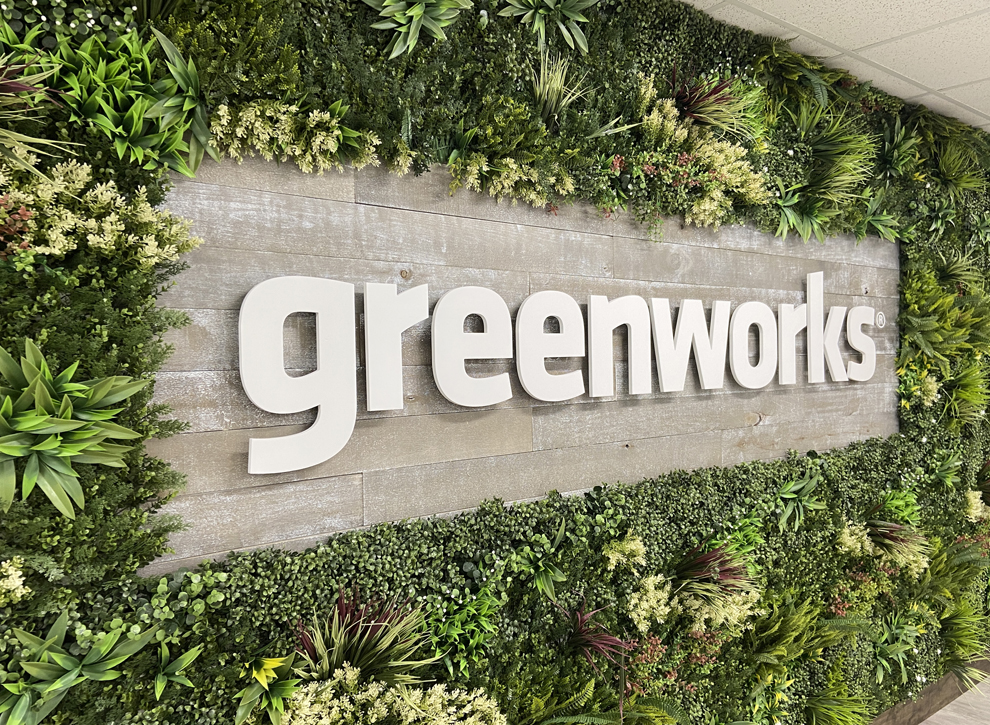
Wall wraps use large-format printed graphics to transform broad interior surfaces with branded colors, photography, patterns, or storytelling. They can provide an effective background for a projected standoff panel.
Printed, cut, and frosted films add branding, messages, privacy, and light control to glass entrances, office fronts, conference rooms, and interior partitions.
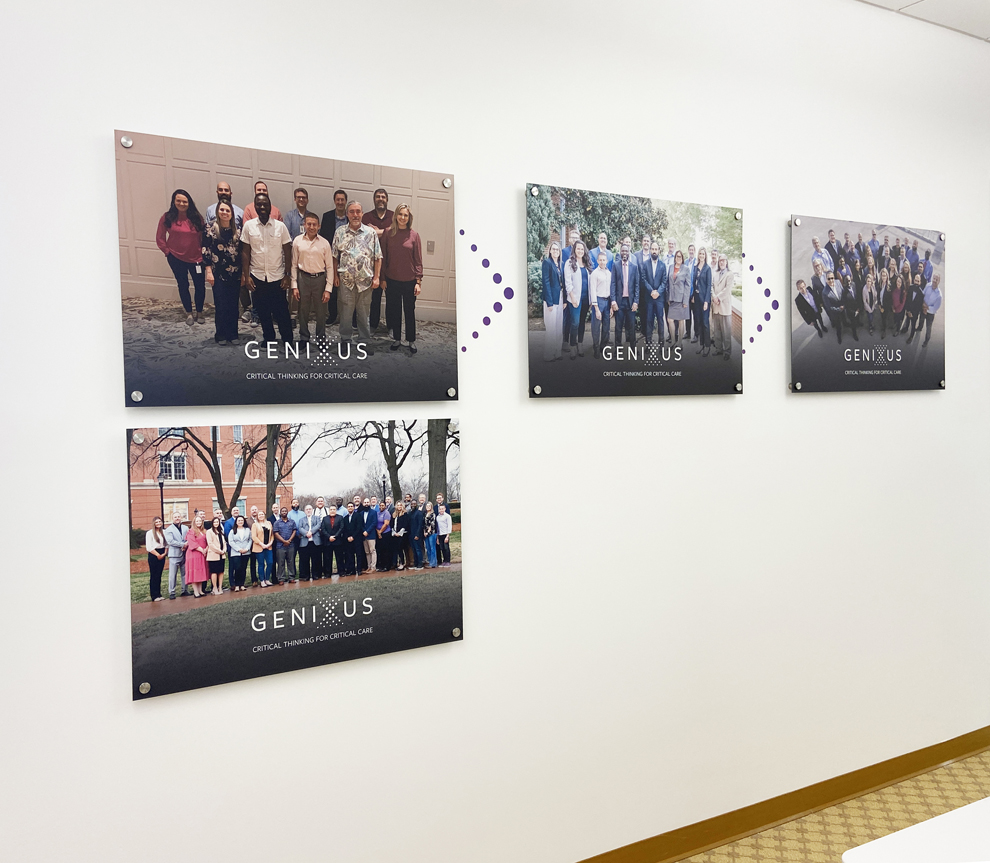
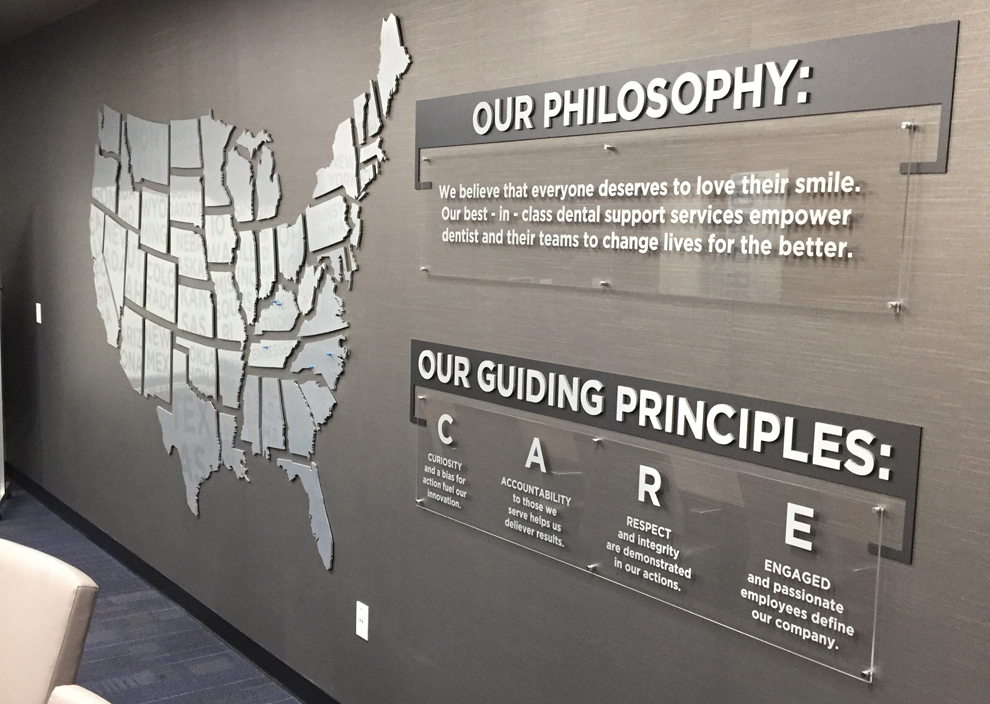
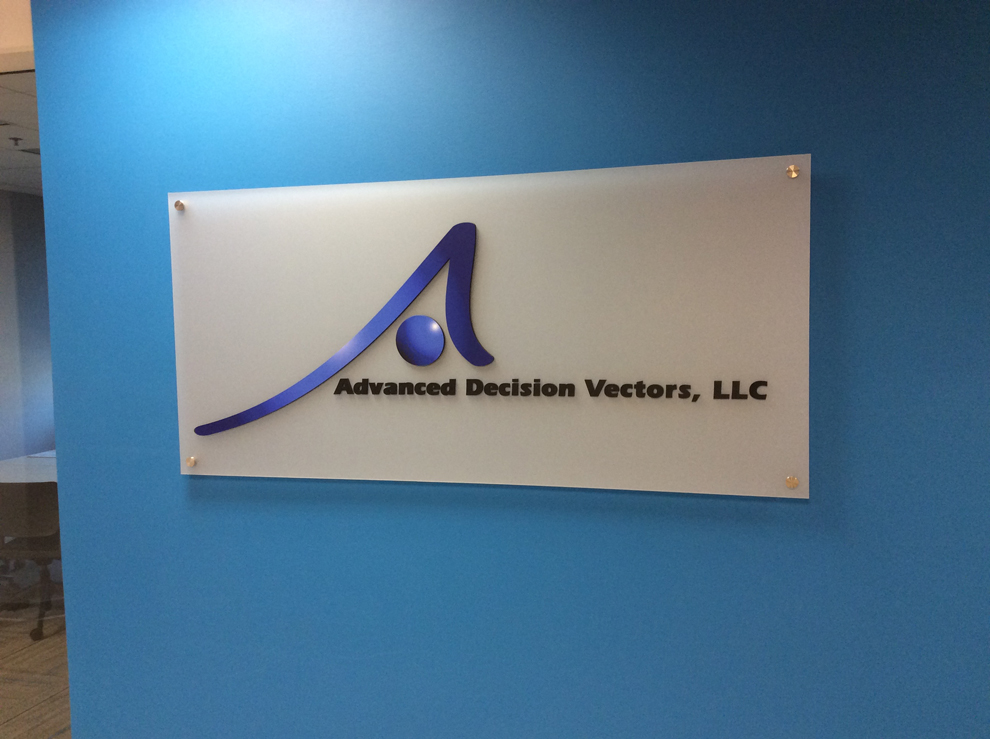
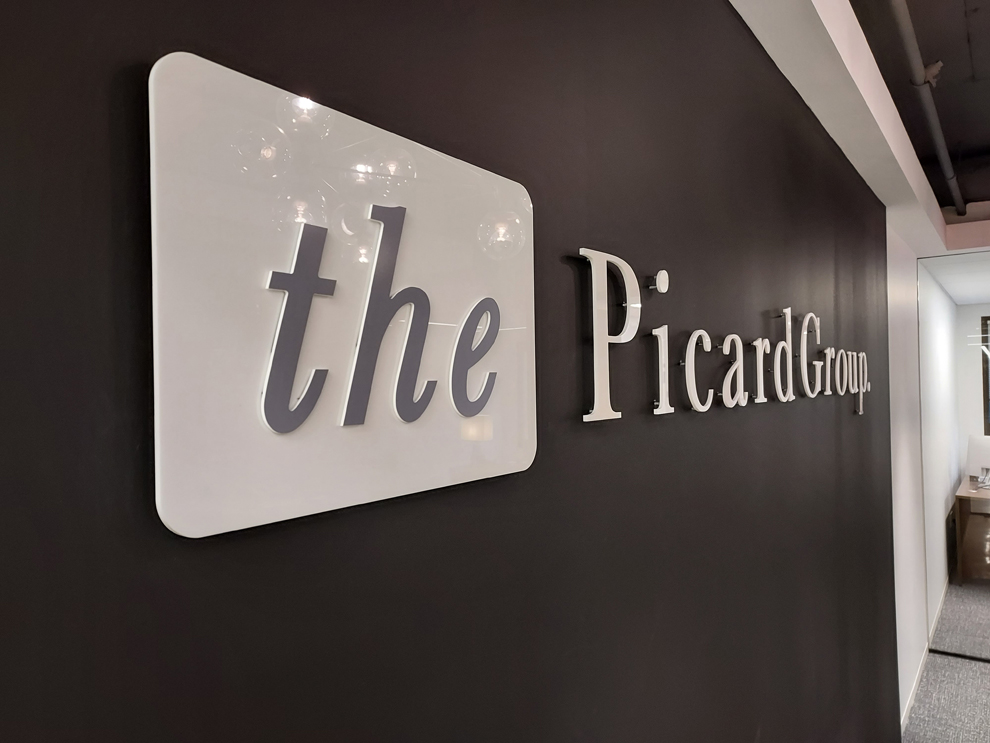
Lobby signs identify an organization and establish its visual presence within a reception area. Standoff panels are one possible construction when visible hardware and dimensional separation complement the space.
Frosted vinyl creates the appearance of etched glass while improving privacy. It is often installed on conference room glass, office partitions, sidelights, and entrance doors during the same project as lobby signage.
Elevator wraps carry branding, campaigns, or decorative imagery onto elevator doors and cab interiors. They extend the visual environment into high-traffic circulation areas.
Dimensional letters consist of individual characters, logos, and shapes mounted directly to a wall or combined with a standoff panel. They provide depth while preserving a clear visual hierarchy.
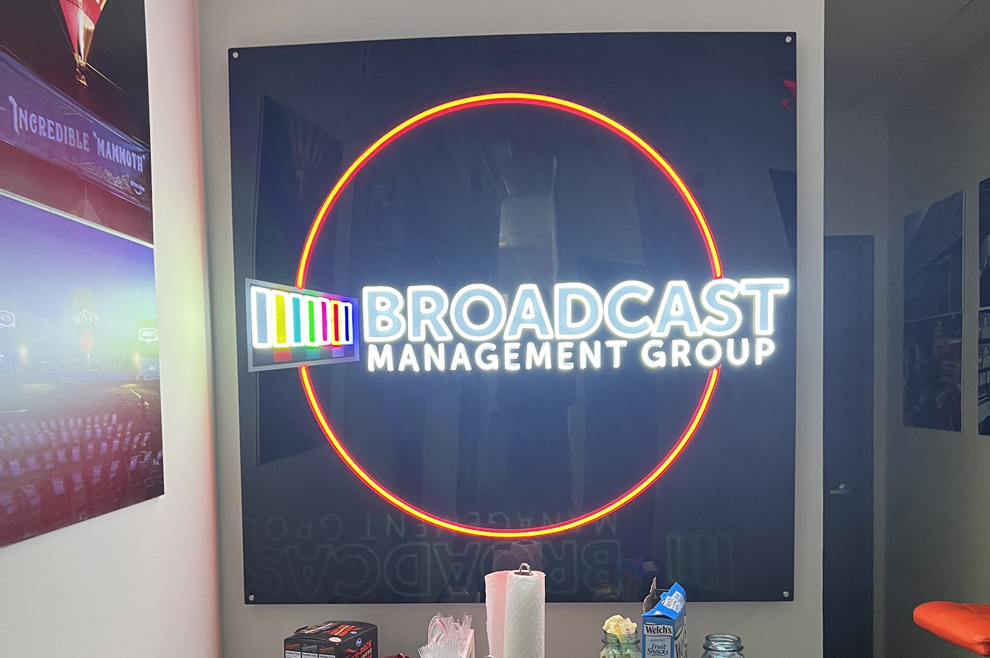
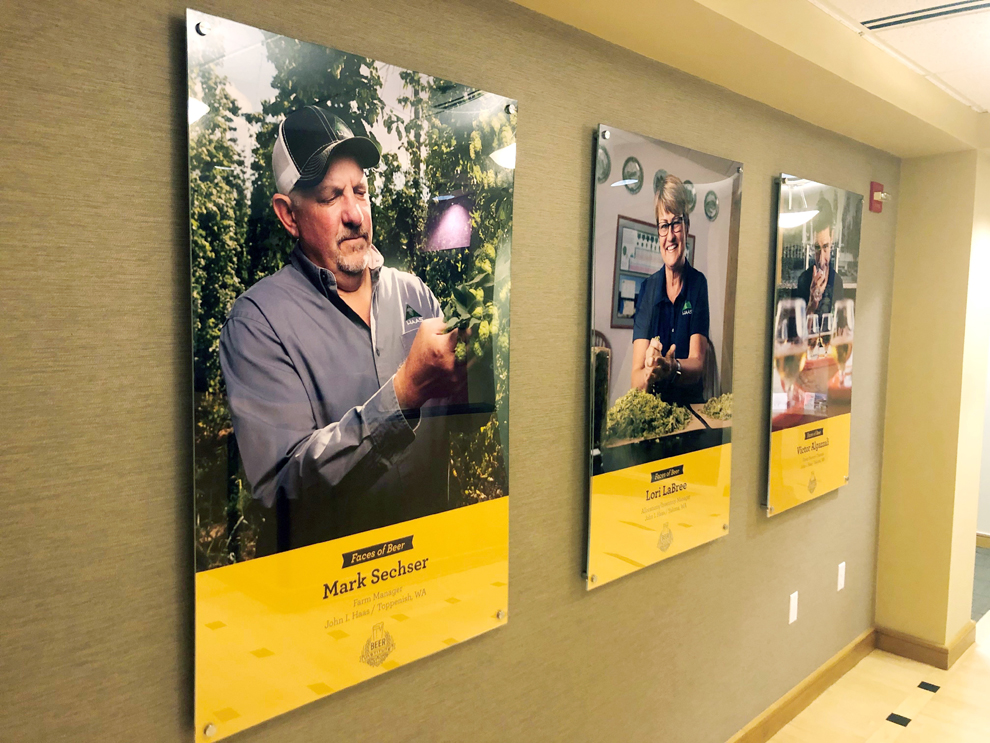
Acrylic signs may be clear, frosted, painted, printed, or layered. Acrylic describes the material, while standoffs, concealed cleats, adhesives, and other systems determine how the sign is mounted.
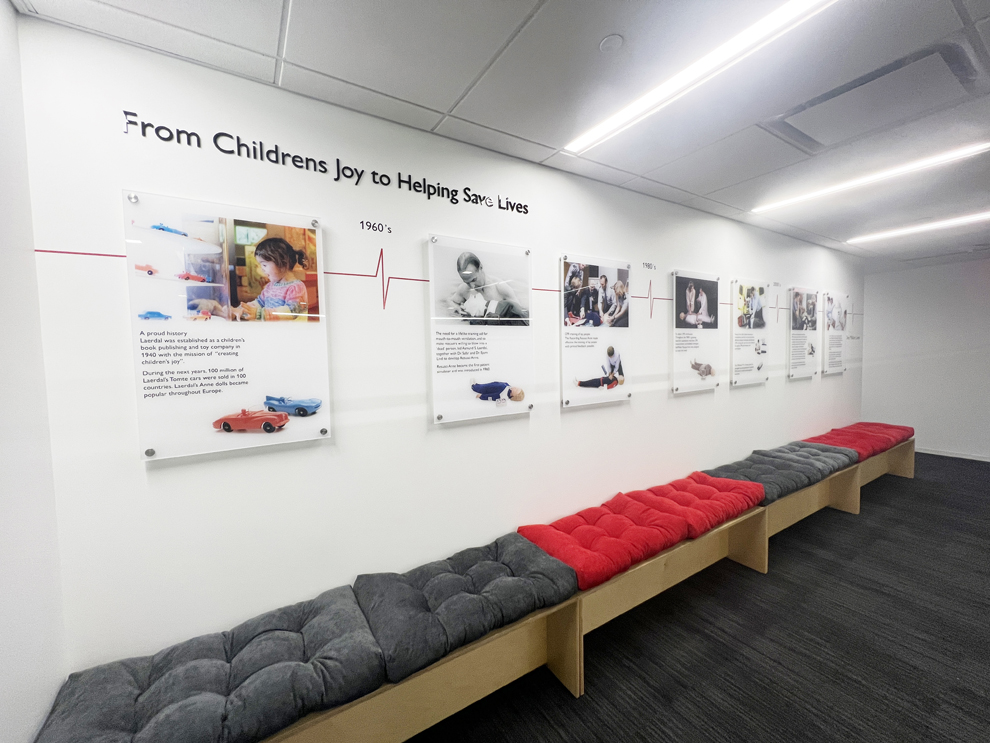
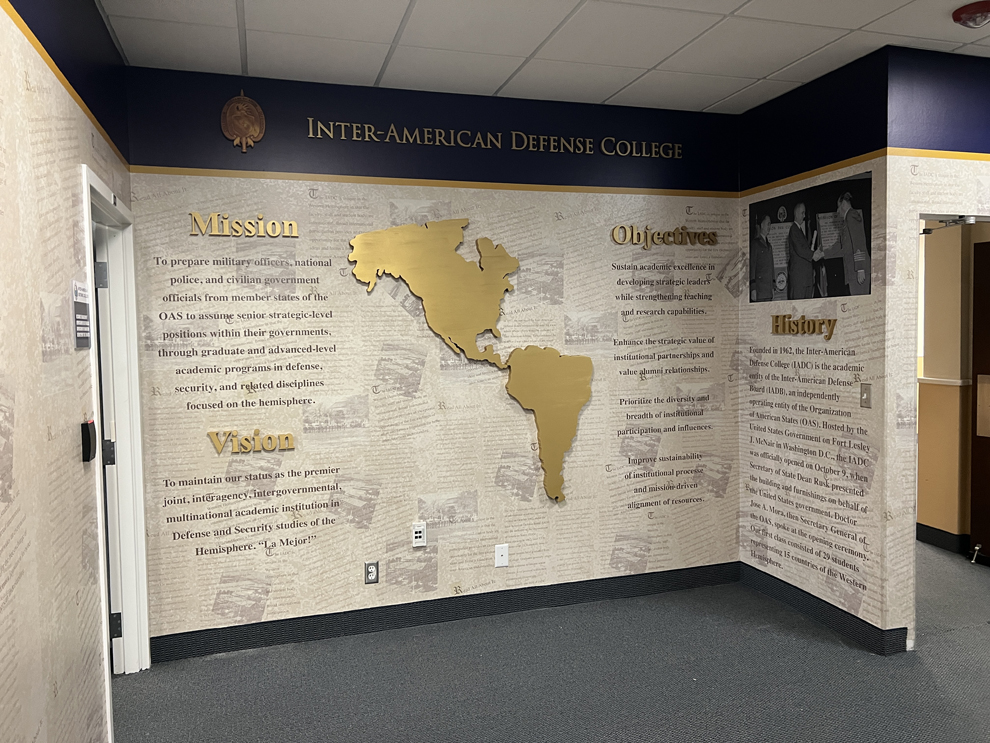
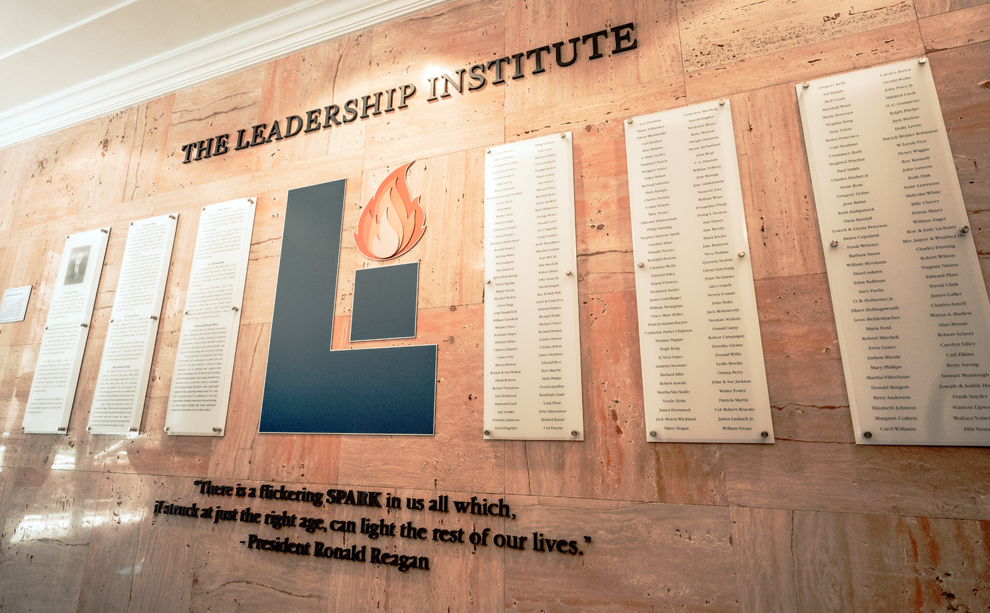
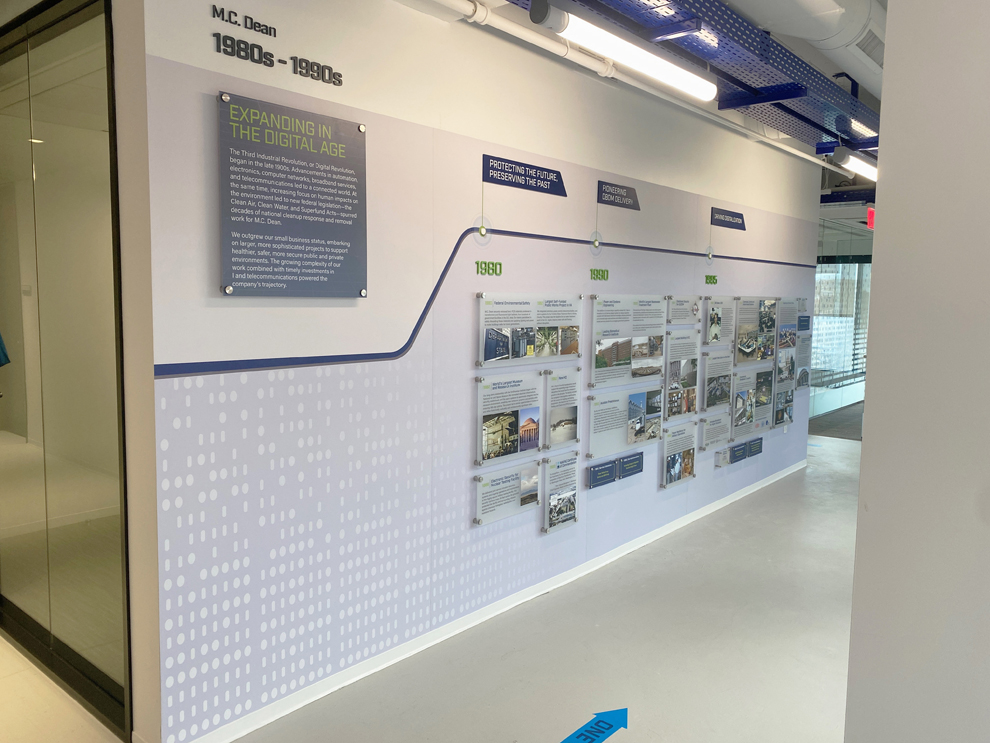
Wall displays combine panels, photographs, timelines, milestones, dimensional elements, and text. They can turn a Salisbury lobby, hallway, or common area into an organized brand or history experience.
Are you relocating to a Salisbury office, planning a donor recognition program, or updating a reception area that no longer represents your organization? Heritage Signs & Displays can develop a standoff mounted display around your message, audience, brand, and building conditions.
Submit the Get Started Now form with the Salisbury-area installation address, preferred completion date, intended message, brand files, wall photographs, approximate measurements, known wall construction, update requirements, and overall project scope. Our team will review the information, determine project fit, identify any additional site details needed, and outline the next step.
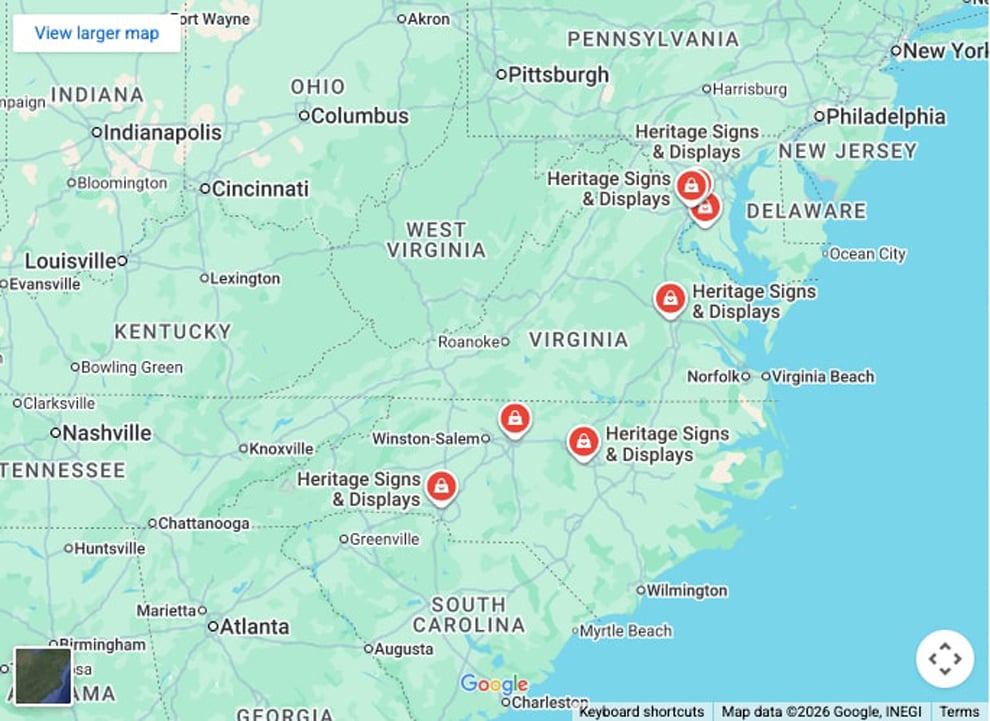
Heritage serves businesses and organizations throughout Salisbury, including offices, healthcare facilities, manufacturing environments, educational buildings, ministries, nonprofits, and commercial properties. Our service area also includes Spencer, East Spencer, Granite Quarry, Rockwell, China Grove, Landis, Kannapolis, Lexington, Concord, and other communities across the Piedmont Triad and Charlotte region.
Salisbury’s mix of historic properties, modern commercial spaces, medical facilities, educational campuses, industrial operations, and community organizations creates varied signage requirements. A professional office may need a refined reception display. A manufacturer may want a durable values wall. A nonprofit may need donor recognition that can expand. Healthcare and educational clients often prioritize readability, accessibility, maintenance, and traffic flow.
Projects also vary considerably in scale. Some involve one lobby panel, while others include coordinated signs and graphics across several rooms, floors, or locations. For organizations with multiple facilities, a dedicated project manager can maintain approved materials, colors, typefaces, hardware finishes, and installation standards. Each site still receives individual measurements, wall verification, and access planning because no two buildings have identical conditions.
Design begins by identifying what people should notice, understand, or remember. A reception sign may confirm that visitors have reached the correct office. A recognition display may honor contributors while preserving distinctions between giving levels. A company values panel may need to communicate its message quickly to employees moving through a busy corridor.
Heritage environmental graphic designers evaluate the wall, viewing distance, traffic pattern, and architectural setting before developing the display. Typography, contrast, content hierarchy, panel dimensions, materials, hardware finish, projection depth, lighting, sightlines, and future expansion are considered together. A collection of attractive individual choices will not necessarily create an effective sign unless those choices function as one visual system.
Keeping design connected to fabrication and installation helps reveal practical concerns early. Panel tolerances, color expectations, seams, drilling templates, hardware clearance, wall construction, and cleaning access influence the final concept. This process allows Salisbury clients to approve signage that can be produced and installed as presented.
Precise installation is essential to the finished appearance. Straight level lines, equal spacing, consistent projection, secure anchors, and evenly positioned caps make the display look integrated with the architecture. Poor alignment or inadequate anchoring can cause a panel to lean, sag, or expose visible corrections.
Installation planning may include field measurements, wall construction, surface condition, utility locations, blocking, anchor selection, drilling templates, equipment access, nearby doors and fixtures, lighting, loading access, operating hours, and protection for occupied spaces. Historic buildings in and around downtown Salisbury may also contain plaster, masonry, woodwork, or other surfaces that require additional evaluation.
Some facilities require certificates of insurance, restricted installation hours, security procedures, or coordination with property management. Heritage identifies these requirements during scheduling so the installation team arrives prepared.
Heritage installs standoff mounted signs that our team produces, fabricates, or procures as part of a Heritage-managed project. We do not offer installation-only service for signage supplied by another provider. Installation results depend on choices made during design and fabrication, including hole placement, panel tolerances, hardware selection, and mounting templates. Managing these stages together allows Heritage to remain accountable for the completed display.
Heritage is a strong fit for Salisbury organizations that view interior signage as a long-term investment. Appropriate projects generally involve permanent or semi-permanent displays, clearly defined audiences, established brand standards, and a preference for coordinated design, production, fabrication, and professional installation.
Heritage-managed projects begin with an anticipated overall project investment of $3,000. This figure applies to the complete project, not to each panel, letter, or hardware component. A qualifying scope might include a reception logo and tagline, a multi-panel donor recognition wall, or a coordinated installation combining standoff panels, dimensional lettering, and wall graphics.
Service limitations should also be understood before planning begins. Heritage does not install signs manufactured by outside providers. Traditional exterior sign systems, including monument signs, pylons, and channel letters, are outside this service category. Exterior standoff panels may be considered when the wall, anchors, graphics, hardware, weather exposure, and applicable requirements support the installation. Each exterior location must be evaluated individually.
Removing a standoff display typically leaves drilled holes and may leave anchors within the wall. Drywall often requires patching, sanding, priming, and repainting. Wood veneer, masonry, tile, stone, plaster, and other specialty finishes may need repairs performed with material-specific methods.
Standoff signs should therefore be considered lasting installations. Organizations with short leases or plans to relocate frequently may want to explore freestanding displays, removable wall graphics, or other portable systems.
Common options include clear, frosted, painted, printed, and layered acrylic. Aluminum composite material provides a metal-like appearance at a lighter weight. Other possibilities include approved rigid panels, printed graphics mounted to a substrate, dimensional lettering, and replaceable inserts.
The appropriate material depends on panel size, thickness, weight, edge appearance, opacity, color requirements, lighting, maintenance, and update frequency. Heritage evaluates the face material and mounting system together because a material that looks attractive may not perform well at the required dimensions or hardware spacing.
Lighting may be incorporated in some applications. Standoff displays can be combined with halo lighting, backlighting, illuminated letters, or nearby architectural fixtures. Planning must address electrical access, wire routing, mounting depth, ventilation, service access, wall construction, and applicable codes.
If illumination is the primary feature rather than a supporting element, a purpose-built backlit sign may provide a better solution.
No. The terms describe different parts of the sign. Standoff mounted refers to the method used to secure the panel and position it away from the wall. Acrylic refers to a material that may form the panel.
Acrylic signs can also be flush mounted, suspended, adhered, or installed with concealed cleats. Standoff hardware can support acrylic, ACM, printed rigid panels, layered materials, and modular components.
Heritage-managed projects begin with an anticipated overall investment of $3,000. This minimum applies to the complete scope rather than to each individual panel, letter, or standoff.
Final pricing depends on dimensions, materials, design requirements, content preparation, wall conditions, hardware, fabrication complexity, installation access, scheduling, and any additional interior graphics included in the project.
Yes. Standoff panels can organize donor and sponsor names by giving level, campaign, date, program, or another meaningful category. The design should account for the current number of names, anticipated future additions, available wall space, update procedures, and visual consistency across multiple phases.
Active campaigns often benefit from modular panels, replaceable inserts, or reserved expansion areas. Planning these features at the beginning is generally more efficient than modifying a fixed display later.
Standoff hardware can be installed on many interior wall types once the substrate and load capacity are understood. Drywall, wood, masonry, concrete, plaster, and tile each require suitable drilling methods and anchors.
Glass, thin decorative panels, unknown wall assemblies, and surfaces with concealed utilities may require additional investigation or a different mounting location. Heritage reviews panel weight, hardware positions, wall construction, and installation access before confirming the approach.
No. Heritage installs standoff mounted signs that our team designs, fabricates, produces, or procures within a Heritage-managed project. We do not provide installation-only service for signs supplied by another company.
Accurate installation depends on fabrication tolerances, hole placement, hardware selection, drilling templates, panel weight, and other decisions made before the sign reaches the site. Keeping these responsibilities within one process helps prevent gaps in quality and accountability.
Yes, if updateability is incorporated into the original design. Replaceable faces, modular panels, insert systems, removable sections, and reserved expansion areas can accommodate changing names, milestones, leadership details, or department information.
Adding flexibility after fabrication may require extensive modifications. Clients should discuss expected update frequency during the design phase so the display can be built around future needs.
The schedule depends on content readiness, site verification, design development, approval time, material availability, fabrication complexity, installation access, and scheduling requirements. A single reception panel generally requires less time than a multi-panel recognition wall with custom components or lighting.
Clients should communicate target dates, opening schedules, fundraising events, renovation milestones, and building restrictions early. A dedicated project manager can then identify approval deadlines and establish a realistic sequence for design, production, and installation.
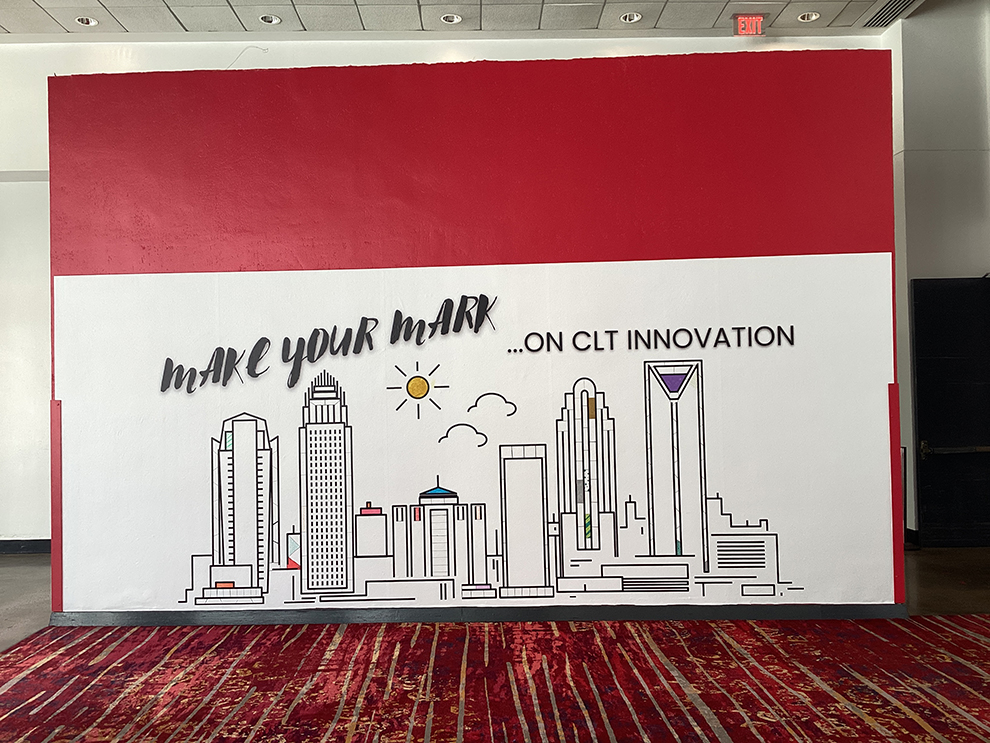
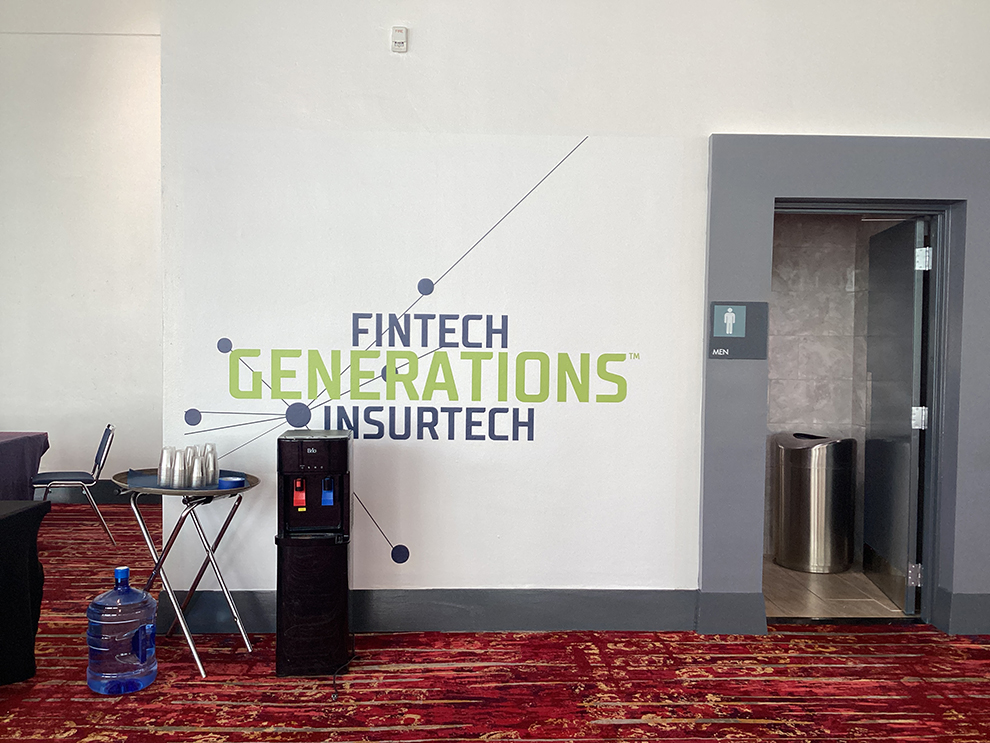
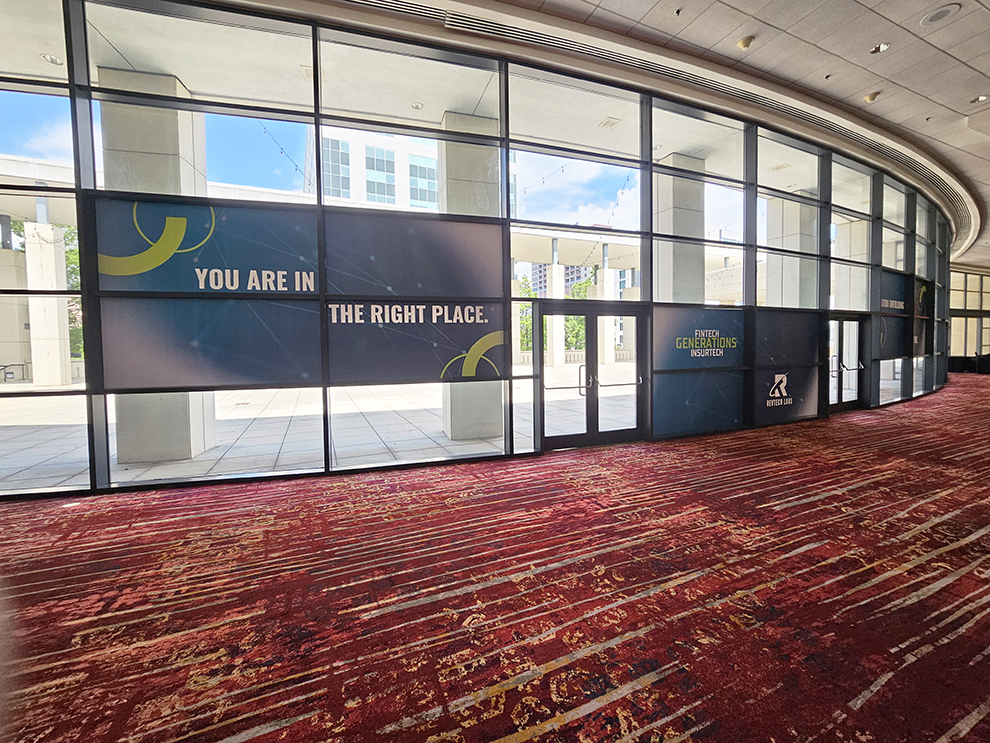
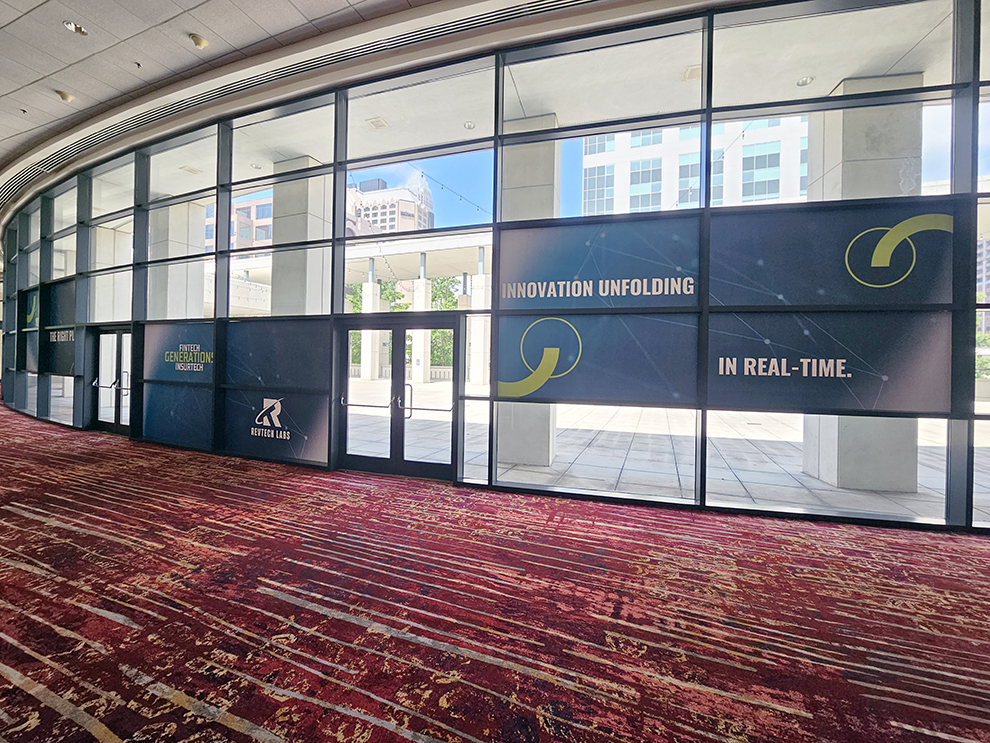
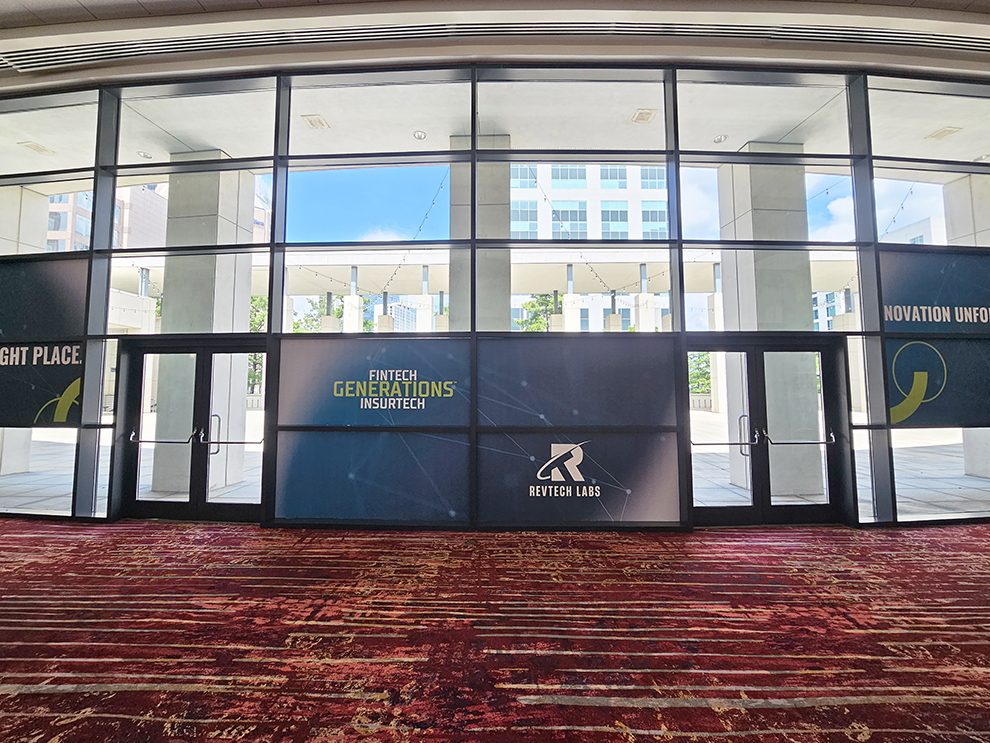
Heritage Signs & Displays collaborated with the Fintech + Insurtech Generations 2023 conference at the Charlotte Convention Center. Heritage worked closely with the client to create an interactive and branded event environment for attendees to network and discuss key topics impacting the financial and insurance sectors. The project enhanced the premier annual conference's atmosphere and engagement.
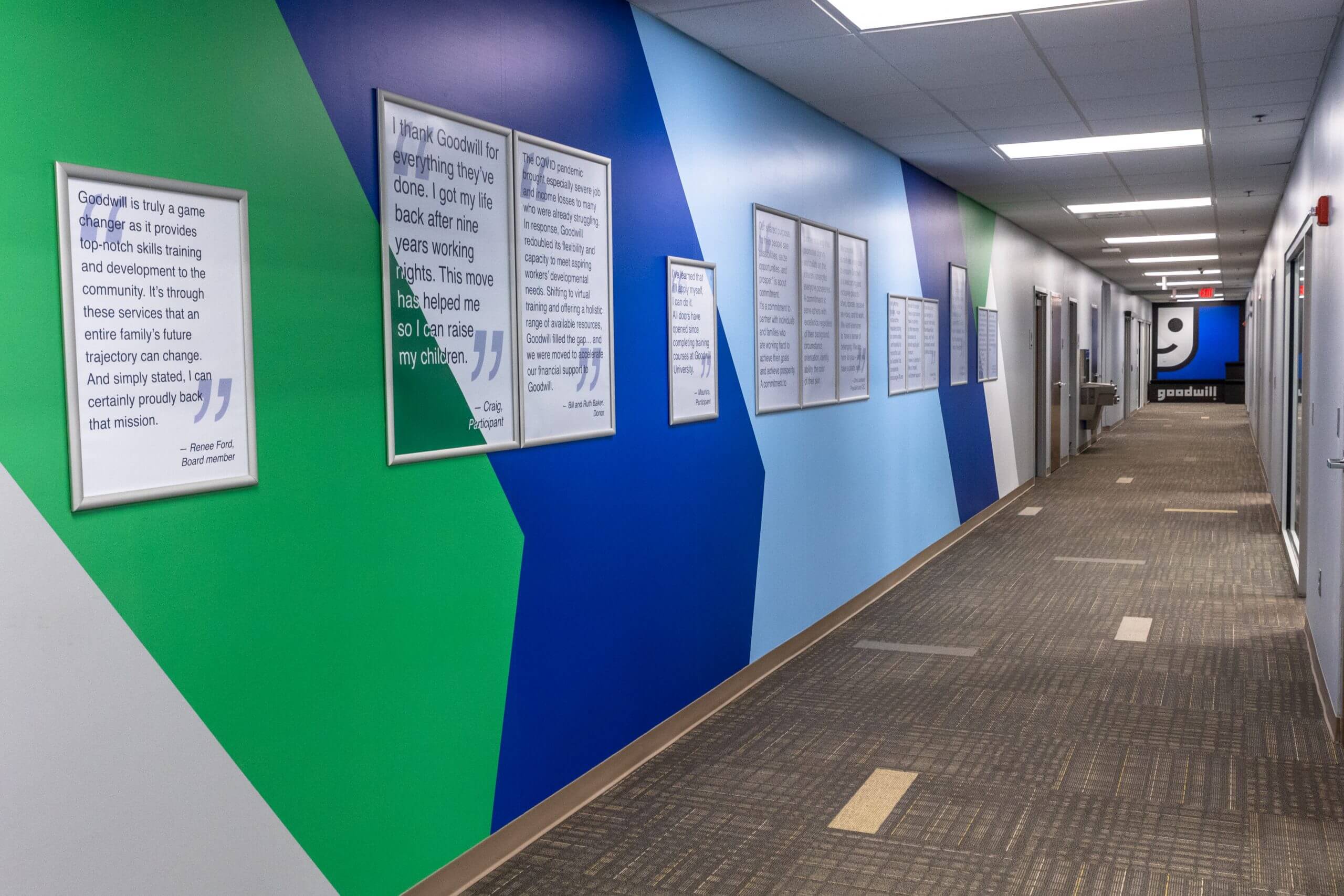
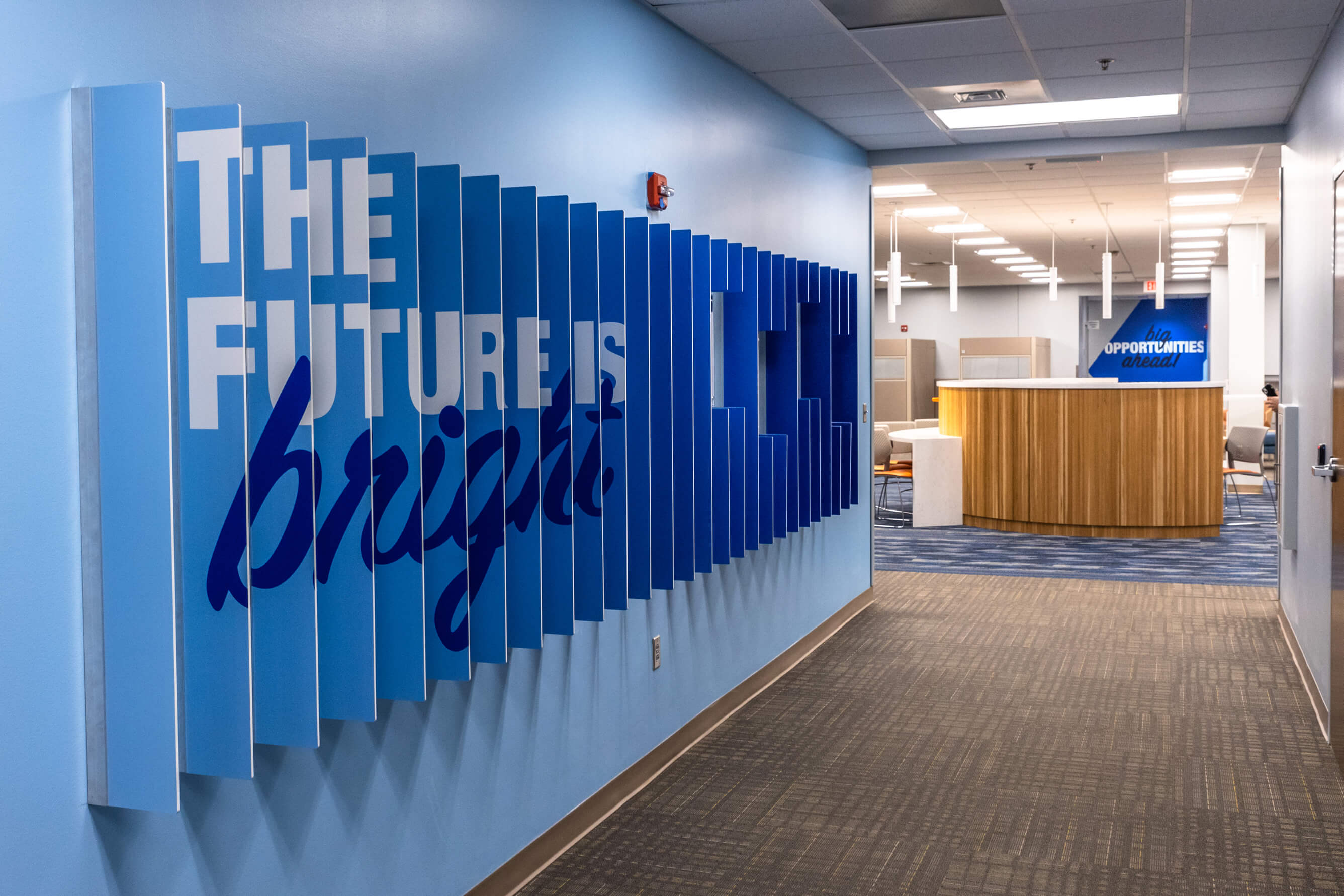
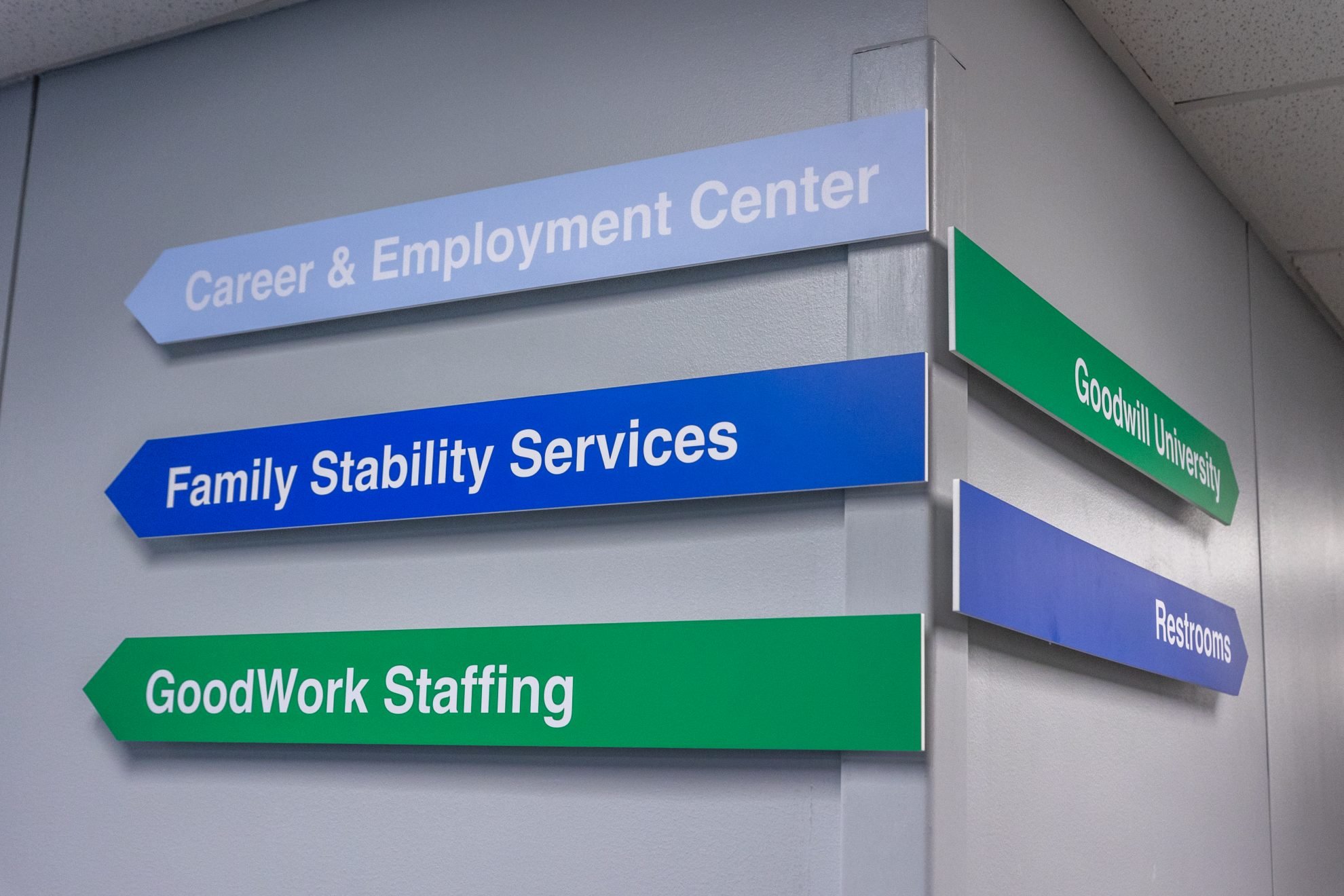
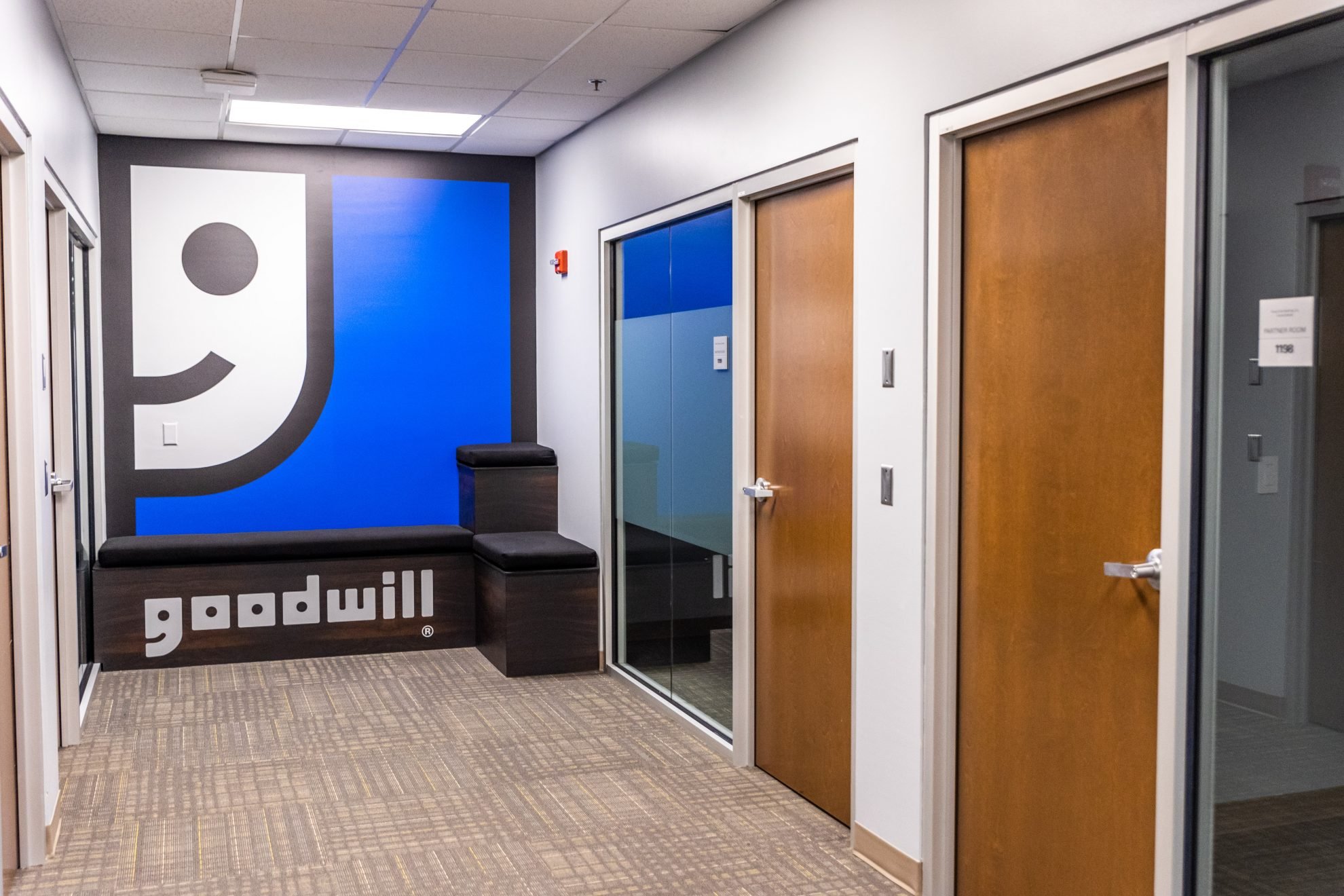
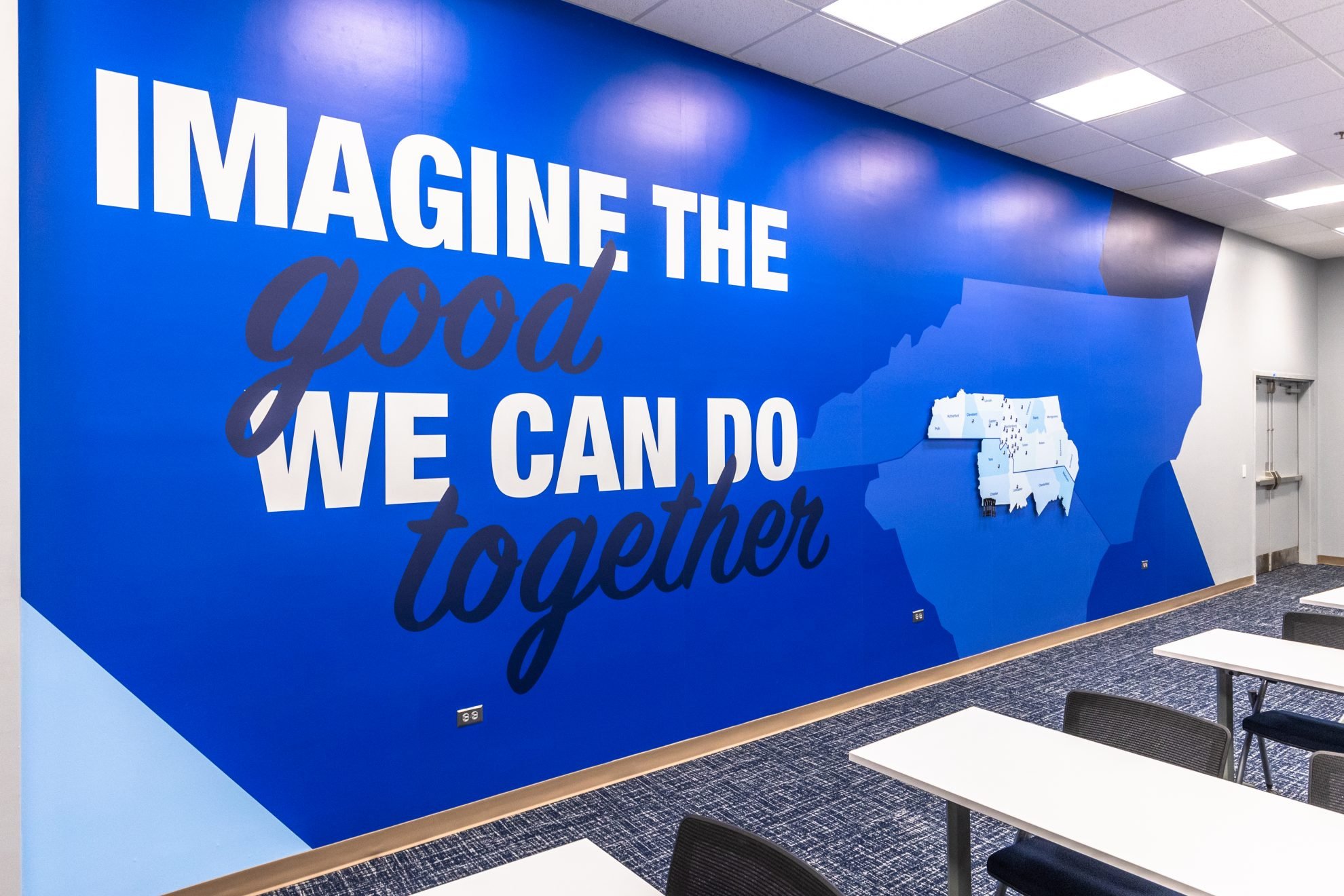
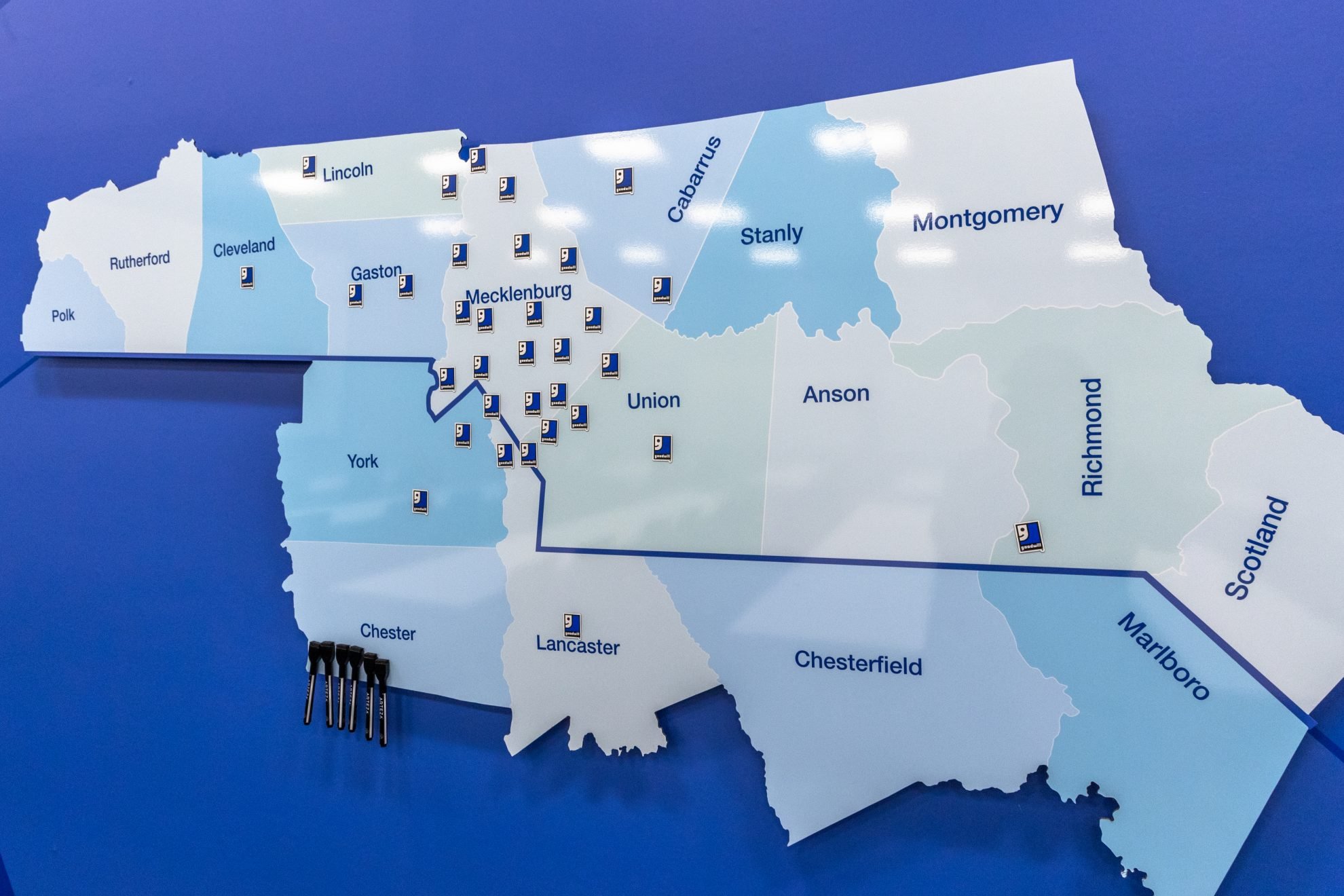
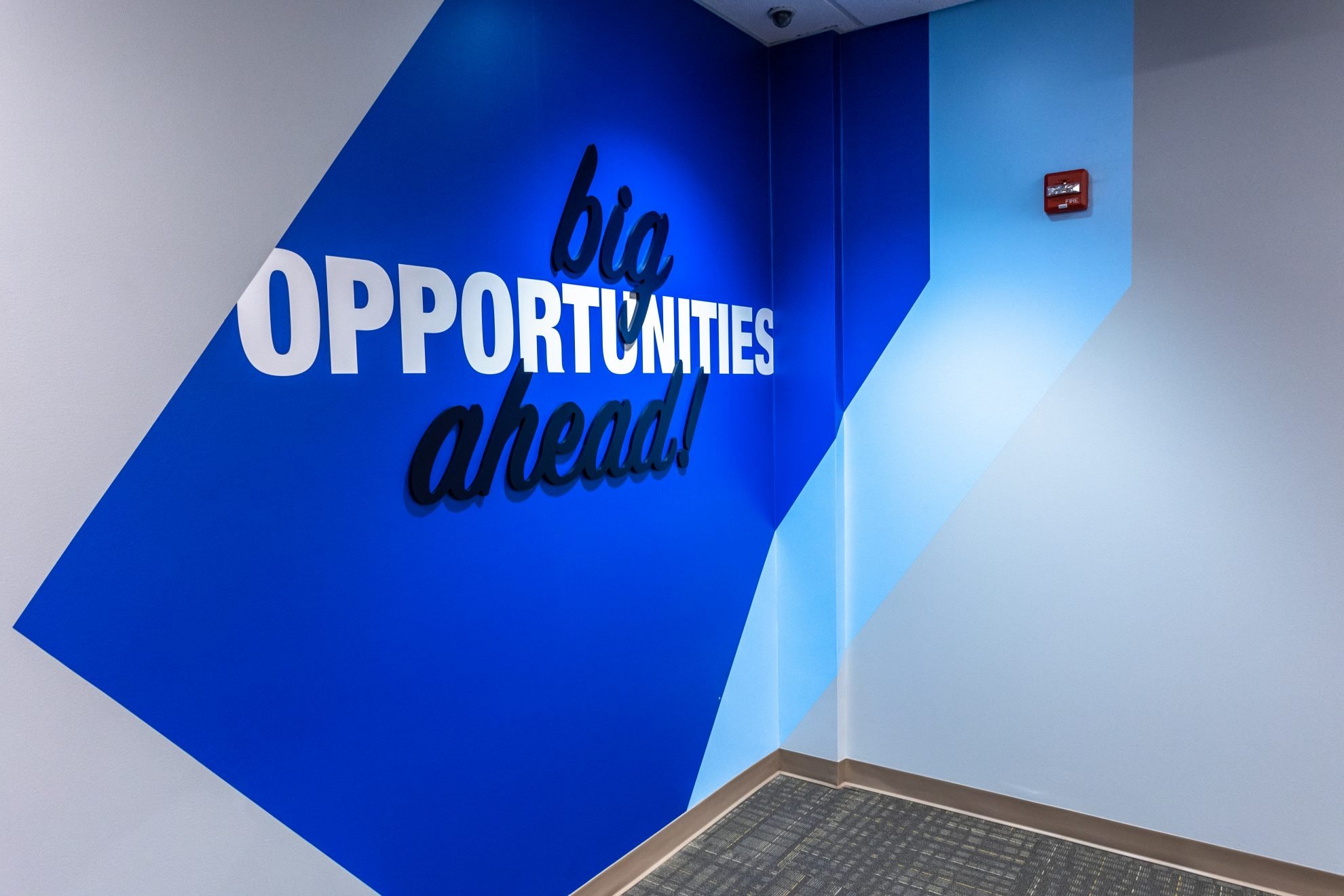
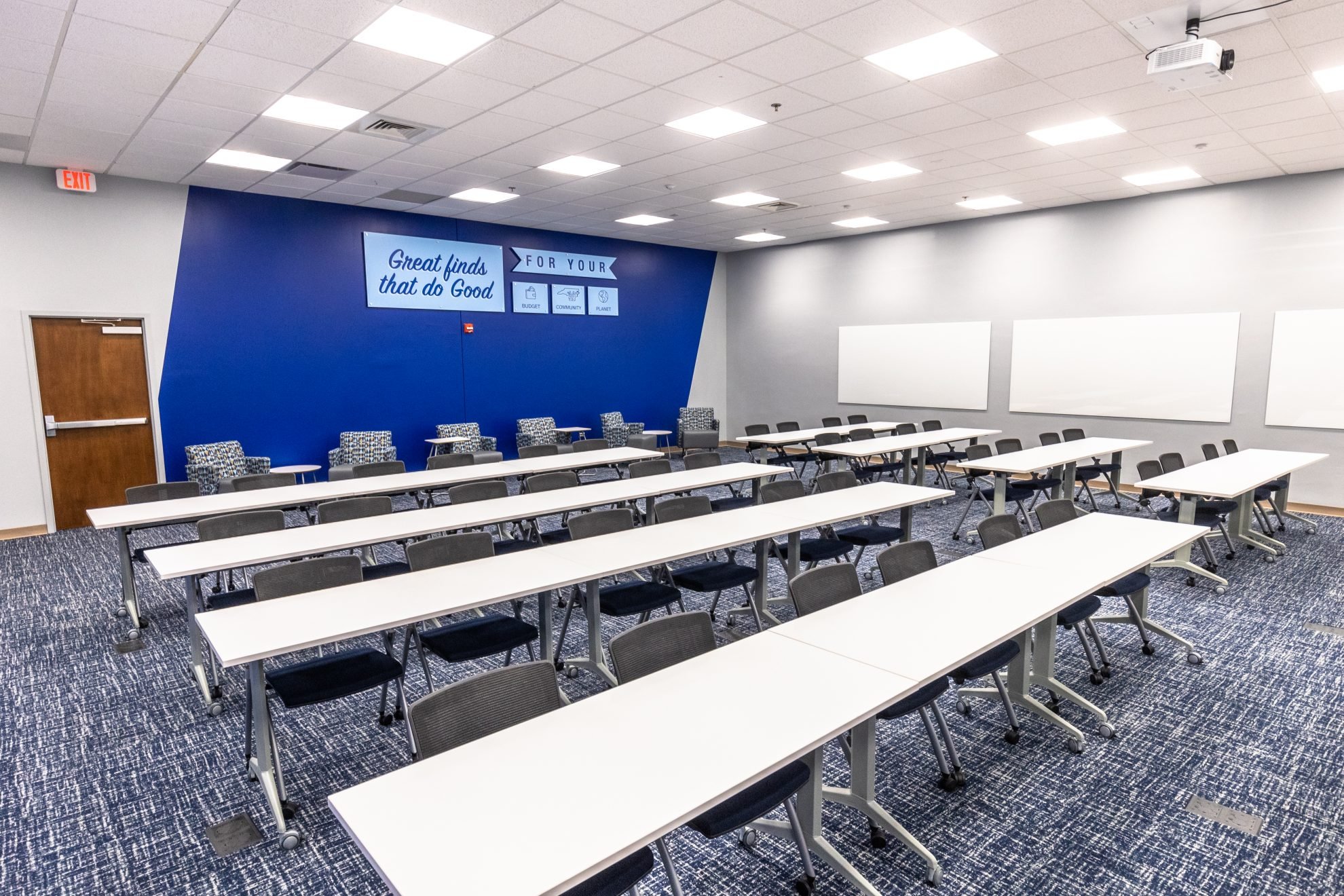
Heritage Signs & Displays collaborated with Goodwill Industries of the Southern Piedmont to transform the Opportunity Campus in Statesville, NC. The project included lenticular wall displays, wall wraps, frosted vinyl, wayfinding signs, and custom wall displays. These elements enhanced the Career & Employment Center, creating an engaging and branded environment that reflects Goodwill's values and mission to support workforce development.