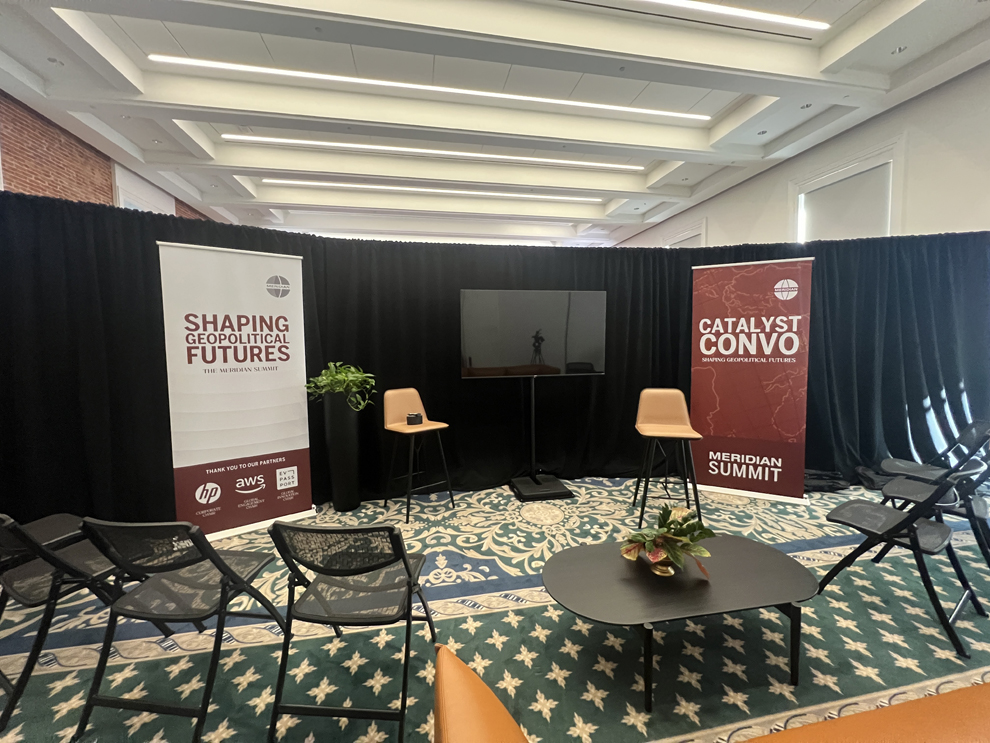
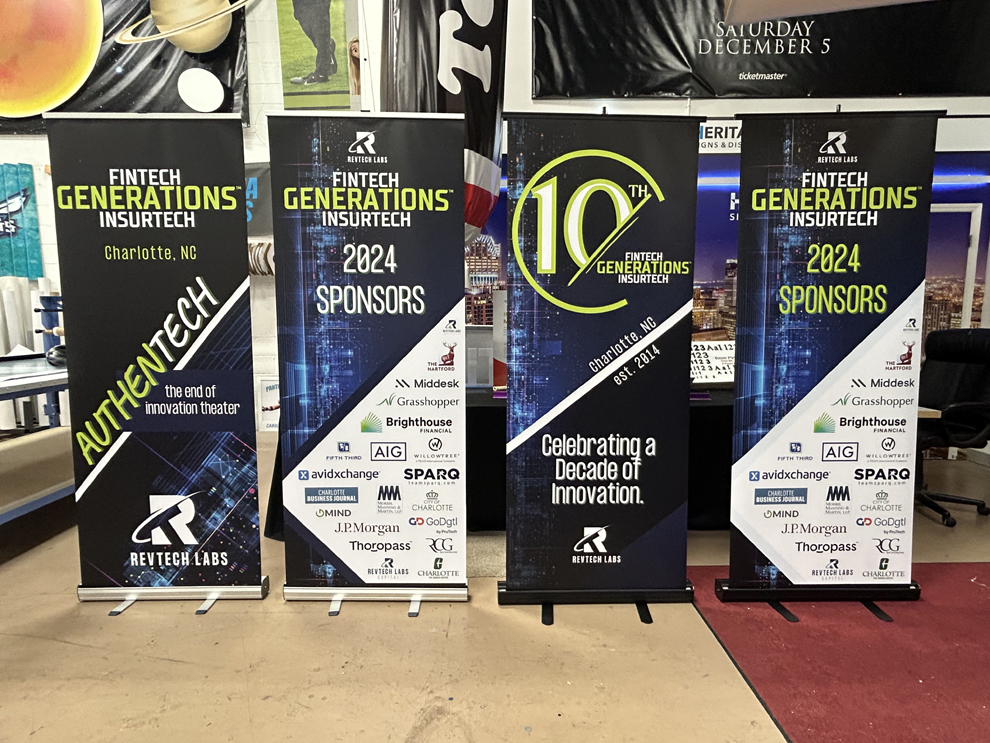
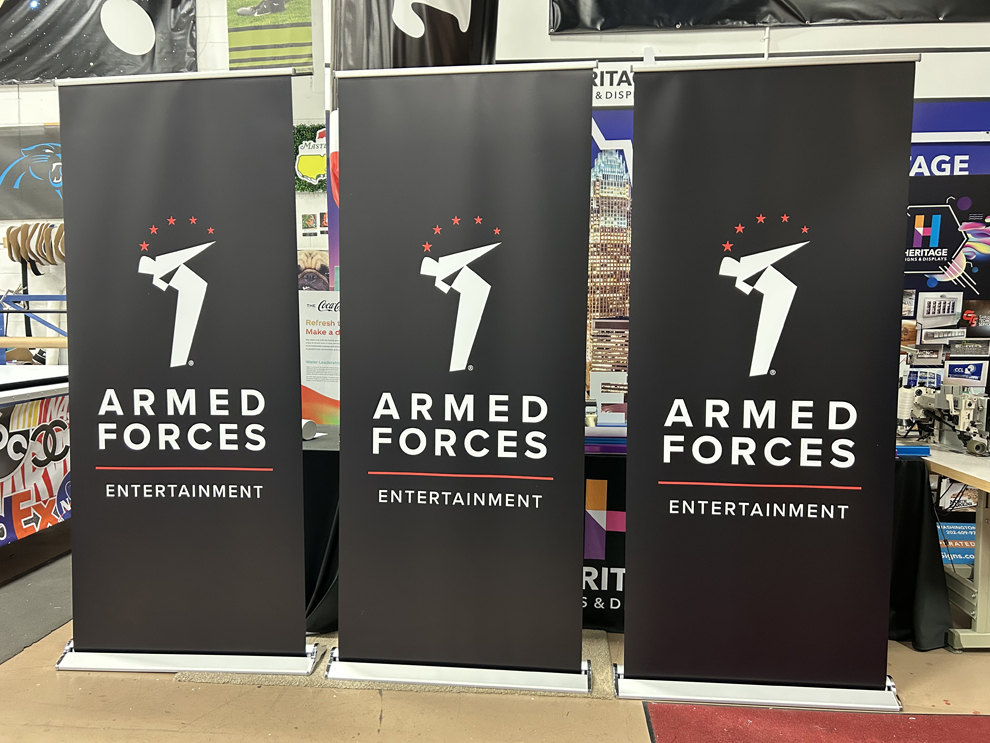
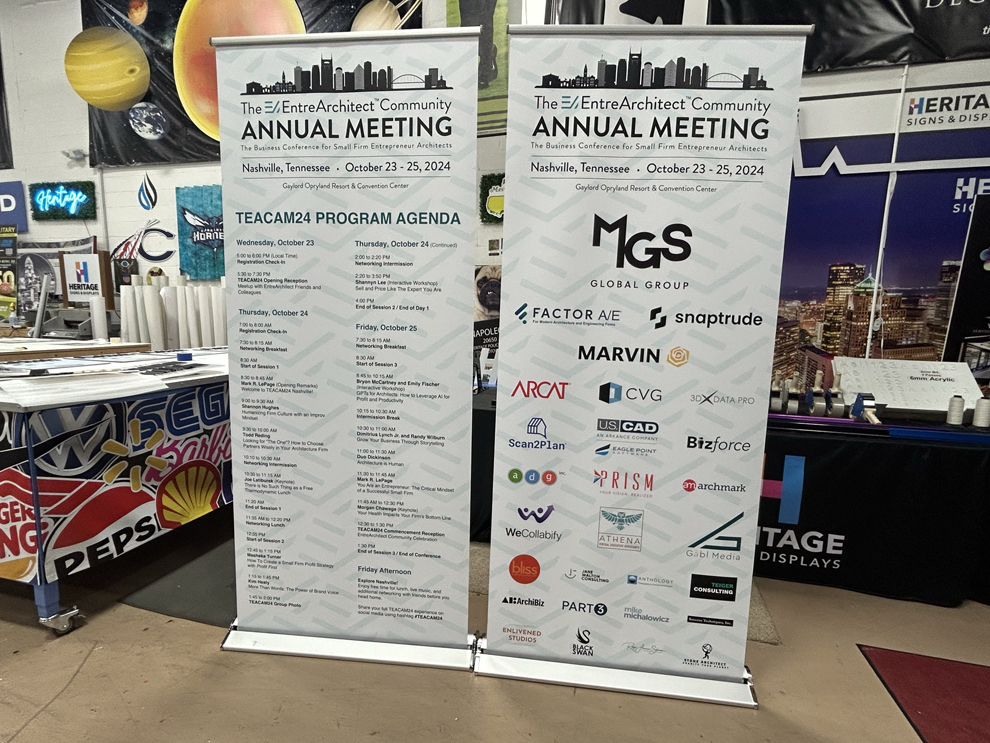
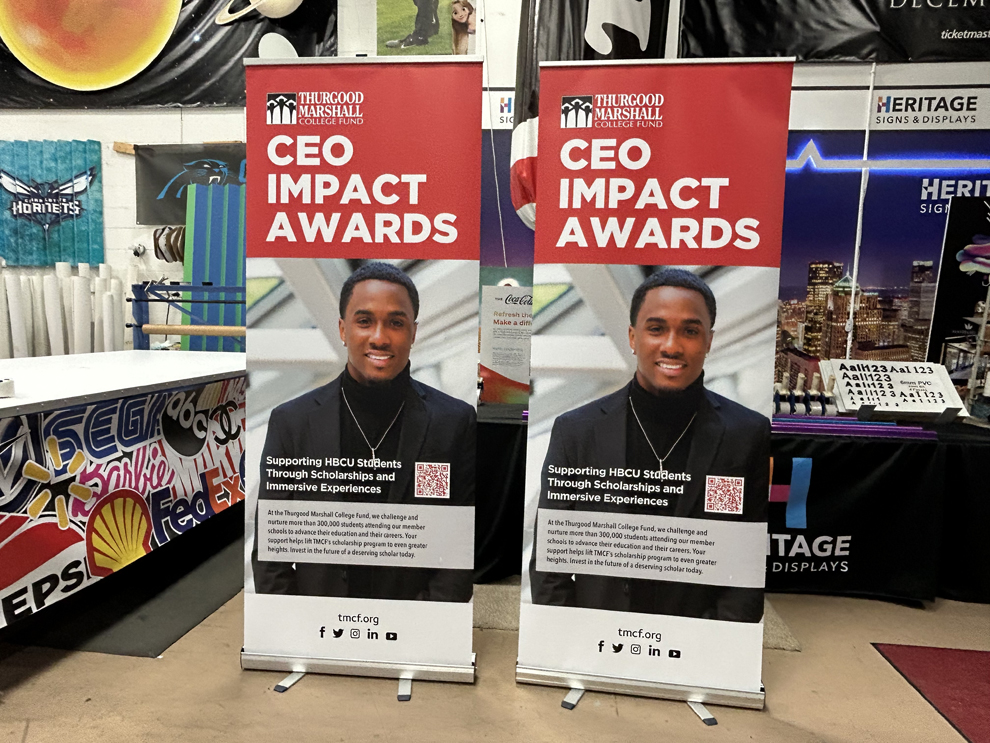
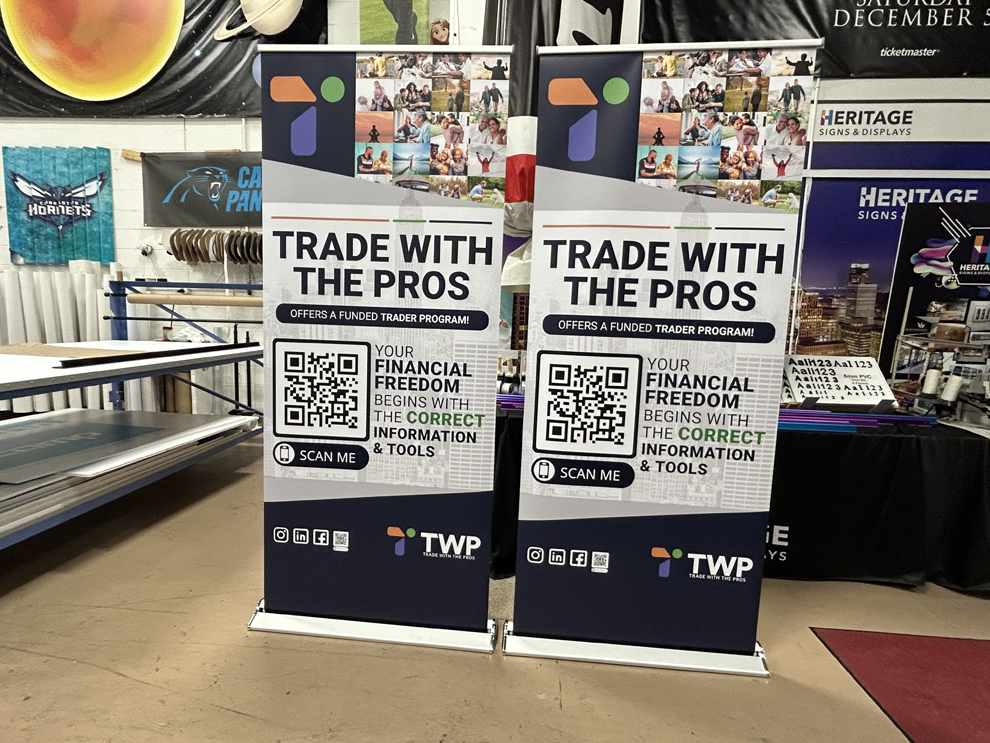
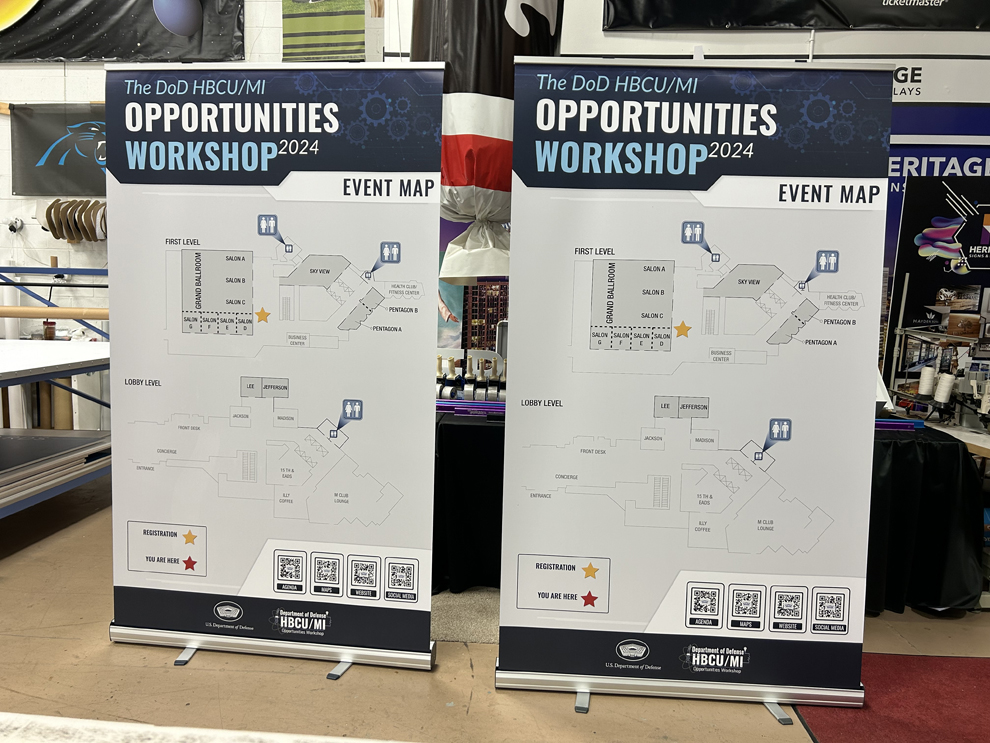
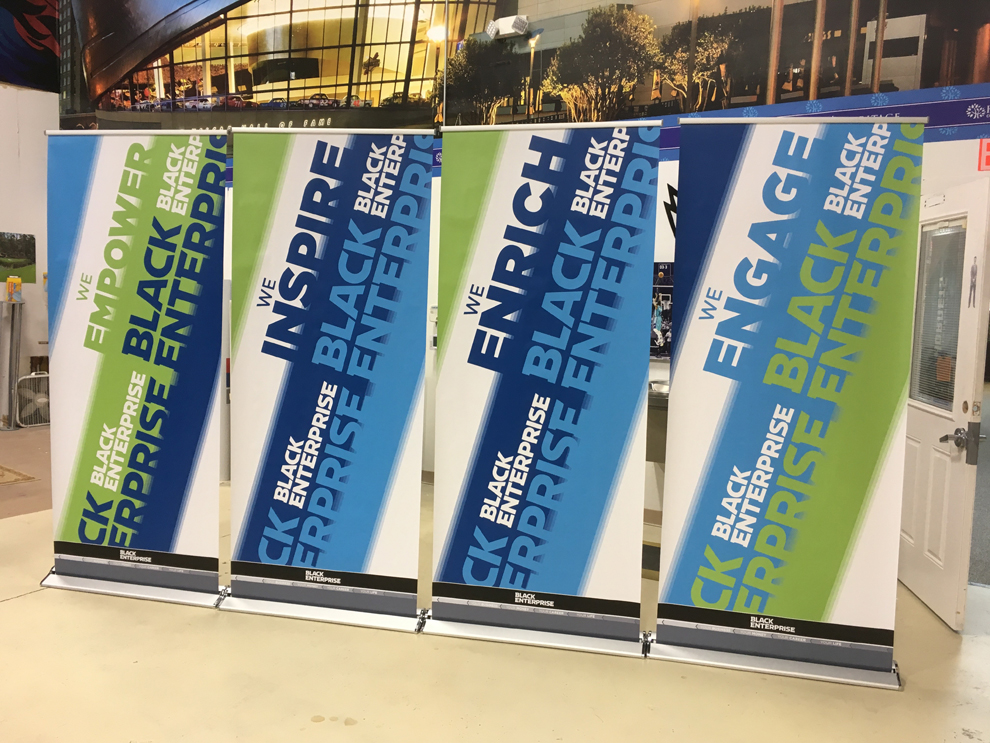
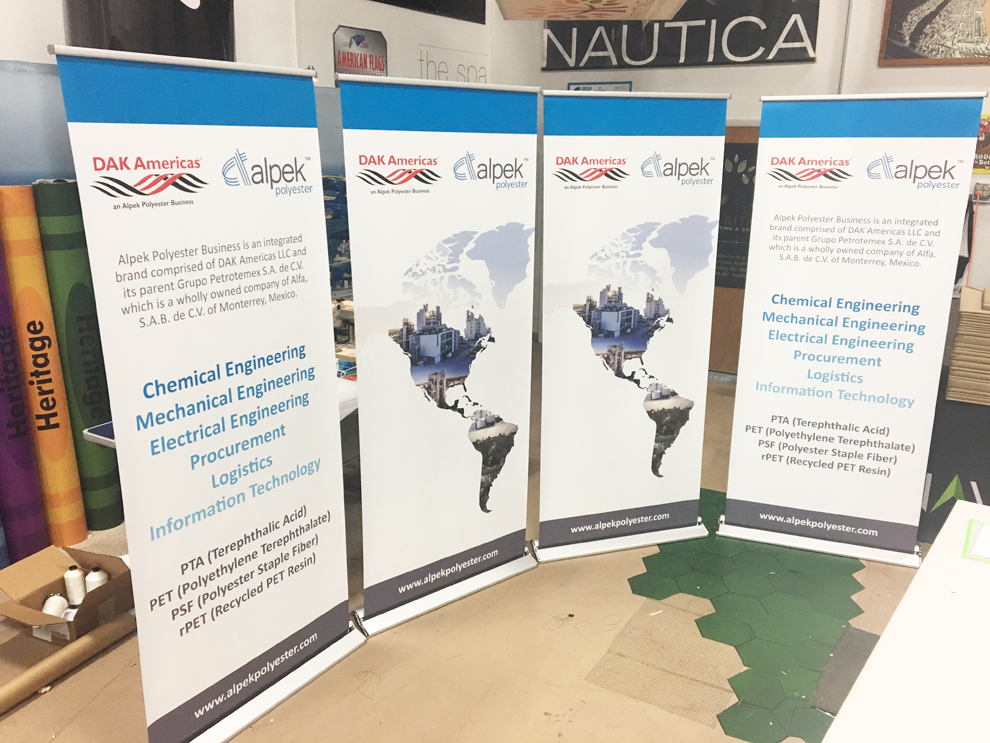
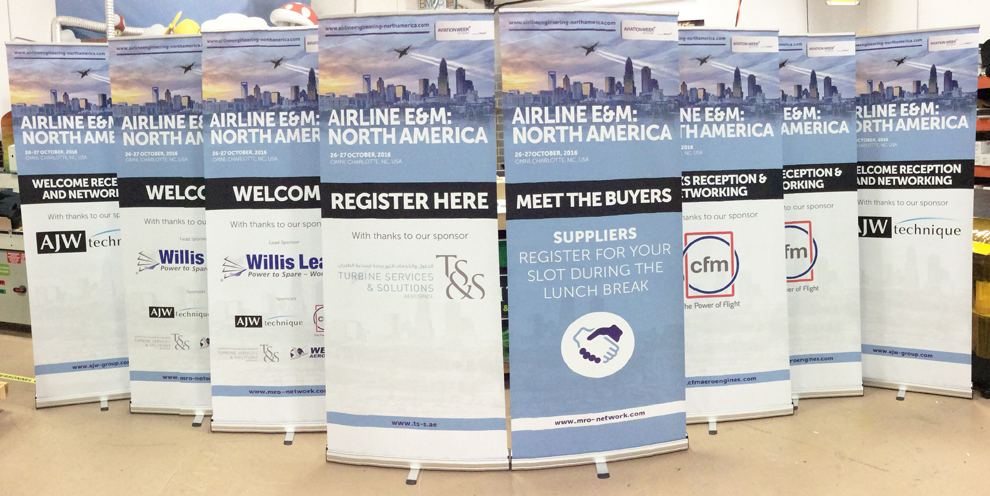
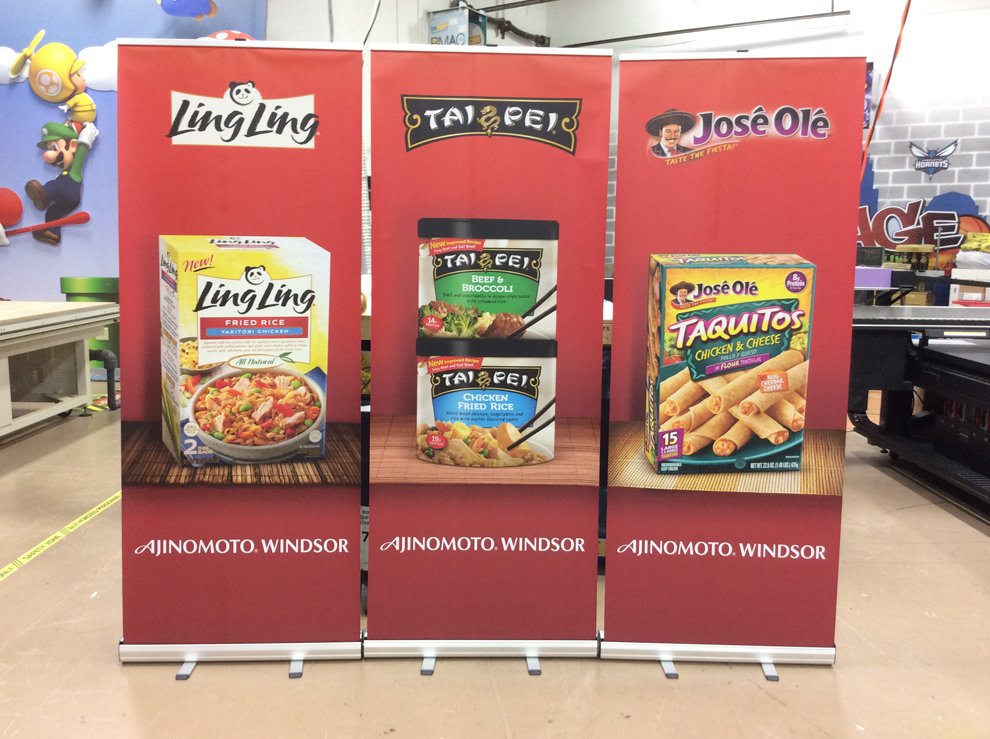
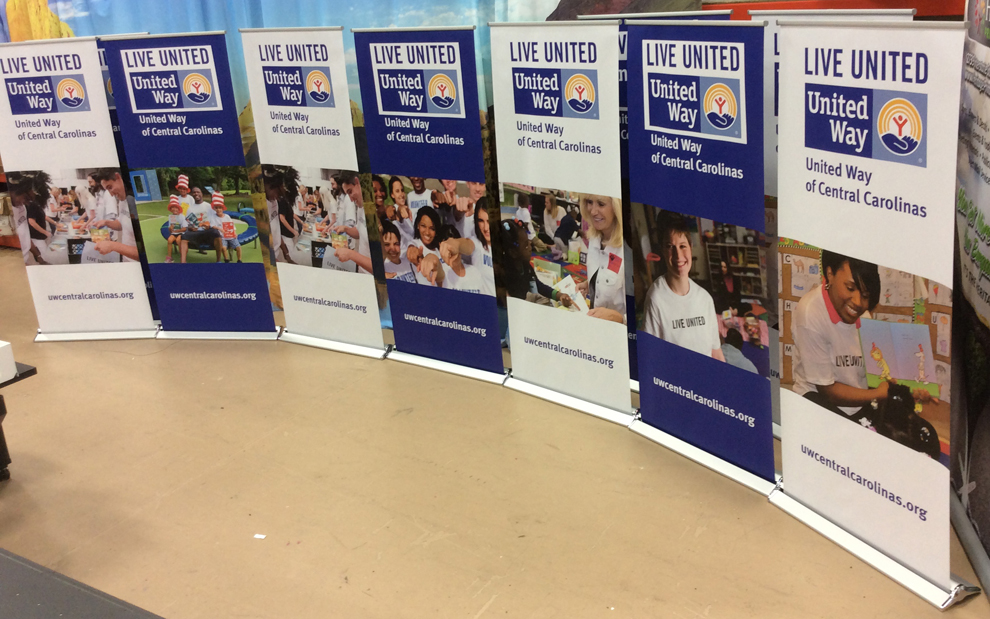
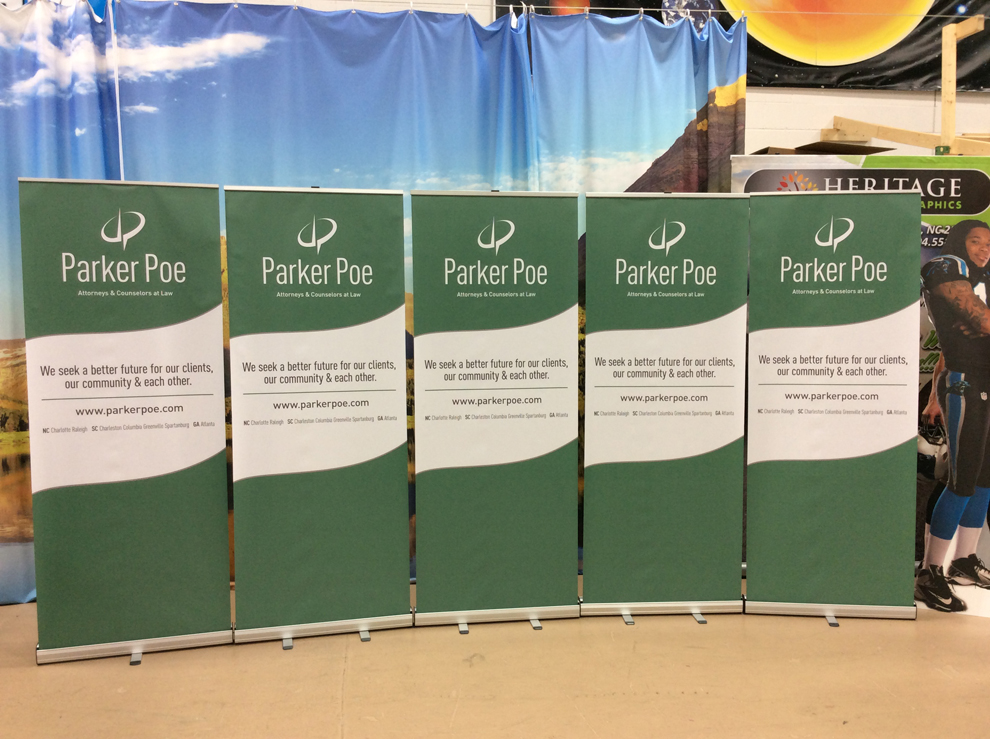
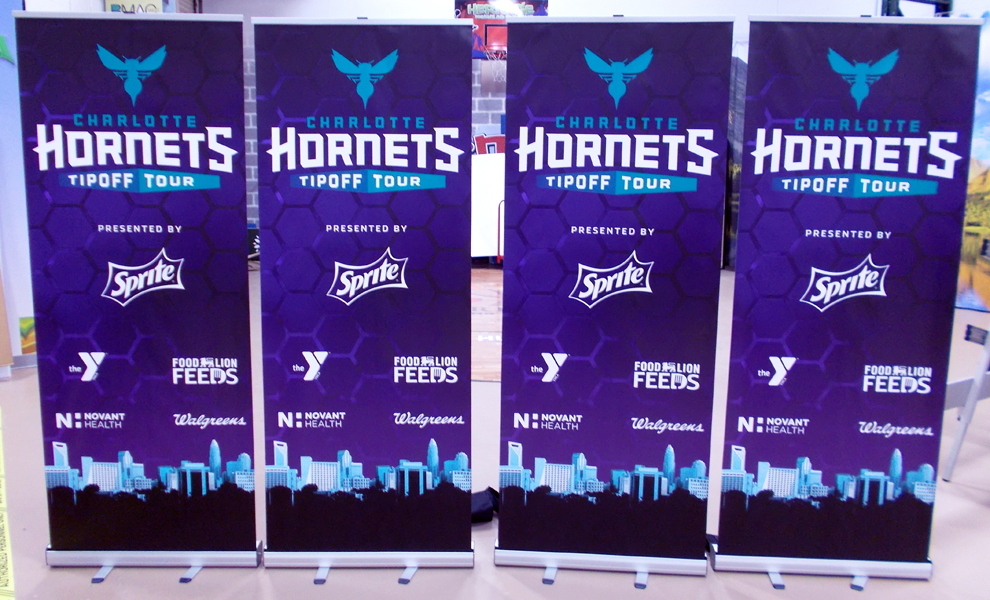
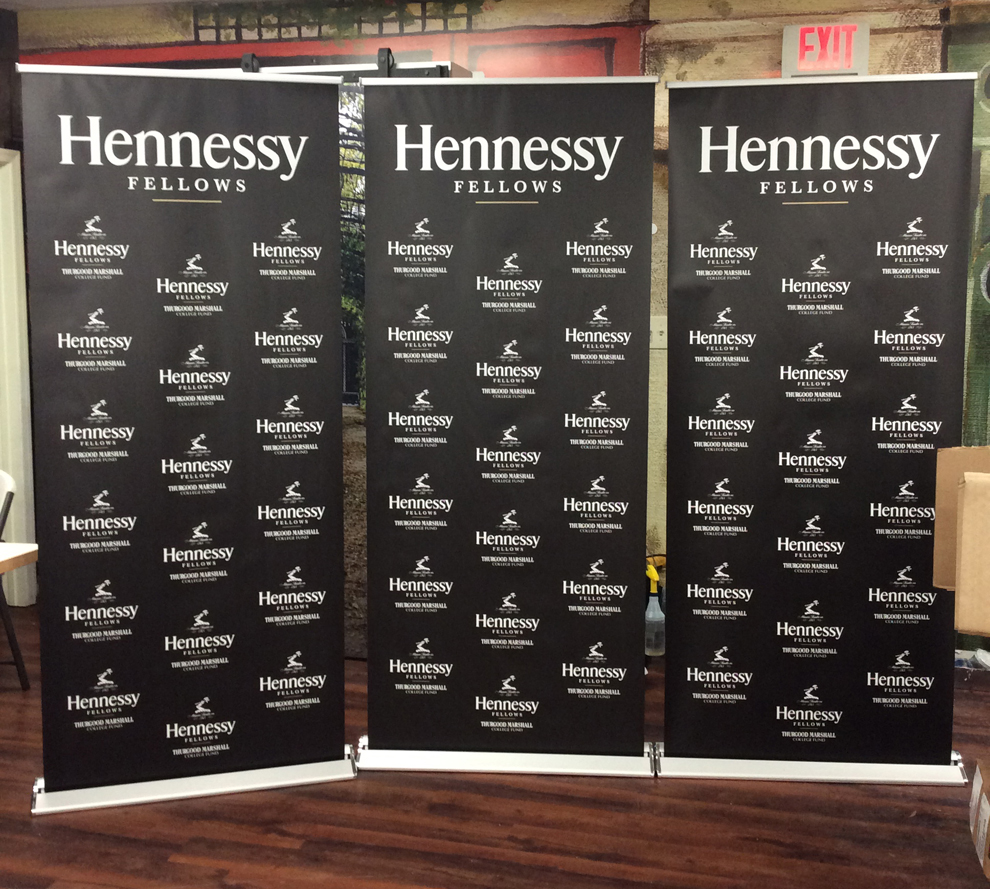
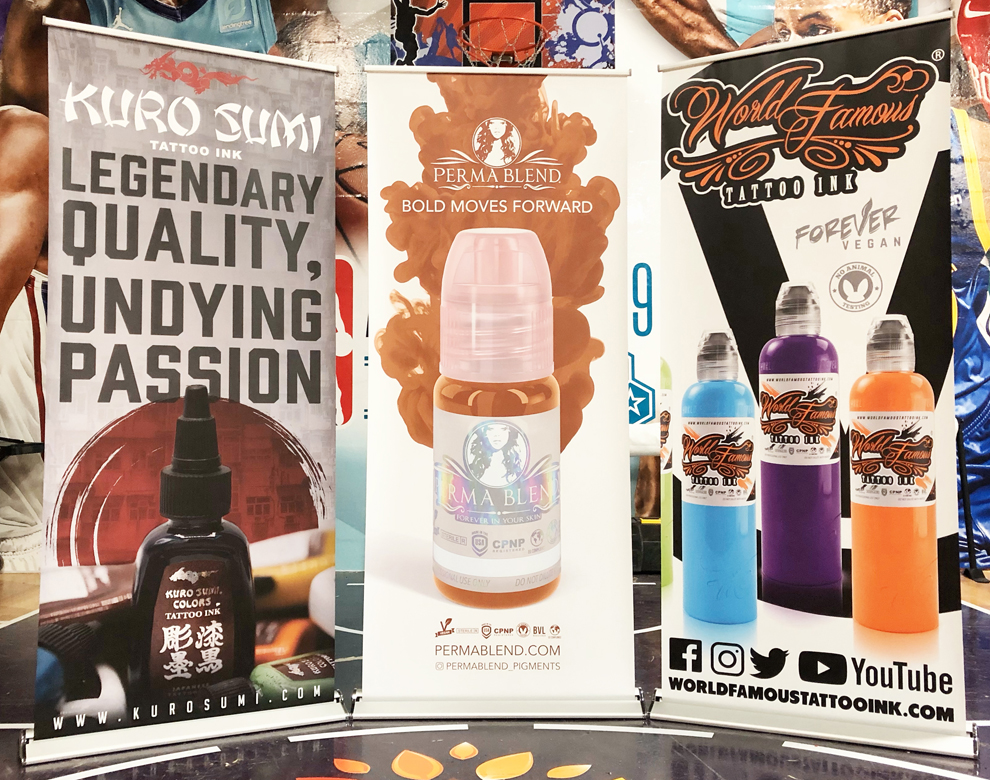
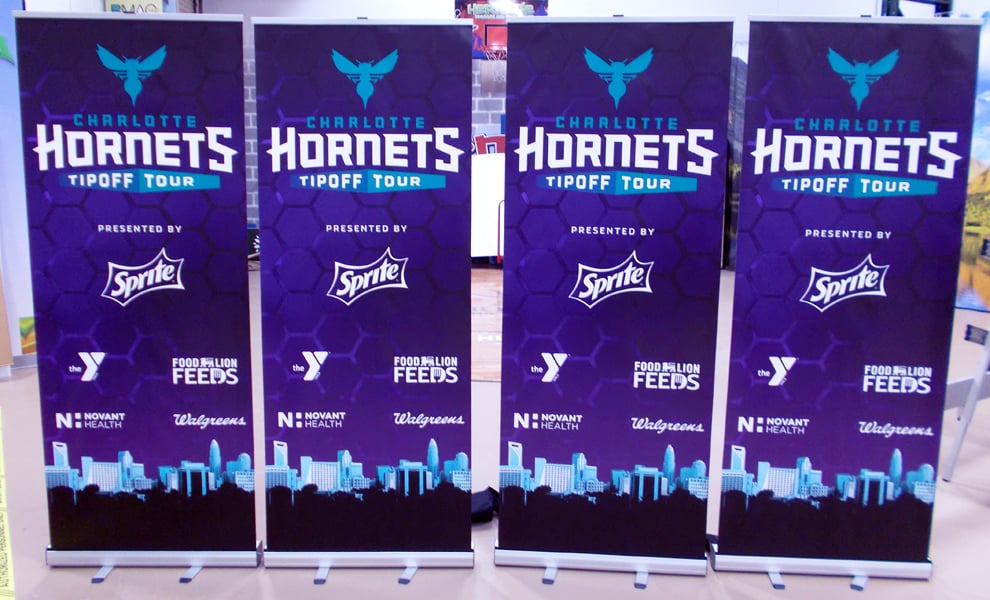
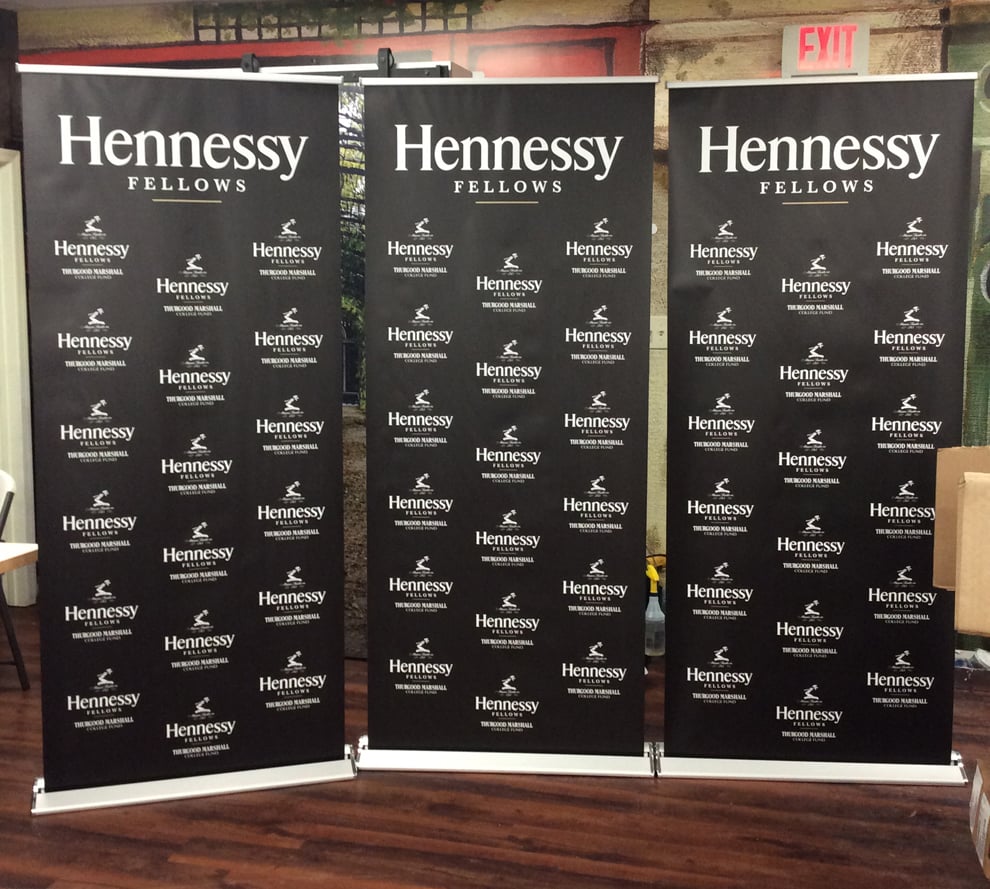
Your next event needs a message people can recognize while they are moving, not another surface filled with information. Retractable banners give that message a portable vertical format that your team can position for an indoor meeting, presentation, or recruiting program. For organizations planning activities in Concord, the practical question is whether a focused display can do the communication work without a larger exhibit. Start with what visitors should understand, then decide where they will encounter that message most clearly.
That need may arise at a nonprofit information session, a staff orientation, a campus program, or a customer briefing. Heritage Signs & Displays brings a veteran-owned business background to this work. Founded as a printing business in 1977, Heritage began its defining focus on signs, interior graphics, workplace branding, and event environments in 2009. That distinction matters when a portable banner is being considered alongside other graphics, because the purchasing decision may involve an entire environment rather than one display.
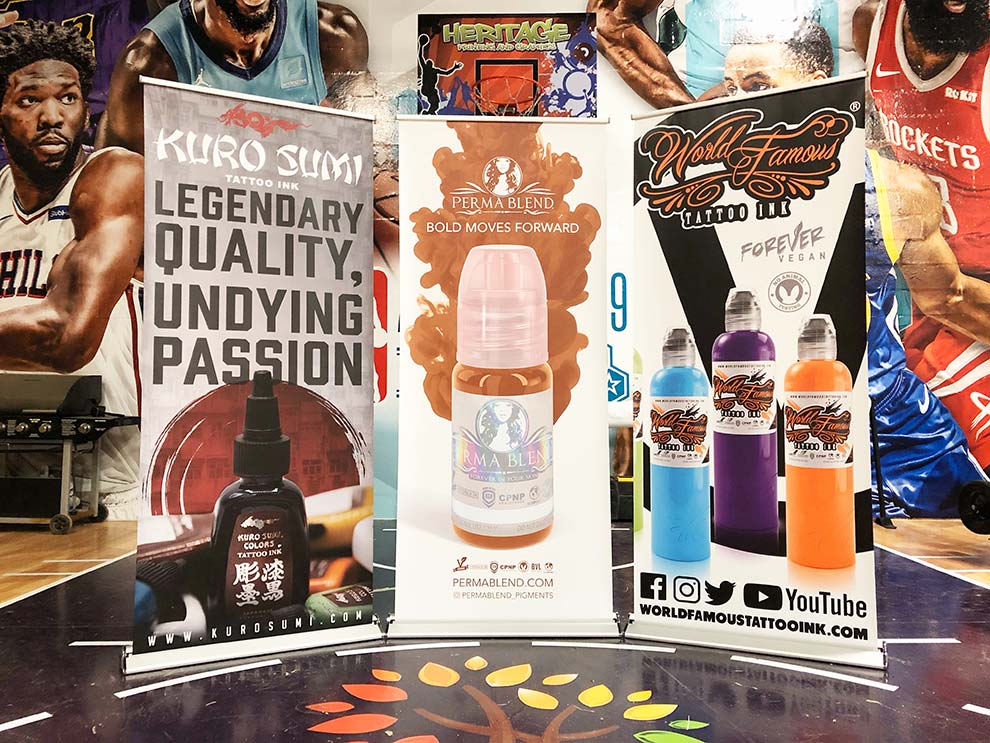
Give each banner a defined responsibility before developing the artwork. A welcome display can establish identity near arrival, while a recruiting display can introduce an opportunity and direct interested visitors toward a conversation. If several banners share a room, divide the content instead of repeating the same crowded layout. One can identify the organization, another can explain a program, and another can support the next step. Shared typography and visual hierarchy help separate messages remain recognizable as one coordinated system.
Portability also supports recurring communication without making every event a new display purchase. The printed graphic retracts into a protective base for transport and storage, allowing the unit to move between appropriate indoor settings. Replacement graphics can be used multiple times while the Heritage stand remains well cared for and in good working condition. There is no fixed lifespan; handling, travel, storage, and the condition of the mechanism influence whether continued use remains practical as your message or program changes.
Assess the setting before selecting the display: viewing distance, usable floor space, message length, travel frequency, and the number of units all matter. A banner that works beside a conversation area may not provide sufficient scale behind a stage. Consider who will carry, deploy, and store it, as well as who will approve the artwork. For a standardized purchase, the buyer must independently select an available product and configuration and supply complete print-ready artwork that meets the current product requirements.
A self-directed Heritage Online Store purchase applies only when the exact standardized product is available there; it does not include design or direct Heritage product coordination. A larger qualifying Heritage-managed project follows a different path when banners require coordination with other displays, locations, stakeholders, delivery plans, or site conditions. Approved artwork does not remove those coordination needs. Use Get Started Now for that broader solution, with any design assistance or installation services defined separately within the accepted overall project scope.
Talk with Heritage about a coordinated event environment involving multiple signs, graphics, displays, and professional installation.
Get Started Now
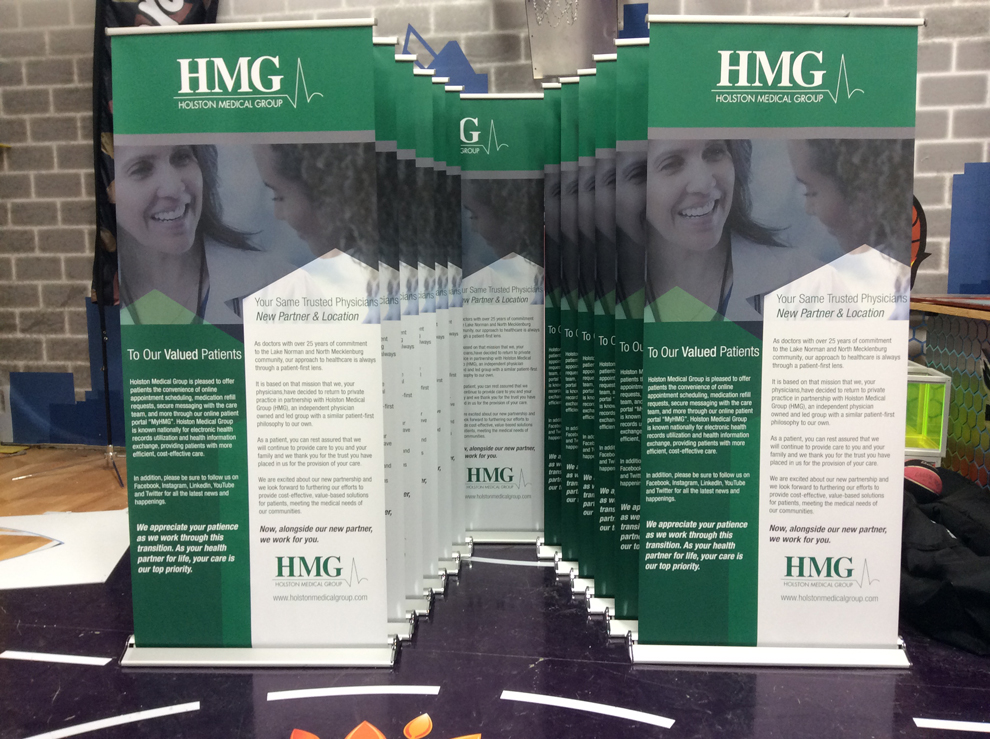
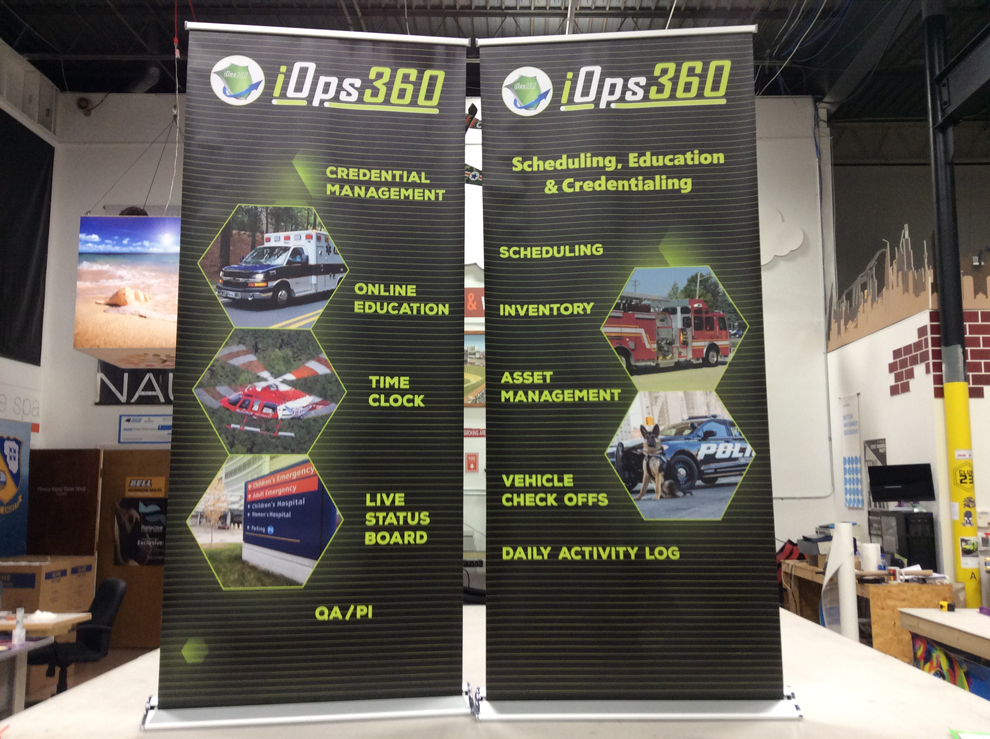
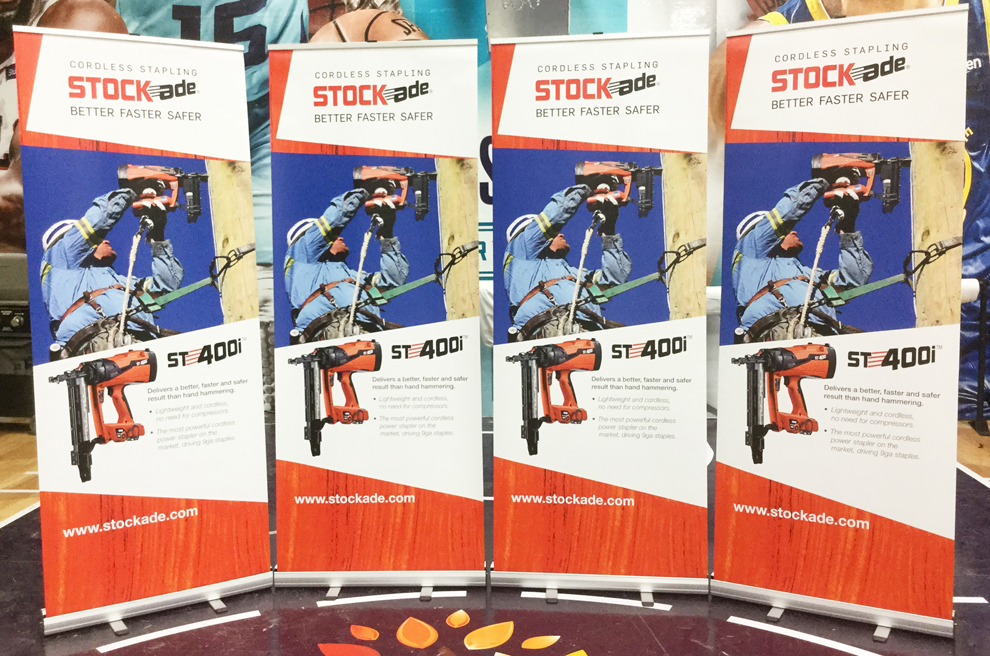
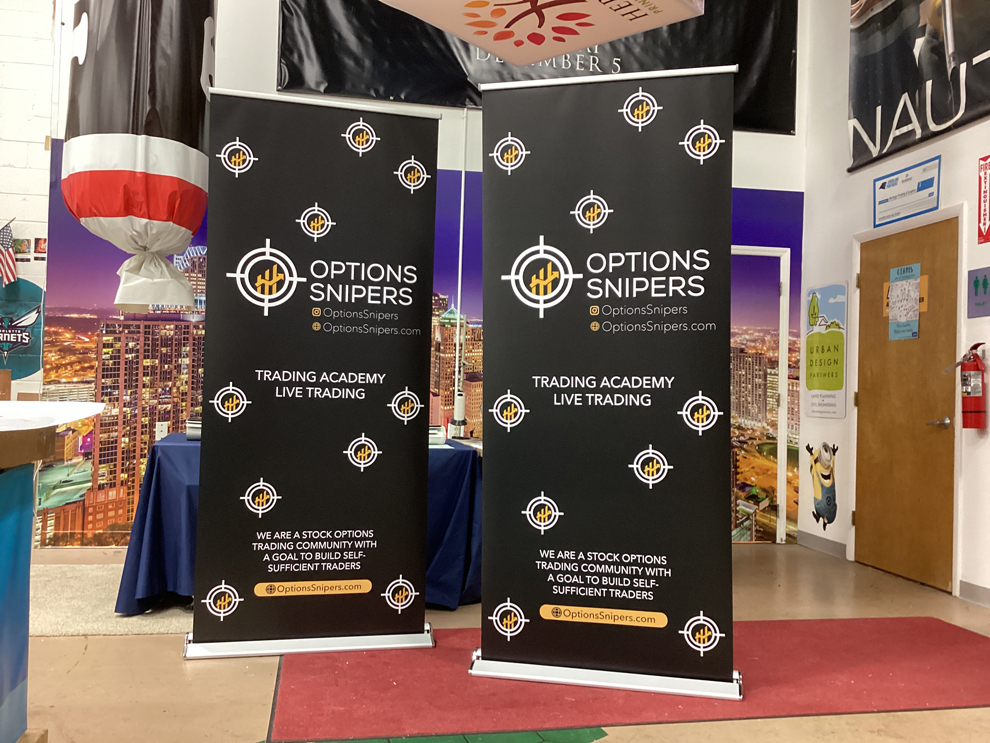
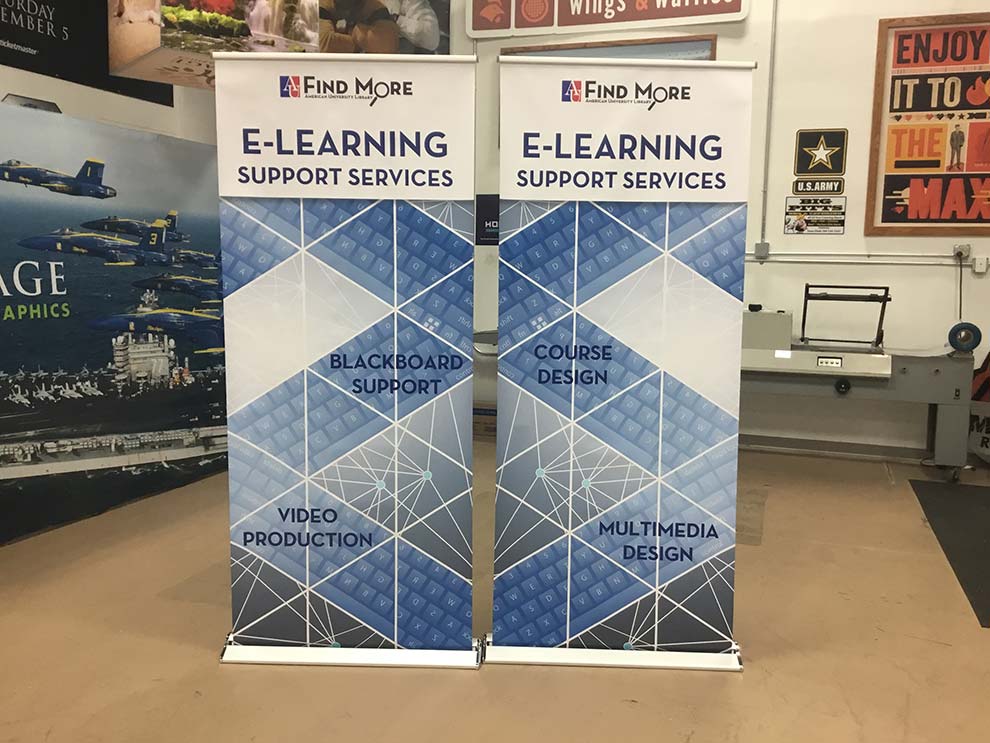
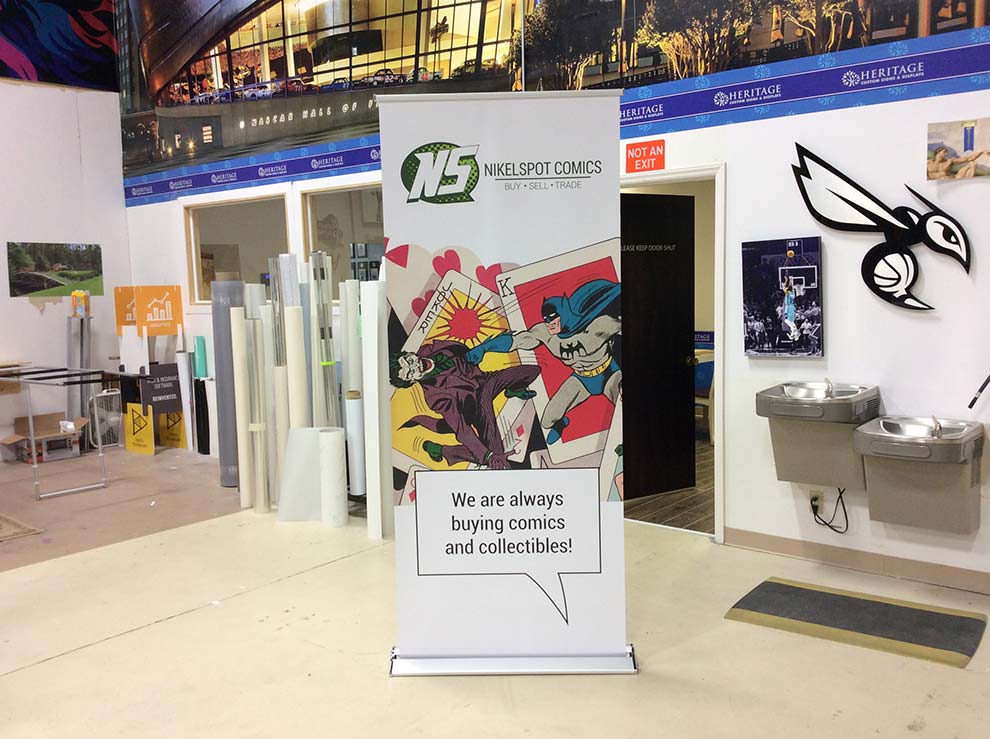
A retractable banner combines a printed graphic, a storage base, and the support structure that holds the display upright. For use, the graphic is raised from the base and secured according to the instructions for that stand. Afterward, controlled retraction returns the print to its protective housing rather than leaving it exposed during transport.
This arrangement suits a message that needs to stand independently without becoming a permanent fixture. Place the information where it supports a specific interaction, such as identifying a check-in area or introducing a program beside a staffed table. Keep sightlines, access routes, and the surrounding activity in mind when deciding where the unit belongs.
The format has limits. It cannot provide the same broad visual surface as an event backdrop, and adding more text does not make it a substitute for a detailed handout. If visitors need a schedule, instructions, and program descriptions, distribute those jobs across suitable materials. Choose a banner for the part of the conversation that benefits from a clear, upright message seen at the intended viewing distance.
Provider selection should account for what happens around the printed banner, not just the appearance of the finished graphic. Heritage supports larger workplace and event environments through project management, design, production, and installation services. For a qualifying managed engagement, the accepted scope establishes which services are involved and how the portable displays relate to the complete solution.
Heritage's One Dedicated Project Manager System gives the client a consistent point of accountability for that broader work. The value is continuity: approved artwork, stakeholder decisions, production dependencies, delivery requirements, and schedule changes remain connected. This can be particularly useful when several departments contribute content but one organization must approve the entire presentation.
That managed service should not be confused with an independent standardized order. The Heritage Online Store does not add a dedicated Project Manager, artwork development, or product selection assistance to a standalone transaction. Choosing the appropriate relationship protects both expectations and responsibilities. A buyer with finished files may need only a product, while a team with finished files and complex logistics may need managed coordination.
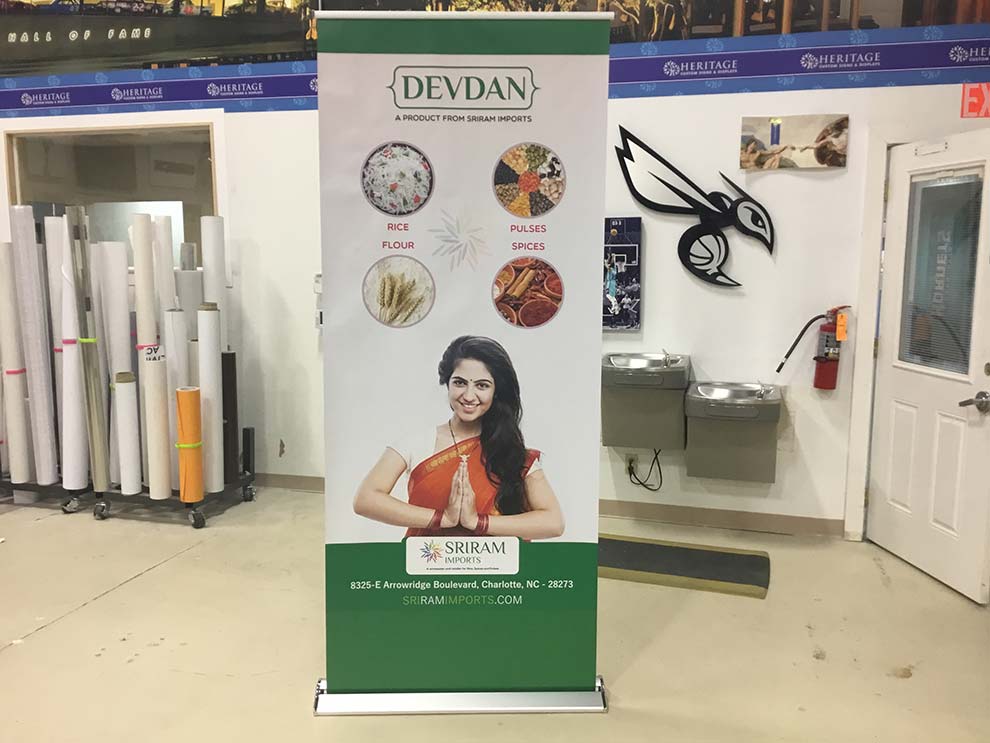
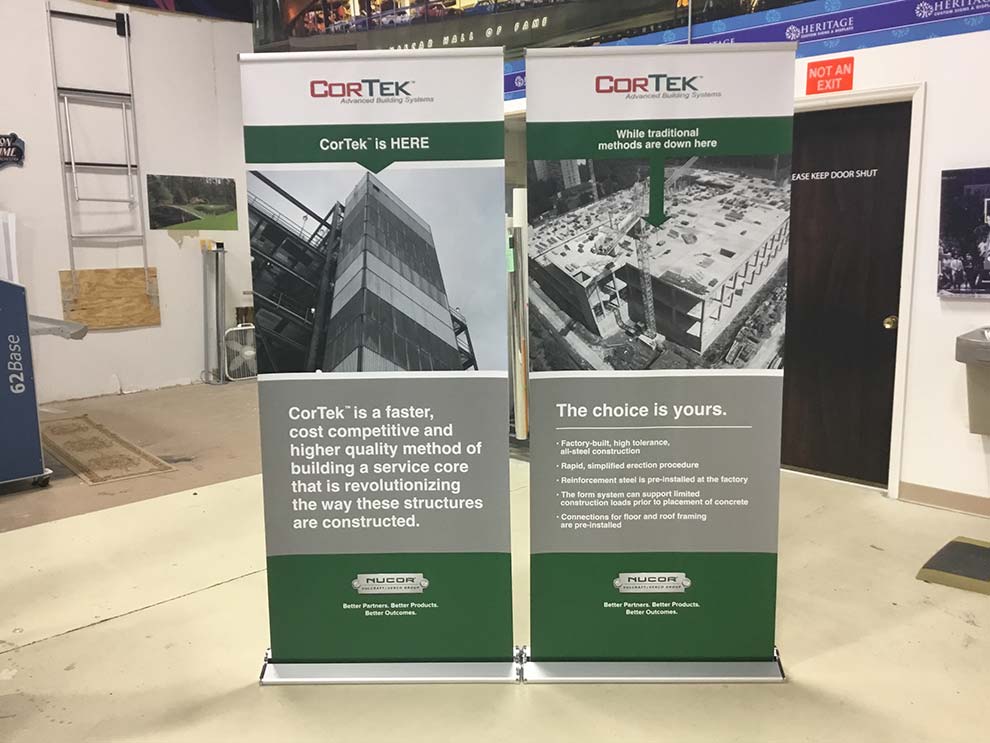
Establish a broad visual setting behind speakers or presentations when a narrow portable banner cannot provide the needed coverage.
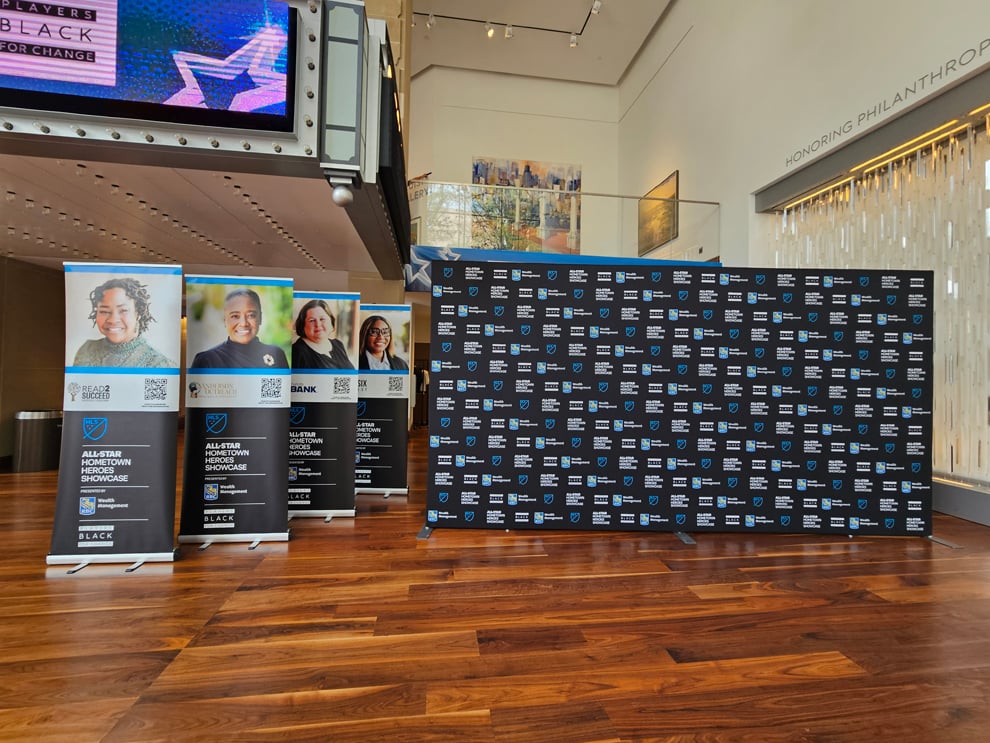
Provide a consistent branded background for guest photographs, sponsor visibility, and organized media opportunities.
Bring several presentation components together when a booth must support product information, conversations, and a larger brand presence.
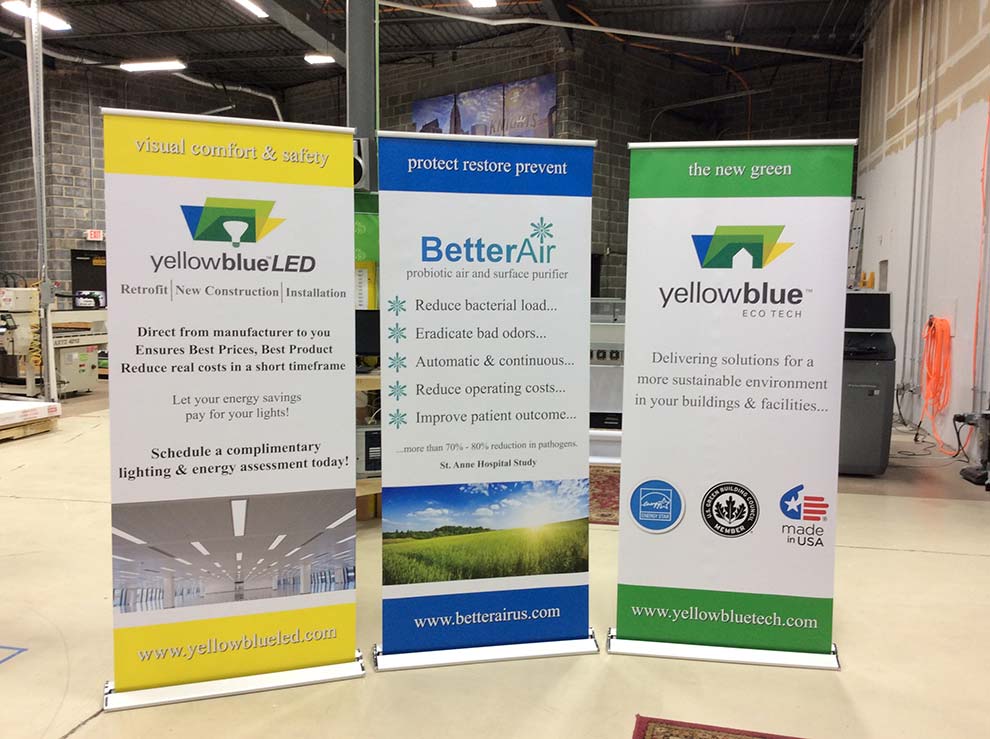
Introduce a taller visual marker when visitors need to identify an activity area among surrounding displays.
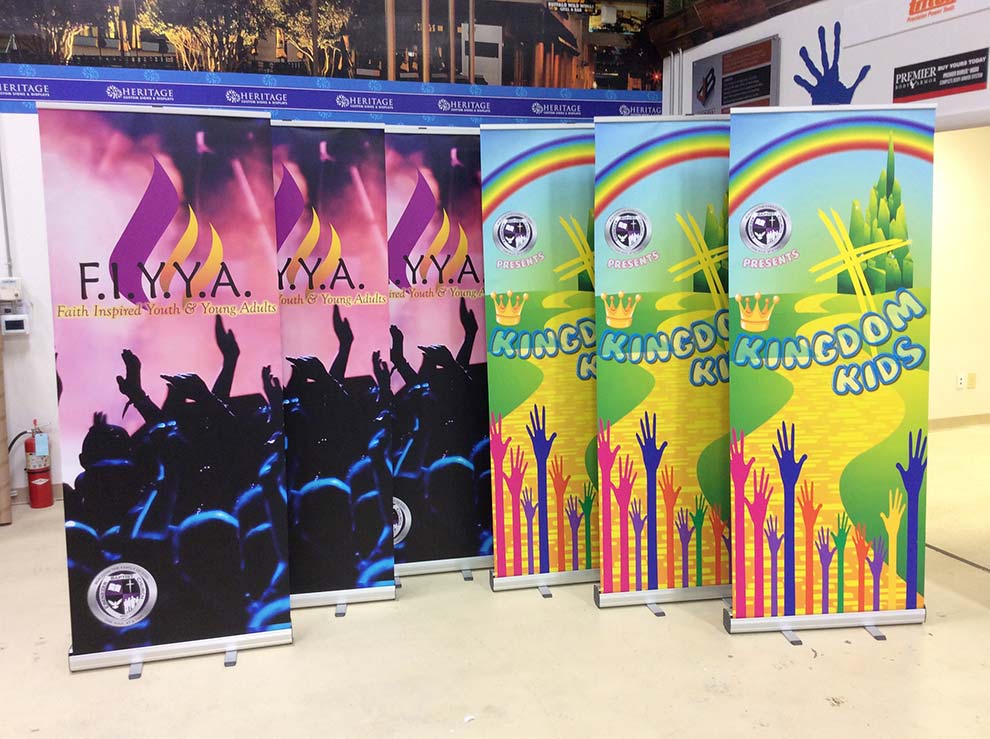
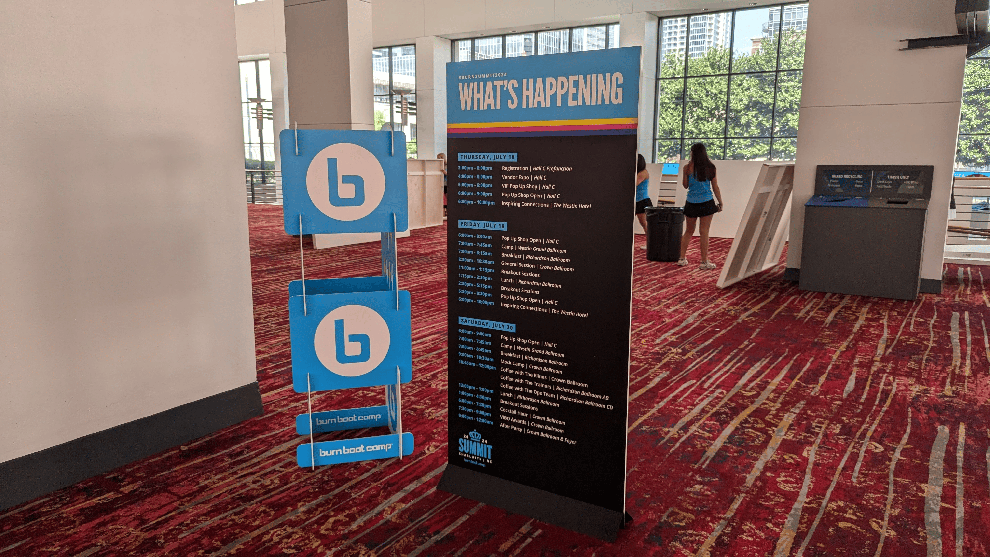
Present schedules, room assignments, maps, or program details in a freestanding format that visitors can approach and read.
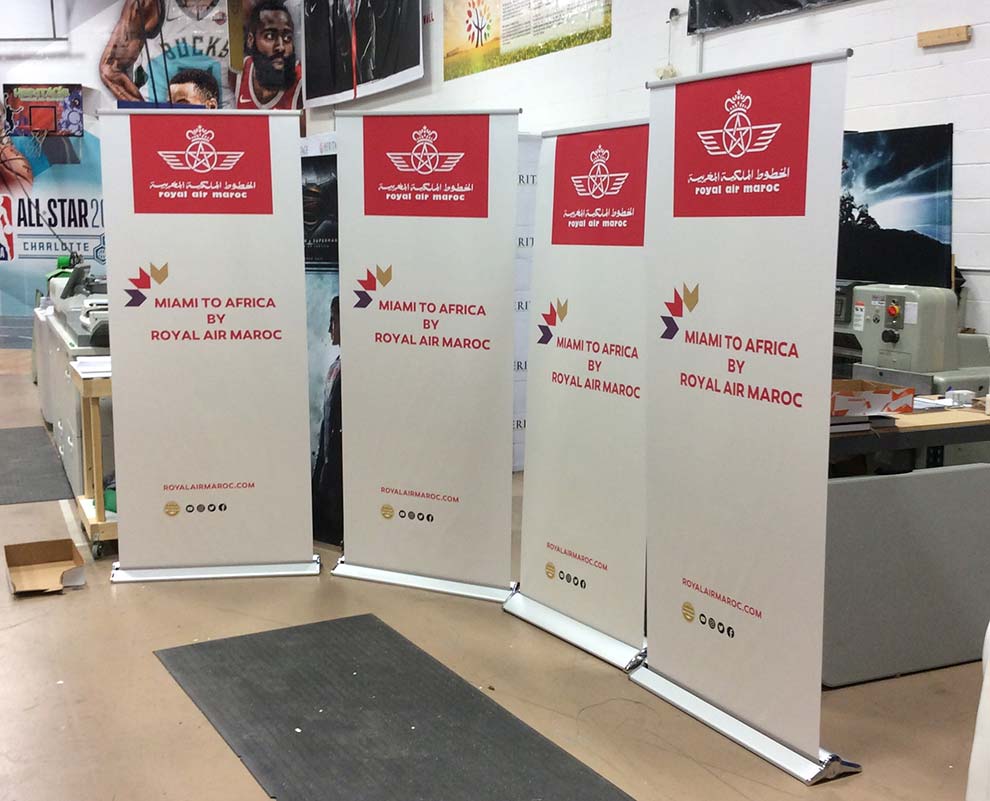
Reinforce directional information along suitable walking surfaces when the event plan calls for coordinated movement between areas.
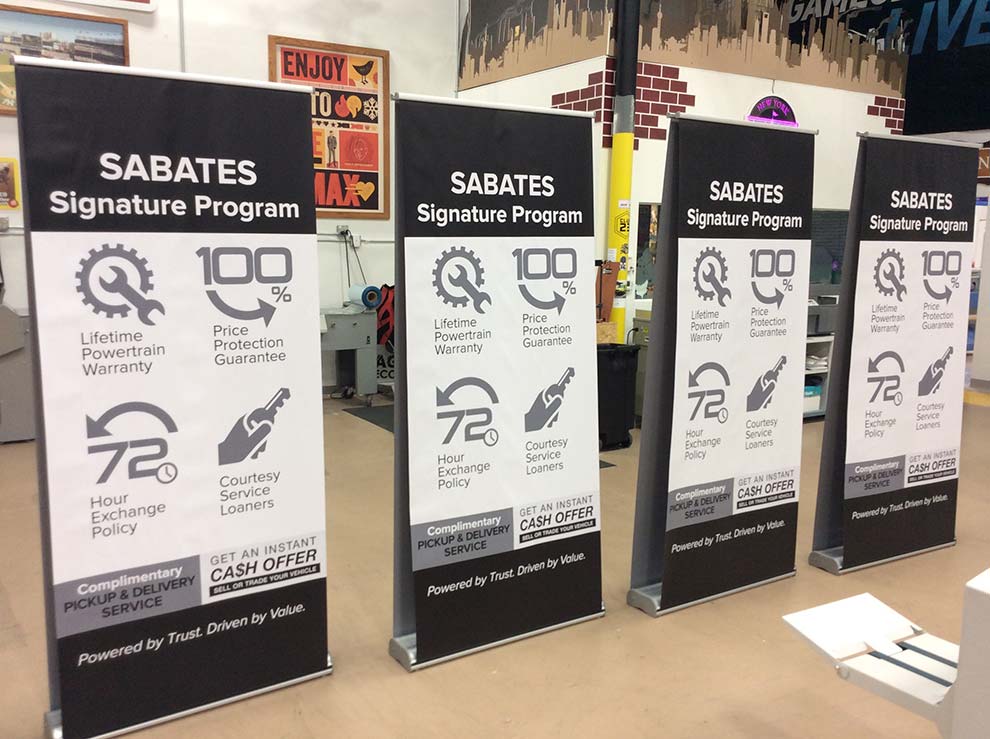
Use appropriate glass surfaces to identify temporary event spaces or extend messaging beyond freestanding displays.
Connect registration, wayfinding, sponsor recognition, and presentation areas through a coordinated collection of event communication materials.
If you are preparing a self-directed purchase of retractable banners for Concord, confirm that the exact standardized product is available in the Heritage Online Store. Select the configuration independently and have complete print-ready artwork ready before ordering.
If the banners belong to a larger qualifying workplace or event project, describe the full environment, participating locations, approval responsibilities, and required date. Use Get Started Now for Heritage to assess the broader coordination needs. Include any design, color evaluation, delivery, or installation requirements so those services can be considered within the scope.
Planning a Larger Event Branding Project? Get Started Now
For a Concord project, begin with the actual destination and the people responsible for receiving and deploying the displays. A staffed office, a temporary meeting room, and an event venue can have different access arrangements. Confirm the room, receiving contact, storage location, and permitted setup period before building the plan around a banner count or an event date.
If your program also involves Charlotte or other nearby communities, identify which messages remain consistent and which change by destination. Separate artwork approval from distribution responsibilities so a correct file does not become a display delivered to the wrong place. These are planning considerations, not assumptions that a standalone order includes local field support or coordinated delivery.
For work extending into the Carolinas, the Mid-Atlantic, or additional markets, describe the complete geographic scope when requesting a qualifying managed project. Heritage can then assess the resources needed for the accepted work. Confirm project contacts, production arrangements, field responsibilities, and any installation requirements separately so each destination has a clear operational plan and the receiving team understands its responsibilities.
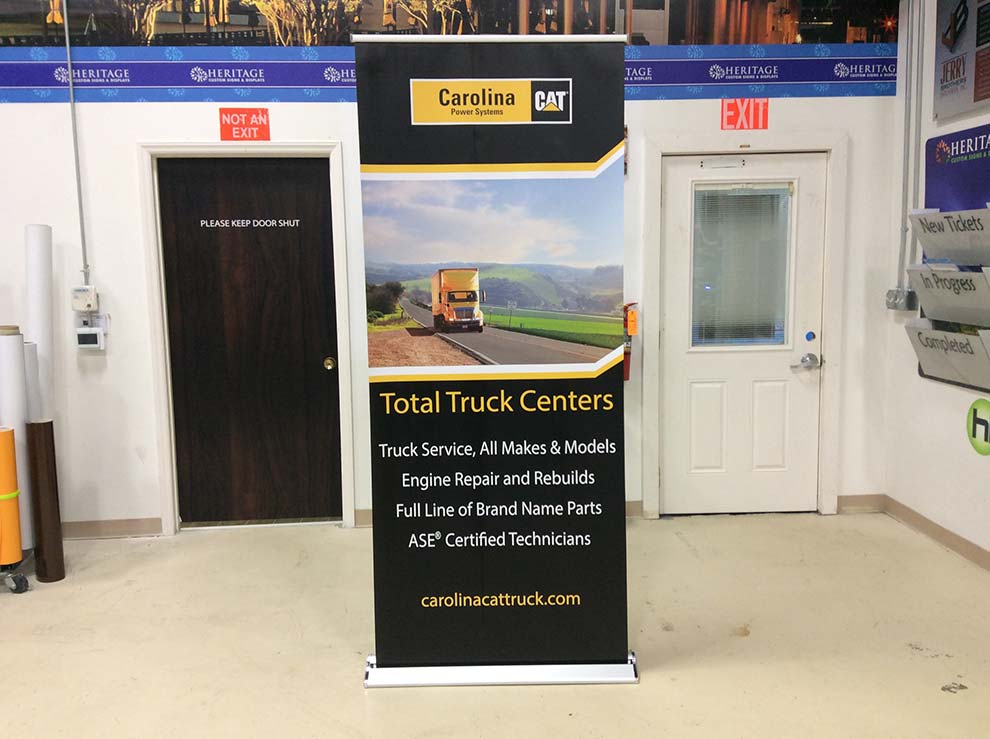
Build the reading order around the audience rather than the dimensions of the artwork file. A person approaching the display should identify the organization and principal message before encountering supporting detail. Use a clear headline, readable type, sufficient contrast, purposeful imagery, and open spacing to help the viewer understand what matters without stopping to study the entire surface.
Position the call to action where it follows naturally from the message. If a banner sits behind a table, consider how furniture and people may obscure lower content. Several displays should share a visual framework while carrying distinct information; repeating every detail on every banner usually weakens the reason to use a coordinated group.
For a self-directed Heritage Online Store purchase, the client completes this work and supplies complete print-ready artwork for the selected configuration. Heritage design and layout development are not included. Design support is available within a qualifying managed project only when included in the accepted scope. That project may instead use approved client or agency artwork while Heritage coordinates the broader branded display environment.
Assign setup and takedown to people who understand the stand instructions, even when several teams share the display. Raise the graphic and secure it using the support structure specified for that unit. Portable setup is different from professional installation, and a standalone standardized banner does not require an installation crew simply because it is used in a business setting.
During retraction, hold the top rail securely and guide the graphic slowly and evenly into the base. Maintain control throughout the return rather than releasing the rail and relying on the mechanism to manage the movement. One uncontrolled return can severely damage both the printed graphic and the retracting mechanism, making careful takedown essential after every use.
Keep the graphic retracted for transport and storage, and protect the base from impacts. Do not force a damaged or poorly operating stand back into service. Heritage generally advises against using standard retractable banners outdoors because wind can destabilize the stand. If the event moves outside, reassess the display choice instead of assuming the indoor unit remains suitable there.
A standardized Online Store transaction is for an independent buyer who selects the live product and configuration and supplies complete print-ready artwork. Current sizes, specifications, options, prices, and file requirements belong in the Heritage Online Store for review before placing orders. This path does not include Heritage design, layout development, direct product selection or coordination, Physical Production Color Proofs, a Heritage site survey, or Heritage professional installation.
A qualifying managed project is different because Heritage helps coordinate a larger workplace or event solution. Finished artwork may already exist, but several displays, multiple destinations, stakeholder approvals, delivery constraints, or installation dependencies can still require project management. Design assistance is available only when included in the accepted scope, not simply because the buyer needs a banner.
When the broader project includes Heritage professional installation, its installed scope requires a Heritage site survey combining client discovery and field/technical verification. Identify that requirement early so access, surfaces, placement, and scheduling can be evaluated together. Use Get Started Now to discuss the complete managed scope and its current qualification requirements.
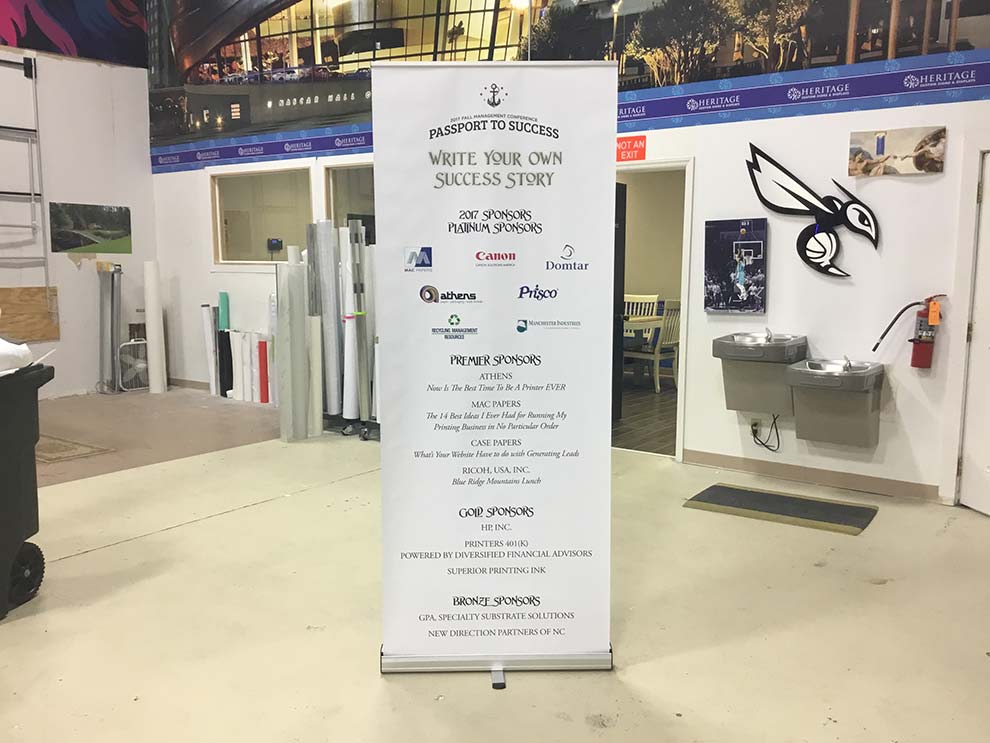
A retractable banner is a portable printed display that extends from a protective storage base and stands upright using its support structure. It suits a focused indoor message near an arrival point, staffed table, or presentation area. A backdrop or broader display system may be more appropriate when the audience needs a larger visual focal point.
Yes. Complete artwork does not resolve every production, distribution, or site coordination requirement. Banners may belong to a qualifying Heritage-managed project when several displays, locations, stakeholders, delivery arrangements, or installation dependencies require broader coordination.
Generally, no. Heritage advises against outdoor use of standard retractable banners because wind can destabilize the stand. If an event includes outdoor activity, evaluate a display intended for the actual conditions rather than assuming an indoor banner is suitable.
Yes. Replacement graphics can be used multiple times while the Heritage stand remains well cared for and in good working condition. There is no fixed lifespan, and continued use depends on the condition of the hardware and graphic. Compatibility with another manufacturer's stand should not be assumed.
The buyer must independently select an available standardized product and configuration and provide complete print-ready artwork. When the exact product is available in the Heritage Online Store, review its current sizes, options, pricing, file requirements, and applicable order conditions there. Do not assume that a general product page establishes live availability or current purchasing requirements.
No. A standalone Heritage Online Store transaction does not include design, layout development, direct Heritage product selection or coordination, Physical Production Color Proofs, a site survey, or professional installation. Design support may be included in a qualifying managed project, but only when it is part of the accepted scope.
A portable standalone banner does not require a Heritage site survey or professional installation. When the broader managed project includes Heritage professional installation, the installed scope requires a Heritage site survey combining client discovery and field/technical verification. The banner can then be considered in relation to the complete environment without treating portable setup as an installation service.
Hold the top rail securely and guide the graphic slowly and evenly into the base. Keep control throughout retraction because one uncontrolled return can severely damage both the graphic and the mechanism. Transport and store the unit with the graphic retracted, and protect the base from impacts.
No. Pantone Matching System colors are production targets, not guarantees of identical reproduction across printers, inks, graphic materials, and finishes. Each production combination has a different reproducible color range, or gamut. Coordinate brand expectations across the broader display system rather than assuming different materials will look identical.
No. A PDF or screen proof does not establish the final physical color standard. Physical Production Color Proofs are available only within qualifying managed projects when included in the accepted scope, at additional cost, and when the schedule allows. They are not included in standalone Online Store purchases.
Begin with a location list, quantities, message variations, receiving contacts, and required dates. For a qualifying managed project, Heritage can assess the broader coordination requirements and determine the resources appropriate to the accepted scope. Heritage's One Dedicated Project Manager System supports continuity across that managed engagement, not a standalone self-directed order.
Identify the required in-hand date separately from the event date, and account for approvals, production, delivery, and setup. For an available standardized Online Store product, review the current timing information before ordering. For a qualifying managed project, provide the complete scope early so Heritage can assess feasibility without assuming a guaranteed turnaround.
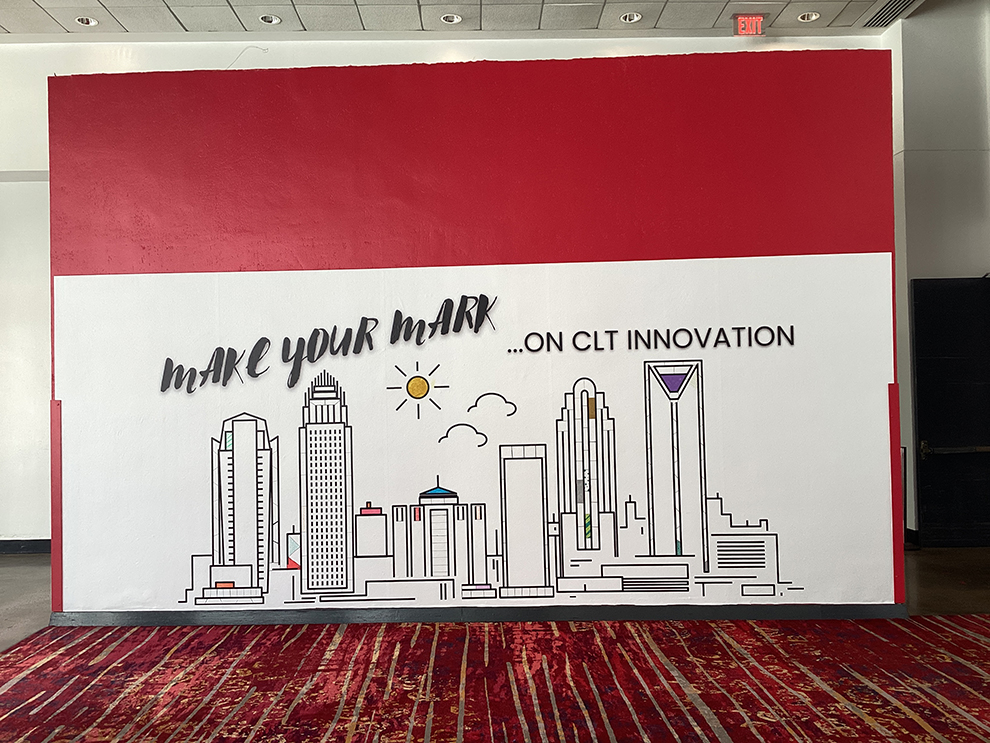
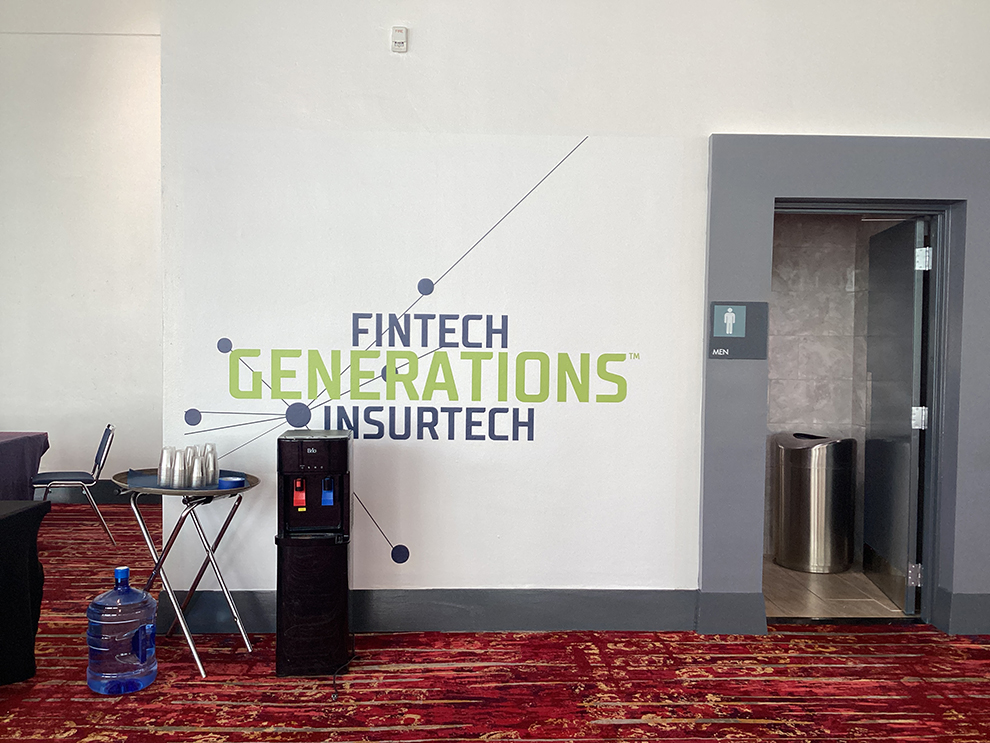
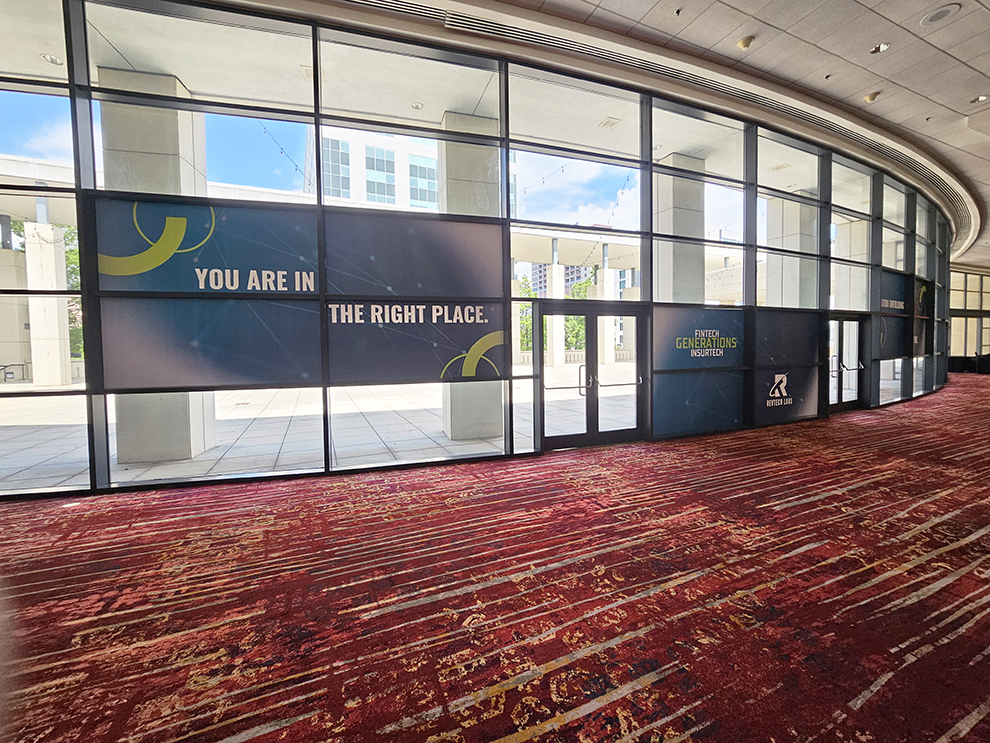
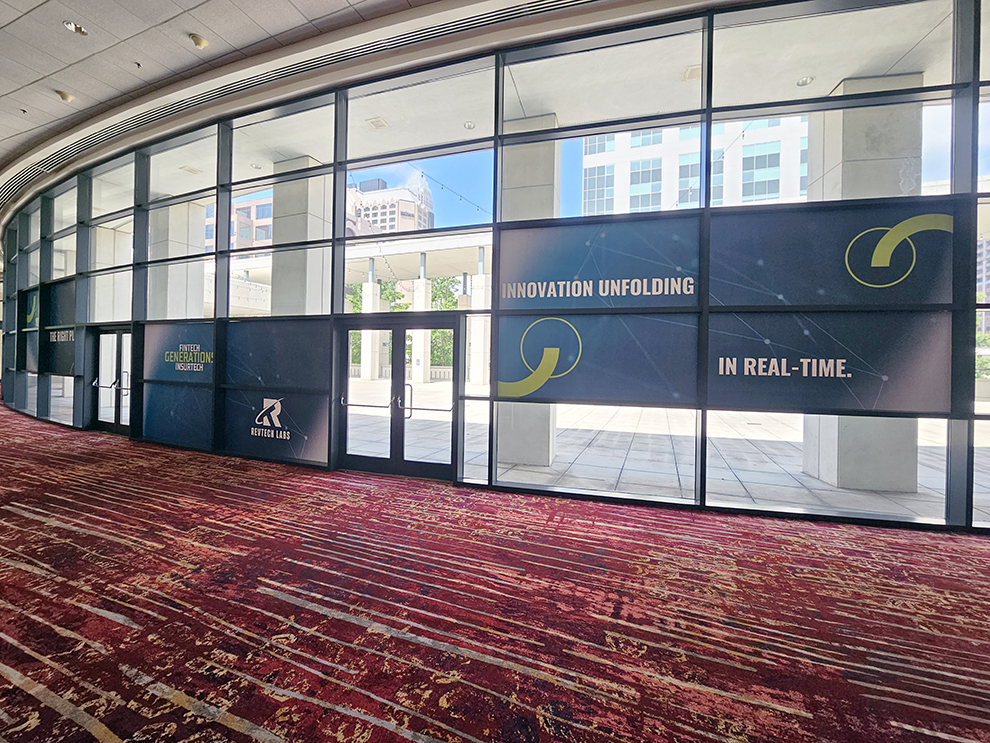
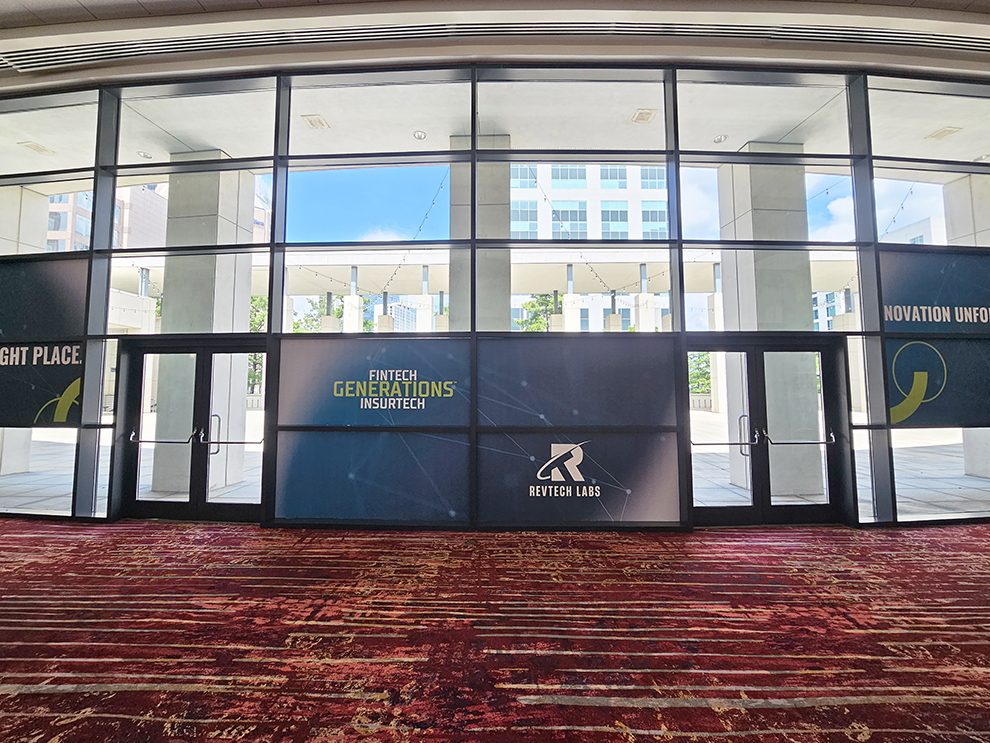
Heritage Signs & Displays collaborated with the Fintech + Insurtech Generations 2023 conference at the Charlotte Convention Center. Heritage worked closely with the client to create an interactive and branded event environment for attendees to network and discuss key topics impacting the financial and insurance sectors. The project enhanced the premier annual conference's atmosphere and engagement.
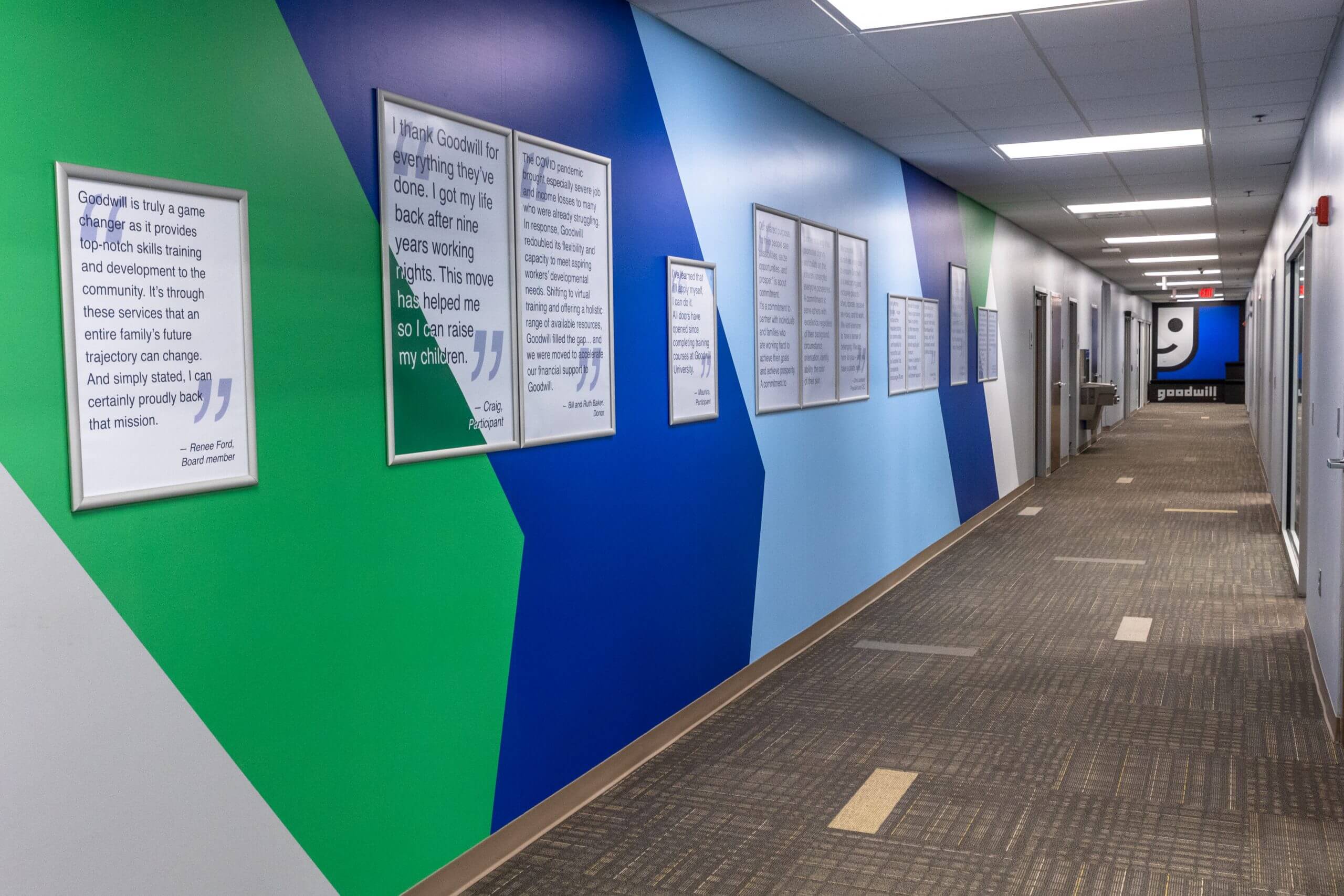
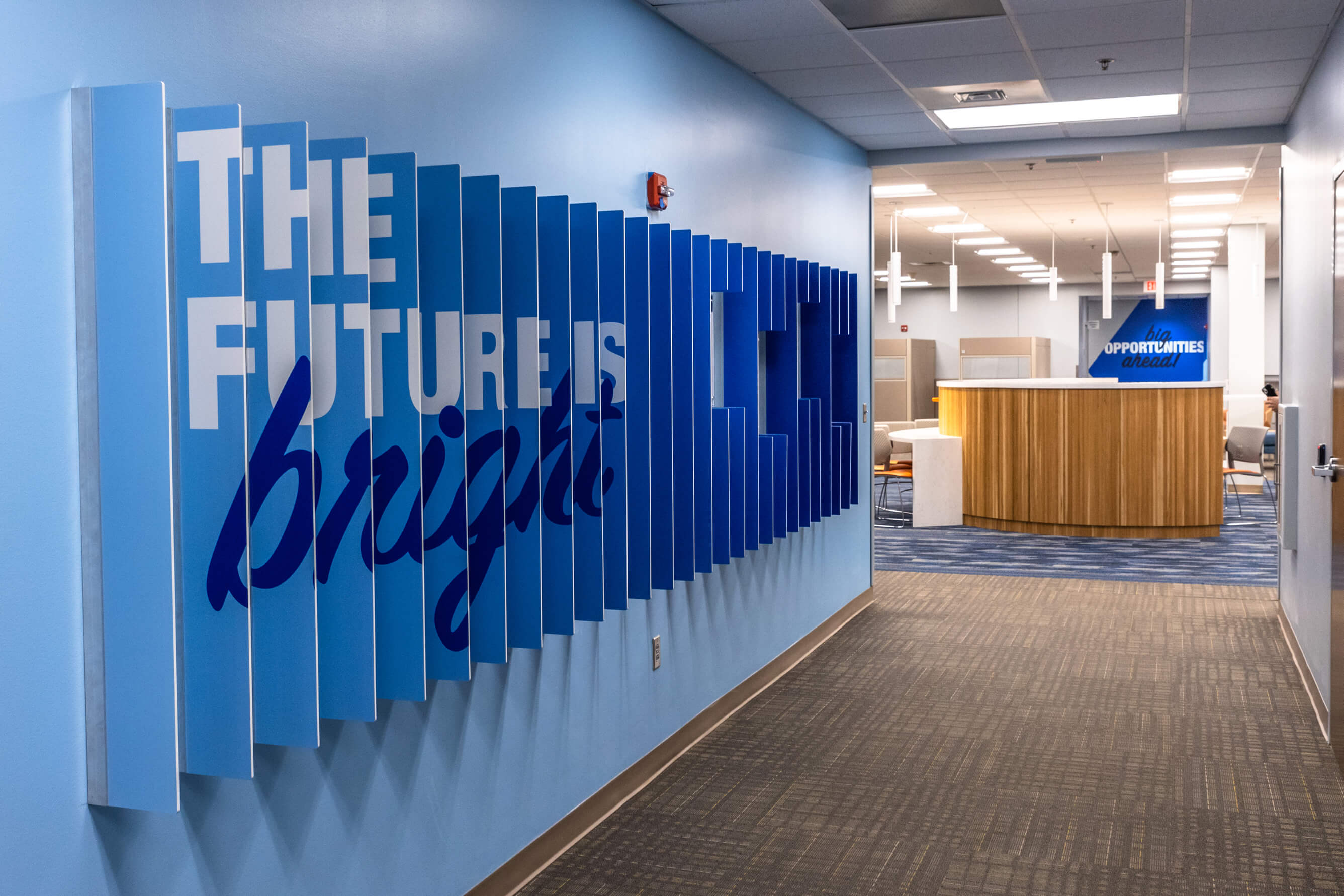
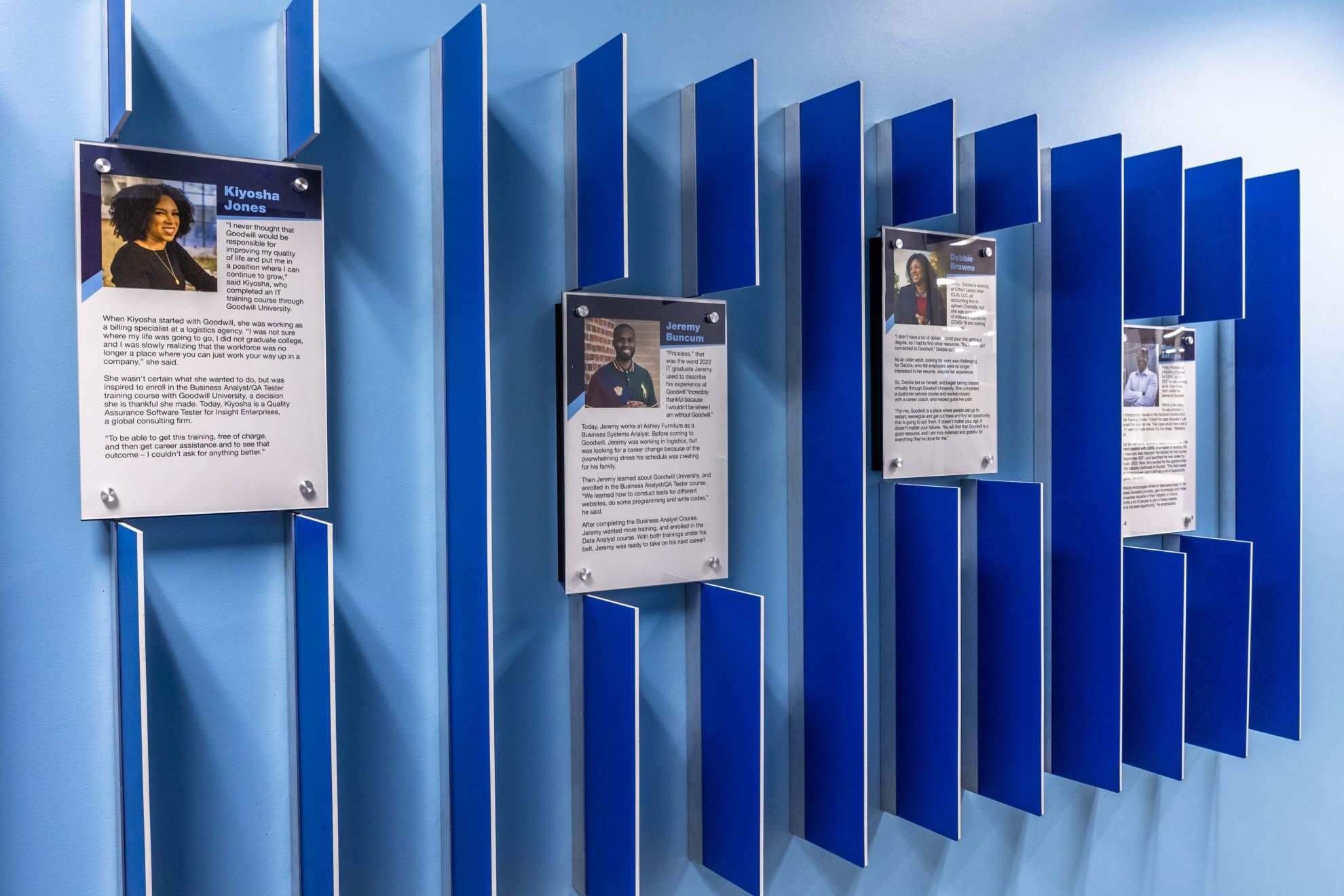
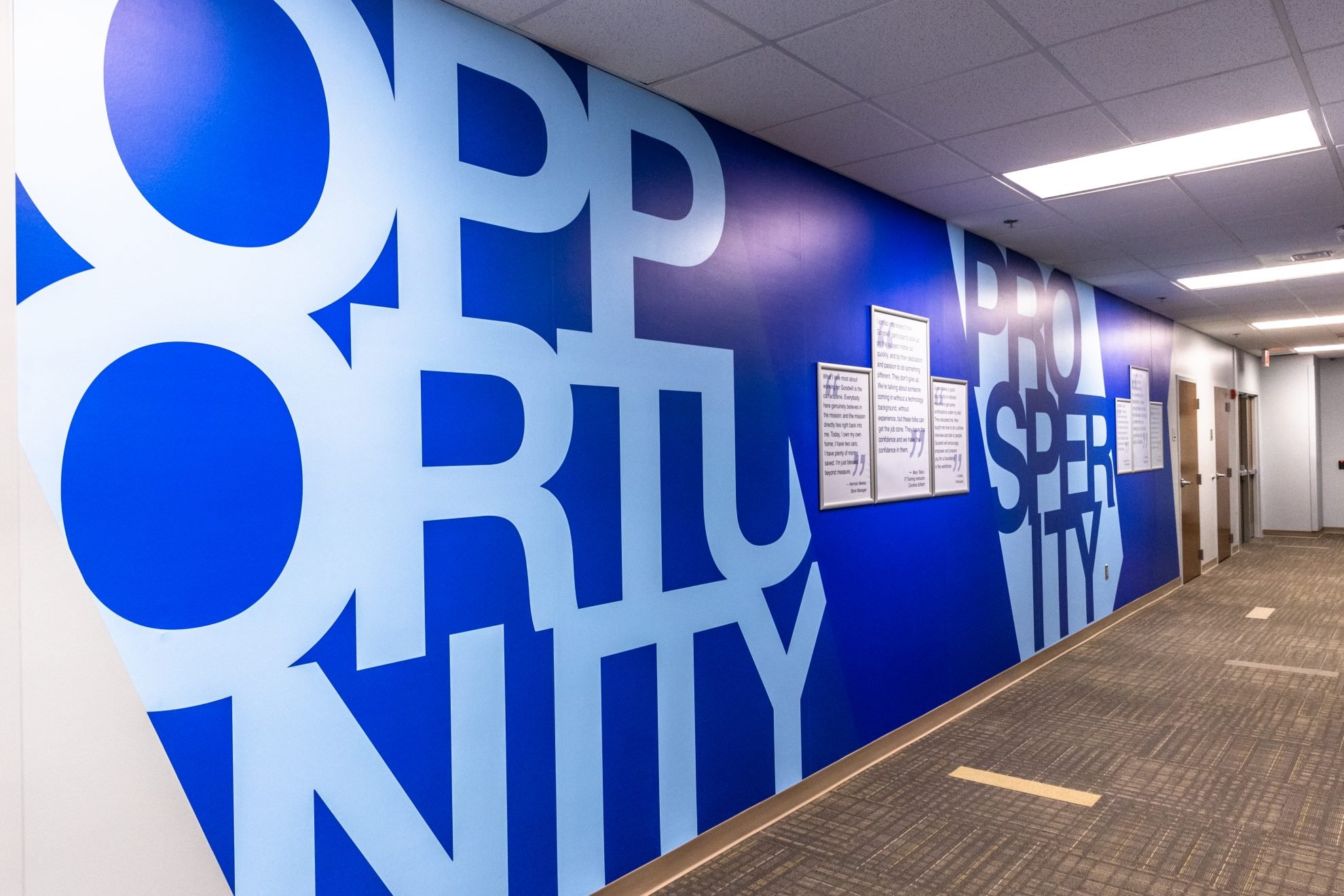
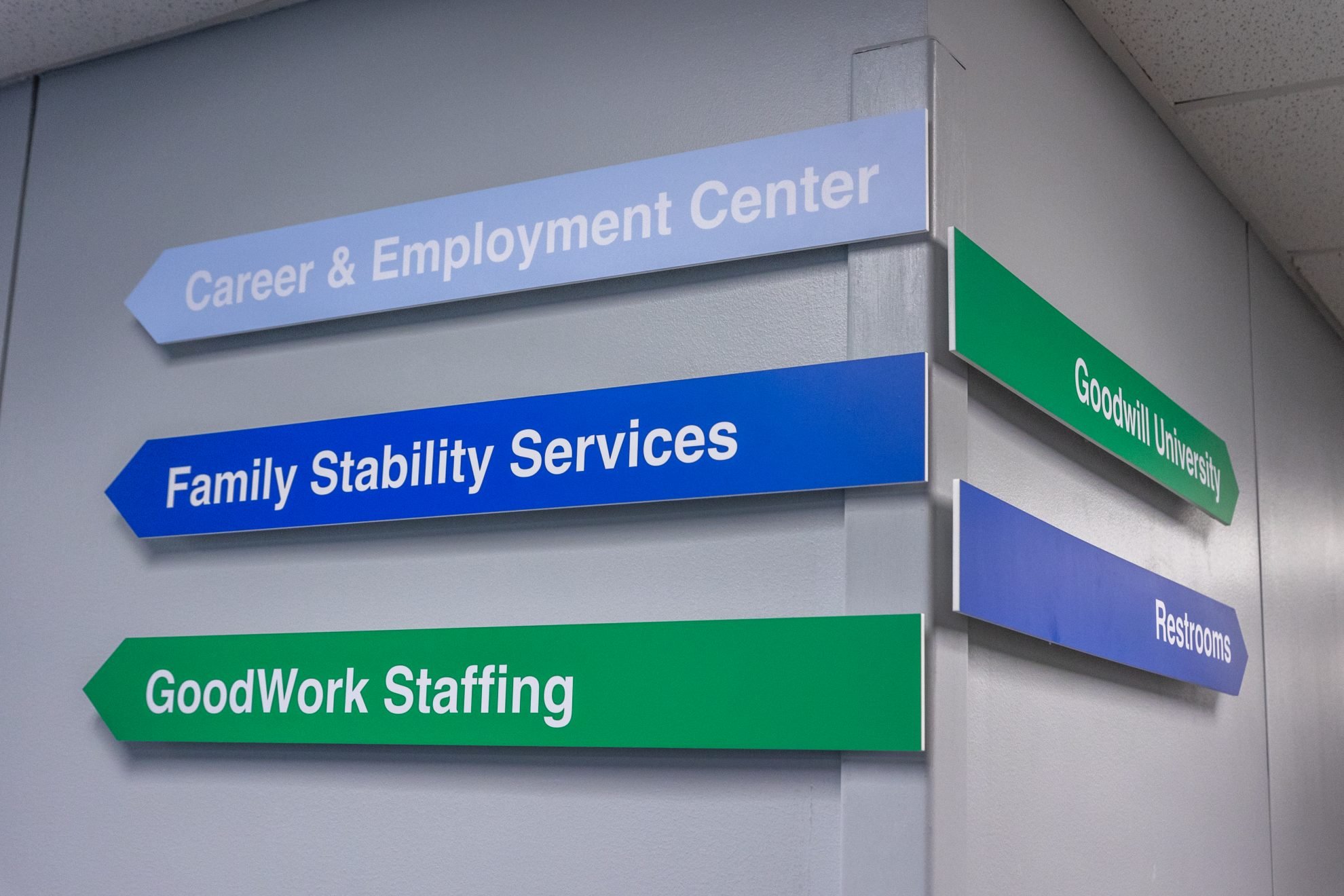
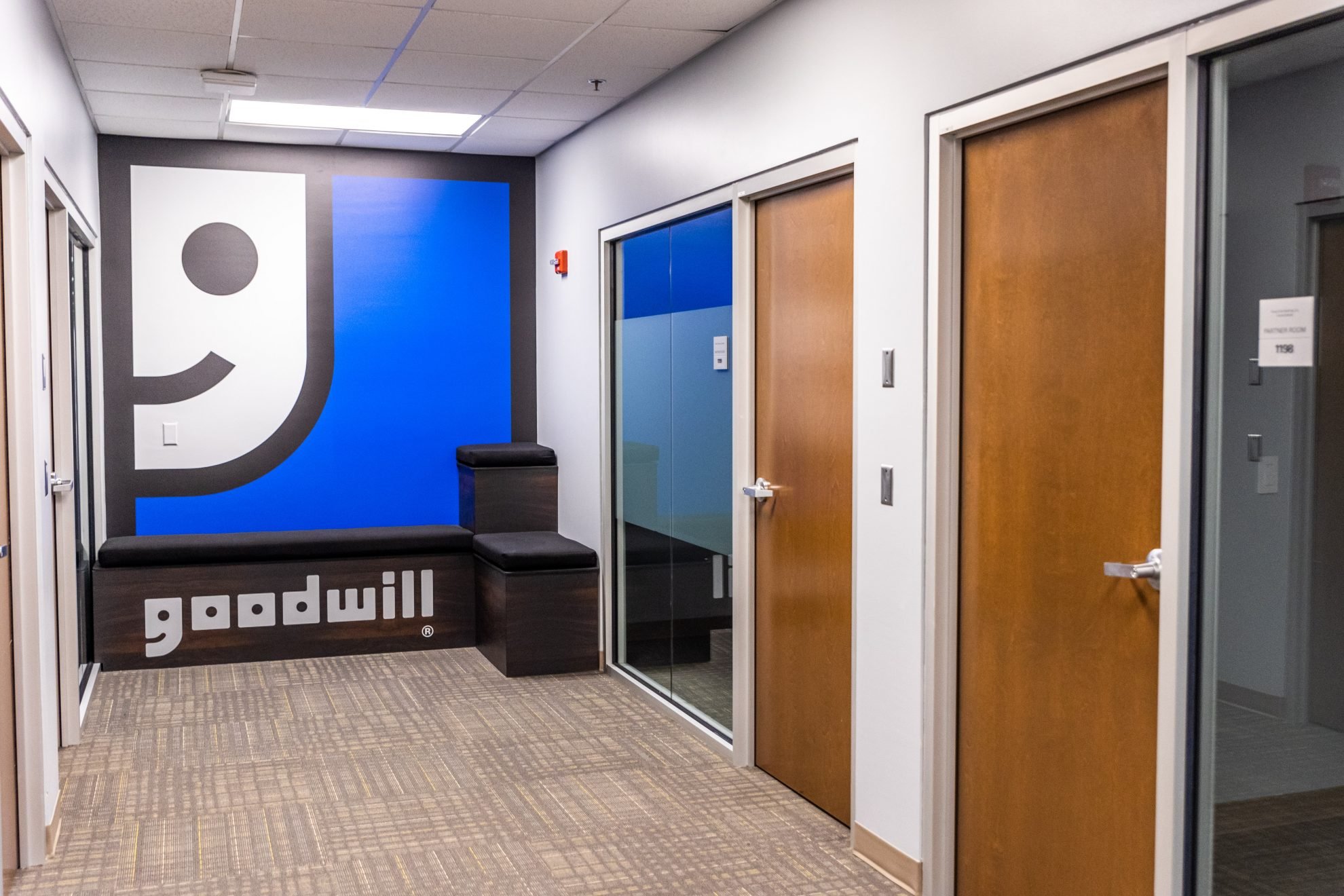
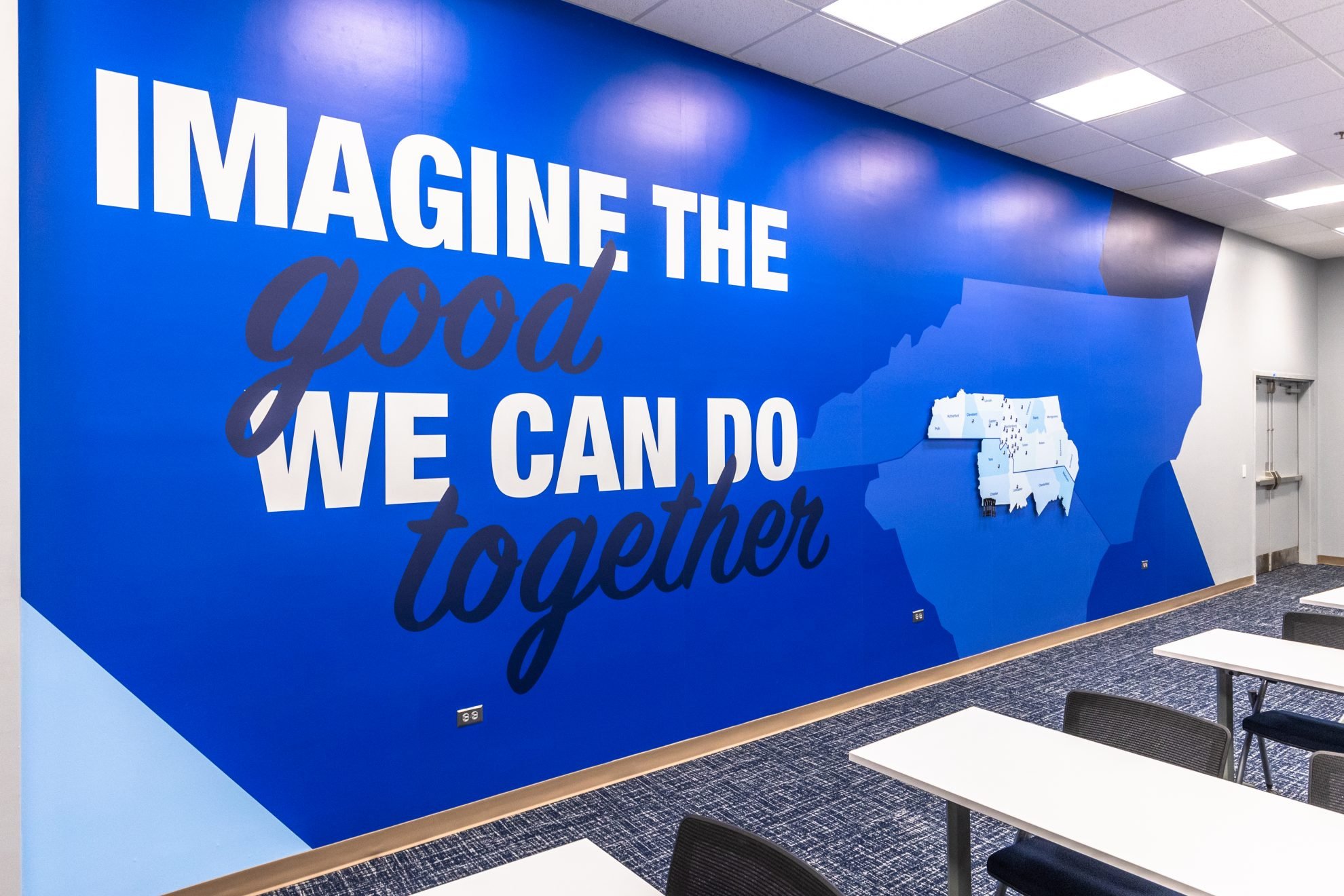
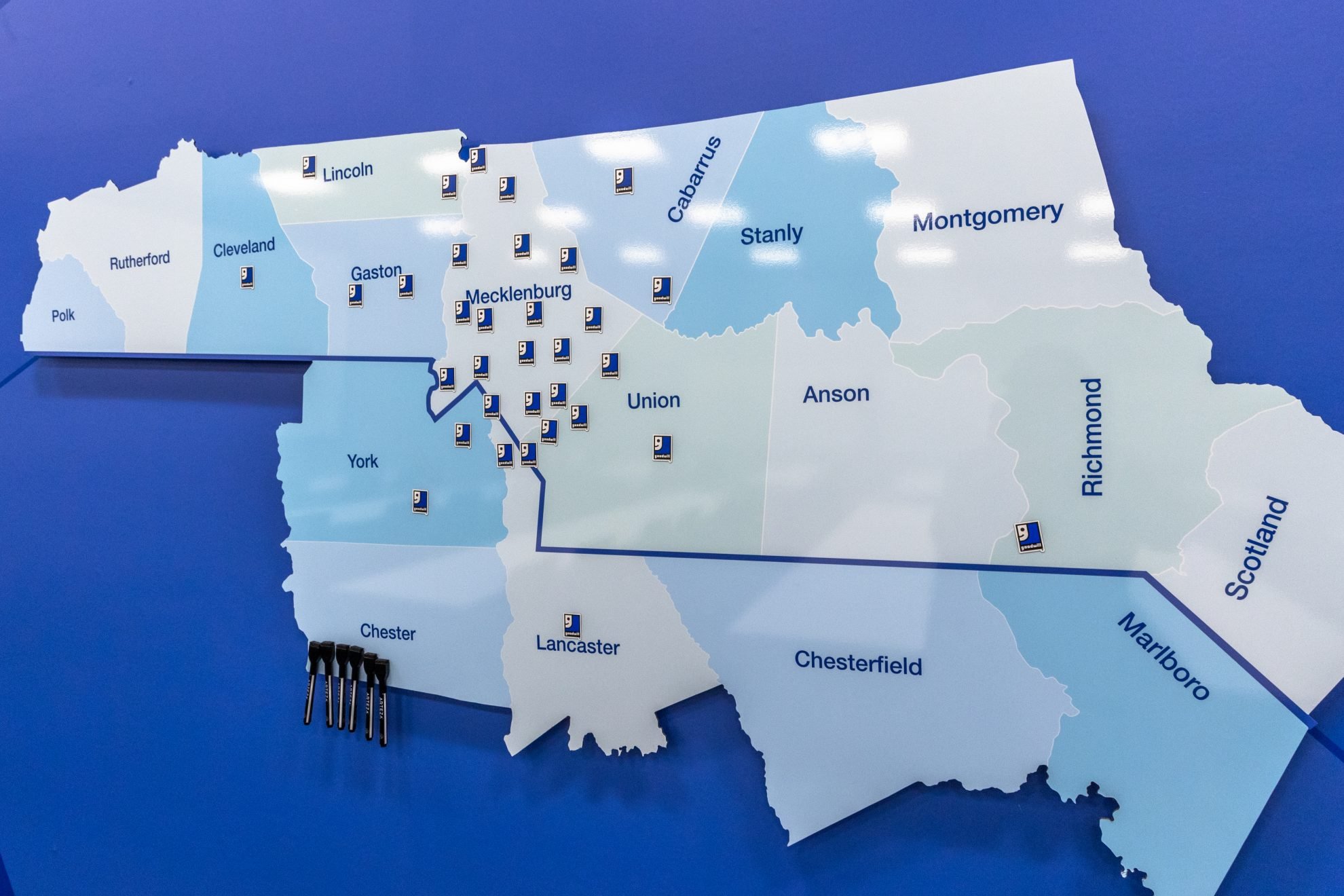
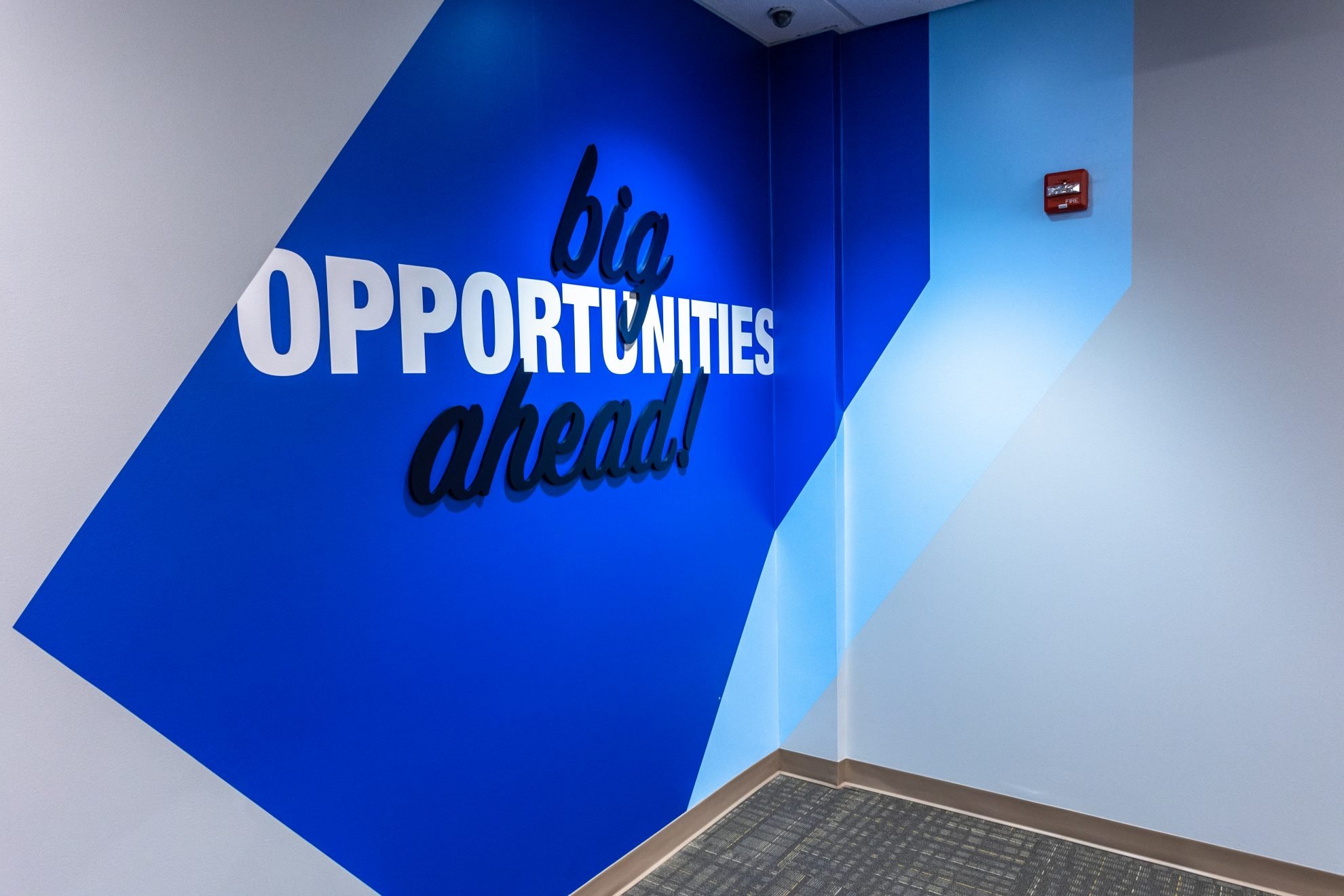
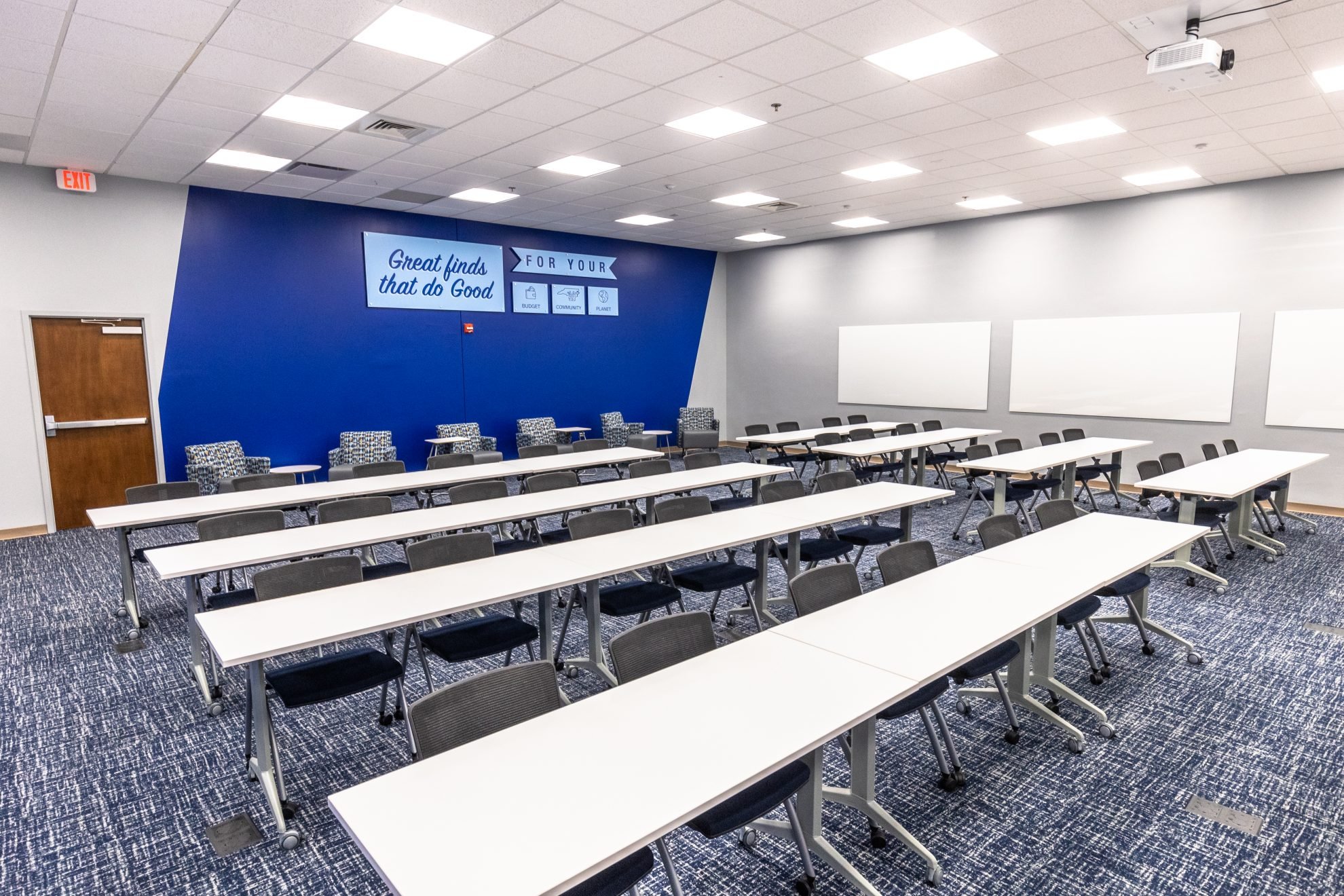
Heritage Signs & Displays collaborated with Goodwill Industries of the Southern Piedmont to transform the Opportunity Campus in Concord, NC. The project included lenticular wall displays, wall wraps, frosted vinyl, wayfinding signs, and custom wall displays. These elements enhanced the Career & Employment Center, creating an engaging and branded environment that reflects Goodwill's values and mission to support workforce development.