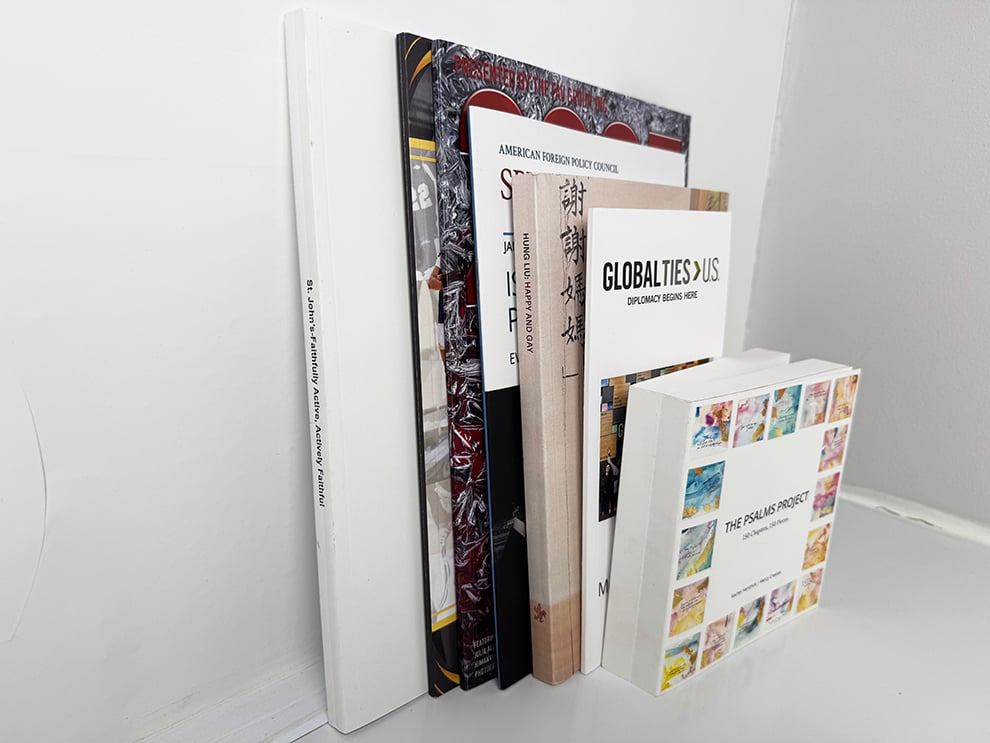
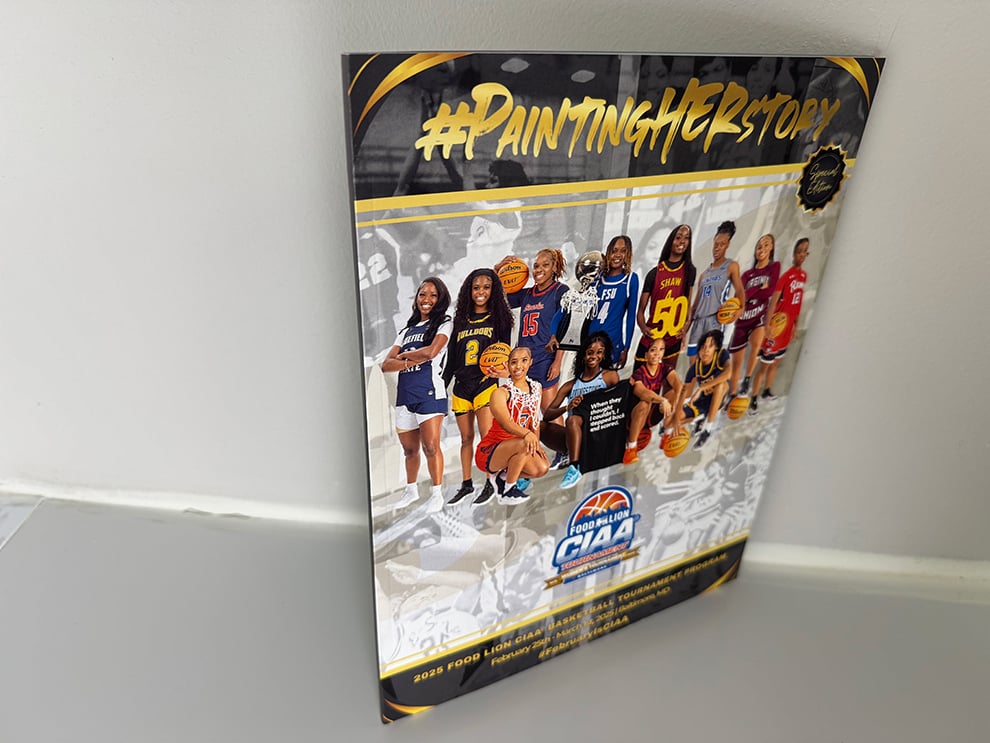
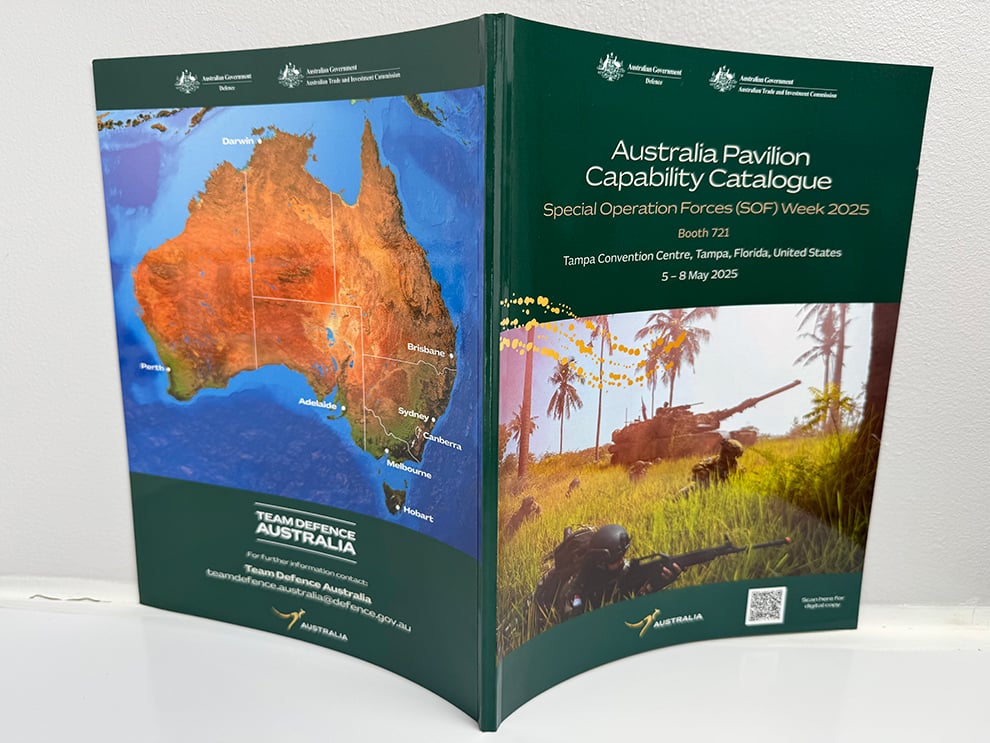
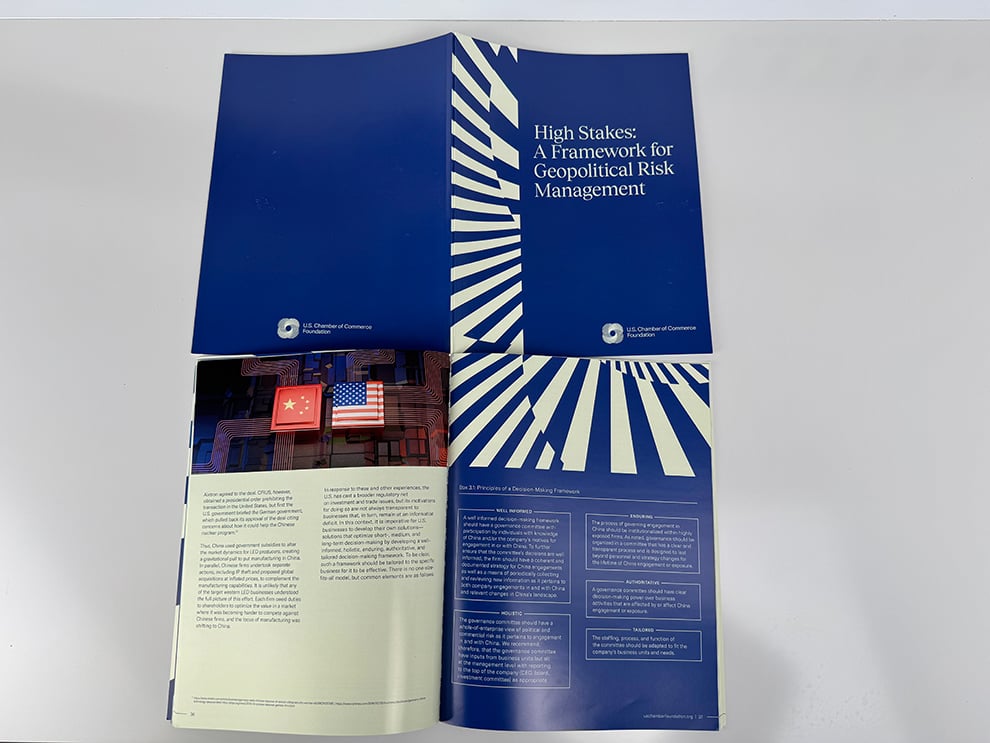
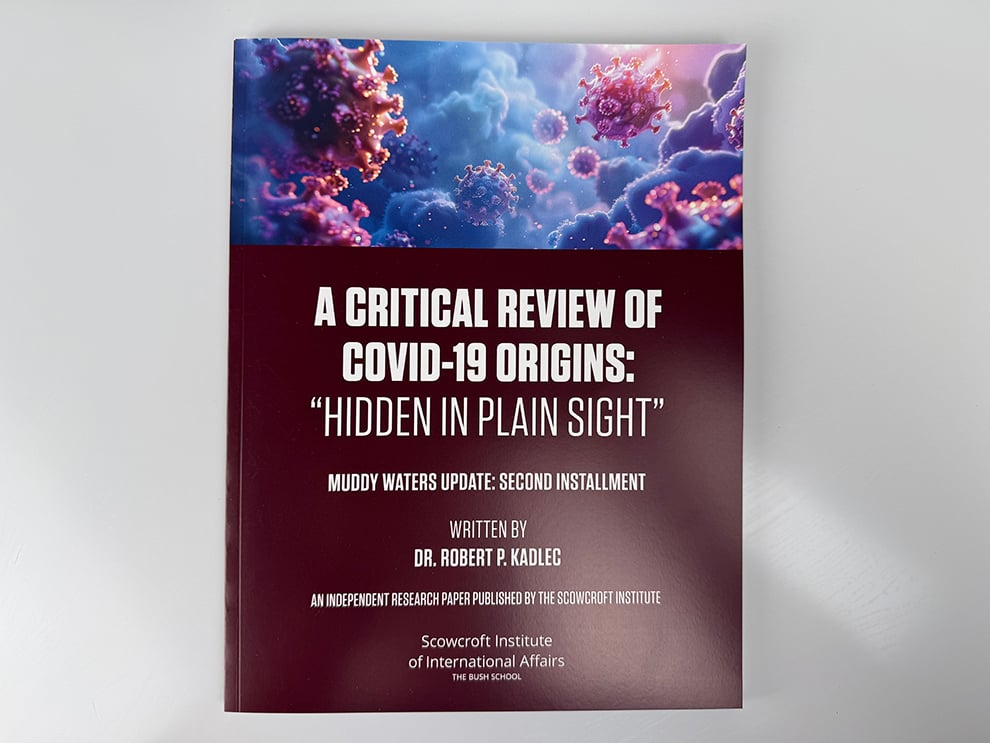
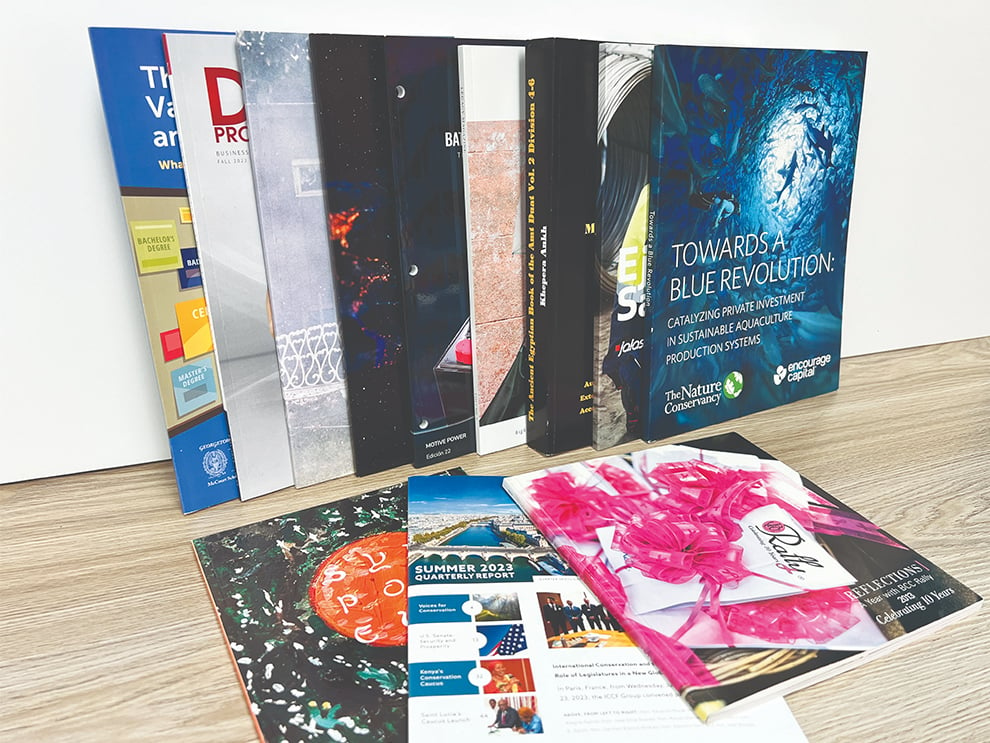
A finished publication should feel intentional the moment someone picks it up. Perfect binding gives multi-page books and publications a clean square spine, trimmed edges, and a polished form that works well when presentation matters as much as the printed content. Heritage produces perfect-bound publications for Charlotte organizations that need professional reports, catalogs, portfolios, organizational books, guides, and other materials designed to be read, presented, distributed, or kept for future reference.
The format uses an adhesive-bound spine with a wraparound cover, creating a conventional book appearance that is different from both saddle-stitched booklets and plastic-coil books. Depending on the finished thickness, the spine may also provide usable space for a title or other identifying information.
Heritage approaches the product as a complete publication rather than simply a stack of printed pages. Interior paper, cover construction, page count, color requirements, final size, spine width, proofing, and delivery expectations all affect how the finished book should be planned. The goal is a publication that looks complete, feels professional, and supports the purpose for which it was created.
Heritage began as a printing business in 1977, and that production foundation remains directly relevant to perfect-bound books. Charlotte clients benefit from working with a company that understands how paper, color, page sequence, cover files, binding, trimming, proofing, and repeat production have to come together for a publication to look right as a finished piece. Heritage is headquartered in Charlotte, giving local organizations a direct relationship with the company responsible for the work.
That experience matters when a publication carries a deadline as well as an audience. A final page-count change can affect spine setup. Revised cover or interior files may require another review. Delayed approvals can compress the time available for production and delivery. Heritage responds by communicating clearly, identifying the decisions that still need resolution, and keeping accepted work moving through a responsible production plan.
Professional color management, electronic proofing before printing, quality control, and retained production information also support consistency from one edition to the next. The result is experienced printing support focused on both the finished appearance and the practical work required to deliver it with confidence.
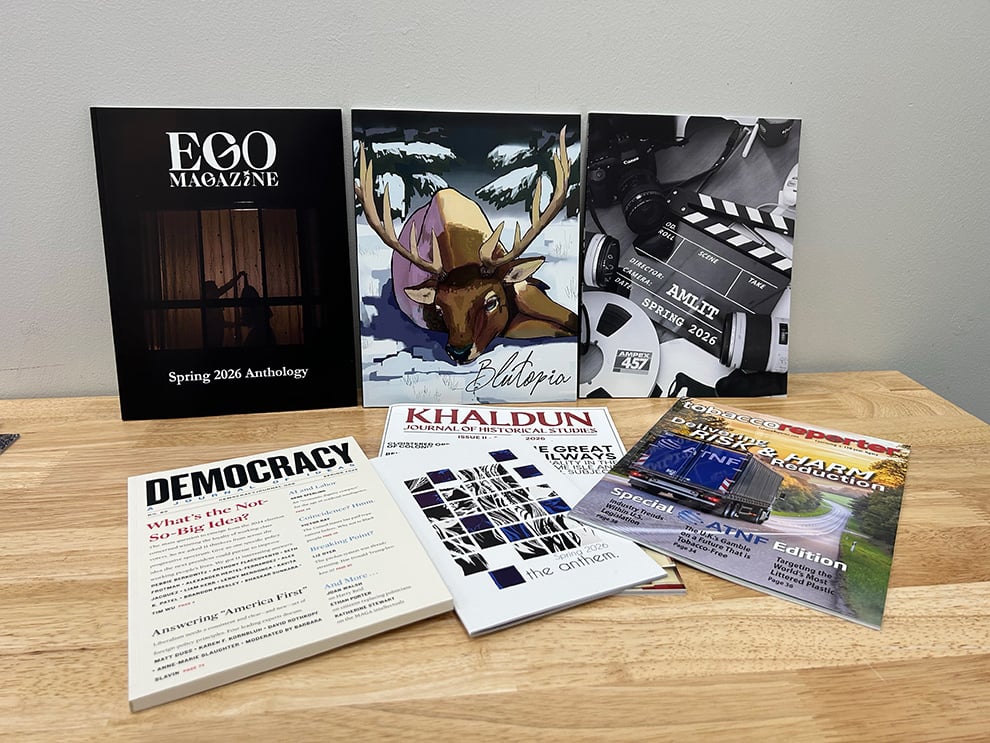
Perfect binding is strongest when the publication should read and present like a conventional finished book. The square spine gives the piece a defined edge and a more formal profile than saddle stitching, while the wraparound cover creates a unified front, spine, and back. It is a practical choice for publications that need a polished hand presentation, organized shelf presence, or a more substantial feel.
It is not automatically the best binding method for every document. Plastic coil is usually the better choice when the reader needs the book to lie flat, fold back, or remain open during repeated hands-on use. Saddle stitching can be more appropriate for thinner booklets and shorter publications that do not need a square spine.
The right choice depends on page count, paper, finished thickness, intended use, and how the audience will handle the piece. Perfect binding earns its place when professional publication presentation is the priority and the specifications support the binding method. That keeps the decision centered on how the finished piece should function and be perceived, rather than choosing a binding style simply because it is available.
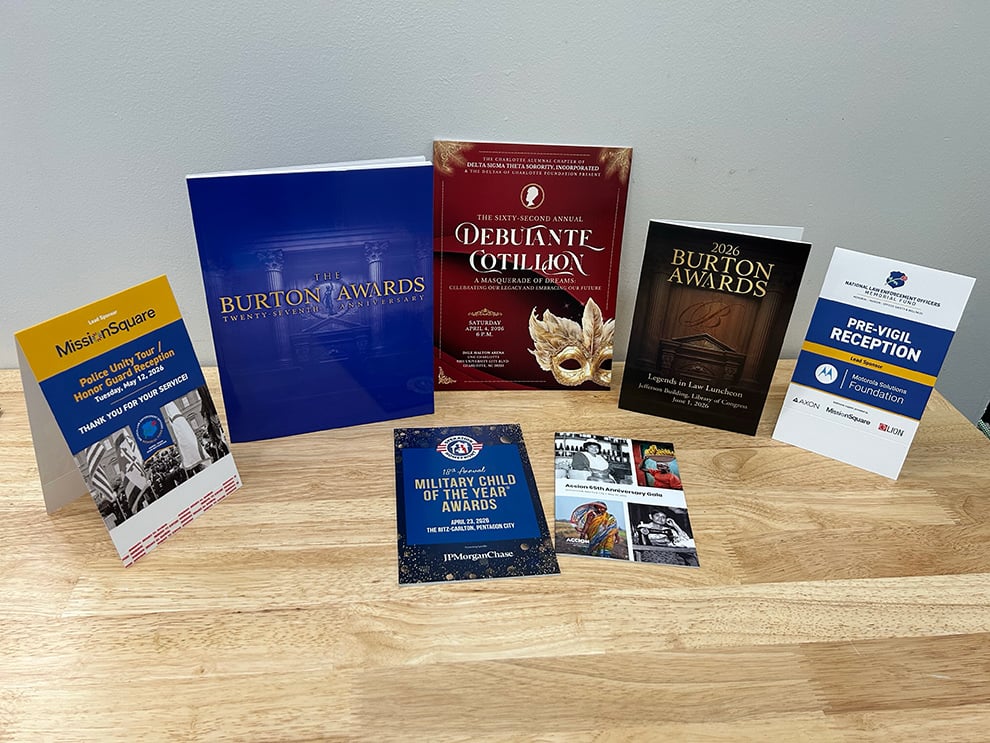
Perfect binding is one publication solution within a much broader printing program. These related Heritage capabilities make it easier to move from a finished book into shorter pieces, recurring communications, training materials, event programs, and coordinated business print.

Review booklet formats when a piece is shorter, lighter, or better served by saddle stitching, plastic coil, or another booklet construction.
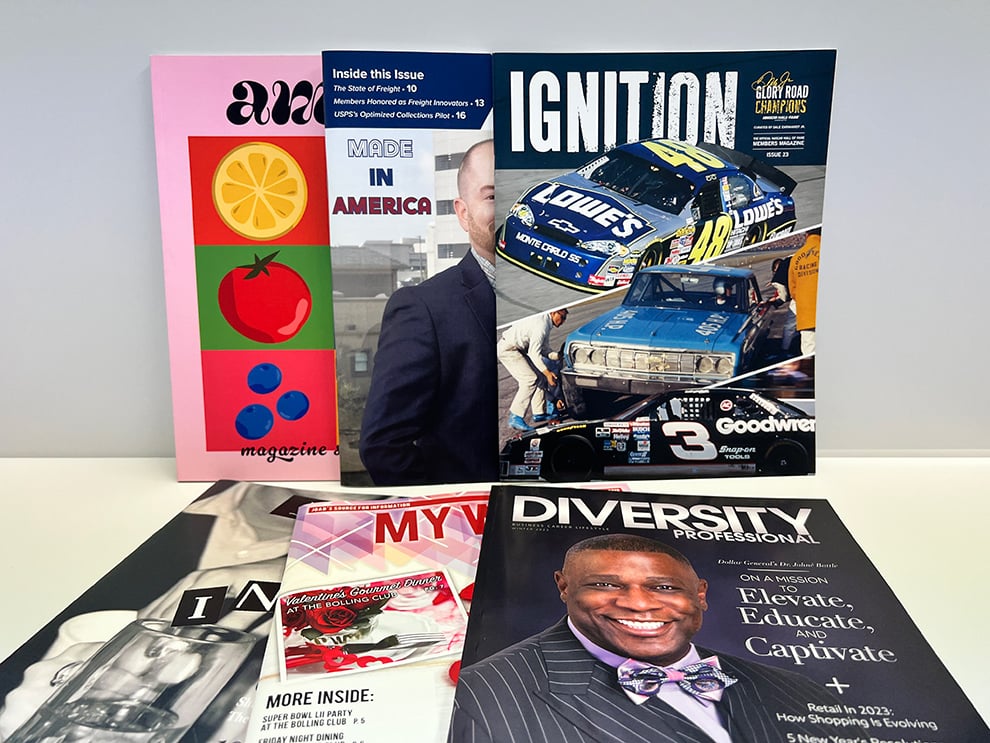
Plan issue-based publications around recurring schedules, consistent brand color, cover and interior paper choices, and repeat production.
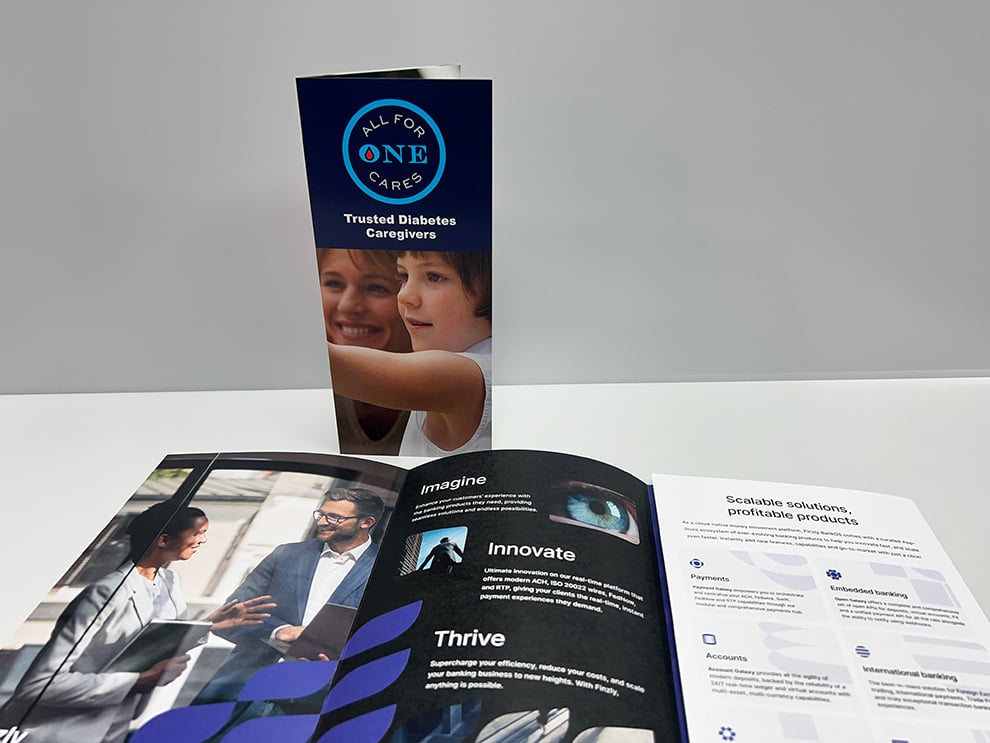
Condense focused sales, recruiting, program, or informational content into folded and flat formats built for easy handout.
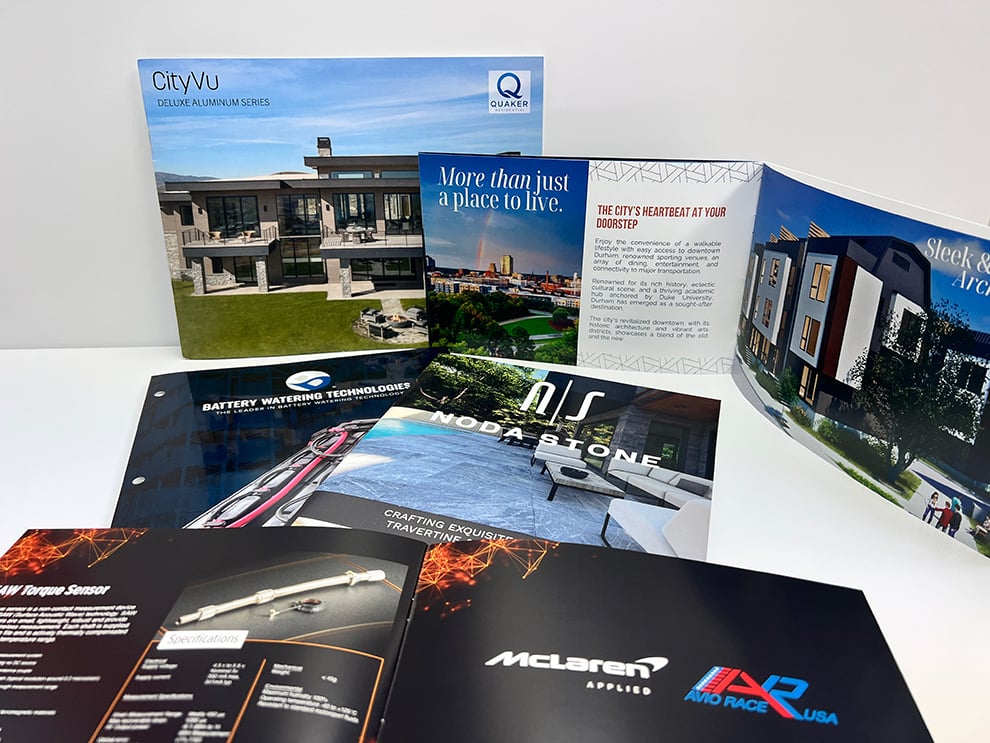
Bring postcards, flyers, sell sheets, rack cards, and related collateral together when a campaign calls for several coordinated pieces.
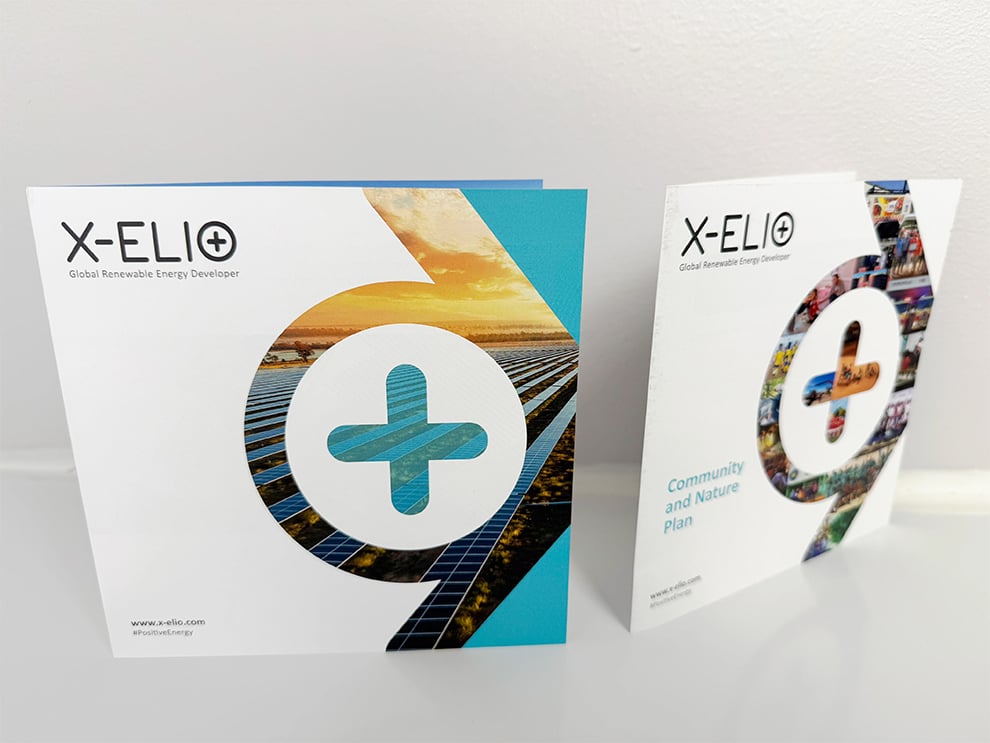
Organize proposals, inserts, leave-behinds, and meeting materials inside a branded folder that keeps supporting documents together.
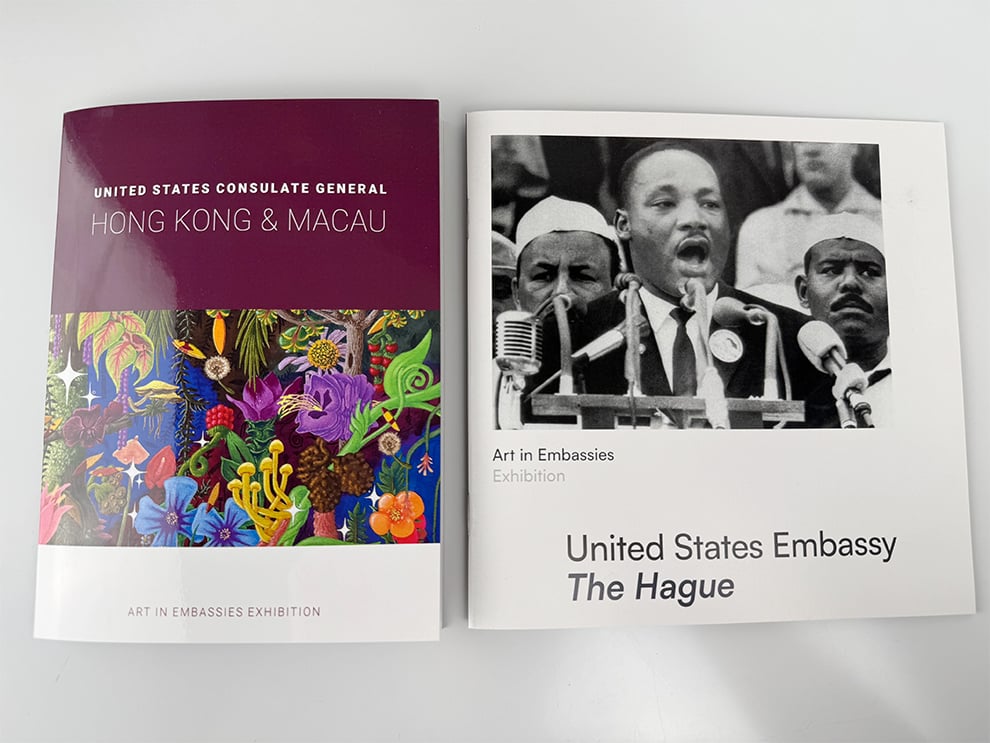
Give attendees a structured printed guide for ceremonies, conferences, meetings, agendas, speakers, sponsors, and scheduled activities.
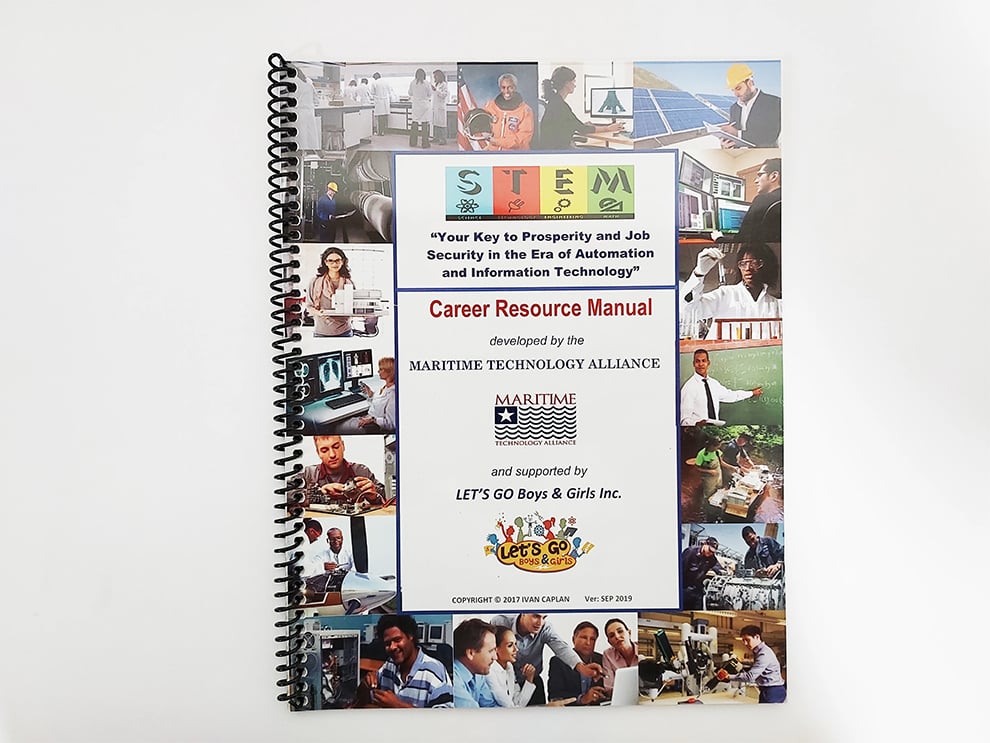
Develop instructional books and reference materials that support onboarding, procedures, education, and information people return to during work.
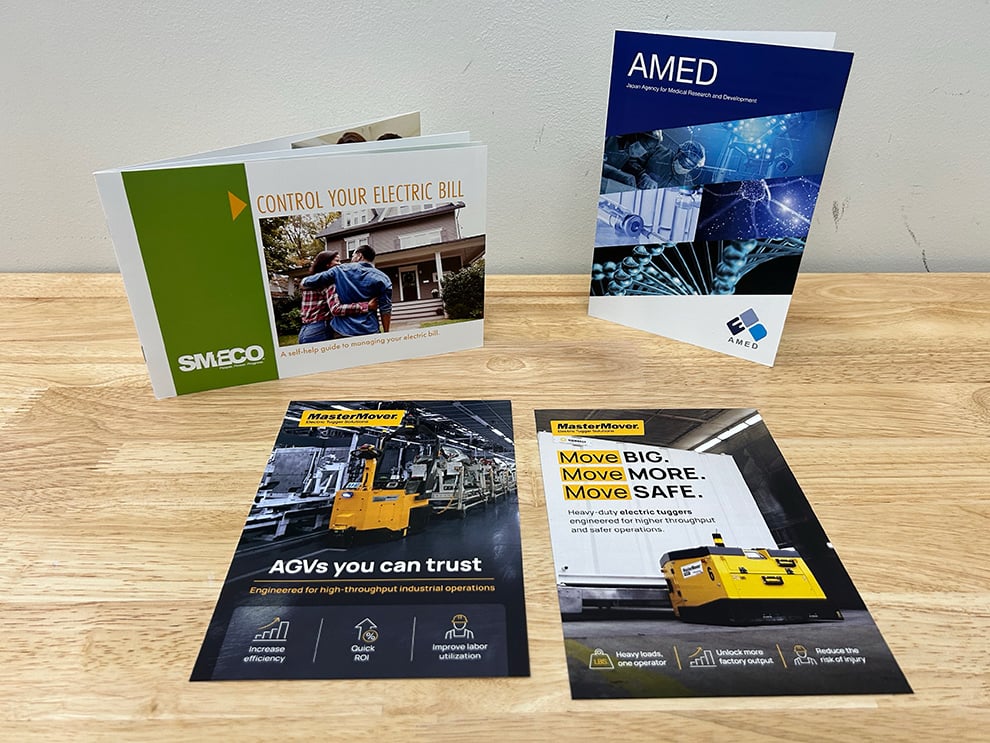
See the full range of Heritage print production when the need extends beyond one publication format or includes several printed components.
Already have final files and a settled Perfect Bound specification? Use the Online Store to choose the live options and place the order. If a qualifying $2,000+ publication still needs cover or spine setup, production file preparation, version control, or specification guidance, submit Custom Quote so Heritage can review the requirements before the production plan is established.
A successful perfect-bound publication is planned as one connected object. Final page count, trim size, interior paper, cover stock, color requirements, and intended use all influence the finished result. Spine width is driven primarily by page count, paper thickness, and binding construction, so cover and spine files should not be finalized independently of the interior specifications.
If the finished spine provides enough usable space, it may carry a title, organization name, or other identifying content. When the spine is too narrow, forcing text into that area can reduce readability and weaken the presentation. The accepted production specifications should keep the cover, spine, and interior aligned as one finished piece.
Paper choice should also reflect how the publication will be handled and read. Image-heavy content may have different priorities from text-heavy reports or reference material. For repeat editions, preserving accepted specifications creates a useful production baseline while allowing content, quantities, or versions to change. The objective is not to add features for their own sake. It is to make deliberate production choices that support readability, professional presentation, repeatability, and the purpose of the finished publication.
Start with one question: are the production decisions finished? For a perfect-bound publication, page count, paper, cover file, spine width, versions, and deadline can affect one another, so unresolved choices should be surfaced before production.
A qualifying new Commercial Printing opportunity of $2,000 or more may use Custom Quote when Heritage needs to help prepare production files, resolve cover or spine setup, guide specifications, organize versions, or coordinate other accepted production details. Acceptance matters: a form submission alone does not create an assigned relationship. Once Heritage accepts the quote and assigns the order, the Project Coordinator becomes the client's direct phone-and-email contact for that work.
When the publication is already specified, the Self-Directed Online Store is the simpler route. Choose the live Perfect Bound configuration, upload complete print-ready artwork, and purchase from the listed options. The $750 minimum applies to the combined value of eligible Store products in the order. Store buyers work without an assigned Project Coordinator, while Heritage still completes production review, supplies the required electronic proof for approval, and applies normal quality control before printing.
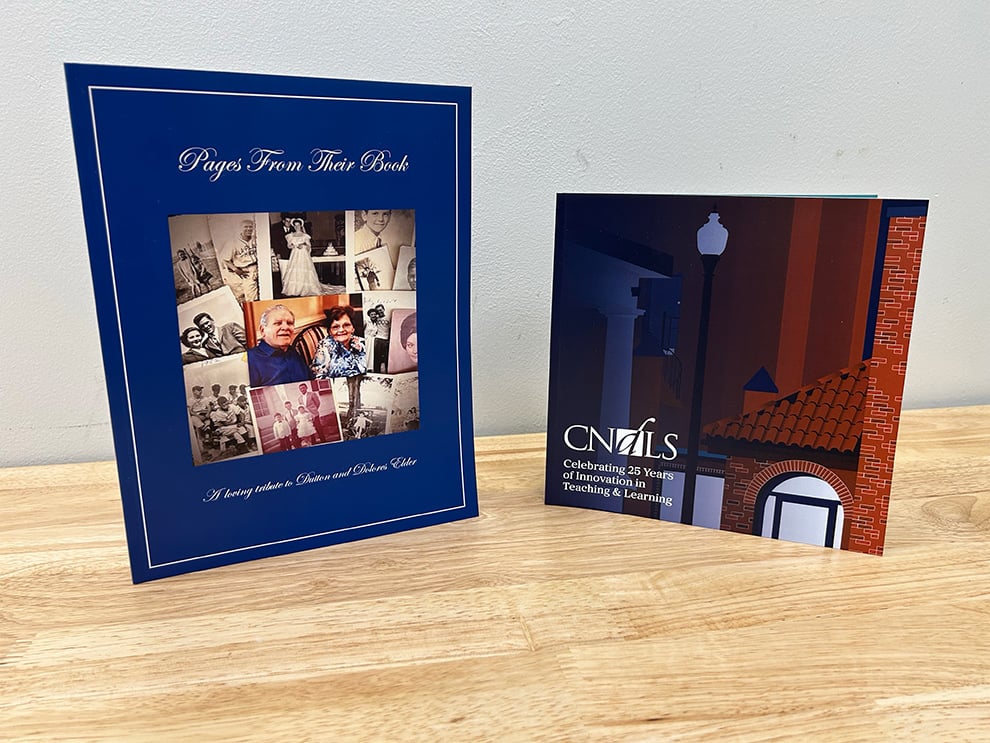
A perfect-bound book uses adhesive along the spine to secure the interior pages inside a wraparound cover. After binding and trimming, the finished piece has a clean square spine and a conventional book appearance. The format is commonly suited to multi-page publications that need a polished presentation rather than the fold-back function of plastic coil or the folded construction of saddle stitching.
Choose perfect binding when the finished publication should have a clean square spine, conventional book appearance, and strong hand or shelf presentation. Choose plastic coil when usability during active reference is more important, especially when the book needs to lie flat, fold back, or stay open while someone is writing, training, following procedures, or working from one page at a time.
Perfect binding secures gathered pages at an adhesive-bound spine inside a wraparound cover, creating a square-spine publication. Saddle stitching folds printed sheets and fastens them through the fold, which is typically better suited to thinner booklets. The right choice depends on page count, paper, finished thickness, presentation goals, and how the publication will be handled.
Organizations often choose perfect binding for annual reports, catalogs, magazines, member publications, portfolios, directories, organizational books, and guides when the finished piece needs a clean square spine and conventional book presentation. Some higher-page-count newsletters may also fit. The deciding factors are page count, paper, finished thickness, handling, and presentation goals, not the label placed on the publication.
Sometimes. Whether spine text is practical depends on the finished spine width, which is driven primarily by page count, interior paper thickness, and the final binding construction. When the spine provides enough usable space, a title, organization name, or other identifying content may be appropriate. Finalize spine text only after the page count and paper are settled so the cover file reflects the actual spine width.
Page count is one of the factors that affects finished thickness, spine width, binding suitability, and cover setup. A thinner publication may be better suited to another binding method, while a thicker publication can provide a more defined square spine. Because paper thickness and binding construction also affect finished thickness, Heritage evaluates the complete specification rather than relying on one page-count number for every project.
Consider how the publication will be read, handled, presented, and distributed. Interior paper affects feel, opacity, image reproduction, and overall thickness, while the cover helps establish structure and presentation. Final size, color requirements, page count, and cover setup should be considered together so the finished piece feels intentional rather than assembled from unrelated production choices.
Yes. Once accepted production specifications are established, Heritage can retain useful information such as finished size, paper, cover setup, color expectations, and other production details to create a stronger baseline for future editions. Content, quantities, or versions can then change while the established production history helps protect consistency and reduces the need to rebuild every decision from the beginning.
Yes. Before any Heritage Commercial Printing order is printed, the client receives an electronic proof to review and approve, including orders placed through the Self-Directed Online Store. Check the publication's content, page order, pagination, visible layout, cover setup, and other applicable artwork details. The proof is not a physical color standard because screens and printed materials reproduce color differently.
For color-sensitive qualifying Custom Quote work of $2,000 or more, Heritage can make a Physical Production Color Proof before the full run. It is produced using the same final-production printer and the same paper or production material selected for the job, so it provides a physical reference rather than a screen preview. The service carries an added fee and adds production time. Once approved, that proof governs final physical color unless otherwise agreed. It is not offered through the Self-Directed Online Store.
Choose the Online Store when your Perfect Bound book is fully specified, the live configuration fits the job, and the files are complete and print-ready. You purchase from the available options without assigned Project Coordinator support. The $750 minimum applies across eligible products in the same Store order. Heritage still reviews accepted files for production readiness, provides the required electronic proof, and applies normal quality control before printing.
Use Custom Quote for qualifying new Commercial Printing work of $2,000 or more when the publication needs production-oriented file preparation or layout assistance, specification guidance, version coordination, or other accepted higher-touch support. Submitting the form does not create an assigned relationship. Once Heritage accepts the quote and assigns the order, a Project Coordinator becomes the client's direct phone-and-email contact through completion.
Share the required date, final quantity, artwork status, page count, cover and interior file status, and any unresolved production decisions as early as possible. Heritage will evaluate what is realistically achievable before committing to the schedule. On qualifying Custom Quote work, direct Project Coordinator coordination begins only after Heritage accepts the quote and assigns the order, helping keep approvals and production decisions moving when time is compressed.
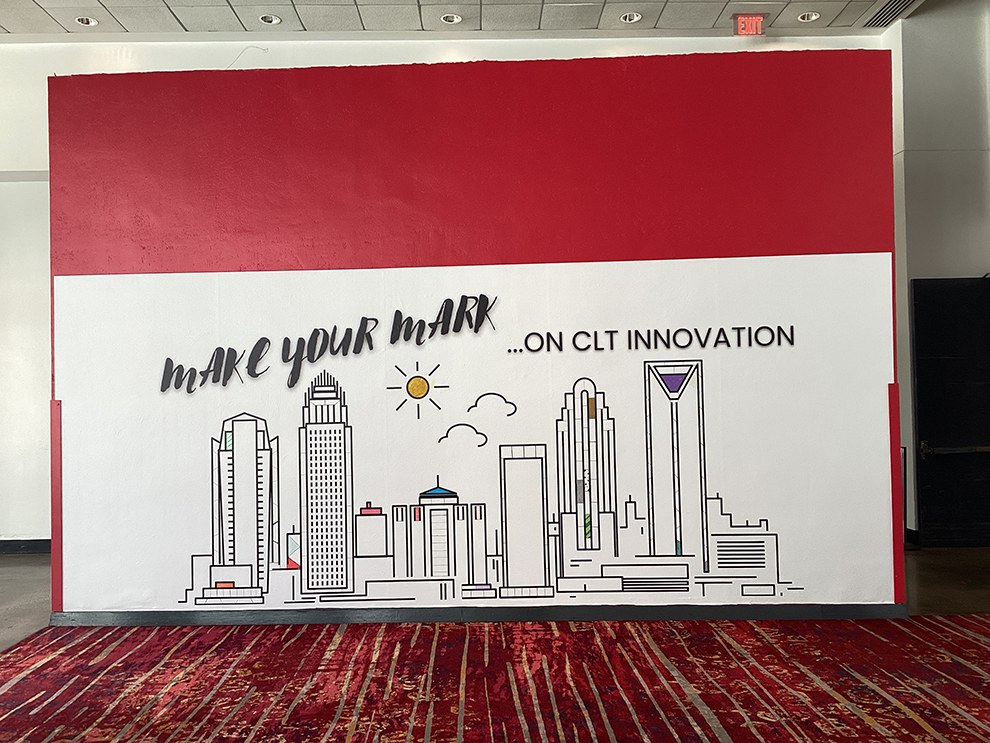
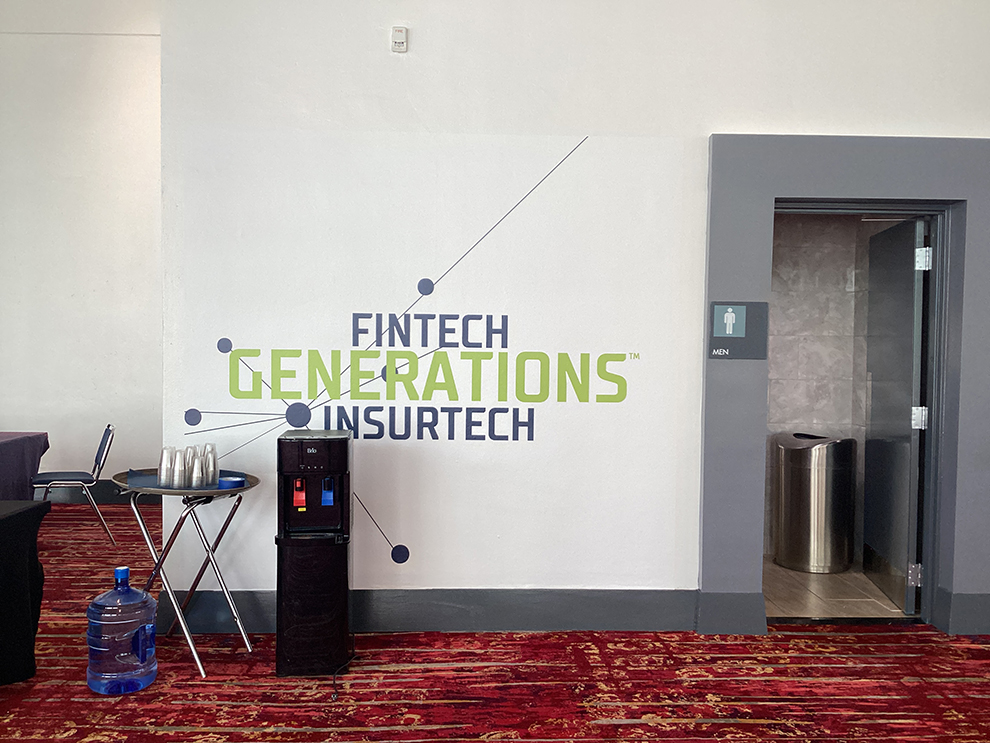
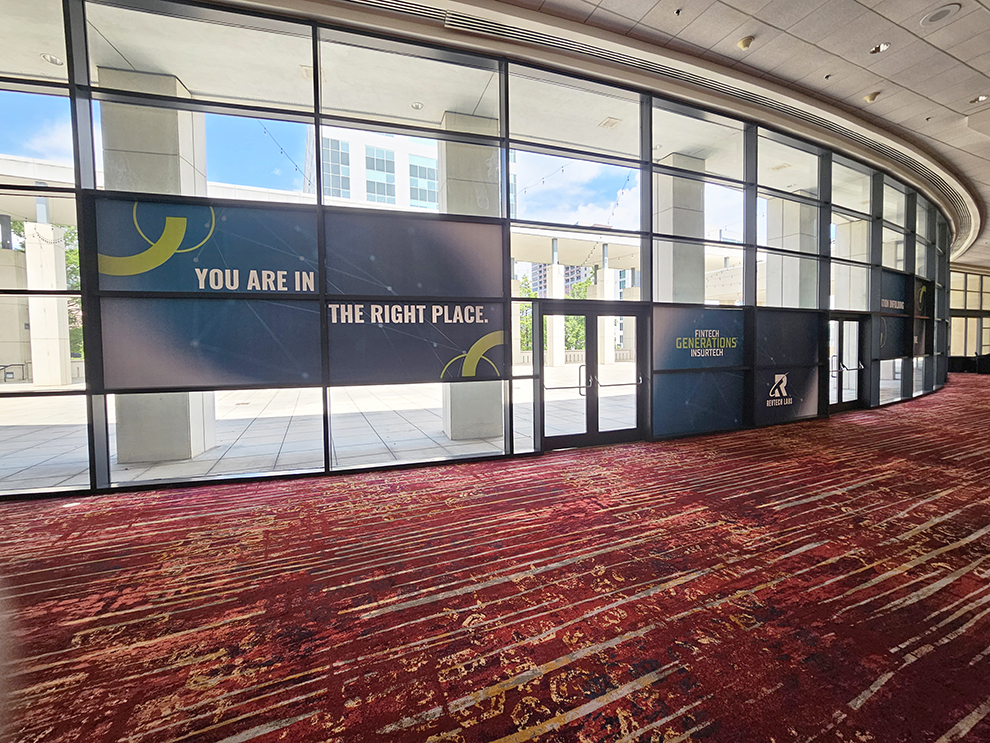
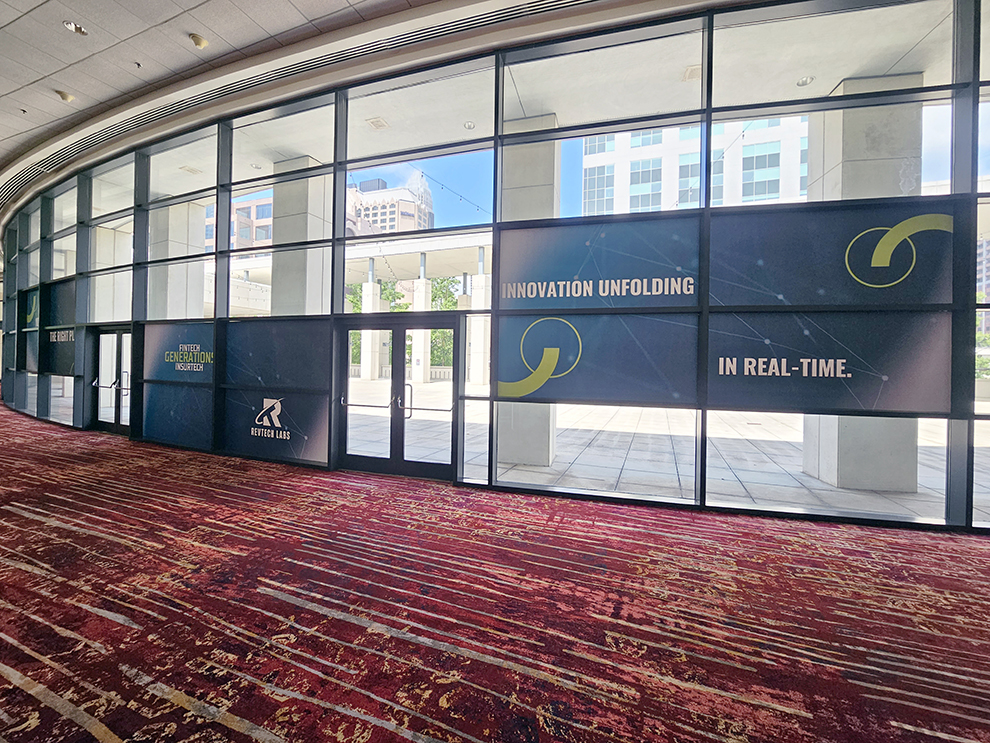
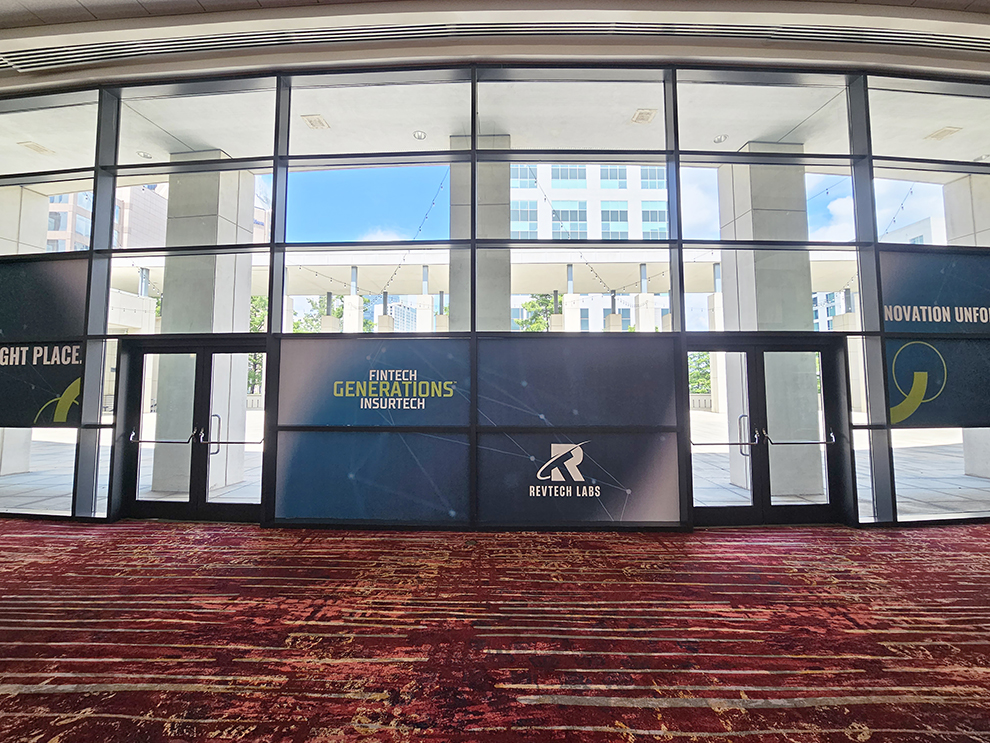
Heritage Signs & Displays collaborated with the Fintech + Insurtech Generations 2023 conference at the Charlotte Convention Center. Heritage worked closely with the client to create an interactive and branded event environment for attendees to network and discuss key topics impacting the financial and insurance sectors. The project enhanced the premier annual conference's atmosphere and engagement.
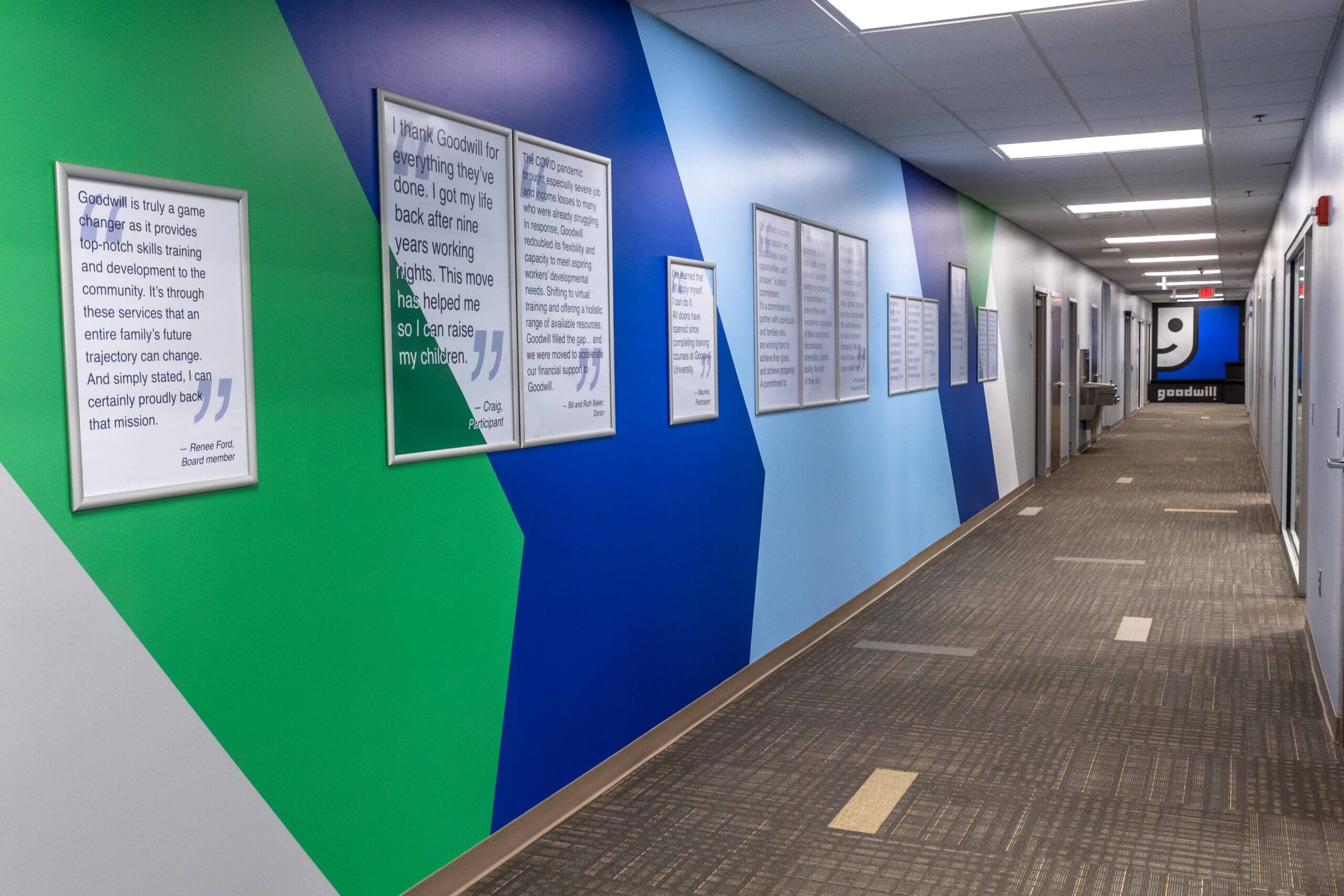
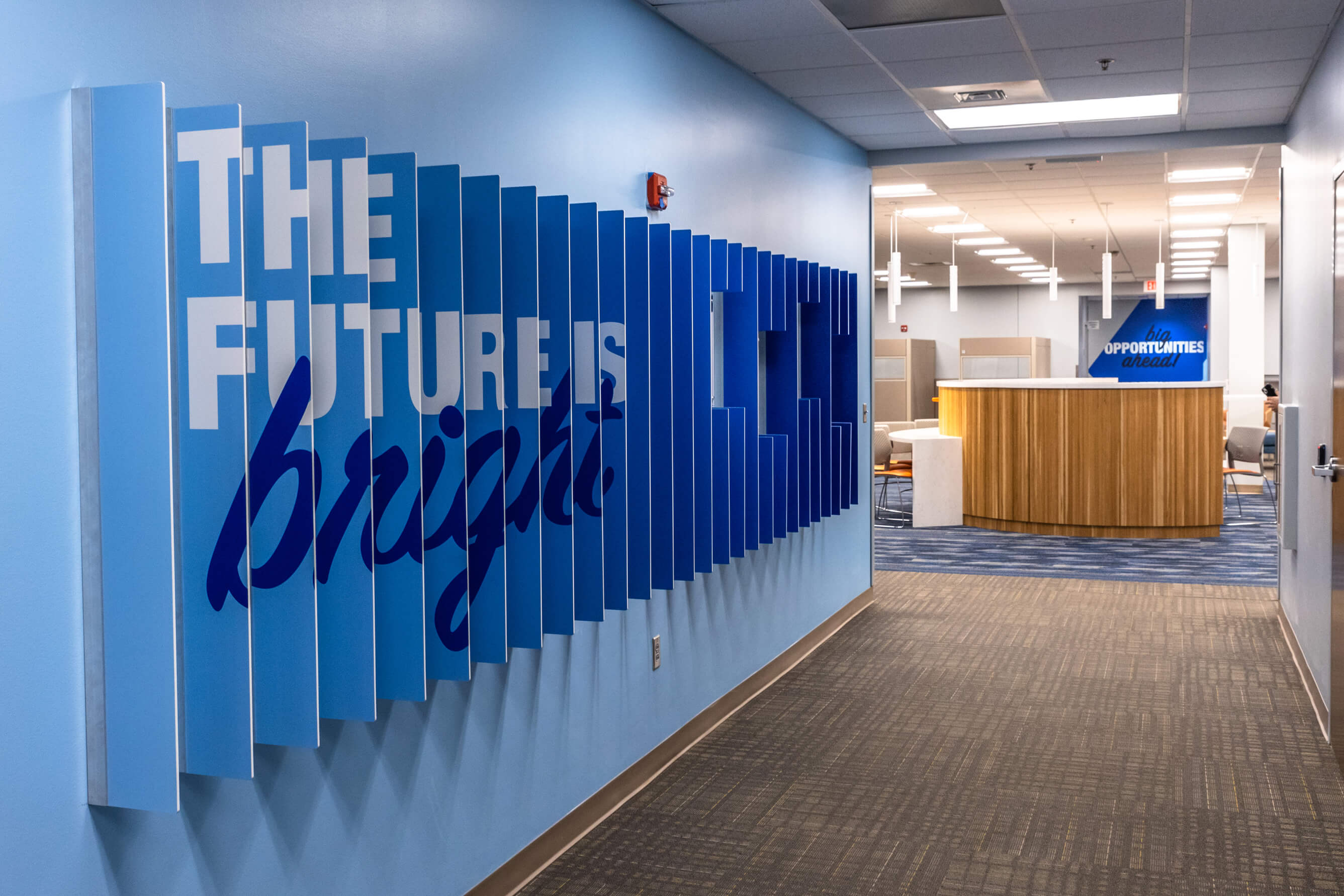
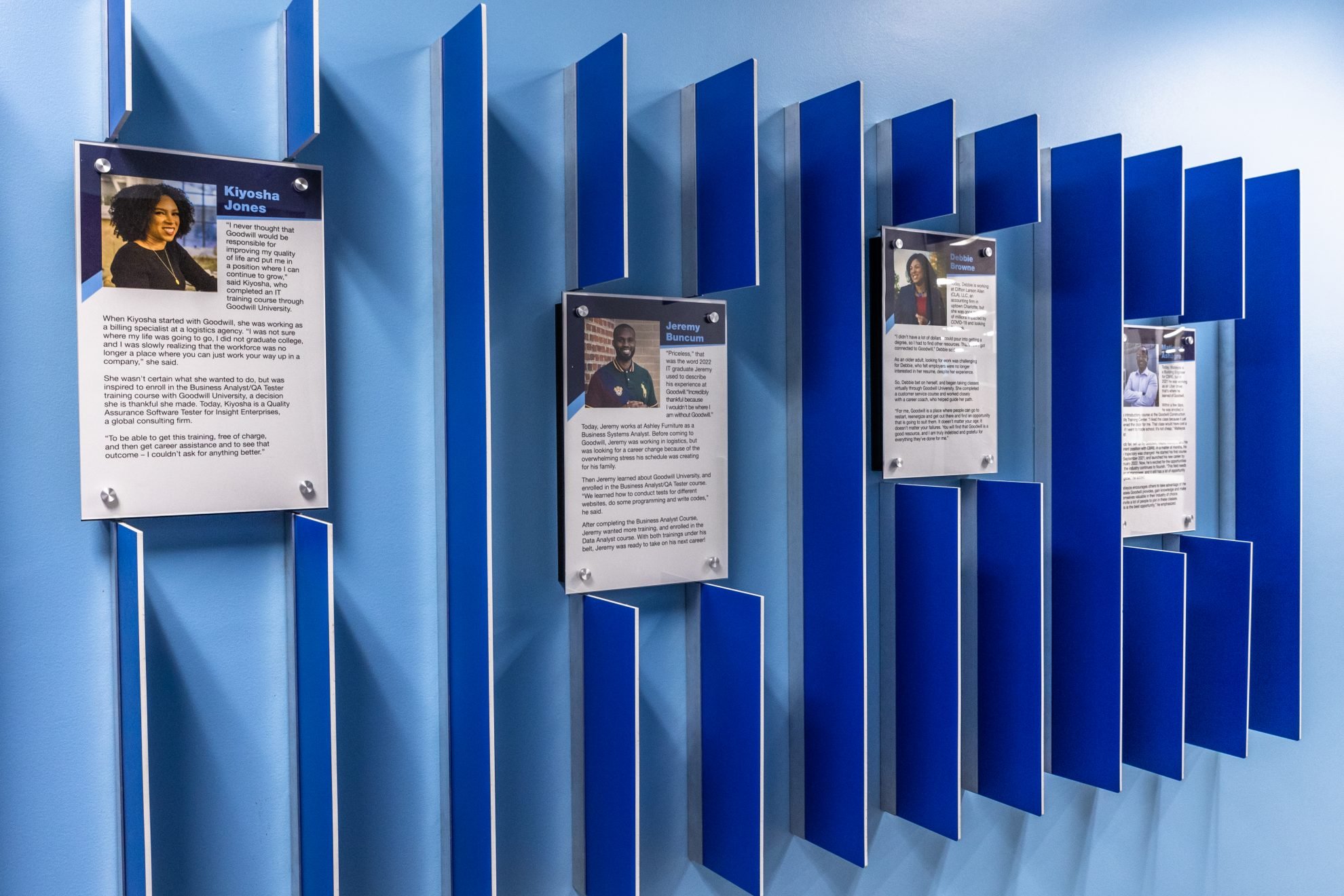
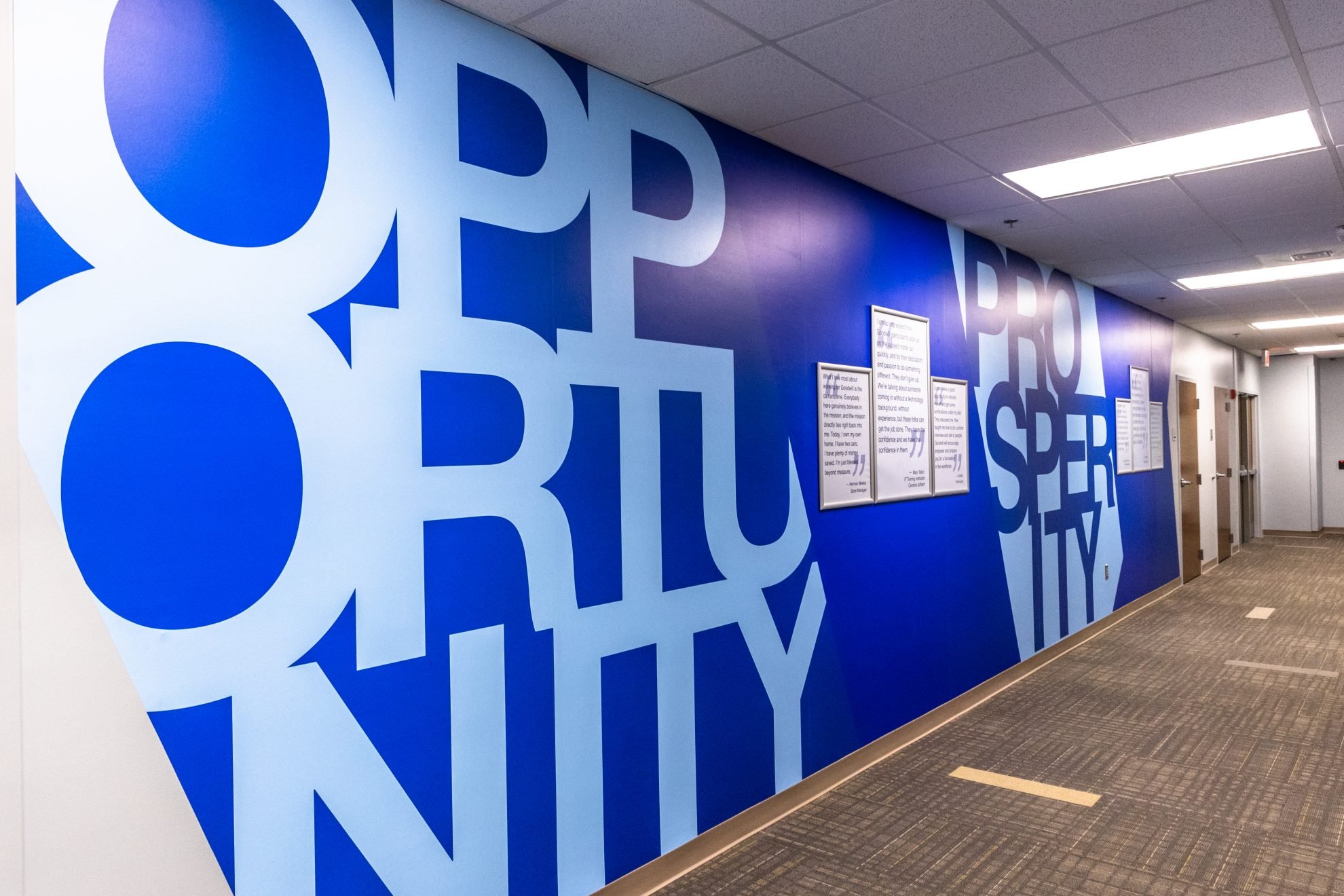
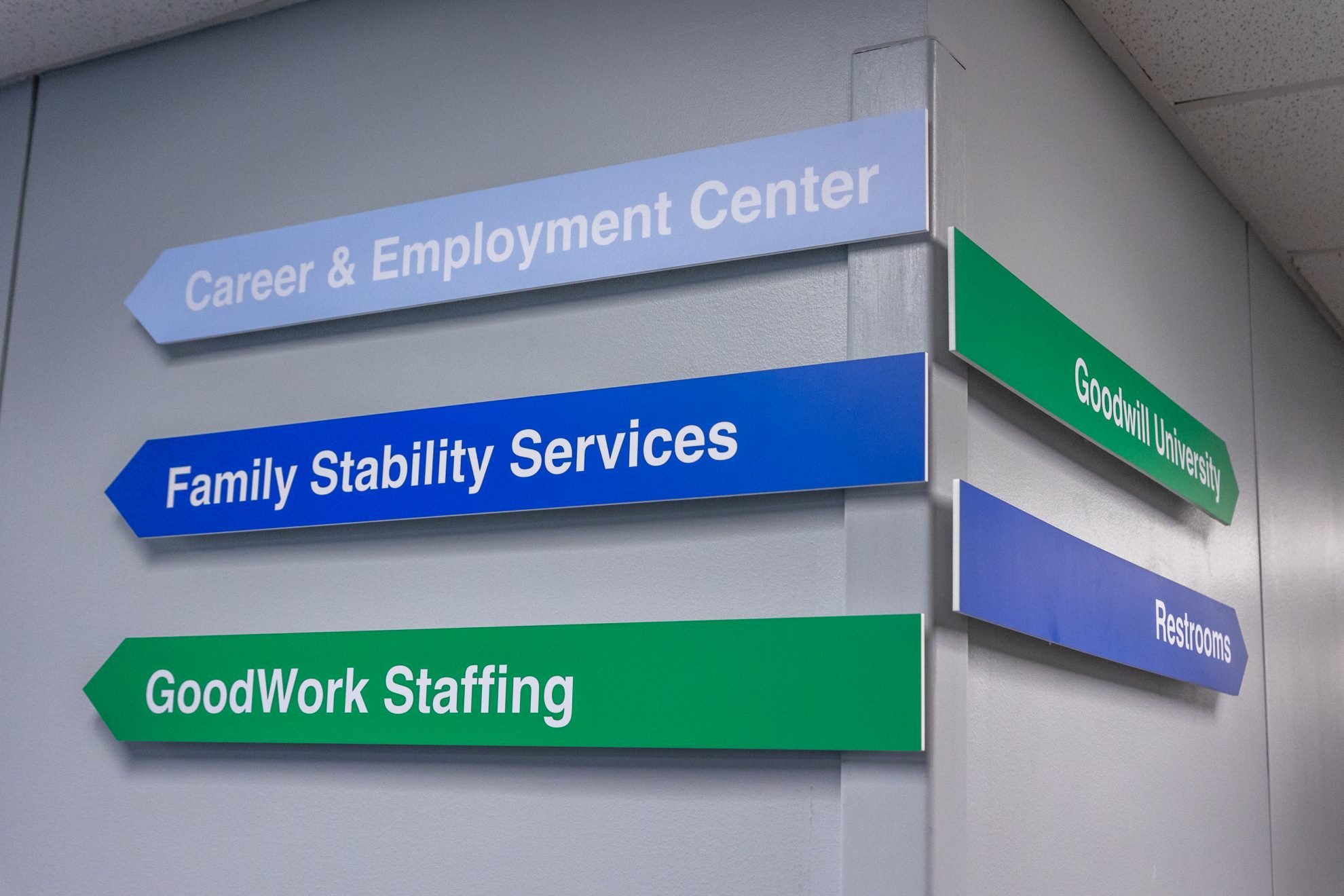
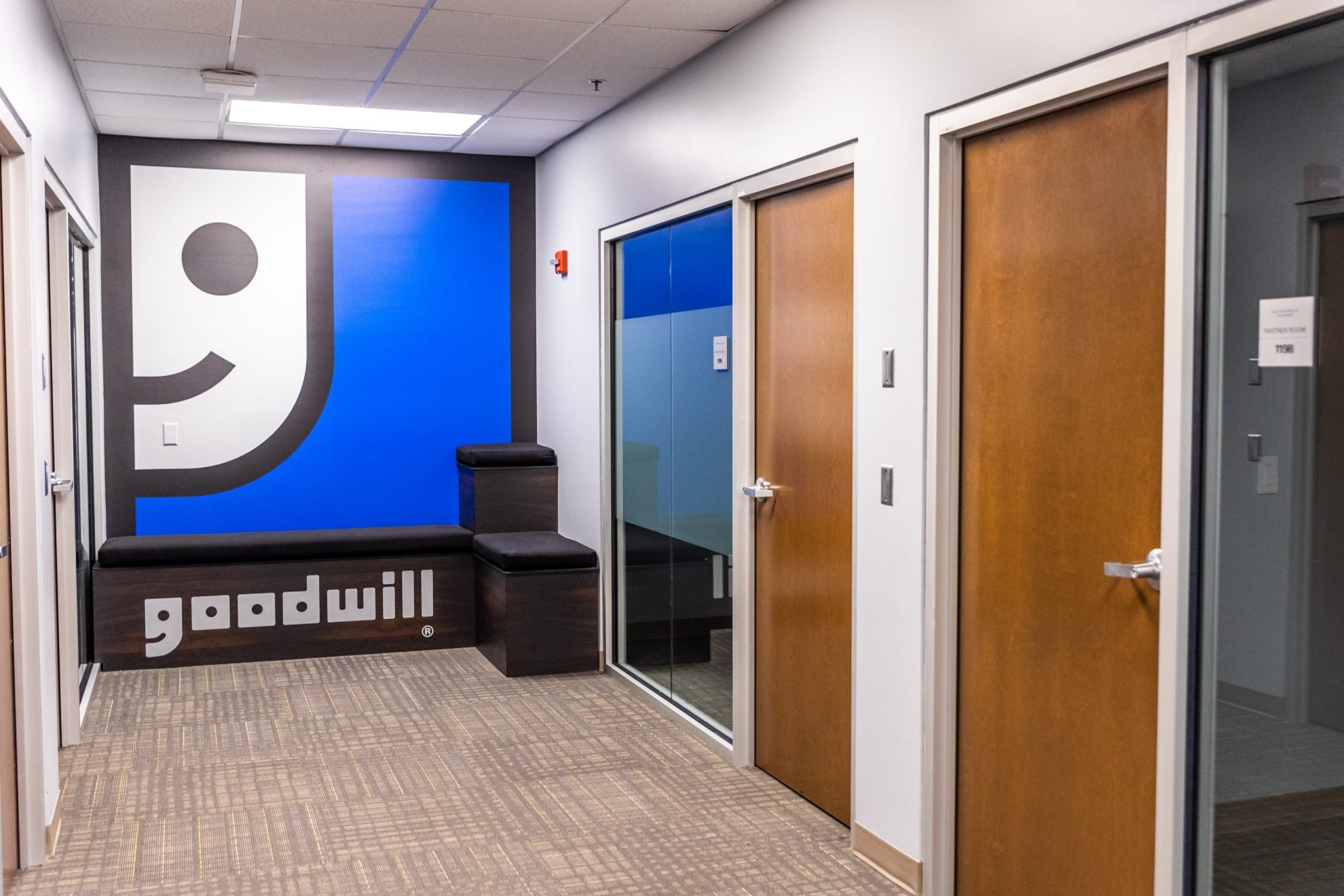
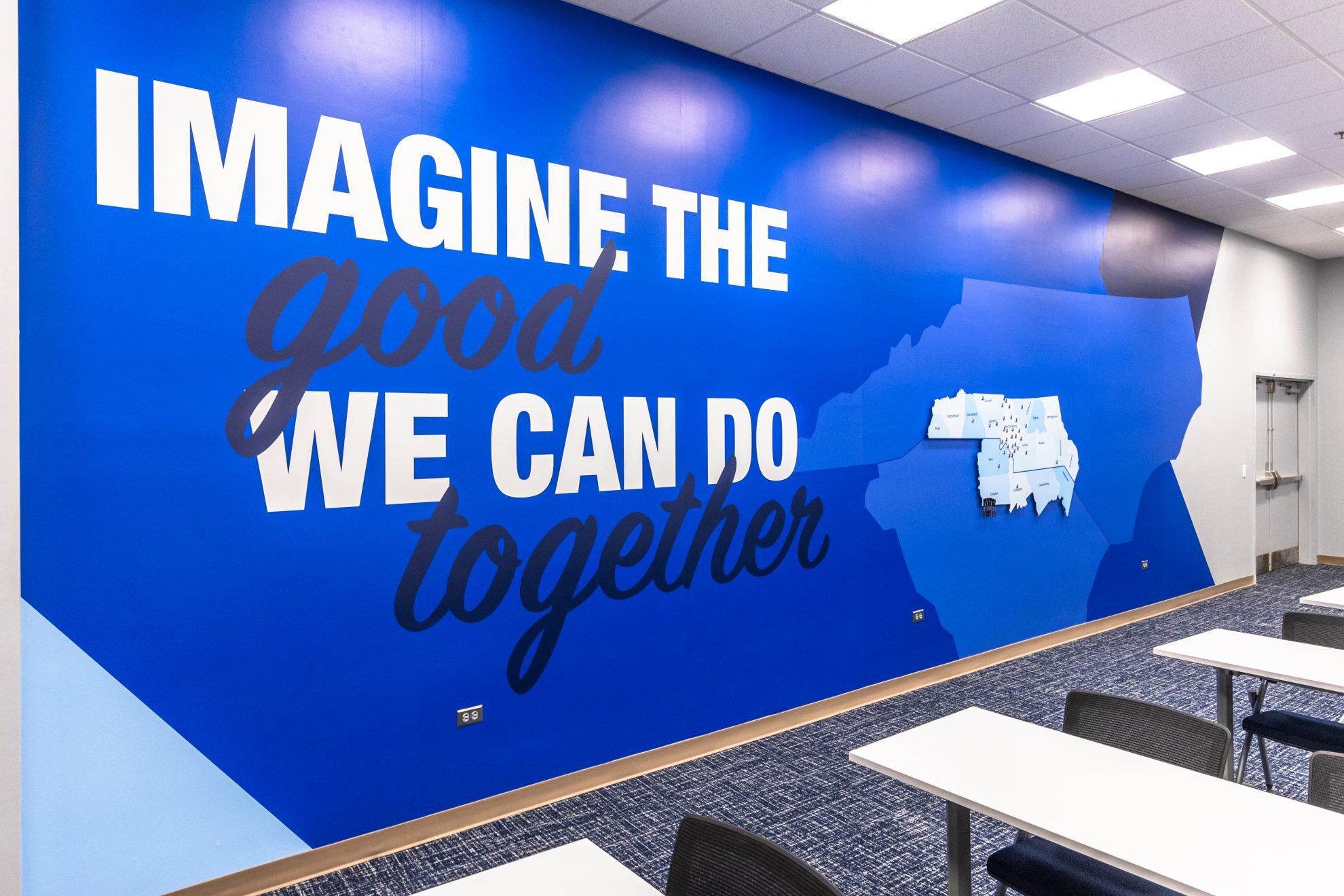
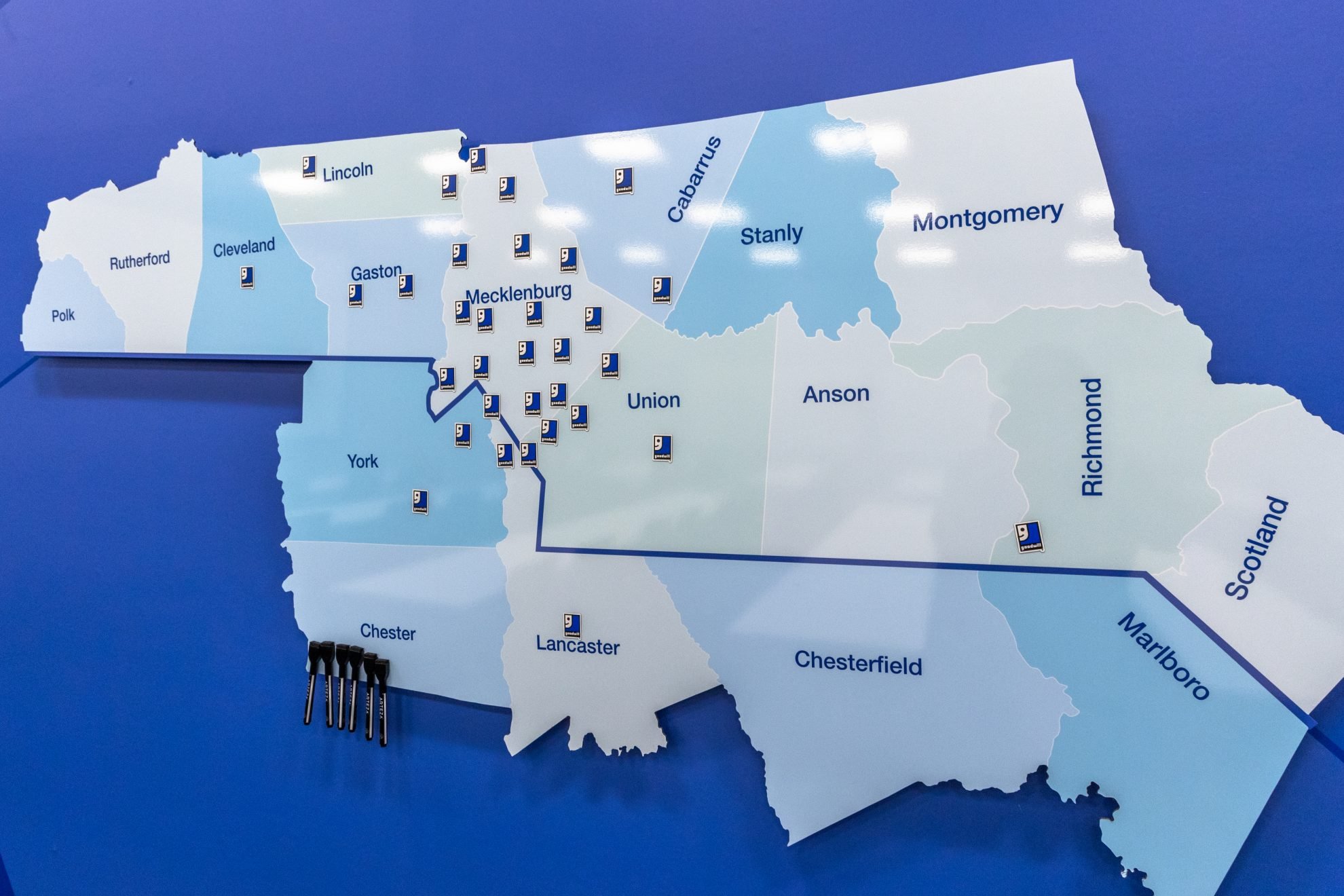
Heritage Signs & Displays collaborated with Goodwill Industries of the Southern Piedmont to transform the Opportunity Campus in Statesville, NC. The project included lenticular wall displays, wall wraps, frosted vinyl, wayfinding signs, and custom wall displays. These elements enhanced the Career & Employment Center, creating an engaging and branded environment that reflects Goodwill's values and mission to support workforce development.