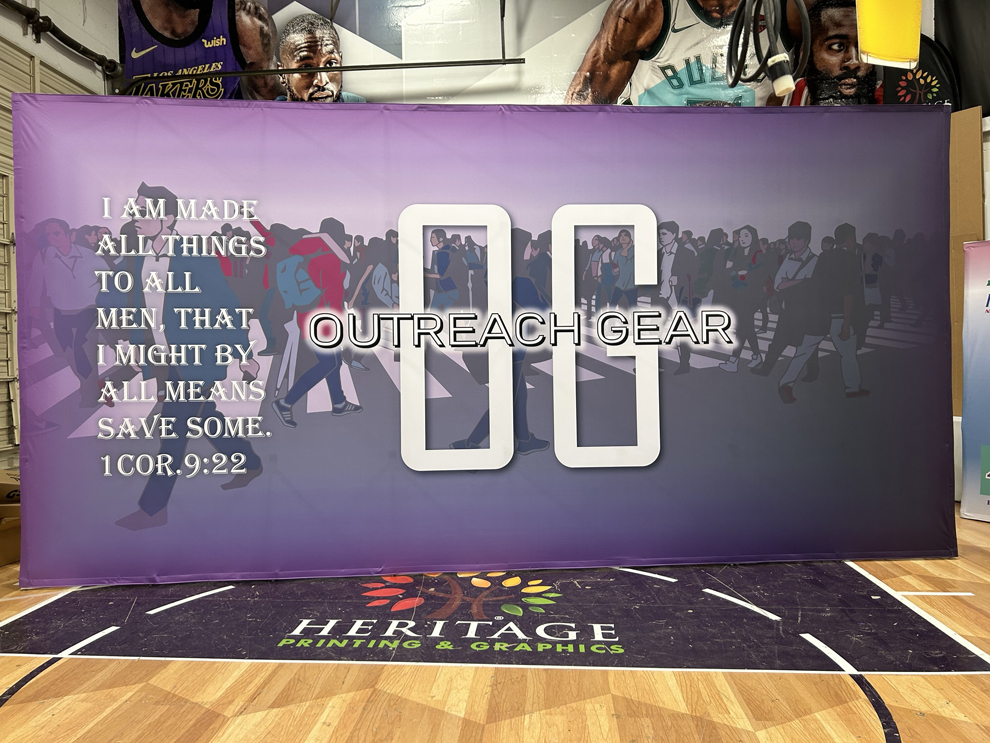
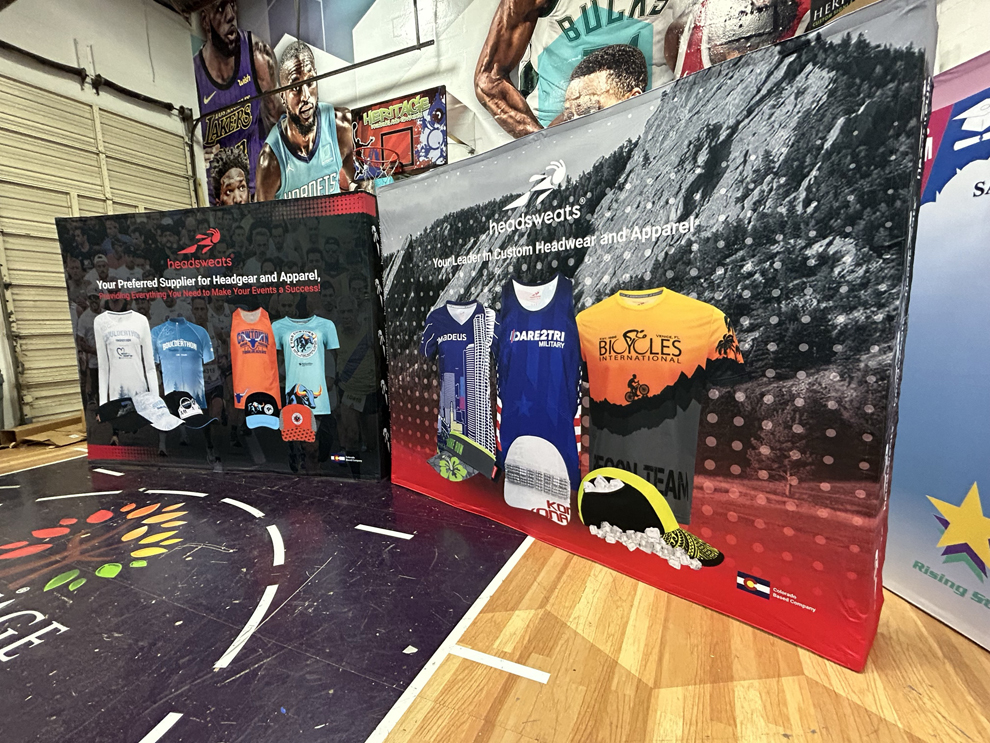
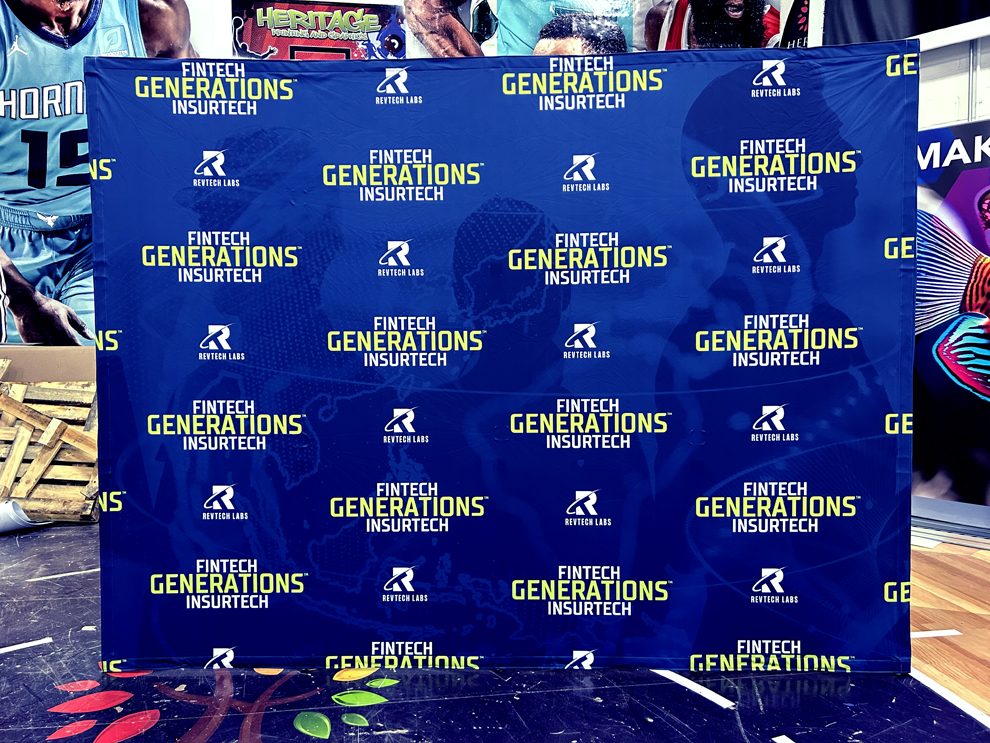
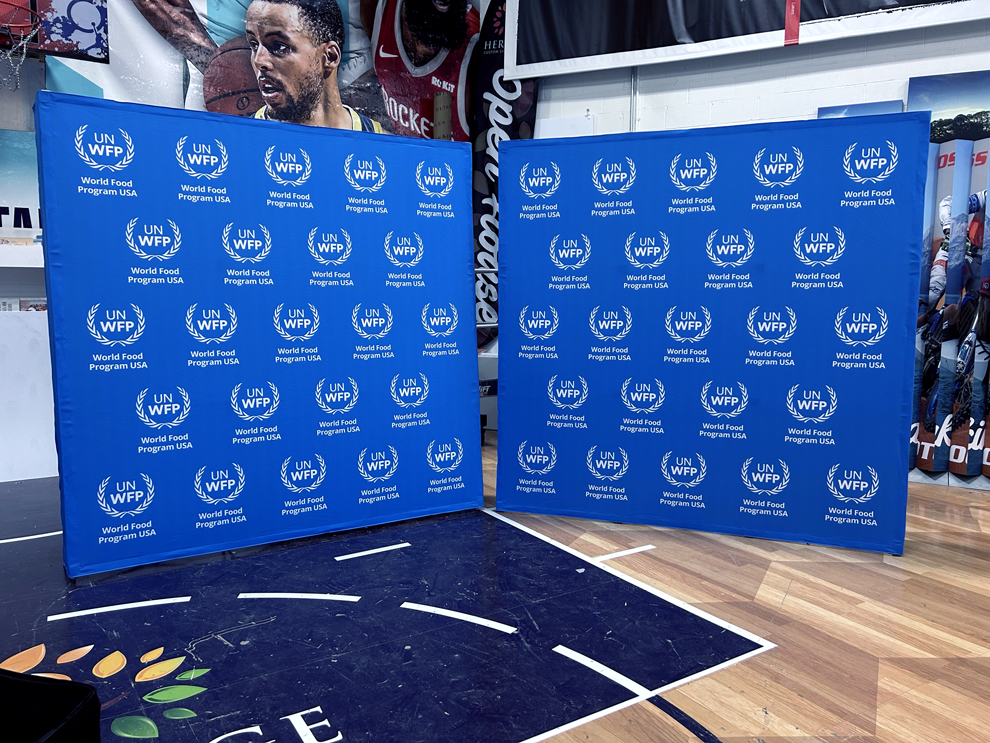
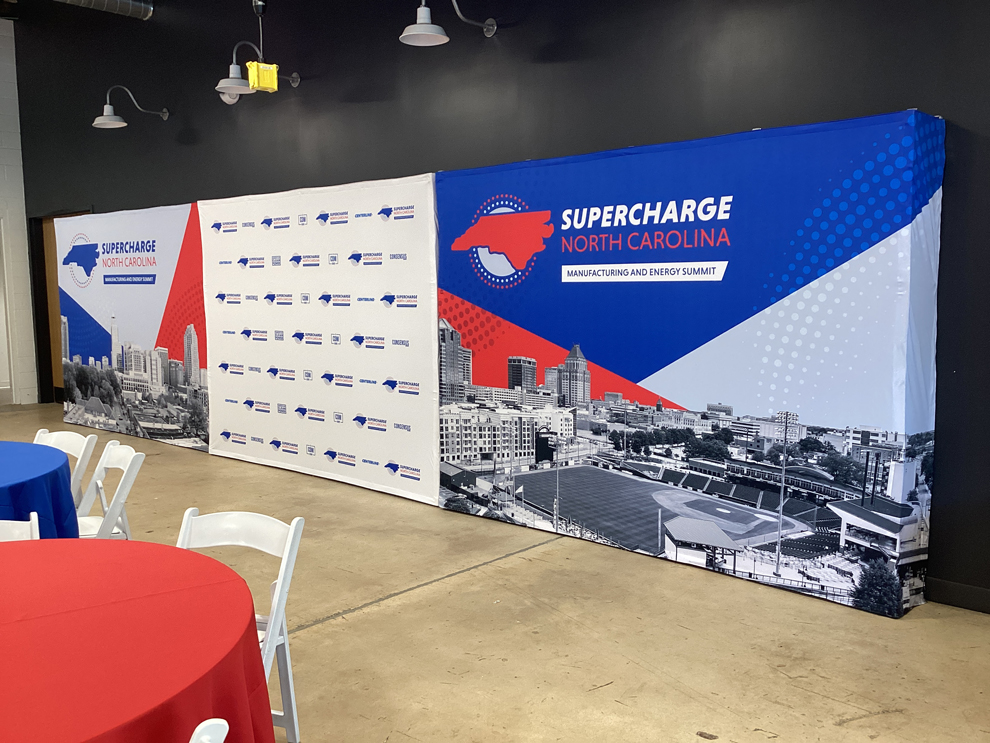
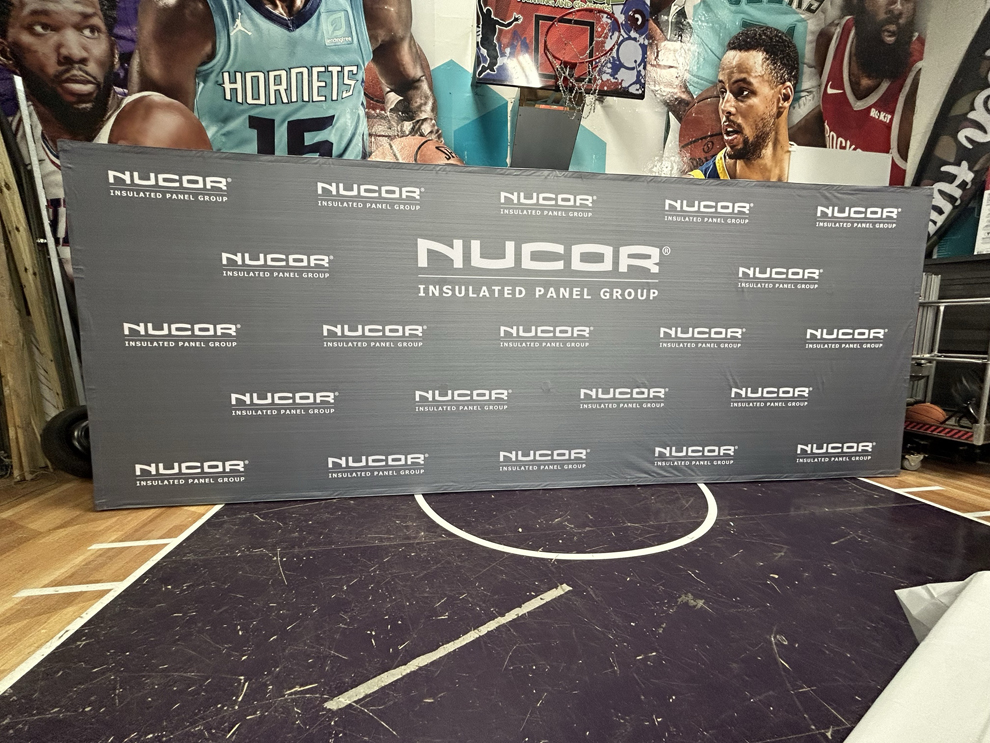
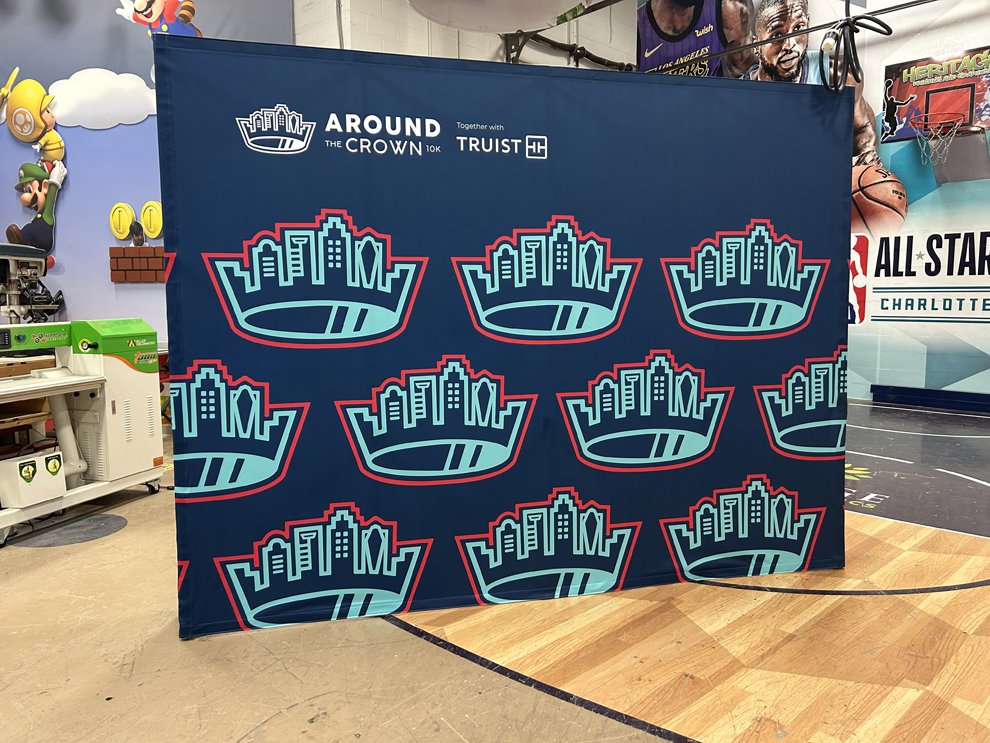
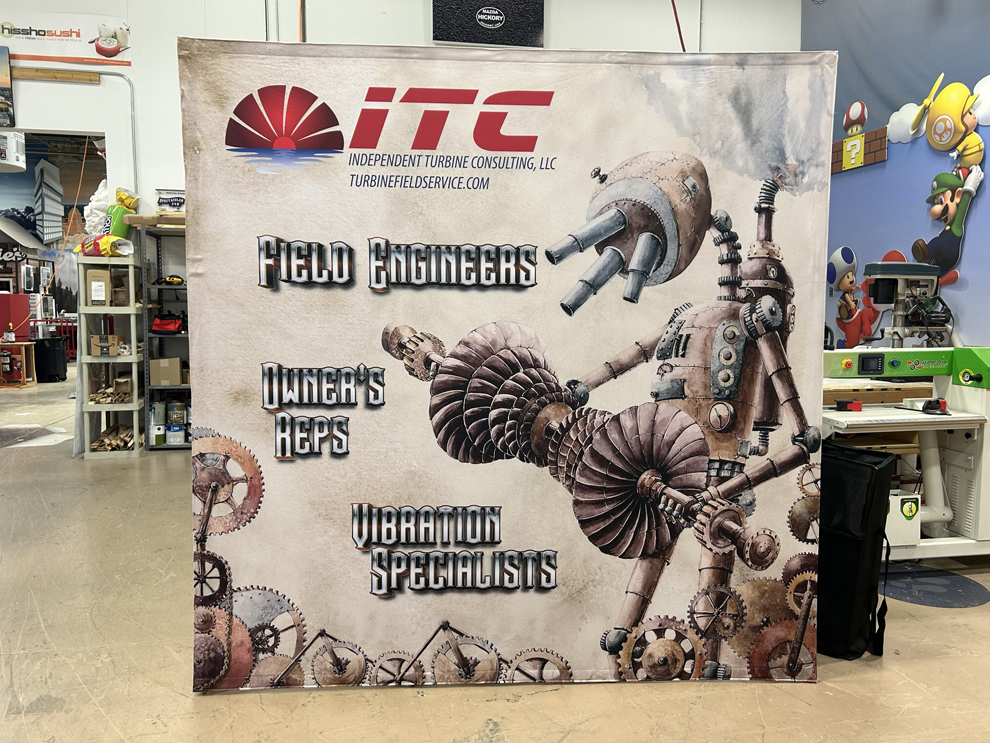
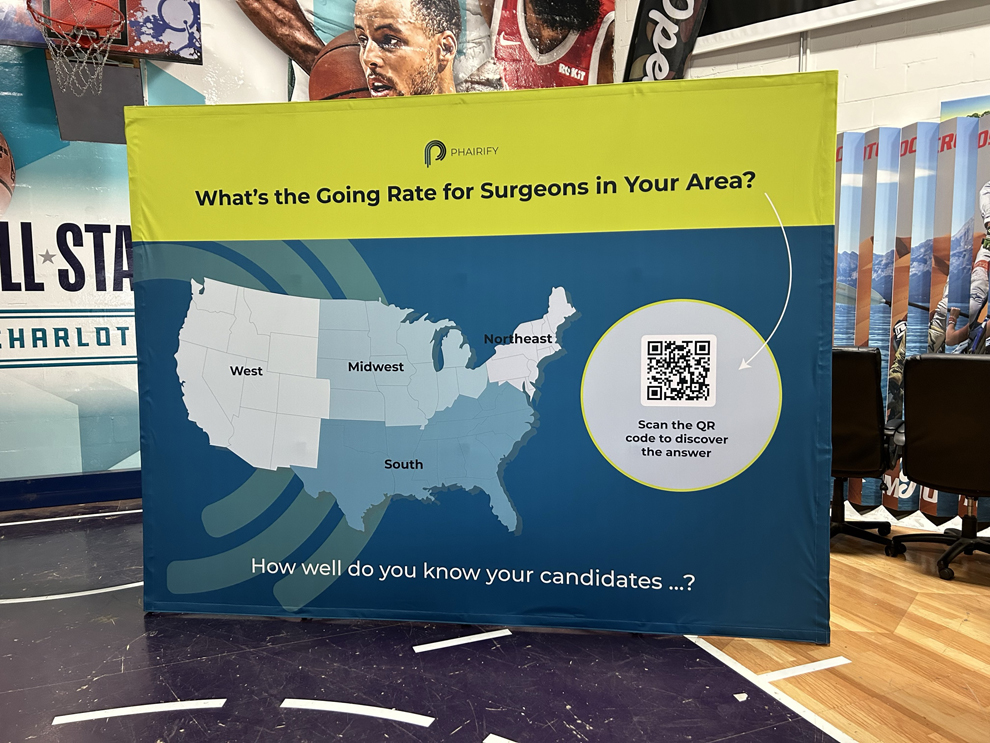
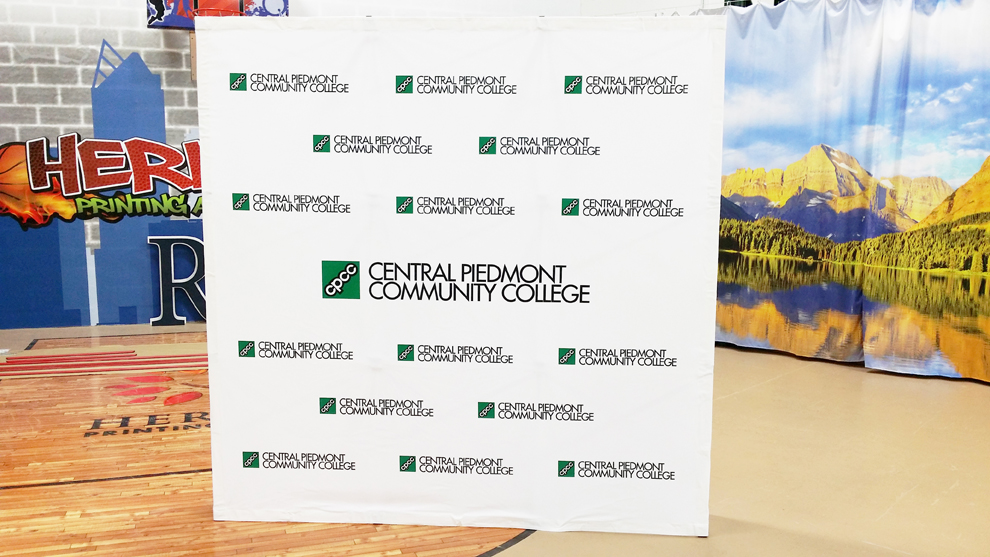
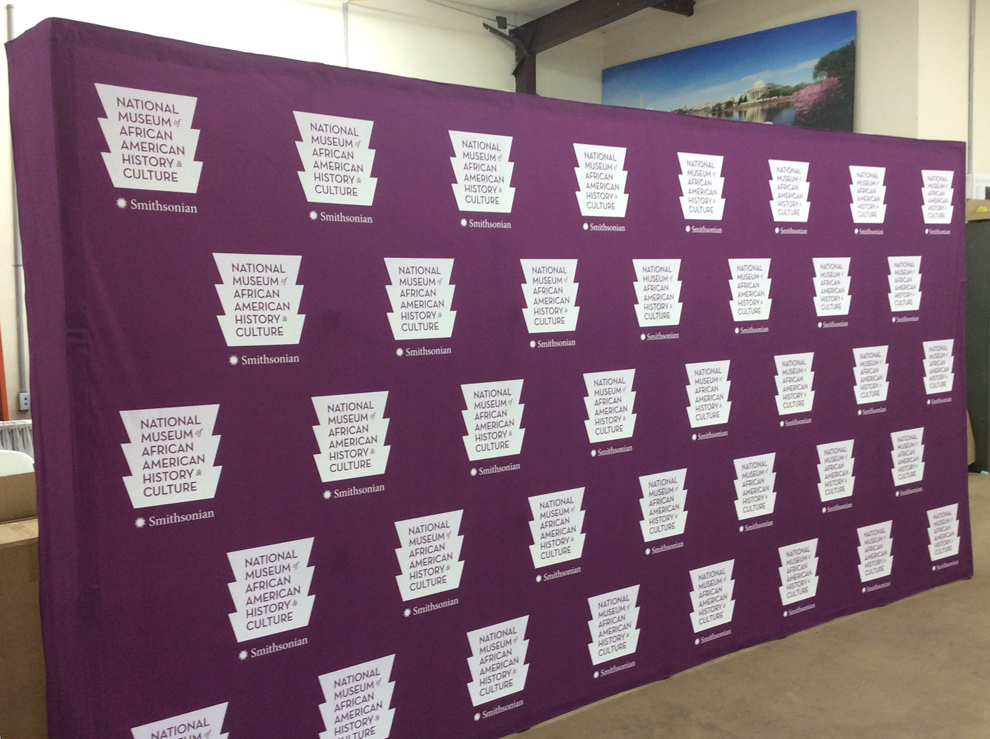
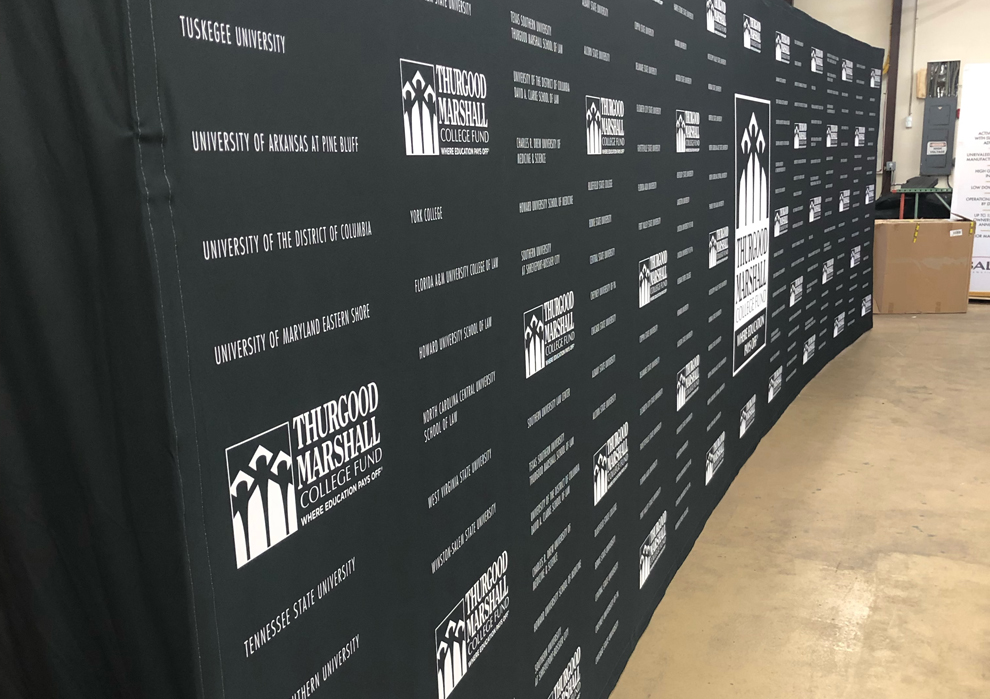
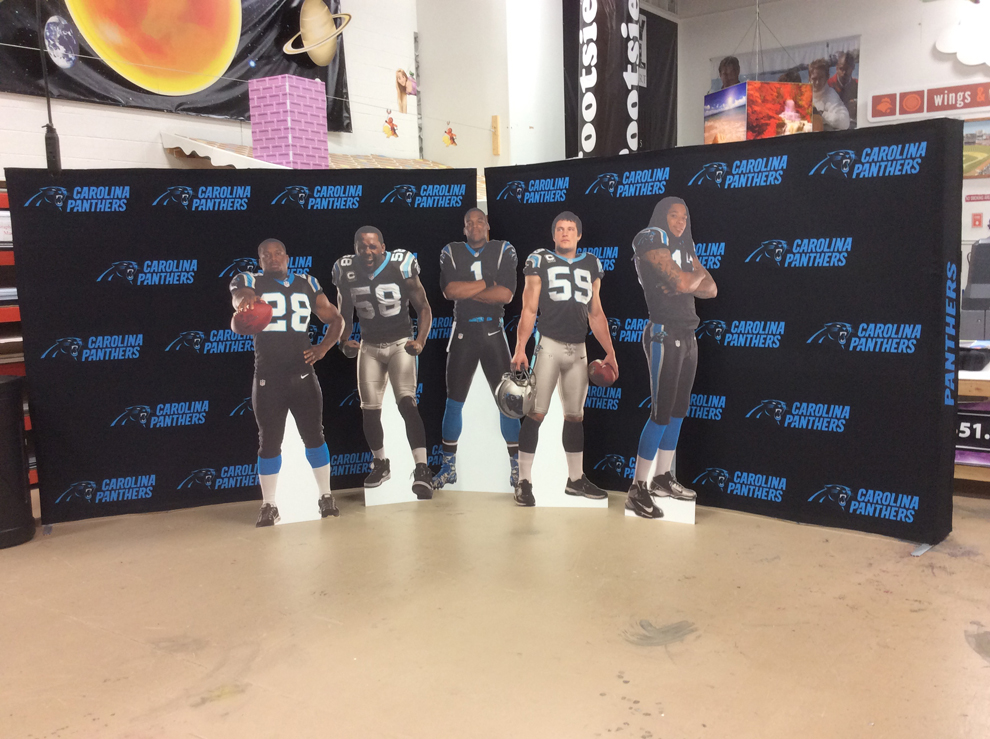
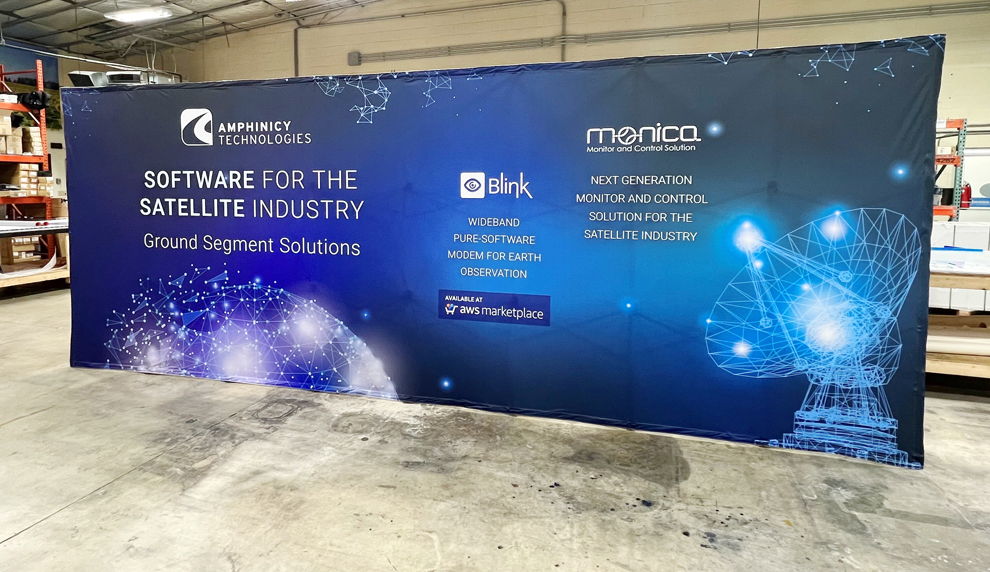
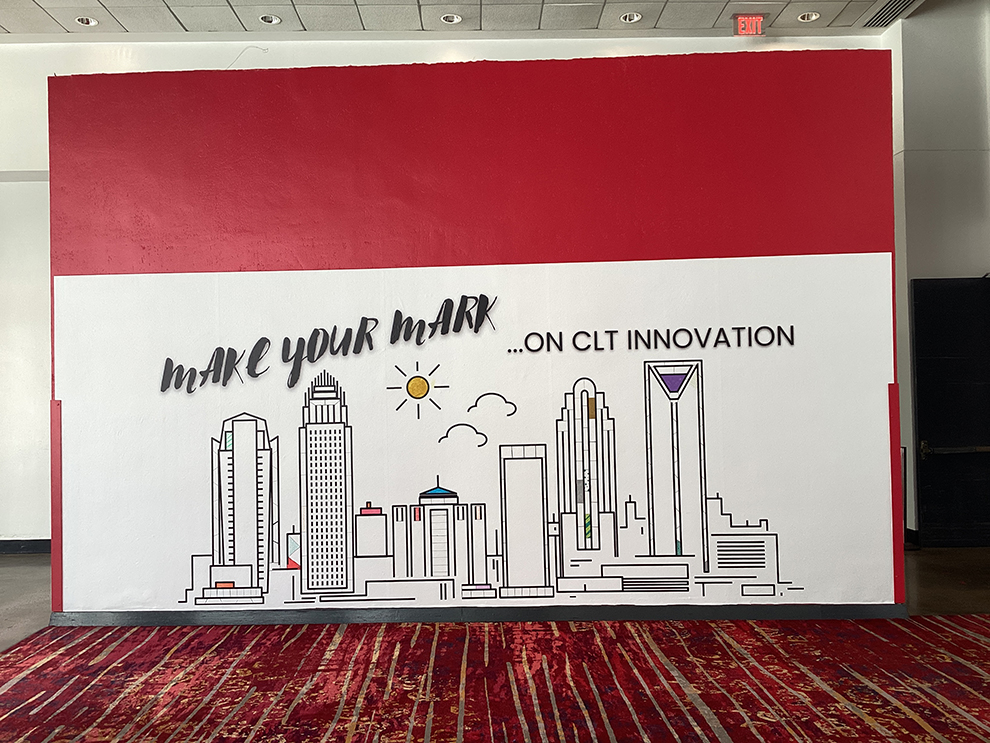
A fabric backdrop gives a Charlotte event a broad branded surface without requiring a permanent build-out. For organizations using hotel ballrooms, conference spaces, recruiting events, presentations, trade shows, sponsor areas, photo settings, and recurring corporate programs, the product combines visual scale with portability. The system can travel with the team, be assembled at the venue, and create a defined background for the people, products, or messages in front of it.
Heritage Signs & Displays is a veteran-owned, family-led company founded in 1977. Since 2009, custom signs, interior graphics, workplace branding, and event environment solutions have become a defining part of the company's work. Fabric backdrops fit naturally within that experience because they can serve either as a straightforward portable display or as one component in a more coordinated branded event environment.
The backdrop should first solve the visual problem. Behind a presenter, it can establish the organization or event identity without competing with the speaker. At a booth, it can form a branded backwall that gives the exhibit more presence from the aisle. In a photo or interview setting, it can control the visual background. At registration or a sponsor area, it can create a larger focal surface than a narrow banner stand. The design should account for what people, furniture, tables, podiums, products, or equipment may block once the event is underway.
Portability changes how the display can serve a recurring program. Fabric systems can be packed for travel, assembled for an event, taken down, and stored for later use. Frame designs and graphic attachment methods differ, so setup, storage, and future graphic changes depend on the selected system rather than one universal backdrop method. Before deciding, compare the standardized systems in the Heritage Online Store, including available sizes, graphic attachment methods, artwork templates, selectable options, and current pricing.
For Charlotte organizations that return to the same meetings, recruiting programs, conferences, or sponsored events, that portability can make the backdrop a repeat-use asset rather than a one-time visual. It can also work alongside retractable banners, event towers, step and repeat graphics, trade show displays, modular framing, or other event signs when several communication jobs need to be handled in the same space. This lets the backdrop carry the large background message while smaller or more specialized displays handle direction, identification, sponsor visibility, or supporting information elsewhere in the venue.
Use the Heritage Online Store when the purchase decisions are already made. Select the standardized backdrop configuration, prepare complete print-ready artwork, and place the order directly from the current options and pricing shown there. This is a self-directed transaction, so Heritage does not provide design or layout development, help select or coordinate the product, provide a Physical Production Color Proof, survey the site, or professionally install the standalone backdrop through that path. Choose Get Started Now when the backdrop is one part of a broader qualifying event or workplace scope that still needs Heritage development and/or coordination.
Talk with Heritage about a coordinated event environment involving multiple signs, graphics, displays, and professional installation.
Get Started Now
The hardware should match the way your team expects to use the backdrop, not just the size of the graphic. One available approach uses a lightweight tube frame assembled from connected sections. A tension fabric graphic pulls over the frame and closes around it, producing the finished surface by stretching the fabric across the structure.
Another approach uses a collapsible pop-up frame. The graphic attaches to the expanded structure with hook-and-loop material, allowing the frame to open and close quickly for repeated use. Some systems support interchangeable graphics, but replacement capability should always be confirmed for the exact product rather than assumed across every backdrop.
Those differences affect setup, travel, storage, and future reuse. Before ordering, think about who will assemble the backdrop, how often it will travel, the amount of storage available, and whether the same visual will be used repeatedly. Then use the Online Store product information and instructions to choose the system that fits those practical needs and the way your team will use it.
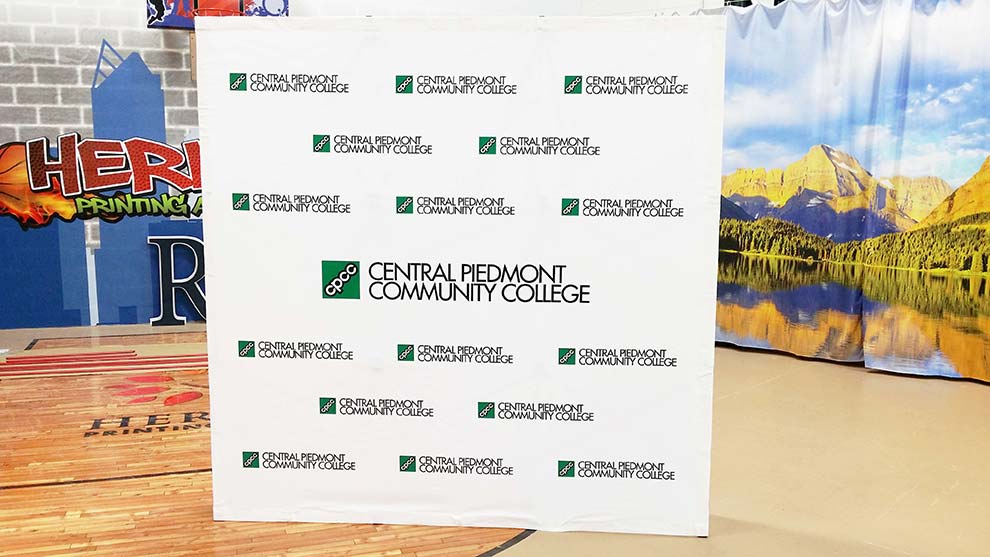
Charlotte clients can use Heritage differently depending on scope. A standardized fabric backdrop with finished artwork can remain a simple self-directed Online Store purchase. A larger event or workplace project can bring the backdrop into a coordinated Heritage process that connects design, project management, production, fabrication, delivery planning, site coordination, and professional installation where the accepted scope requires them.
Heritage's Charlotte headquarters and primary specialty production facility add a real operating advantage for qualifying managed projects in the Charlotte region. Project, production, fabrication, field, and installation resources can work within one broader Heritage system rather than leaving the client to coordinate unrelated vendors. Heritage's One Dedicated Project Manager System gives the client one consistent point of coordination, helping preserve approved brand direction, project knowledge, schedule decisions, and communication through execution.
For color-critical managed work, Heritage uses professional color-management practices and treats supplied Pantone Matching System colors as production targets. A Physical Production Color Proof can be provided at additional cost when it is included in the accepted managed-project scope and the schedule allows. That proofing option is not available through a standalone Online Store order.
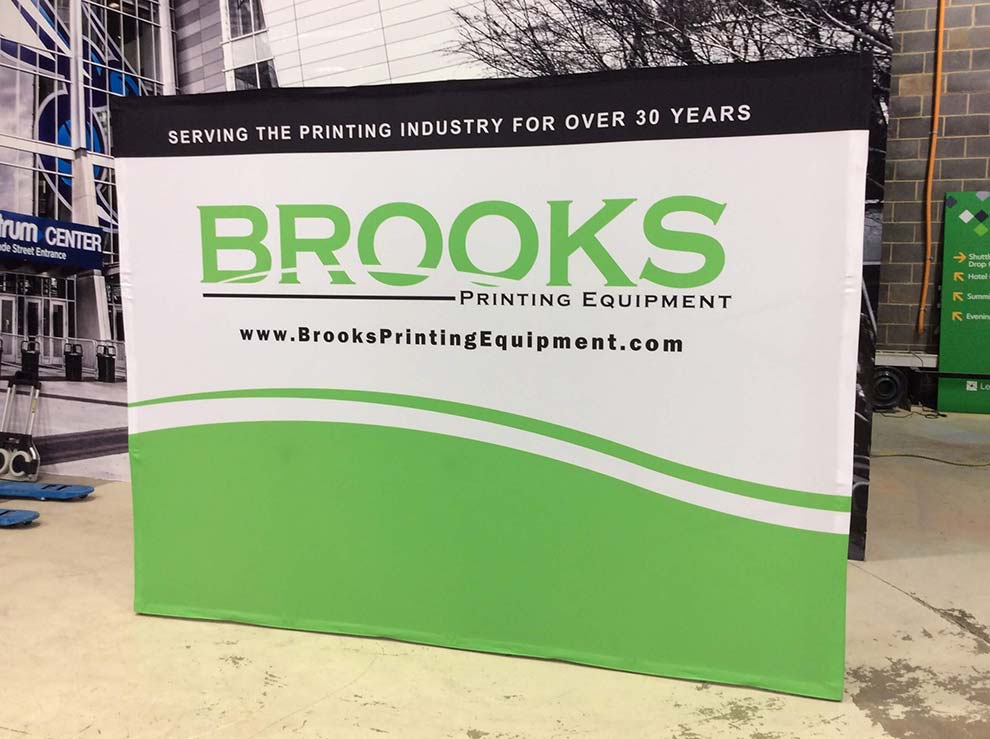

Explore broader backdrop solutions when the event requires a different scale, structure, staging treatment, or visual approach than a standardized portable fabric system.
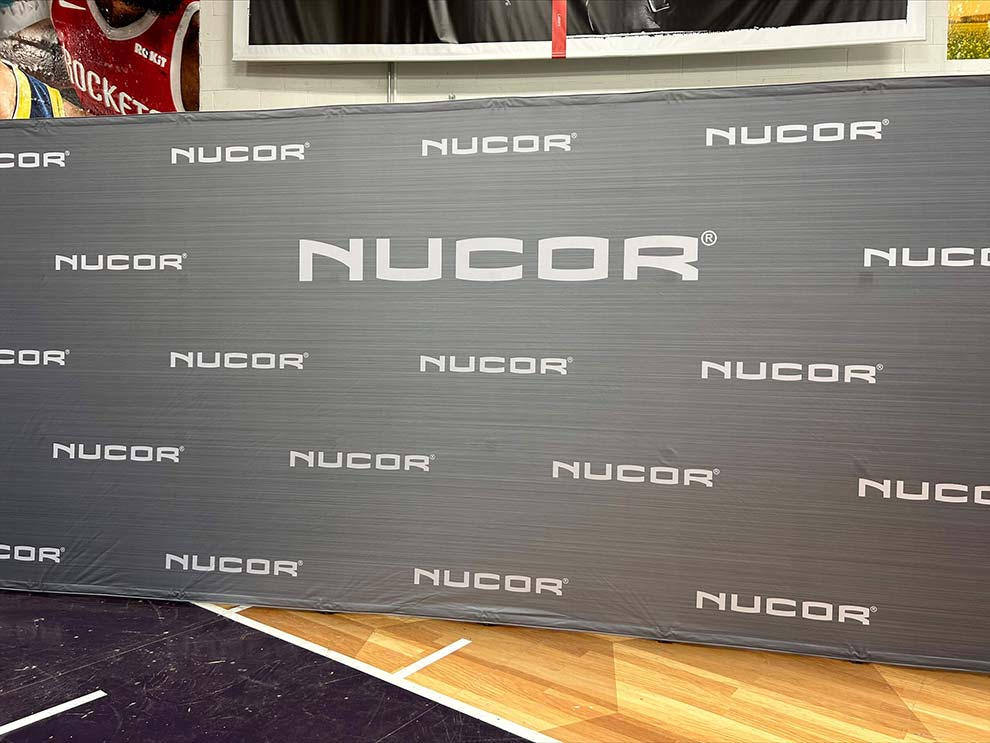
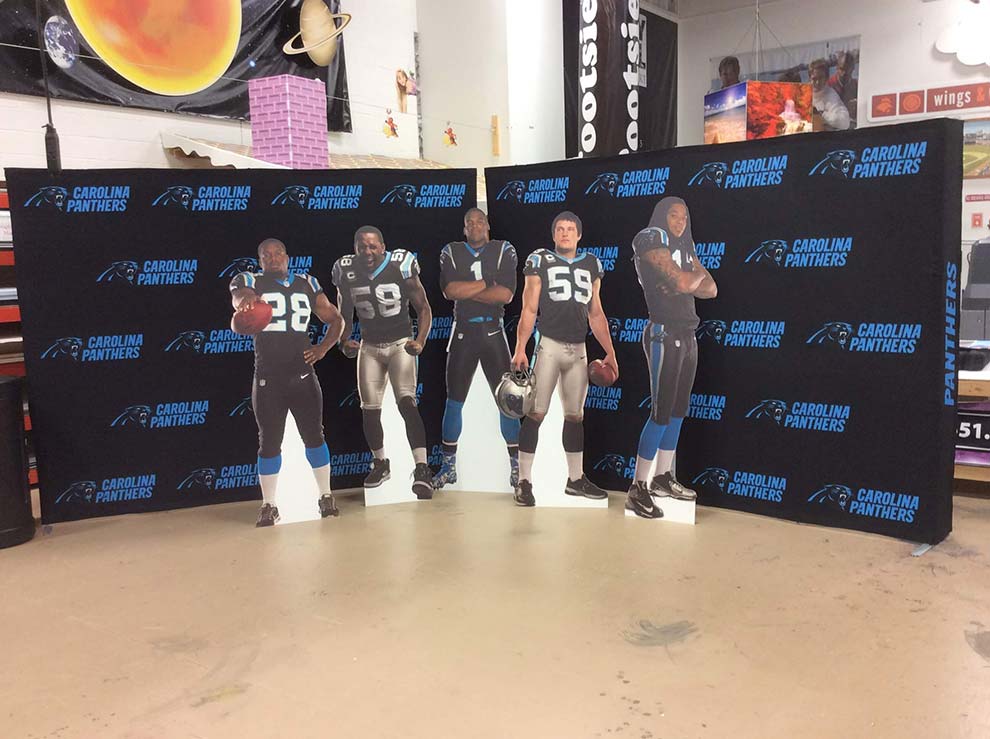
Create a photography- and media-focused background using repeated logos, sponsor marks, or organizational identity for arrivals, interviews, recognition events, and guest photos.
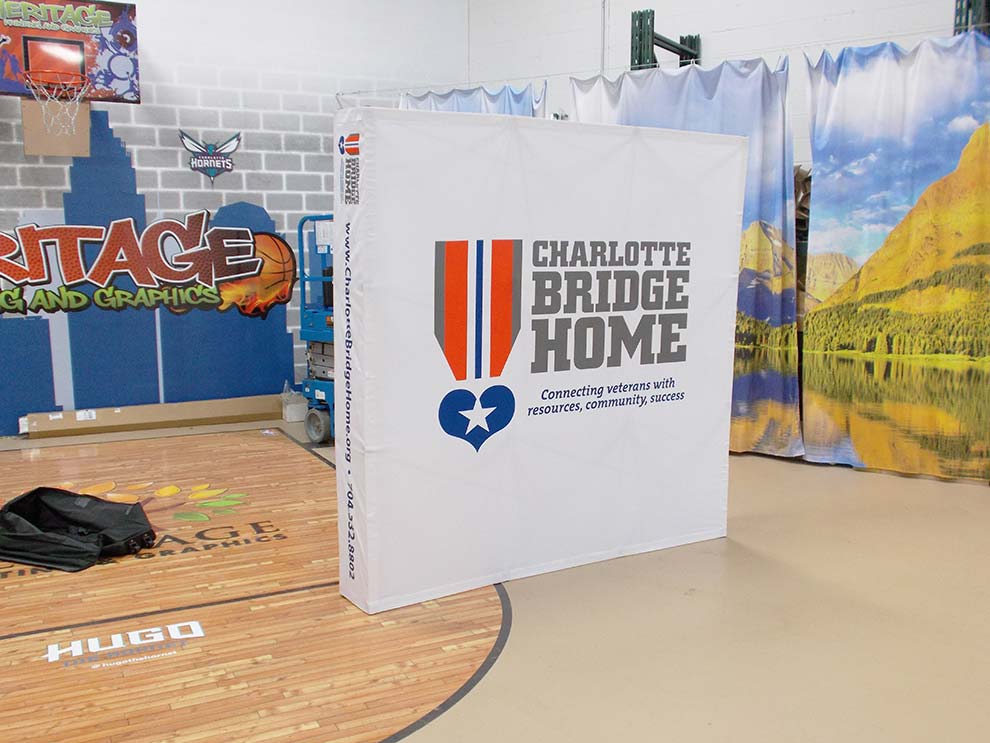
Build a broader portable exhibit when the event needs more than a backwall, including additional messaging surfaces, visual structure, or coordinated display components.
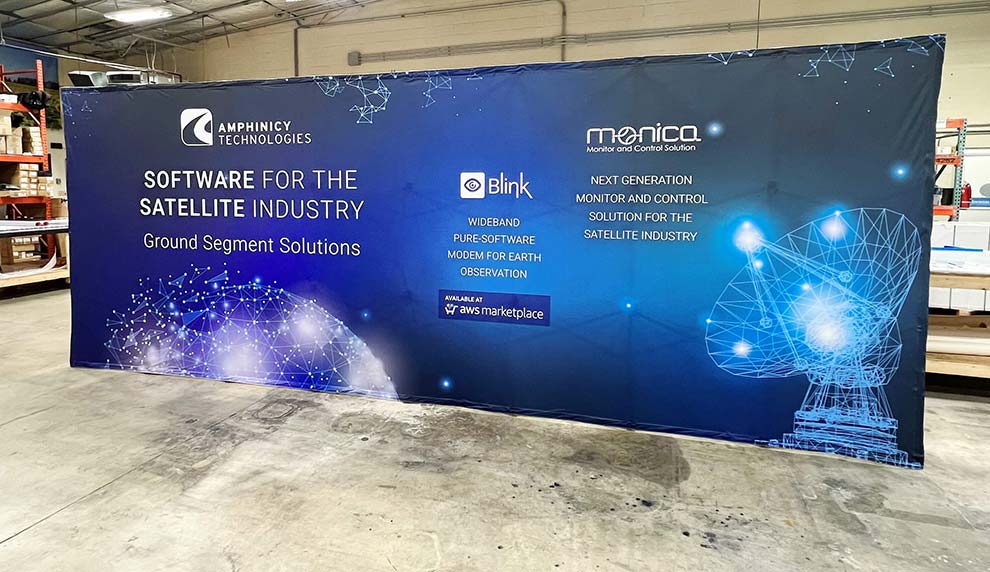
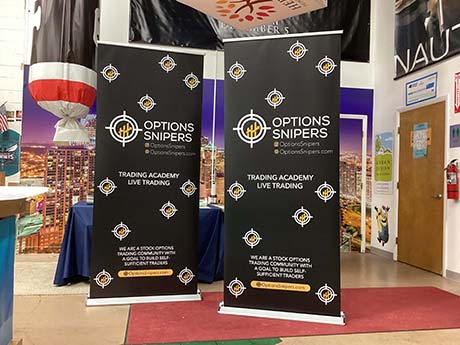
Add compact vertical displays for registration, schedules, wayfinding, recruiting, or supporting messages that need to move independently throughout the venue.
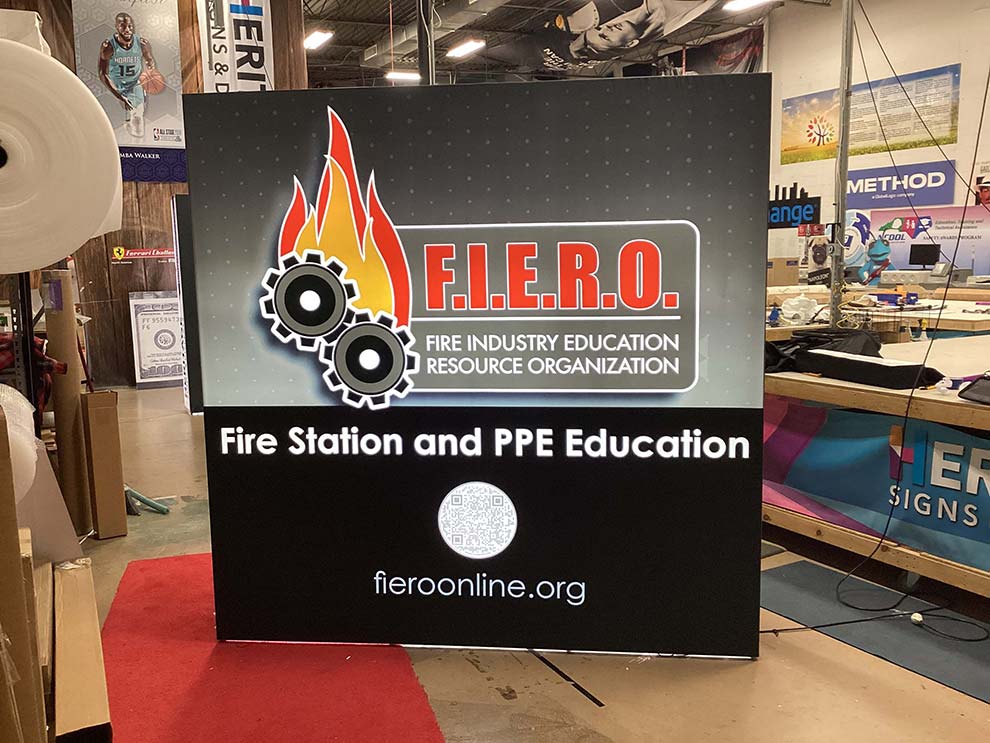
Use silicone-edge graphics when the project calls for fabric finished with a sewn silicone edge and installed into a compatible frame or lightbox.
Develop a modular exhibit or event structure when configurable framing and multiple compatible graphic elements need to create a more substantial physical environment.
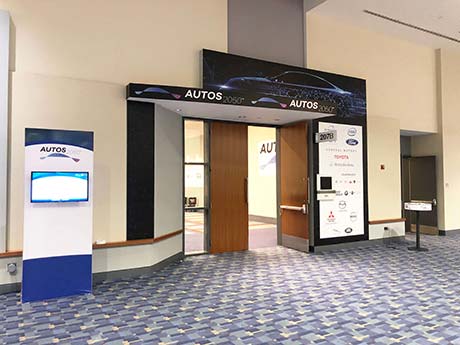
Gain height and visibility for brand identity, sponsor communication, direction, or other messages that need to rise above surrounding event activity.
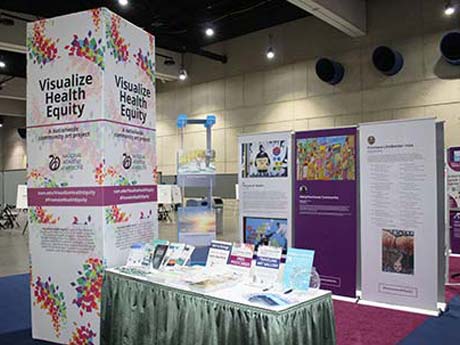
Coordinate multiple physical communication elements when registration, wayfinding, sponsor messaging, branded displays, and venue graphics need to function as one event system.
Ready to place a straightforward backdrop order? If your standardized system is selected and the artwork is complete and print-ready, use View Pricing & Order Online to make the remaining selections and purchase through the Heritage Online Store.
Working on a coordinated event or workplace program instead? Use Planning a Larger Event Branding Project? Get Started Now when Heritage needs to help develop or coordinate the broader scope. Send the location, timing, objectives, known display needs, and available files so the project can be evaluated and the right next step identified.
Planning a Larger Event Branding Project? Get Started Now
Charlotte organizations often need portable displays that can move between corporate meetings, recruiting programs, conferences, sponsored events, presentations, trade shows, and repeat programs without rebuilding the visual environment each time. A fabric backdrop gives those teams a large branded surface that can travel, then return to storage when the event is over.
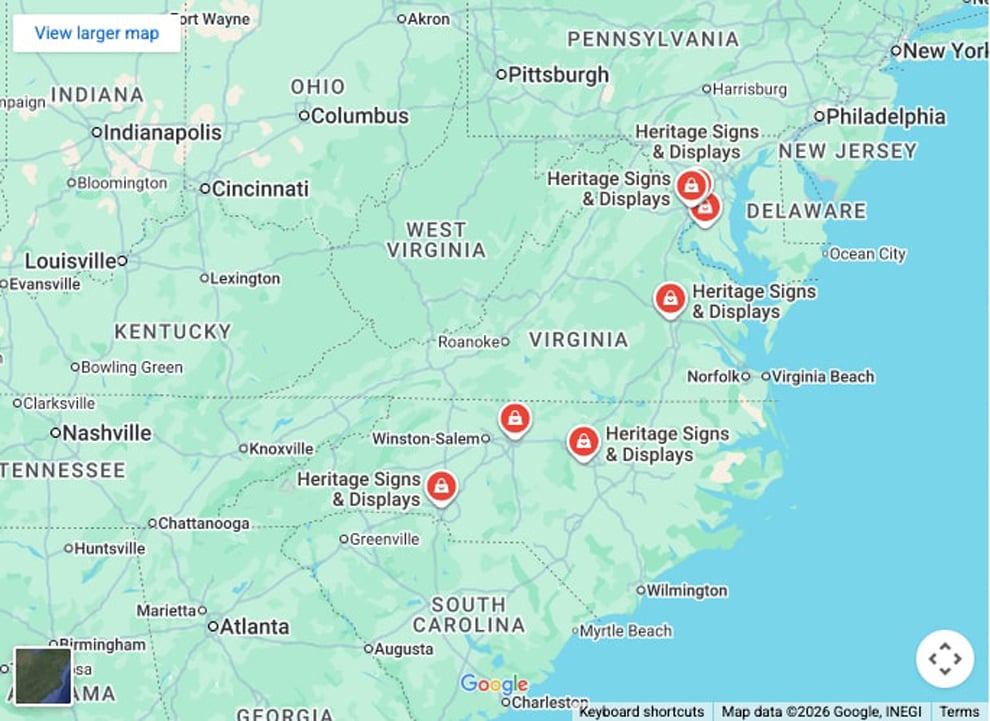
Heritage is headquartered in Charlotte and operates its primary specialty production facility there, with Charlotte-region client, project, field, and installation resources supporting the immediate market. That local structure is most valuable when the backdrop becomes one element of a larger accepted event or workplace project and the client needs coordinated planning beyond the standalone product.
For larger scopes, Heritage can connect Charlotte-area project knowledge with production, fabrication, delivery planning, and professional installation, then extend that coordination across the Carolinas and broader Heritage network for organizations with multiple locations. Communities within the Charlotte marketplace include Statesville, Salisbury, Concord, Gastonia, Rock Hill, and comparable close-in areas. One dedicated Project Manager can help preserve the approved brand direction and project history while the physical solution adapts to the needs of each venue or location.
A fabric backdrop has to work behind the activity, not compete with it. Start by identifying what will occupy the foreground: speakers, a panel table, products, a podium, interview subjects, or people posing for photographs. Then place logos, headlines, sponsor marks, and important imagery where they will remain visible instead of disappearing behind the event itself.
The composition should also reflect viewing distance. A trade show backwall may need a strong headline and imagery that can be understood from the aisle. A presentation background may benefit from restrained branding that supports the speaker. A repeated-logo treatment may be appropriate for photography, but that is different from a stage background or booth wall.
For a self-directed Online Store purchase, the client provides complete print-ready artwork using the requirements and templates for the selected system. Heritage design and layout development are outside that transaction. Within a larger qualifying managed project, Heritage can provide design support when included in the accepted scope or coordinate client-approved artwork across the backdrop and related displays. The goal is a coherent visual environment in which each element has a clear job.
Fabric backdrop setup depends on the hardware you select. Tube-frame systems are assembled from connected frame sections before the tension fabric graphic is pulled over the structure and closed around it. Pop-up systems expand from a collapsed frame and use their own graphic attachment method. Follow the instructions supplied with the specific product rather than treating every fabric backdrop as if it assembles the same way.
During transport and storage, separate and protect the printed fabric from frame parts that could pinch, scrape, or snag it. Use the carrying case supplied with the selected system when one is provided, and pack components so the display arrives ready for the next setup. At the venue, assemble the backdrop early enough to straighten and position the graphic, then evaluate it from the principal audience and camera locations before the program starts.
A standalone Online Store backdrop remains a client-deployed product; that transaction does not include a Heritage site survey or professional installation. When a broader accepted Heritage-managed project includes professional installation, Heritage completes the required site survey for the installed scope and can coordinate backdrop placement with delivery, access, and the other installation requirements in the event plan.
Choose the Online Store when the backdrop purchase is already resolved: the standardized system and configuration are selected, the complete print-ready artwork is prepared, and your team can make the ordering decisions independently. Use the store for the current product options, artwork requirements, production information, shipping details, and pricing.
Choose Get Started Now when the backdrop is one element in a larger qualifying event or workplace solution that still needs Heritage development or coordination. The broader work may involve several display types, multiple locations, delivery logistics, site conditions, stakeholder approvals, professional installation, or design support included in the accepted scope. Finished artwork does not automatically make the project self-directed; the deciding factor is whether the wider solution is already defined.
If Heritage professional installation is included in the accepted project, Heritage completes the required site survey for that installed scope. For a multi-location program, one dedicated Project Manager can preserve approved direction, production expectations, project history, and schedule decisions while the requirements of each location are coordinated.
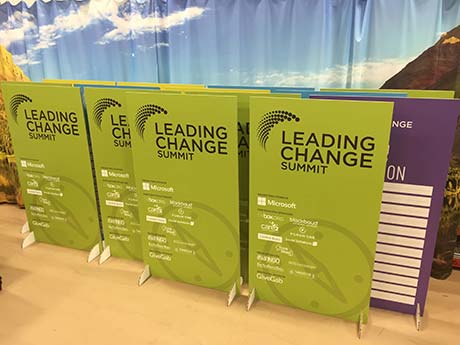
A fabric backdrop creates a large freestanding branded surface behind speakers, products, exhibits, photography, interviews, presentations, or other event activity. It combines a printed fabric graphic with a portable supporting frame, allowing the display to travel, be assembled at the venue, and return to storage after use.
Choose based on the size and role of the message. A fabric backdrop creates a much wider background or backwall, while a retractable banner provides a narrower vertical message and stores its graphic inside a base. Backdrops work well behind people or exhibits; retractable banners are useful for independent messages around entrances, registration, breakout areas, or other points throughout the venue.
Start with how the display will be used, moved, assembled, and stored. Different systems use different frame structures and graphic attachment methods, and replacement capability can vary as well. Review the current Online Store product descriptions, dimensions, artwork templates, attachment details, and instructions before selecting the standardized configuration that best matches your event routine.
Choose View Pricing & Order Online after the product decision is made. Select the standardized backdrop and configuration, prepare complete print-ready artwork to the requirements for that system, upload the files requested in the store, and review the current production and shipping information before completing the purchase.
Start with Get Started Now when your need extends beyond a fully defined standardized backdrop purchase. A qualifying managed project may require Heritage to develop or coordinate several displays, work across locations, plan delivery and site requirements, manage stakeholder decisions, provide accepted design support, or connect the event scope with professional installation.
No. A standalone Online Store purchase requires complete print-ready artwork. Heritage design and layout development are not included in that transaction.
Design support can be part of a larger qualifying Heritage-managed project when it is included in the accepted scope. Heritage can also coordinate an approved design supplied by the client or another professional partner across several event displays.
No. Product selection is part of the buyer's self-directed Online Store decision. Compare the current descriptions, dimensions, templates, configuration choices, and instructions in the store before placing the order.
If the backdrop choice belongs to a larger event solution that needs Heritage to coordinate products and other project requirements, use Get Started Now instead.
Not for the standalone Online Store purchase. That portable backdrop is client-deployed, so the storefront transaction does not include a Heritage site survey.
When a broader Heritage-managed project ultimately includes Heritage professional installation, the installed project scope receives the required Heritage site survey so the relevant site conditions and access can be verified before installation.
No. The buyer handles assembly of a backdrop purchased through the standalone Online Store path by following the instructions supplied for that hardware.
A different service model can apply when fabric backdrops are included in a qualifying Heritage-managed event project. If the accepted scope includes setup or placement with other event elements, Heritage can coordinate that work through the larger project plan. When Heritage professional installation is part of that broader accepted scope, Heritage also completes the required site survey for the installed work.
The method depends on the selected hardware. Tube-frame systems connect individual frame sections before the tension fabric graphic is pulled over the structure and closed around it. Pop-up systems expand from a collapsed frame and secure the graphic using their specified attachment method.
Always follow the instructions for the exact system you purchase rather than assuming all portable fabric backdrops assemble the same way.
Pack the graphic so the frame cannot scrape or pinch it, and collapse or disassemble the hardware according to that product's instructions. Use the carrying case supplied with the system when one is provided. At the next venue, build the display early enough to straighten and position the fabric, then check the finished background from the key audience and camera locations.
Replacement capability varies by system. Some backdrop hardware is designed for interchangeable graphics, but that feature should not be assumed. If changing campaigns, dates, sponsors, or messaging while retaining the frame matters to your organization, confirm the replacement capability in the current product details before choosing the system.
Yes. A fabric background can give a speaker or panel a defined branded setting without requiring permanent scenery. Build the layout around the occupied stage: keep critical marks out of the zones covered by heads, lecterns, tables, chairs, or presentation equipment, and judge the composition from both room and camera viewpoints.
Yes. The same portable fabric system can carry a repeated arrangement of logos or sponsor marks when that graphic treatment fits the event. Step and Repeat Backdrops remains the specialized page for photography, arrivals, interviews, and similar repeated-logo uses; Fabric Backdrops owns the portable frame-and-fabric system itself.
Yes. A fabric backdrop can provide the main branded surface at the back of a booth when the exhibit does not need a more complex structure.
When the booth calls for connected display components, lighting, shelving, modular framing, or a broader portable exhibit system, begin with Trade Show Displays or the appropriate beMatrix solution instead.
SEG Fabric Graphics use a sewn silicone edge that seats in the channel of a compatible frame or lightbox. That construction creates a different display system from the portable backdrop hardware addressed here.
Choose the product family by the physical frame and attachment method the finished presentation requires, rather than treating all printed fabric graphics as the same product.
No. beMatrix provides modular structural framing for more substantial event and exhibit environments. Its configurable frame components can support a broader physical system than one portable fabric background.
A standard fabric backdrop remains the more focused choice when the primary job is a broad freestanding graphic surface that can travel between programs.
Keep the large background visually disciplined. Give priority to the brand, one concise message, strong imagery, or sponsor treatment that can be recognized from the intended distance rather than trying to fill the surface with copy.
Use separate supporting displays for detailed schedules, directions, program information, or other content that requires closer reading. That division lets the backdrop stay useful behind people and activity.
Heritage uses calibrated professional color-management workflows and treats client-supplied Pantone Matching System specifications as production targets. The achievable match depends on the printer, ink, fabric, and finishing combination because each production setup has its own color gamut.
When brand color is critical in a qualifying managed project, identify that requirement before production so Heritage can address the appropriate production and proofing approach within the accepted scope.
No. A digital proof can confirm artwork, copy, placement, and other visible details, but the color displayed on a phone or monitor does not establish the color of the finished printed fabric.
For a color-critical managed project, identify the physical-color requirement before production so the accepted scope can include the appropriate proofing method when needed.
Yes, within a qualifying Heritage-managed project when the proof is included in the accepted scope, at additional cost, and the schedule allows. Heritage produces the proof using the intended production equipment and substrate with the applicable finish when relevant.
Once approved, that proof becomes the controlling physical color reference unless otherwise agreed. Physical Production Color Proofs are not available through standalone Online Store orders.
A backdrop can anchor the primary visual area while other displays perform different communication jobs around the venue. Registration, direction, sponsor recognition, vertical messaging, photography, and exhibit structure may each call for their own physical element.
Within a qualifying managed project, Heritage can coordinate those pieces around the audience, venue, schedule, delivery, site conditions, approvals, and installation requirements so the backdrop supports rather than tries to replace the complete event system.
Heritage is headquartered in Charlotte and operates its primary specialty production facility there, with Charlotte-region client, project, field, and installation resources supporting qualifying managed work.
That operating structure lets project coordination, production, fabrication, field planning, and professional installation work within one Heritage system when the larger accepted project needs those capabilities. A standalone Online Store backdrop purchase remains self-directed.
Yes. For a qualifying Heritage-managed multi-location program, Heritage can maintain the approved brand direction and production expectations while quantities, display combinations, delivery, site access, and other requirements are adapted for individual locations.
One dedicated Project Manager carries the project history and decisions across the program, reducing the need for the client to recreate the same background information with each location.
For an Online Store purchase, confirm the product's current production and shipping timing before checkout and have the complete print-ready artwork ready to submit.
For a larger managed project, share the event date and full scope promptly. Heritage reviews the approvals, production work, delivery, access, and installation requirements that must fit the available schedule. If the original scope cannot responsibly be completed in time, Heritage communicates that early and works with the client on a practical alternative.
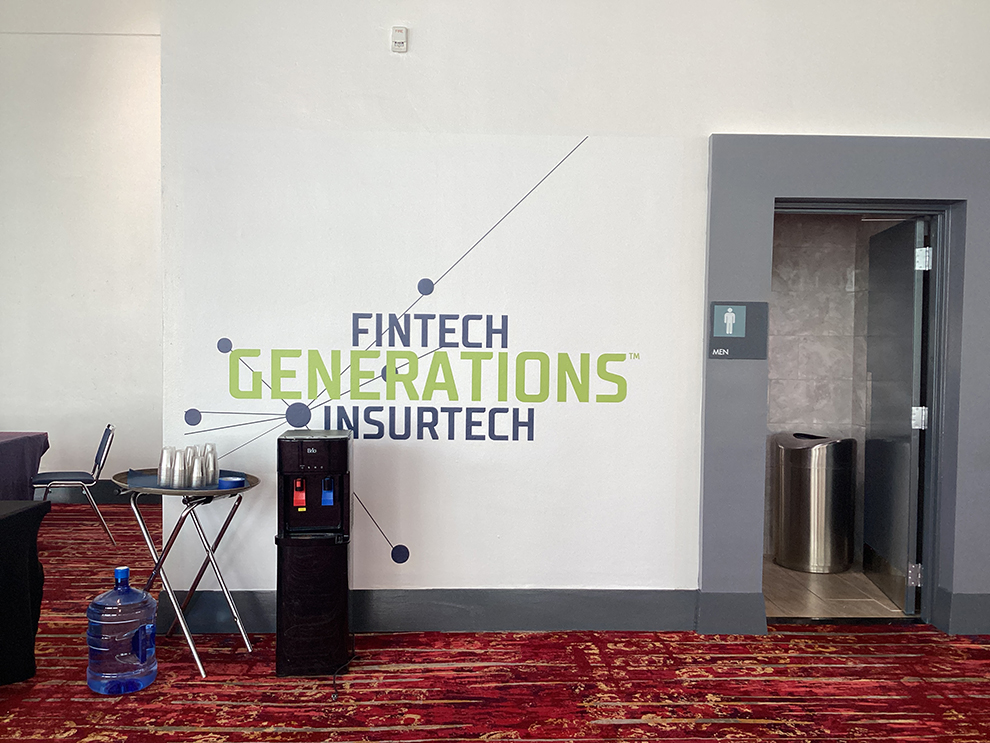
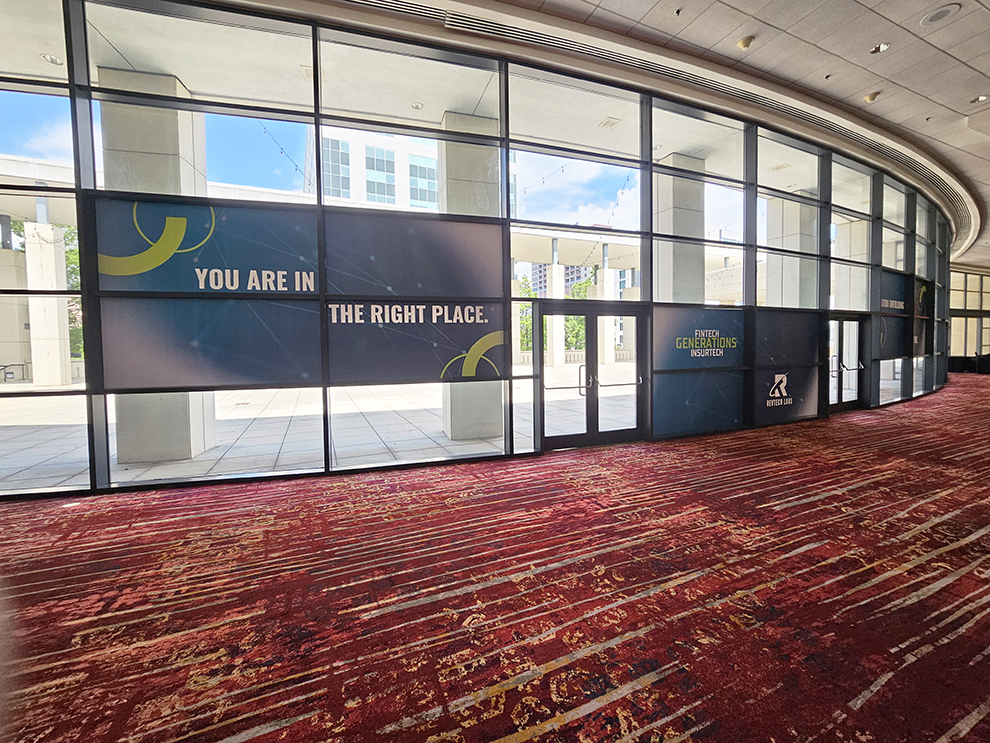
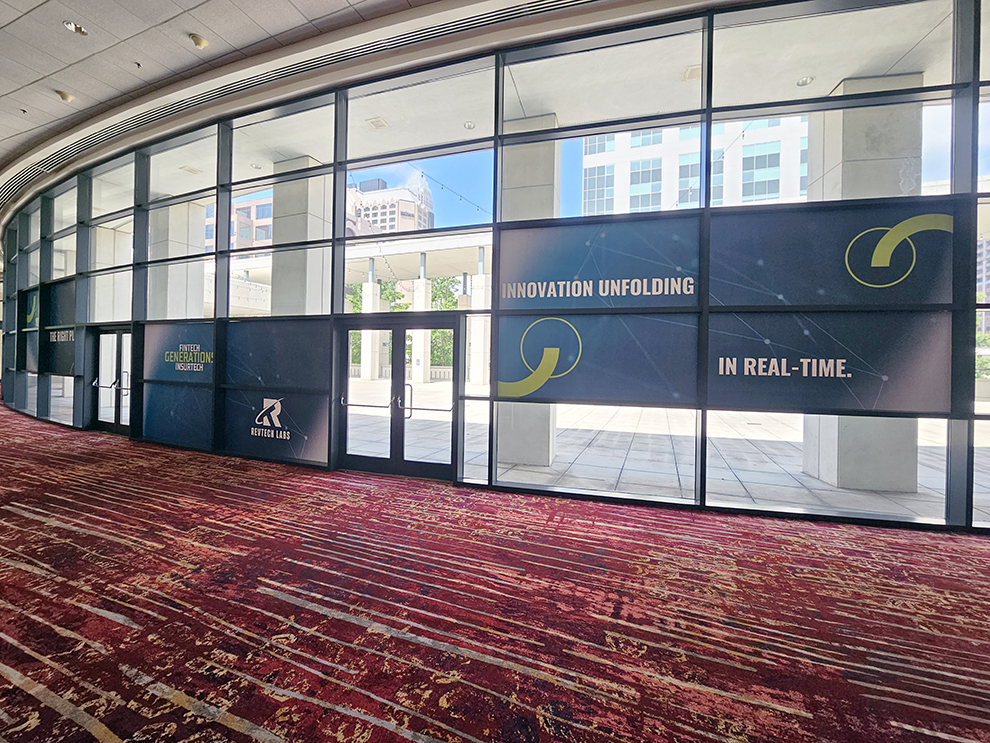
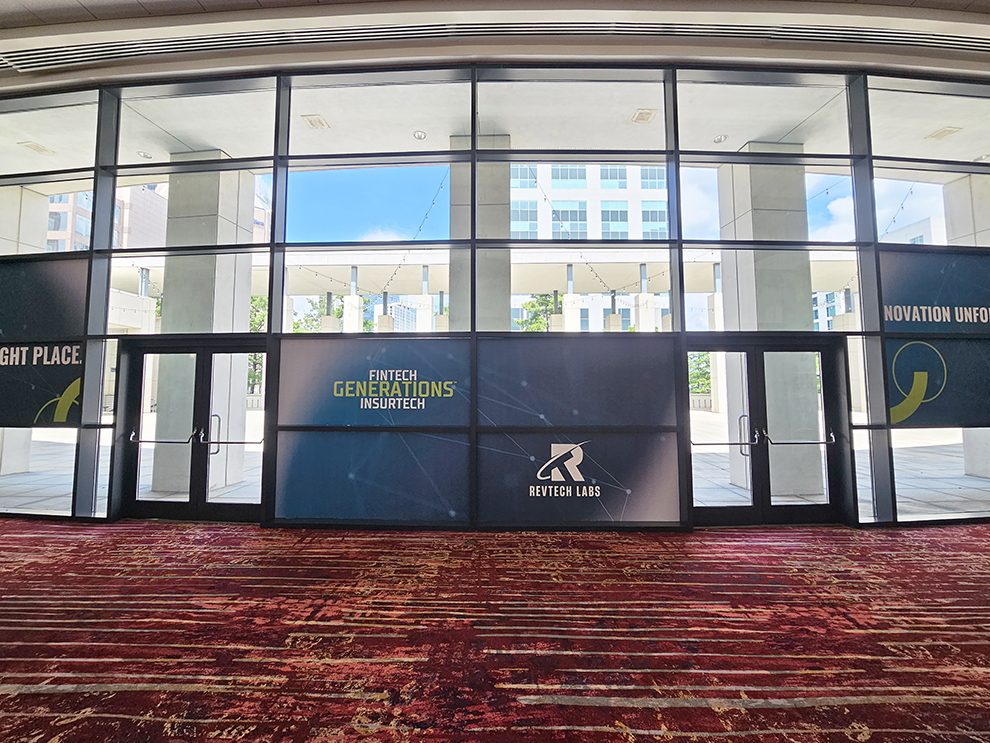
Heritage Signs & Displays collaborated with the Fintech + Insurtech Generations 2023 conference at the Charlotte Convention Center. Heritage worked closely with the client to create an interactive and branded event environment for attendees to network and discuss key topics impacting the financial and insurance sectors. The project enhanced the premier annual conference's atmosphere and engagement.
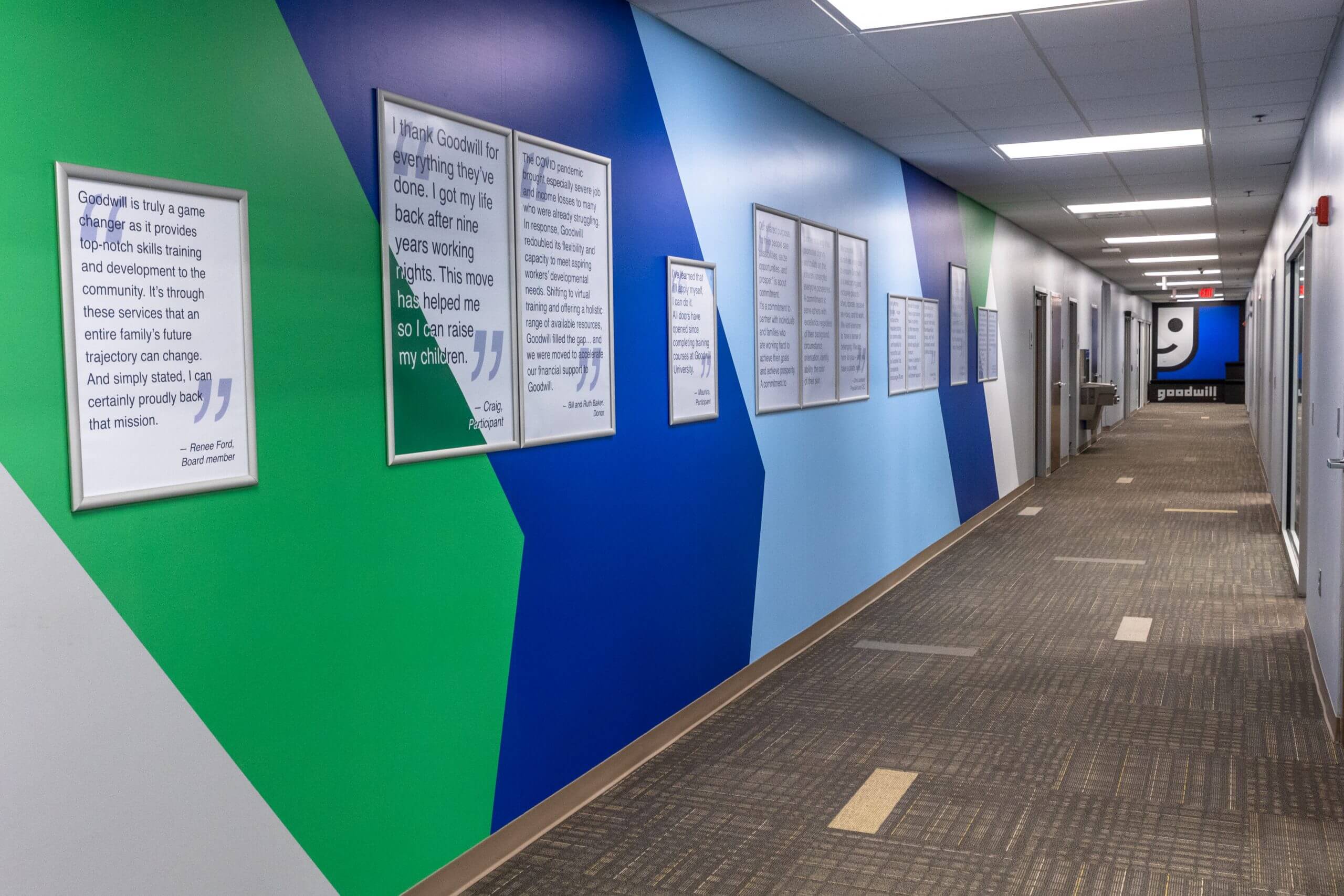
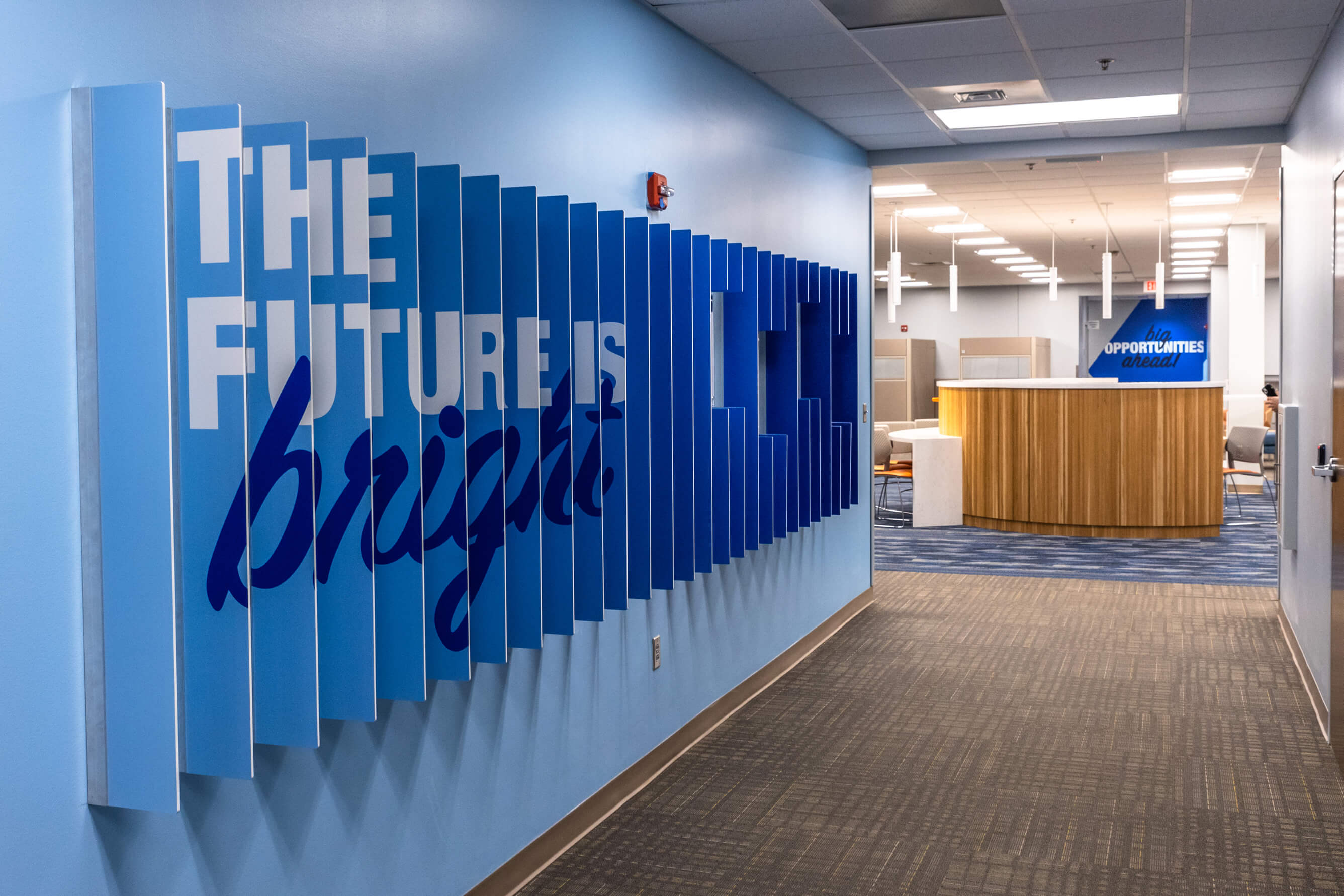
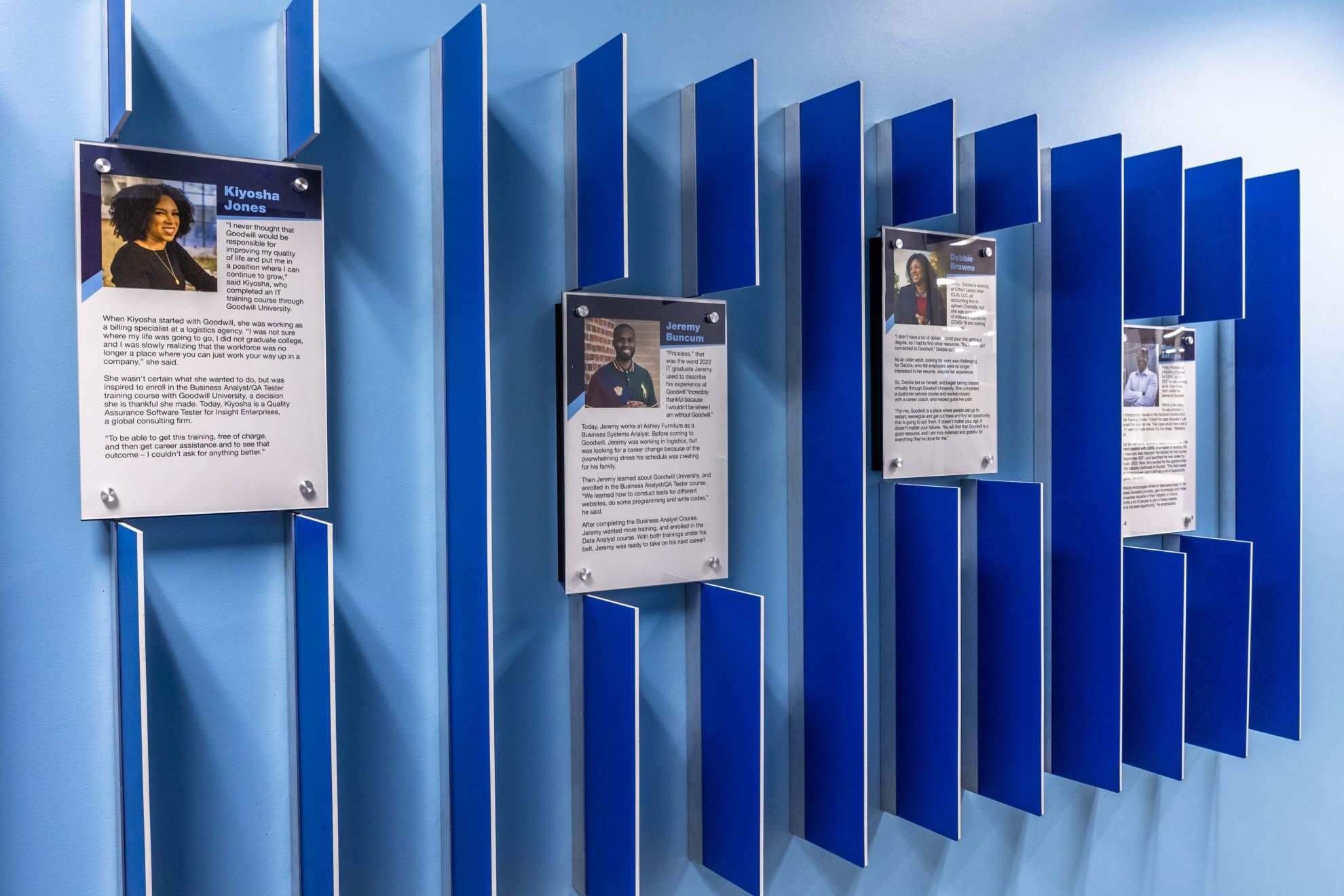
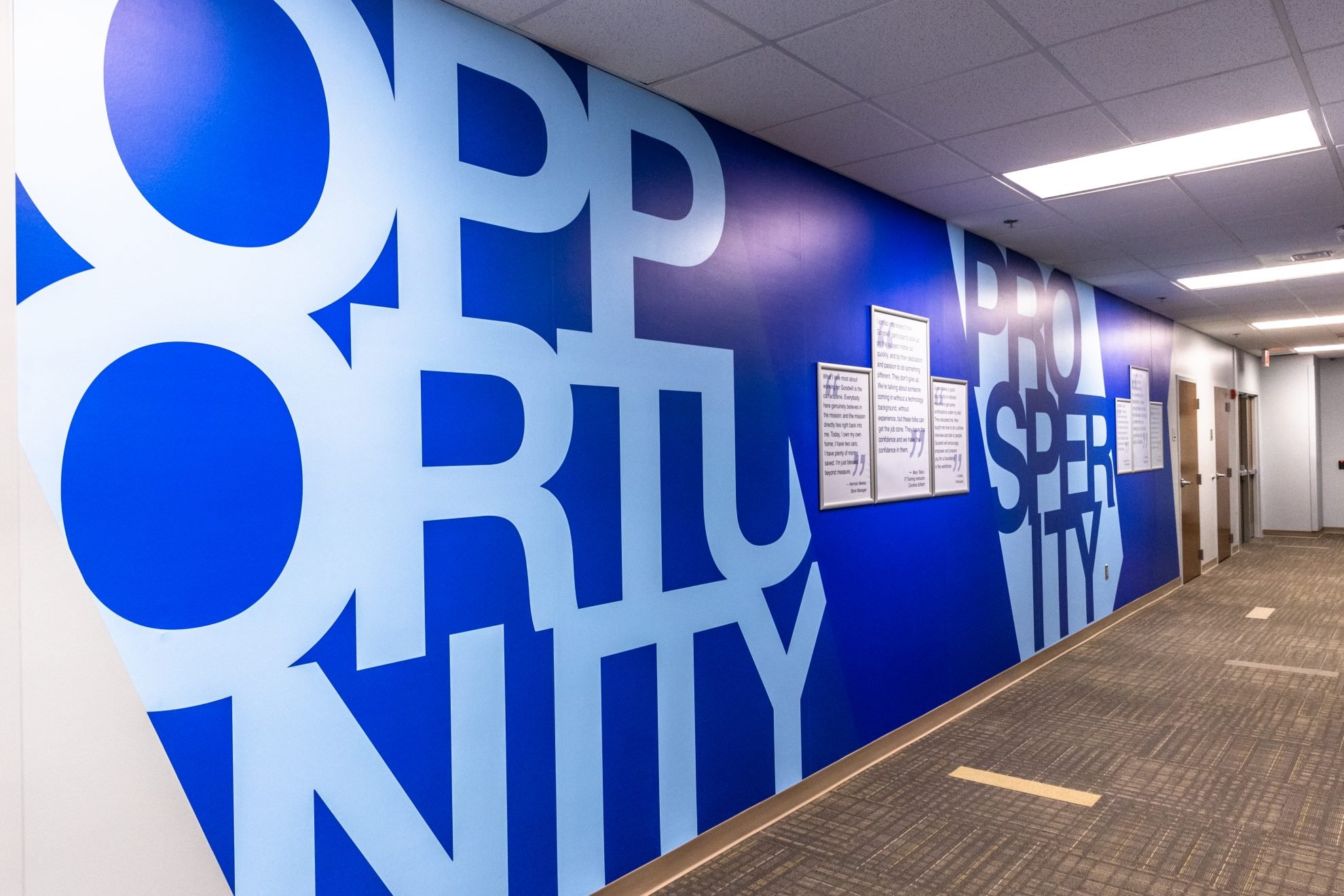
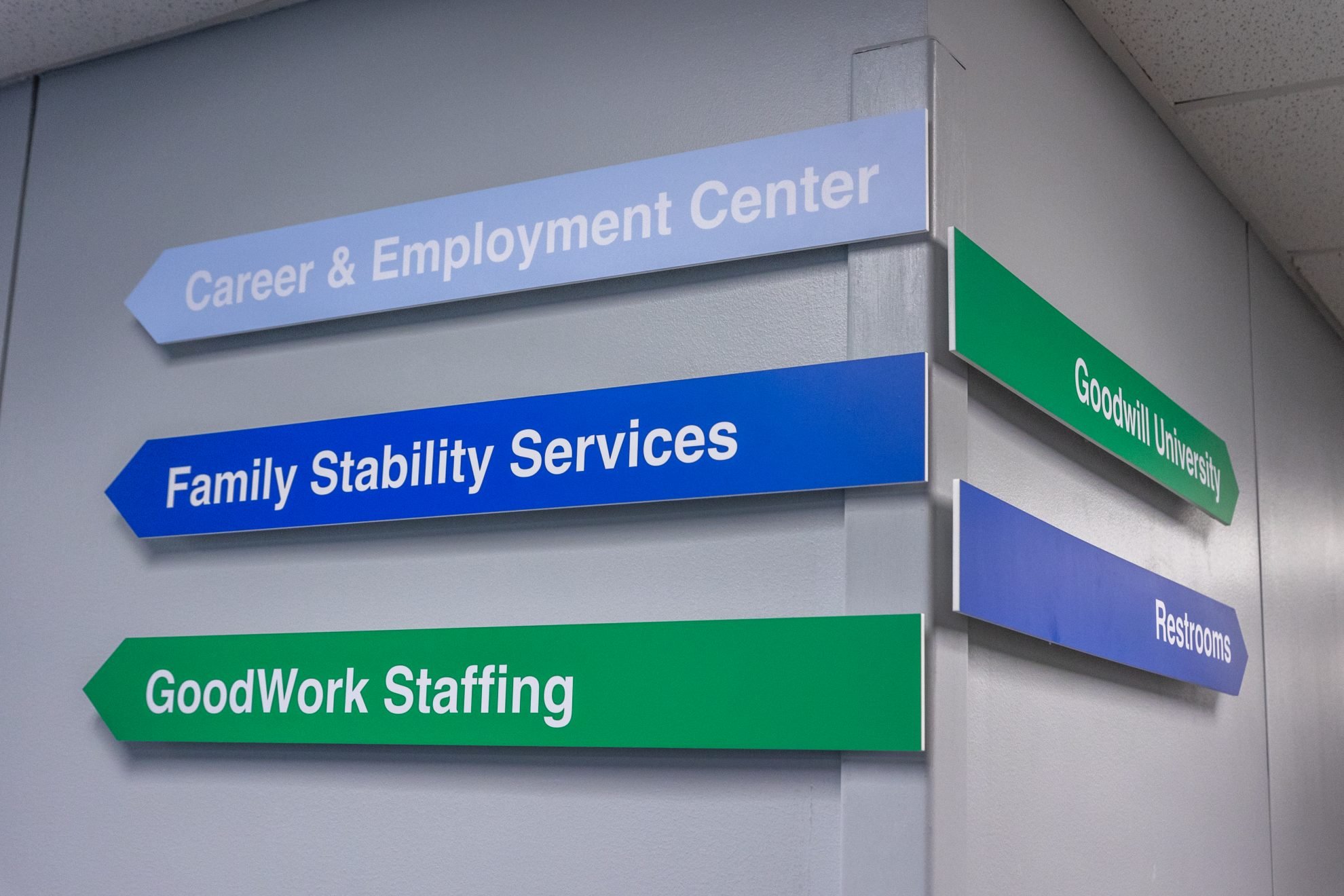
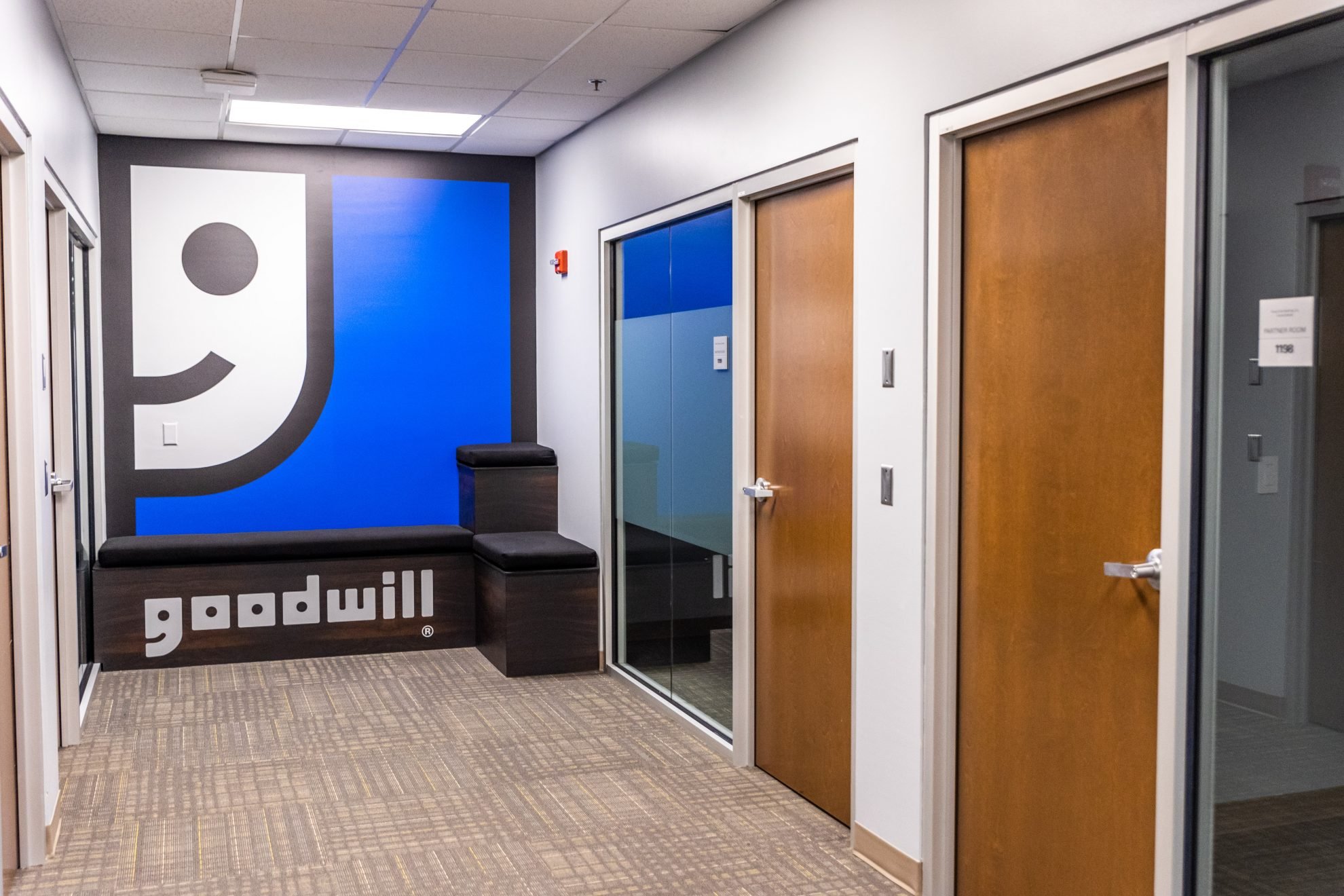
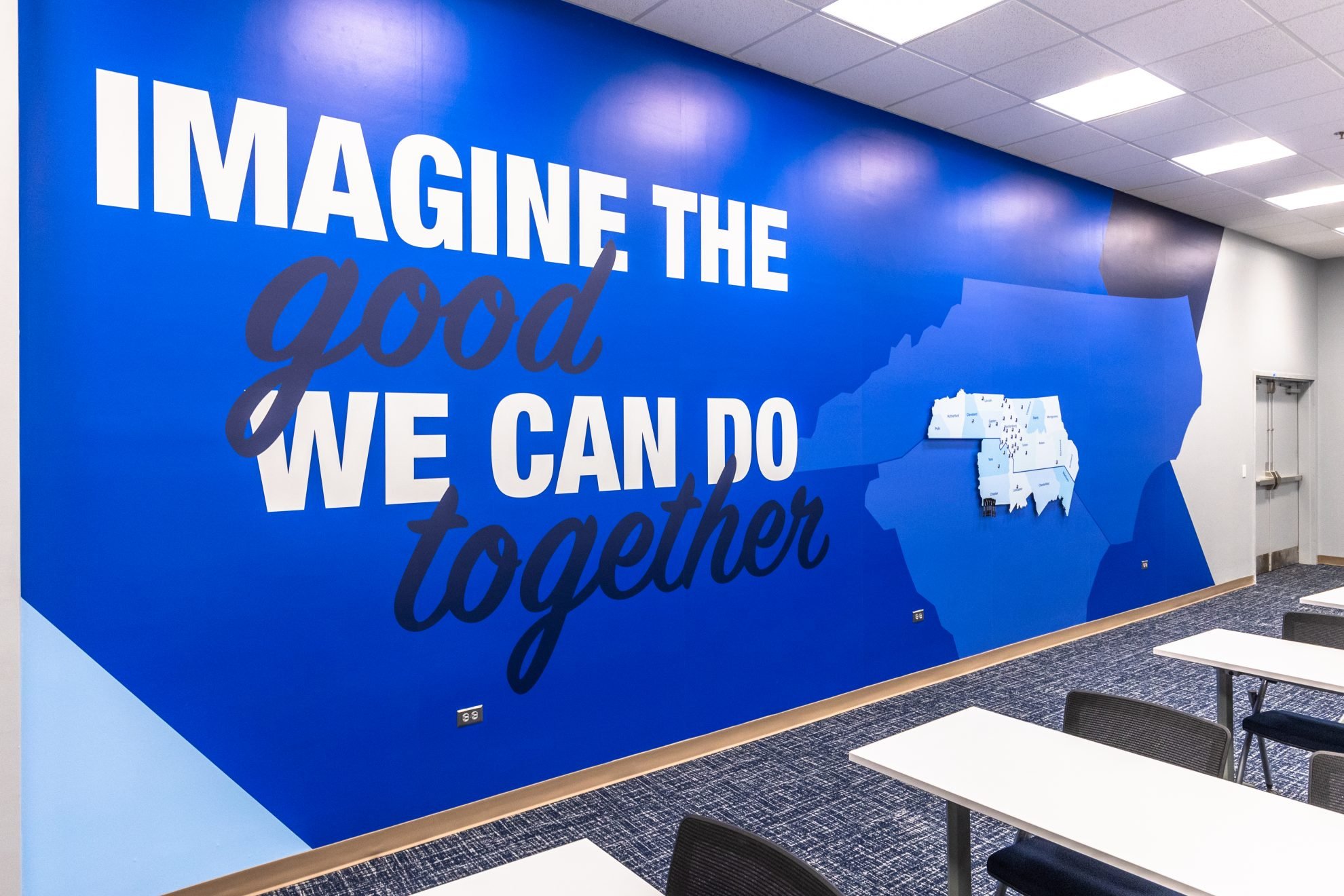
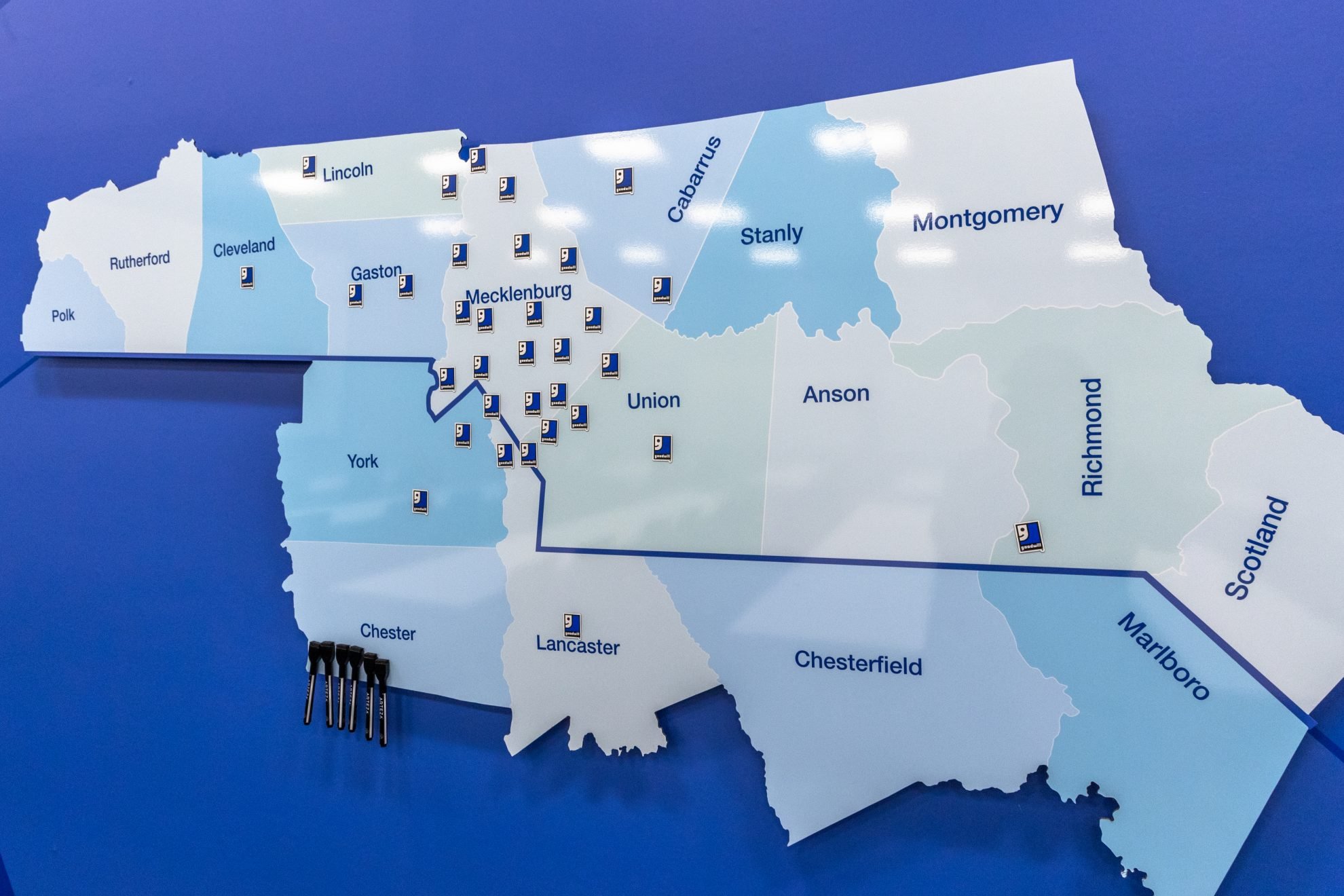
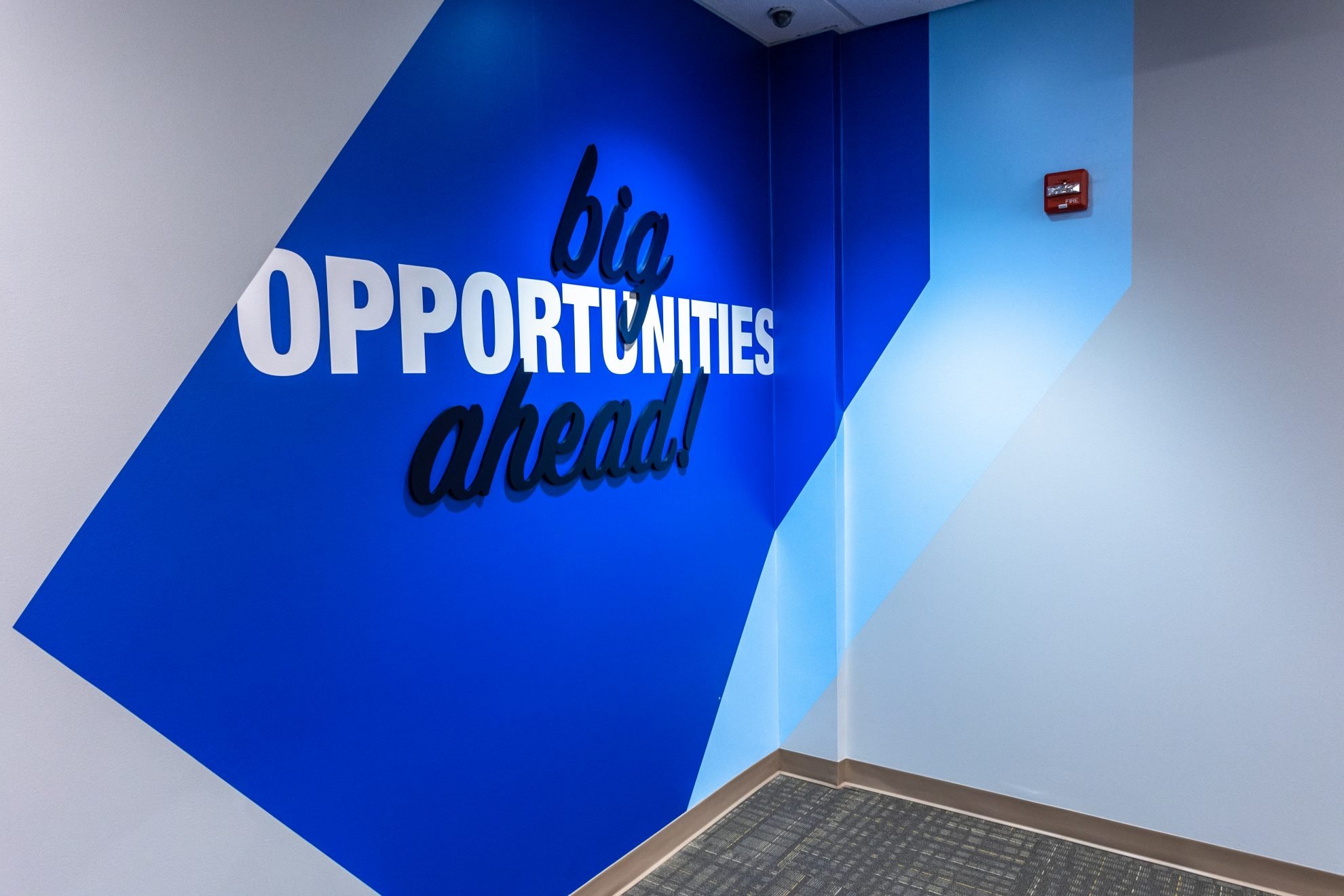
Heritage Signs & Displays collaborated with Goodwill Industries of the Southern Piedmont to transform the Opportunity Campus in Statesville, NC. The project included lenticular wall displays, wall wraps, frosted vinyl, wayfinding signs, and custom wall displays. These elements enhanced the Career & Employment Center, creating an engaging and branded environment that reflects Goodwill's values and mission to support workforce development.