

How Interior Wayfinding Signs Improve Charlotte Workplaces
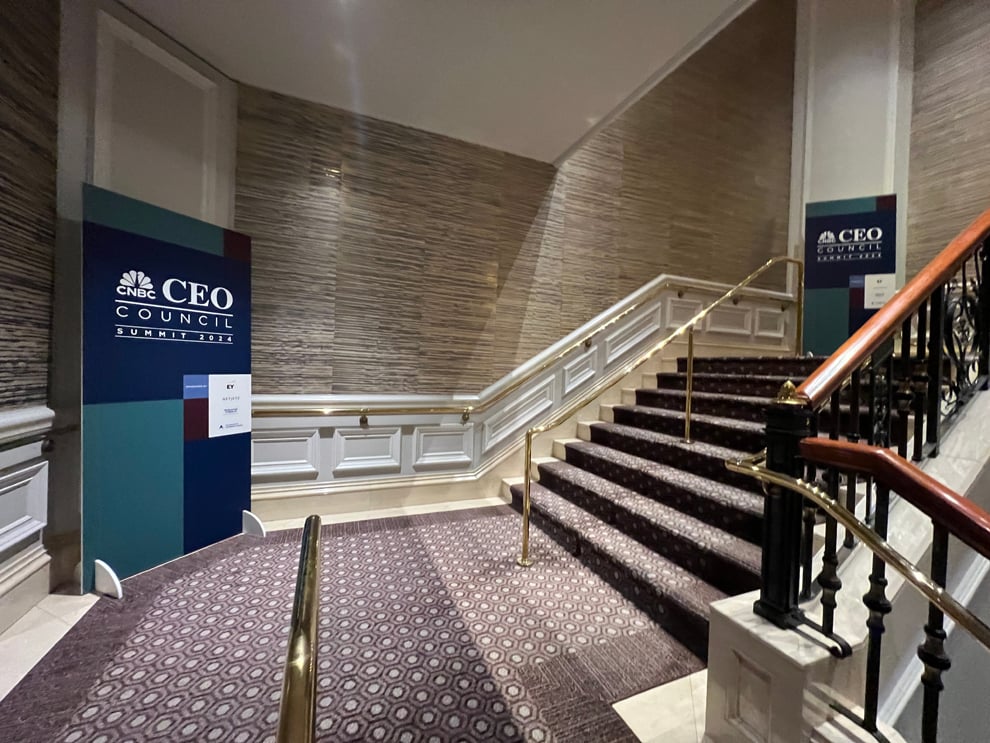
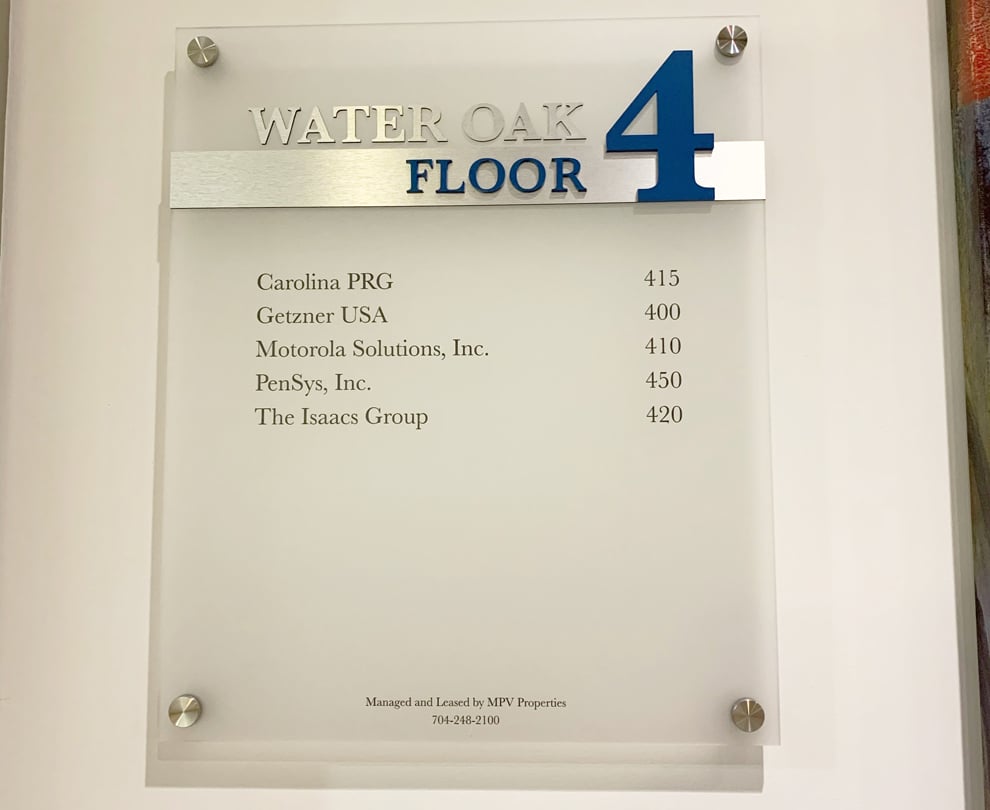
Finding the right destination should not become the most memorable part of visiting a workplace. Interior wayfinding signs help employees, clients, patients, students, members, visitors, vendors, and other guests understand where they are, where they need to go, and how to move through a facility with greater confidence. For Charlotte organizations, wayfinding can become especially important in larger offices, corporate headquarters, healthcare facilities, universities, campuses, event venues, multi-floor buildings, shared facilities, and organizations that regularly welcome people unfamiliar with the space. A visitor entering the building should be able to identify the reception area, understand where elevators or meeting rooms are located, recognize important destinations, and continue through the environment without repeatedly asking for directions. Good wayfinding is therefore not simply a collection of directional arrows. It is a communication system that connects information, physical space, visual hierarchy, and the way people actually move through a workplace. When the system is planned well, it can reduce uncertainty, support a more comfortable visitor experience, and reinforce the organization’s identity at the same time.
Wayfinding Begins by Understanding the Visitor’s Journey
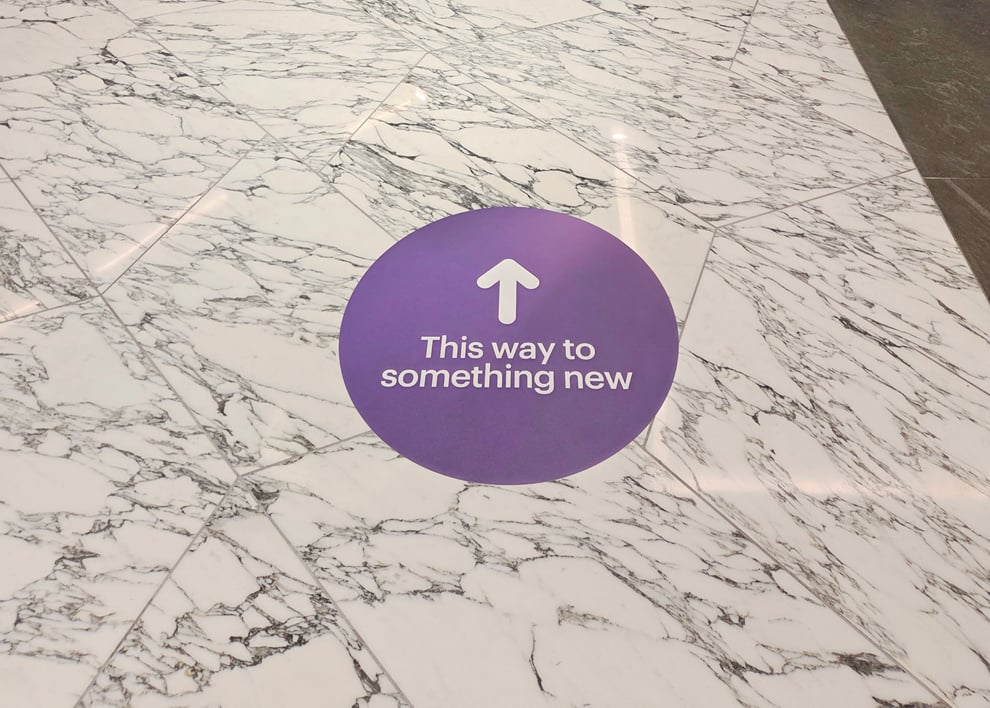
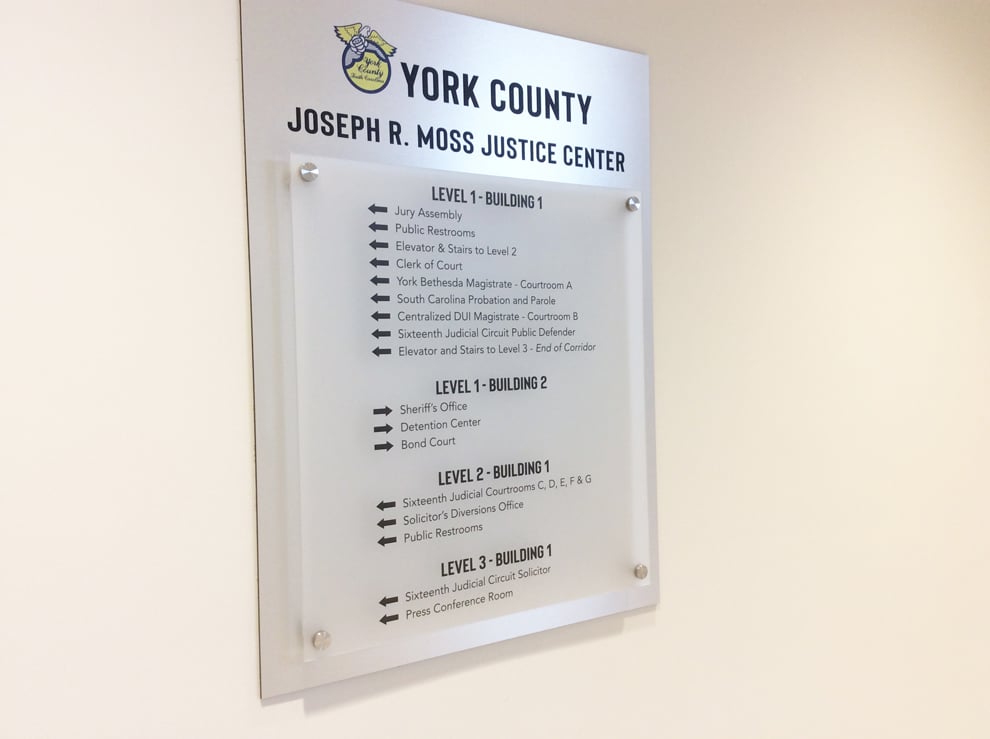
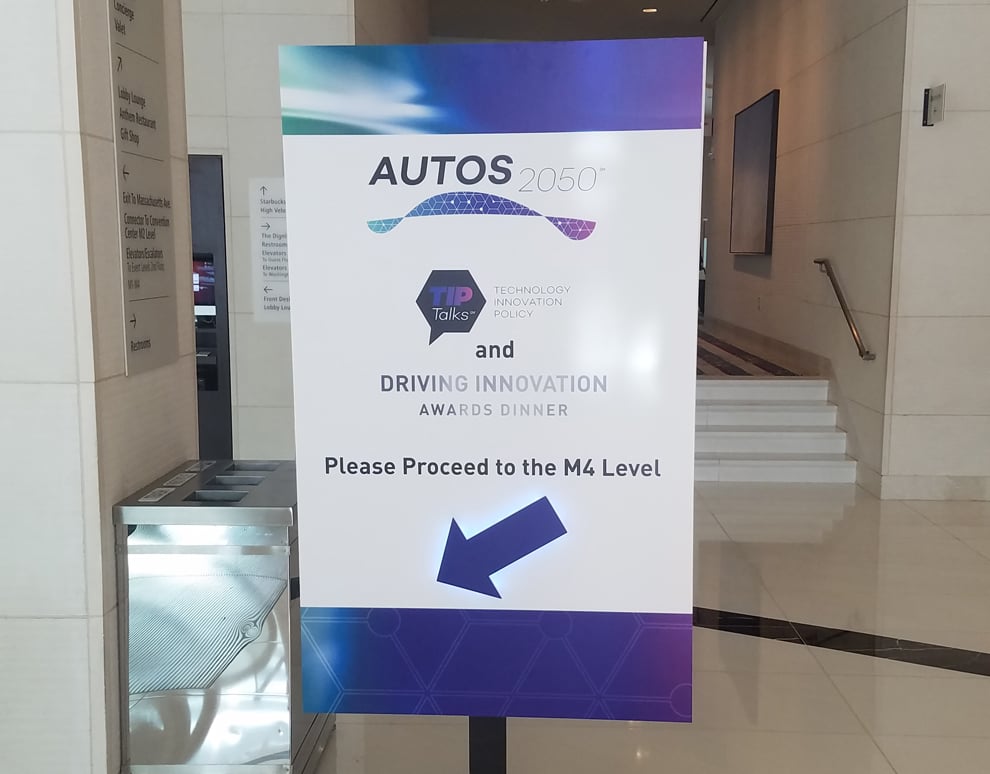
Before deciding what wayfinding signs should look like, it helps to understand the decisions people must make as they move through the facility. Where do visitors enter? What do they see first? Which destinations generate the most traffic? Where are people likely to become uncertain? Are there elevators, stairways, corridors, intersections, reception desks, departments, conference areas, or shared spaces that require clearer identification? These decision points help determine where information is needed and how much information people can reasonably absorb at one time. A large directory at the entrance may establish overall orientation. Directional signs can support major turns and transitions. Room and department identification confirms arrival. Wall graphics, dimensional lettering, color, symbols, or other visual cues may reinforce the same system. The objective is to provide the right information at the right place rather than surrounding visitors with more signs than they can effectively use. Heritage can work with client stakeholders during discovery and site surveys to understand traffic patterns, destinations, existing conditions, terminology, and the points where clearer visual communication would be most useful.
Wayfinding Can Support Brand Identity as Well as Navigation
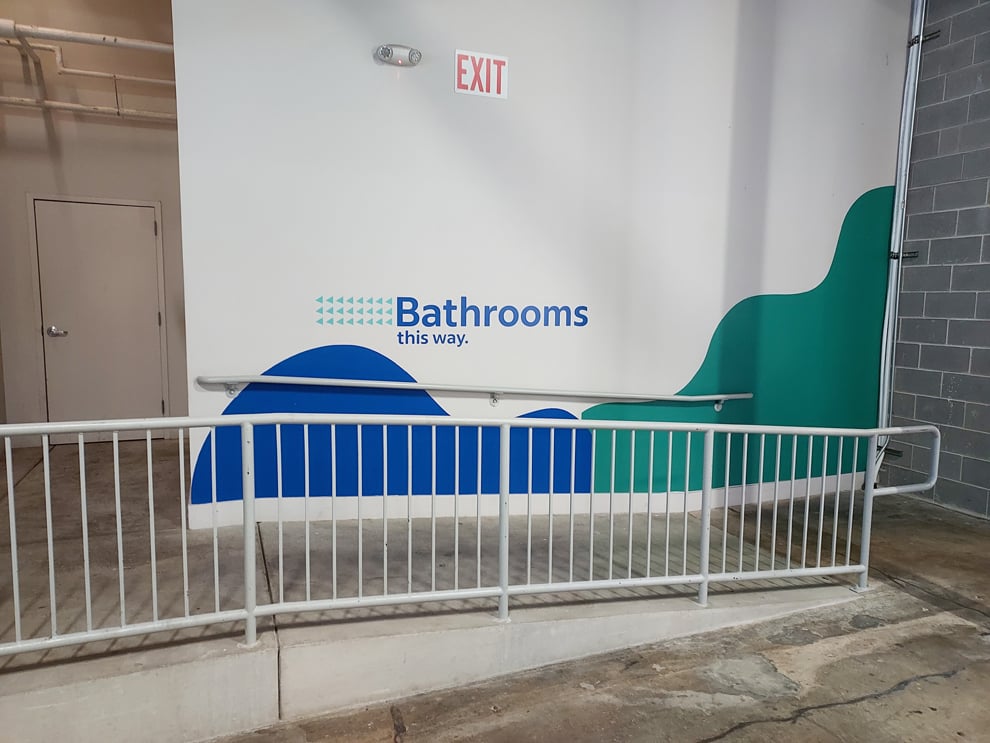
Directional information does not need to feel disconnected from the workplace around it. Typography, colors, materials, graphic elements, dimensional features, and mounting methods can reflect an organization’s established brand standards while maintaining clarity. A professional firm may prefer a restrained architectural appearance. A university or sports facility may use stronger colors and environmental graphics. A healthcare organization may prioritize calm visual hierarchy and intuitive navigation. Environmental graphic design considers how these elements relate to the physical environment and to the people moving through it. Heritage collaborates with client stakeholders to understand the audience, destinations, brand standards, architecture, circulation, sightlines, surrounding signs and graphics, and the messages that need to remain most visible. The purpose of branding within wayfinding is not to make directional information more decorative. It is to help the navigation system feel like a deliberate part of the workplace instead of an afterthought attached to the walls. When branding and navigation support one another, visitors receive clearer information while the organization presents a more consistent visual experience from arrival through destination.
Consistency Helps Visitors Make Faster Decisions
People learn visual systems as they move through a building. When similar destinations use consistent terminology, colors, typography, symbols, and placement, visitors begin to recognize the pattern and make decisions more quickly. Inconsistent naming can create confusion even when the individual signs are attractive. One sign might direct visitors toward Conference Rooms while another calls the same area Meeting Spaces. Department names may differ from terminology used in appointment information. Arrows may be positioned inconsistently, and important information can disappear into a crowded sign because everything has the same visual weight. A thoughtful wayfinding program considers these details before production. Heritage’s assigned project manager can work with client stakeholders to identify approved messaging, destinations, terminology, artwork, field conditions, and other project information needed to develop and produce the signs. This planning becomes particularly valuable when an organization is refreshing several floors, buildings, campuses, or business locations. Establishing a consistent visual and verbal system creates a foundation that can be repeated and adapted as the workplace changes without forcing every future sign to be reconsidered from the beginning.
Accessibility and Regulatory Requirements Require the Right Project Professionals
Certain interior signs may be subject to accessibility, life safety, building, or other regulatory requirements depending on the facility and application. Those requirements are important, but determining compliance belongs with the appropriate client representatives, architects, facility professionals, code consultants, authorities, or other qualified project professionals responsible for the building. Heritage’s role is different. We collaborate with client stakeholders and produce and install signs according to approved project requirements, specifications, artwork, and field conditions. We do not provide architectural, engineering, code consulting, or compliance certification services. This distinction allows Heritage to focus on what we do best while working effectively with the other professionals involved in a project. When required sign specifications or accessibility criteria are provided, those requirements can be incorporated into the environmental graphic design, production, fabrication, and installation process. Clear roles create better accountability and help prevent assumptions about responsibilities that belong elsewhere in the project team. They also allow the client to coordinate regulatory decisions with the people qualified to make them while Heritage concentrates on producing and installing the approved signage accurately and consistently.
Wayfinding Often Works Best with Other Interior Signs and Graphics
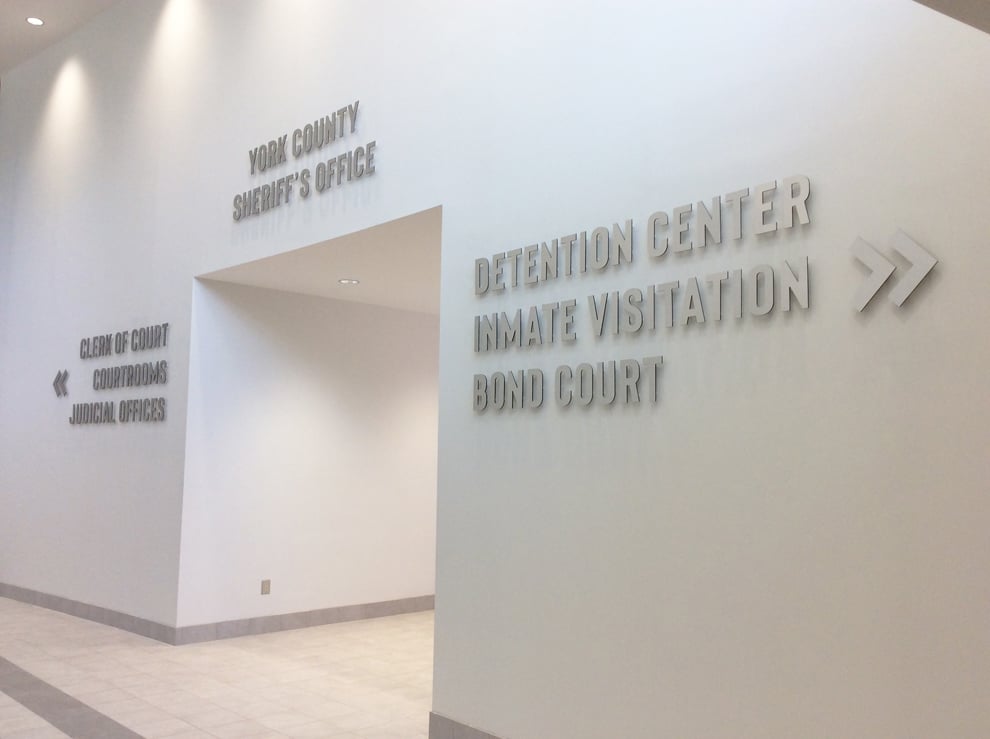
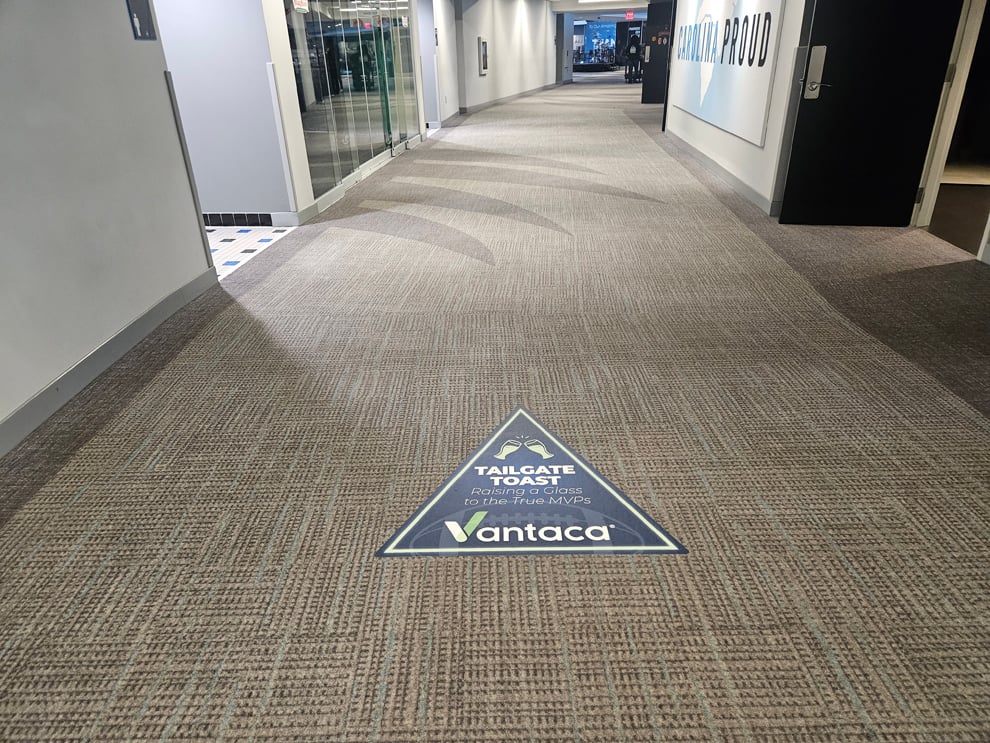
Visitors do not experience a building one product at a time. A lobby sign, directory, wall graphic, room identifier, directional sign, elevator graphic, window graphic, and dimensional lettering can all contribute to their understanding of the environment. For this reason, a wayfinding project may become part of a larger workplace branding initiative. A reception area can establish the visual language. Directories and directional signs can carry it through hallways. Frosted vinyl can provide privacy and identification on conference room glass. Wall graphics can reinforce destinations or define departments. Dimensional lettering can identify key areas. The advantage of considering these pieces together is consistency. Materials, colors, messages, production standards, and installation quality can support the same overall workplace experience. Heritage Signs & Displays coordinates environmental graphic design, project management, production, fabrication, and professional installation through one assigned project manager, helping organizations carry approved direction from planning through completion. This connected approach can also reduce unnecessary handoffs when several types of signs and graphics must be measured, produced, scheduled, and installed as part of the same project.
Charlotte Organizations Can Plan Wayfinding for One Site or Many
Charlotte includes headquarters, regional companies, healthcare organizations, universities, professional firms, manufacturers, sports organizations, nonprofits, and businesses with multiple offices throughout the Carolinas. Many of these organizations need navigation systems that can evolve as facilities grow, departments move, offices change, or locations are added. Planning for that possibility can make the initial wayfinding program more useful over time. The organization can establish terminology, graphic standards, materials, sign families, and production expectations that can be adapted as needs change. For multi-location organizations, one assigned Heritage project manager can help maintain those approved standards while Heritage team members coordinate site-specific measurements and installation requirements in the regional markets we serve. Whether a project involves one complex workplace or several locations, the goal remains the same: help people understand the environment while creating signs that belong in the space. If your Charlotte organization is evaluating interior wayfinding, workplace signs, or a broader branded interior project, Get Started Now and share your location, facility information, goals, timing, available plans, photographs, and sign standards. Heritage can help identify the next steps for developing, producing, fabricating, and installing the approved visual system.
Frequently Asked Questions About Interior Wayfinding Signs
What types of signs are part of an interior wayfinding system?
Wayfinding may include directories, directional signs, room and department identification, elevator and stair information, wall graphics, dimensional lettering, destination markers, and other visual cues. The appropriate mix depends on the facility, visitor journey, destinations, architecture, and information people need at each decision point.
Can wayfinding signs match our organization’s branding?
Yes. Typography, colors, materials, graphics, symbols, and dimensional features can reflect approved brand standards while maintaining clear communication. Environmental graphic design helps determine how branding and navigation can work together without allowing decorative elements to overwhelm the directional information.
Does Heritage certify that wayfinding signs meet ADA or building-code requirements?
No. Heritage does not provide architectural, engineering, code consulting, accessibility consulting, or compliance certification services, and we do not determine which regulatory requirements apply to a particular facility. Those decisions remain with the client and the architects, facility professionals, code consultants, authorities, or other qualified professionals responsible for the project. Heritage can collaborate with those stakeholders and produce, fabricate, and install signs according to approved specifications, artwork, accessibility criteria, and other project requirements provided to us. This keeps responsibility for code interpretation with the appropriate professionals while allowing Heritage to focus on accurate production and professional installation of the approved signage.
Can Heritage coordinate wayfinding across multiple locations?
Yes. Heritage can help organizations maintain approved terminology, materials, visual standards, production expectations, and installation quality across several workplaces or facilities. One assigned project manager coordinates the program while individual signs are adapted to the field conditions and navigation needs of each location.