Signs, graphics, and displays should contribute more than decoration to a physical environment. Within a workplace, they can reinforce identity, support navigation, protect privacy, communicate company values, and help employees understand the culture around them. In event environments, visual elements may organize guest movement, identify sponsors, frame programming, and create recognizable gathering points. The most useful solutions consider how people enter, move through, and remember a space rather than treating each wall, window, or display area as an isolated surface.
Heritage Signs & Displays supports Concord organizations with custom signs, interior graphics, workplace branding, and event environment solutions. Founded in 1977, Heritage is veteran-owned and family-led, with an emphasis on branded environments that began in 2009. Our team coordinates environmental graphic design, project management, production, fabrication, and professional installation for clients in Concord, across the Carolinas, and throughout the Mid-Atlantic region.
A project may begin with a dimensional lobby sign, but it can extend far beyond the reception area. Heritage translates organizational goals, brand standards, messages, architecture, and site conditions into physical branded elements that work together. The scope may include wall wraps, privacy films, window graphics, donor recognition displays, acrylic panels, dimensional letters, standoff mounted graphics, wayfinding systems, company history walls, event backdrops, sponsor displays, and modular environments. Some clients need one significant feature. Others need a coordinated interior program across several floors, facilities, or regional locations.
Concord workplaces and institutions serve audiences with different expectations. Corporate teams may need culture and recruiting messages that support employee engagement. Healthcare and professional environments may require privacy, clear navigation, and a more considered visitor experience. Educational organizations, manufacturers, logistics operations, nonprofit groups, venues, and event teams may need visual communication that explains a mission, organizes circulation, recognizes supporters, or supports a scheduled public gathering. Heritage helps organizations determine which physical elements should carry those messages.
One dedicated Heritage project manager coordinates the moving parts from discovery through completion. That responsibility includes site information, design development, estimates, material recommendations, approvals, production, fabrication, scheduling, installation planning, and closeout details. Designers, production specialists, fabricators, and installers work within the same managed process, giving stakeholders a clear point of contact throughout the project.
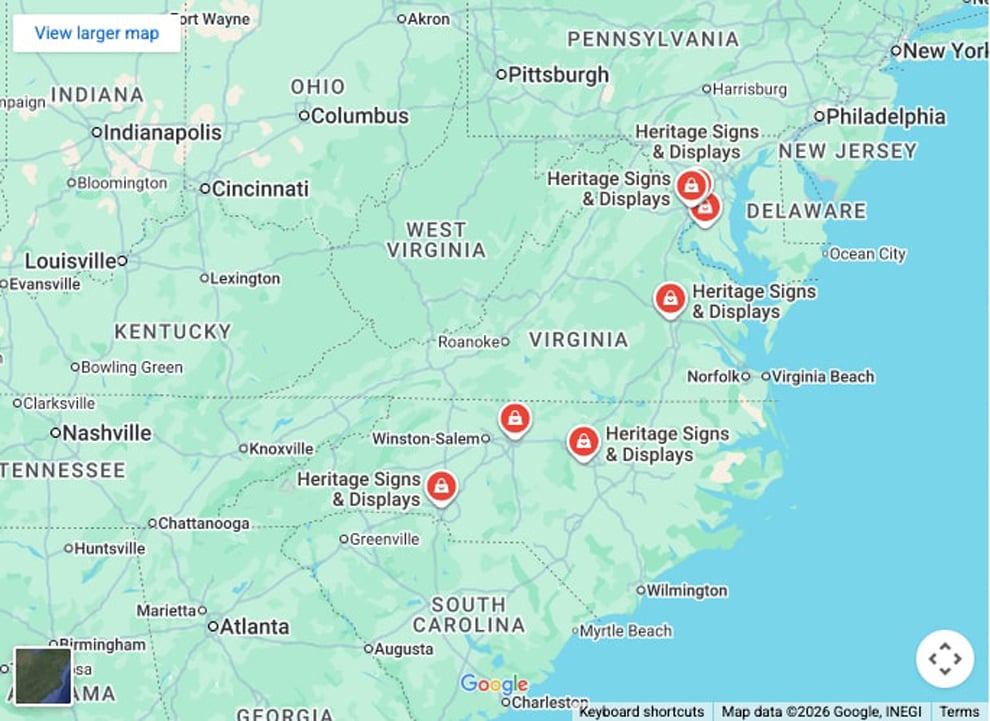
That level of accountability is particularly useful when an office remains occupied, access is limited, a facility has several decision-makers, or an event date is fixed. Heritage combines local Concord support with a seven-location regional network serving the Carolinas and Mid-Atlantic. Our purpose is to honor God by serving clients and communities with excellence. We seek to carry that purpose into careful recommendations, disciplined coordination, and physical environments that serve the people who use them.
Employees, visitors, clients, recruits, patients, students, donors, sponsors, and guests all experience an organization through the spaces it maintains. They need different forms of information at different moments. A visitor may need a confident arrival experience and clear directions. An employee may benefit from culture displays and branded shared spaces. A guest attending an event may need sponsor recognition, directional guidance, and visual cues that make the environment easier to understand.
Heritage considers branding, message hierarchy, architecture, wall and glass surfaces, viewing distance, circulation, lighting, installation conditions, and future updates before recommending a solution. Those observations influence where dimensional letters should create emphasis, where wall graphics should carry a message, where privacy film should reduce distraction, and where wayfinding should support movement through the facility.
For Concord organizations, the goal is not to apply graphics to every available surface. It is to select the right combination of signs, displays, graphics, and architectural elements for the audience and operating environment. A coordinated approach can support a headquarters, healthcare setting, office renovation, educational interior, manufacturing facility, venue, conference, or event activation without losing sight of practical site requirements.
Clients choose Heritage when both the finished environment and the project process require attention. One dedicated project manager remains responsible for coordinating communication among stakeholders and internal teams. This continuity helps keep discovery, estimating, design, approvals, fabrication, installation windows, and completion details connected instead of dividing responsibility among unrelated vendors.
Heritage project managers, environmental graphic designers, production specialists, fabricators, and installers work together before complex work moves into production. The review process may address measurements, substrate selection, color, mounting methods, wall conditions, access paths, sequencing, building requirements, and schedule constraints. These details matter because a strong visual concept must also be producible, transportable, and ready for proper installation.
As Heritage approaches its 50th anniversary, veteran ownership, family leadership, and almost five decades of company experience continue to guide the way projects are managed. The Concord team is supported by a seven-location regional network and in-house resources for production, fabrication, and installation. This operating model supports workplace transformations, phased interior updates, event installations, and multi-location programs that require consistent standards with site-specific adaptation.
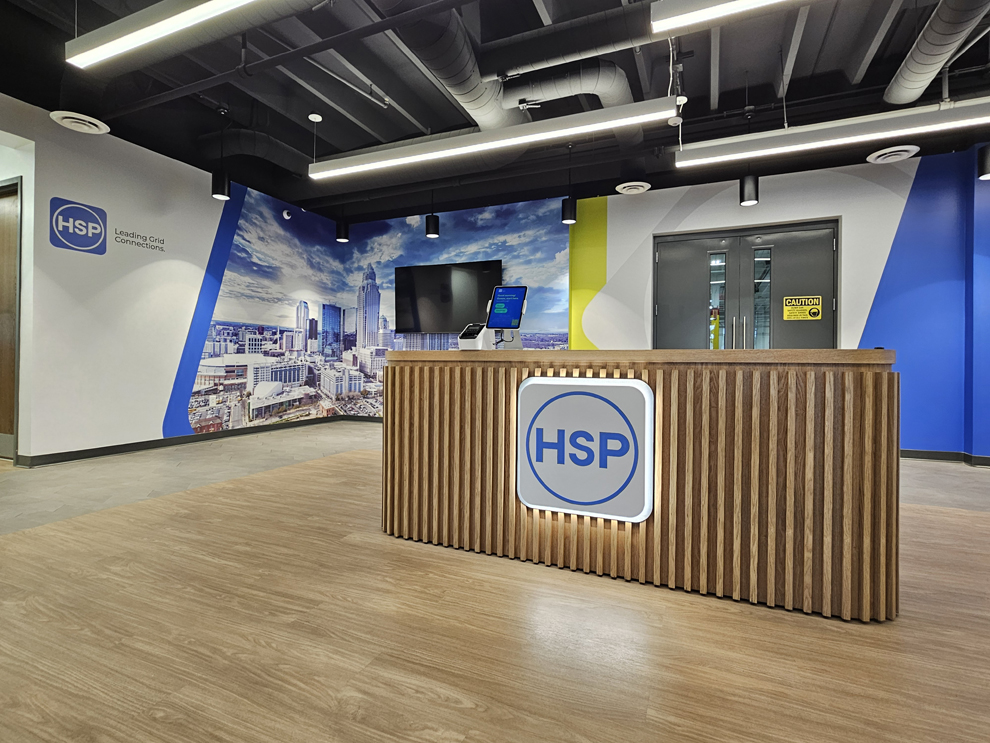
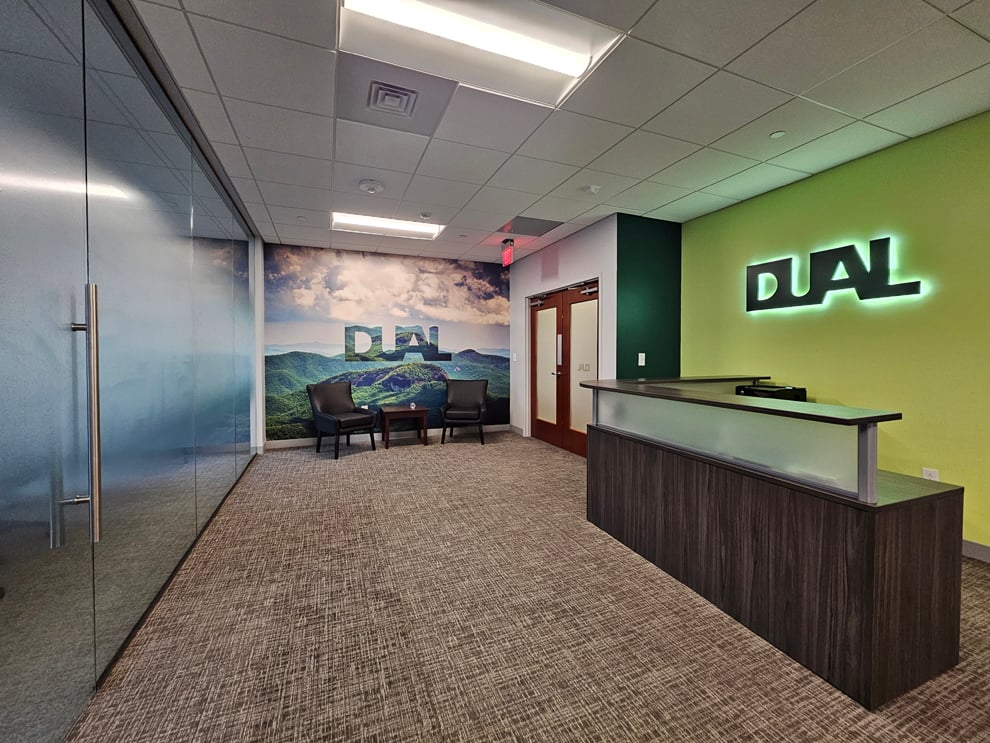
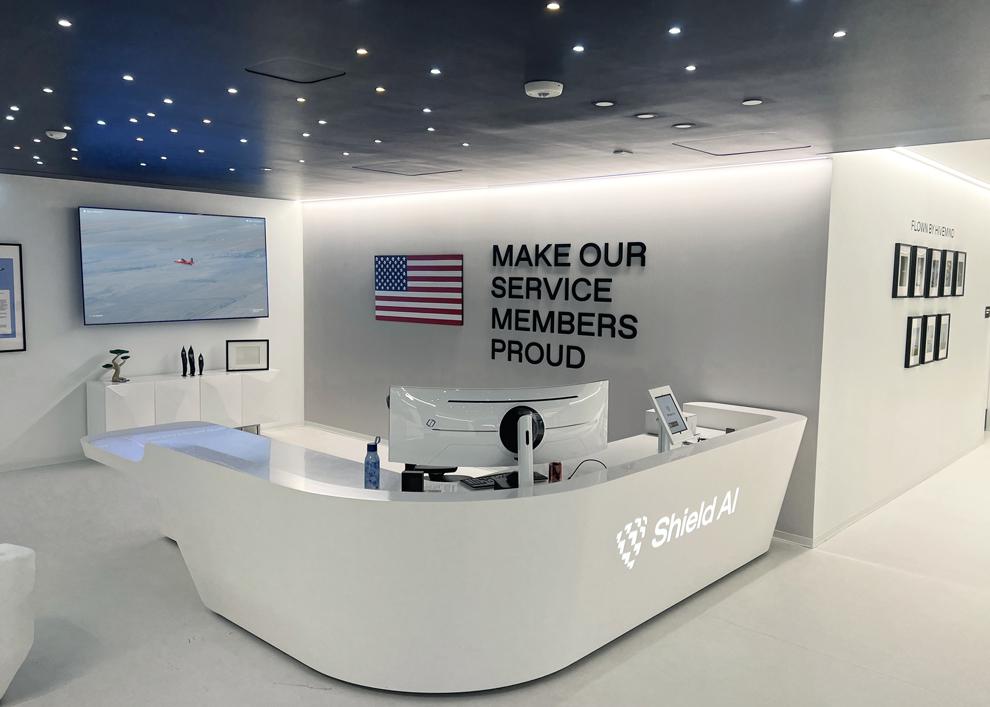
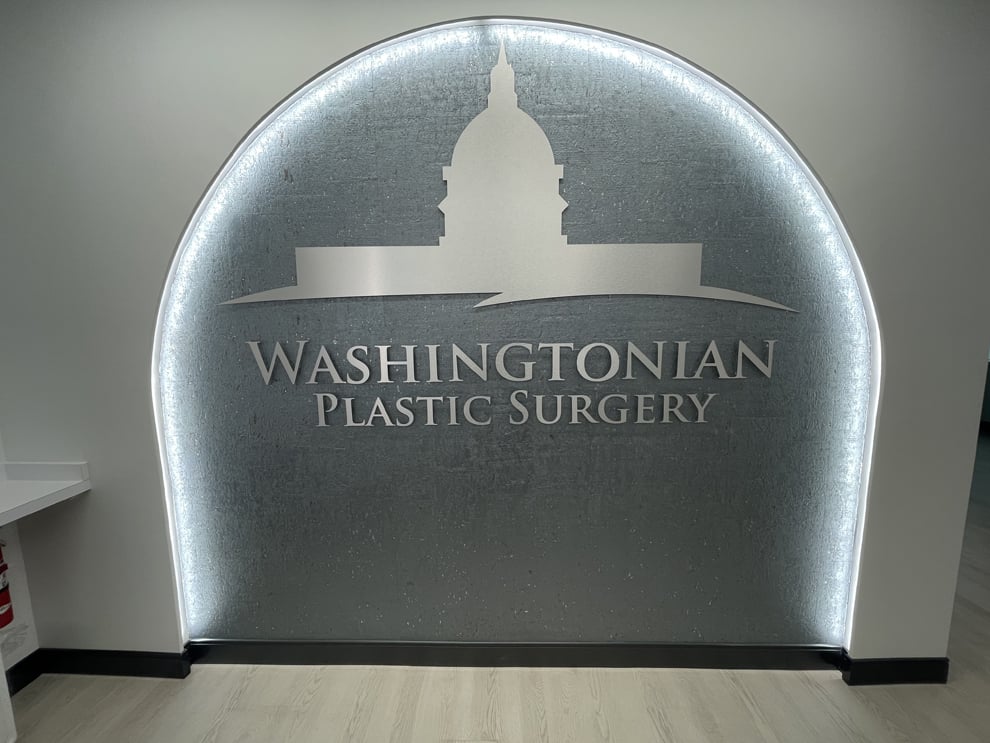
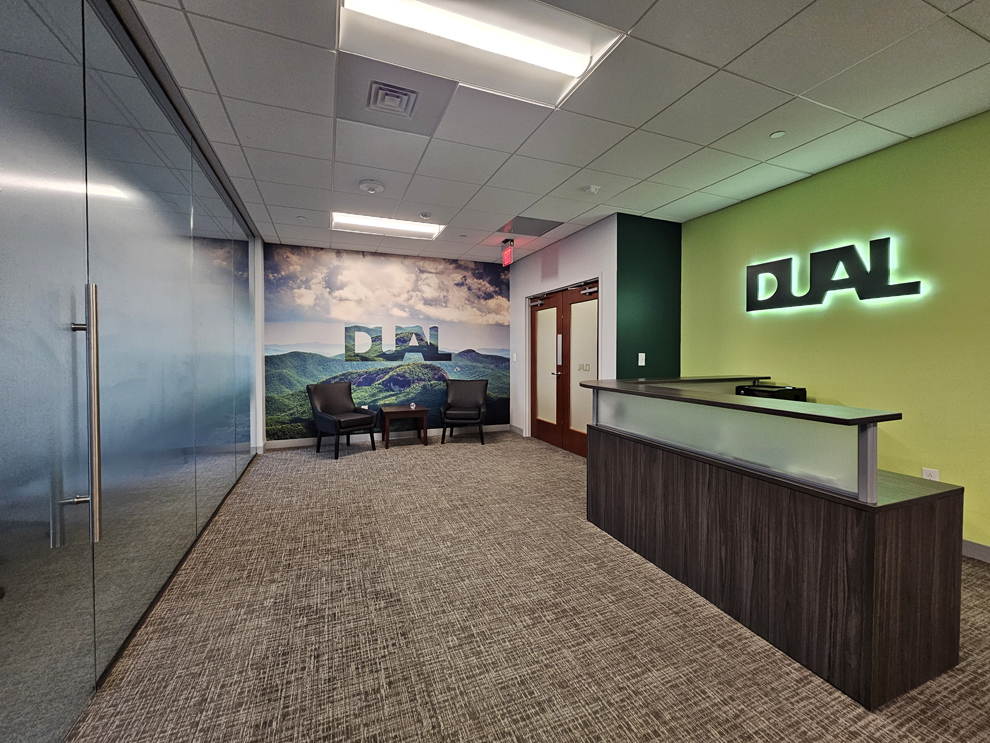
Lobby signs use dimensional logos, lettering, acrylic panels, custom finishes, and background features to establish identity at reception areas and primary entrances.
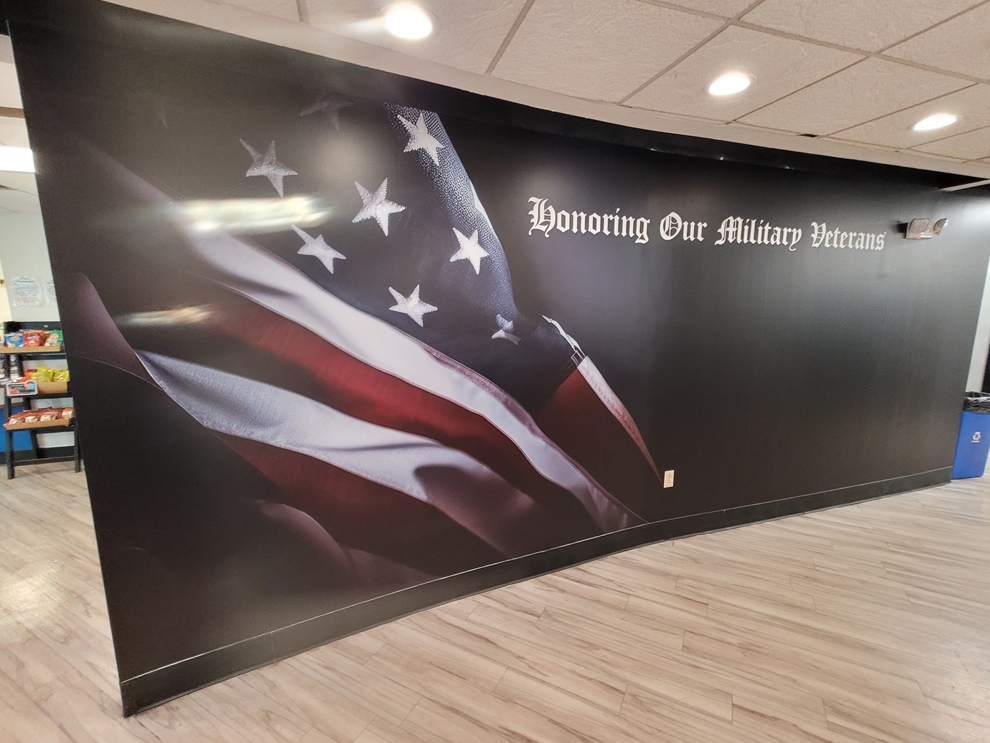
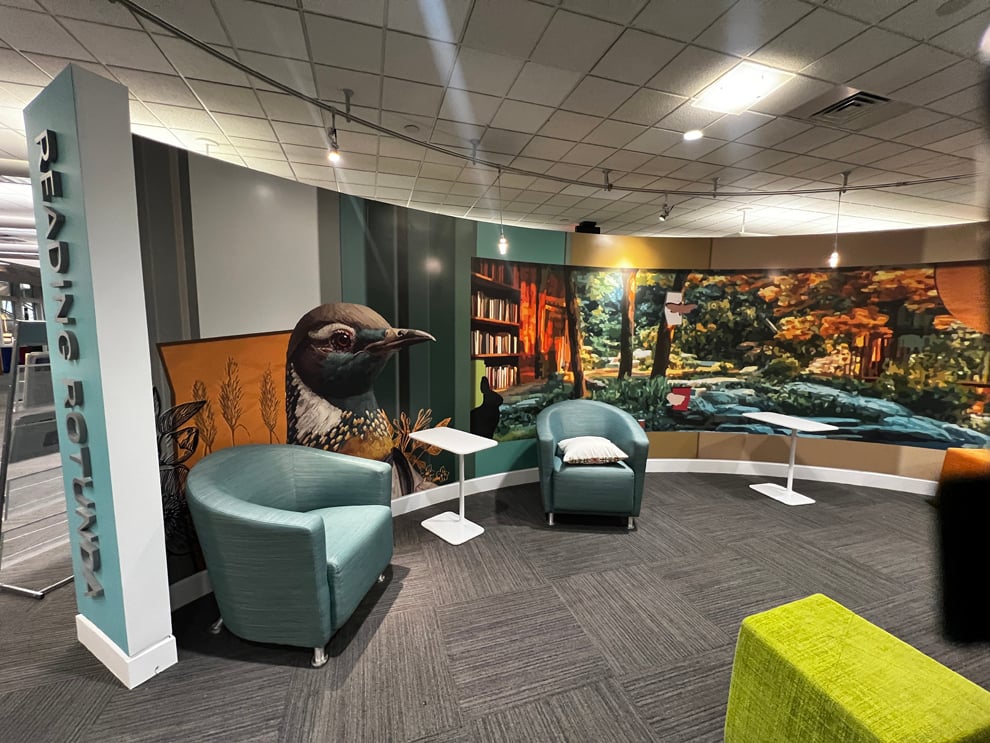
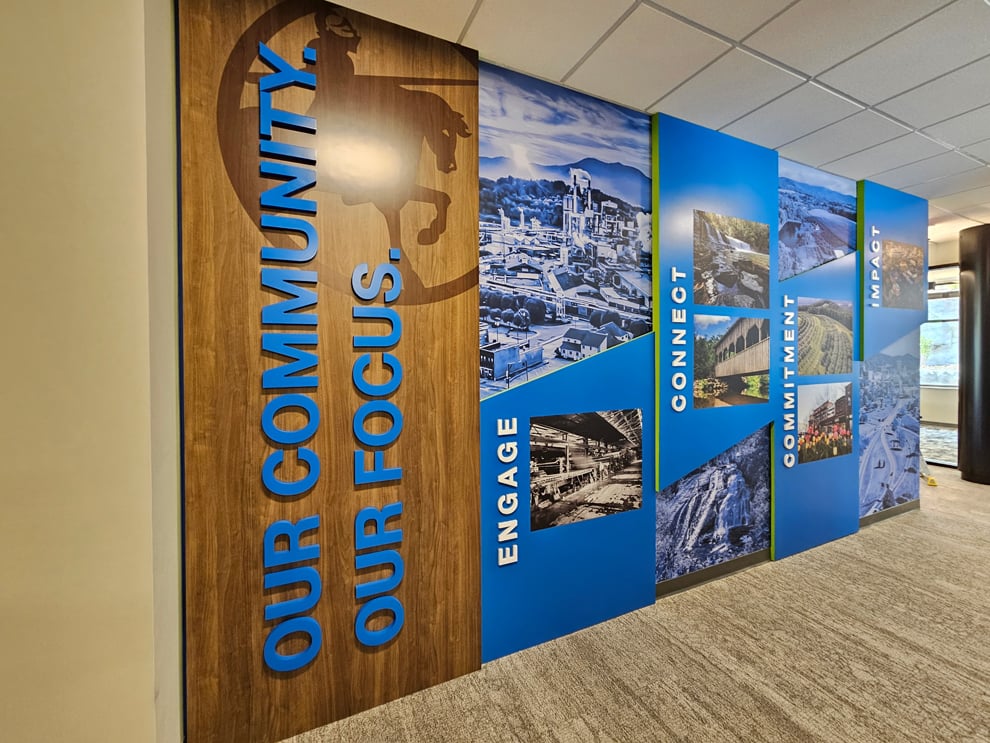
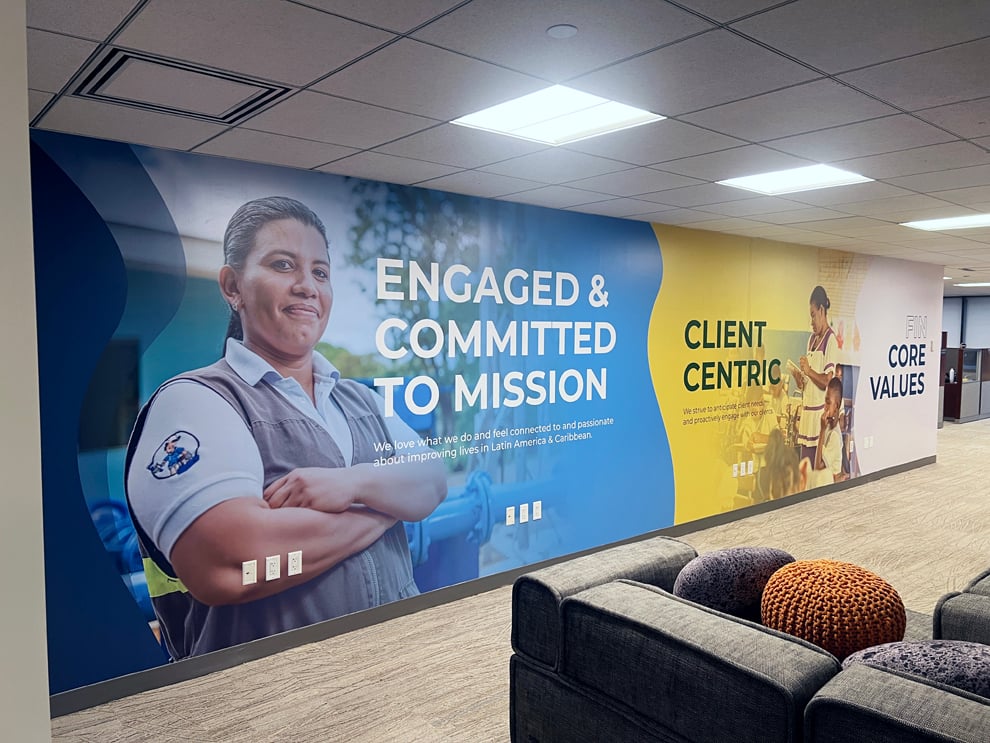
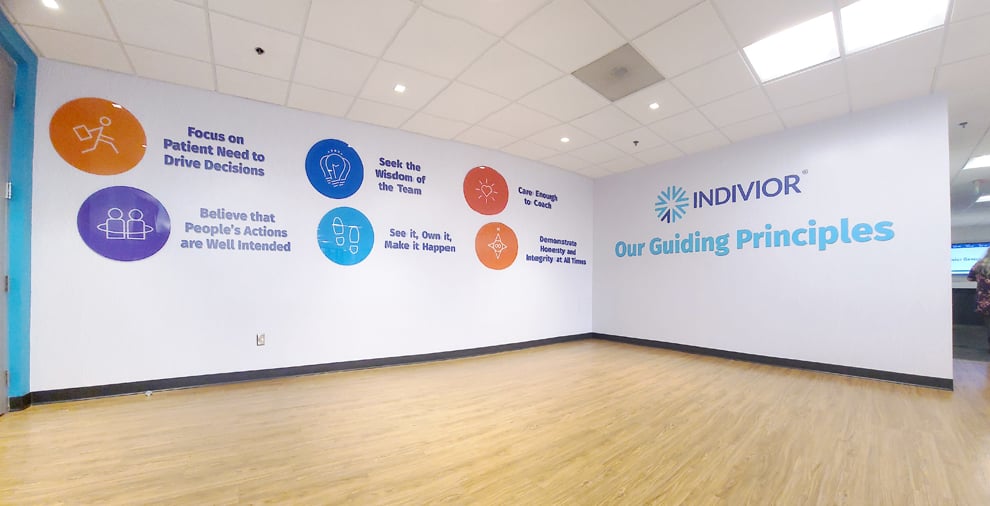
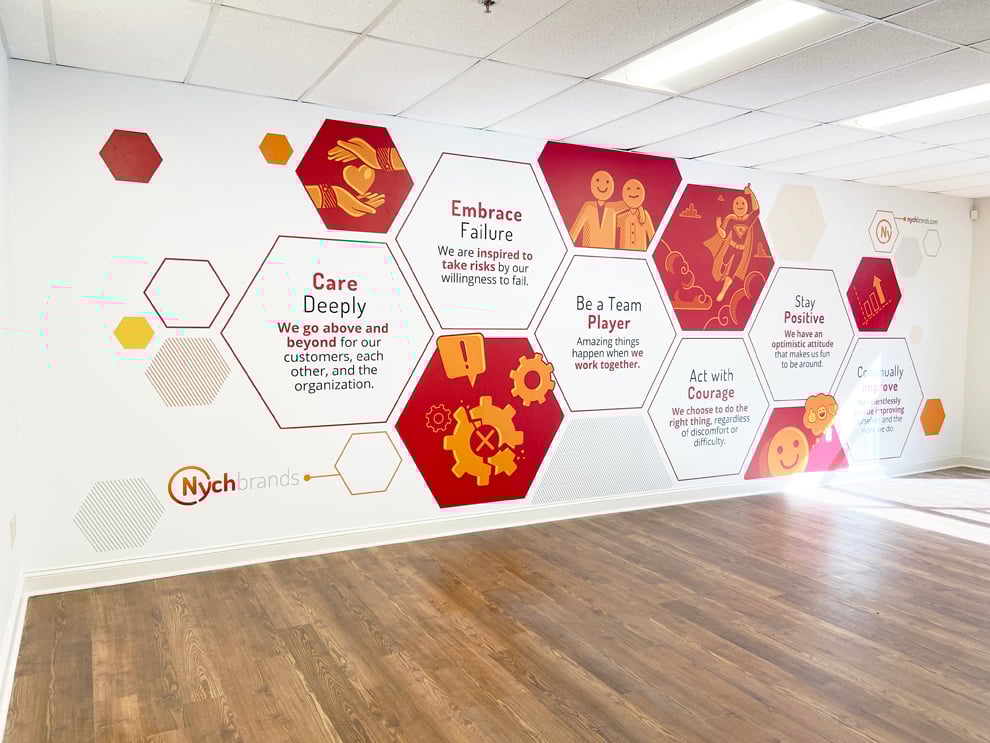
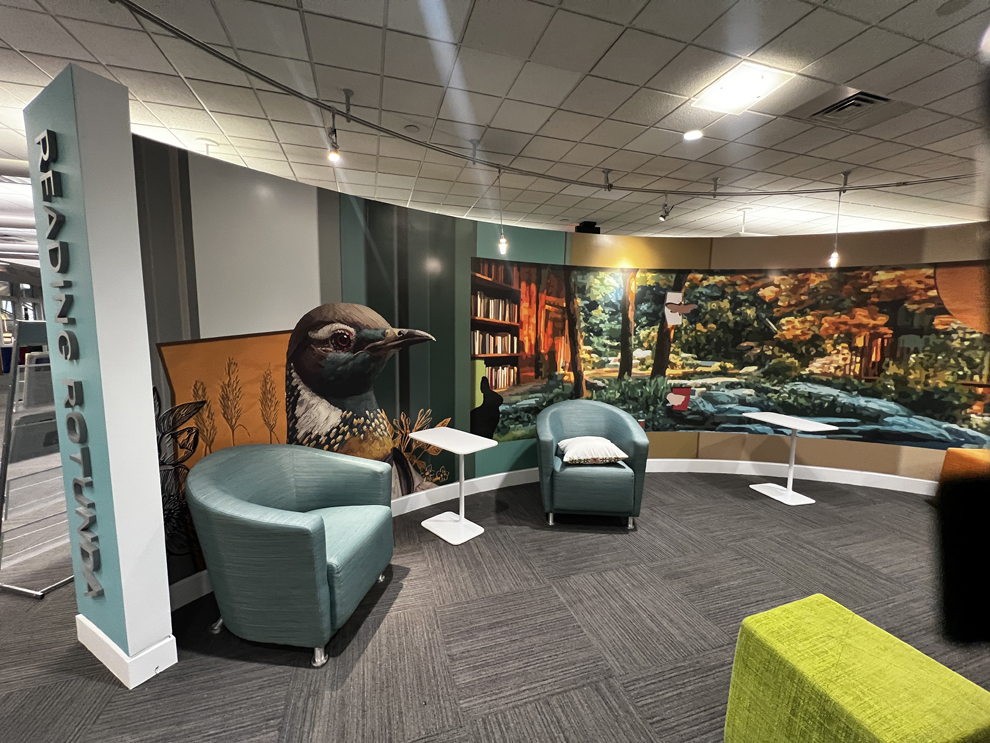
Wall graphics apply branded imagery, color, messaging, and patterns across offices, corridors, meeting rooms, and shared spaces to create visual continuity.
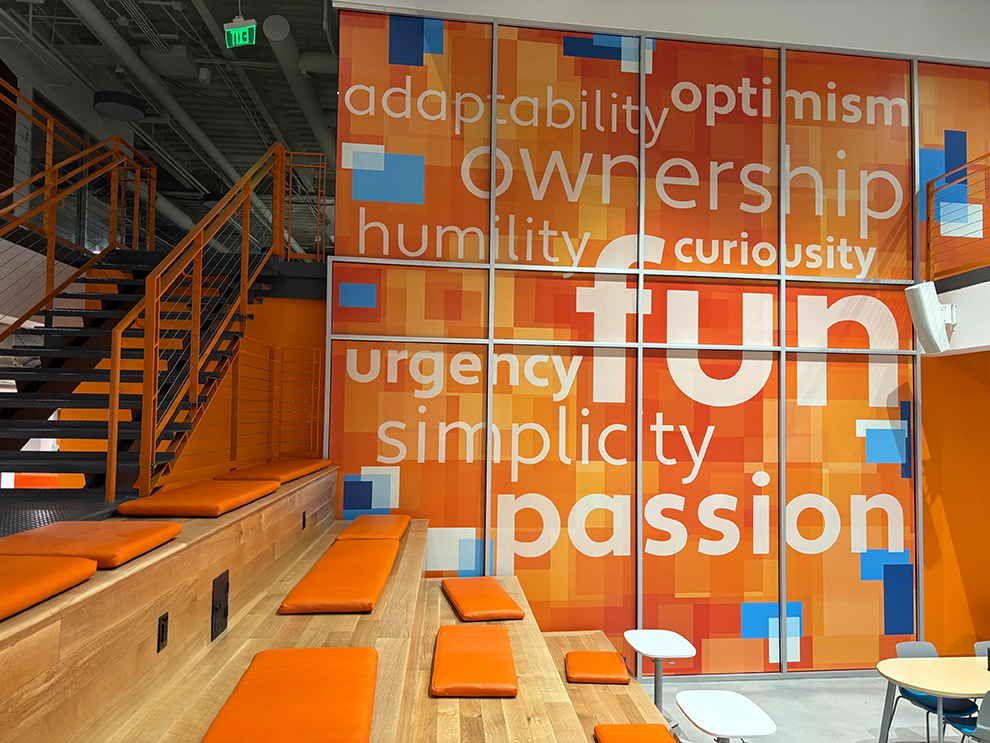
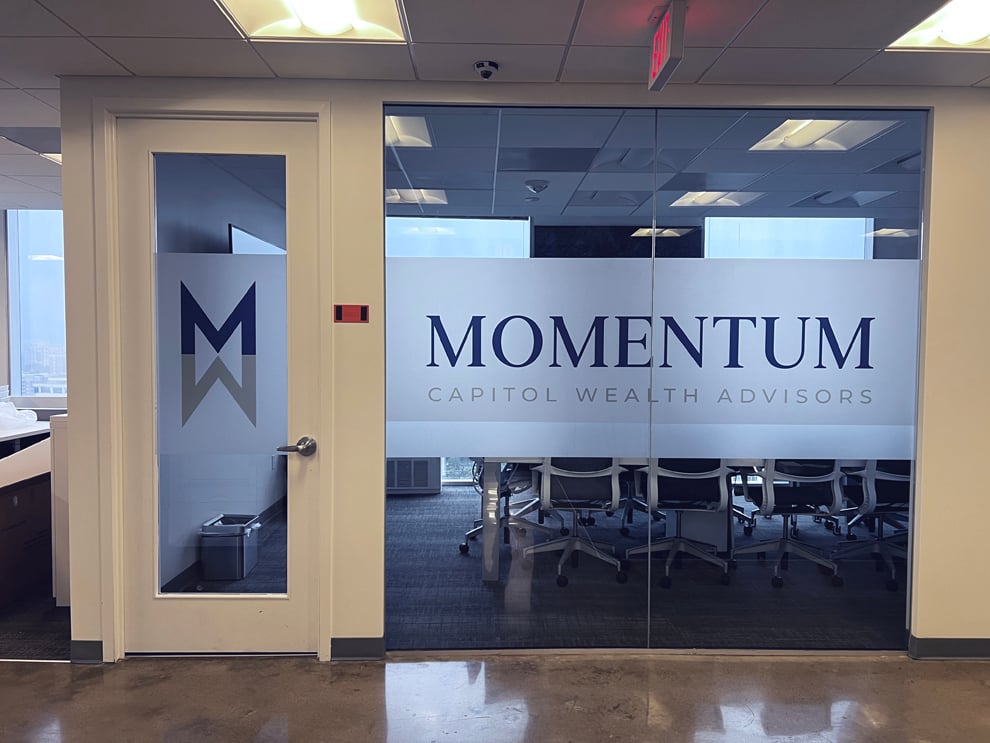
Privacy films and window graphics provide controlled visibility, branded pattern, and visual separation for conference rooms, glass partitions, doors, and exterior-facing windows.
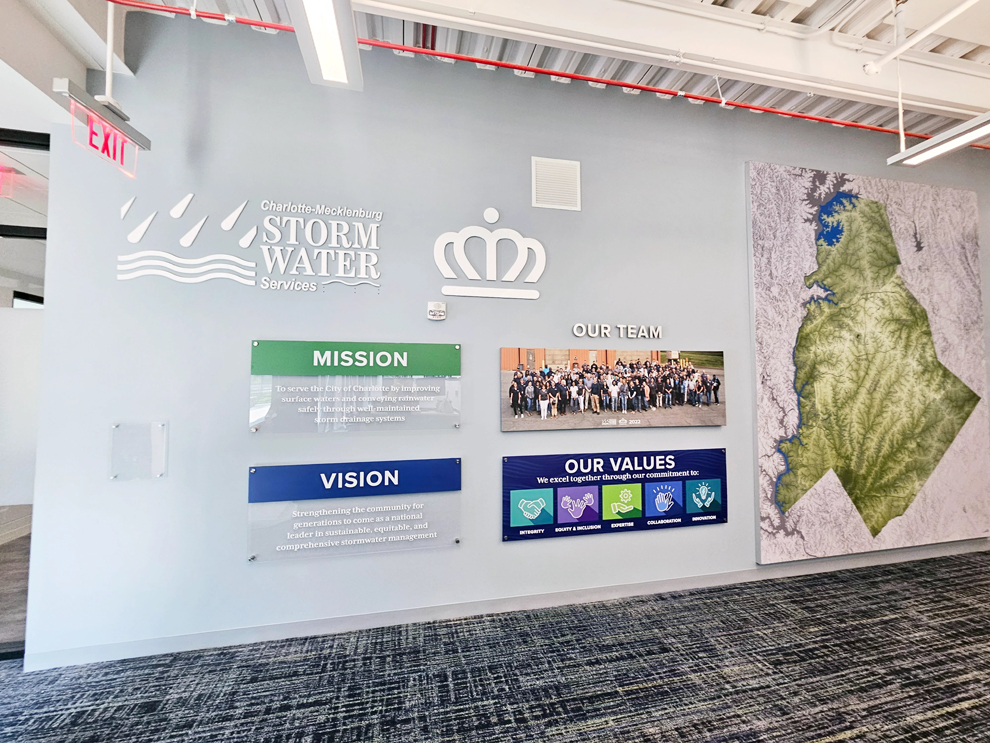
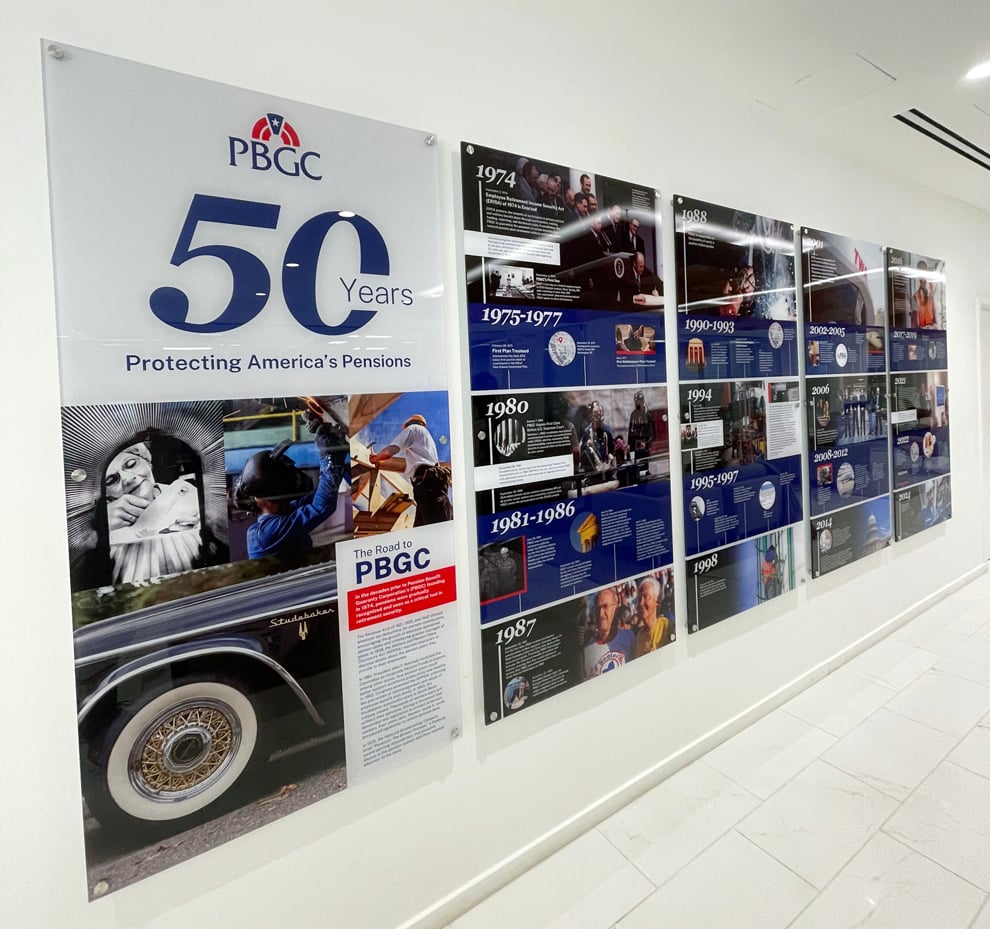
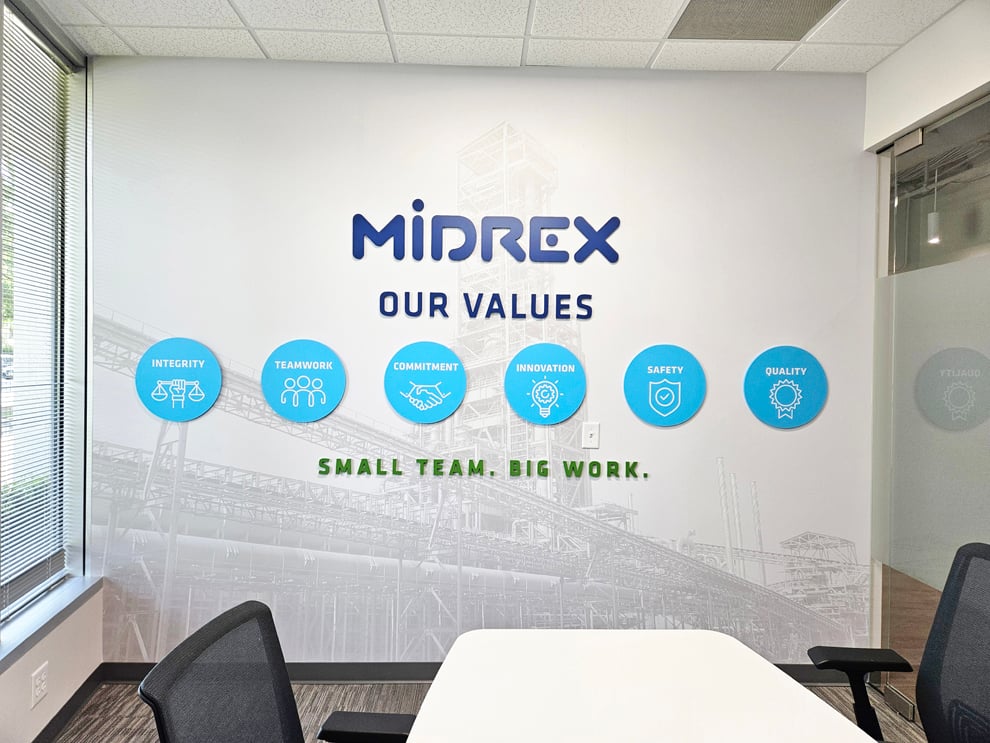
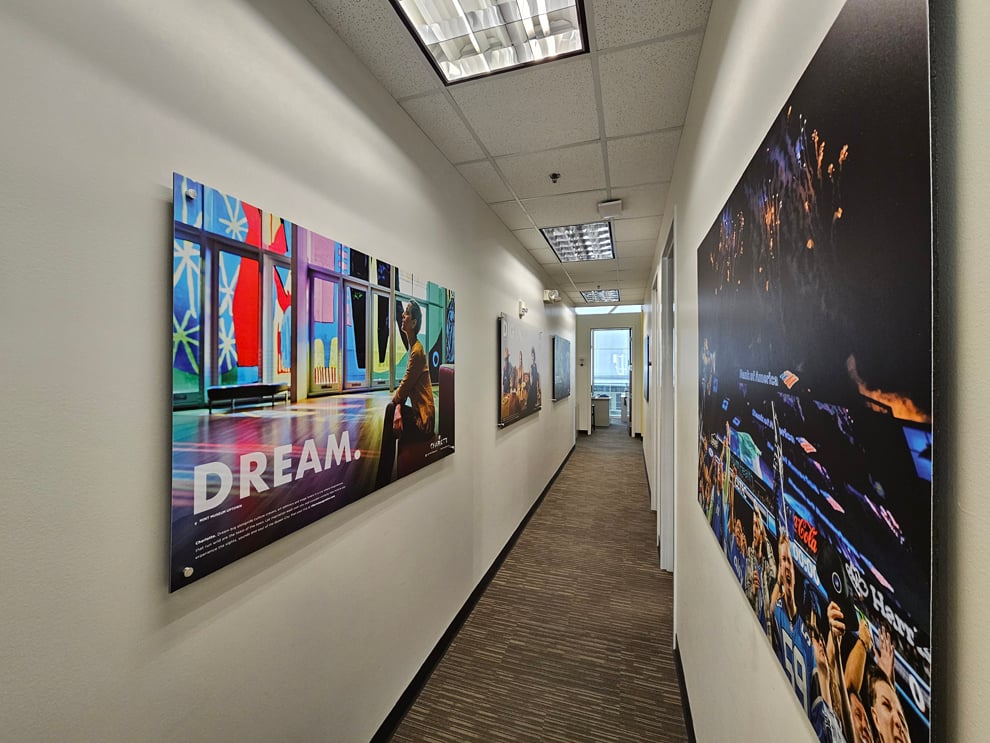
Wall displays combine images, printed panels, dimensional details, acrylic, standoff hardware, and lettering to present history, recognition, values, and organizational narratives.
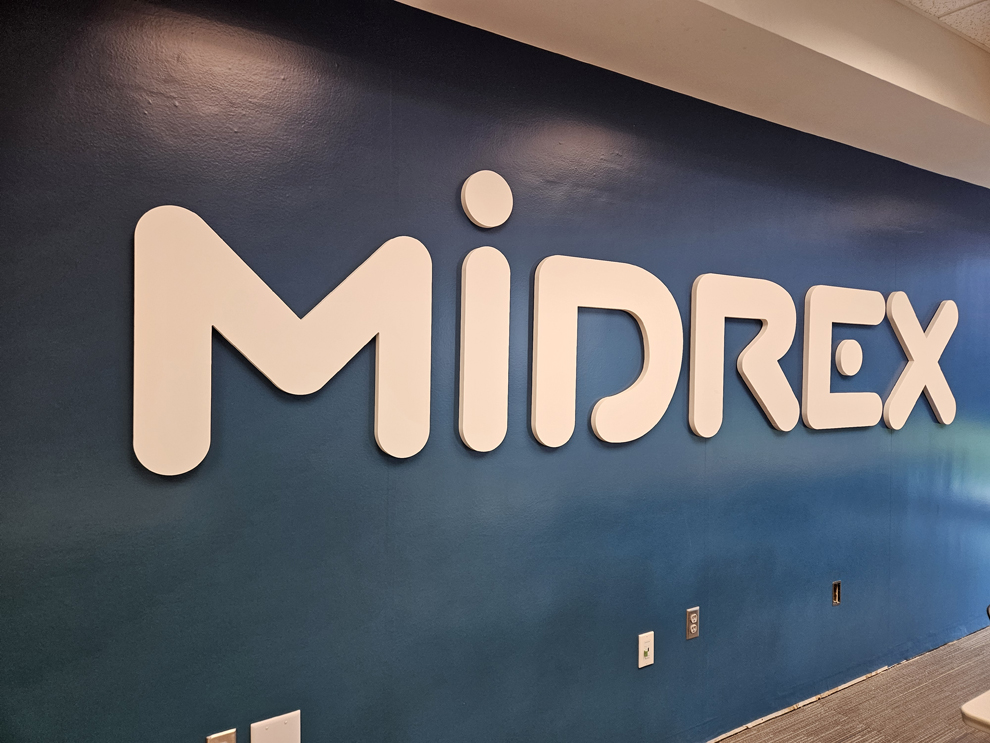
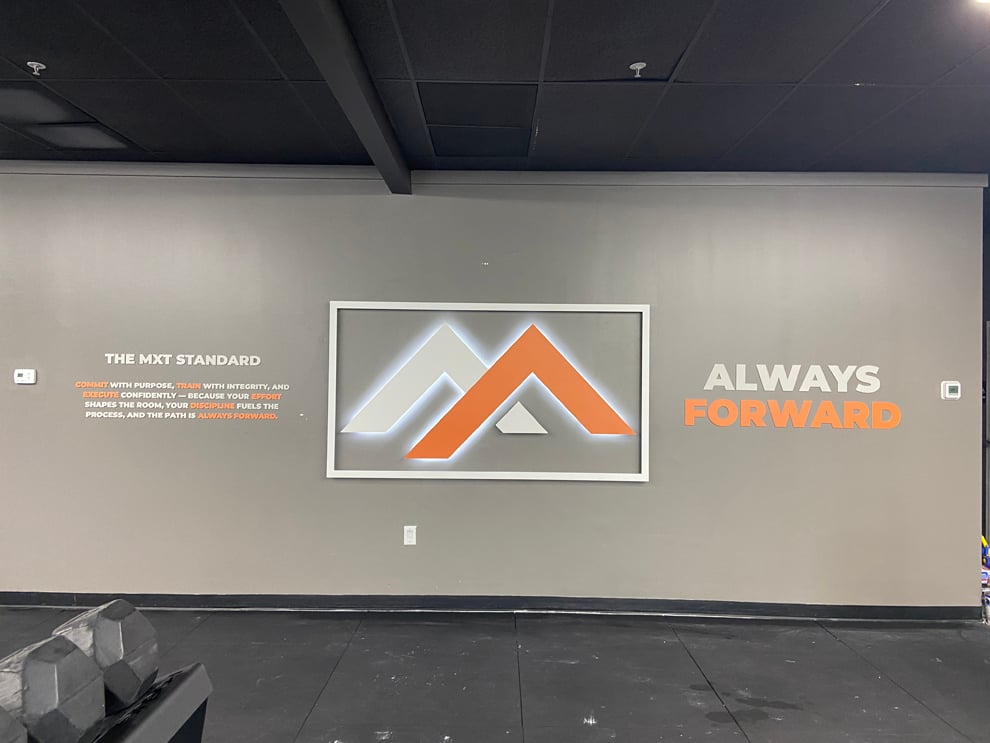
Dimensional letters give names, logos, and important messages physical depth for workplace interiors, campuses, venues, and other architectural settings.
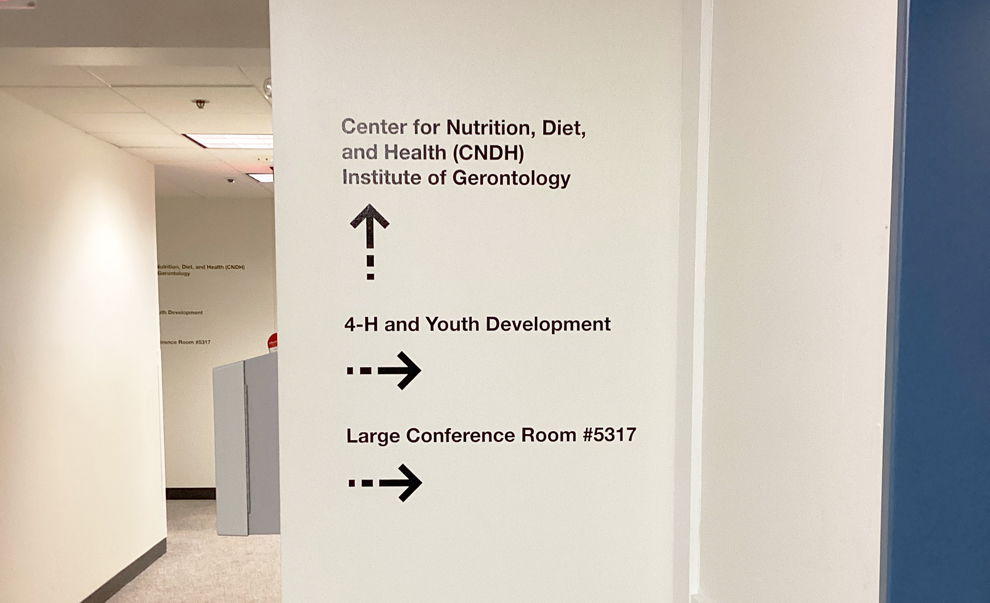
Wayfinding signs organize destinations, room identification, decision points, and directional information so visitors and employees can navigate complex environments confidently.
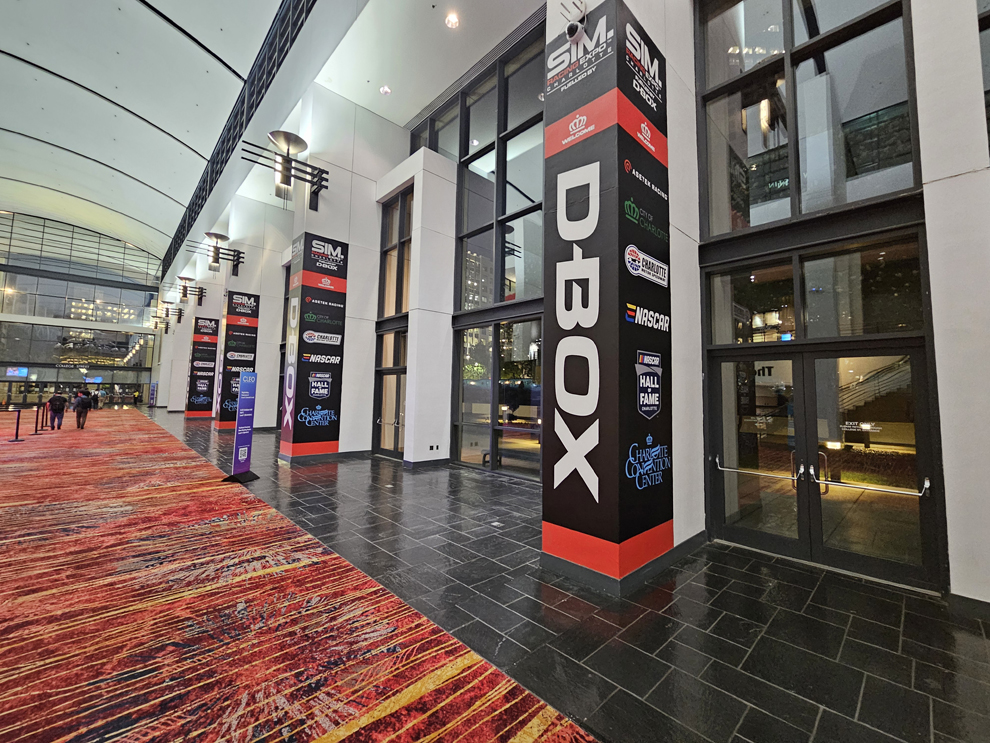
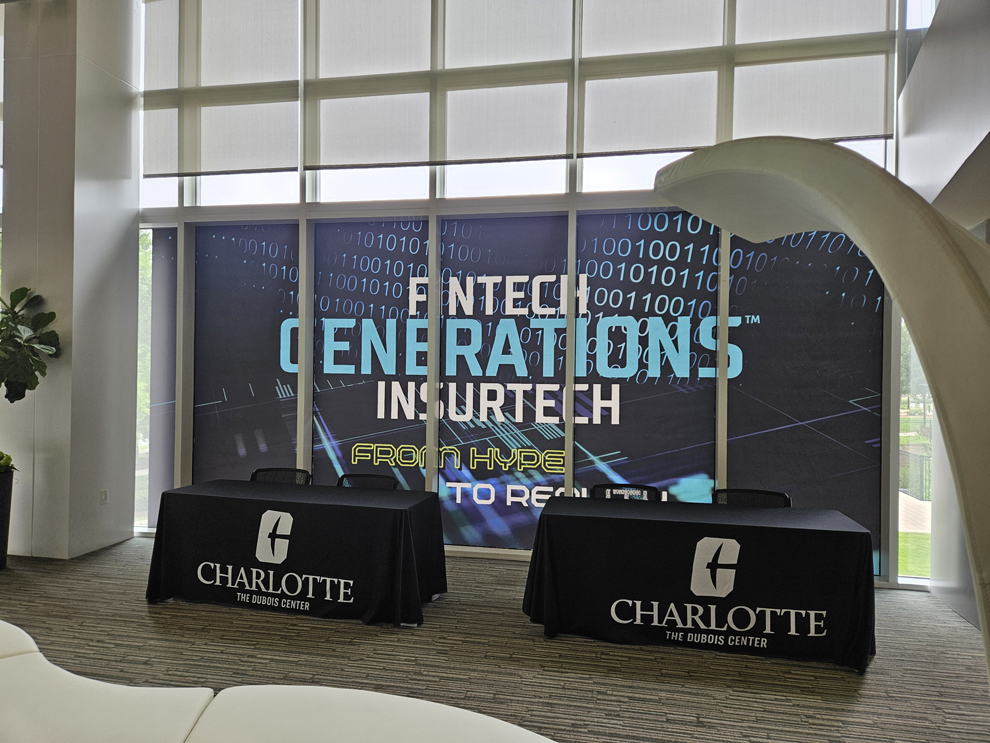
Event graphics support branded arrivals, sponsor visibility, directional communication, stage areas, backdrops, and guest engagement throughout temporary environments and venues.
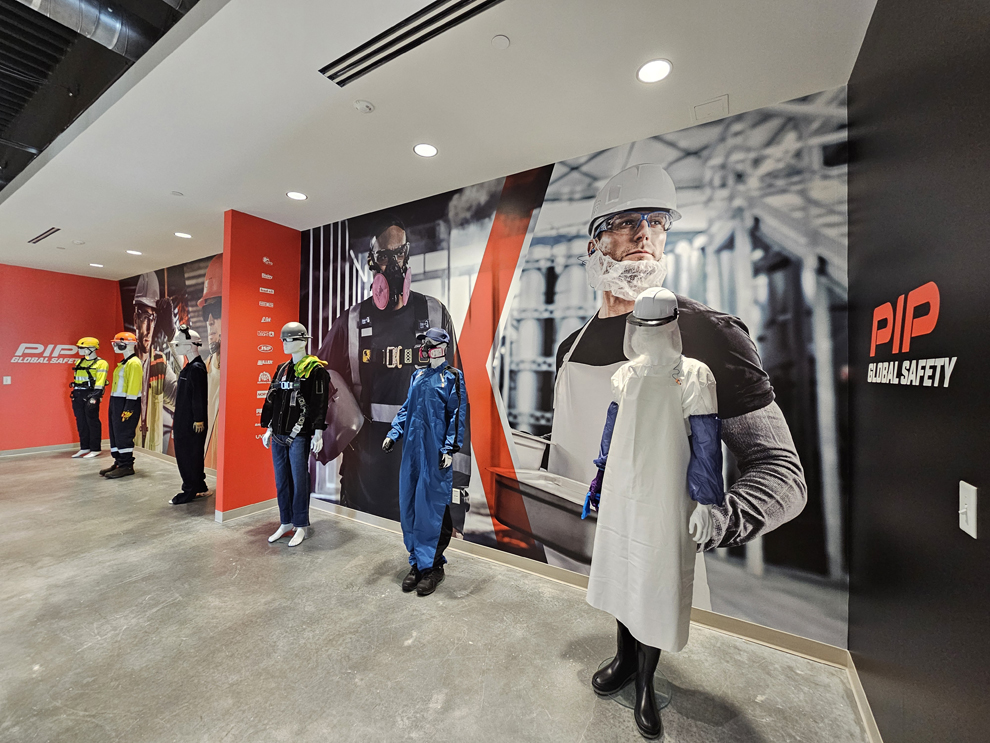
Environmental graphic design aligns brand standards, materials, scale, placement, circulation, and information so individual visual elements support one coherent environment.
Planning a lobby sign, branded office interior, wayfinding program, recognition display, wall graphic installation, or event environment begins with clear project information. Use the Get Started Now form to share the Concord location, objectives, timeline, anticipated investment, photographs, plans, drawings, brand standards, event details, access requirements, and any firm opening dates. Our team will review the information, identify the next practical step, and determine how to support the work through environmental graphic design, production, fabrication, and professional installation.
Heritage supports commercial and institutional projects in Concord, NC, with regional resources serving the Carolinas and Mid-Atlantic. The team works with organizations that require coordinated project management, environmental graphic design, fabrication, and installation for workplace interiors and event environments. Concord clients can engage one accountable partner while benefiting from a broader network equipped to support complex programs.
The operating requirements of Concord environments can vary significantly. An occupied professional office may need quiet installation sequencing and controlled access. A healthcare setting may prioritize privacy, durability, and visitor navigation. A manufacturing or logistics facility may require clear directional communication and graphics that work around operational schedules. Event teams may need planning around load-in windows, venue restrictions, sponsor commitments, and firm opening dates.
Heritage helps organizations in Concord connect local site conditions with regional production capacity. When a client has more than one facility, the team can coordinate design standards, surveys, fabrication, scheduling, and installation across locations. Each site is still evaluated individually because architecture, audiences, surfaces, access conditions, and operating requirements can affect the proper solution.
Environmental graphic design organizes branding, information, imagery, materials, color, scale, circulation, and placement within a physical space. It helps determine how visual communication should function alongside architecture, furniture, finishes, and the movement of employees or guests. Experiential graphic design considers the impressions people carry as they encounter those elements, from the first arrival point through meeting rooms, corridors, displays, and exits.
Heritage can begin with established brand standards, architectural plans, photographs, measurements, event layouts, existing artwork, or an early project concept. Designers then develop producible concepts for lobby features, privacy graphics, wall wraps, wayfinding programs, recognition displays, sponsor environments, and other interior elements. Viewing conditions, installation access, anticipated updates, material transitions, and accessibility considerations can be addressed as the scope develops.
Design alignment gives stakeholders, production teams, and installers a common direction before fabrication begins. Heritage focuses on the physical branded elements it designs, produces, fabricates, manages, and installs. We do not operate as an event planning, event marketing, architectural, or engineering firm. Those boundaries help ensure that responsibilities remain clear while the visual communication scope receives appropriate attention.
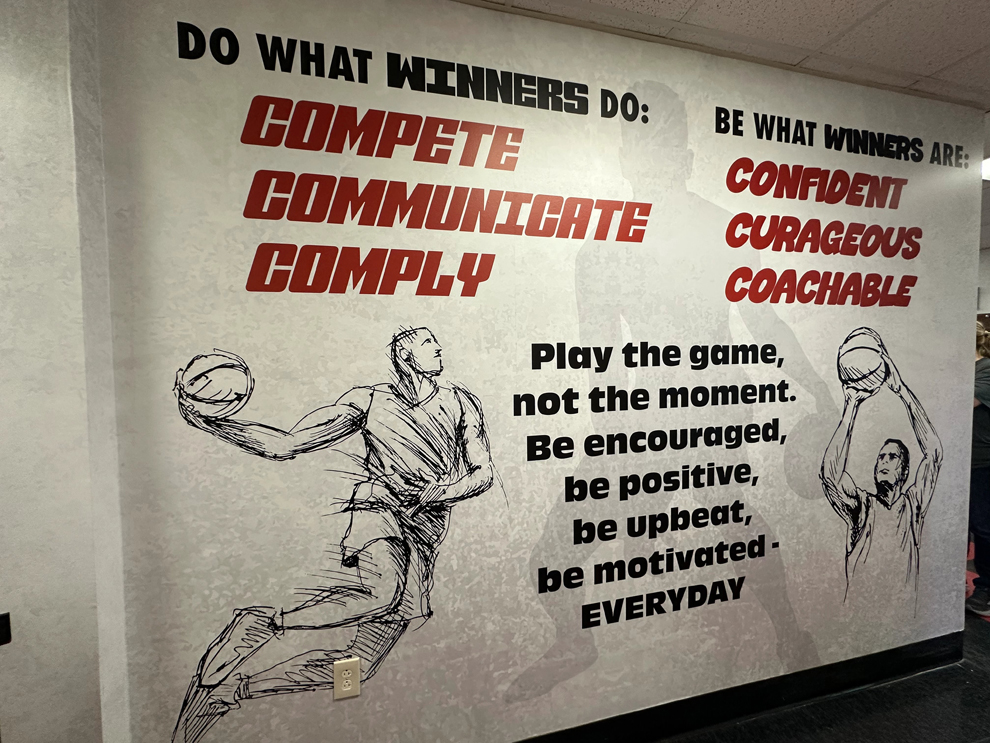
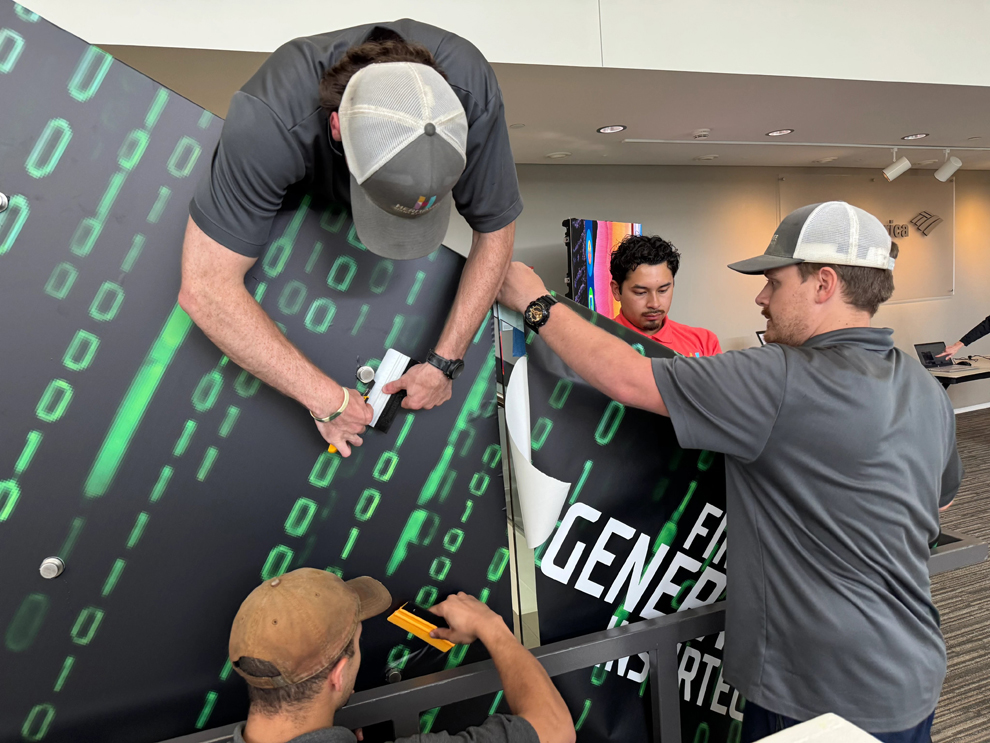
Installation quality affects how a finished sign, display, or graphic performs in the field. Alignment, surface preparation, mounting, wall conditions, graphic handling, access, safety, and sequencing all influence the final presentation. Installation planning begins early because site realities can affect design decisions, material choices, fabrication methods, and project scheduling.
Every Heritage-managed installed project begins with a site survey. The survey documents dimensions, surfaces, obstructions, access routes, traffic patterns, loading conditions, security requirements, and existing lighting. It also gives the project team an opportunity to discuss the intended audience, operating constraints, installation timing, and details that may not appear on plans or photographs.
Heritage installation team members coordinate with project managers, designers, production specialists, and fabricators who understand the approved scope. For Concord workplaces, this may involve planning around occupied areas, elevators, building rules, access hours, and other trades. Event installations may require attention to load-in periods, credentials, venue requirements, and removal schedules. Heritage installs components it creates, produces, fabricates, procures, or manages. Installation-only service for customer-provided signs or graphics is not offered.
Project planning begins with information about the audience, objectives, visual priorities, scope, schedule, site conditions, anticipated investment, and installation address. Photographs, floor plans, architectural drawings, brand standards, messaging, and event details help establish a more useful starting point. If elements of the project are still developing, the project manager can identify the decisions, measurements, approvals, and site information needed before the work advances.
Organizations should anticipate a starting investment of at least $3,000 for the combined Heritage-managed project scope. This figure does not apply separately to each sign, display, or graphic component. Heritage regularly manages projects from $10,000 to more than $200,000, including substantial lobby features, workplace transformations, multi-floor interior programs, event environments, phased updates, and multi-location initiatives.
The strongest fit is an organization seeking coordinated design, production, fabrication, and professional installation for a branded interior or event environment. Appropriate non-illuminated exterior signs and graphics may be included when they are part of a larger Heritage-managed interior project. Heritage does not provide standalone monument signs, pylons, channel letters, traditional exterior sign programs, or fleet graphics. This focus allows our teams to remain accountable for the branded environments we are equipped to manage from planning through installation.
Yes. Heritage can collaborate with architects, interior designers, general contractors, facilities teams, internal marketing departments, and outside brand agencies. The team can review concepts for fabrication and installation, recommend materials, develop production-ready files, and coordinate the physical branded elements within the broader project. Heritage remains focused on signs, graphics, displays, and related environmental components rather than assuming architectural or engineering responsibilities.
Heritage Signs & Displays creates and installs custom visual branding elements for workplaces, interiors, public-facing facilities, and event environments. Typical projects may include lobby signs, dimensional letters, wall wraps, privacy film, window graphics, wall displays, recognition systems, wayfinding signs, sponsor features, and event graphics. A dedicated project manager coordinates design, site information, production, fabrication, and installation within one managed process.
Every Heritage-managed installation starts with a site survey. The team reviews dimensions, surfaces, obstructions, access routes, traffic, lighting, security requirements, and conditions that can affect mounting or graphic application. This information supports more accurate planning while giving clients an opportunity to explain operational concerns. The survey also helps designers, fabricators, and installers work from the same understanding of the site.
Yes. Heritage can coordinate workplace branding and environmental graphic programs across facilities in Concord, the Carolinas, and the Mid-Atlantic. A project manager can organize brand standards, surveys, artwork adaptation, fabrication, scheduling, shipping, and installation requirements for each location. Consistency matters, but each office, venue, or facility must still respond to its own architecture, access conditions, audience, and operations.
The anticipated starting investment is at least $3,000 for a combined Heritage-managed scope. Many projects range from $10,000 to more than $200,000, depending on design development, materials, quantities, fabrication requirements, site conditions, installation access, schedule, and number of locations. The project manager helps clients understand how those factors influence the appropriate scope before production decisions are made.
No. Heritage does not offer installation-only service for customer-provided signs or graphics. Installation teams work with components that Heritage creates, produces, fabricates, procures, or manages because material compatibility, preparation, mounting requirements, and final presentation must remain connected. This boundary helps maintain accountability for the work being installed.
Heritage produces custom interior signs, wall and window graphics, privacy films, dimensional lettering, acrylic displays, standoff mounted panels, donor walls, company history features, room identification, wayfinding systems, event backdrops, sponsor graphics, and related branded elements. The appropriate combination depends on the message, audience, architectural setting, durability needs, schedule, and installation conditions.
Yes. Heritage supports event environments with branded entrances, directional graphics, sponsor displays, backdrops, stage features, modular structures, wall graphics, and other physical communication elements. Concord and regional event teams can engage Heritage for project management, graphic design, production, fabrication, and professional installation. The company does not serve as an event planner or event marketing firm.
Use the Get Started Now form to provide the project location, objectives, anticipated timeline, investment range, photographs, plans, drawings, brand standards, messaging, event information, and known access requirements. Include firm opening dates or installation windows when they apply. If the project is still developing, submit the information available. Heritage will review the scope and identify the next decisions needed for evaluation.
Heritage Signs & Displays offers Concord organizations almost 50 years of company experience, veteran-owned and family-led accountability, and a regional network serving the Carolinas and Mid-Atlantic. One dedicated project manager coordinates environmental graphic design, production, fabrication, and professional installation for each managed project. Heritage seeks to honor God by serving clients and communities with excellence, accountability, care, and follow-through.
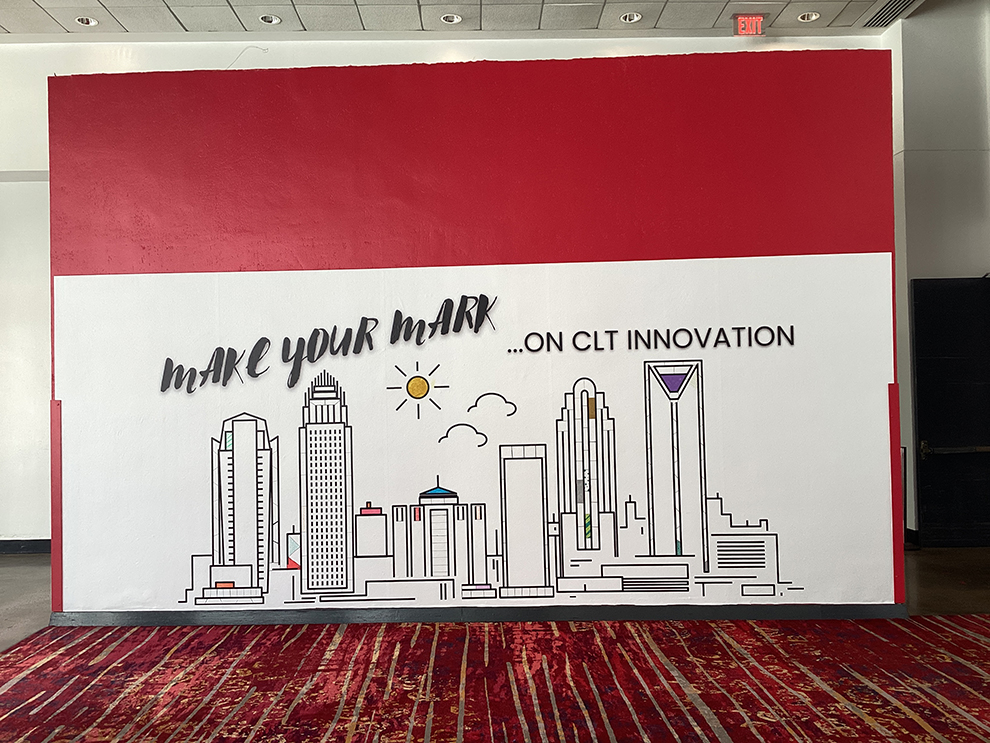
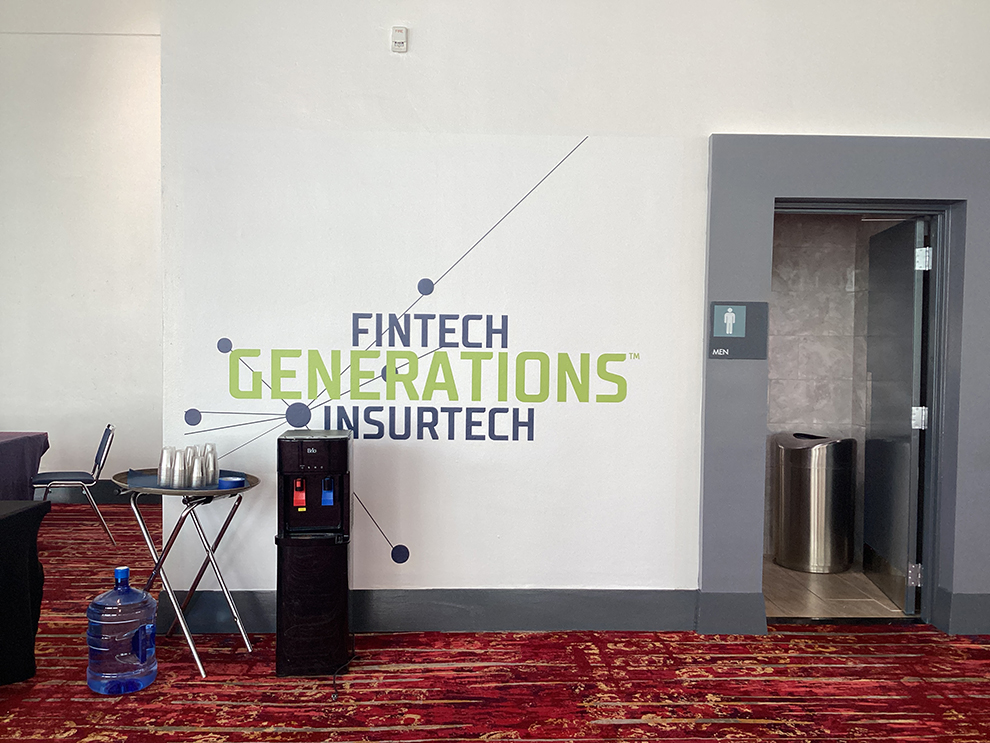
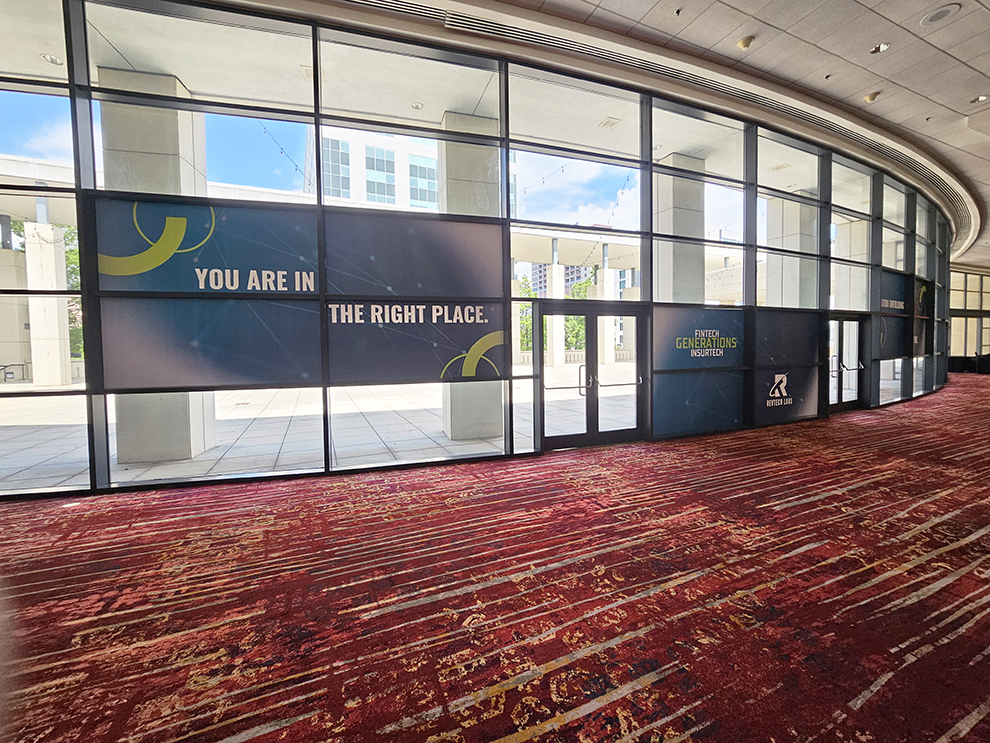
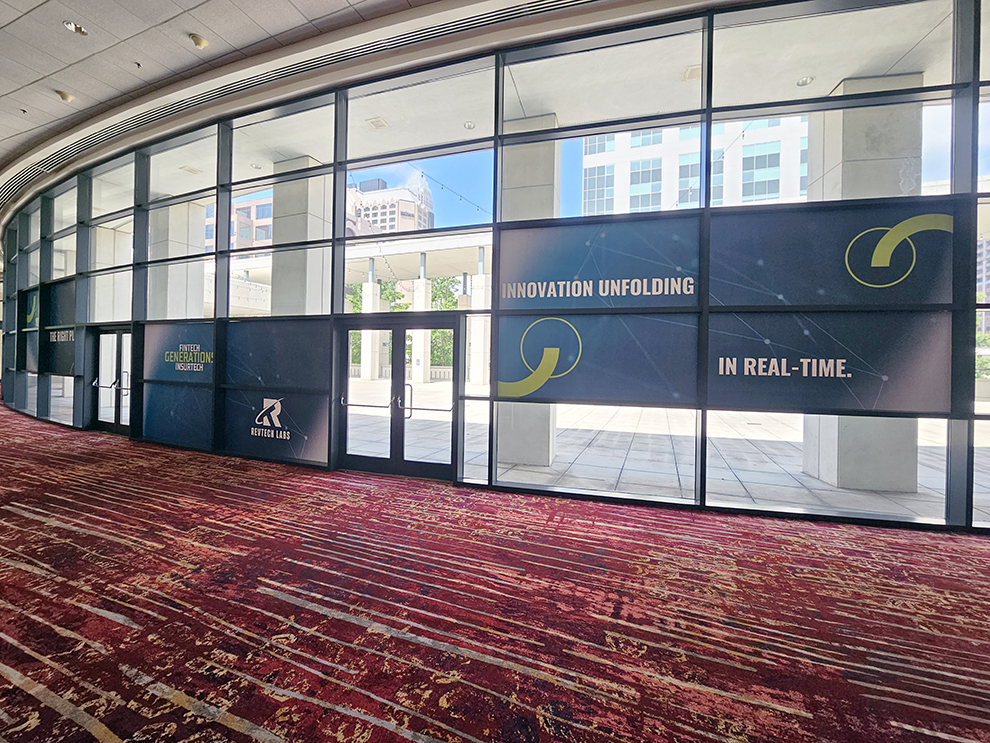
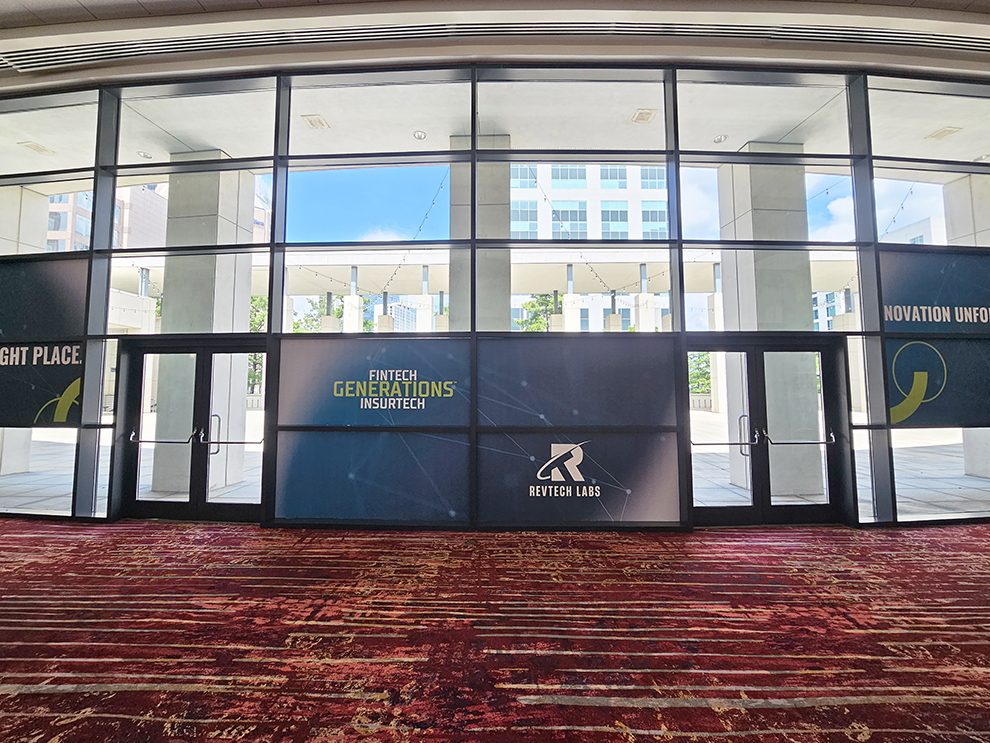
Heritage Signs & Displays collaborated with the Fintech + Insurtech Generations 2023 conference at the Charlotte Convention Center. Heritage worked closely with the client to create an interactive and branded event environment for attendees to network and discuss key topics impacting the financial and insurance sectors. The project enhanced the premier annual conference's atmosphere and engagement.
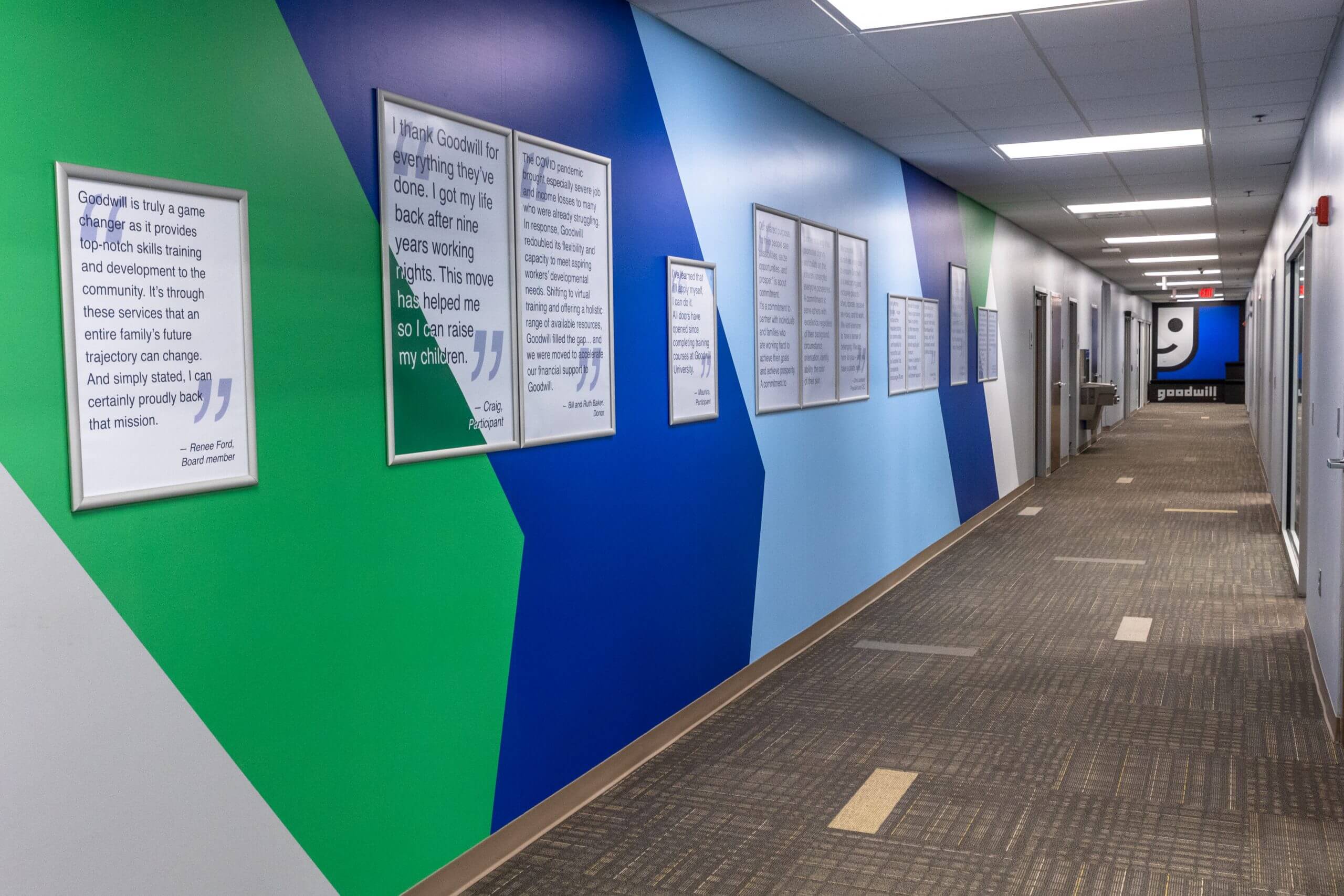
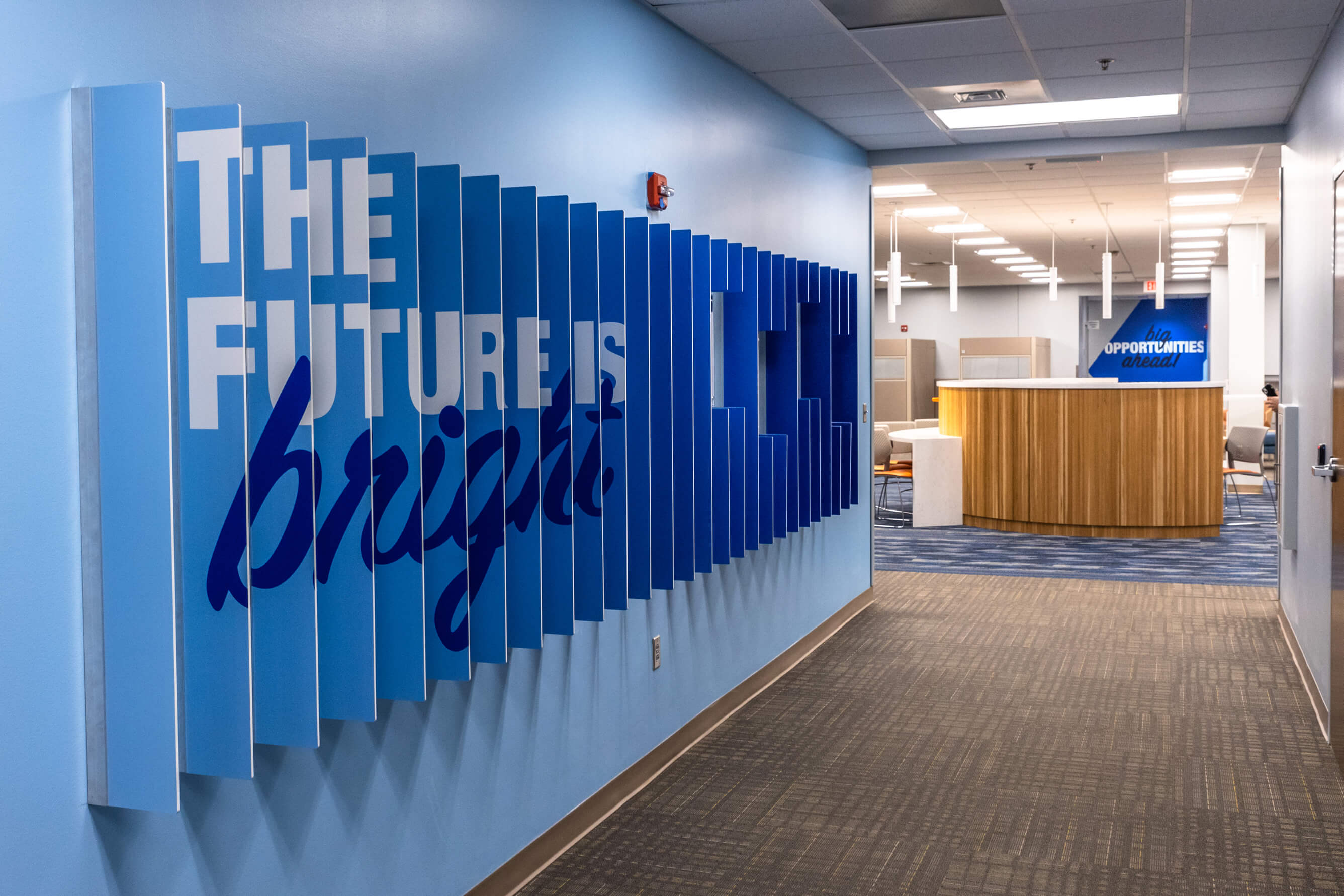
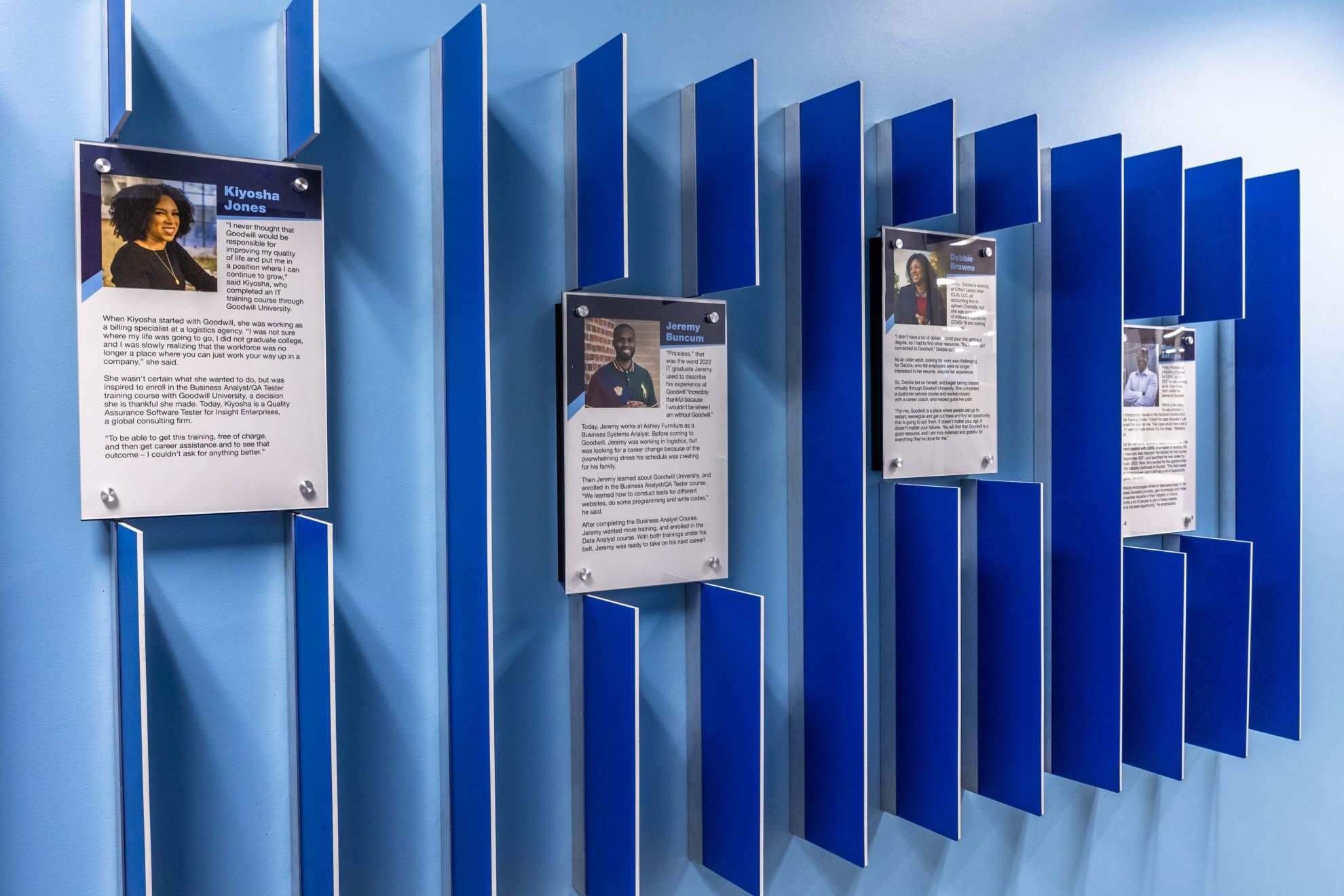
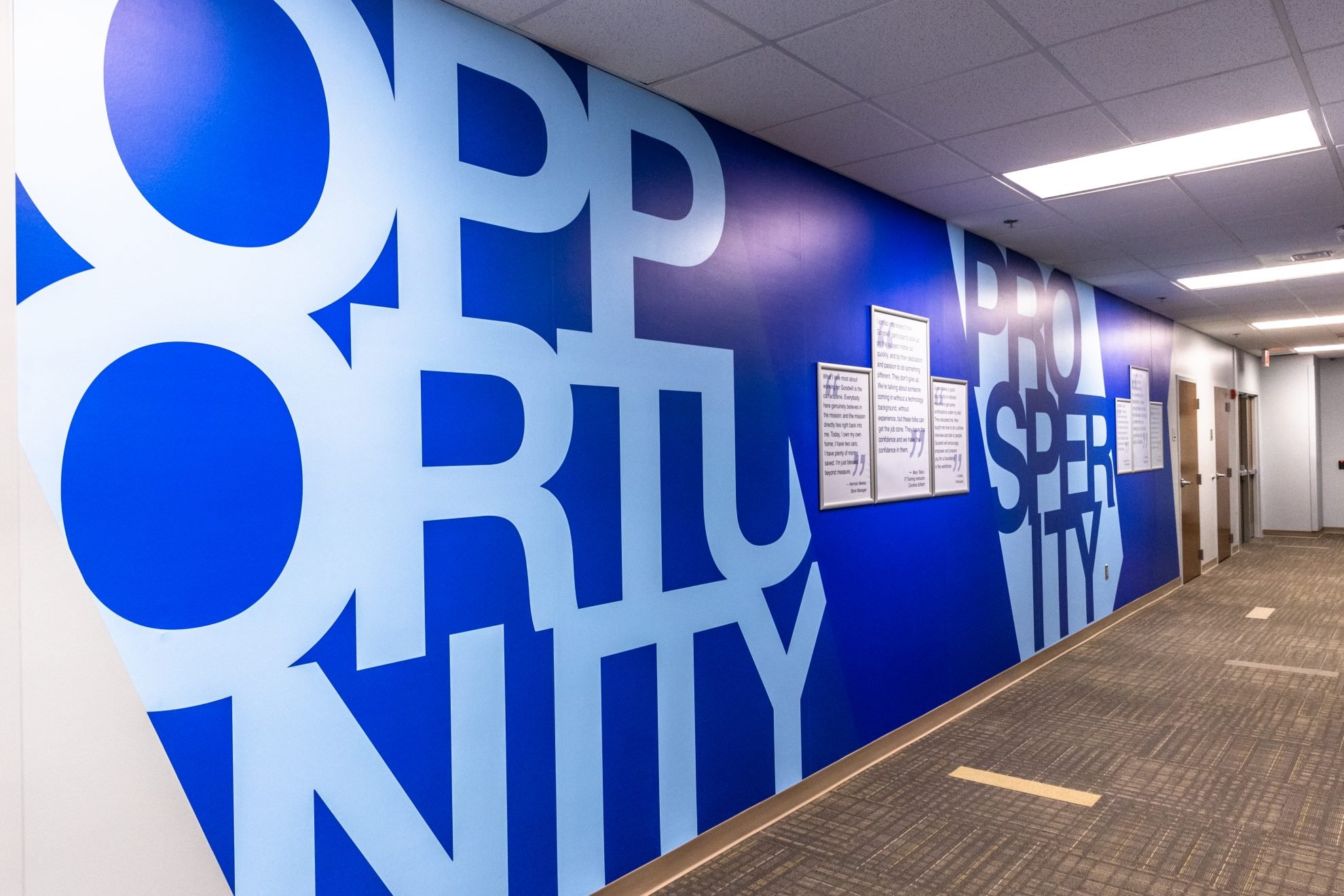
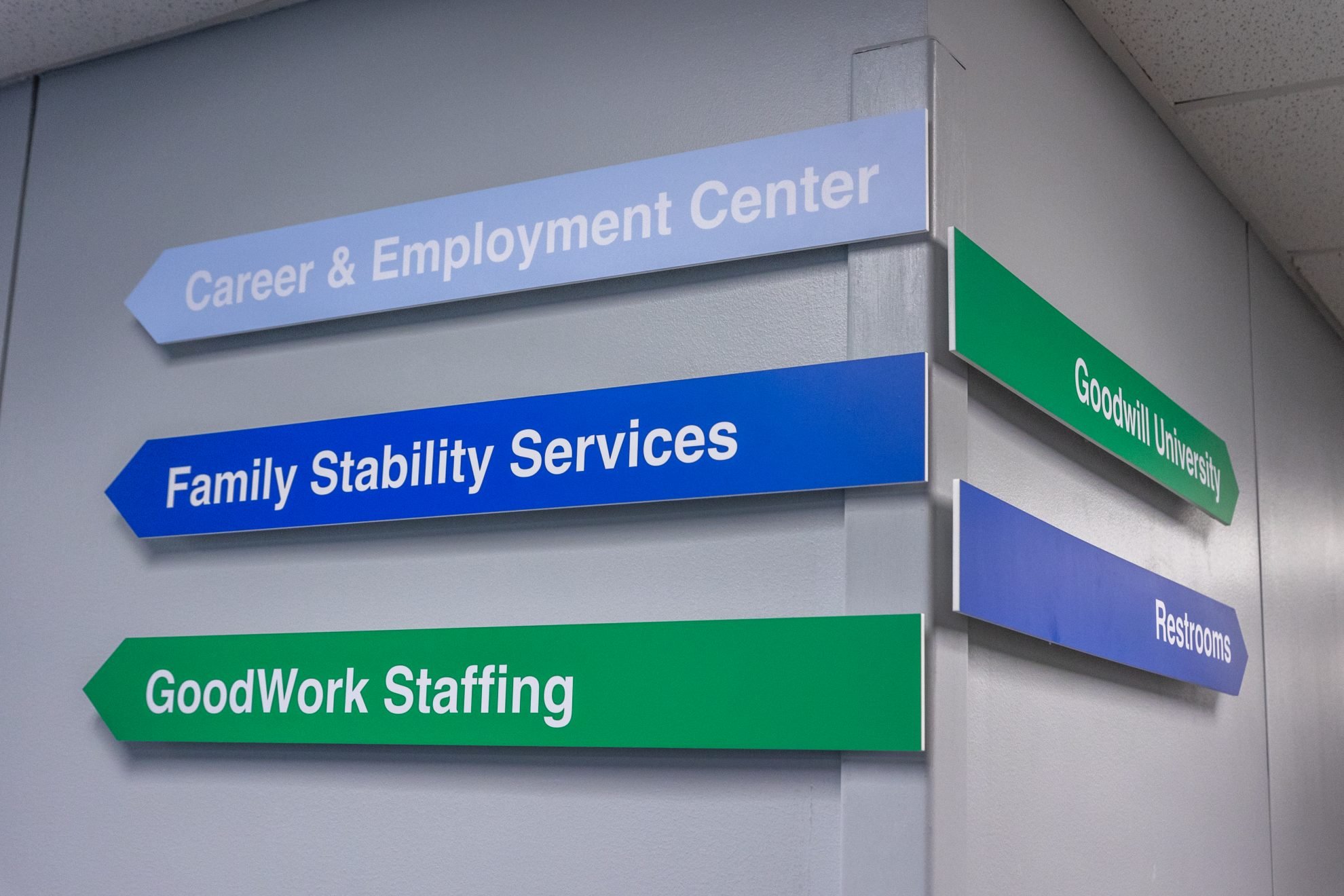
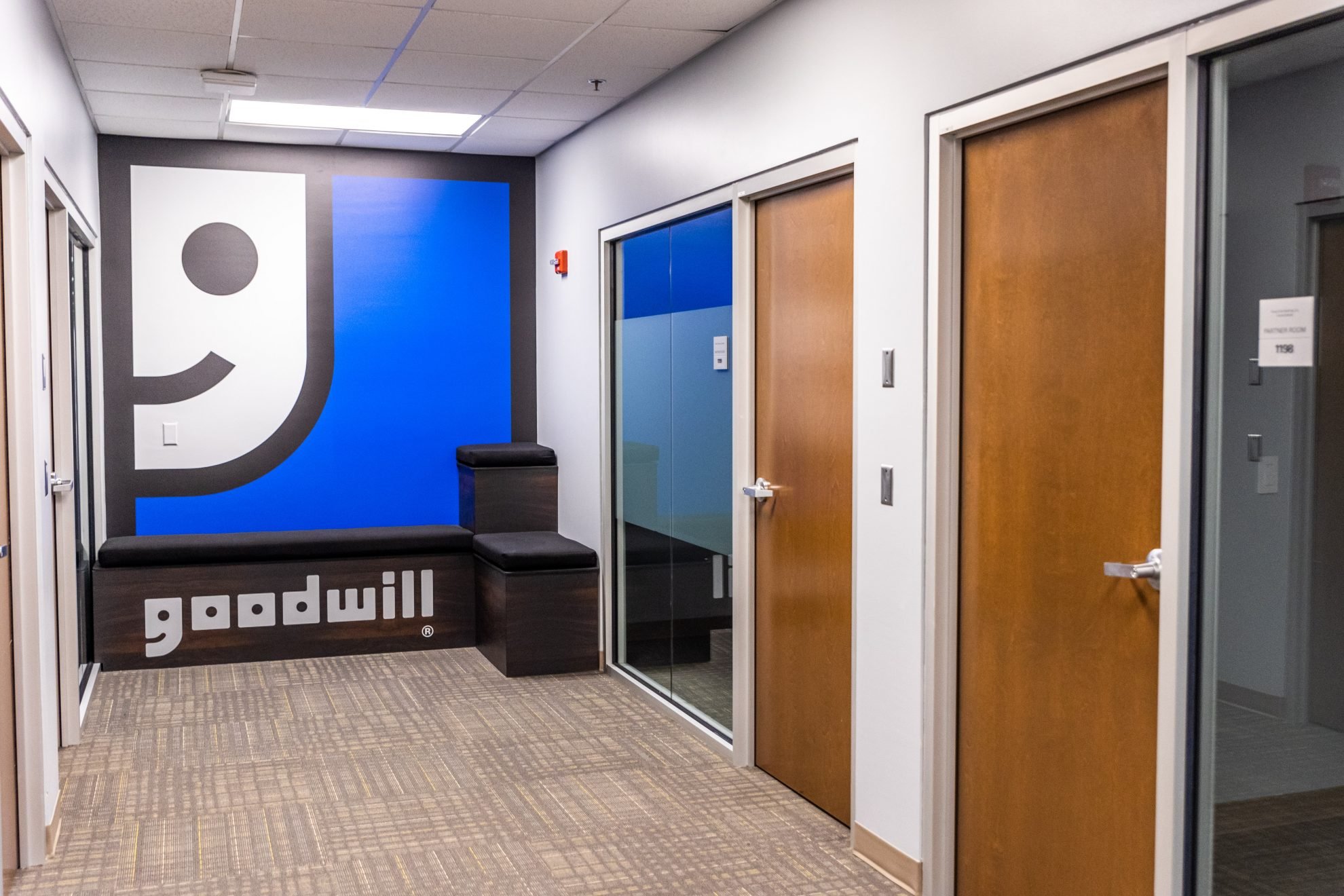
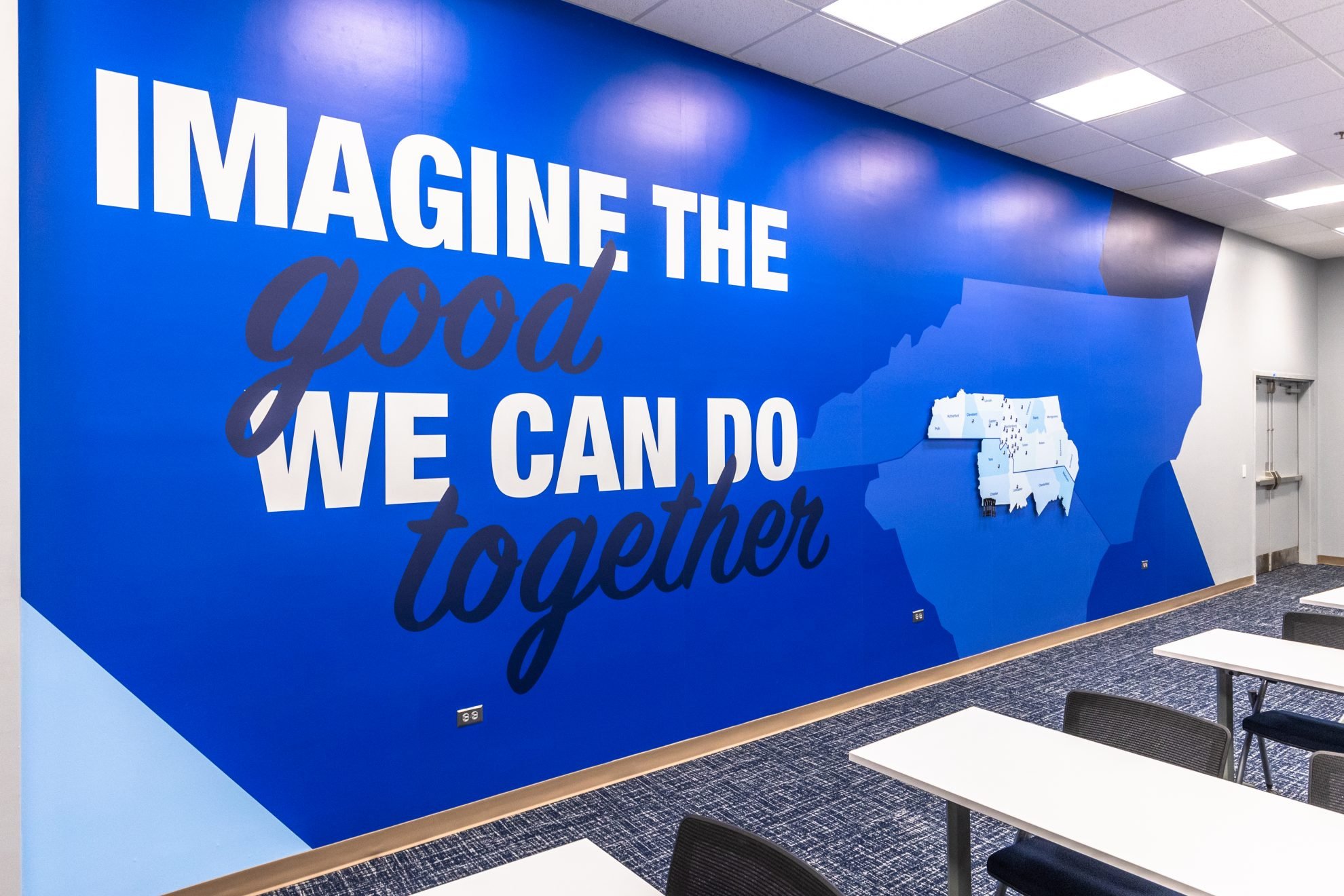
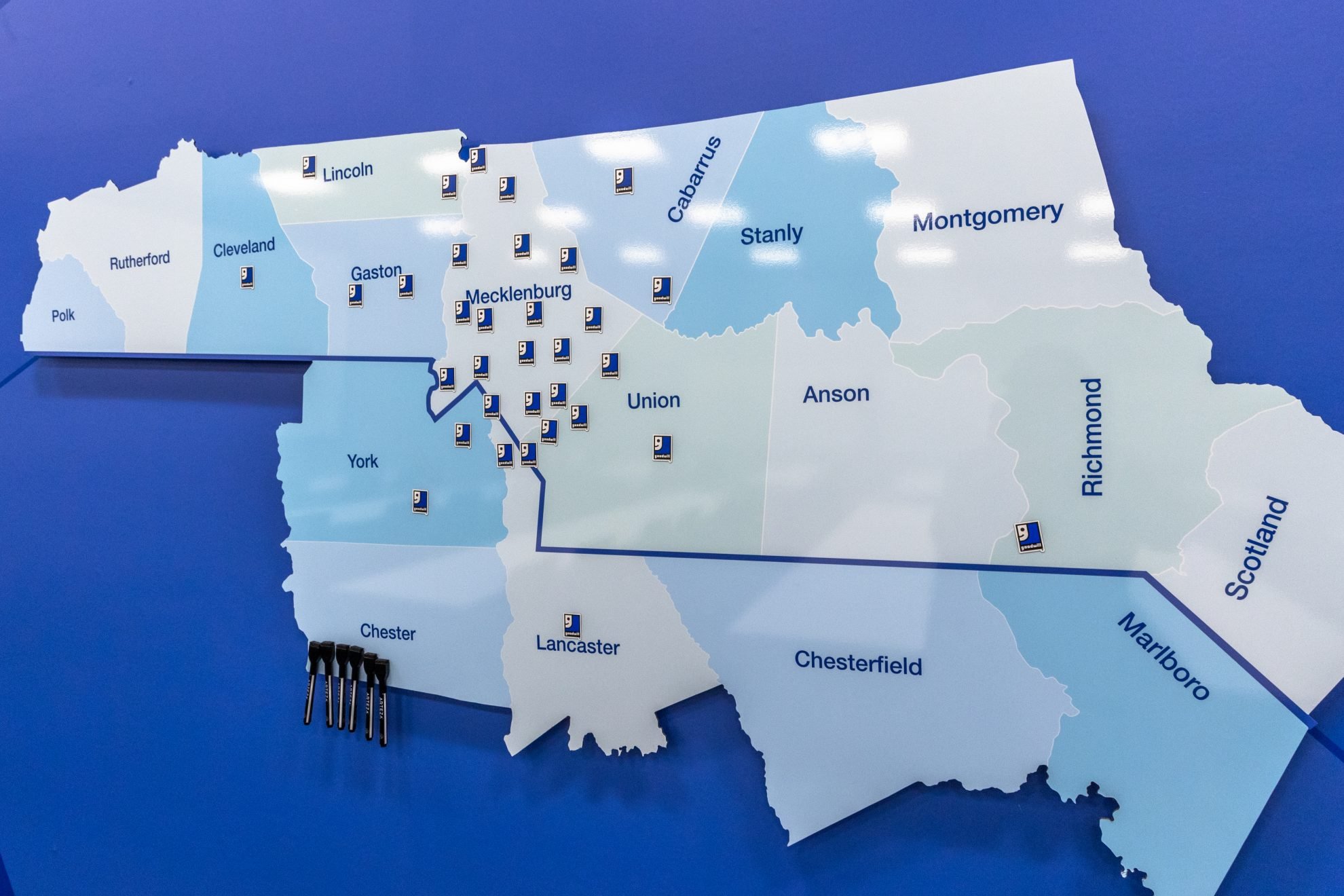
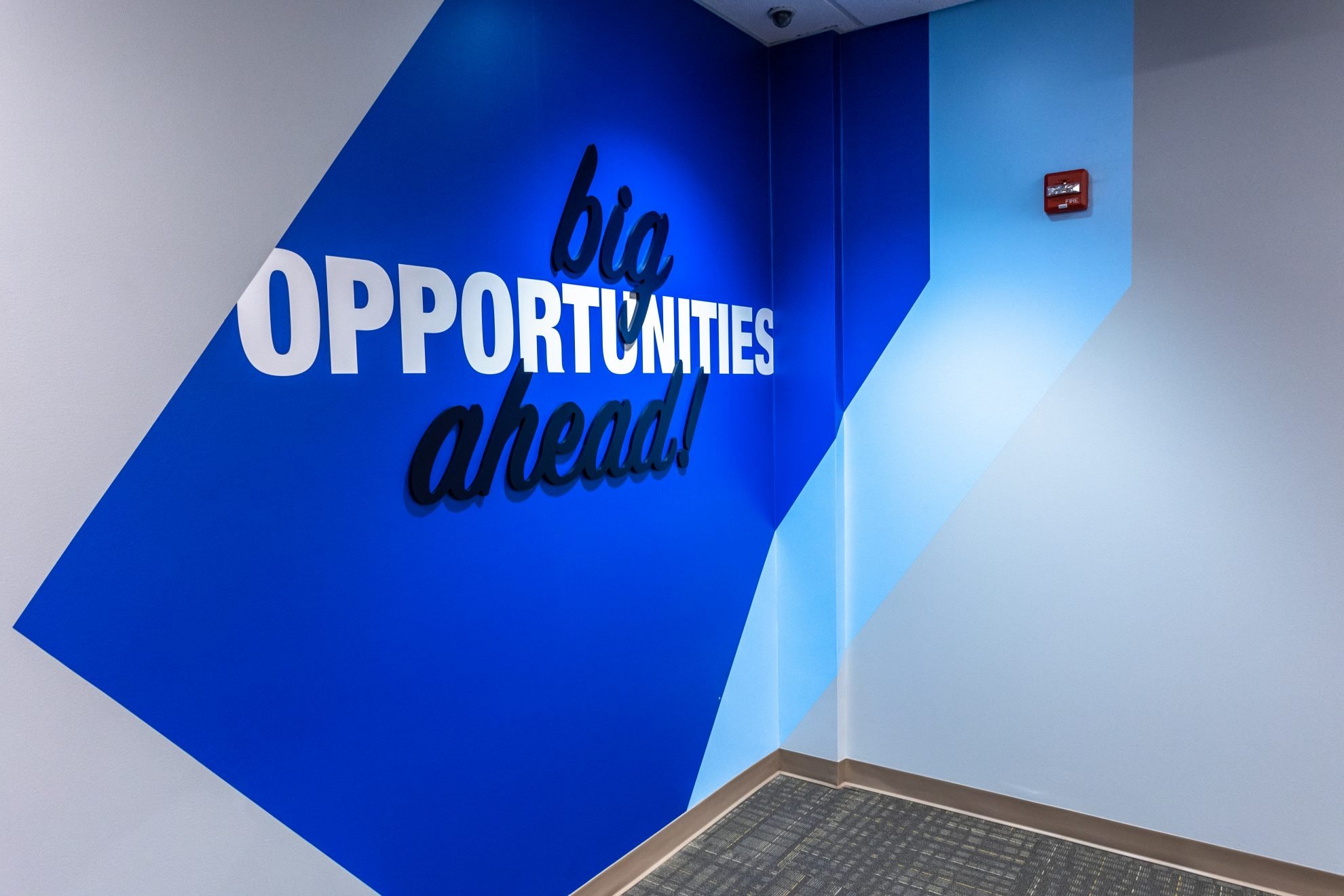
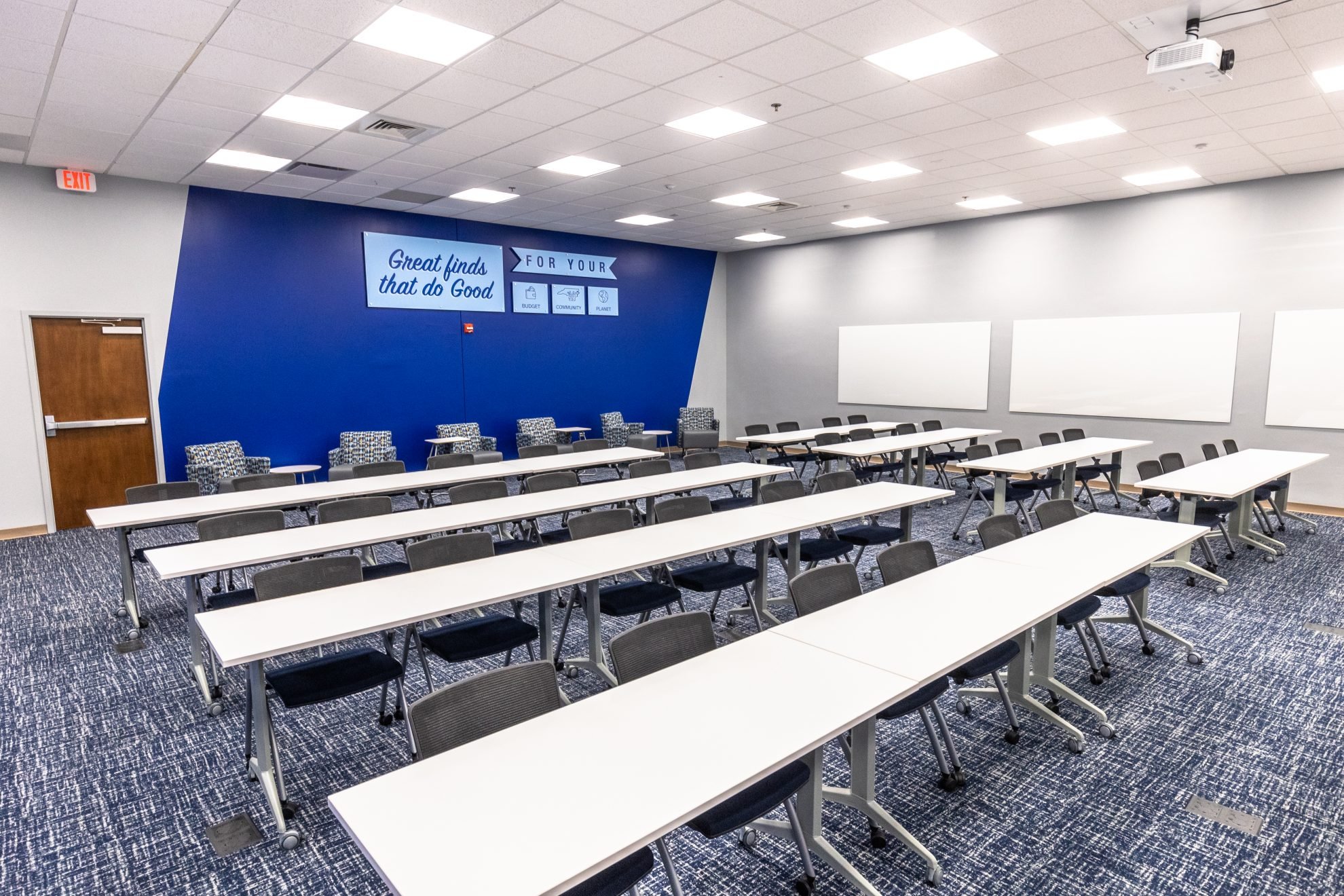
Heritage Signs & Displays collaborated with Goodwill Industries of the Southern Piedmont to transform the Opportunity Campus in Statesville, NC. The project included lenticular wall displays, wall wraps, frosted vinyl, wayfinding signs, and custom wall displays. These elements enhanced the Career & Employment Center, creating an engaging and branded environment that reflects Goodwill's values and mission to support workforce development.