Branding Your Charlotte Workplace in 2027: Five Things to Consider
Branding Your Charlotte Workplace in 2027: Five Things to Consider
A business leader’s view of how signs, wall graphics, and storytelling displays can strengthen culture and welcome people.
Opening Heritage’s new Charlotte headquarters in 2026 has given me another reason to think about what a workplace should accomplish. A building needs to function, of course. But the space also communicates what an organization values, how it treats people, and where it intends to go. Those questions mattered to me long before we moved, and they matter just as much when an organization is improving an office it already occupies.
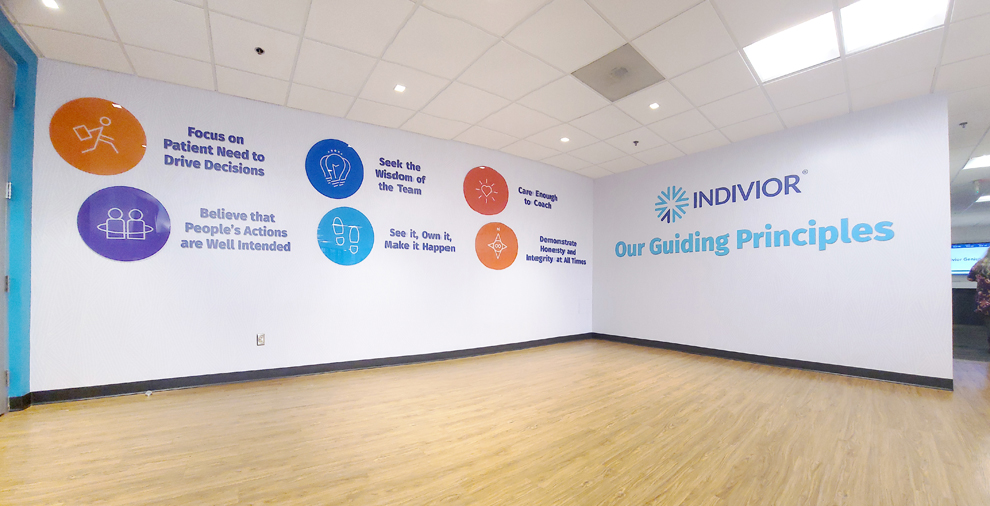
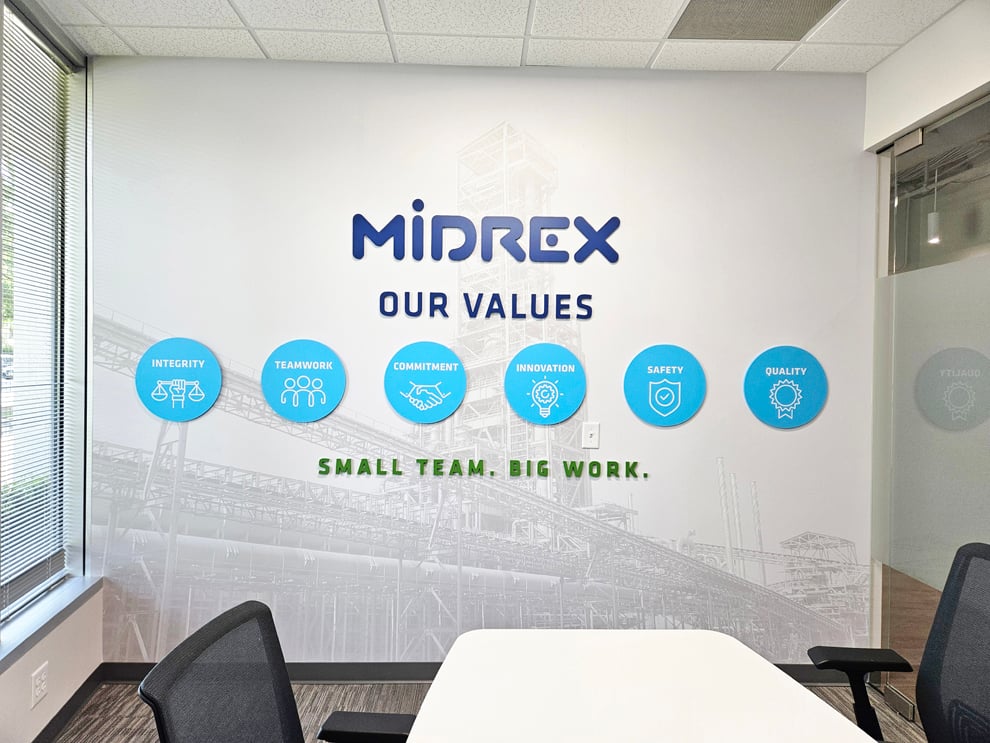
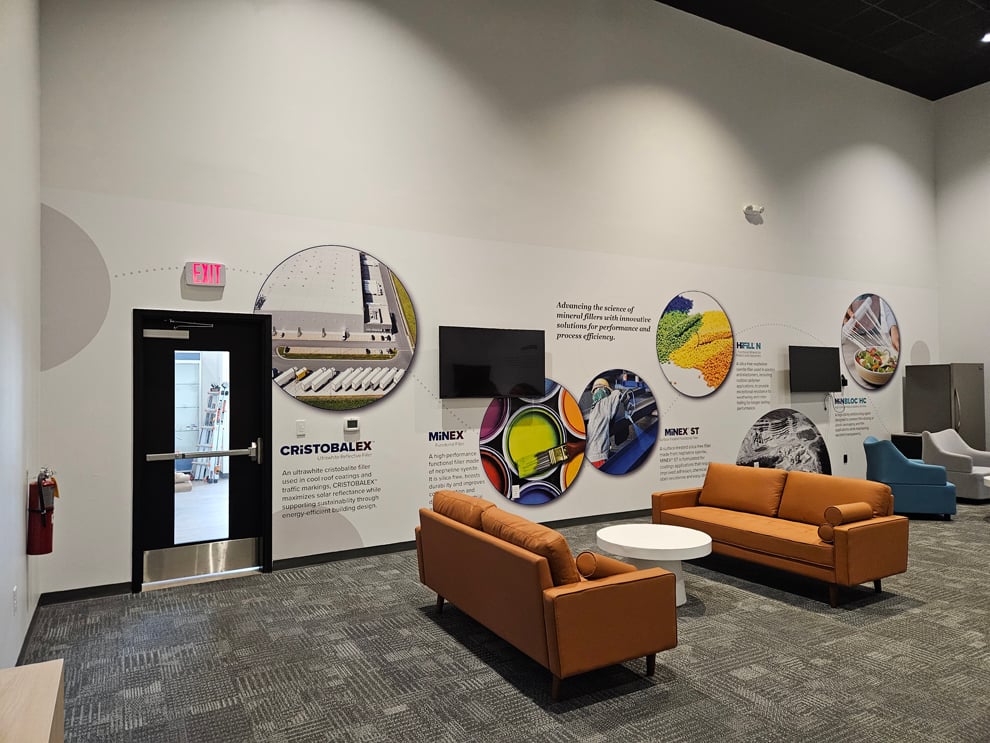
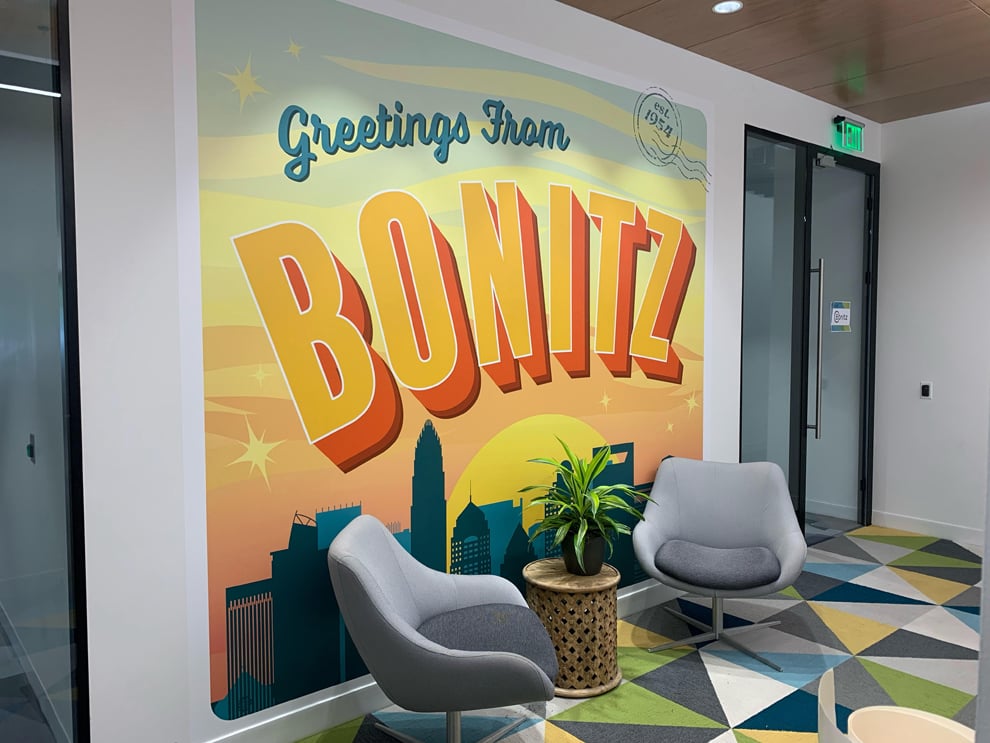
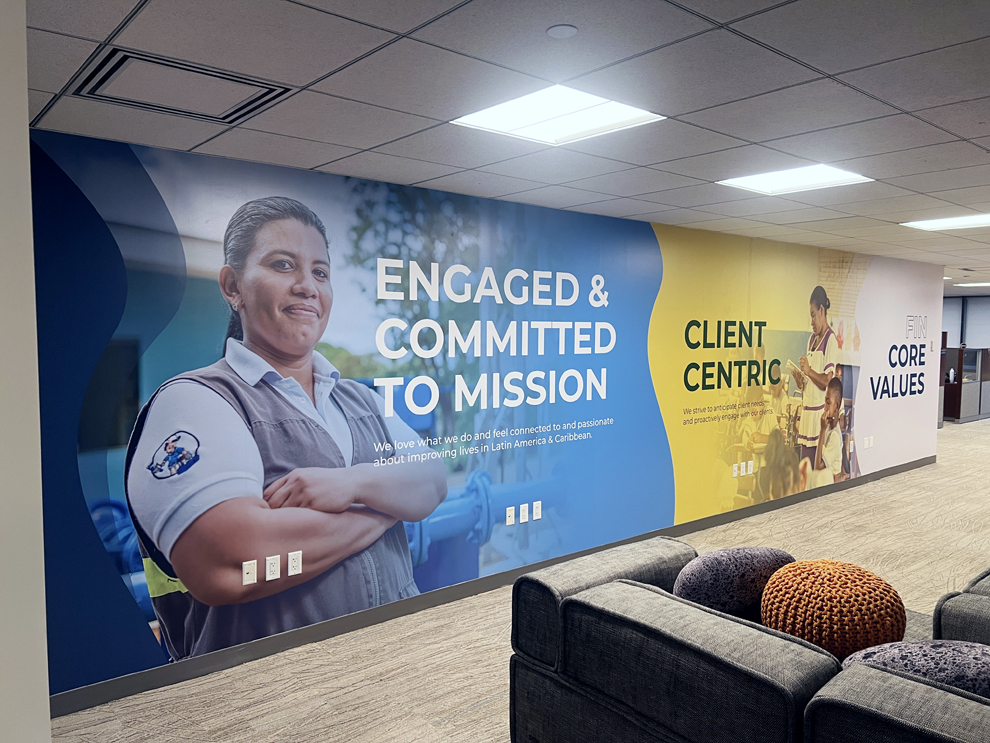
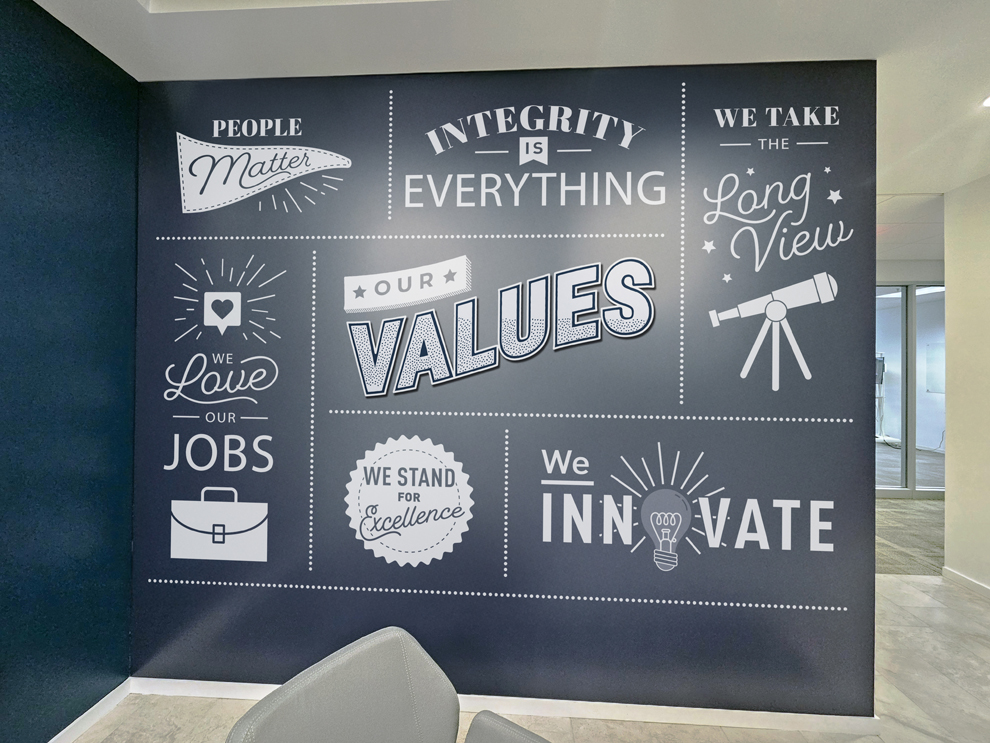
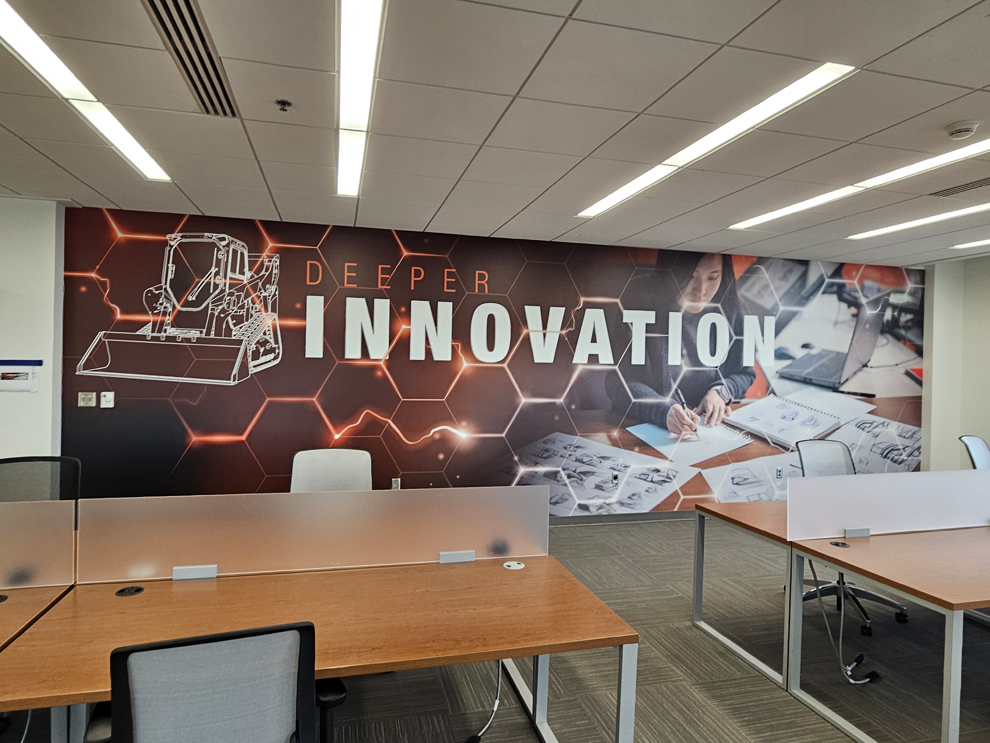
For Charlotte business leaders planning a workplace refresh for 2027, I would start there rather than with a catalog of signs. A stronger reception experience, clearer environmental graphics, a company history display, or thoughtful privacy treatments can change how people encounter your organization without requiring a complete renovation. The best improvements are not necessarily the most dramatic ones.
What follows are five decisions worth making before the design work begins. They connect your people and your message with the real conditions of your building, your investment priorities, and the responsibilities that carry an idea through completion.
Decision 1: Decide What People Should Experience, Not Just See
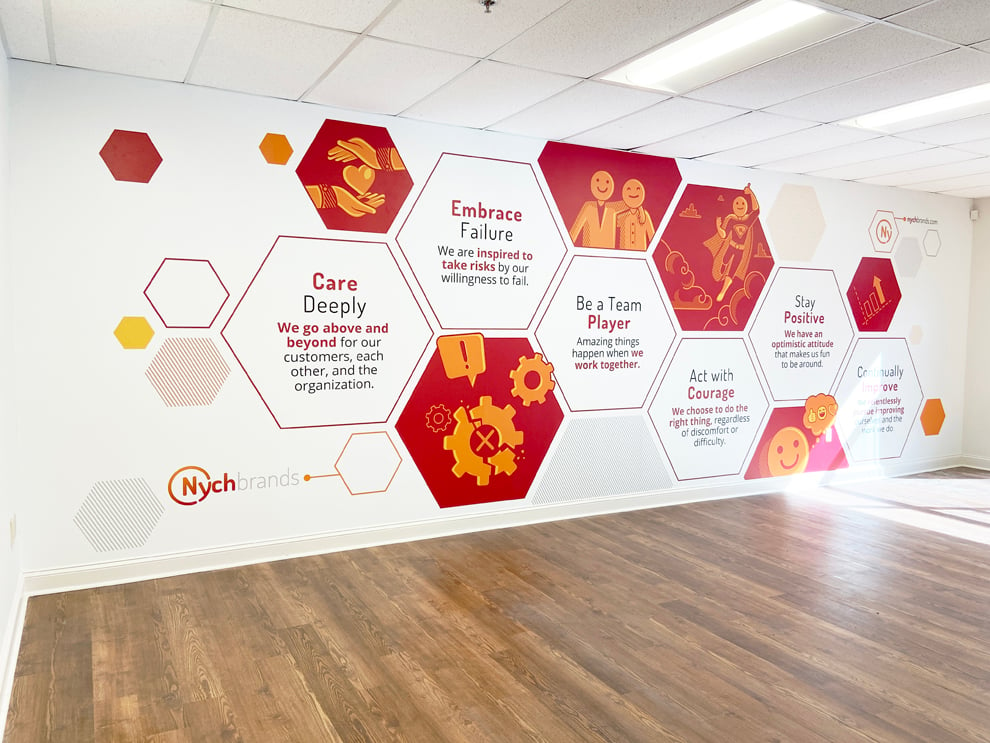
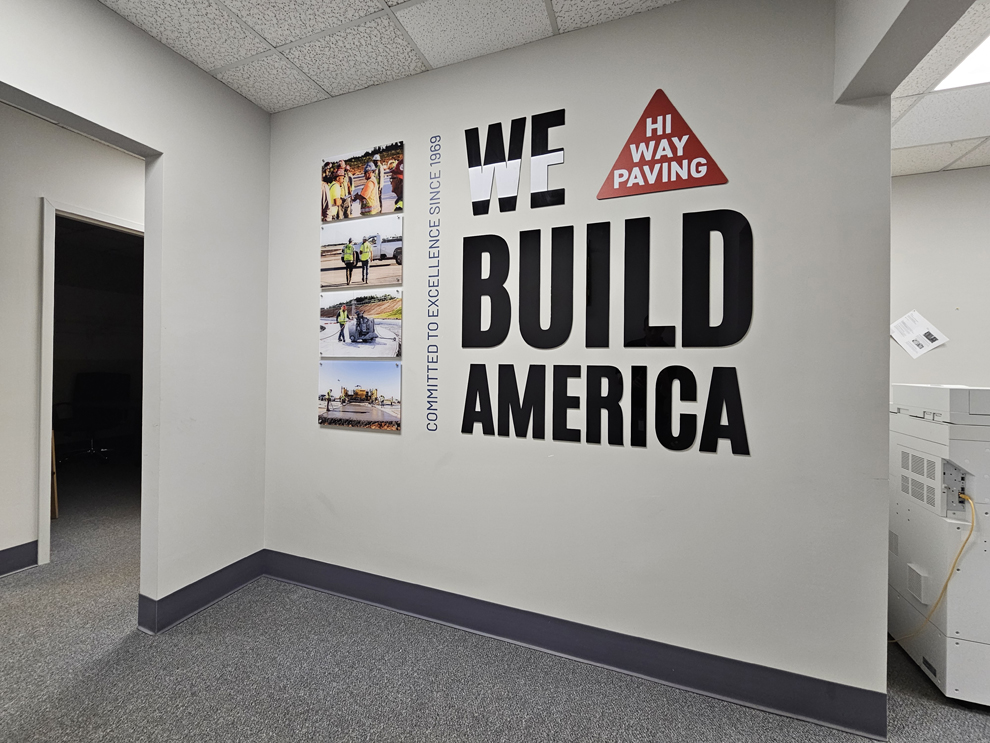
Think about the people who will walk into your Charlotte office in 2027. A new teammate may be trying to understand what kind of organization they’ve joined. A client may be looking for reassurance that they’re in capable hands. Your longtime employees may appreciate seeing the company’s progress and their contributions acknowledged. Each group deserves something more meaningful than a logo repeated in different places.
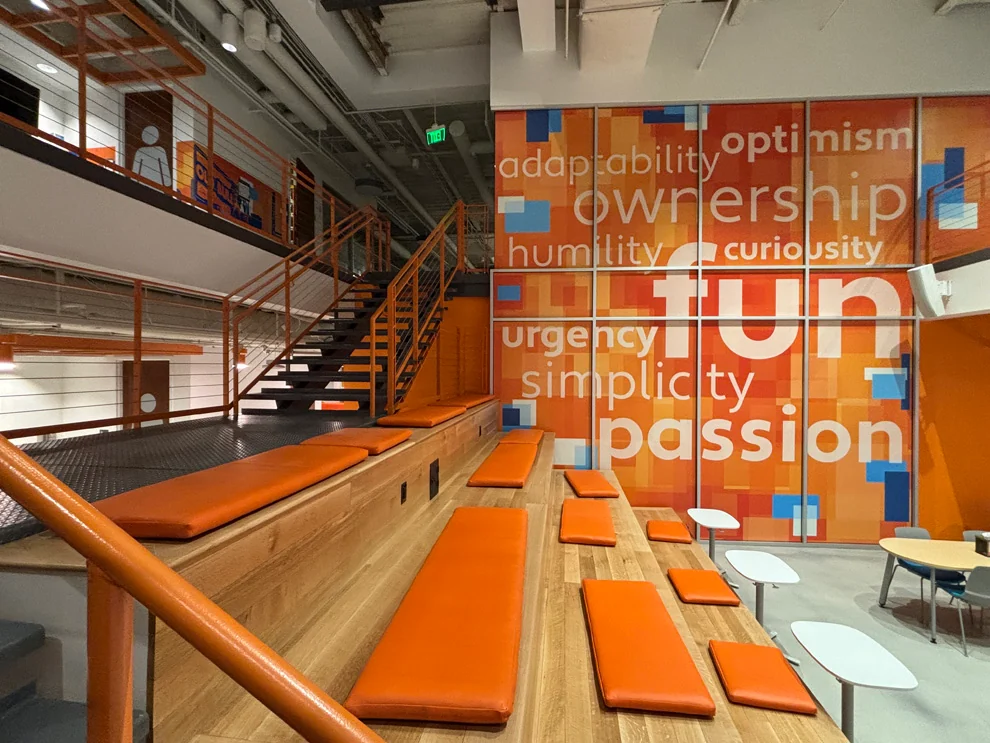
I’ve found that culture becomes easier to communicate when leaders can describe what they want people to experience. Is it confidence, creativity, gratitude, collaboration, or a sense of belonging? You don’t need a dozen messages competing for attention. Choose two or three ideas that genuinely represent your organization and ask whether the space supports them today.
Involve the people who know the building and the people who make it work. Marketing can protect brand consistency; facilities can explain how rooms are used; employees can tell you where the environment feels welcoming or impersonal. A good workplace branding plan grows from that shared understanding, not from decorating every available surface.
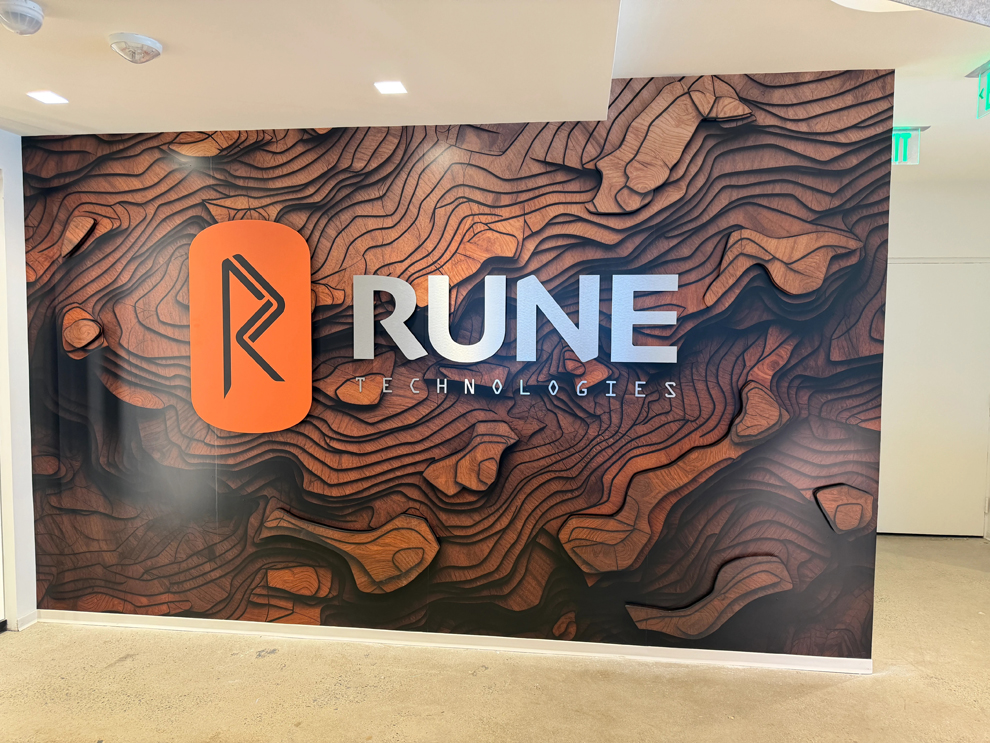
Decision 2: Focus on the Spaces That Shape Everyday Life
The most impressive part of an office isn’t always its most important part. Reception certainly matters, especially when prospective clients or recruits visit. But think about where employees spend their days, where teams make decisions, and where guests move between appointments. A workplace refresh should improve those ordinary experiences as intentionally as it improves the entrance.
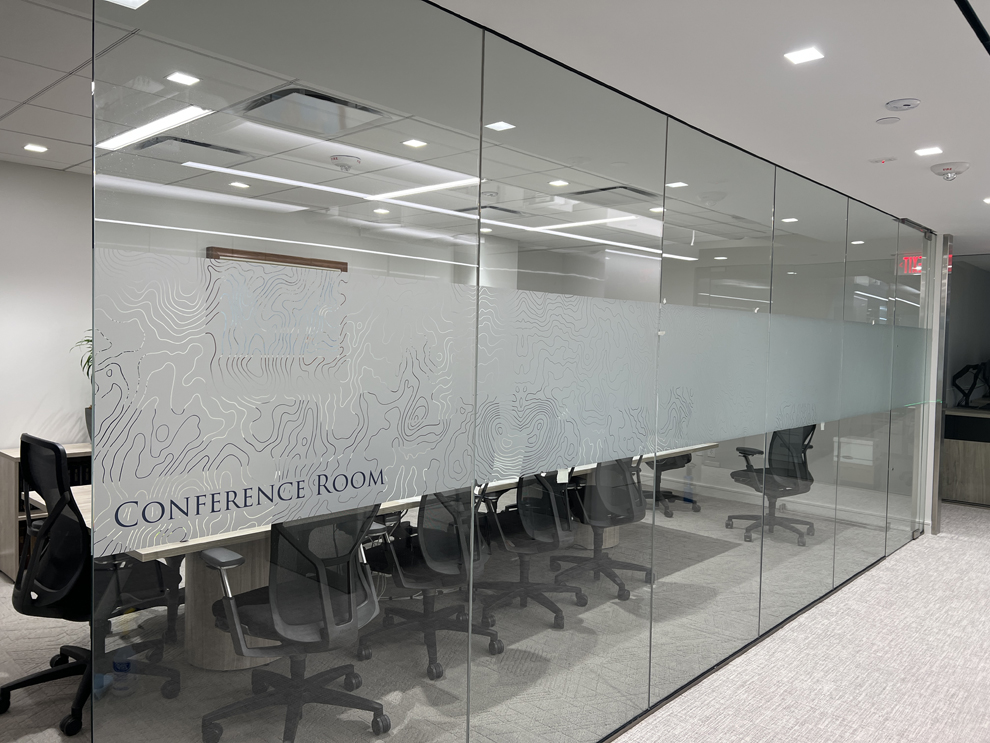
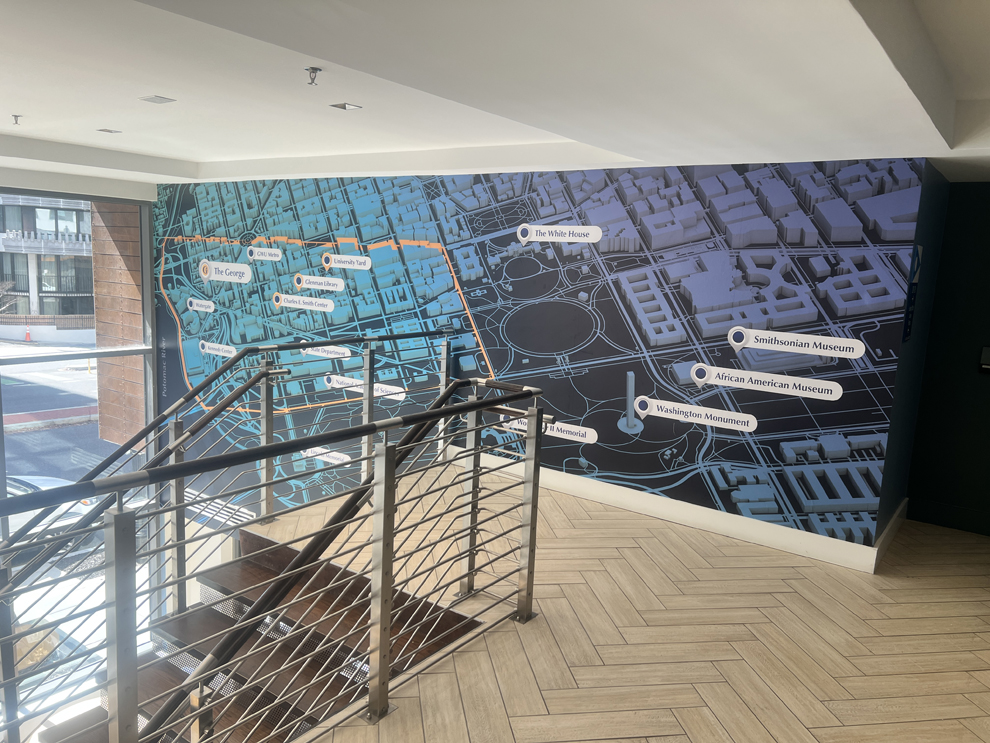
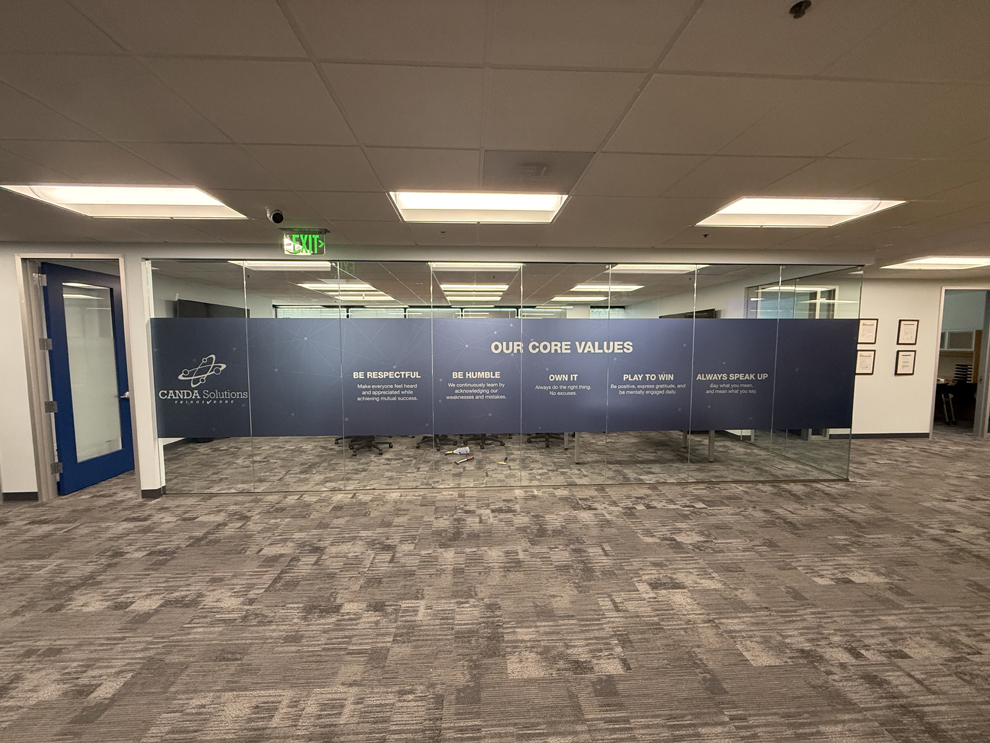
Walk the building with a colleague who sees it differently from you. Follow a visitor’s route, then follow an employee’s. Note where directions become unclear, where conference-room glass needs appropriate privacy, and where a story or recognition feature could bring purpose into a shared area. You may discover that a modest change in a busy corridor deserves attention before a large decorative feature somewhere else.
At our Charlotte headquarters, we’ve made a substantial commitment to the future of our team and the clients we serve. That investment reinforces an important principle for me: plan around the people who will live with the result. Start with the spaces where a thoughtful improvement will be noticed and used, then decide what can responsibly wait.
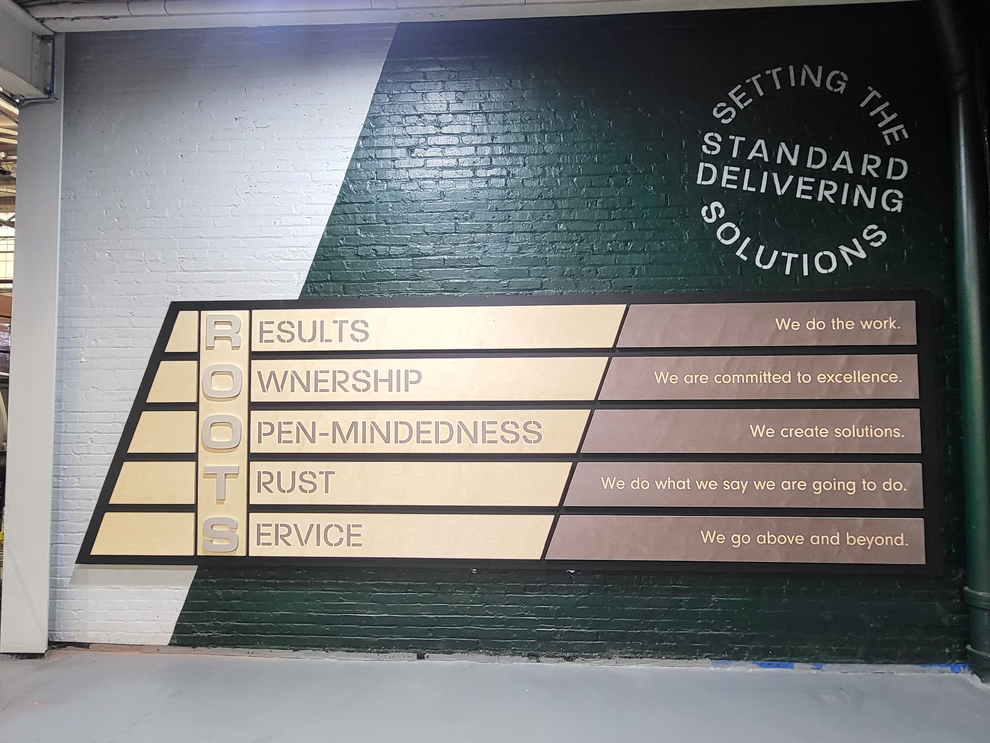
Decision 3: Connect the Creative Idea to the Finished Environment
It’s easy to approve an attractive graphic on a screen. The tougher question is whether it will communicate just as clearly when someone is walking past it, sitting beside it, or seeing it through glass. Colors, scale, viewing distance, lighting, access, and the surface itself can change the effect.
That’s why the creative direction and the physical execution must inform one another.
Heritage’s environmental graphic design brings client stakeholders into decisions about how signs, wall graphics, dimensional features, and displays should function together. Our production and fabrication teams create exceptional custom signs, graphics, and displays. Our professional installers complete on-site installation, with one dedicated Project Manager coordinating the entire process. The purpose is not to replace an architect or branding agency. It’s to protect the approved idea as it becomes physical work.
When a client already has professional designs, we respect that creative direction and help translate it into the agreed signs and graphics. When design development is part of our accepted scope, we collaborate from an earlier stage. Either path should lead to a coherent experience rather than unrelated pieces installed one after another.
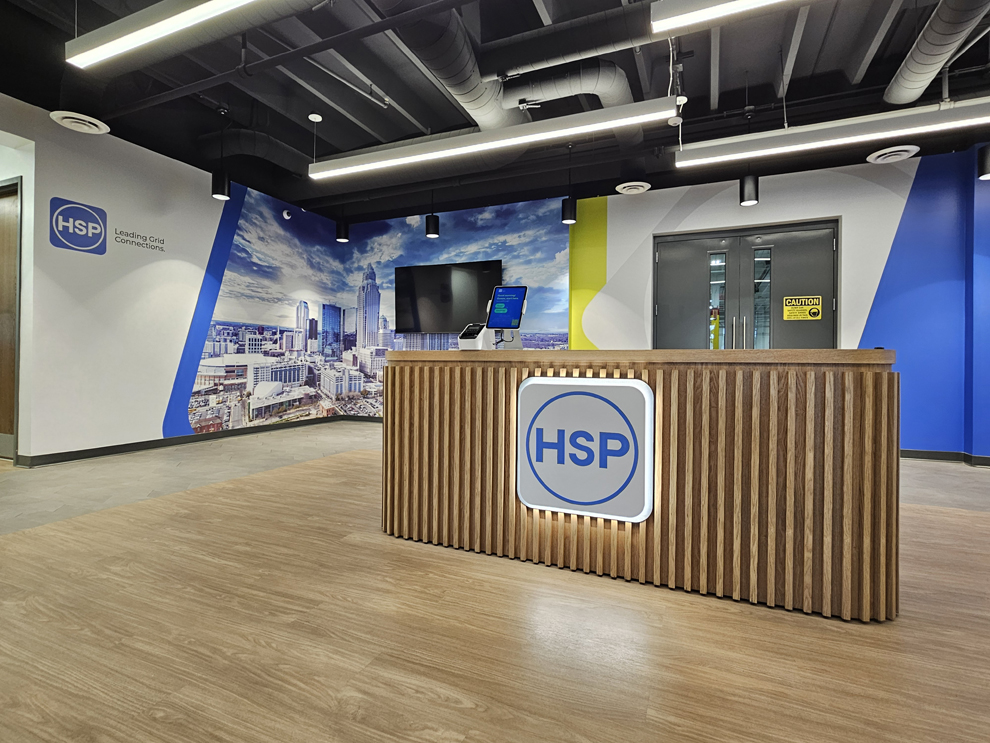
Decision 4: Spend Where the Improvement Will Have Meaning
There is a difference between having money available for a workplace project and having a clear reason to invest it. As a business owner, I’ve had to make choices about people, equipment, buildings, and growth. Those decisions have taught me to ask what an investment will make possible, not simply what it will purchase. The same principle belongs in a workplace refresh.
Perhaps the most important improvement is a welcoming entrance that better represents your organization. Perhaps employees would benefit more from clearer navigation, shared storytelling, or branded meeting areas. A new headquarters may require a coordinated rollout, while an occupied office could be refreshed in deliberate phases. None of those approaches is inherently better; the priorities and intended outcome should decide.
Share an honest anticipated overall investment before anyone begins promising an elaborate solution. Design scope, production, fabrication, materials, site conditions, and professional installation all shape the cost. I would rather help a client make several thoughtful choices that hold together than fill a project with features that look impressive but contribute little to its purpose.
Decision 5: Protect the Schedule with Clear Ownership
A workplace opening, recruiting event, or leadership gathering can make a date feel immovable. I understand the excitement of wanting the finished space ready for an important moment. But enthusiasm doesn’t remove the time needed for approvals, production, fabrication, and responsible installation. The most useful early conversation identifies both the destination and the decisions that can delay reaching it.
Establish who approves the message, artwork, property access, and installation schedule. For Heritage-managed work that includes professional installation, a site survey is required to verify dimensions, placement, access, and relevant surface conditions. Recently painted walls need proper preparation and full curing according to manufacturer requirements and actual site conditions. Those realities are part of a successful plan, not afterthoughts to handle when installers arrive.
For accepted and assigned Heritage-managed projects, one dedicated Project Manager keeps the approved direction and field knowledge connected as the work moves forward. If the requested date isn’t achievable, our responsibility is to say so early and help identify a credible sequence, not to promise what we cannot deliver.
What Crafted Agency’s Charlotte Workplace Gets Right
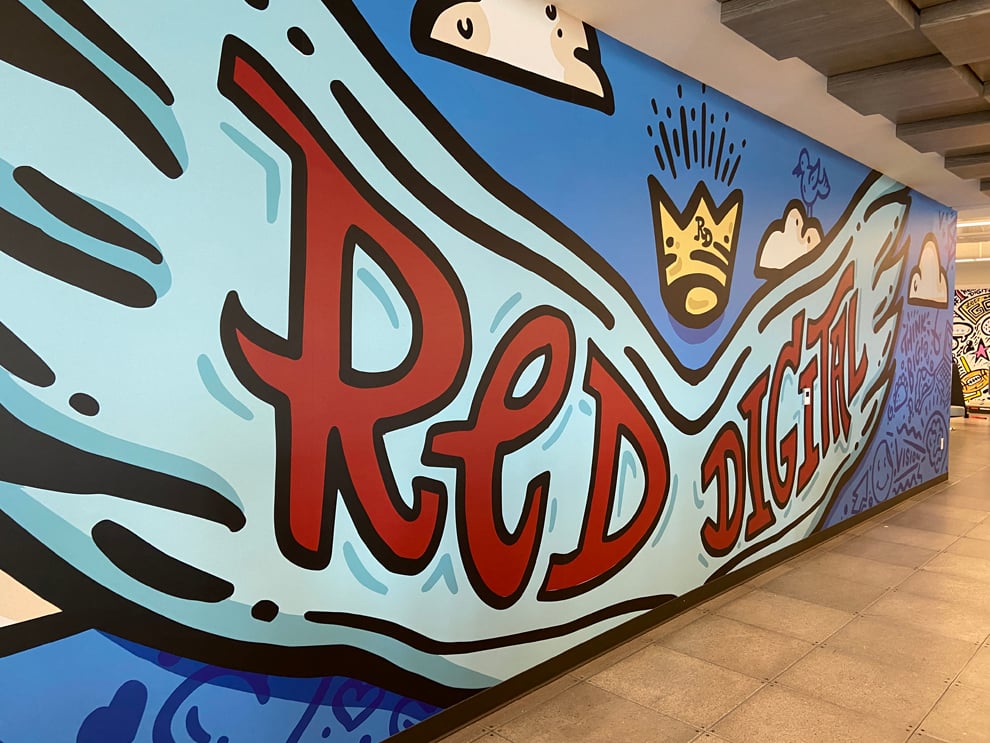
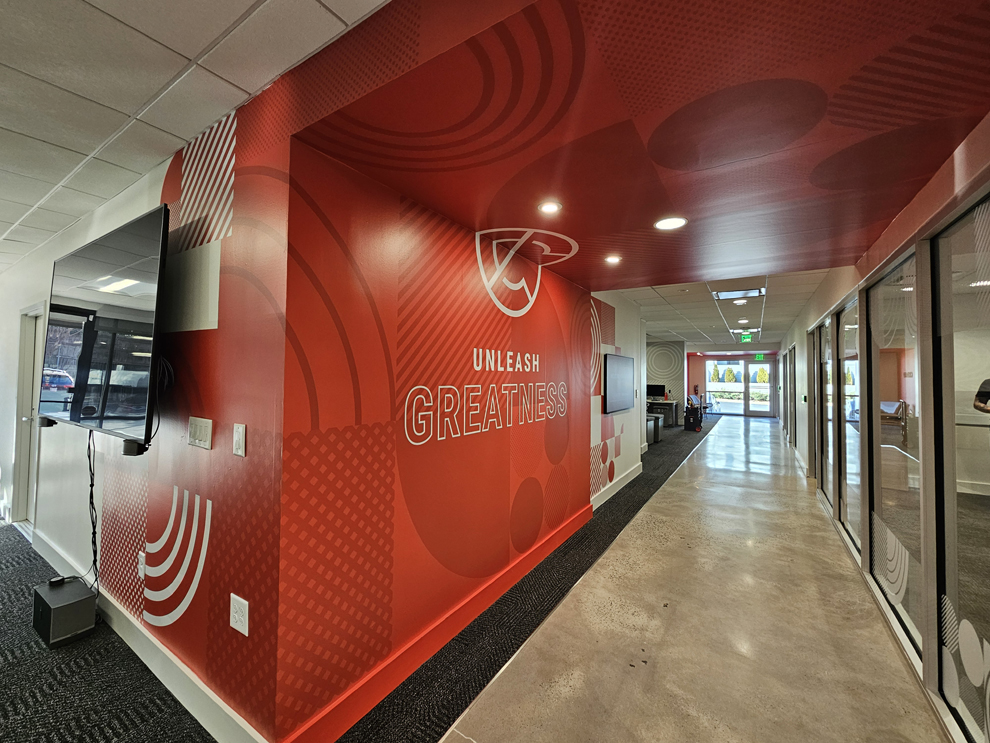
One Charlotte project I appreciate is Heritage’s work with Crafted Agency, a branding and marketing team whose own office needed to communicate creativity without making everyday work harder. Its visual identity had to appear confidently across shared areas while serving practical needs in meeting rooms and circulation spaces. That balance is exactly what I encourage leaders to consider before deciding which graphics belong where.
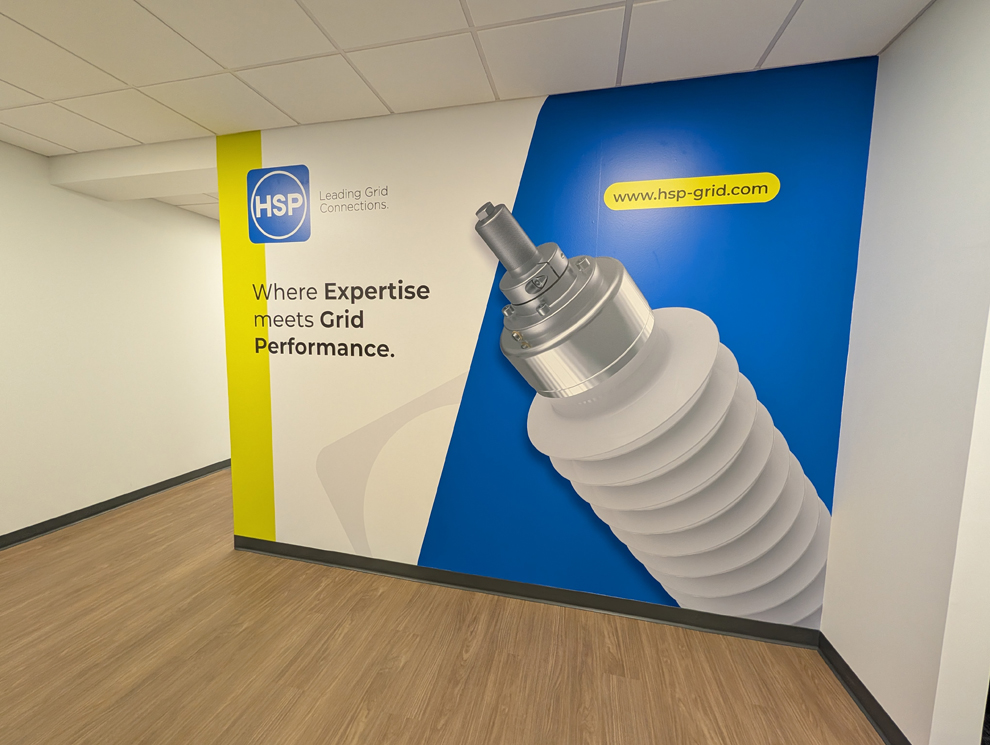
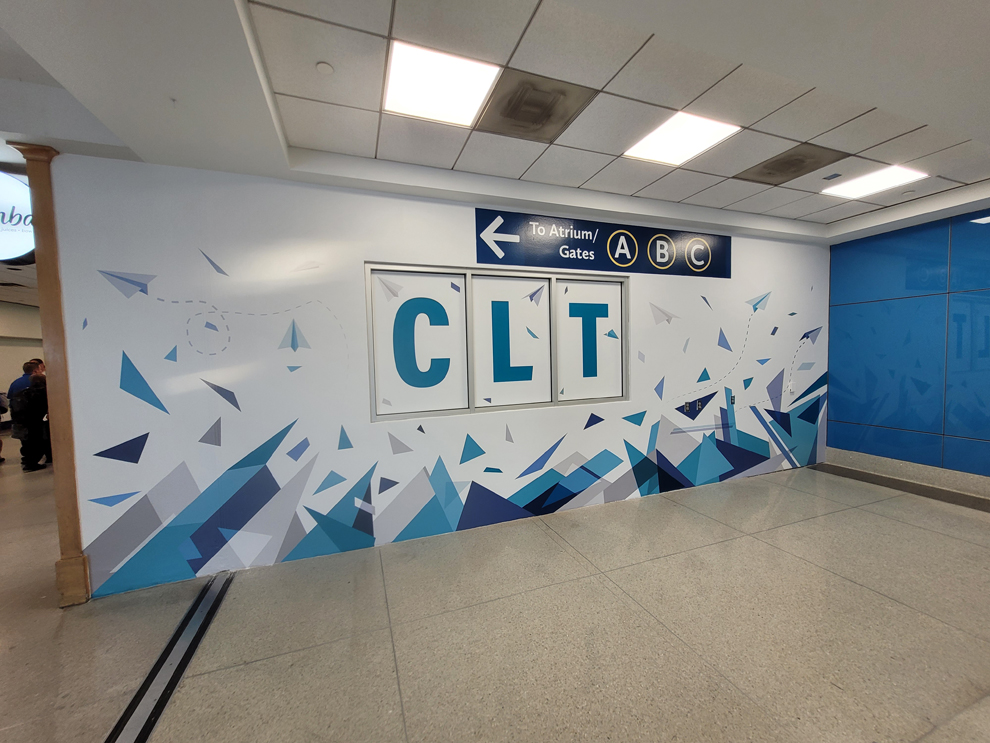
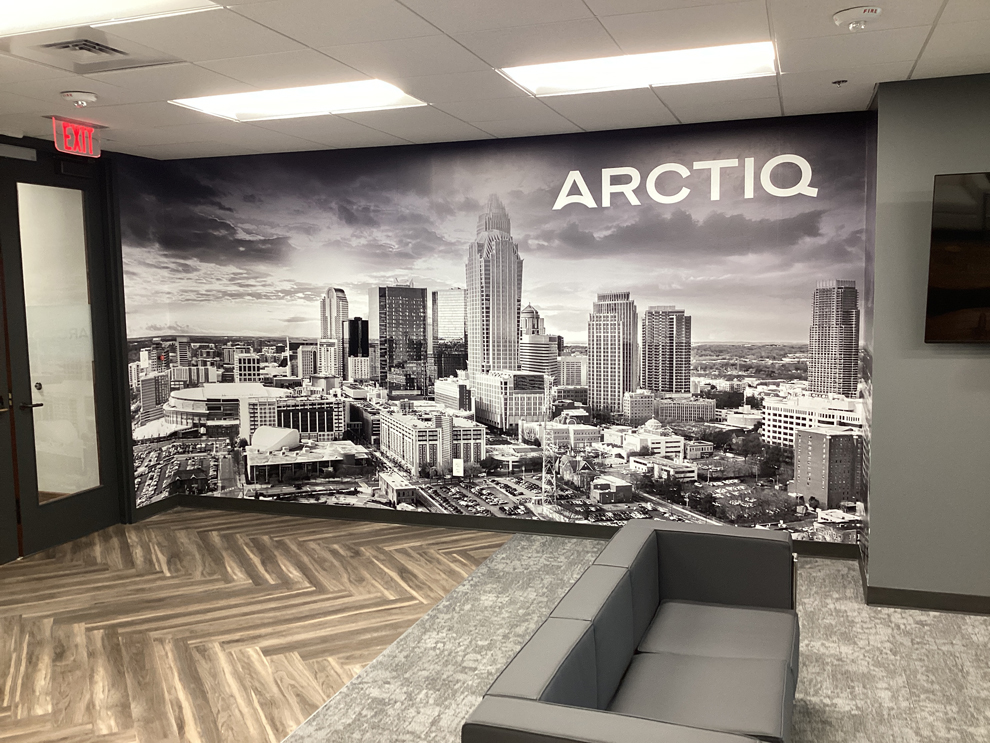
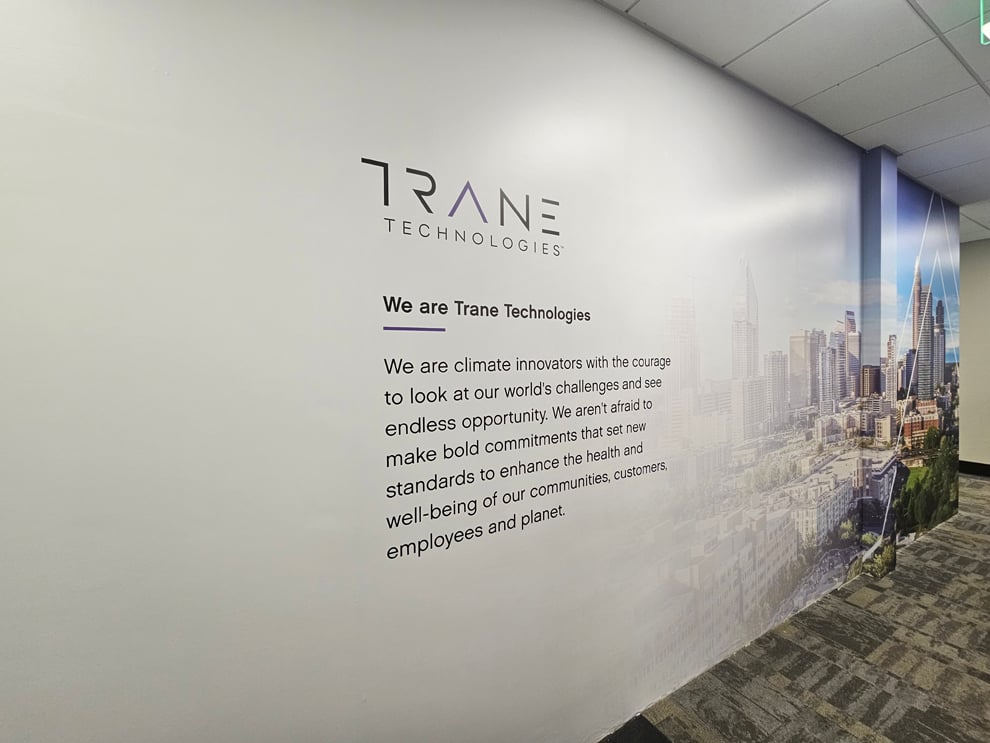
A bold red wall wrap extends onto a ceiling area, making a distinctive impression as people move through the office. Conference-room glass has quieter branded privacy graphics that allow light into the rooms. Heritage also surveyed, templated, and repurposed an existing dimensional logo, while identification and wayfinding elements support navigation. These choices don’t ask every space to deliver the same visual experience; they make the workplace feel connected while respecting each area’s purpose.
The lesson is bigger than the individual products. Good ideas deserve careful scaling, fabrication, site coordination, and professional installation. That’s how a business’s character can become visible in its workplace without allowing the graphics to overpower the people and work the environment exists to support.
Give Your Charlotte Workplace a Purposeful Start in 2027
As you plan for 2027, consider what your Charlotte workplace could communicate more clearly about the people who make the organization successful. It may be time to welcome visitors differently, celebrate the team’s accomplishments, improve the places where people collaborate, or bring a renewed identity into the building. You don’t need to change everything to make the next improvement meaningful.
The five decisions are a useful starting point: understand the experience you want to create, identify the spaces that matter most, connect design to the physical environment, invest with intention, and establish responsible ownership of the schedule. An experienced team can help evaluate the possibilities, but the direction begins with your organization’s priorities and values.
If you’re considering a workplace refresh, Get Started Now with Heritage Signs & Displays. Share the space, your goals, anticipated investment, desired date, and any photographs or brand materials you already have. Our team will review that context and follow up personally during normal business hours. I’d welcome the opportunity to help you make a lasting improvement for the people who experience your workplace every day.